
Call evaluation software gives managers a structured way to understand how agents are performing during real customer conversations. It’s one of the reasons organizations continue to invest in these platforms as part of their quality monitoring process.
But once your software starts evaluating calls and producing scores, how do you know which findings actually deserve your attention?
Does the platform give you enough context to understand what those findings mean for your team, or are your managers still left to figure it out on their own?
To help you answer those questions, this guide compares the top eight call evaluation software platforms for 2026.
We’ll look at how each platform evaluates conversations, what it shows you behind its scores, and how far its role extends once an evaluation identifies something that needs attention.
These are the eight best call evaluation software platforms to compare in 2026:
Imagine opening your call quality monitoring dashboard and seeing that one of your call center agents repeatedly scores poorly on discovery.
The score has already told you something important. There is an area of their performance that deserves attention. But knowing where an agent scored poorly and understanding what needs to change are two different things.
A low discovery score could mean the agent isn’t asking enough questions. They might ask questions but fail to follow up on what the customer says. They could also move into a recommendation before they fully understand what the customer needs.
Those situations might produce a similar result on a scorecard, yet they point to different problems in the conversation. Telling the agent to “improve discovery” gives them little direction if neither they nor their manager understands which behavior is actually bringing the score down.
This problem becomes harder to manage when similar findings appear for different team members.
Managers can end up with dashboards showing who scored poorly and which evaluation criteria need attention. They still need to understand what happened during those conversations before deciding how to respond.
Insight7’s research into hundreds of inbound manufacturing sales calls gives us a concrete example. The study found a 47% gap between top- and bottom-performing reps on Discovery & Needs Assessment.
When the conversations were examined more closely, it was found that top-tier reps conducted project discovery on 88% of calls, compared with 20% for the bottom tier.
The research does not show that discovery alone caused the difference in overall performance. What it demonstrates is how a broader evaluation result can contain more specific behavioral differences underneath it.
That is the distinction organizations need to account for in their quality monitoring process. A scorecard gives teams a consistent way to measure performance against defined quality standards.
The problem starts when the score becomes the end of the evaluation and managers are left to work out what produced it on their own.
If that keeps happening, the organization can accumulate plenty of performance data while still lacking enough context to decide what deserves attention.
That leaves teams with a deceptively simple question after every evaluation: We know how the call scored. Now what do we do with what we found?
Helping your team make sense of what an evaluation finds is part of the role call center quality monitoring software can play.
How far that role should extend depends on what your organization needs once a performance issue has been identified.
Here’s a brief overview of the top eight call evaluation software platforms.
| Platform | Short Overview | Key Features | Pricing |
| Insight7 | AI call intelligence and coaching platform that evaluates real customer conversations against custom criteria and helps teams understand the behaviors behind their scores. |
|
|
| Observe.AI | Contact center AI platform that uses automated QA to evaluate calls and chats while supporting human review and calibration. |
| No public pricing |
| CallMiner | Conversation intelligence platform that analyzes customer interactions to uncover quality and performance patterns behind evaluation results. |
| No public pricing |
| Convin | Automated quality management and conversation intelligence platform for contact centers that evaluates calls against configurable criteria. |
| No public pricing |
| Scorebuddy | Contact center QA platform built around structured quality management, customizable scorecards, and automated evaluation. |
| No public pricing |
| EvaluAgent | Automated quality management platform that combines custom scorecards, AI evaluation, and human review for contact center QA. |
|
|
| MaestroQA | Quality assurance platform that combines automated evaluation with customizable scorecards and workflows for investigating quality issues. |
| No public pricing |
| Level AI | AI-powered quality assurance and analytics platform that evaluates customer interactions and provides supporting evidence behind AI-generated results. |
| No public pricing |
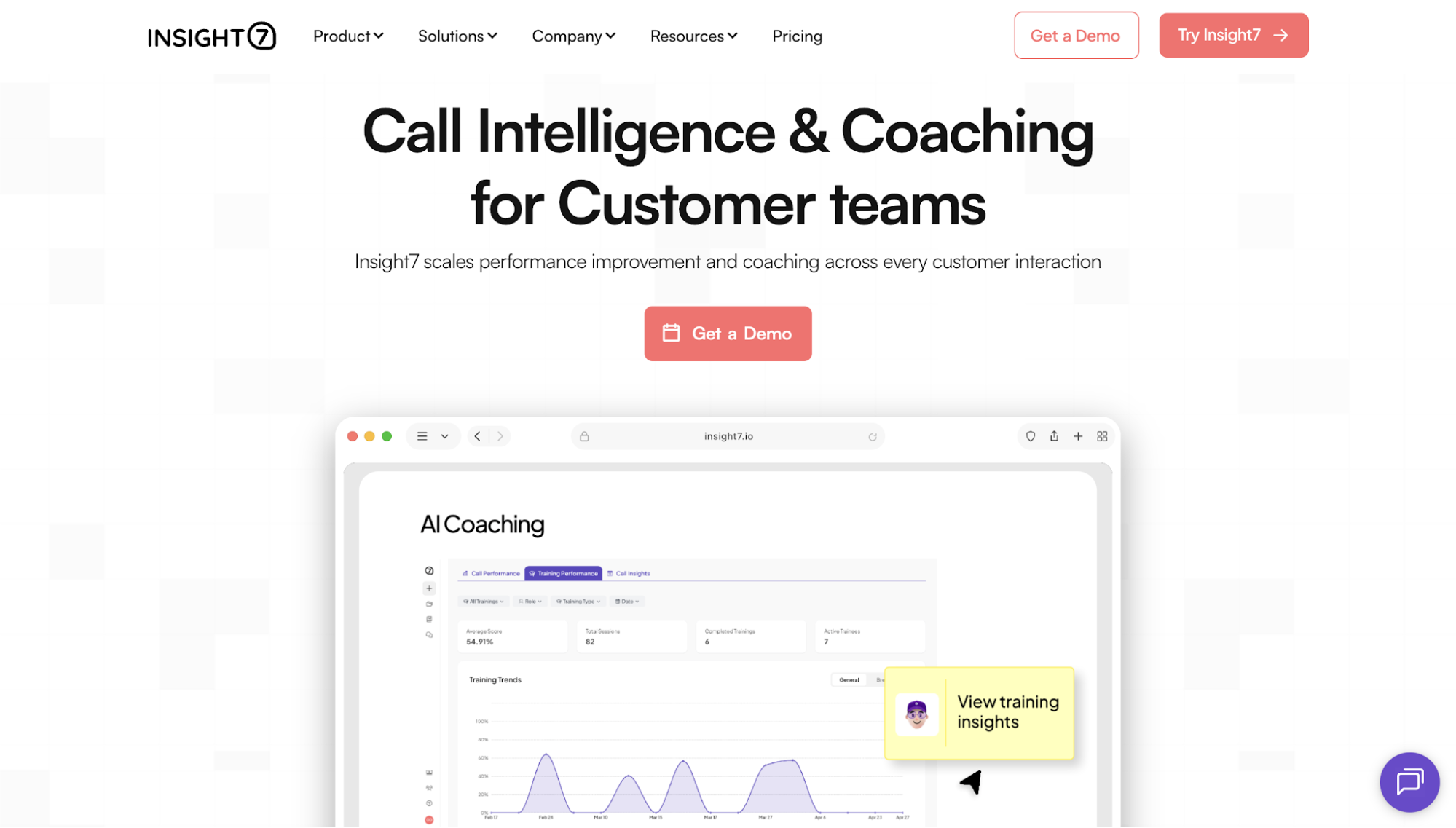
Insight7 is an AI call intelligence and coaching platform for customer-facing teams. Its call evaluation capabilities evaluate real conversations against criteria defined by the organization and help managers understand the findings behind the resulting scores.
Its main goal is to examine inbound and outbound calls to identify coaching opportunities and other areas where teams can improve call center performance.
It gives managers a more complete view of what happens during each customer conversation, helping them understand where performance issues occur and where greater call center efficiency may be possible.
That makes Insight7 ideal when your team wants call evaluation to provide more than an overall performance number. Managers can use those findings later for sales coaching or skills practice, while the evaluation itself remains grounded in the conversation being reviewed.
Insight7 holds a 4.7 out of 5 rating on G2. Users particularly commend its ability to surface valuable insights from large amounts of conversation data, along with its ease of use and the time it can save during analysis.
One verified telecommunications reviewer also highlighted its value for quality assurance, noting that it gives them an objective perspective on the call and helps identify areas that need improvement, right away.
What separates Insight7 from other platforms is how far teams can take the findings produced during call evaluation.
It starts with the evaluation itself. Insight7 can analyze calls against custom scorecards, show the conversation evidence behind individual scores, and give QA leaders a way to review or correct AI evaluations.
This gives managers more context when a score points to a recurring performance issue.
Once managers know what is bringing a score down, they can work on that specific behavior within Insight7 to improve agent performance.
If a rep repeatedly struggles with discovery, for example, the manager can immediately focus their coaching on that skill and assign AI roleplay scenarios where the rep can practice it before their next customer conversation.
Key Features
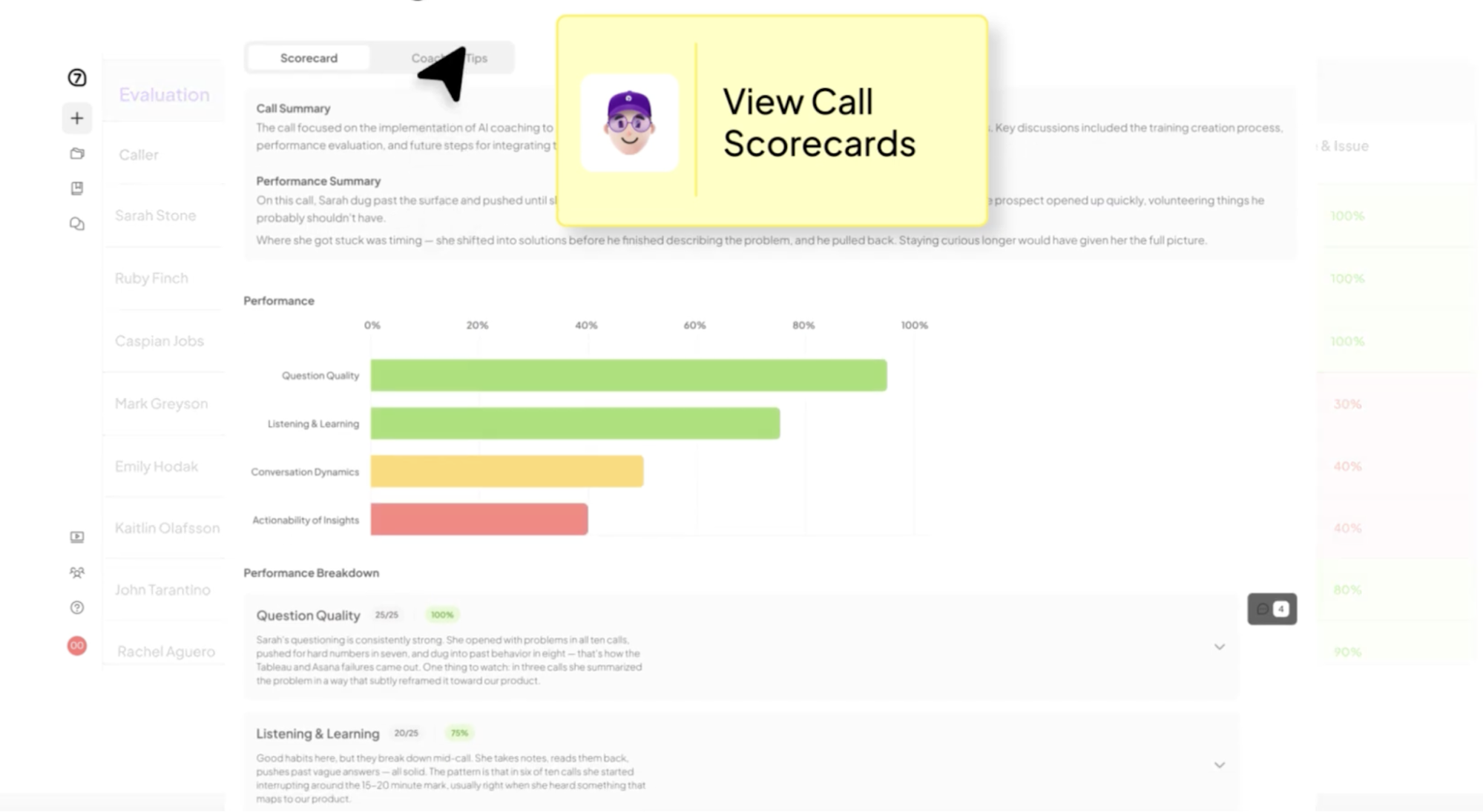
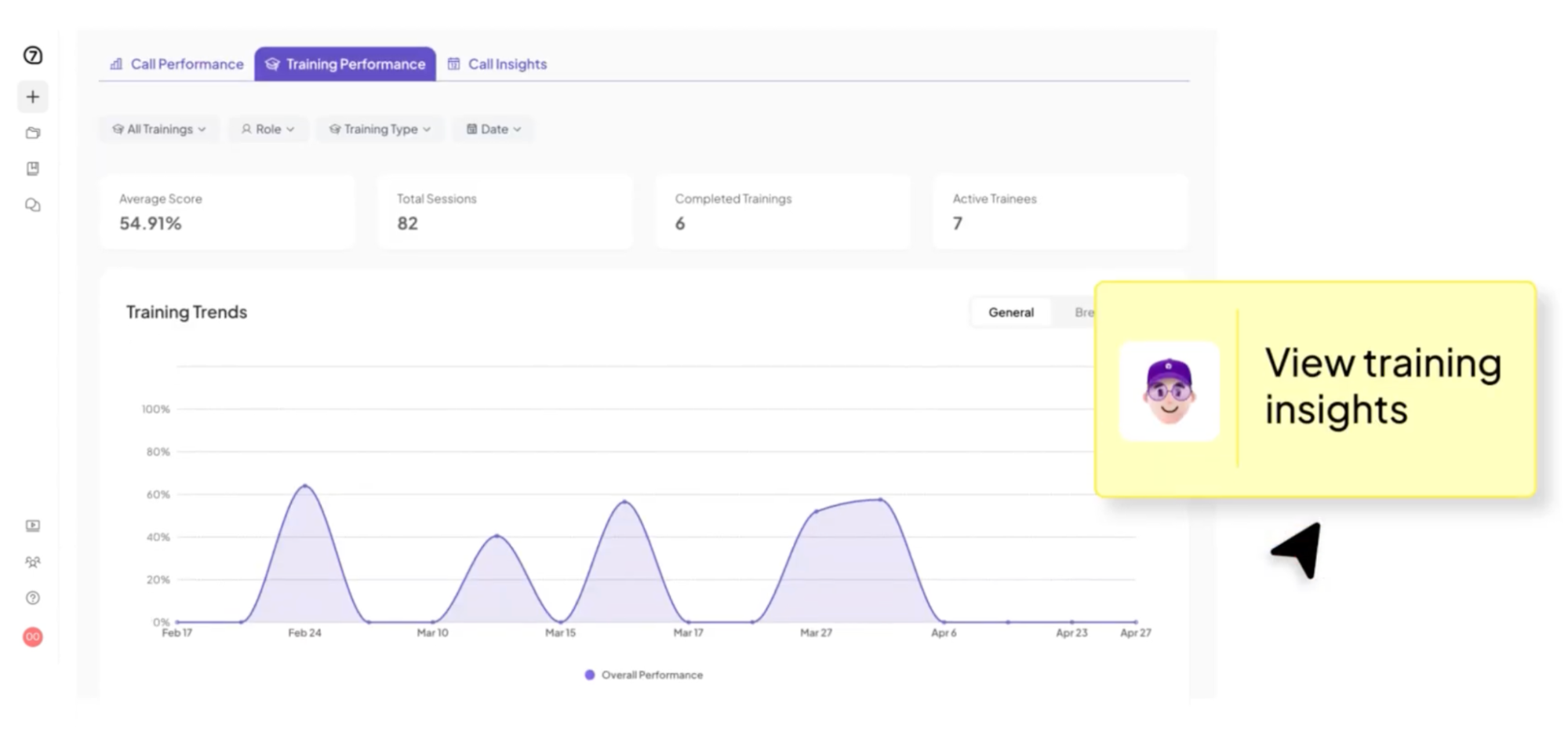
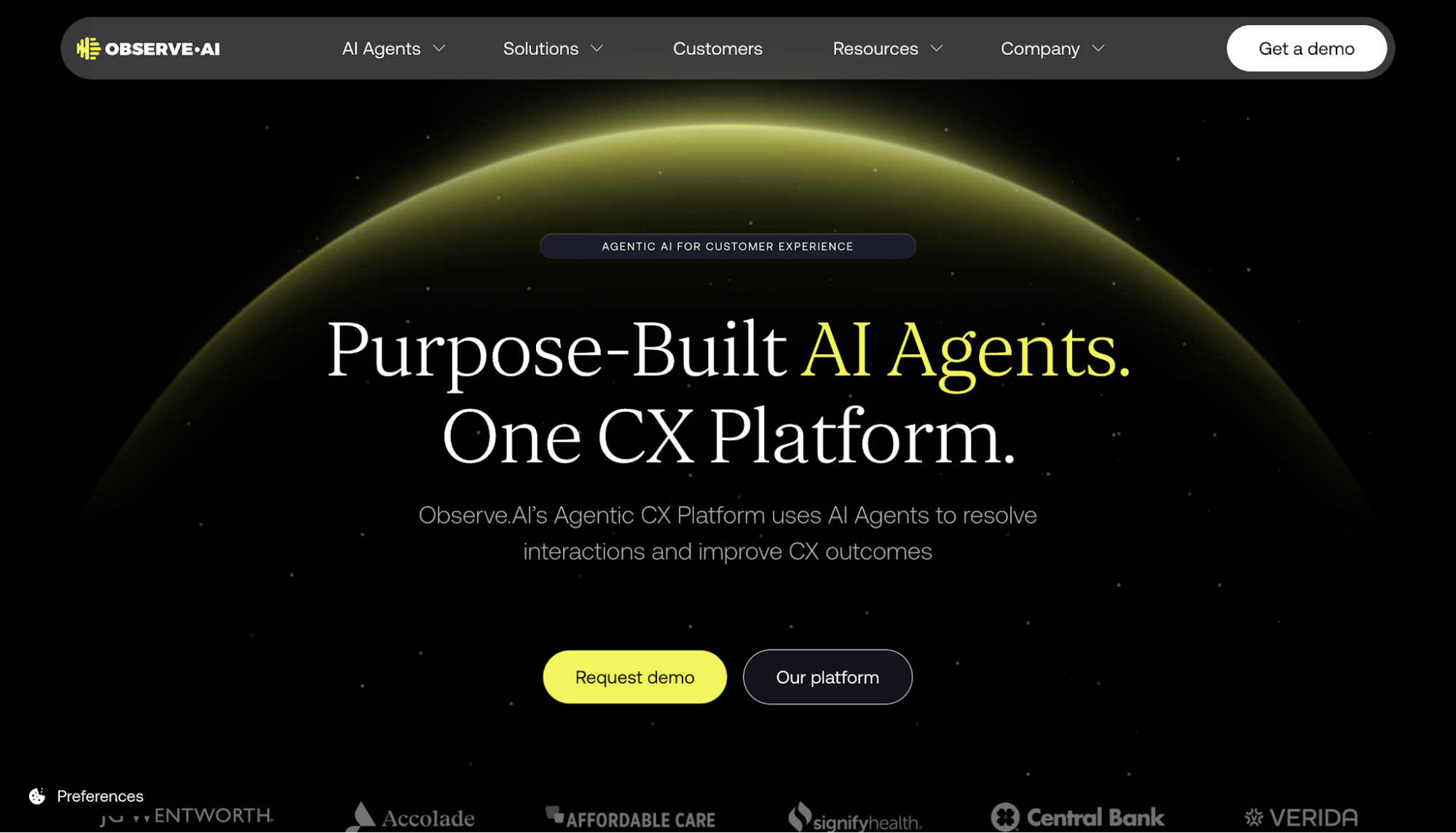
Image source: observe.ai
Observe.AI is a contact center AI platform with automated quality management capabilities. Its Auto QA evaluates calls and chats against an organization’s rubric, with scores linked to supporting transcript moments.
It also supports human review and calibration when teams need to verify or adjust evaluations.
Observe.AI does not publish prices.
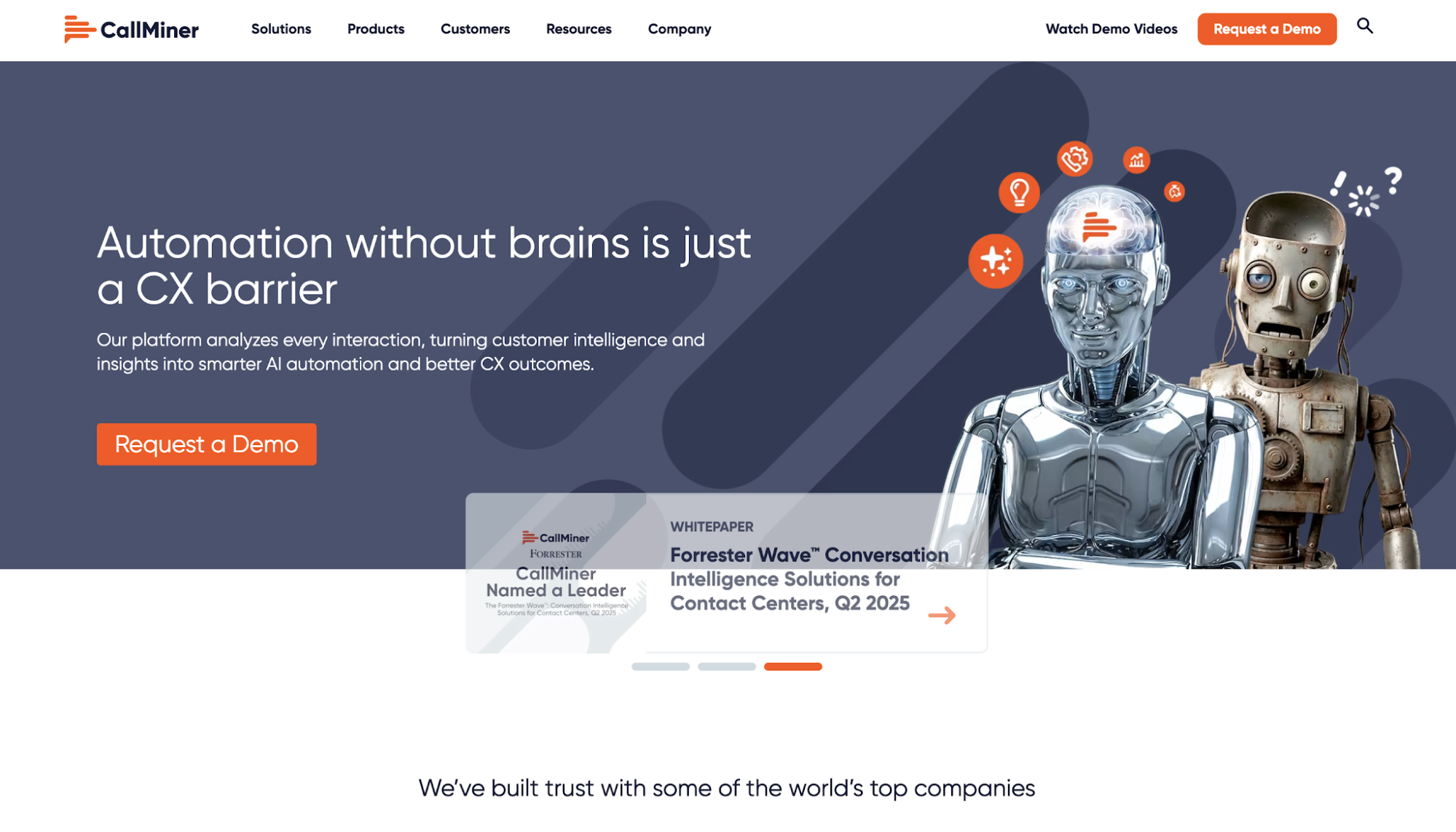
Image source: callminer.com
CallMiner is a conversation intelligence and speech analytics platform that analyzes customer interactions for quality and performance insights.
Its automated scoring capabilities help teams evaluate calls against defined standards, while conversation analytics lets managers investigate the interactions and patterns behind those results.
CallMiner does not publish prices.
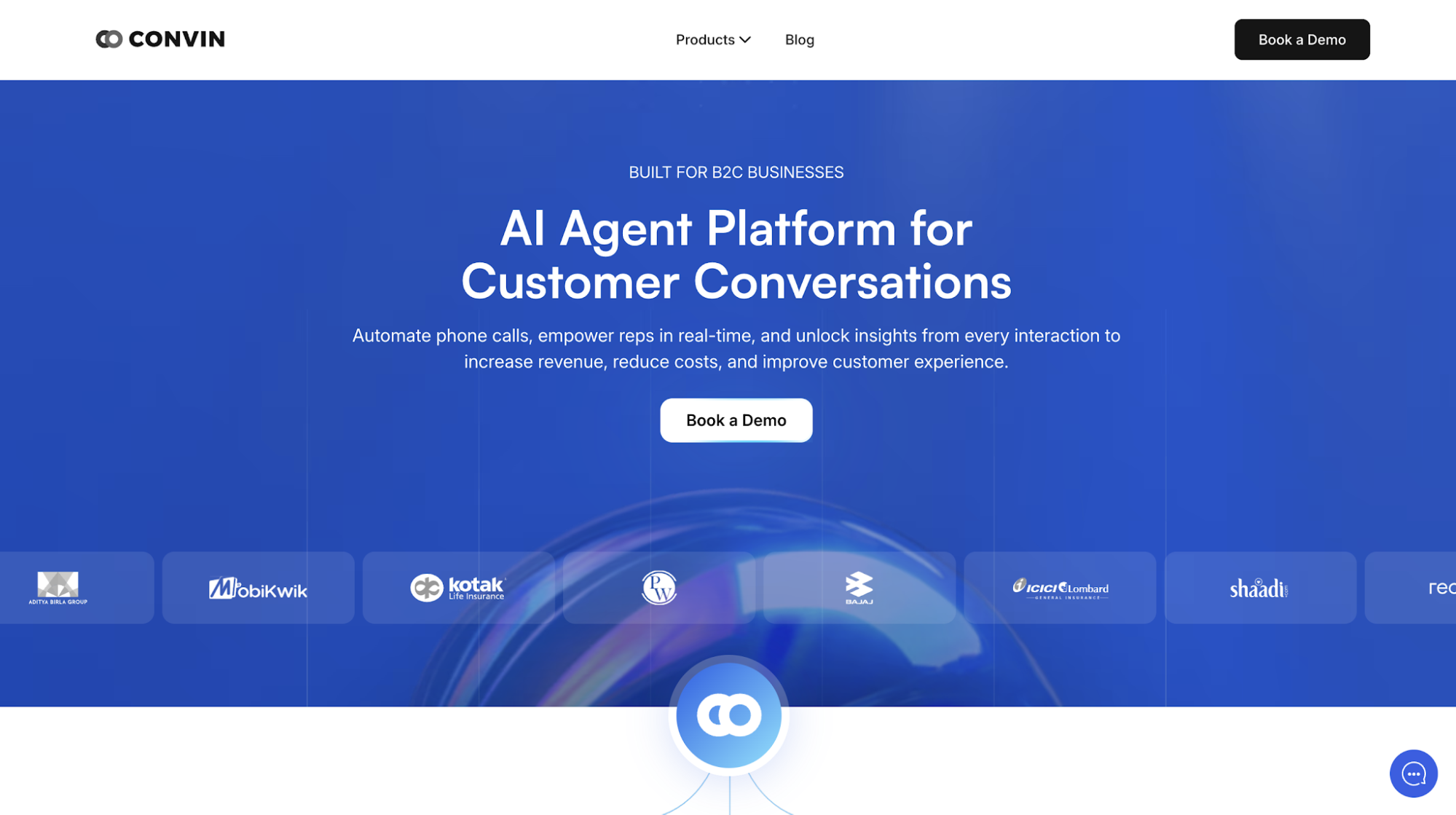
Image source: convin.ai
Convin provides automated quality management and conversation intelligence for contact centers. Its platform evaluates calls against configurable parameters and gives managers additional context through conversation behavior and customer sentiment analysis.
Convin does not publish prices.
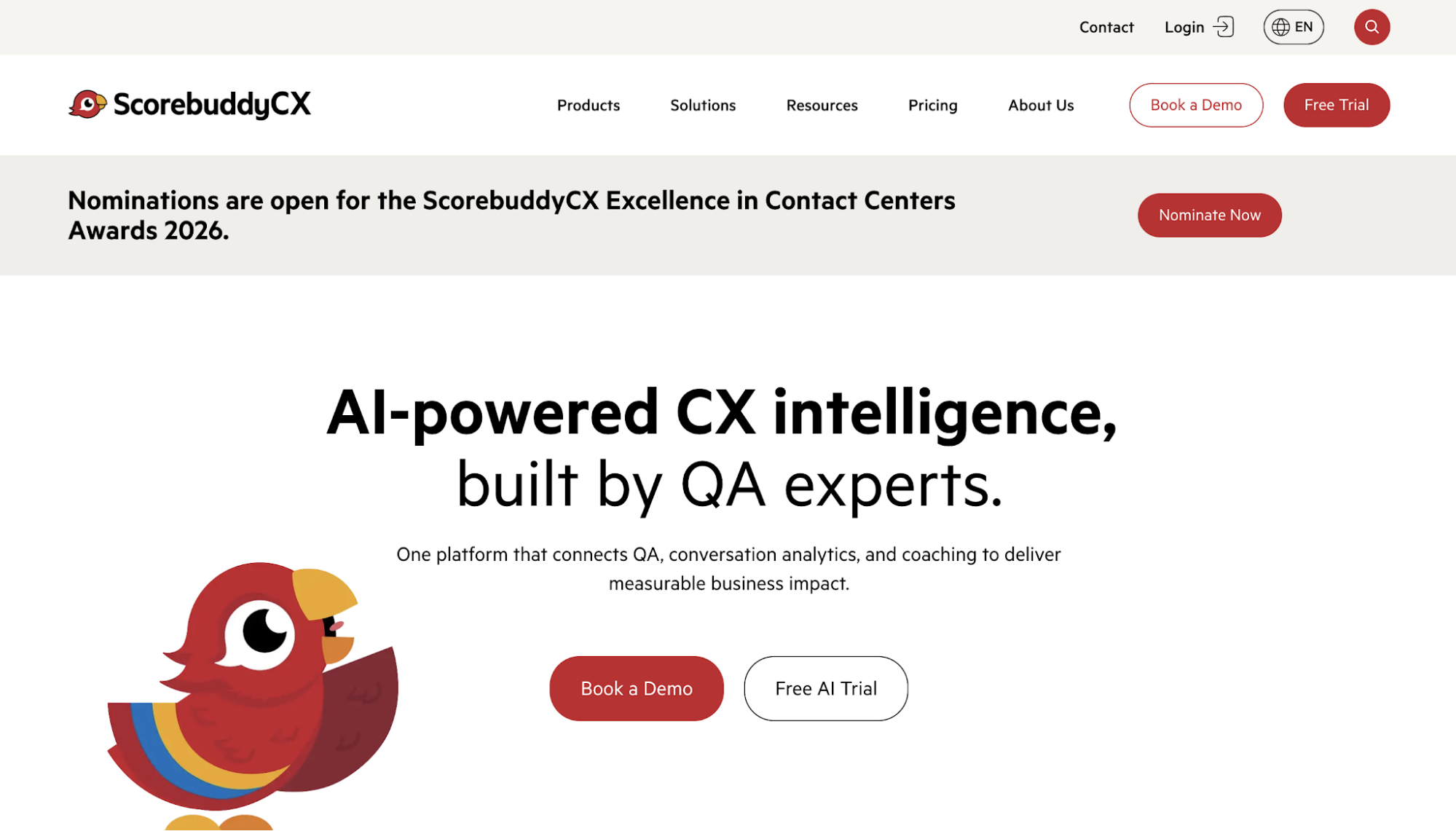
Image source: scorebuddycx.com
Scorebuddy is a contact center QA platform built around structured quality management. Teams can create scorecards around their evaluation standards, run calibration workflows, and add automated scoring through its higher-tier plans.
Scorebuddy does not publish prices.
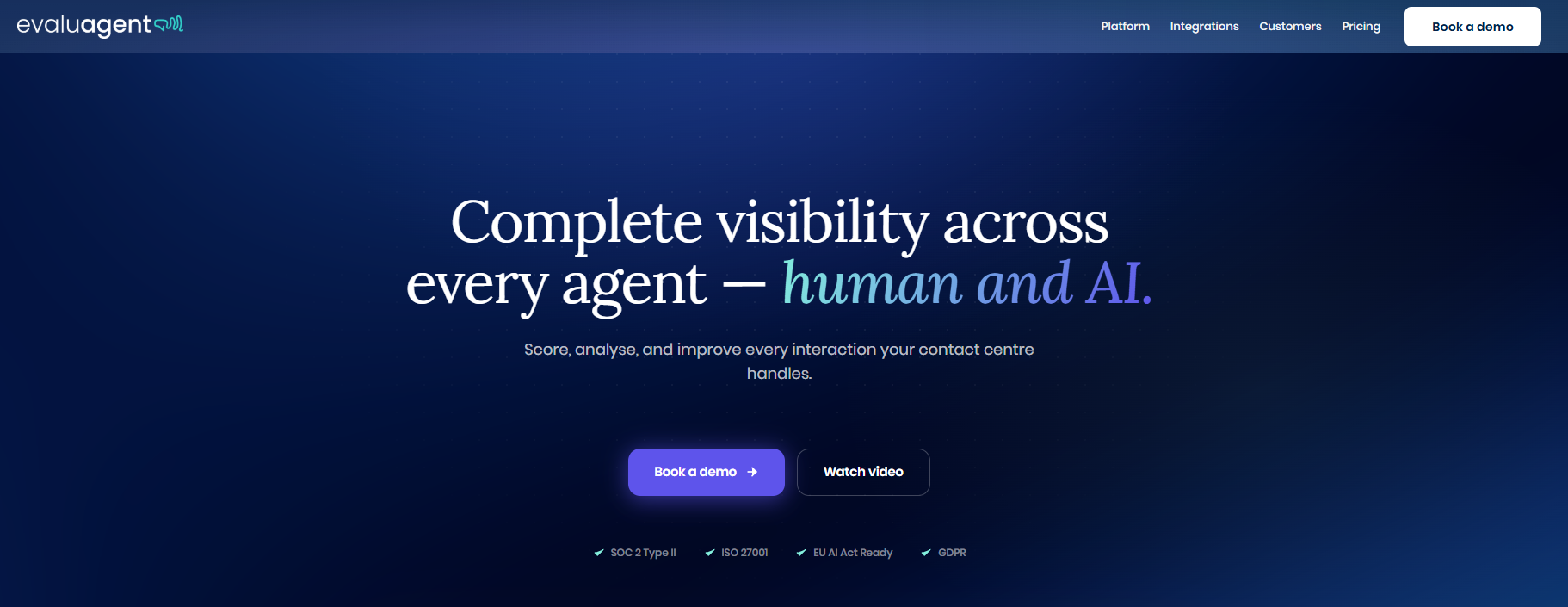
Image source: evaluagent.com
EvaluAgent is an automated quality management platform for contact centers. Its AutoQM product supports custom scorecards, automated evaluation, and human review, giving teams flexibility over how much of their QA process is automated.
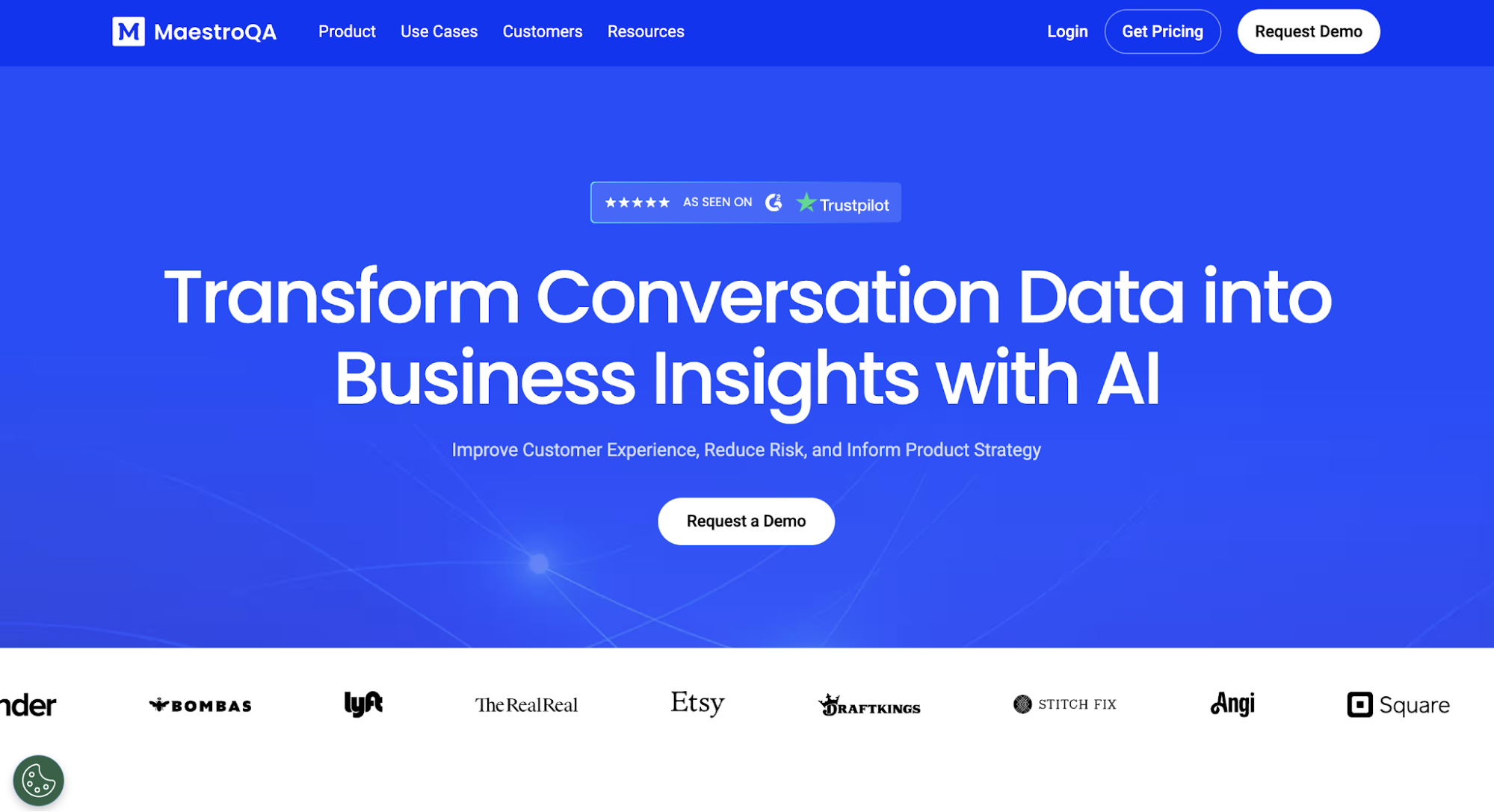
Image source: maestroqa.com
MaestroQA is a quality assurance platform for customer-facing teams. It combines automated evaluation with customizable scorecards and human QA workflows, with additional tools for investigating the factors contributing to quality results.
MaestroQA does not publish prices.
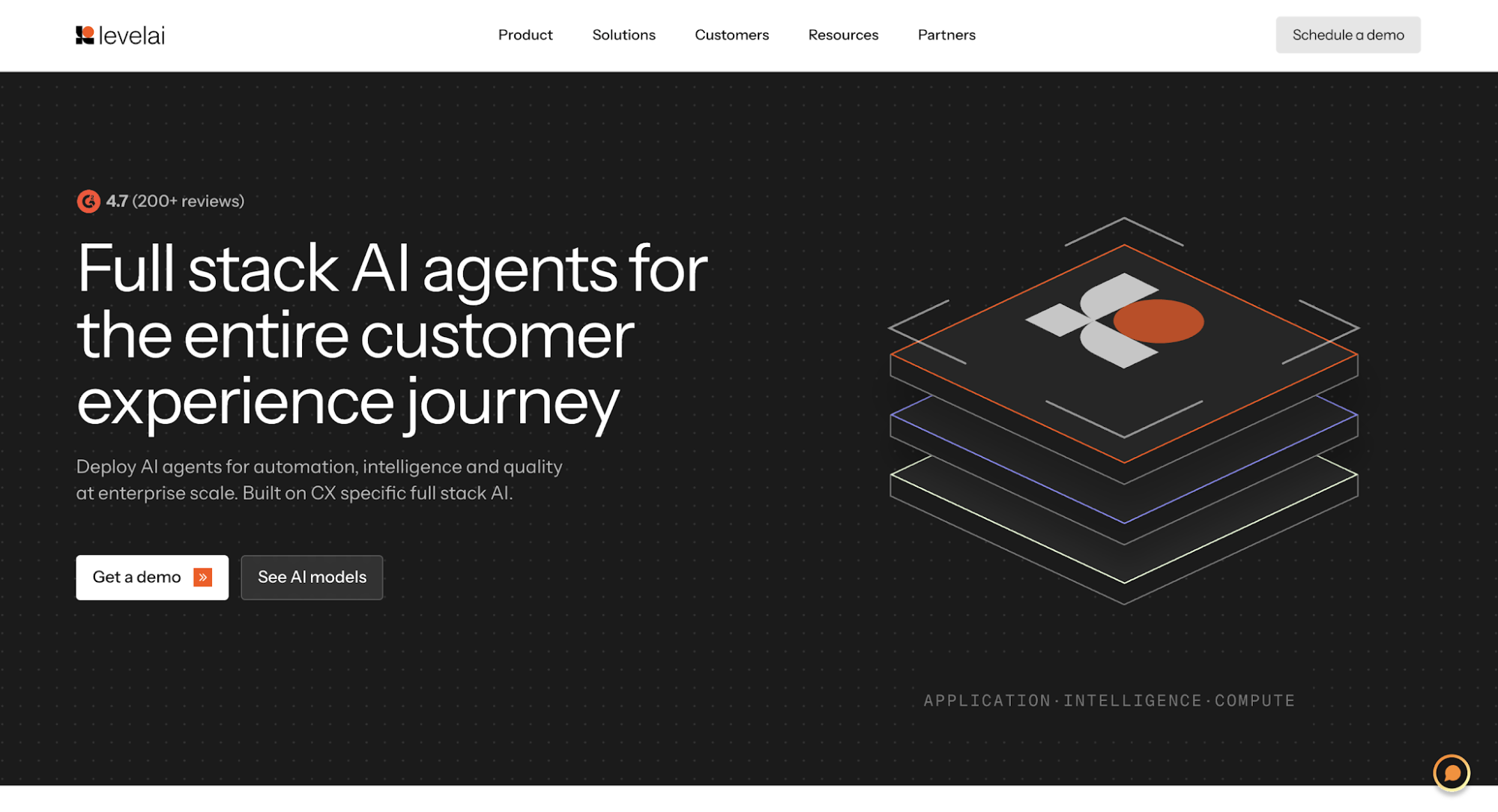
Image source: thelevel.ai
Level AI provides artificial intelligence-powered quality assurance and analytics for customer experience teams. Its QA tools support custom evaluation criteria and provide conversation evidence behind AI-generated results, with human reviewers able to override scores when necessary.
Level AI does not publish prices.
The platform profiles show how differently vendors can approach call evaluation. That makes your next step less about finding the longest feature list and more about deciding what you need to trust and understand in an evaluation.
These six areas deserve particular attention when you compare your options.
Before a score can tell you anything meaningful, the software needs to evaluate the behaviors your organization actually cares about.
Those standards will depend on the conversations your team handles.
A customer service operation may evaluate whether agents resolve the issue clearly, while teams in regulated industries may use compliance monitoring to check whether required information was communicated correctly.
If the criteria do not reflect those expectations, even a consistently generated score can point managers toward the wrong priorities.
That is why scorecard flexibility deserves attention early in your evaluation. Look for software that lets your team define its own criteria and adjust how different parts of the evaluation contribute to the final result.
Insight7, for instance, supports custom scorecards built around an organization’s own evaluation criteria, so teams can evaluate conversations according to the behaviors and standards already important to their operation.
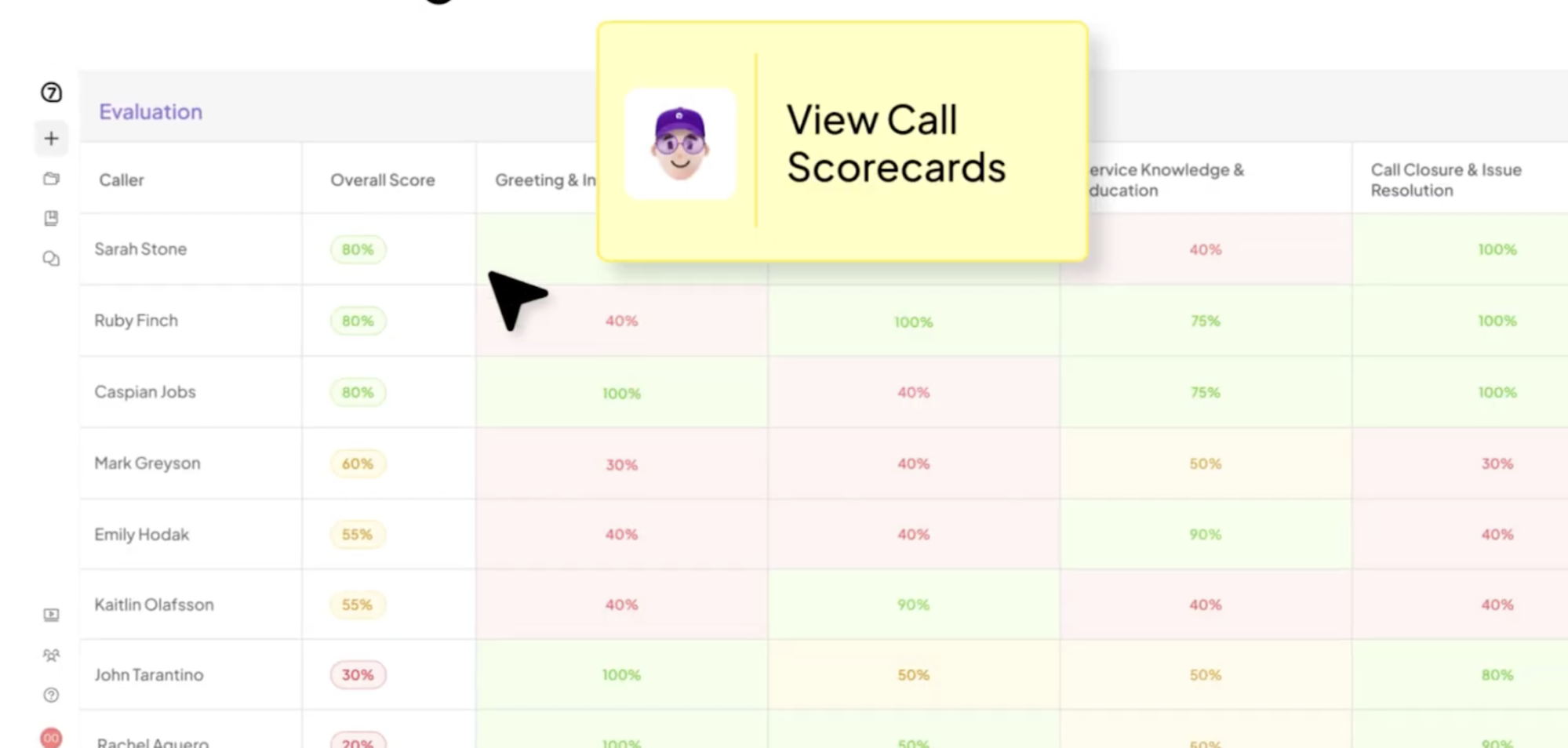
Once the right criteria are in place, the next question is whether they are being interpreted consistently.
Suppose your QA team believes an agent handled an interaction correctly, but the software repeatedly scores the same behavior as a failure. If that disagreement cannot be reviewed and resolved, managers eventually have to decide whether they trust the score or their own judgment.
QA calibration gives the team a way to compare those interpretations and refine how evaluations are applied. When weighing platforms, check whether your QA leaders can review questionable scores and keep automated evaluations aligned with your organization’s standards.
Insight7 gives QA leaders that level of oversight through its calibration workflow. They can review AI evaluations, override ratings when necessary, and feed those corrections back into the system rather than treating every automated score as final.
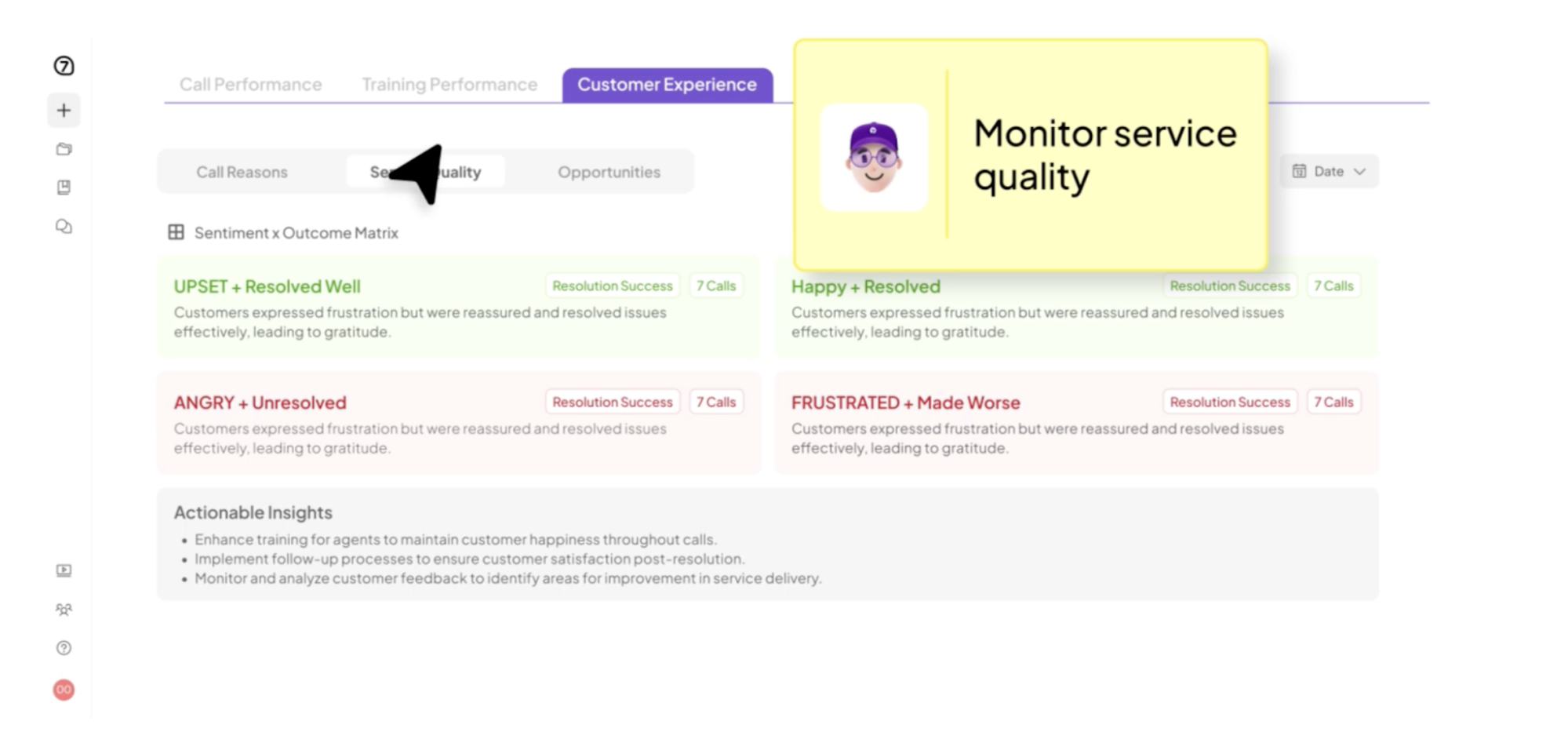
Even a consistent score leaves one more question unanswered: why did the call receive that result?
If an agent receives a low score for problem resolution, the number identifies the area that needs attention. It does not tell the manager whether the agent misunderstood the issue, gave an incomplete response, or ended the conversation before confirming the customer’s problem was resolved.
The software should make that reasoning easier to investigate. Look for evaluation results that connect the score back to the relevant part of the conversation so managers can see the evidence behind the finding rather than interpreting the number on its own.
This is particularly relevant to how Insight7 approaches call evaluation.
Its AI Call Scoring connects evaluation results to the exact moments in the conversation behind a score, providing an evidence report managers can review when they need to understand why a particular result was produced.
Once managers understand what happened during one call, they still need to know whether they are looking at an isolated result or something that keeps happening.
An agent can have one difficult customer service interaction without having a broader performance problem. If the same behavior appears repeatedly over several evaluations, however, it can give managers a clearer focus for continuous improvement.
This is why individual call scores need enough surrounding context to reveal patterns over time. Look for software that helps managers move from a single evaluation to recurring behaviors within an agent’s customer interactions without manually comparing one scorecard after another.
Those recurring patterns become even more important when managers need to understand whether the issue belongs to one employee or reaches further into the team.
For example, one agent repeatedly missing a required step points toward an individual performance issue. If several agents begin missing the same step, the underlying problem could be connected to training, a process change, or unclear expectations.
Reporting should help leaders see that difference clearly and understand what it means for broader contact center performance.
Look for dashboards that let you move between individual evaluations and broader team performance so managers can understand where an issue is appearing and where to focus performance improvement efforts.
Insight7 supports this through performance dashboards and reporting built around quality data from evaluation results. Its Business plan also includes keyword, scorecard, and performance alerts, which can help managers keep track of changes without relying on individual scorecards alone.
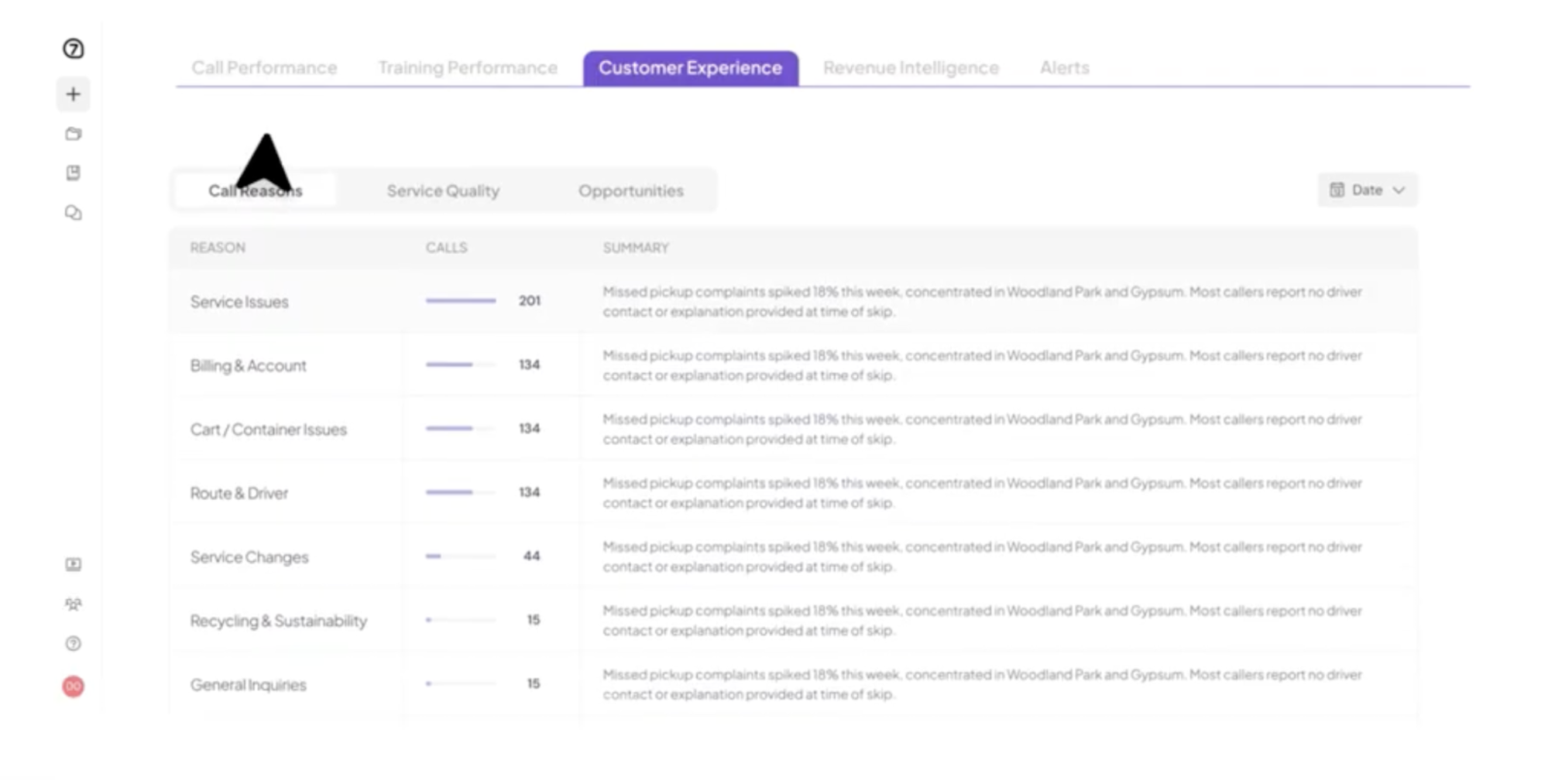
Once the evaluation process itself meets your needs, you also have to consider whether the software can operate safely within the systems supporting your call center operations.
Call evaluation depends on access to real customer interactions. If recordings or meeting transcripts have to be transferred manually between systems, maintaining operational efficiency becomes harder as call volumes grow.
The same connection also raises questions about whether the platform has robust security measures for handling sensitive customer data.
Before making a final decision, check whether the software integrates seamlessly with your existing call recording, contact center, or CRM systems. Then review its controls for data access and redaction, along with the security or compliance requirements your organization needs to meet.
By this point, your call evaluation software has done what you asked. It has identified an issue, given your managers enough context to understand what happened, and helped them determine whether the same behavior keeps appearing.
Now the decision moves beyond the evaluation itself.
If a manager finds that an agent repeatedly moves into a recommendation before fully understanding the customer’s needs, for example, they have something much more specific to work with than a low discovery score.
The question is no longer, “What went wrong?” It becomes, “What needs to happen for that behavior to change?”
How your organization answers that question depends on the performance management workflows your call evaluation software supports around those findings.
Many call evaluation software platforms can give your team detailed scores and actionable insights into customer conversations. Choosing between them ultimately comes down to what you need those evaluations to help you accomplish.
Getting an accurate score with enough context to understand it may be exactly what your team needs.
But it’s also worth considering what happens once that information reaches your manager. If an evaluation repeatedly identifies the same performance issue, your team should have a clear way to address it.
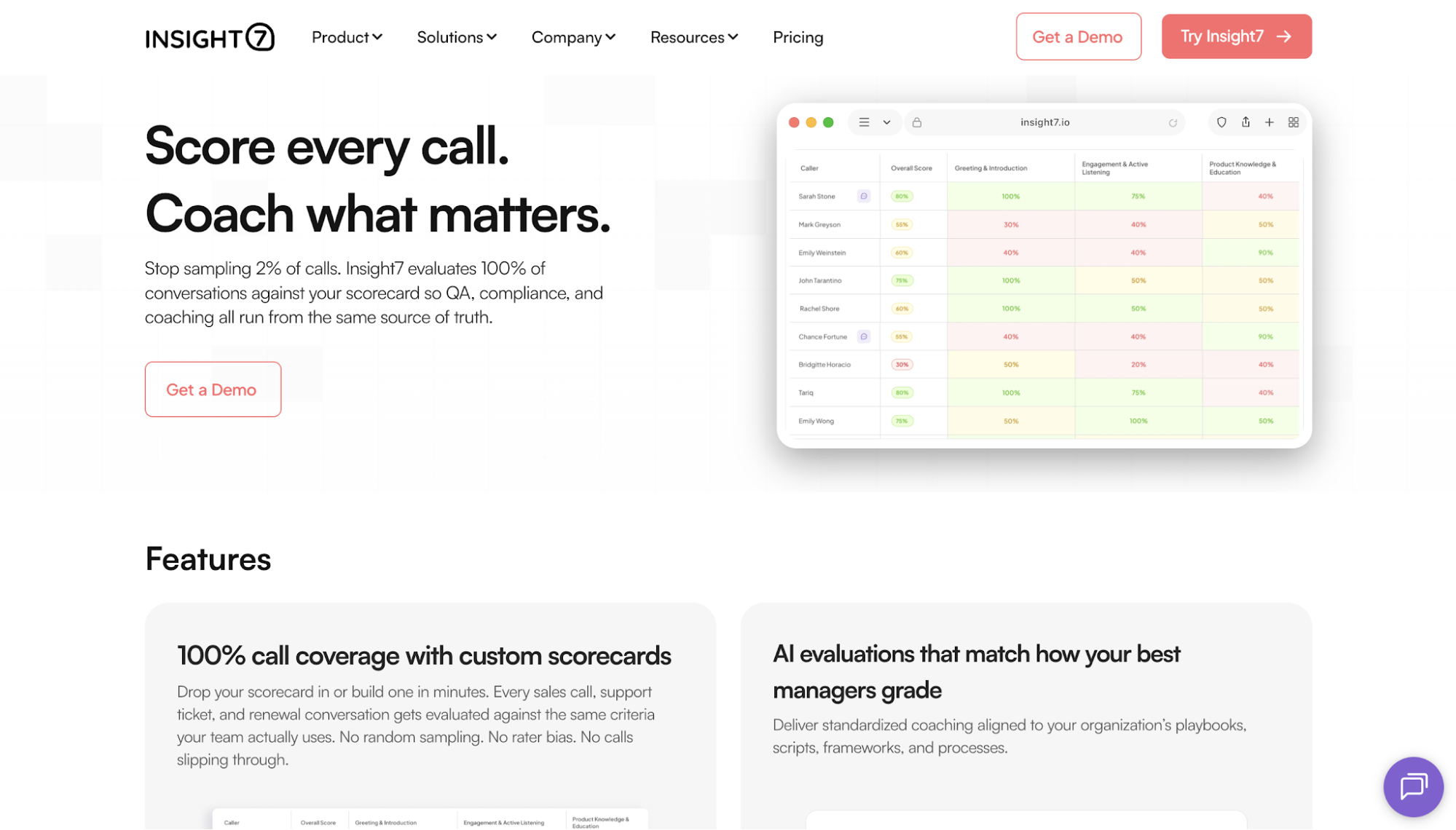
Insight7 is built with that progression in mind. Managers can evaluate real conversations against their own criteria and understand the behaviors behind the resulting scores.
When those evaluations uncover a skill that needs work, the same finding can guide targeted coaching, AI roleplay, or real-time guidance, giving employees an opportunity to work on that behavior before bringing it into another customer conversation.
The value of call evaluation isn’t limited to how much information a platform can produce. It’s in what your organization can do differently to improve agent performance once that information is in your hands.
Insight7 is the best call center monitoring software options for teams that want to evaluate agent performance and act on what those evaluations uncover.
As a call monitoring system, it analyzes customer conversations against custom criteria, provides evidence behind individual scores, and gives QA leaders control over AI evaluations through review and calibration.
Contact center operations typically rely on several types of software rather than one universal platform. Their technology stack can include a contact center or telephony platform, CRM, workforce management tools, a call center quality monitoring solution, and analytics systems.
There’s no single CRM platform that’s considered the best for every call center. The right choice depends on the organization’s existing contact center systems, customer data requirements, workflows, and integration needs.
The best CX software depends on which part of the customer experience you need to manage.
Call evaluation platforms focus specifically on understanding and improving service quality within customer interactions, while broader CX platforms may include customer satisfaction scores, journey management, surveys, or service operations.
Call evaluation software supports performance management by giving managers consistent evidence of how employees perform during real customer conversations.
Managers can use those evaluations to spot recurring behaviors and determine which areas need attention. Platforms such as Insight7 can also connect those findings to coaching and skills practice when a performance issue needs to be addressed.
