Managing a handful of call center agents is one thing. Building a coaching program that consistently improves performance among dozens or even hundreds of agents is another challenge entirely.
As teams grow, managers have less time to review customer interactions and deliver personalized feedback. Without a structured approach, coaching sessions can lose their focus and impact.
A QA lead supporting 60 agents who samples four calls per agent each month is still reviewing under 2% of conversations, so coaching sessions end up built on whichever calls happened to land in that sample.
In this guide, we’ll help you get more from your coaching sessions by building an effective and scalable call center coaching program.
Call center coaching is the ongoing process of helping call center agents improve their handling of customer interactions through regular feedback, skill development, and performance reviews.
Rather than evaluating agents only during annual reviews or when issues arise, coaching provides continuous opportunities to address skill gaps and support ongoing career development.
Most coaching programs fail for the same reason: they rely on isolated coaching sessions instead of a repeatable coaching system.
A single coaching session can correct an issue or reinforce a skill, but lasting improvement comes from consistently identifying performance gaps, delivering targeted feedback, and measuring whether agent behavior changes over time.
Without that continuous cycle, coaching becomes reactive, and teams lose many of the call center coaching benefits that come from addressing performance issues before they become recurring patterns.
Strong coaching programs don’t treat coaching as a manager’s responsibility alone.
They connect quality assurance, performance data, customer interactions, and ongoing development into a single process that helps managers prioritize where coaching will have the greatest impact.
Building an effective call center coaching program starts with making the right operational decisions. The most effective programs do not try to coach every issue or every agent in the same way.
Instead, a clear coaching plan gives managers a clear way to reinforce the right behaviors and measure improvement over time.
One of the biggest mistakes organizations make is trying to coach everything at once.
Effective coaching narrows to the one or two skills that have the greatest impact on customer experience and business outcomes.
That could mean improving call handling, strengthening active listening, building technical knowledge, or helping agents respond more confidently to common objections.
Keeping each coaching session focused gives agents a clear objective and makes it easier for managers to measure whether the coaching led to improved performance.
Platforms like Insight7 make that prioritization easier by scoring every call against the same criteria, so managers can see which one or two behaviors are pulling team performance down before deciding what to coach.
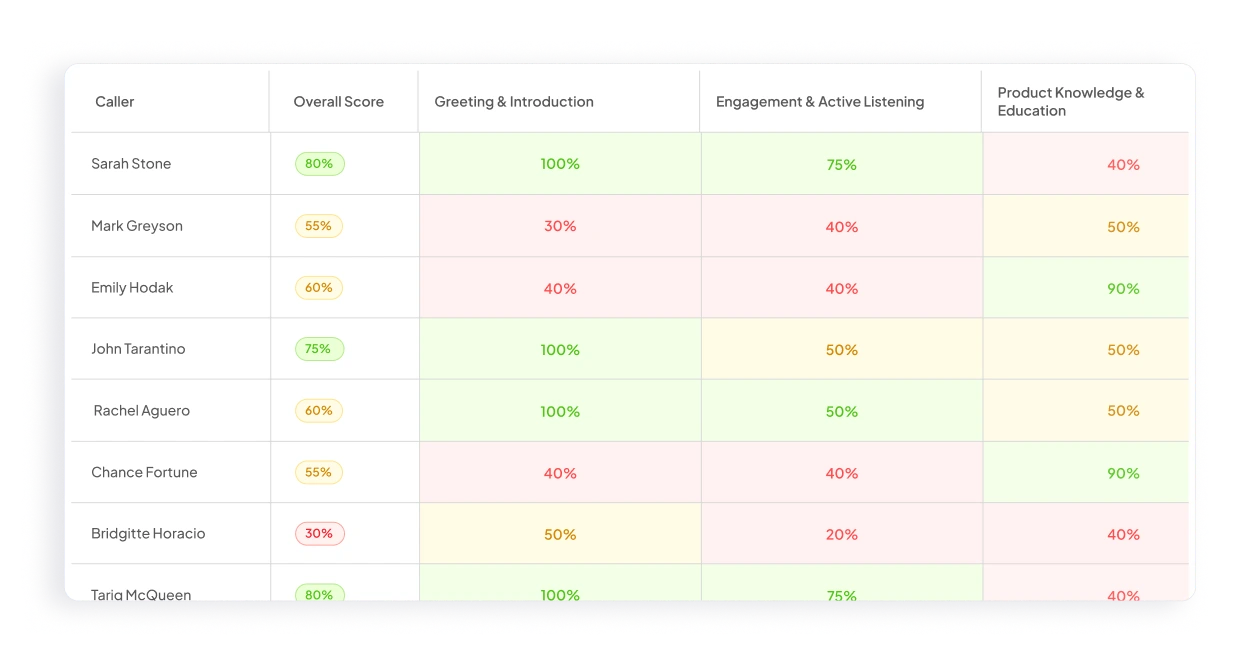
The most valuable coaching opportunities come from actual customer interactions, not hypothetical scenarios.
Reviewing call recordings allows managers to coach using real examples from conversations. Feedback becomes more objective because both the manager and the agent are working from the same interaction instead of relying on memory or general observations.
This also helps coaching feel more relevant. Agents can immediately understand which behaviors to repeat, adjust, or avoid in future customer interactions.
Not every agent needs the same level of support.
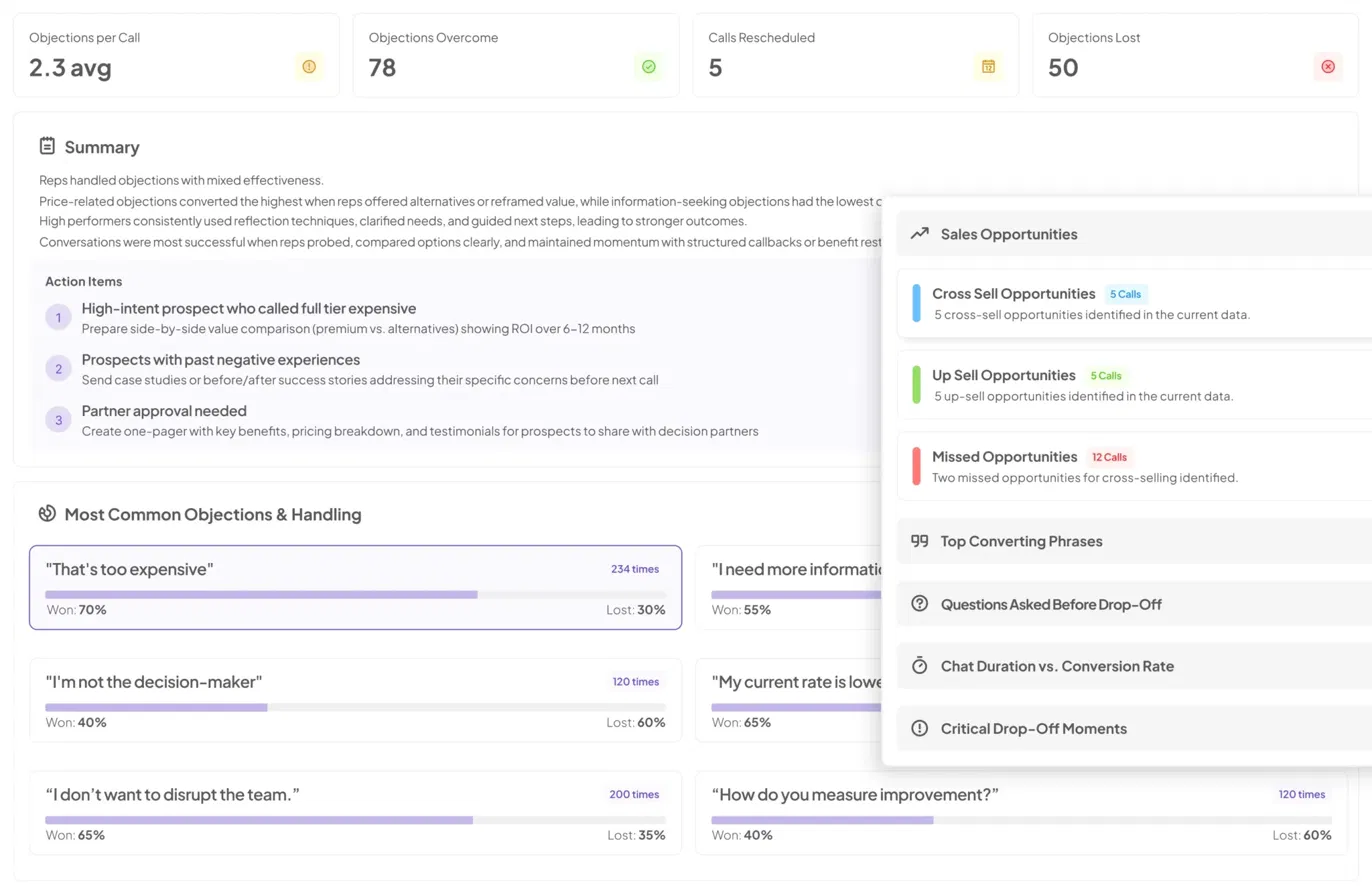
Some may need help with compliance, while others consistently struggle with objection handling or customer empathy. Looking at actual performance data helps call center managers identify coaching opportunities based on recurring patterns instead of isolated mistakes.
This allows coaching efforts to focus where they will have the greatest impact, rather than treating every agent the same.
Insight7 supports this by surfacing where conversations break down at scale, showing which objections or moments agents lose most often and how frequently each one comes up, so managers can coach on recurring patterns rather than a single bad call.
One coaching session rarely changes long-term behavior.
Skill development happens through continuous learning and reinforcement. That’s why managers should revisit previously coached skills, review new customer interactions, and recognize progress over time.
This routine supports professional development by fostering accountability and contributing to a positive work environment, especially when agents can see that their efforts are driving measurable progress.
Feedback alone does not improve performance. Agents need opportunities to apply what they have learned before their next customer conversation. Giving them that space can empower agents to take more ownership of their progress.
Depending on the situation and the team’s different learning styles, that may include roleplaying, peer coaching with experienced agents, group coaching, whisper coaching during active calls, or one-on-one sessions.
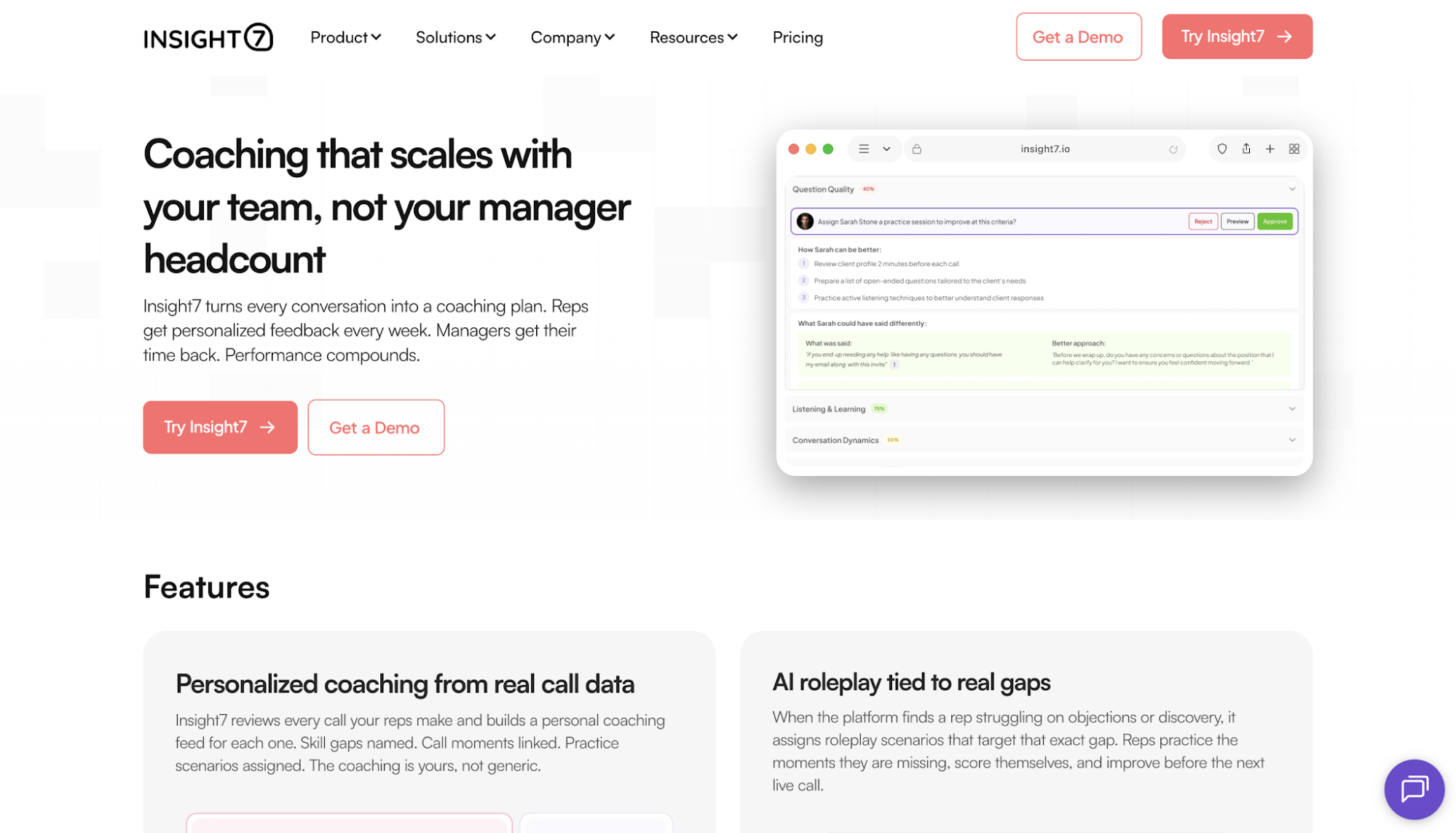
Practice reinforces new behaviors, especially for new agents, and gives managers another chance to deliver personalized feedback before those skills reach live calls.
Insight7 assigns that practice automatically. When the platform finds an agent struggling with objections or discovery, it creates roleplay scenarios built around that exact gap, so the agent can rehearse, score themselves, and improve before the next customer conversation.
The success of a coaching program shouldn’t be measured by the number of coaching sessions completed.
Instead, measure whether agent behavior changes after coaching. Improvements in call scores, customer satisfaction, or other performance metrics provide a clearer picture of coaching effectiveness than activity alone.
When managers consistently track call center KPIs, coaching becomes a measurable process that continuously strengthens individual agents and supports long-term call center success.
While AI does not replace the role of call center managers, it can help them make the most of their coaching efforts by giving them the support and insights they need to improve agent performance.
Deloitte Digital’s Global Contact Center Survey, which polled 600 senior contact center leaders, found that companies deploying generative AI are 35% less likely to report agents being overwhelmed by the information they handle during calls.
Here are the main ways AI can strengthen call center coaching:
Managers can only listen to a limited number of call recordings within the time available to them. As conversation volume grows, deciding which calls to review becomes another time-consuming task before coaching has even started.
AI can analyze a much larger volume of customer interactions in far less time and surface the calls, patterns, or agent behaviors that need attention.
This allows managers to identify improvement opportunities more quickly and spend more of their coaching time helping agents develop the skills that affect customer satisfaction and team performance.
Coaching quality often depends on the experience, priorities, and judgment of the manager delivering it. That isn’t necessarily a problem when teams are small, but it becomes much harder to maintain consistency as more contact center agents are involved.
AI provides a common reference point by applying the same evaluation criteria to every agent interaction. Managers still make the coaching decisions, but they begin those conversations with a more objective understanding of where each agent is performing well and where additional support is needed.
This makes coaching feel fairer and more focused, which not only makes it easier for managers to measure over time but also boosts team morale.
Call center coaching often happens after a pattern has already affected several customer interactions. By that point, the issue may have influenced customer satisfaction, compliance, or team performance.
AI can spot recurring changes in agent behavior sooner, including missed steps, weaker call handling, or declining performance against key indicators. This gives managers the chance to step in before the issue becomes more difficult to correct.
Earlier intervention also makes coaching more focused and keeps agents motivated. Managers can address the specific behavior while it is still developing, giving agents a clearer path to improvement and helping them see progress sooner.
A coaching session has the greatest impact when managers can see whether it has changed future behavior. Without that feedback loop, it is difficult to know whether the coaching addressed the real issue or only corrected a one-time problem.
AI helps close that loop by tracking performance after coaching takes place.
With an automated system monitoring the data, managers can support agent development by comparing future customer interactions, tracking progress against key performance indicators, and creating roleplaying scenarios that help team members practice the skills they still need to improve.
This gives managers a clearer view of which coaching efforts are producing lasting results and contributing to team development, without requiring hours of additional manual review.
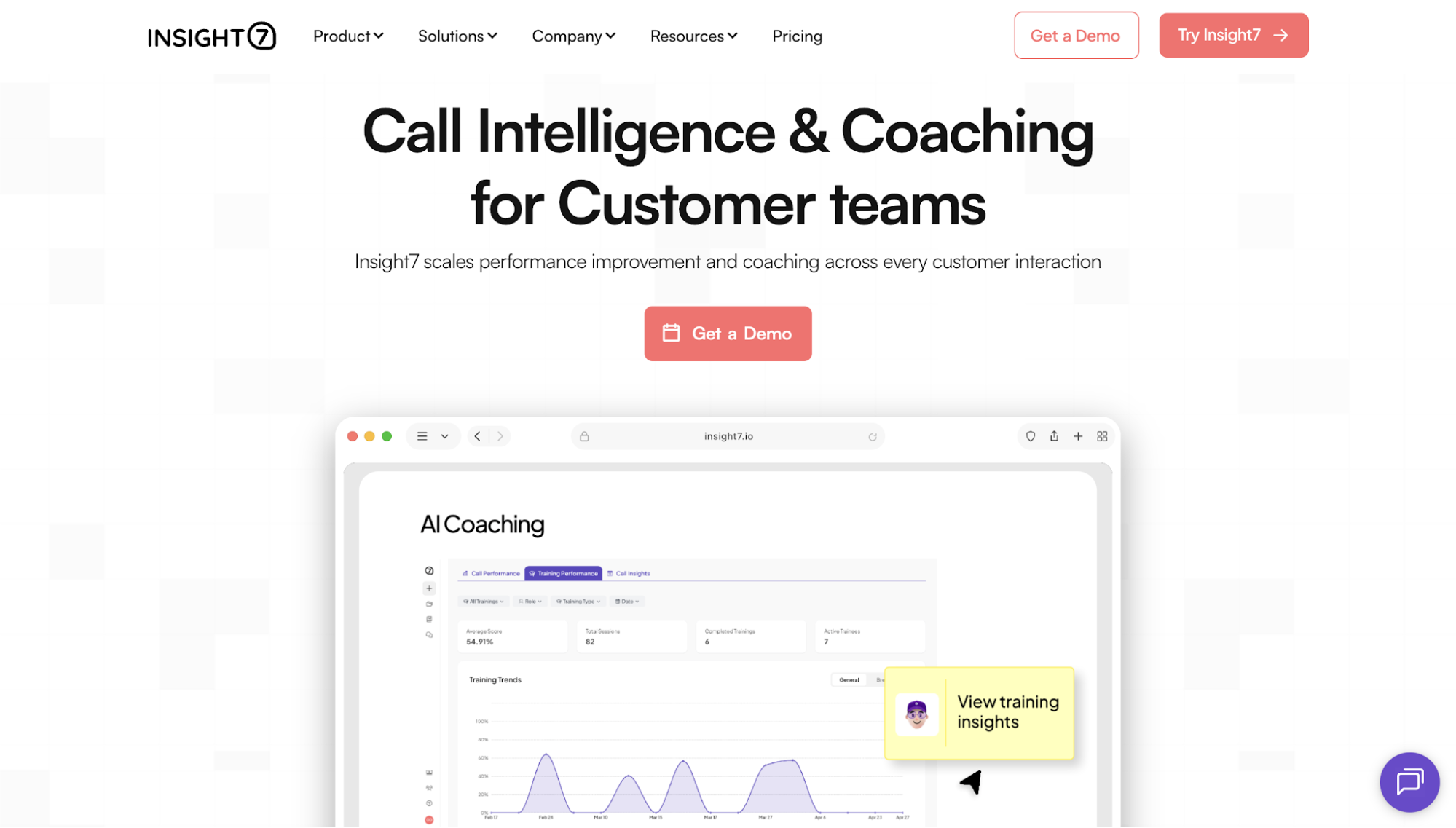
An effective call center coaching program is built on consistency, continuous improvement, and the ability to turn everyday customer interactions into coaching opportunities.
With coaching tied to the right process and insights, it becomes a measurable strategy that can improve performance and support revenue growth.
Insight7 helps make that possible by connecting every stage of the coaching process in one platform. Effective call center coaching is measured by how consistently it improves future customer conversations.
Insight7 gives your managers a reliable way to track progress, refine future coaching sessions, and make every coaching decision based on real performance data instead of guesses or isolated findings.
Teams already using the platform describe the same shift, from calls they never got to review to conversations that surface the coaching moment for them.
I was able to analyze customer calls I had using Insight7 and I did find it valuable! I loved how it showed the sentiment behind each comment that the client made.

