Every customer conversation tells a story, but most organizations only see how it ends.
They know whether a support ticket was closed, whether a customer gave a positive survey response, or whether an issue was resolved within the expected service level.
Those metrics are important, but they rarely explain what happened during the interaction or how the customer actually experienced it.
That creates a visibility gap. A conversation might end with a successful resolution while leaving the customer frustrated enough to consider another provider.
Sentiment analysis in customer service helps close that gap by giving organizations a clearer picture of how customer emotions change throughout an interaction.
In this guide, we’ll walk you through everything you need to learn about customer service conversation sentiment analysis and what it can reveal about your service operations.
Customer service conversation sentiment analysis is the process of using artificial intelligence and natural language processing to analyze customer service conversations and understand a customer’s feelings throughout their interactions with customer support teams.
Unlike customer satisfaction surveys, which capture opinions after an interaction has ended, sentiment analysis evaluates the conversation itself.
It examines customers’ written or spoken feedback, their emotional tone, and the context surrounding the discussion to identify moments of frustration, confusion, satisfaction, or confidence as they happen.
The goal is not simply to classify conversations as positive, negative, or neutral. But to look at how customer sentiment changes from one point in the conversation to another and what those changes reveal about the overall customer experience.
For example, a customer might begin a phone call frustrated because of a billing issue. As the conversation progresses, a skilled agent may explain the problem clearly and resolve it quickly.
By the end of the interaction, the customer’s stance has shifted from negative to positive. That emotional journey tells customer service leaders far more than a final customer sentiment score ever could.
Looking at individual conversations is valuable, but the real advantage appears when organizations analyze thousands of customer data points together because patterns begin to emerge.
Leaders can then identify recurring customer issues, recognize which agent behaviors consistently improve conversations, and understand where customers experience the biggest issues throughout their journey.
Customer service teams have never had more conversation data available to them. Every phone call, chat session, email, and support ticket contains valuable information about what customers experience when they ask for help.
Yet most organizations struggle to learn from that information consistently. Quality assurance teams review only a portion of conversations, customer satisfaction surveys capture feedback from only some customers, and operational reports often show outcomes without explaining what caused them.
As a result, leaders have a limited view of how customers perceive their service and what they expect from future interactions. This becomes especially risky because dissatisfied customers do not always tell a company when something has gone wrong.
According to WiserReview, only one in 26 customer complaints reaches the company, while 91% of unhappy customers won’t complain and will simply quietly stop buying.
When you fail to examine the feedback already present in customer conversations, recurring service problems can continue without being addressed.
Customer service conversation sentiment analysis closes that visibility gap by showing leaders how customers react during support interactions and why those reactions change.
That visibility provides a clearer basis for action. You can identify where service strategies need to change, coach agents on the behaviors that improve conversations, and address recurring issues before they affect more customers.
Once organizations understand what customer service conversation sentiment analysis is and why it matters, the next question becomes how AI actually transforms thousands of customer conversations into actionable insights that managers can use.
The process is more than assigning sentiment scores to individual interactions.
It involves a series of steps that help organizations understand customer emotions, identify recurring patterns, and uncover opportunities to improve both agent performance and the overall customer experience.
Everything begins with the conversations themselves.
Depending on the platform, these conversations may come from customer calls, live chats, emails, customer support tickets, or review sites.
Bringing these interactions into one place gives organizations a much broader view of how customers experience their service via multiple channels.
For voice conversations, the system first converts spoken dialogue into searchable text using speech recognition technology.
This transcript becomes the foundation for the rest of the analysis, making it possible for AI to evaluate both what customers say and how the conversation develops from beginning to end.
Without complete conversation data, organizations only see isolated customer interactions. Collecting conversations consistently creates the visibility needed to identify larger trends over time.
Once conversations are available, AI begins examining the interaction in greater detail.
It evaluates the language customers and agents use, paying attention to emotional cues, recurring phrases, and changes in conversational tone throughout the discussion.
Modern platforms also consider the surrounding context because the same words can express different emotions depending on how they’re used.
For example, a customer saying “Finally” after a solution is provided reflects a very different experience than saying “Finally” after being transferred multiple times.
Looking only at individual words could lead to misleading conclusions. Evaluating the conversation as a whole produces a more accurate understanding of the customer’s emotional state.
This contextual approach helps organizations move beyond simple positive, negative, or neutral classifications and toward a deeper understanding of why customer sentiment changes during an interaction.
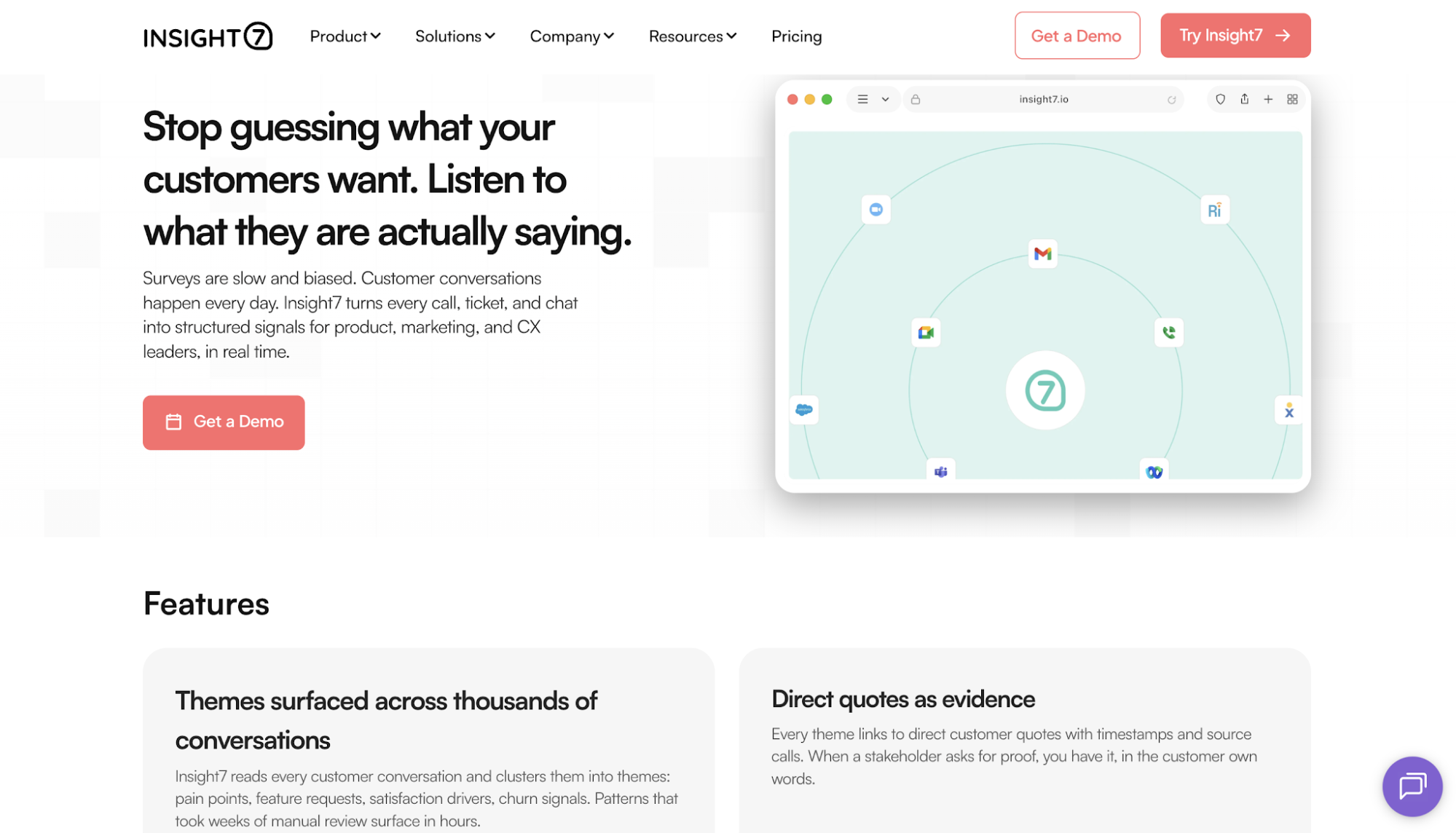
Customer sentiment only matters when you can see what caused it and what your team should do next. A simple positive or negative label does not give managers enough context to improve the customer experience.
Insight7 is built to analyze each conversation in depth and link sentiment back to the language that influenced it.
Managers can see where frustration started, how the interaction changed, and which moments helped improve the customer’s experience, giving you a sharper view of what is happening behind every conversation without reducing sentiment into a vague score.
Even better, those insights are available right away. Insight7 analyzes conversations at scale, making it easier to identify sentiment trends by analyzing thousands of customer interactions without manually reviewing meeting transcripts one by one.
As Toye Fatolu, Product Designer at Terragon Group, puts it,
“Before Insight7, we manually analyzed user feedback. It was time-consuming and limited product iteration. With Insight7, that time has been cut in half. We seamlessly extract product insights and generate reports efficiently.”
With Insight7, extracting and analyzing customer sentiment becomes far more efficient. Your team can spend less time digging through conversations and more time deciding what to improve next, with the most valuable insights already in front of you.
Customer emotions rarely remain constant during a conversation.
A customer may begin a call frustrated after encountering a technical problem. As the discussion continues, clear communication from the agent might reduce that frustration and rebuild confidence.
In other situations, a conversation that starts calmly can gradually become more negative if expectations are not met.
Tracking these changes is often more valuable than assigning a single sentiment score to the entire conversation.
It allows customer service leaders to identify the exact moments where the customer journey improves or begins to deteriorate.
Those turning points often reveal opportunities to strengthen coaching, refine support processes, or address recurring customer concerns before they become larger issues.
Understanding one conversation is helpful. But understanding thousands of conversations reveals how customers experience your service consistently.
As more interactions in different customer service environments are analyzed, patterns begin to emerge. Organizations can identify recurring customer issues, monitor changes in customer expectations, and recognize behaviors that consistently lead to better outcomes.
They can also detect trends that individual conversation reviews might never uncover.
This broader perspective helps leaders move beyond anecdotal feedback and make decisions based on evidence collected from everyday customer interactions.
Collecting customer sentiment data has little value if it ends with a dashboard. The real benefit comes from using those insights to improve future conversations.
When managers use conversation insights to understand customer sentiment and why it changes, they can provide more focused AI coaching and training, strengthen quality assurance reviews, and identify operational issues that affect the customer experience.
Over time, conversation sentiment analysis becomes a continuous feedback system that helps organizations learn from every customer interaction and apply those lessons to future conversations.
Now, it’s time to understand what these insights actually reveal. While sentiment analysis helps organizations measure customer sentiment, the value comes from the business problems those emotional patterns help uncover.
When viewed in context, it helps explain why customers reacted the way they did. Those insights often reveal opportunities that traditional metrics, customer satisfaction scores, or manual reviews fail to uncover.
One of the clearest signals sentiment analysis identifies is growing customer frustration.
Sometimes frustration develops because an issue remains unresolved. Other times, it appears after customers receive conflicting information, repeat themselves to multiple agents, or struggle to understand the next steps.
Recognizing these moments allows organizations to investigate the pain points that triggered the emotional shift. The underlying cause may be agent communication, but it could just as easily point to unclear policies, product limitations, or inefficient workflows.
By identifying these recurring friction points early, customer service leaders can resolve problems before they become common sources of negative customer experiences.
Not every challenging conversation ends badly.
Some agents consistently guide frustrated customers toward positive outcomes through clear explanations, empathy, and effective problem-solving.
Conversation sentiment analysis helps identify these successful interactions by showing where customer sentiment begins to improve during a discussion. Managers can then review those conversations, understand what worked, and use those examples for better call center coaching.
Customer sentiment is often influenced by factors beyond the support team.
When customers repeatedly express frustration or provide positive feedback about a feature, billing process, or onboarding experience, those conversations provide valuable customer feedback for the wider organization.
Using sentiment patterns to analyze customer feedback helps leaders distinguish between isolated incidents and recurring operational issues.
That visibility supports better collaboration between customer service, product, and operations teams because everyone is working from the same customer evidence.
Over time, recurring conversations become an important source of customer insights that drive continuous improvement well beyond the contact center.
Customer emotions also often change before a conversation escalates. Identifying those shifts with real-time sentiment analysis helps organizations understand which situations are most likely to require additional support, supervisory intervention, or process improvements.
Reviewing these conversations also helps managers identify common escalation triggers. Whether customers are reacting to extended wait times, repeated transfers, or unresolved issues, recognizing those patterns makes it easier to reduce escalation rates over time.
Most importantly, these insights allow teams to become proactive. Rather than waiting for negative feedback to appear in survey responses, organizations can address emerging issues while they are still visible within everyday customer conversations.
By this point, it’s clear that customer service conversation sentiment analysis can reveal far more than whether customers had a positive or negative experience.
The next step is determining which customer sentiment analysis tools will deliver insights that actually improve customer service operations.
To help you make that decision, here’s a list of features you should look for when comparing sentiment analysis tools.
One overall sentiment score rarely tells the full story.
Customer conversations involve at least two participants, and each contributes differently to the outcome. A customer may remain frustrated for much of the interaction, even while an agent communicates clearly and follows every step of the process correctly.
In another conversation, the customer’s sentiment might improve because of the agent’s communication, even if the issue itself could not be resolved immediately.
A platform that separates customer sentiment from agent sentiment provides much clearer insight into what actually happened during the interaction.
When evaluating solutions, look for platforms that distinguish between speakers and analyze each conversation from beginning to end. This makes it much easier to identify coaching opportunities without drawing incorrect conclusions from a single overall sentiment score.
Customer emotions are dynamic. A conversation often moves through several emotional stages before it ends.
Those changes reveal far more than final labels for positive and negative sentiments because they highlight the moments that influenced the customer’s experience.
For example, sentiment may decline after a lengthy verification process before improving once the agent clearly explains the solution. Another interaction might remain positive until the customer learns a company policy prevents the requested resolution.
Seeing where those emotional shifts occur gives managers the context they need to improve future conversations.
As you evaluate platforms, prioritize solutions that visualize sentiment throughout the conversation rather than reporting only the final result.
Sentiment scores are only useful if people understand what produced them.
If a platform can detect negative sentiment without explaining why, managers are left guessing whether the issue involved communication, product limitations, billing concerns, or something entirely different.
That uncertainty makes coaching difficult because teams lack the context needed to improve future interactions.
Look for platforms that connect sentiment findings to specific conversation moments, supporting evidence, or recurring discussion topics. Understanding the reasoning behind each sentiment score builds confidence in the analysis and leads to more effective coaching conversations.
Conversation sentiment becomes much more valuable when it fits naturally into an organization’s quality assurance process.
Without that connection, sentiment data becomes another report that managers review occasionally but rarely use to improve performance.
That’s why the most effective platforms should help quality assurance teams identify conversations worth reviewing, recognize recurring coaching opportunities, and measure whether coaching efforts are improving future customer interactions.
When evaluating vendors, consider whether sentiment analysis supports your existing QA workflows, integrates with your AI call-scoring tools, and contributes to your coaching process rather than serving as a separate reporting tool.
Individual conversations provide valuable context.
Patterns observed over hundreds or thousands of conversations provide strategic insight.
Trend reporting helps leaders identify recurring customer issues, monitor changes in customer preferences, and evaluate whether coaching initiatives are improving service quality over time.
Conversation search complements those reports by allowing managers to quickly locate interactions related to specific topics, products, customer reactions, or sentiment trends.
Together, these capabilities help organizations move from reacting to individual situations toward improving overall customer service performance.
Conversation insights become much easier to act on when they fit into existing workflows, enabling support teams to use them during everyday operations.
Most customer service teams already rely on contact center platforms, CRM systems, help desk software, and quality assurance processes. If sentiment analysis exists separately from those systems, valuable insights often remain disconnected from the people responsible for acting on them.
As you compare solutions, evaluate how easily conversation insights can become part of your team’s everyday workflow. A platform that complements existing processes is more likely to encourage long-term adoption than one that requires entirely new ways of working.
Customer conversations often contain sensitive information.
Organizations therefore need confidence that conversation data is collected, stored, and processed according to their security and compliance requirements.
The importance of this becomes even greater for businesses operating in regulated industries or managing customer information in multiple regions.
During vendor evaluations, review each provider’s security documentation, compliance certifications, data retention policies, and administrative controls.
Understanding these requirements early helps prevent implementation challenges later and ensures customer trust remains protected.
Every customer interaction shapes how people see your business. Those experiences become the basis for whether your business earns customer loyalty or whether customers decide it’s not worth recommending to others.
That’s why understanding how customers feel during service conversations has become just as important as resolving their issues.
The best way to do that efficiently is with customer service conversation sentiment analysis.
With it, teams can understand why customers become frustrated, reassured, or satisfied, making it easier to refine their strategies and coach agents on the practices that build better customer relationships.
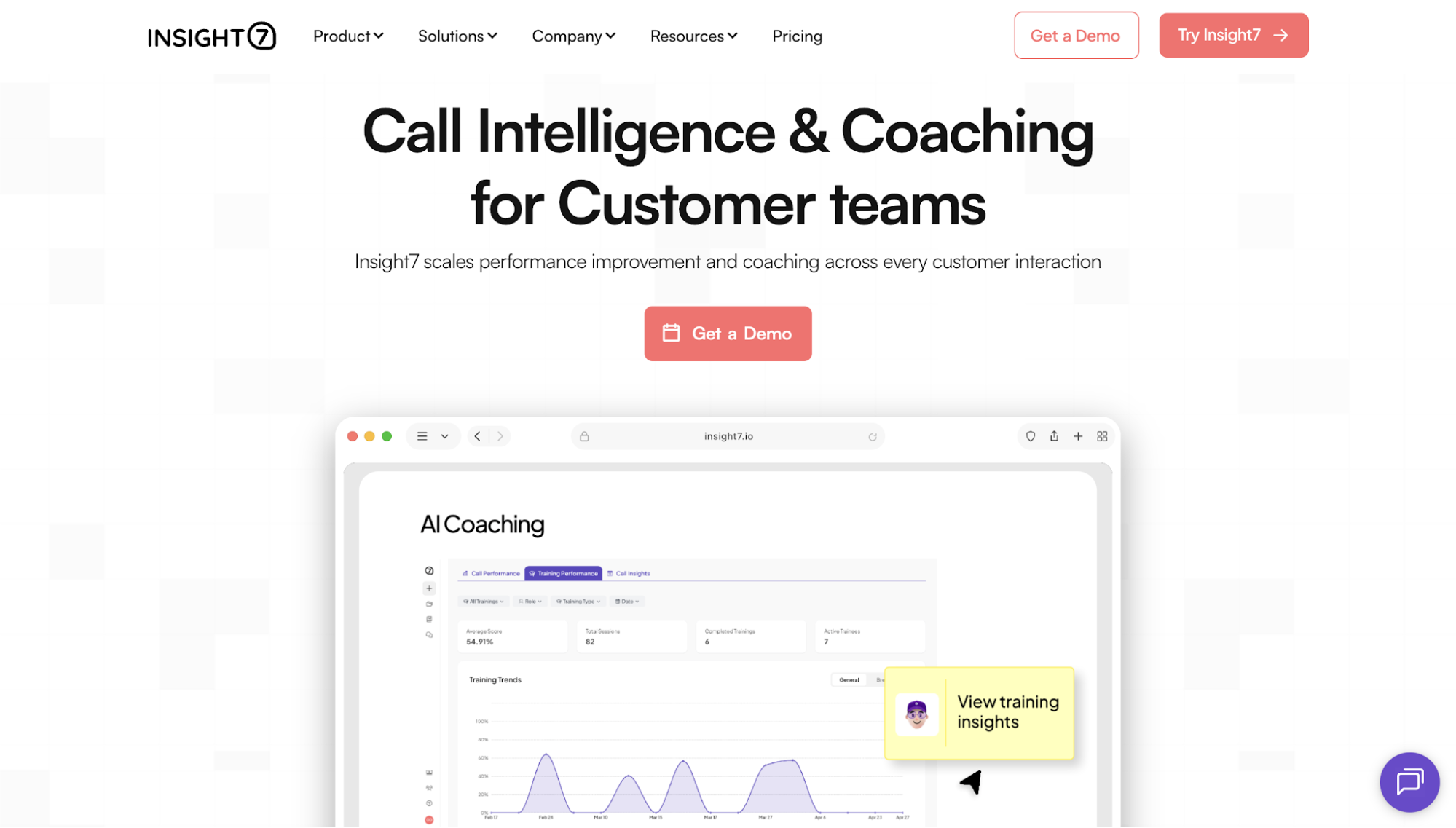
Insight7 supports you in that process by helping you analyze customer conversations and providing clear coaching insights on what to do next.
Sentiment analysis helps teams identify when and why customers become frustrated, confused, or satisfied during service conversations. Managers can use these patterns to improve agent coaching, resolve recurring issues, and raise customer satisfaction levels over time.
Sentiment scores are generated by analyzing the language, emotional tone, and context within a conversation. More advanced platforms also evaluate how customer sentiment changes throughout an interaction rather than assigning a single positive, negative, or neutral score.
Customer sentiment analytics helps organizations identify the moments where customer sentiment changes and the topics associated with those changes.
But a manager will still need to review the conversation data to determine whether the underlying cause relates to agent communication, product limitations, company policies, or another operational issue.
Contact centers use customer insights to prioritize quality assurance reviews, identify coaching opportunities, detect recurring customer issues, and monitor trends affecting service quality.
These insights also help leaders improve customer experience by addressing the root causes of negative customer interactions.
No. Customer sentiment is only one part of the conversation. Managers should evaluate sentiment alongside conversation context, QA criteria, resolution outcomes, and agent behaviors to understand performance accurately.

