You cannot improve customer experience (CX) if you cannot see where service quality breaks down. Missed expectations, inconsistent agent behavior, and unresolved issues often go unnoticed unless teams proactively invest in uncovering them.
Customer service evaluation tools give leaders the specific metrics needed to find those customer issues early. They show what is affecting satisfaction, where performance needs attention, and whether teams are meeting their standards for service excellence.
In this guide, we compare the seven best customer service evaluation tools based on how well they help teams measure service quality and turn data into actionable insights.
Get a demo with Insight7 and build your own proactive customer service evaluation process today!
These are the seven best customer service evaluation tools for 2026:
Organizations miss valuable opportunities to improve customer service when they can’t consistently review customer interactions and feedback.
The challenge isn’t that leaders don’t recognize the importance of those insights. Many teams simply don’t have the infrastructure to evaluate every conversation and connect it with customer feedback at scale.
In fact, Telus Digital’s 2026 Enterprise CX AI Global Survey of 815 enterprise CX leaders found that only 32% currently use AI-powered quality assurance and coaching tools.
That suggests most companies still lack the infrastructure needed to consistently monitor customer interactions and improve performance over time.
Customer service evaluation tools help close that gap. They collect information from conversations, customer feedback, surveys, and operational data to evaluate whether service standards are being met.
Unlike traditional quality assurance software that primarily scores agent performance against internal criteria, customer service evaluation tools provide a broader view of service quality.
They combine interaction reviews with customer satisfaction signals, sentiment analysis, and performance trends so leaders can understand both what happened during a customer interaction and how it affected the customer’s experience.
That broader perspective makes these platforms valuable in modern support operations. Rather than simply measuring service quality, they help managers identify recurring performance gaps, prioritize coaching, and adjust their service strategy sooner.
Now that you know what customer service evaluation tools are, the next step is comparing the leading platforms available today.
Although each solution supports customer service evaluation, they differ in how they collect information and turn it into valuable insights for improvement.
Some tools like Insight7 place greater emphasis on customer experience management, while others focus on evaluating conversations or combining multiple sources of customer feedback into one view.
The platforms below were selected based on the breadth of their evaluation capabilities, reporting, coaching support, and scalability.
Platform | Key Features | Pricing |
Insight7 |
| Free: $0/month |
Qualtrics XM |
| No public pricing available |
Medallia |
| No public pricing available |
Verint |
| No public pricing available |
InMoment |
| No public pricing available |
QuestionPro |
|
|
Forsta |
| No public pricing available |
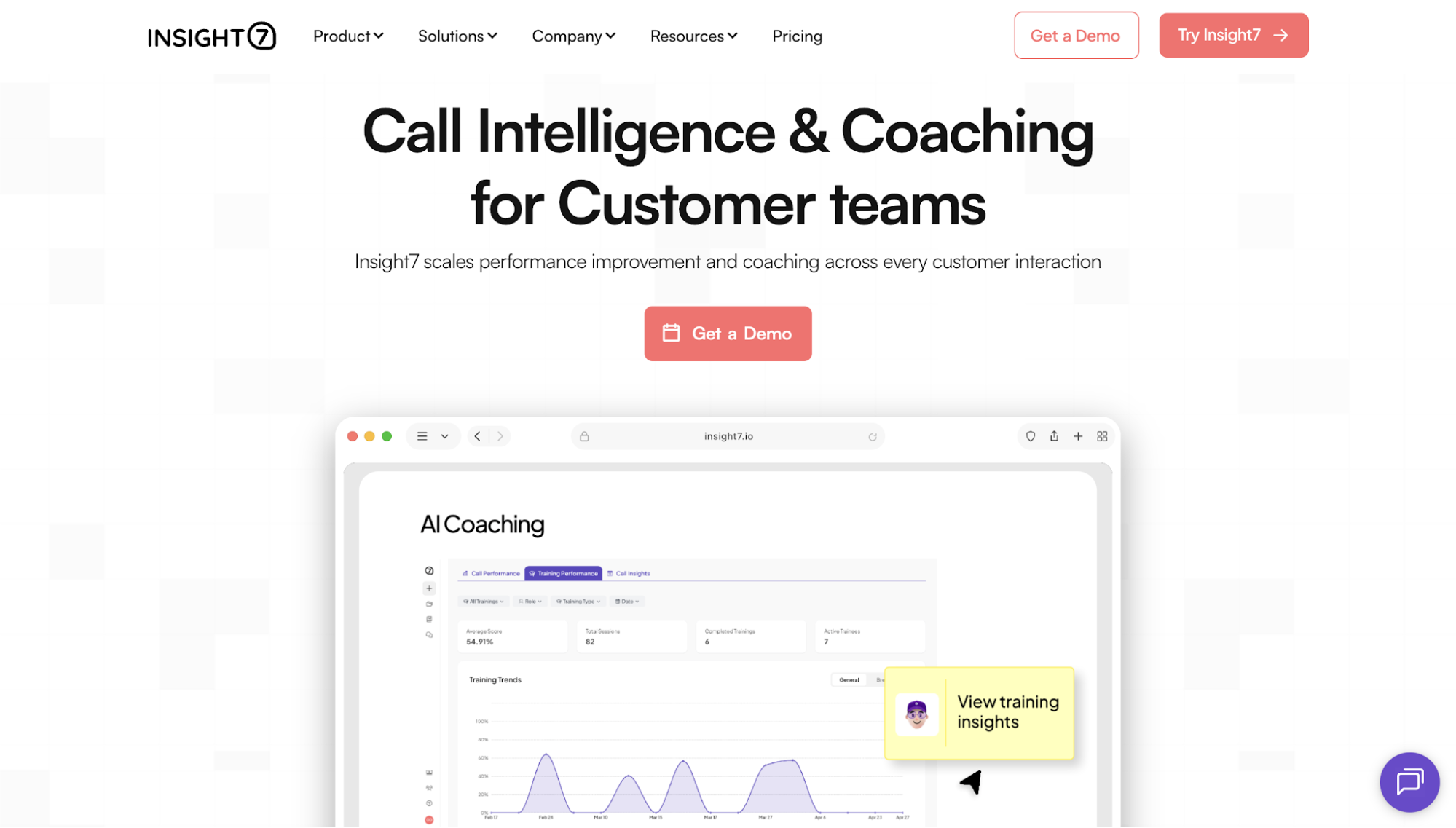
Insight7 is an AI customer service evaluation and coaching platform built for customer-facing teams that want a more consistent way to evaluate service quality.
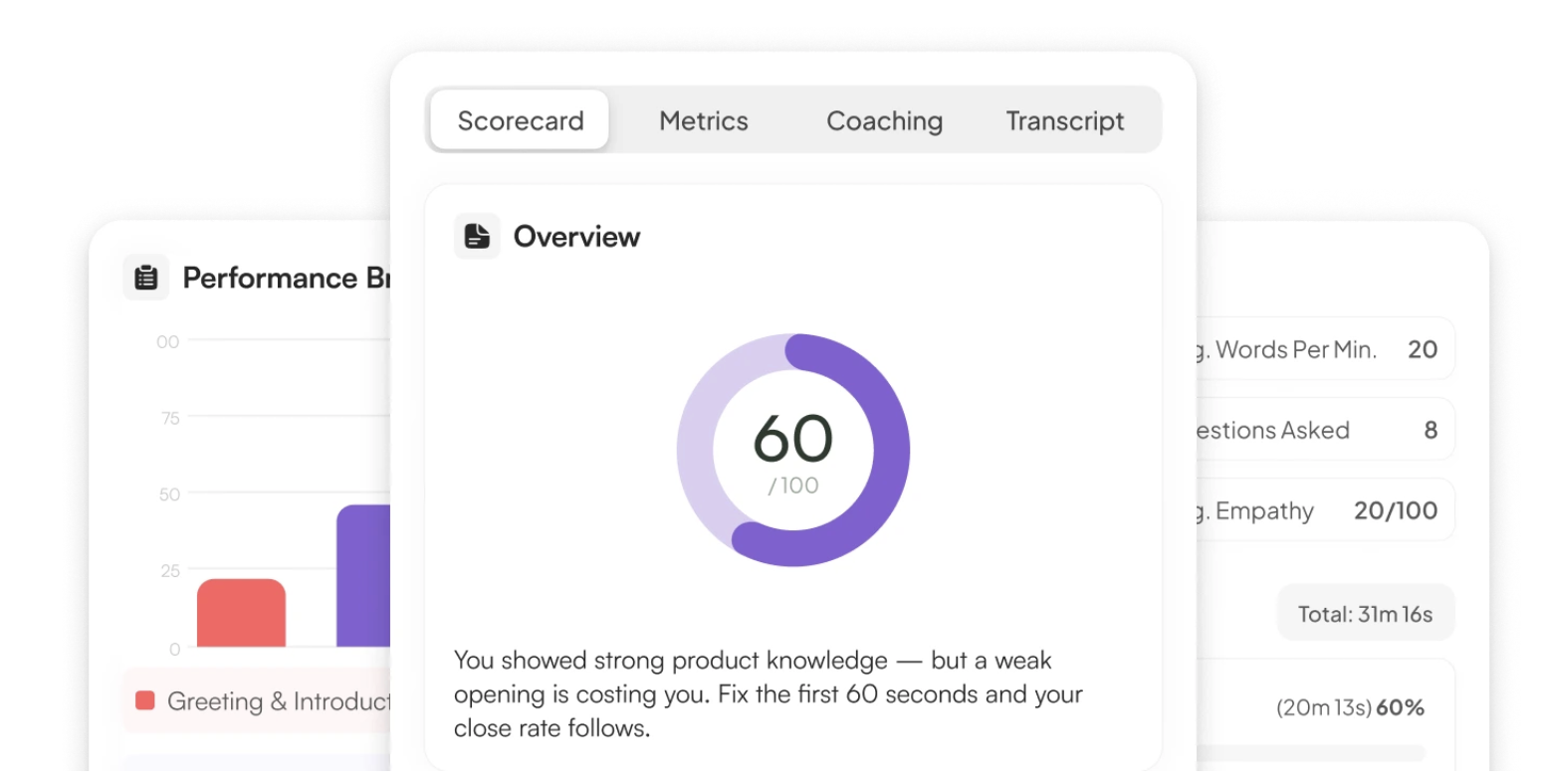
It analyzes customer conversations, scores performance against custom evaluation criteria, and helps organizations identify recurring service issues using AI tools.
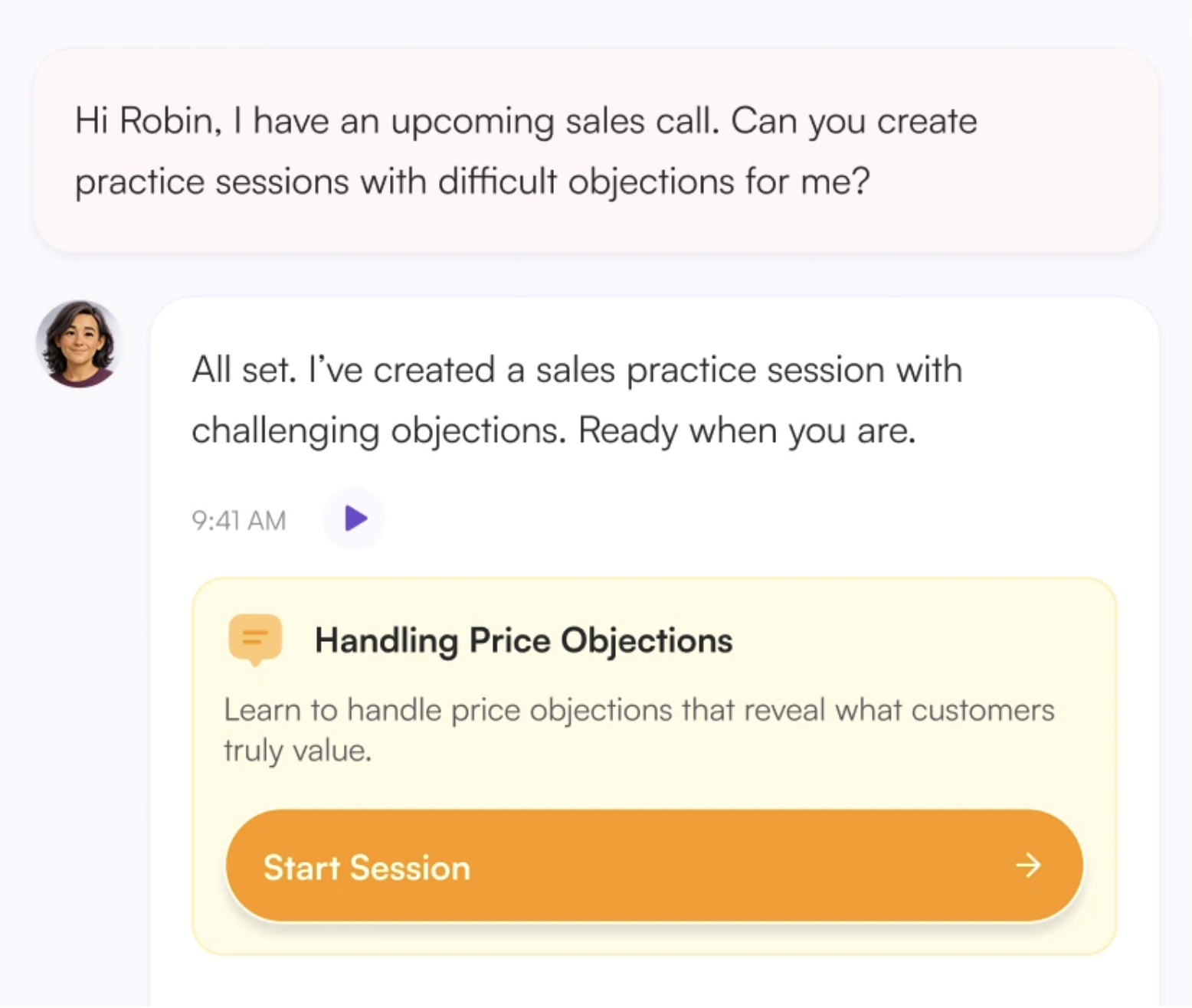
Rather than stopping at evaluation, Insight7 connects performance findings to coaching. By linking conversation analysis with coaching recommendations and skills practice, it helps managers reinforce the behaviors that support continuous improvement over time.
But that isn’t the only notable thing about Insight7.
Ryan Levander, Head of Analytics at Rednavel Consulting, highlighted the platform’s speed, noting that its “time to insight is impressive” because it helps him turn customer interactions into insights he can act on immediately.
This was also echoed by reviewers on other platforms like G2, where Insight7 holds a 4.7 rating, as users also pointed out how it provided them with prompt feedback that allowed them to enhance their business service.
Try Insight7 today to uncover the performance trends affecting your customers’ experience.
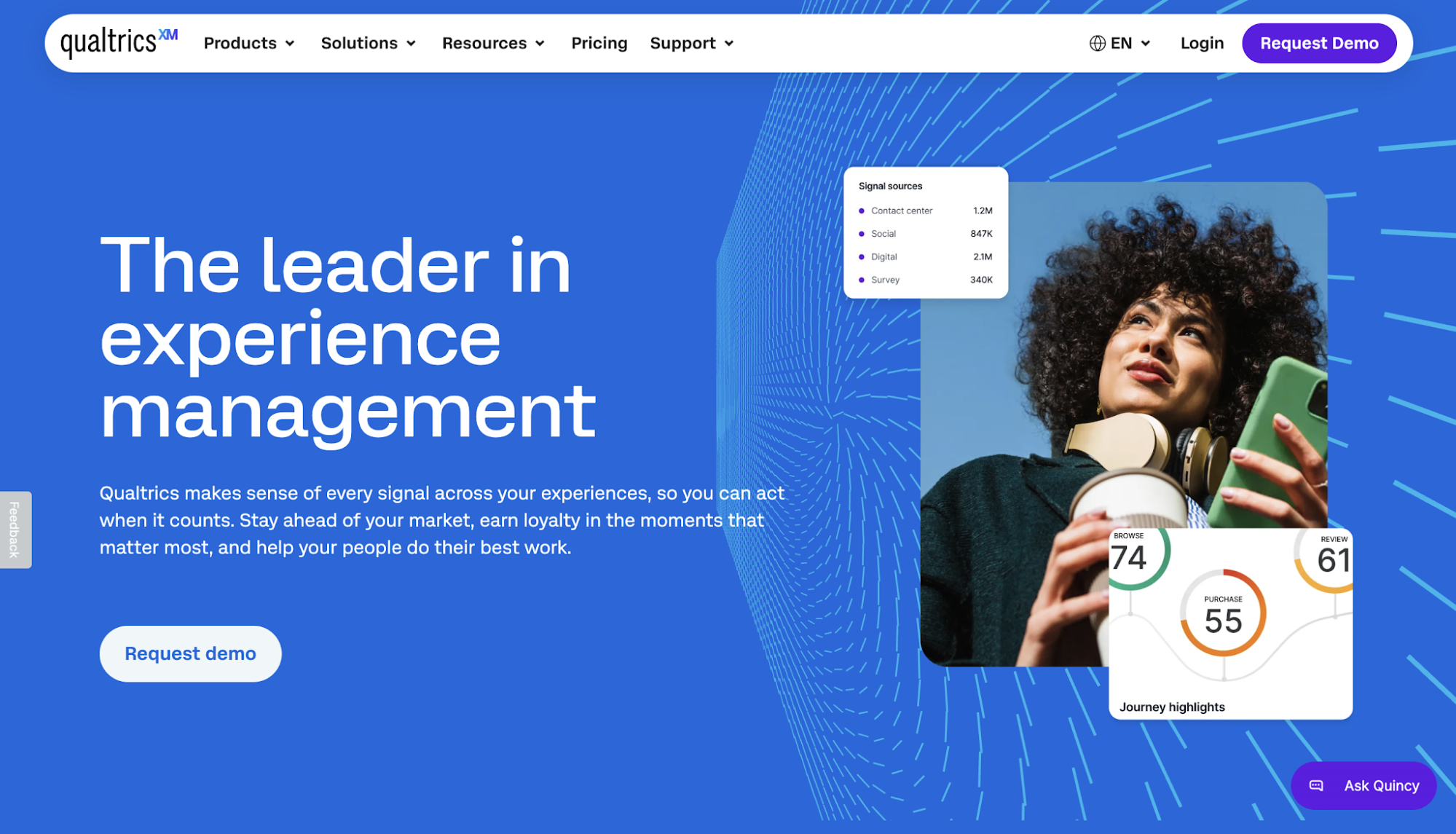
Image source: qualtrics.com
Qualtrics XM is an experience management platform that helps organizations evaluate customer service by combining operational data with direct customer feedback.
It serves enterprises seeking a comprehensive view of the customer experience throughout the customer journey.
This allows service leaders to compare customer perceptions with operational performance and identify opportunities for improvement.
Qualtrics XM does not publish pricing publicly.
Image source: medallia.com
Medallia is a customer experience platform that evaluates interactions through feedback, conversation intelligence, and operational data. It gives enterprises a clearer view of service quality at each stage of the buyer journey.
The platform pairs direct feedback with interaction analysis to provide a deeper understanding of recurring issues and performance trends. This helps leaders compare customer perceptions with internal operational results.
Medallia does not publish pricing publicly.
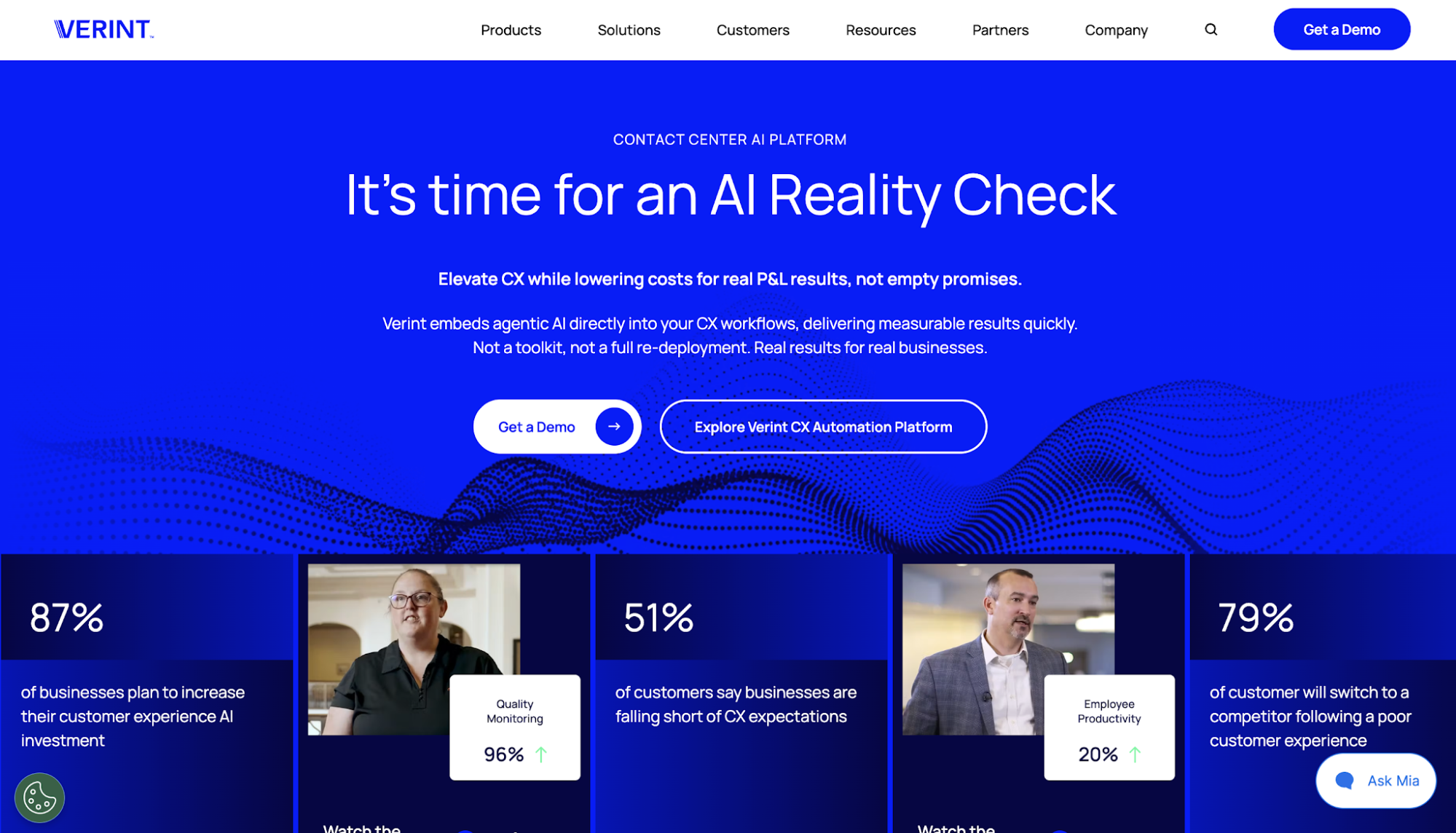
Image source: verint.com
Verint is a customer engagement platform with quality management capabilities designed to evaluate job performance within organizations that handle large volumes of customer interactions.
It serves contact centers that need a structured way to evaluate service quality while maintaining consistency across teams.
Its approach centers on scaling the evaluation process. Instead of relying on manually reviewed samples, Verint uses automation to expand evaluation coverage, giving leaders a broader view of service quality and compliance without increasing reviewer workload.
Verint does not publish pricing publicly.
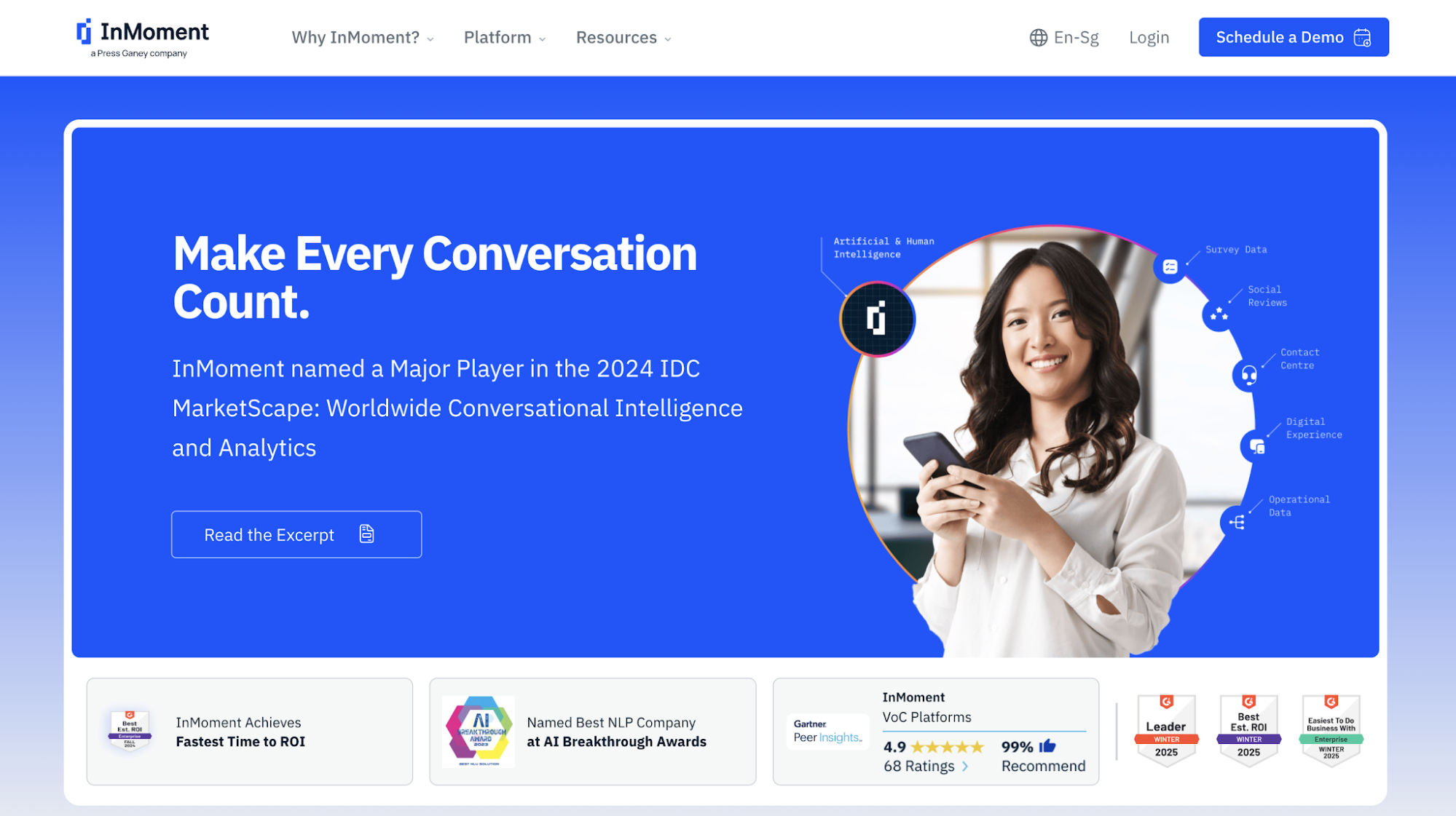
Image source: inmoment.com
InMoment is a customer experience platform that helps organizations evaluate service quality by capturing how customers perceive their interactions.
It brings together customer feedback, conversational data, and journey insights to reveal where experiences succeed or fall short.
InMoment begins with the customer’s perspective rather than focusing primarily on internal performance reviews.
This allows service leaders to understand which interactions meet customer needs, where customer expectations are missed, and which improvements will have the greatest impact on the overall experience.
InMoment does not publish pricing publicly.
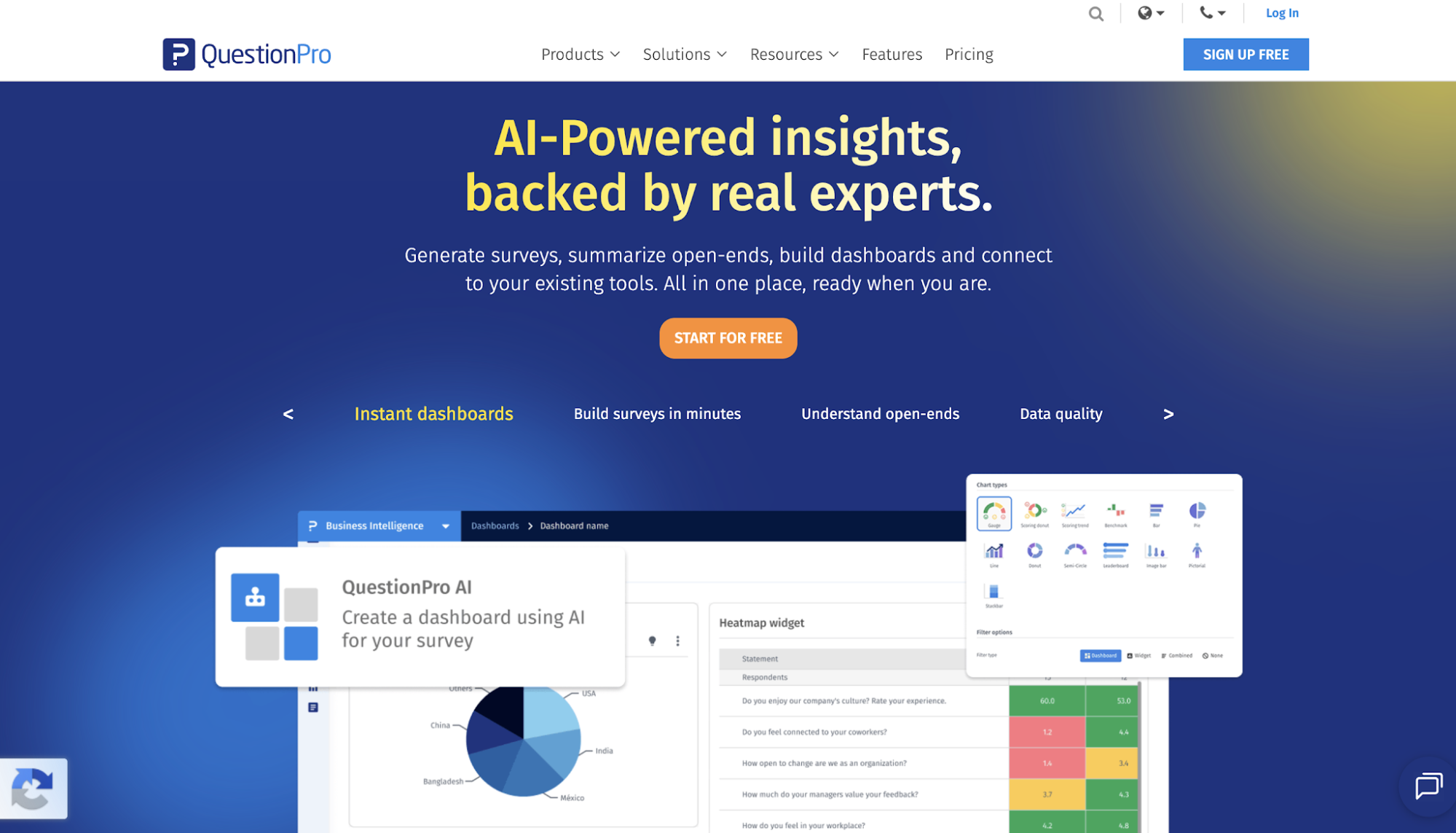
Image source: questionpro.com
QuestionPro is a customer experience management platform built around continuous customer feedback and structured experience measurement.
Organizations use it to monitor satisfaction levels, benchmark performance, and evaluate whether service improvements produce measurable results.
Its evaluation model relies on customer surveys and broader feedback programs rather than interaction reviews alone.
This makes it particularly valuable for teams that want to measure customer perceptions over time and use those findings to guide operational decisions.
QuestionPro offers the following plans for its survey software and research suite:
Customer and employee experience modules don’t have publicly disclosed pricing.
Image source: forsta.com
Forsta is an experience and research platform that helps enterprises evaluate customer service using feedback programs, experience analytics, and customer research. It supports organizations that need invaluable insights into customer perceptions alongside operational service measurement.
Forsta connects structured research with ongoing programs for understanding customer perceptions. This enables organizations to evaluate service quality and understand the reasons behind changes in customer expectations and satisfaction levels.
Forsta does not publish public pricing.
While many platforms share similar capabilities, they differ in the type of information they evaluate, insights provided, and how they support your business goals and unique challenges.
Manual evaluations become harder to maintain as interaction volumes grow. Reviewing only a small percentage of conversations also increases the risk of missing recurring issues in how customer service agents handle interactions.
AI-powered evaluation expands the amount of customer interactions that can be reviewed while applying the same evaluation standards consistently. When comparing platforms, look for AI that explains why an interaction received a particular score instead of simply assigning one.
With Insight7, managers can review the evidence behind every evaluation. Instead of seeing only a quality score, they can see which parts of the conversation influenced the result, making it easier to coach specific behaviors instead of guessing what went wrong.
A scoring process only works well when the criteria used reflect how the organization defines quality. It’s why platforms like Insight7 let teams adapt scorecards to their own industry standards instead of forcing every interaction into the same rubric.
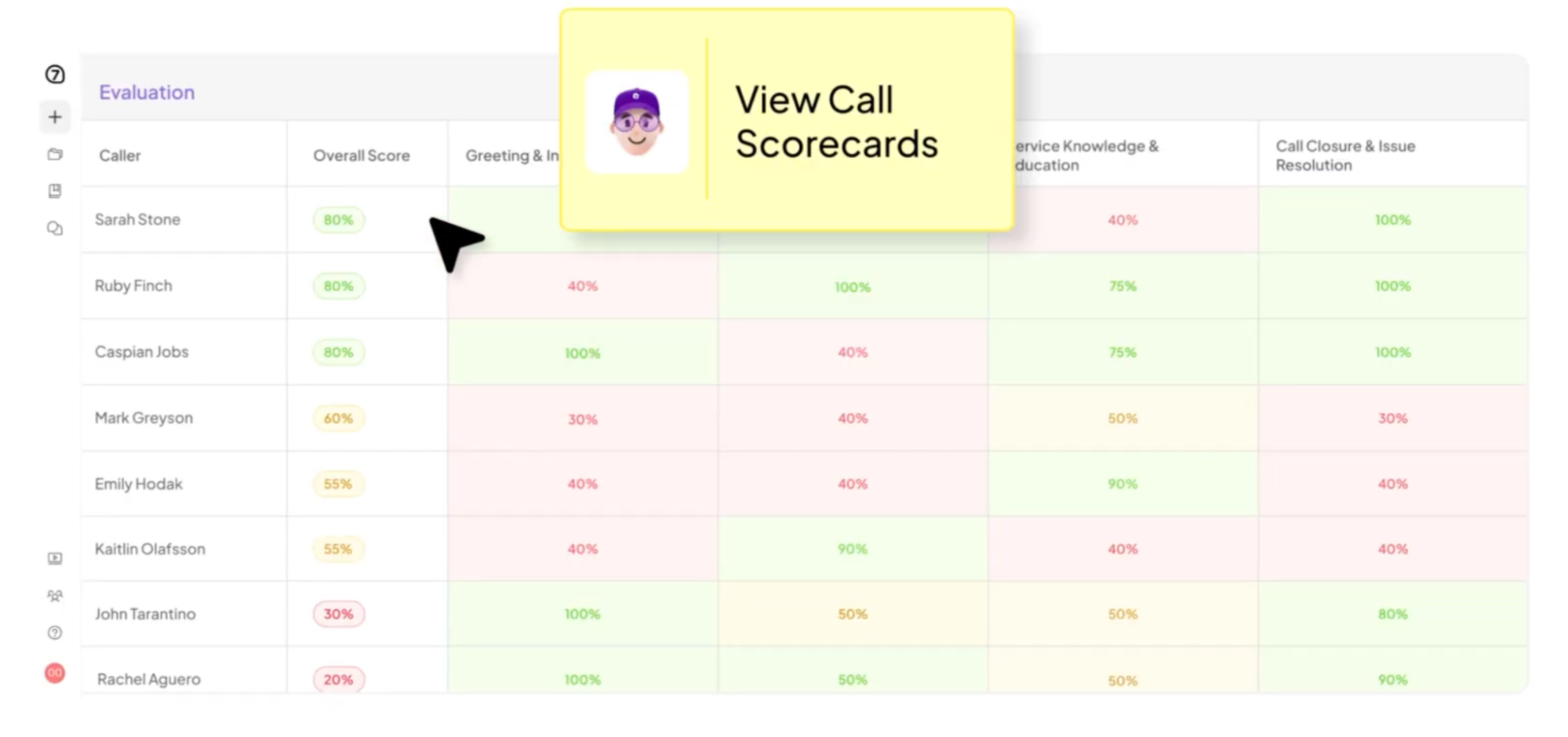
This gives managers a clearer way to measure the behaviors tied to the outcome they want to improve. A support team fighting churn, for example, might score whether the rep offered a retention path on every cancellation call rather than focusing only on tone.
That criterion helps the team see how often agents offer a retention option, compare that behavior with cancellation outcomes, and identify where performance needs attention.
Conversation reviews show what happened during an interaction, while customer feedback explains how that interaction was experienced. And looking at only one source can leave valuable information out of the evaluation process.
Insight7 brings conversation and sentiment analysis and customer feedback together so managers can compare what happened during the interaction with how the customer responded.
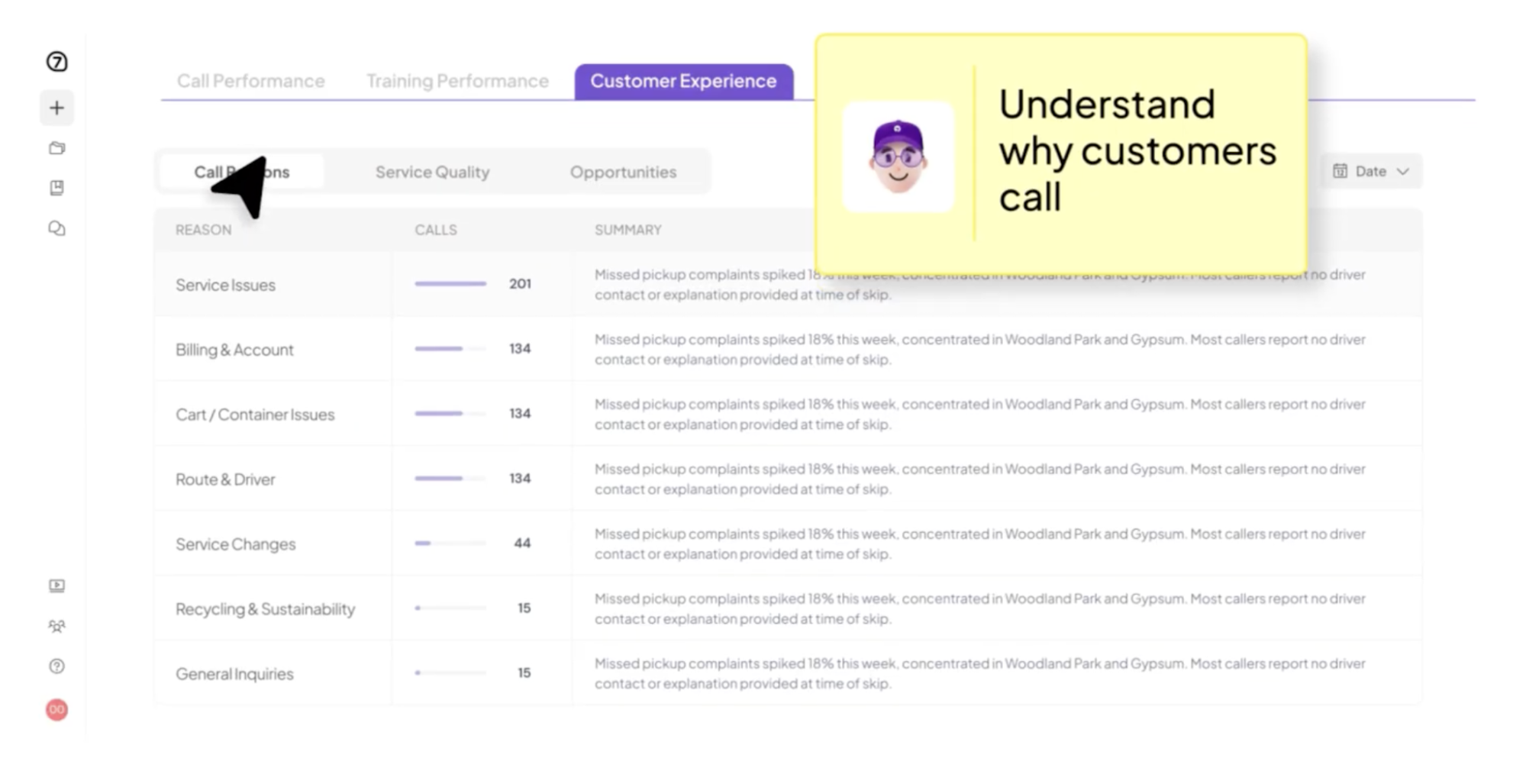
For example, a call might meet every internal quality standard but still end with negative customer sentiment. Seeing both views together helps managers identify gaps that would be difficult to spot from evaluation scores or surveys alone.
Once interaction scores and real-time feedback are collected, the platform needs to turn that concrete data into patterns managers can act on.
Individual evaluations have limited value when they remain isolated.
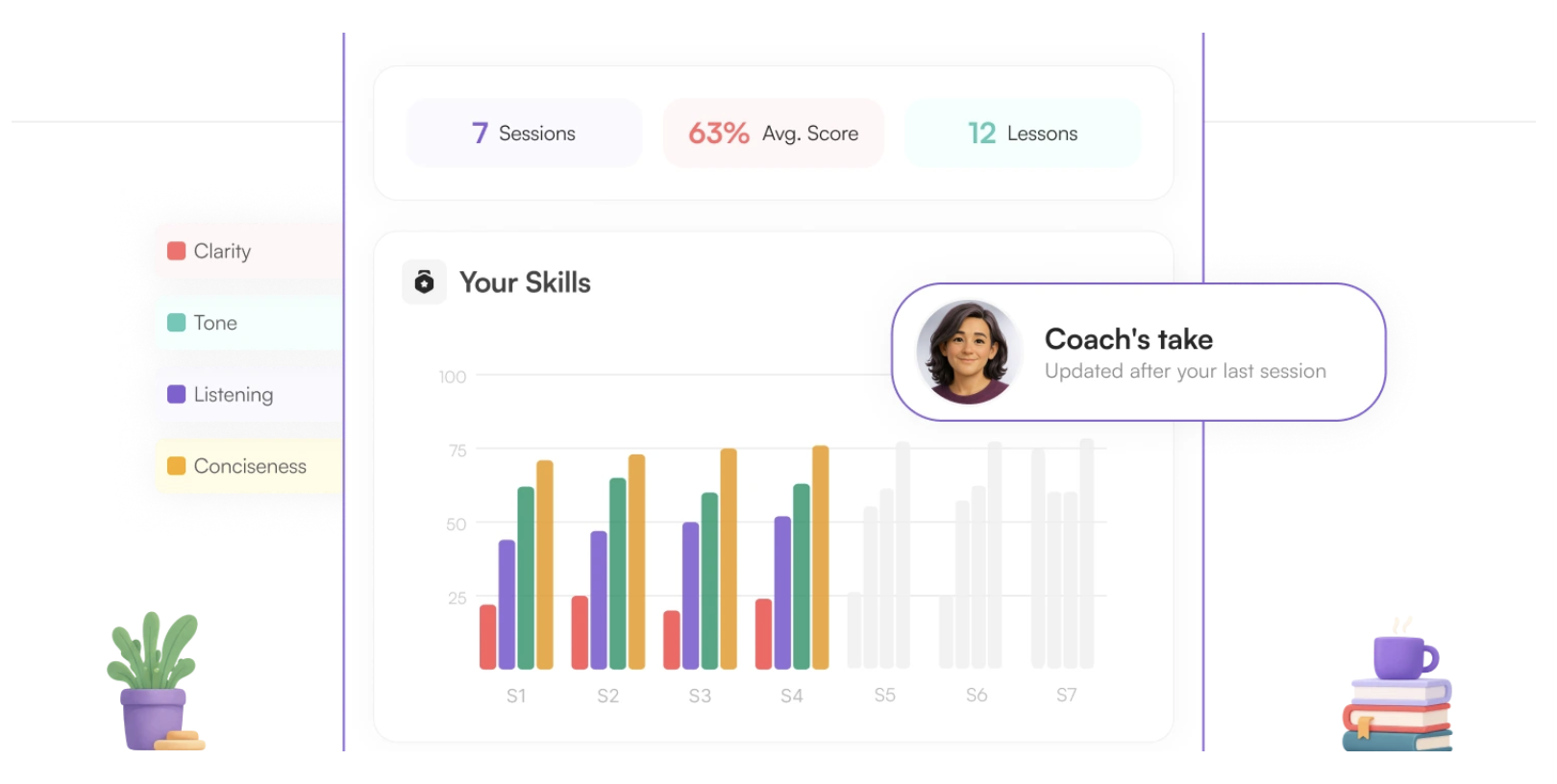
That’s why Insight7 makes this easier by bringing evaluation results into performance dashboards that reveal recurring trends across agents, teams, and service criteria.
Instead of reviewing one interaction at a time, managers can see where performance is changing and which issues are affecting service quality most often.
This gives leaders a clearer basis for deciding where to intervene, whether average response time is improving, and whether recent changes are producing better results.
A tool may surface recurring issues, but the evaluation process remains incomplete if managers cannot turn them into actionable feedback.
That’s why looking for tools that provide coaching workflows, personalized coaching recommendations, and skills practice is ideal because they help move the team from diagnosis to improvement.
Insight7 follows that workflow by linking conversation evaluations directly to AI coaching and roleplay. Managers can coach the exact behaviors identified during customer interactions, while agents have an opportunity to practice those skills before applying them in future conversations.
The final consideration is how easily the platform fits into the existing systems your customer service team already uses.
Evaluation data loses value when it sits in a separate tool that managers rarely open. Connections with your contact center platform, CRM, or help desk make the findings easier to access during reviews and coaching conversations.
Insight7 integrates with the tools teams already rely on, allowing conversation data to flow into the evaluation process automatically.
Managers can work with greater efficiency, spending less time gathering information and more time reviewing performance, coaching agents, and improving service quality.
Customer service evaluation is most effective when it leads to better decisions. Remember, the reason you track these metrics in the first place is to provide customers with the high-quality customer service they deserve.
Yet those metrics remain numbers unless they show you what to improve next.
Insight7 makes that happen by bringing each step of the evaluation process into one workflow.
The platform evaluates real conversations against your service standards and highlights recurring performance gaps, helping you identify the right coaching priorities moving forward.
Try Insight7 if you want a platform that helps make sure your customers receive great service consistently.
The five C’s of customer service commonly refer to communication, competence, consistency, caring, and commitment.
Together, these principles help customer service staff strengthen their communication skills, build stronger customer relationships, and deliver an excellent customer service experience.
Examples include Insight7, Qualtrics XM, Medallia, Verint, InMoment, QuestionPro CX, and Forsta. These tools help teams evaluate service quality through conversation analysis, quality scoring, and metrics such as first-call resolution.
Start by reviewing real interactions to see whether customer service representatives follow your quality standards. Then compare those findings with customer feedback to understand how the experience was received.
You can also track metrics such as first contact resolution rate and customer satisfaction score. Together, these measures show where performance is falling short and where managers should focus improvement efforts.
The 10/5/3 rule is a customer service guideline that encourages employees to acknowledge customers based on proximity. At approximately ten feet, make eye contact and smile. At five feet, greet the customer verbally. Within three feet, offer assistance if appropriate.
Customer service surveys give customers an opportunity to share their experiences after interacting with your business.
Reviewing that feedback alongside performance evaluations helps organizations identify recurring issues, understand changing customer expectations, and make improvements, ultimately leading to higher customer satisfaction.

