
Revenue intelligence has become an important part of how sales teams understand their pipeline, evaluate deal health, and make better-informed revenue decisions.
But with so many options on the revenue intelligence market, choosing the right one for your team isn’t always straightforward.
In this guide, we’ll compare the seven best revenue intelligence platform options for 2026 to help you select the right option for your team.
These are the seven top revenue intelligence platforms for sales teams in 2026:
Revenue reports tell you how your sales team is performing. What they don’t always show is what happened during the sales process that contributed to those results.
Insight7’s research found a clear example of this after analyzing hundreds of real inbound sales calls for a building materials manufacturer. Top-tier reps placed orders on 29% of their calls, while bottom-tier reps placed none.
Reviewing the conversations revealed what differed between the two groups. Top performers conducted project discovery on 88% of calls compared with only 20% among bottom-tier reps.
The research also found that 43% of calls were explicit quote inquiries, yet only 26% of those buyers received an actual price during the call.
The report does not prove that any one of these behaviors caused the difference in order rates. It does show, however, that important differences in sales execution were happening before those differences appeared in the final results.
That’s the missing layer revenue teams need to account for. A pipeline report can show which opportunities progressed or stalled, while a forecast can show the expected revenue impact.
What those results don’t always explain is what happened during the sales process before the outcome became visible.
Revenue intelligence platforms can help teams close that gap by adding context to the revenue results they’re already tracking. What that context looks like depends on the platform and the data it analyzes.
The platforms on this list represent different approaches to revenue intelligence. They include conversation-led tools as well as platforms centered more heavily on forecasting, pipeline management, activity capture, or broader revenue execution.
Platform | Overview | Key Features | Pricing |
Insight7 | AI call intelligence and coaching platform that uses buyer conversations to provide revenue intelligence and deal context. |
|
|
Gong | Revenue AI platform that connects customer conversations with CRM and other sales data to provide deal and revenue intelligence. |
| No public pricing |
Clari | Revenue orchestration platform focused on forecasting, pipeline management, and visibility into active opportunities. |
| No public pricing |
Salesloft | Revenue orchestration platform that connects seller workflows with deal management, forecasting, conversations, and sales engagement. |
| No public pricing |
Backstory | Revenue intelligence platform that combines CRM data with customer activity to provide context around deals, pipeline health, and revenue risk. |
| No public pricing |
Revenue Grid | Revenue intelligence and operations platform that brings activity capture, pipeline intelligence, and forecasting into Salesforce. |
|
|
Aviso | AI revenue platform that combines forecasting and pipeline intelligence with insights from sales conversations and account relationships. |
| No public pricing |
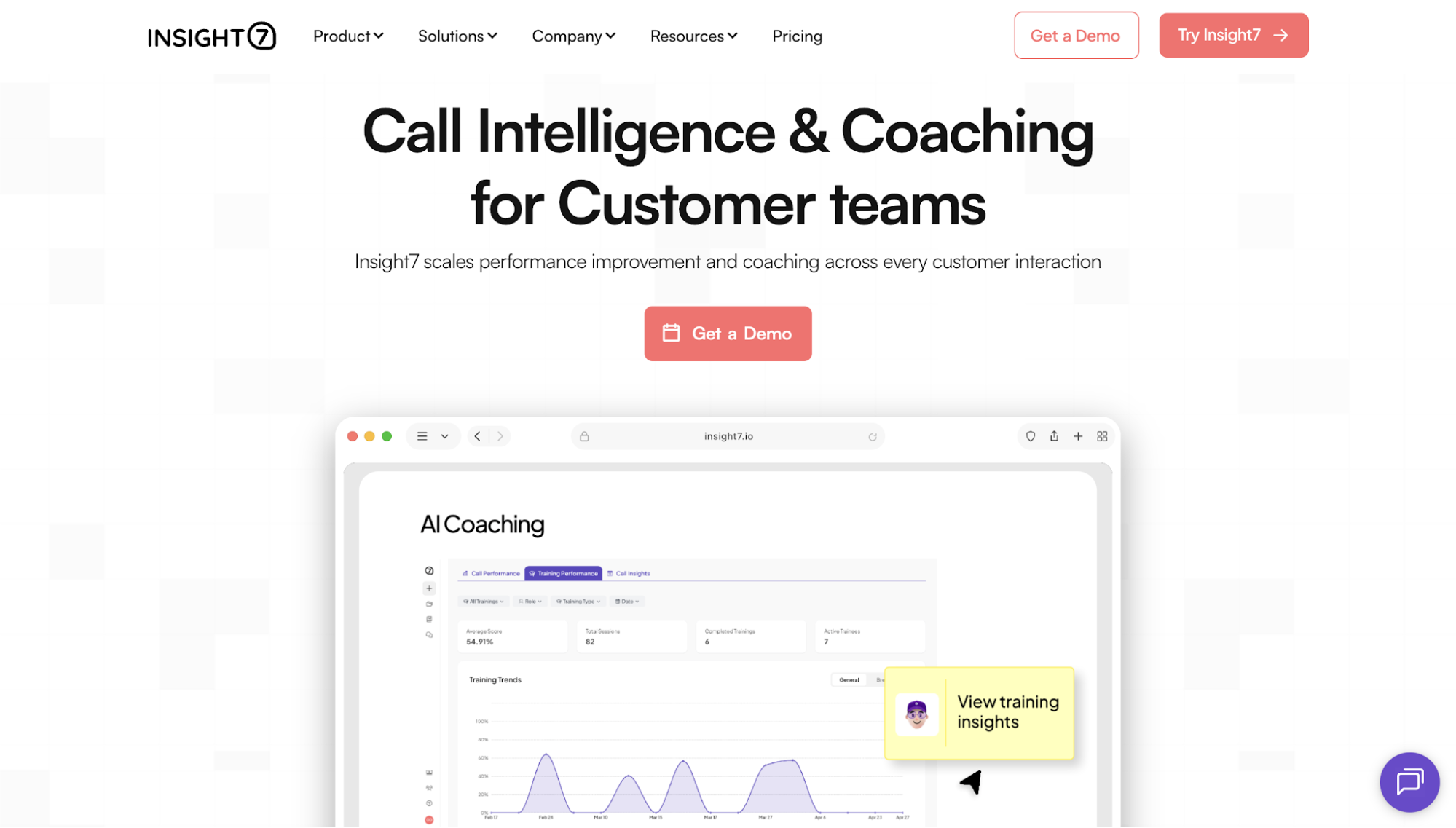
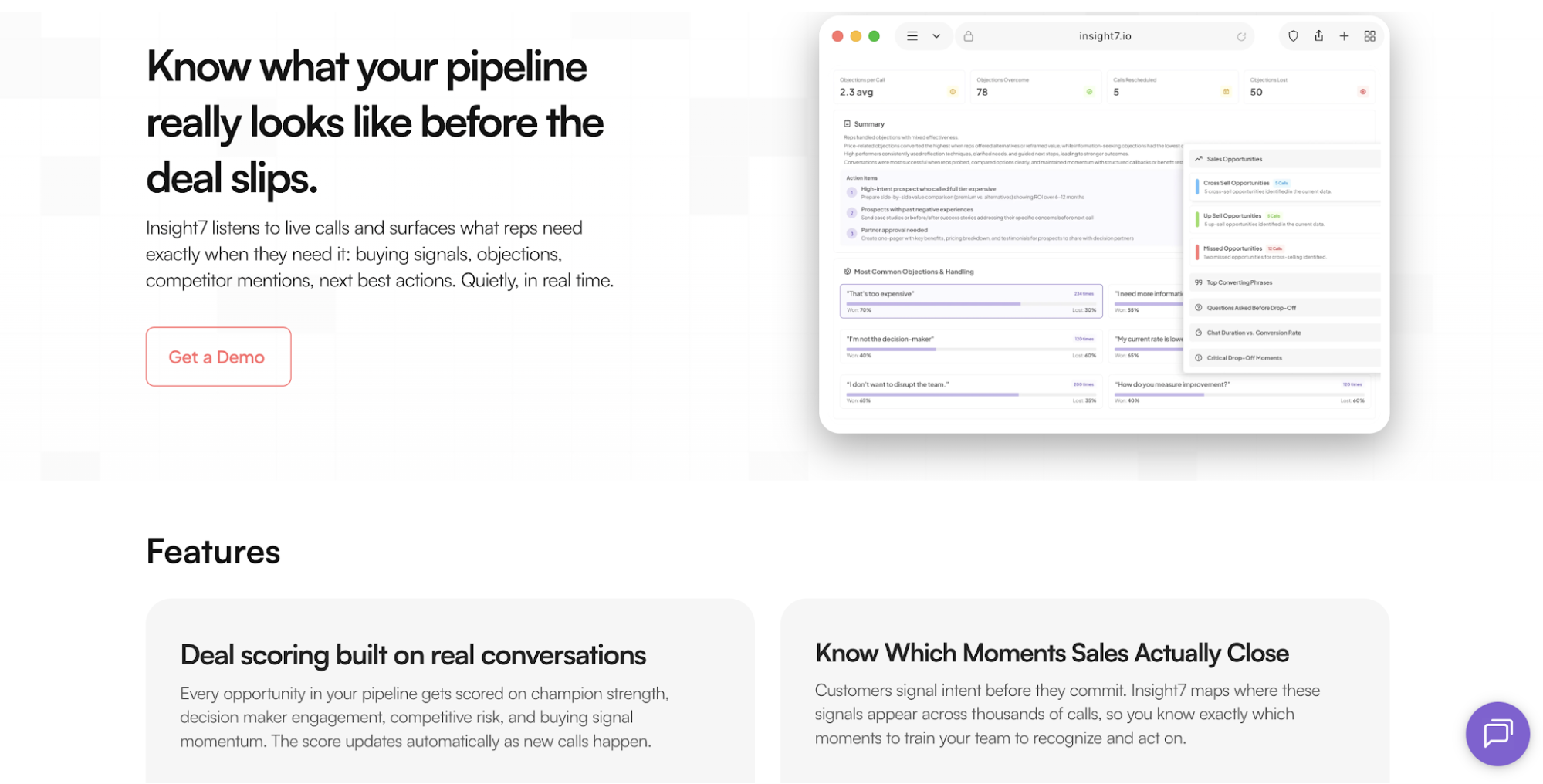
Insight7 is an AI call intelligence and call center coaching platform for customer-facing teams. Its revenue intelligence capabilities are built for teams that want to understand what is happening inside the conversations influencing sales outcomes.
Its approach starts with real buyer interactions. Insight7 analyzes conversations for buying signals, objections, competitive risk, and other deal insights. This gives revenue teams evidence they can use alongside the pipeline and CRM data they already have.
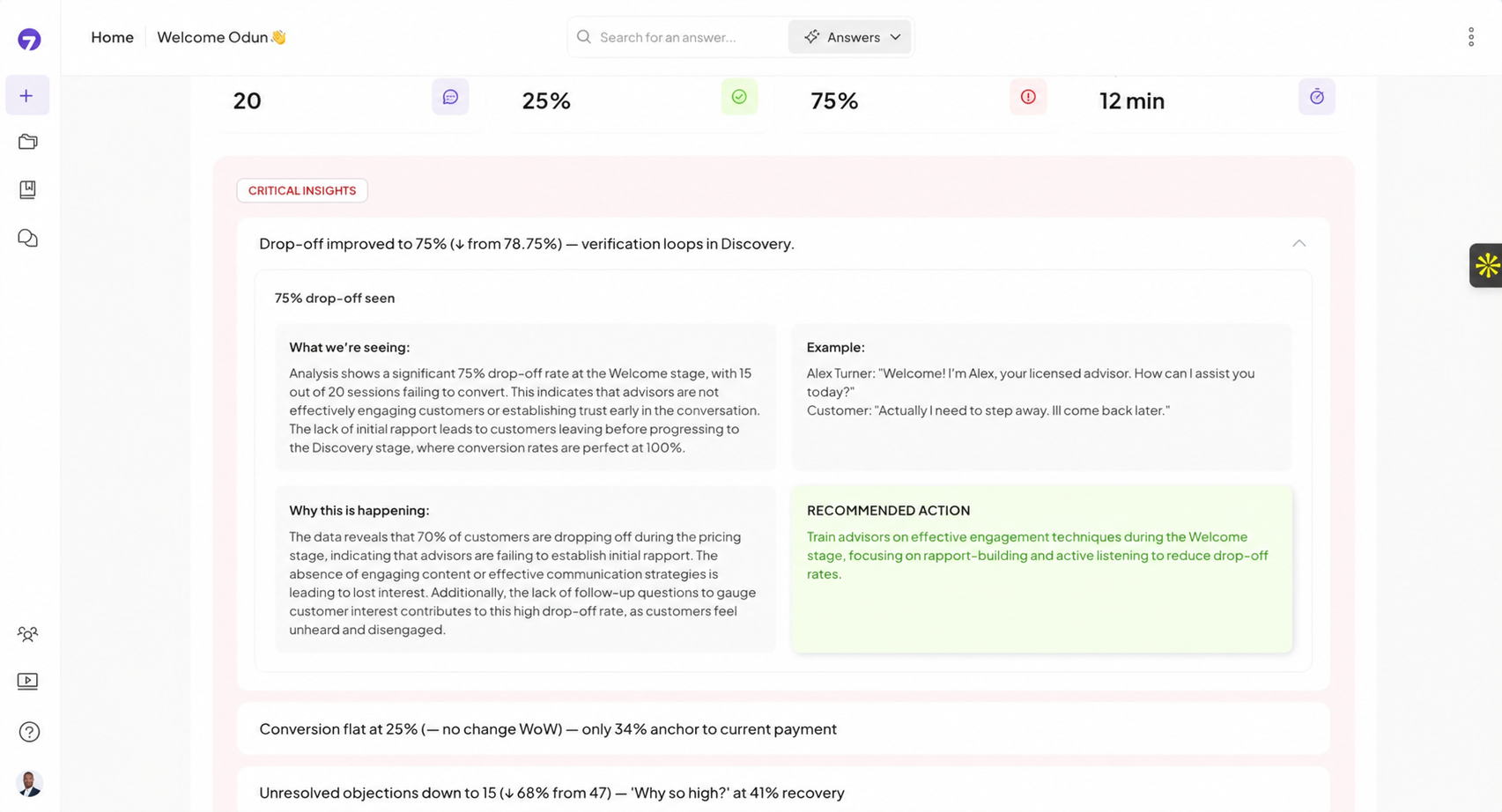
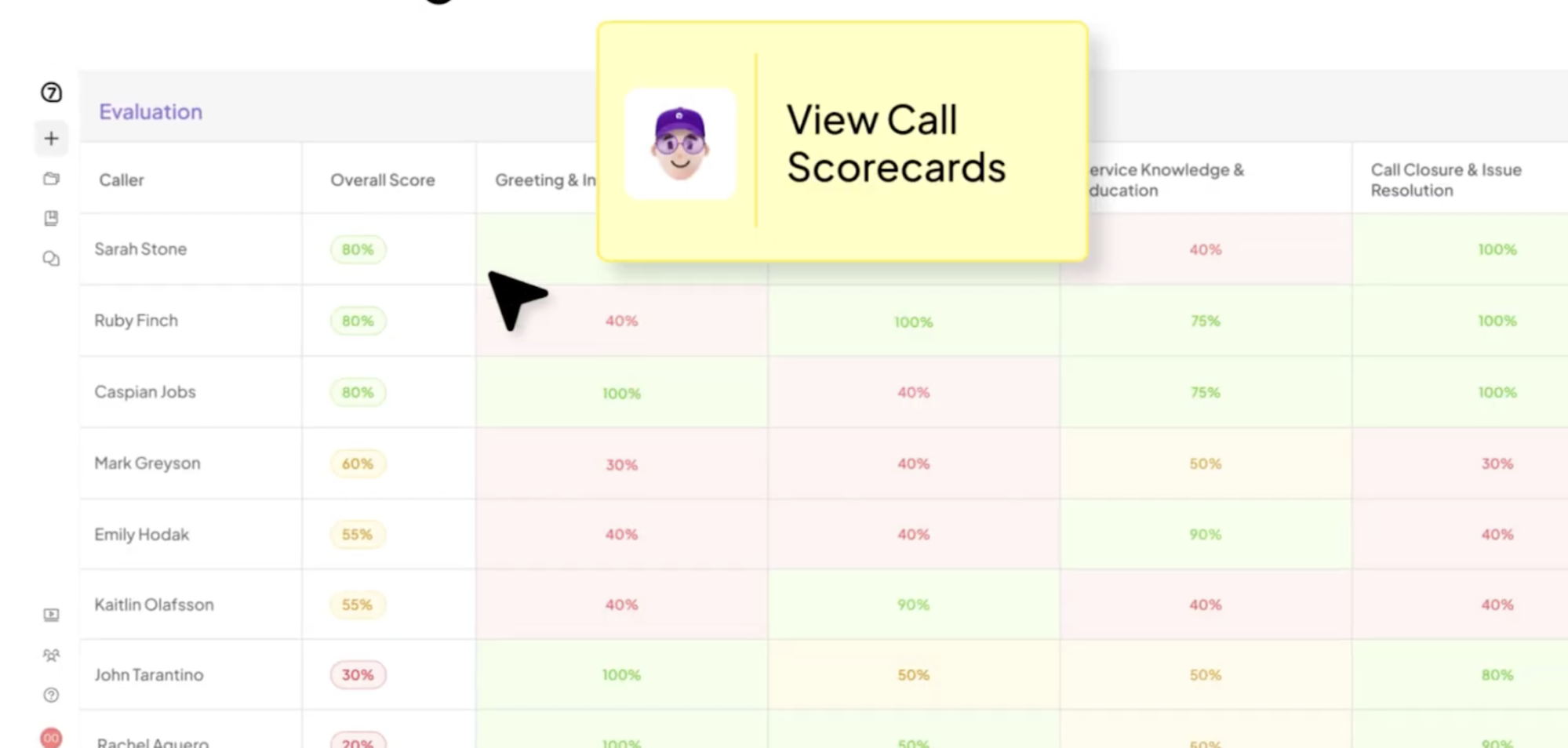
Insight7 gets particularly interesting when the revenue questions you are trying to answer lead back to your sales conversations.
Its revenue intelligence features analyze those conversations to surface buying signals, objections, competitive risk, and other deal context.
So if an opportunity loses momentum, your team has more evidence to investigate what was happening between the buyer and rep before that change showed up elsewhere in the sales process.
Customers have also responded positively to how Insight7 makes conversation analysis easier to manage. Currently, they hold a 4.7 out of 5 rating on G2, and one telecommunications reviewer said it saved their team “days and days of tedious evaluation work.”
They also highlighted how easy the platform was to learn and how responsive Insight7’s customer support was.
What makes Insight7 the top choice is the combination of revenue intelligence and firsthand conversation evidence. Teams can see the signals appearing inside buyer interactions and use that context to better understand the revenue outcomes they are already tracking.
Insight7 offers the following plans:
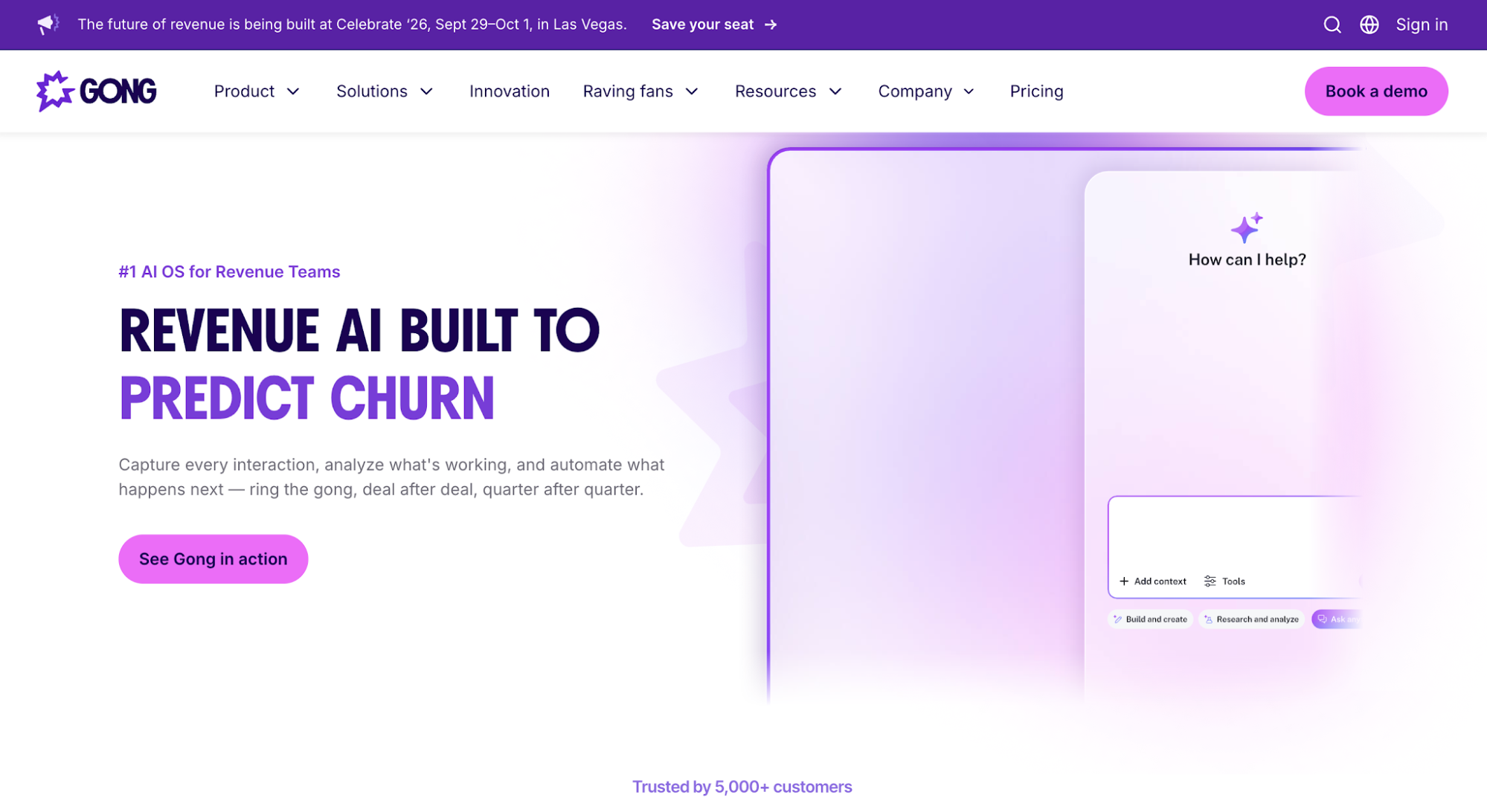
Image source: gong.io
Gong is an AI revenue platform designed for sales and customer success teams that want to capture customer interactions and connect them with broader revenue data.
The company began with conversation intelligence, and that remains central to its approach. Gong now connects conversations with CRM information and other revenue signals through its Revenue Graph, providing AI-powered insights for a wider set of revenue workflows.
Gong does not publish public pricing.
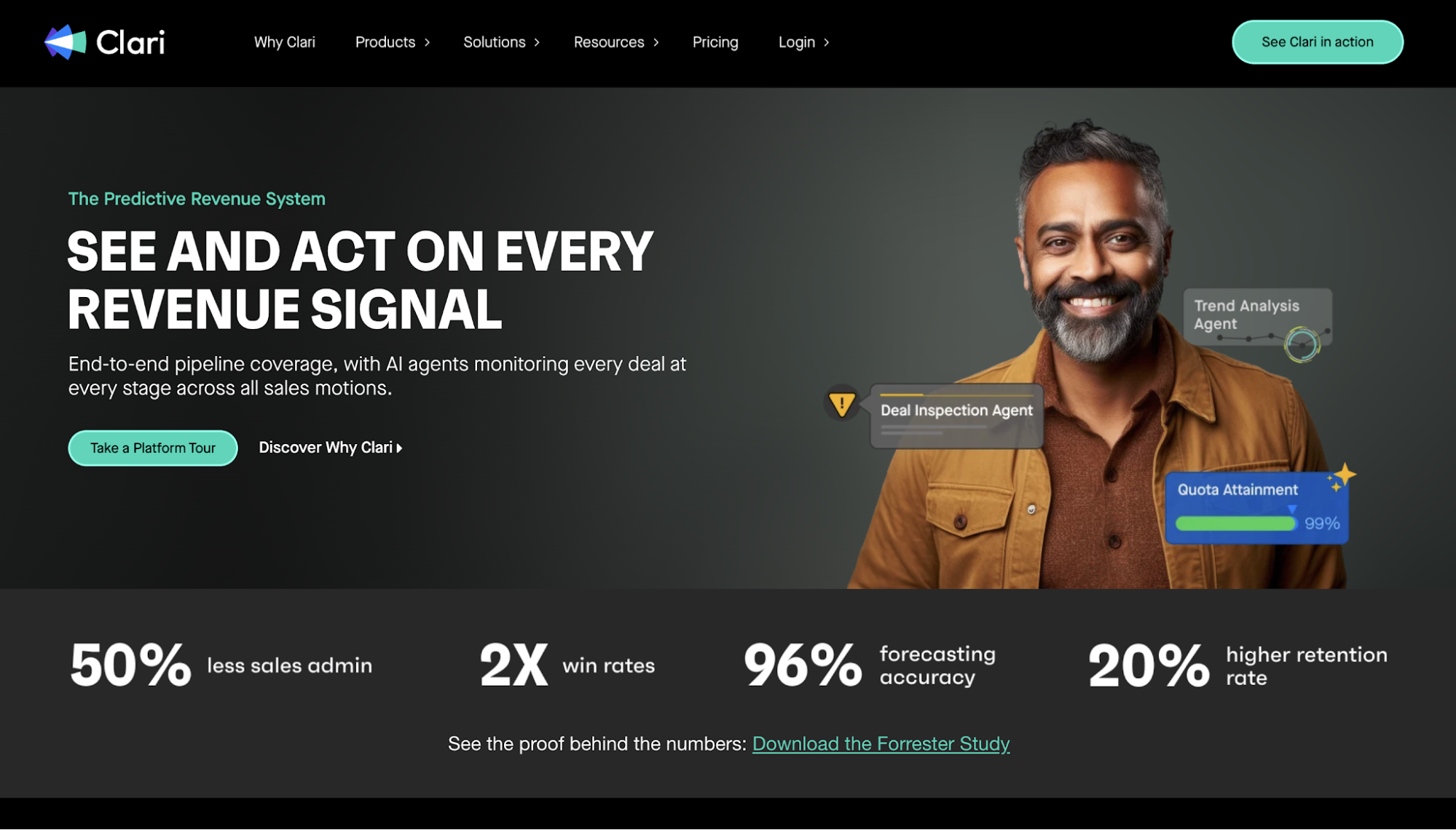
Image source: clari.com
Clari is a revenue orchestration platform built for teams that need structured visibility into forecasts, pipeline, opportunities, and broader revenue execution.
Forecasting remains one of its clearest strengths. Clari combines historical deal data with current revenue information to improve forecast accuracy and help sales leaders understand what is likely to close.
Clari does not publish public pricing
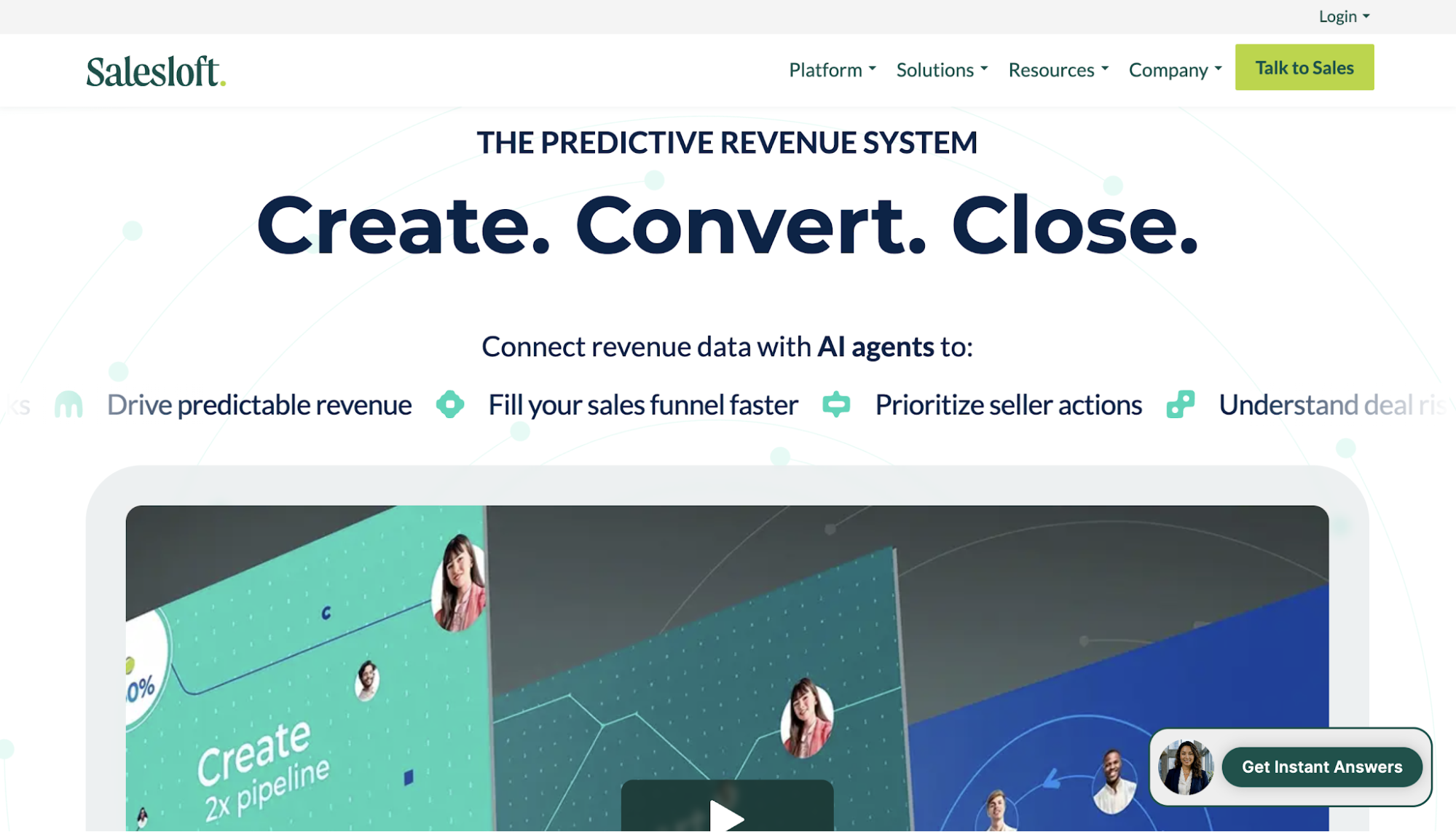
Image source: salesloft.com
Salesloft is a revenue orchestration platform that connects seller activity with deal management, forecasting, conversations, and call analytics.
Its approach sits close to day-to-day sales execution. Revenue intelligence feeds into workflows sales reps already use to engage buyers and manage active deals, giving the platform a different emphasis from tools centered primarily on executive forecasting.
Salesloft does not publish public plan prices.
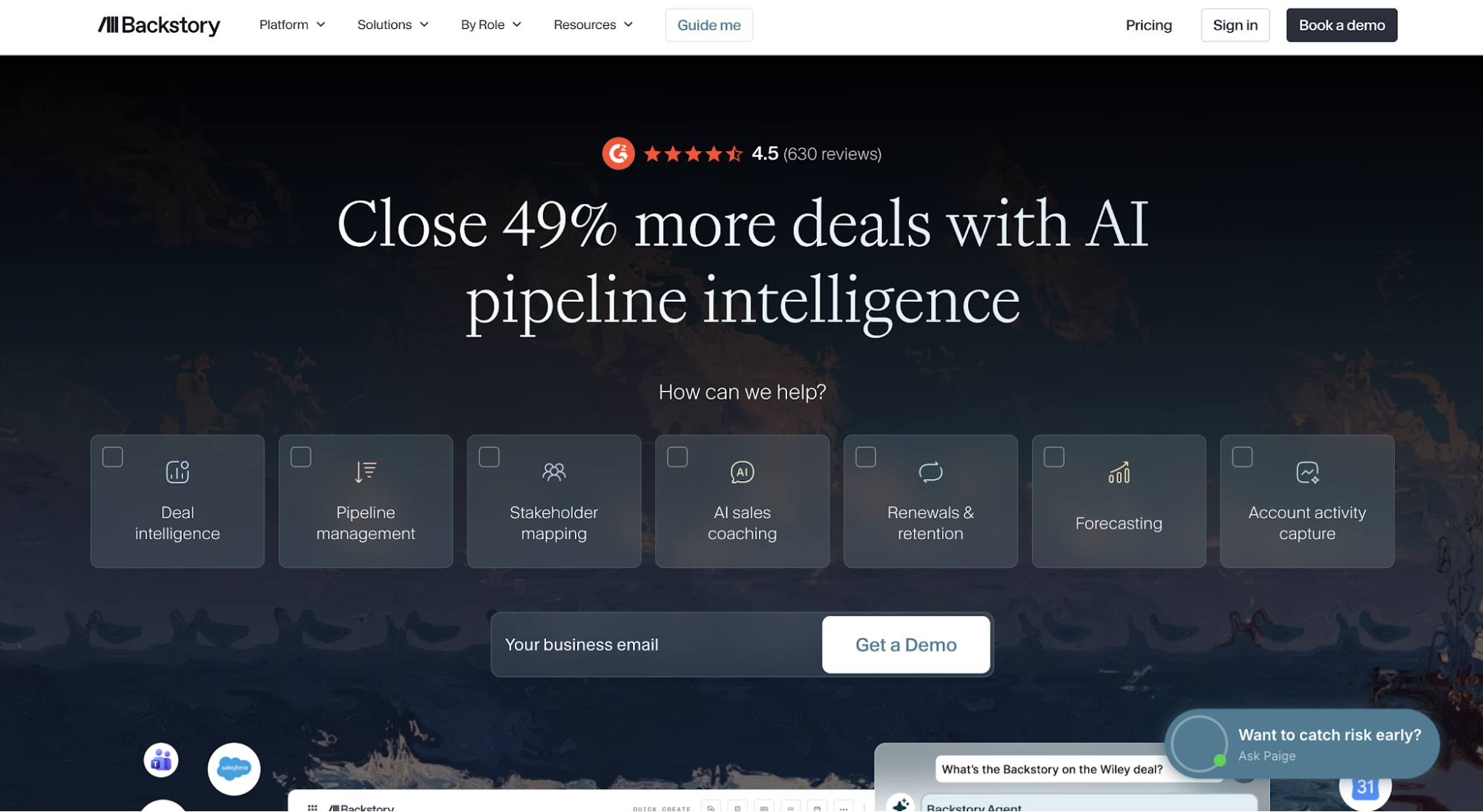
Image source: backstory.ai
Backstory (formerly People.AI) is a revenue intelligence platform that helps sales teams understand what is happening with active deals and where revenue may be at risk.
It combines CRM data with customer activity from emails, meetings, and calls to give teams more context on each opportunity.
This helps revenue leaders investigate deal health, momentum shifts, and the factors influencing their pipeline without piecing that information together manually.
Backstory does not publish public prices.
Image source: revenuegrid.com
Revenue Grid is a revenue intelligence and operations platform with particularly close ties to Salesforce. It captures sales activity and brings pipeline intelligence directly into the CRM environment.
Its True Pipeline product focuses on keeping opportunity information current based on real-time signals from buyer activity. That makes the platform relevant to teams concerned about stale CRM records or pipeline views that no longer reflect what is happening with a deal.
Revenue Grid currently publishes three core pricing tiers:
Revenue Grid also lists separate professional services and customization options that may carry additional costs.
Image source: aviso.com
Aviso is an AI revenue platform that covers a broad part of the revenue process, including forecasting, conversation intelligence, pipeline inspection, and relationship intelligence.
Its approach combines information from several revenue sources rather than centering exclusively on one. Aviso uses CRM data alongside calls and engagement information to help teams evaluate both individual opportunities and the wider forecast.
Aviso does not publish fixed public pricing.
All platforms can claim to improve revenue visibility while giving you very different feature lists.
The decision becomes easier when you start with the question your current systems fail to answer. A sales team struggling to trust its forecast has a different problem from one that already sees a stalled opportunity but cannot explain what changed during the buyer conversation.
That said, here are the areas you should be examining before choosing to invest in a revenue intelligence platform.
Conversation intelligence analyzes what happens during sales conversations and turns those interactions into revenue signals.
Depending on the platform, this can include objections, competitor mentions, buyer intent, stakeholder engagement, and other signals that add context to an active deal.
When comparing platforms, look at how far the analysis goes beyond recording and transcription. The more effectively a platform identifies meaningful buyer signals, the easier it is to understand what is influencing an opportunity based on what buyers actually said.
Insight7, for example, uses conversation-derived signals such as champion strength, decision-maker engagement, competitive risk, and buying-signal momentum when evaluating opportunities.
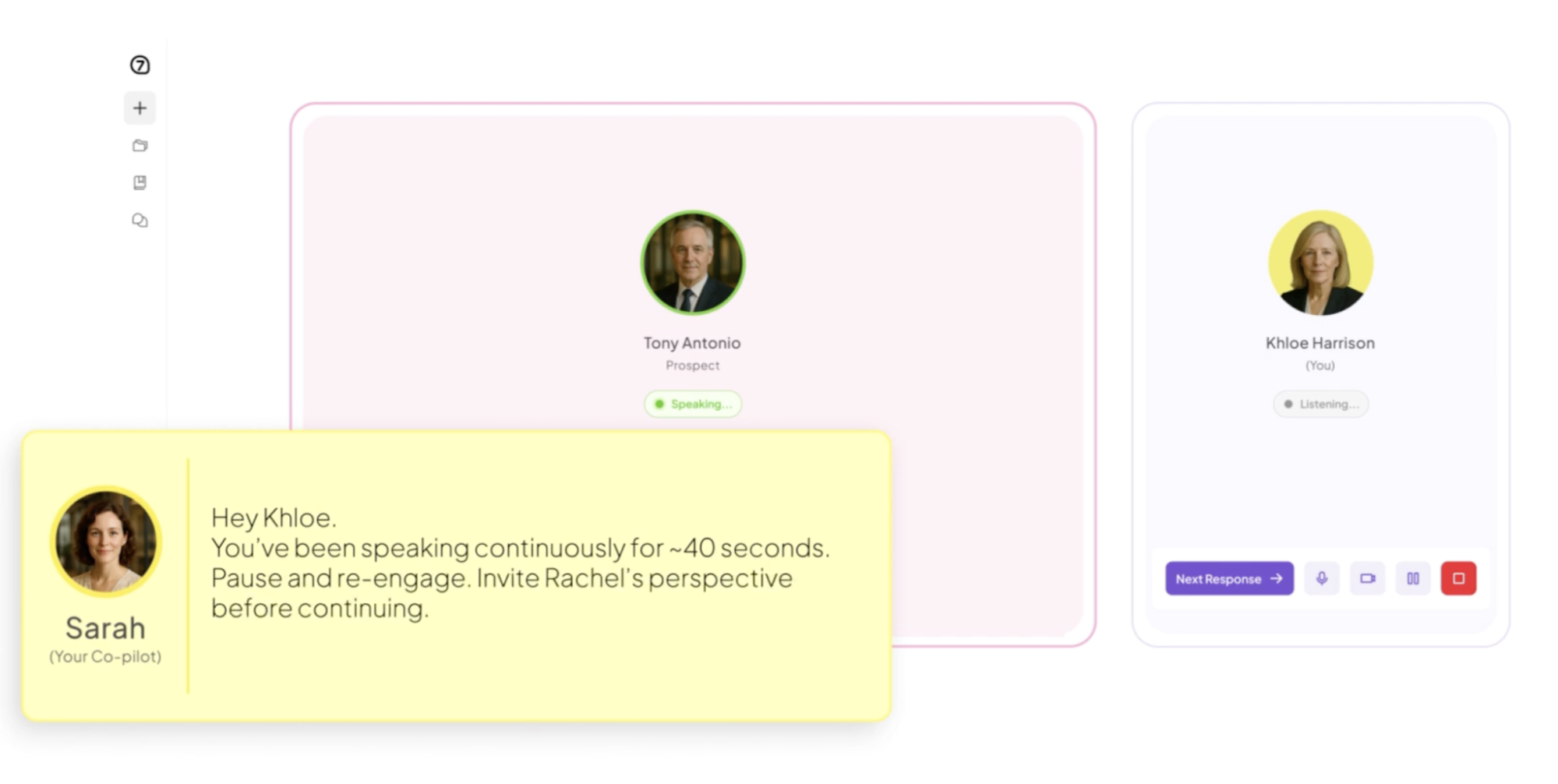
This helps revenue teams understand why a deal looks healthy or at risk based on what is actually happening with the buyer, rather than relying on the deal score alone.
Deal inspection and pipeline intelligence help teams evaluate opportunity health, identify revenue risk, and understand how individual deals affect the wider pipeline.
What matters here is the quality of the evidence behind those assessments. Look at what data the platform uses to determine deal health and whether it explains why an opportunity has been flagged.
This will give your revenue teams more than a risk score. It’ll provide the context needed to decide which opportunities require attention and what needs to be investigated.
Forecasting intelligence uses current and historical revenue data to estimate how much business is likely to close within a given period.
So when evaluating forecasting intelligence, look at what information the platform uses to calculate expected revenue. A forecast that considers historical performance alongside current deal conditions can give you a more informed view of what is likely to close.
Just as importantly, the platform should show you what caused the forecast to change, so you can understand whether a shift came from one major deal, wider pipeline movement, or another revenue signal that needs your attention.
Sales performance intelligence helps you understand whether the way reps sell is contributing to the revenue results you’re seeing.
When comparing platforms, look at how far they go in connecting deal or revenue findings with rep performance. Identifying that deals are consistently stalling at a certain point is one thing.
Showing managers which sales behaviors may need closer attention gives them a clearer place to investigate.
Coaching capabilities determine what your team can do with those findings afterward. Insight7, for example, can turn issues identified in real conversations into coaching priorities and give reps a way to work on those skills through AI roleplay.
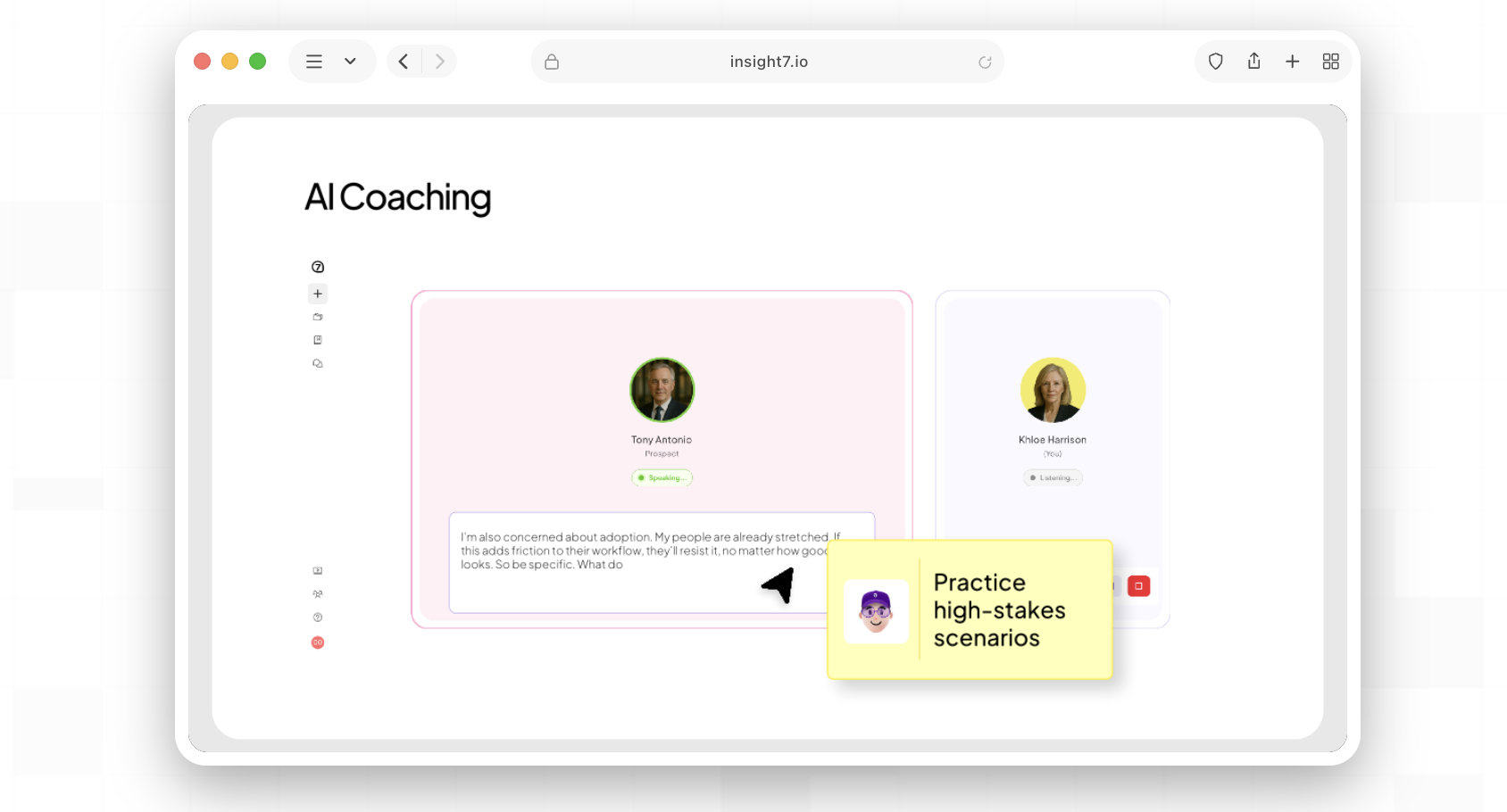
This is worth considering if you want revenue intelligence to help improve future sales execution, rather than only explain the performance of your current pipeline.
Revenue reporting helps you understand how revenue performance is changing over time, while trend analysis helps uncover patterns behind those changes.
This becomes important when the same issue begins appearing in multiple deals. If competitor mentions are increasing in late-stage conversations, for example, seeing that pattern gives leadership something more specific to investigate than a change in win rate alone.
When comparing platforms, look at how much context the reporting gives you behind a trend.
Knowing that a metric went up or down tells you what changed. But connecting that movement to deal activity, buyer signals, or sales performance can help you understand what may be driving it.
CRM and revenue stack integrations bring relevant sales information together in a single platform for analysis. This can include opportunity data from your CRM alongside the customer interactions connected to those deals.
The quality of those integrations affects how much context the platform has when evaluating an opportunity. If important information stays disconnected, the resulting revenue intelligence may only reflect part of what is happening with the deal.
So when comparing platforms, check more than whether your CRM appears on the integration list. Look at what information the platform can pull from it, whether that information stays current, and how it connects with the other revenue signals being analyzed.
Insight7, for example, connects with CRM and conversation sources so teams can examine buyer interactions alongside the deal information they already track.
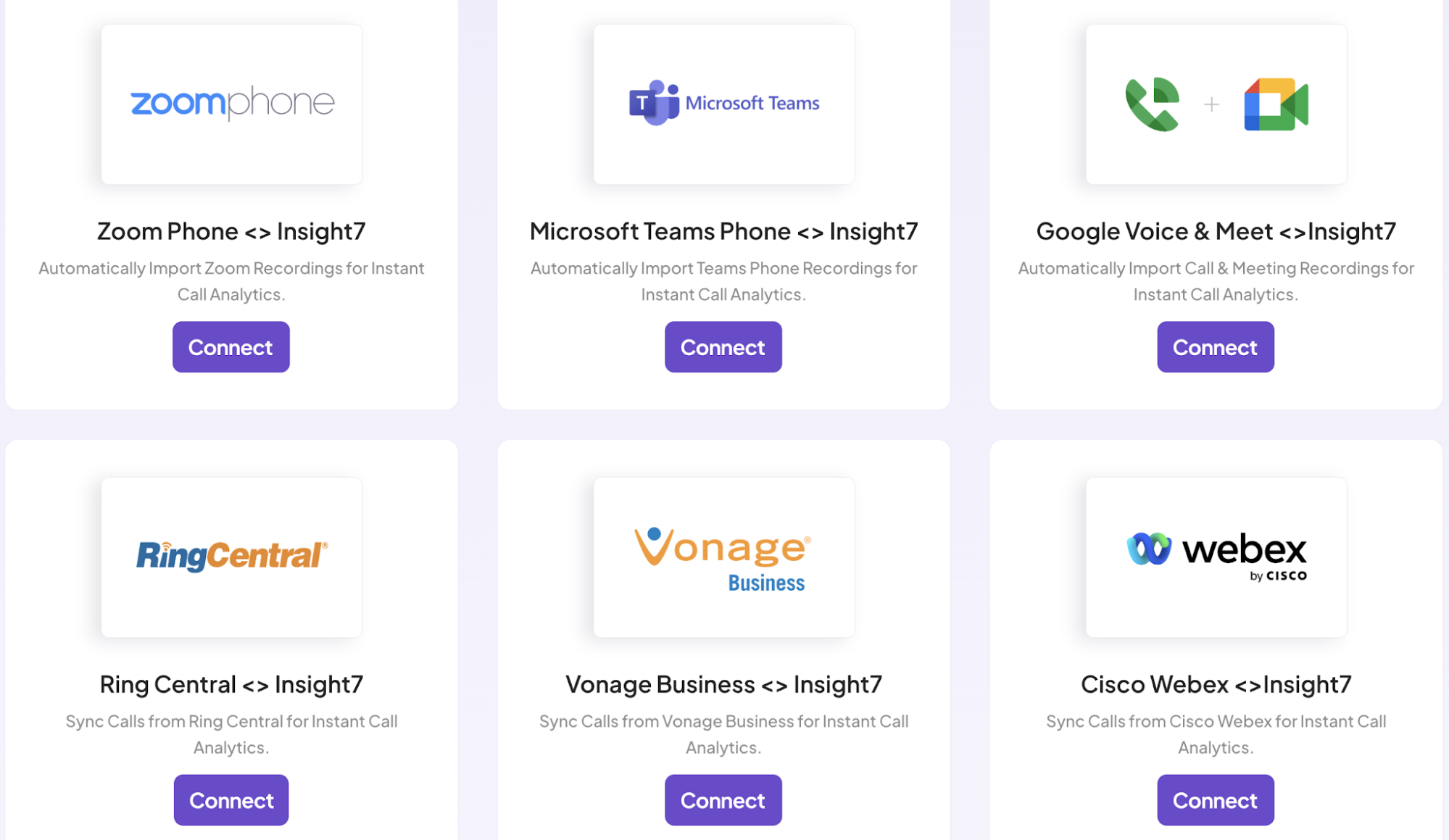
This helps connect what appears in the CRM with what buyers and reps are actually discussing, giving revenue teams more context behind the opportunities they’re evaluating.
Configuration determines whether the platform evaluates revenue activity according to your sales process or its own default assumptions.
This matters because deal risk, qualification, and sales performance don’t mean the same thing for every company. The signals you expect in a short sales cycle can differ significantly from those in a longer enterprise buying process.
When comparing platforms, look at how much control you have over scoring criteria, evaluation rules, and other definitions the system uses to interpret performance. Insight7 allows teams to evaluate conversations against criteria specific to their operation.
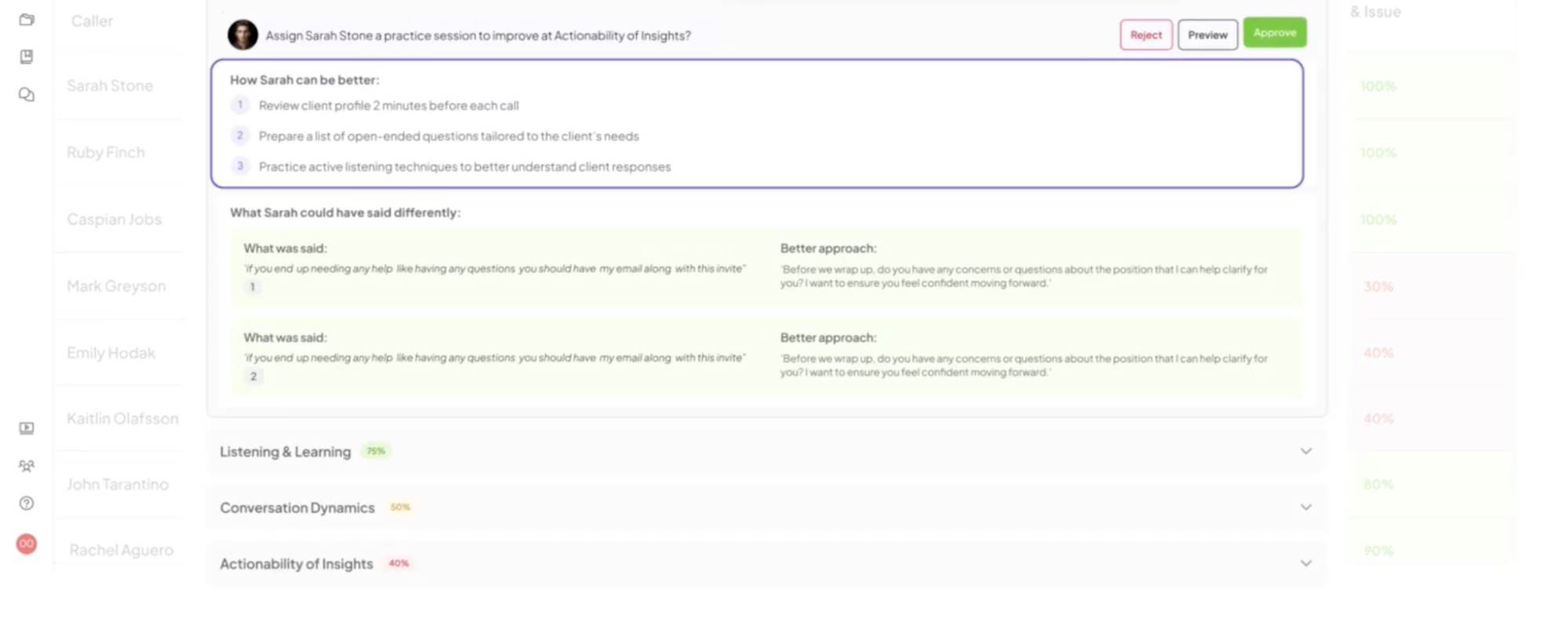
That flexibility makes the resulting intelligence more relevant to the way your team actually sells. Otherwise, you could end up making decisions from scores or evaluations that do not fully reflect what your organization considers a healthy deal or effective sales conversation.
Governance, on the other hand, answers a separate but equally important question: who can access that revenue and customer information, and how is it protected?
Review permissions, security controls, and data management capabilities closely, particularly when conversations or other sensitive customer data feed the platform.
The best revenue intelligence platforms depend on the question your team needs answered.
If forecasting is the problem, deeper forecasting intelligence may deserve priority. If unreliable CRM activity is hiding the real state of the pipeline, activity capture or pipeline intelligence could be more important.
Yet when the unanswered questions live inside conversations with buyers, your revenue team needs a way to examine those interactions at scale.
Insight7 gives teams that conversation-level view. It helps leaders identify buyer signals and understand where sales execution may be contributing to the revenue outcomes already appearing in their pipeline.
Once those patterns are visible, managers have something specific to investigate and improve. Revenue intelligence becomes more than another performance dashboard when it helps the people responsible for the number understand what is driving it and decide what to do next.
Book a demo with Insight7 today and find the buyer signals your revenue reports cannot show you.
Revenue intelligence helps sales teams understand what is happening with their deals, pipeline, and expected revenue.
It analyzes sales data and buyer activity to surface deal risks, buying signals, forecast changes, and other information that can help teams decide where to focus their attention.
In this context, RCA typically refers to Revenue Cloud Advanced, a Salesforce product for managing revenue processes such as product configuration, pricing, quoting, contracts, orders, and billing.
It is different from the revenue intelligence platforms discussed in this guide.
Revenue Cloud Advanced focuses more on managing the processes involved in selling and generating revenue, while revenue intelligence focuses on analyzing sales information to better understand deals, pipeline, and revenue performance.
A revenue platform is software that helps a business manage or improve parts of its revenue process. What it actually does depends on the type of platform.
A revenue intelligence platform, for example, focuses on analyzing sales and buyer information to help teams understand deal health, pipeline risk, forecasts, and revenue performance.
Other revenue platforms may also focus more on areas such as sales engagement or revenue operations.
