Contact center leaders rarely search for Observe.AI competitors because they need another list of AI tools. What most teams are really comparing is how different platforms help them understand what is happening in customer conversations and turn those findings into better frontline performance.
Observe.AI already supports much of that process, from conversation analysis and quality management to coaching and real-time agent support.
The real question is which alternative better fits how your operation evaluates performance, develops agents, and acts on what those conversations reveal.
In this guide, we compare the top seven alternatives with different approaches to conversation intelligence, quality management, sales coaching, and live agent support.
These are the top seven Observe.AI alternatives in 2026:
Analyzing more customer conversations can give leaders a clearer picture of where agent performance is falling short. Yet identifying the gap doesn’t automatically tell managers how to correct it or help agents change the behavior behind it.
Insight7’s 2026 Insurance Sales Close Rate Report showed how specific these performance differences can be.
The research analyzed hundreds of real high-ticket insurance sales conversations and found that top-tier agents closed 65.4% of conversations compared with 0% among bottom-tier agents.
Top performers also generated roughly five times as many customer turns, reflecting a substantial difference in how effectively they created two-way conversations.
Looking deeper into the conversations revealed behaviors that could actually be coached. This shows why the platform you choose matters.
Whether you stay with Observe.AI or consider an alternative, identifying performance gaps is only valuable if your team can use those findings to guide coaching and reinforce better behaviors over time.
The seven Observe.AI competitors below take different approaches to conversation intelligence, quality management, coaching, and contact center performance.
Platform | Key Features | Pricing |
Insight7 |
|
|
Level AI |
| No public pricing available |
CallMiner |
| No public pricing available |
Cresta |
| No public pricing available |
NICE CXone Mpower |
|
|
Verint |
| No public pricing available |
Convin |
| No public pricing available |
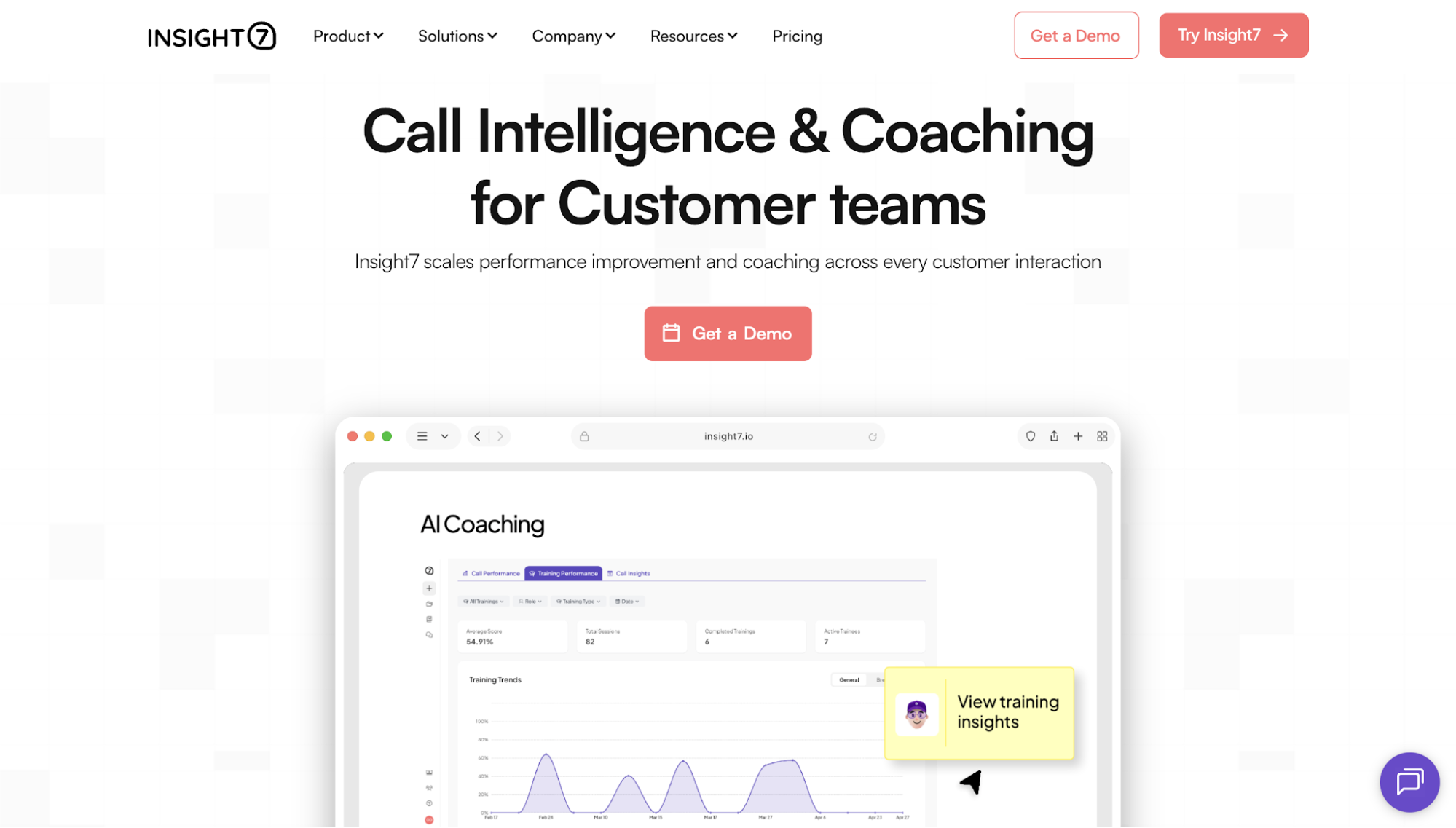
Insight7 is a conversational intelligence and AI coaching platform built for customer-facing teams. It supports sales teams, customer service, QA, compliance, enablement, and go-to-market (GTM) teams that need a clearer view of how people perform in real conversations.
Its approach connects conversation evaluation with what managers need to improve next. Calls can be scored against the team’s own criteria, with identified performance gaps feeding into personalized coaching and skills practice.
Live assist adds support during the conversation, so the same performance workflow can continue before, during, and after customer interactions.
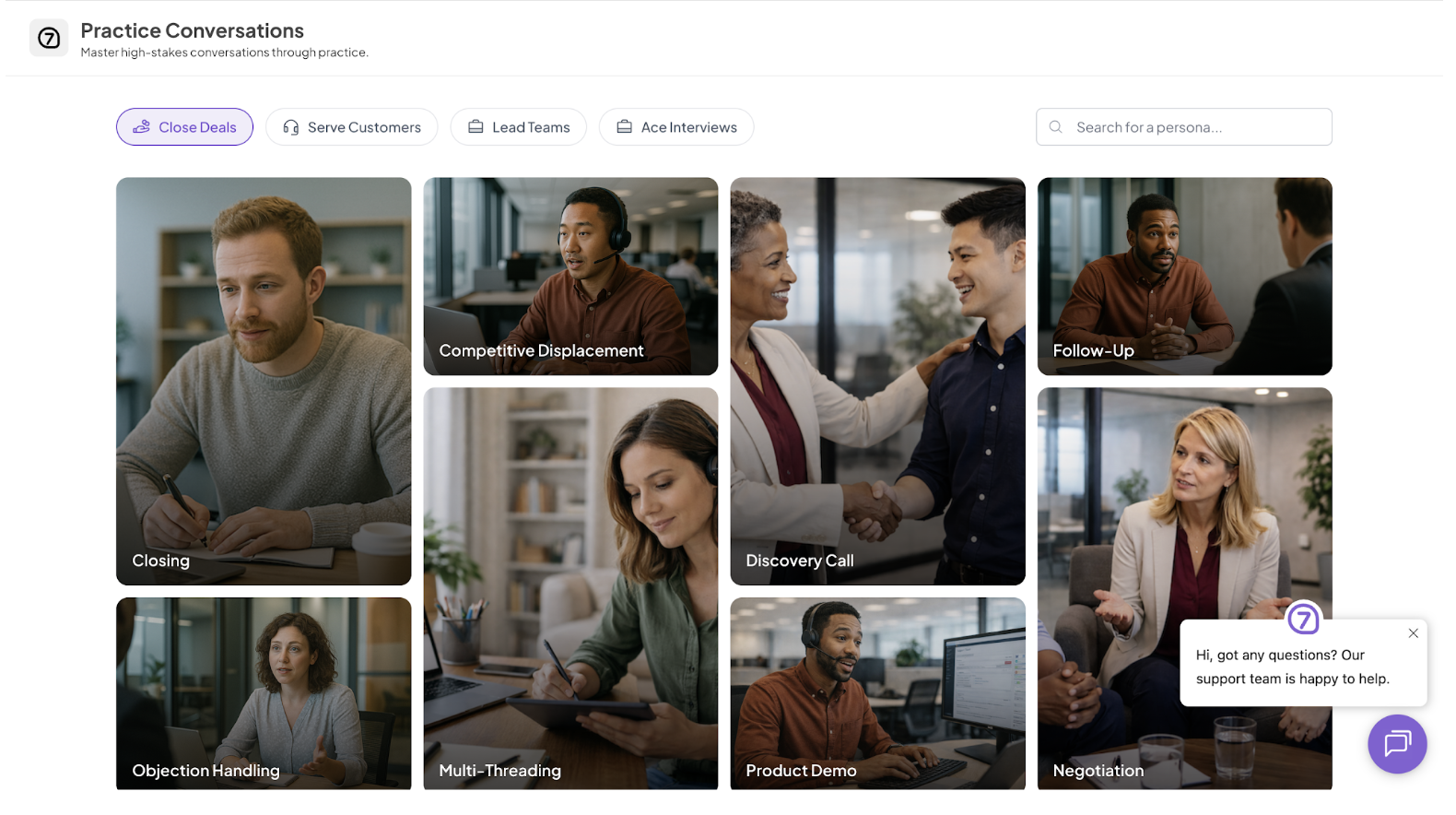
Insight7 stands out in this comparison for how it connects conversation evaluation with coaching and skills practice.
Rather than treating call analysis, coaching, and training as separate activities, Insight7 uses automatic transcription and conversation analysis to determine what each rep needs to work on next.
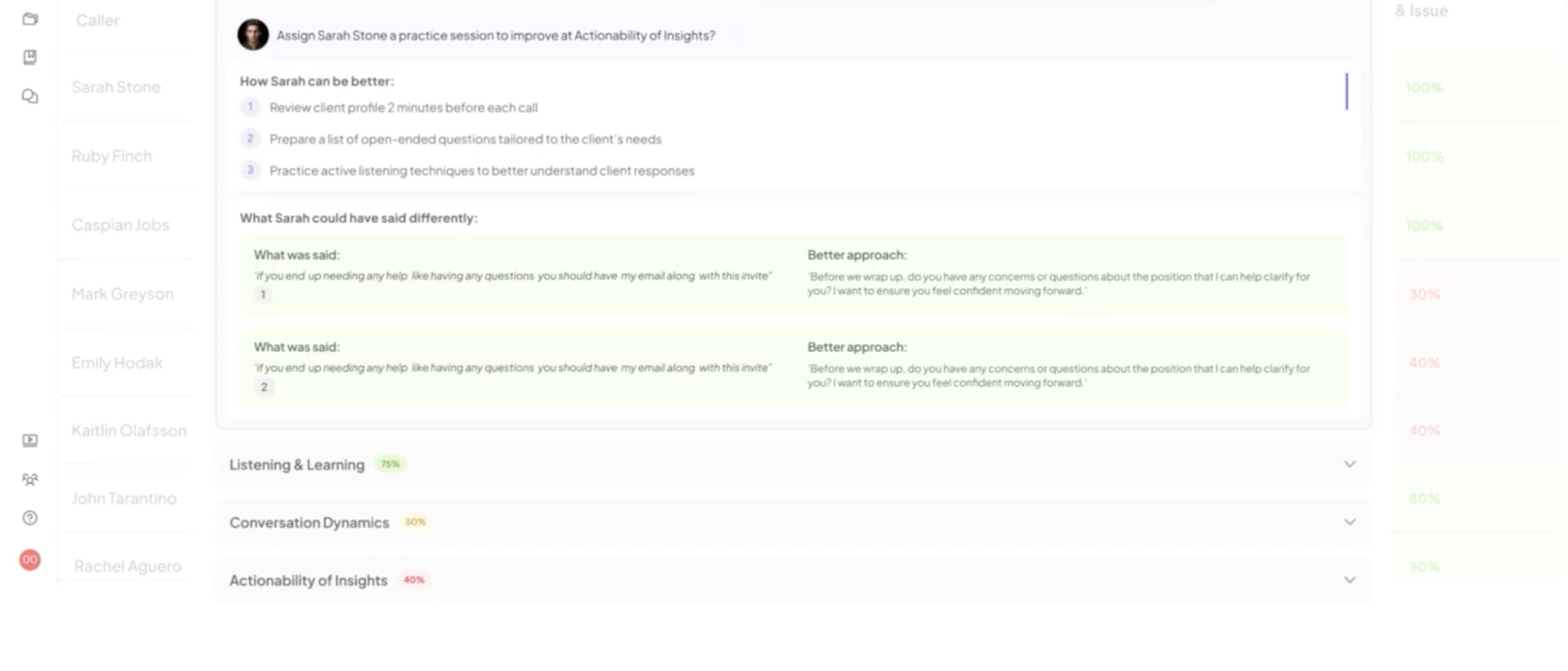
For example, when call evaluations identify a recurring performance gap, those findings can inform personalized coaching. Reps can then practice the same skills through AI roleplay and receive feedback before applying them in future customer conversations.
Insight7 keeps these steps connected. Managers can use findings from real conversations to identify specific performance gaps and focus coaching on those areas.
Sales reps can then practice the same skills through AI roleplay before applying what they learned in future customer conversations.
As more conversations are evaluated, managers can see whether the behaviors they coached are improving or still need attention. This keeps coaching grounded in what reps are actually doing on calls rather than treating evaluation, coaching, and practice as separate processes.
In fact, Insight7 customers have seen the platform operate at meaningful conversation volumes.
Elise Dietrich, CPO at TripleTen, says her organization evaluates more than 6,000 calls each month with Insight7, showing how the platform has supported teams that need to review far more conversations than managers could reasonably evaluate manually.
Image source: thelevel.ai
Level AI is a customer experience intelligence platform designed for contact centers. Its products include quality assurance, agent coaching, real-time assistance, voice-of-customer analysis, and contact center analytics.
Quality management is a core component of its platform. Level AI evaluates calls, chats, emails, and bot conversations using configurable rubrics and provides coaching tools that help supervisors identify contact center agents and interactions that require review.
Level AI does not publish public pricing.
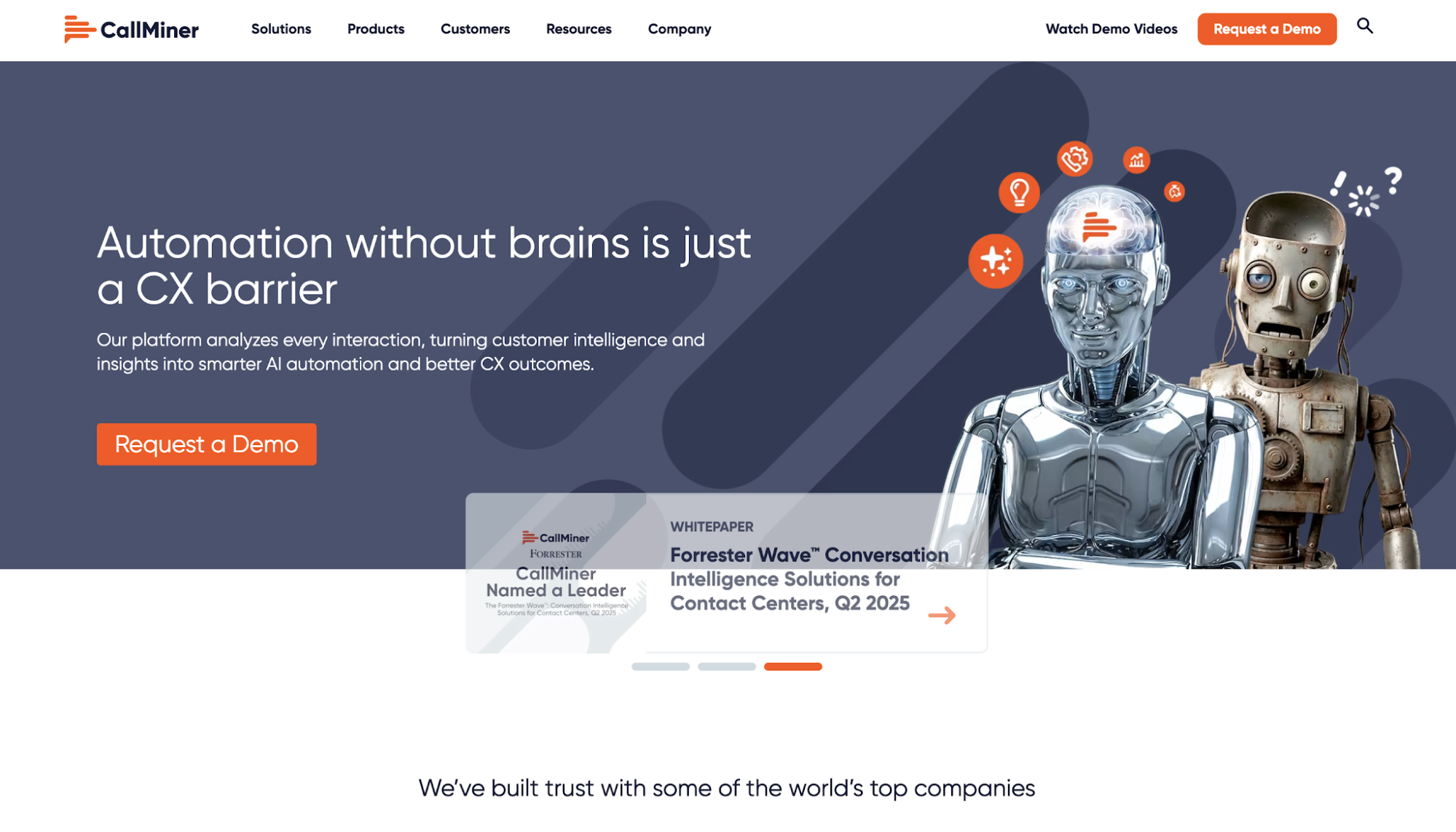
Image source: callminer.com
CallMiner is an enterprise conversation intelligence platform that combines speech analytics with text-based conversation analysis to generate and deliver insights.
It is used for customer experience, agent performance management, quality assurance, compliance monitoring, and sales effectiveness.
Its quality management capabilities include conversation analytics combined with automated and manual evaluation. It also provides coaching workflows and live guidance to help contact center teams act on identified interaction patterns.
CallMiner does not publish public pricing.
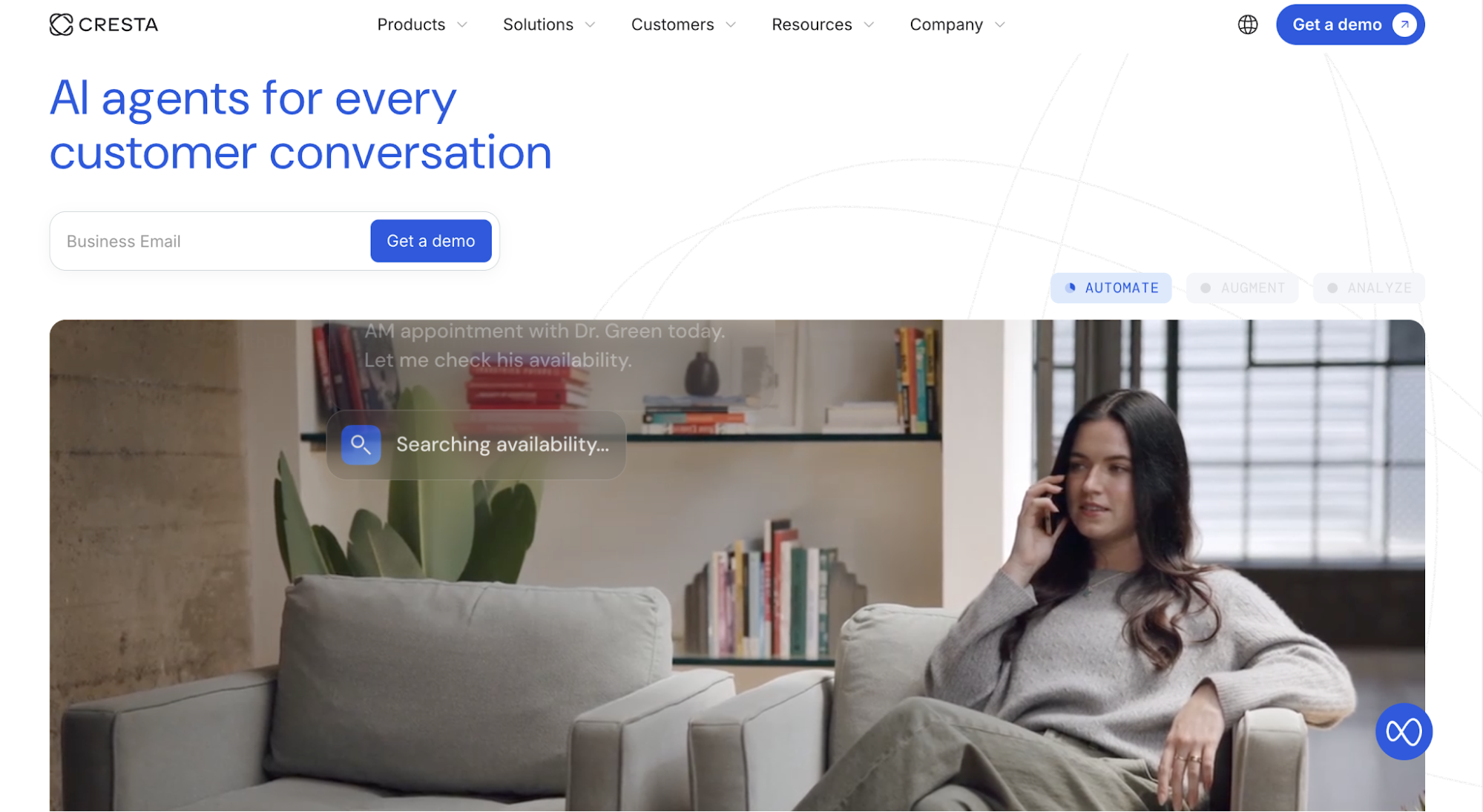
Image source: cresta.com
Cresta is an enterprise customer experience AI platform designed for large customer-facing operations. It unifies capabilities for analyzing customer interactions, supporting agents during live conversations, and automating parts of customer engagement within a single platform.
At its core, Cresta analyzes customer interactions to identify behaviors and business outcomes. It then uses these insights to support real-time agent guidance, as well as quality management and coaching workflows that are all grounded in the same conversation data.
Cresta does not publish public pricing.
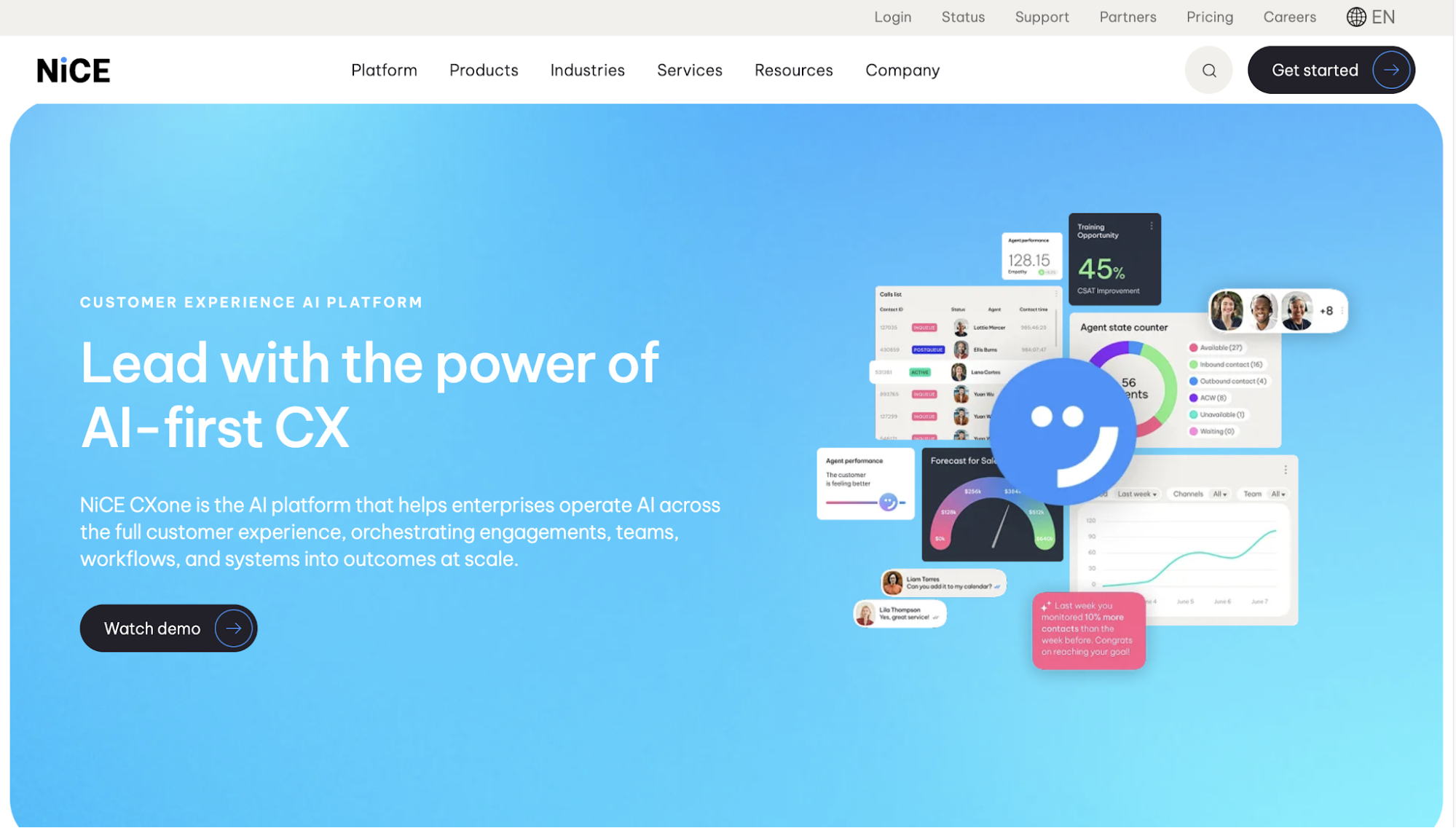
Image source: nice.com
NICE CXone is a cloud-based enterprise customer experience AI platform that brings customer interactions, teams, workflows, and business systems into one connected environment. It’s built for enterprises managing customer service at scale, with support for both human and AI agents.
Within the platform, contact center teams can manage customer engagement while also evaluating interaction quality and supporting agent performance.
This gives organizations a broader CX platform where conversation intelligence and coaching operate alongside their wider customer service operations.
NICE CXone offers the following plans for workforce empowerment:
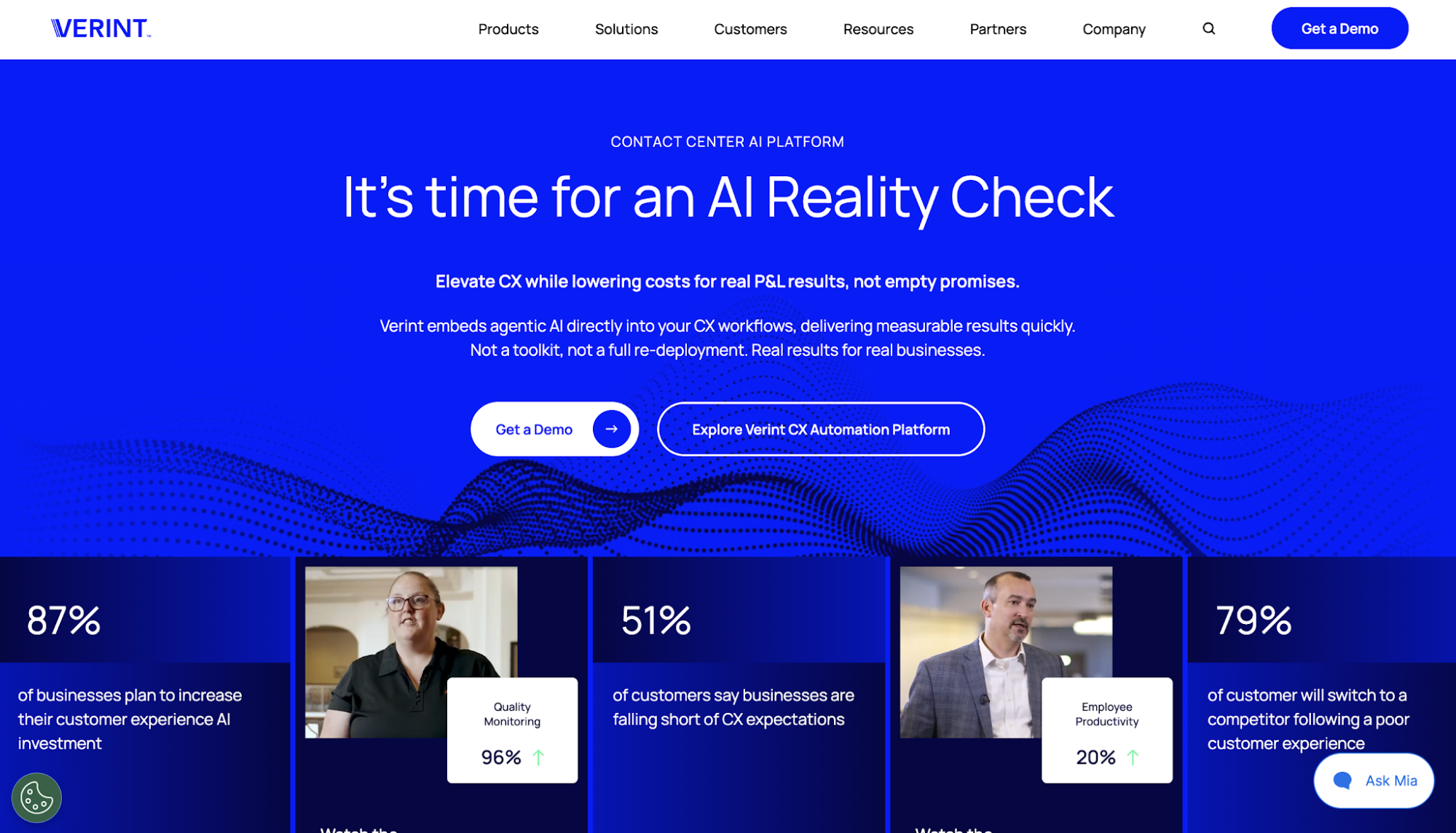
Image source: verint.com
Verint is a customer experience automation platform built for large organizations that manage high volumes of customer interactions.
It is designed to help contact center and customer service teams run operations more consistently while improving agent performance and customer support.
Its broader approach is to connect customer interaction data with the workflows leaders use to manage service quality and team performance.
Verint does not publish public pricing.
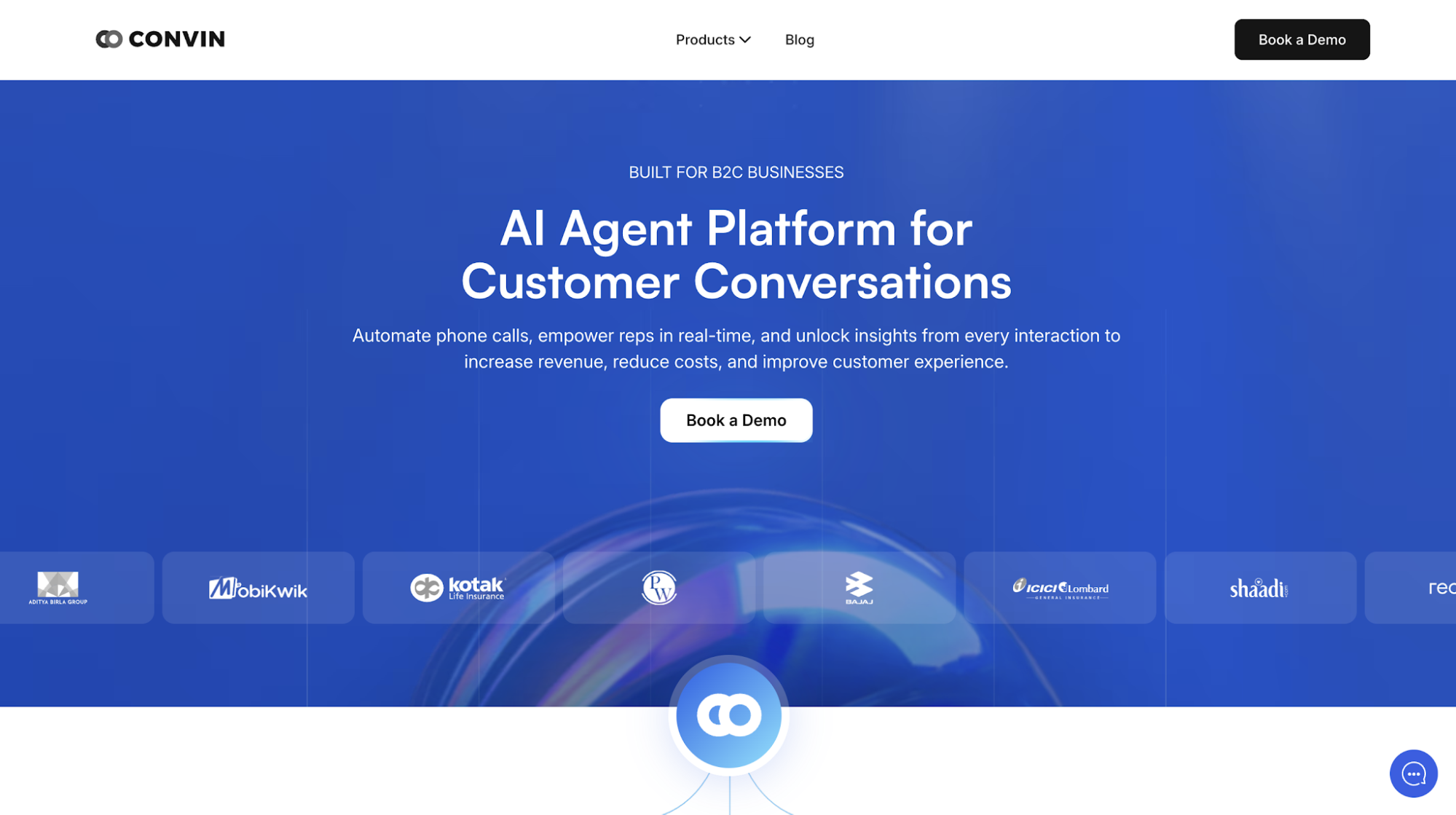
Image source: convin.ai
Convin is a conversation intelligence platform used by sales, support, and contact center teams. It analyzes customer interactions to understand customer sentiment while supporting quality assurance, coaching, compliance monitoring, and conversational analytics.
Its contact center workflow centers on expanding QA coverage while using conversation findings to improve agent behavior. Convin also offers live coaching cues and personalized coaching based on QA scores.
Convin does not publish public pricing.
Observe.AI already covers much of what buyers expect from a modern contact center intelligence platform. It can analyze 100% of interactions, automate QA, support personalized coaching, and provide agents with guidance during live conversations.
That means feature availability alone won’t separate the Observe.AI competitors in this list. The more revealing comparison is how each capability works within your existing QA and performance model and what your managers can do with the information they’ll have once the platform produces it.
Observe.AI already promotes 100% interaction analysis and automated QA, so an alternative offering “100% coverage” isn’t automatically an upgrade.
Look deeper into what gets evaluated once that coverage expands. Compare whether scoring works at the criterion level, how easily managers can trace a score back to the conversation that produced it, and how exceptions are handled when the AI gets an evaluation wrong.
Calibration also deserves attention because increasing coverage increases the impact of any scoring rule that isn’t aligned with how your QA leaders judge performance.
The question becomes less about how many phone calls the platform scores and more about how much confidence your QA team has in those scores at scale.
An alternative becomes more interesting when its scoring model, calibration process, and evidence behind each evaluation fit the way your organization already governs quality.
Insight7 is ideal here because its call scoring includes custom scorecards, conversation-level evidence, and a calibration and dispute workflow where QA leaders can override AI ratings and feed corrections back into the evaluation process.
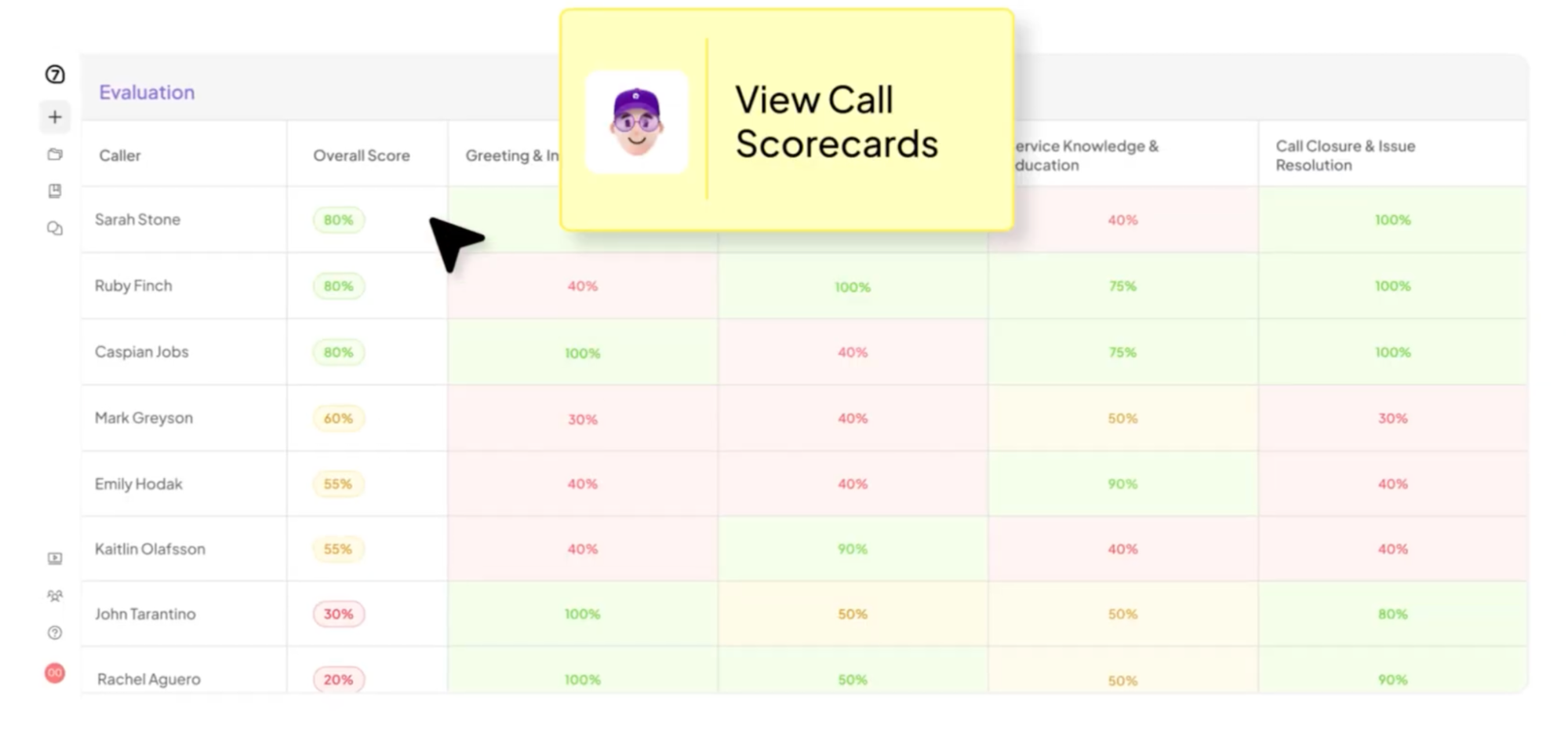
Observe.AI already supports customizable QA, so a meaningful comparison between its competitors and alternatives isn’t simply whether another platform lets you create a scorecard; it’s how much of your existing QA program can be represented inside it.
A scorecard may need to distinguish between a missed coaching behavior and a compliance failure, apply different standards to different interaction types, or evolve as internal policies change.
The amount of administrative work required to maintain those criteria also becomes more important as the operation grows.
Pay particular attention to how changes are governed. Ask how criteria are calibrated, how disputed evaluations are reviewed, and whether managers can see why a particular criterion passed or failed.
Those details tell you much more about how the platform will fit an established QA operation than the presence of a “custom scorecards” feature.
Insight7, for example, lets teams bring in their existing scorecards and align evaluations with internal playbooks or processes. QA leaders can also review and override AI ratings when calibration requires human judgment.
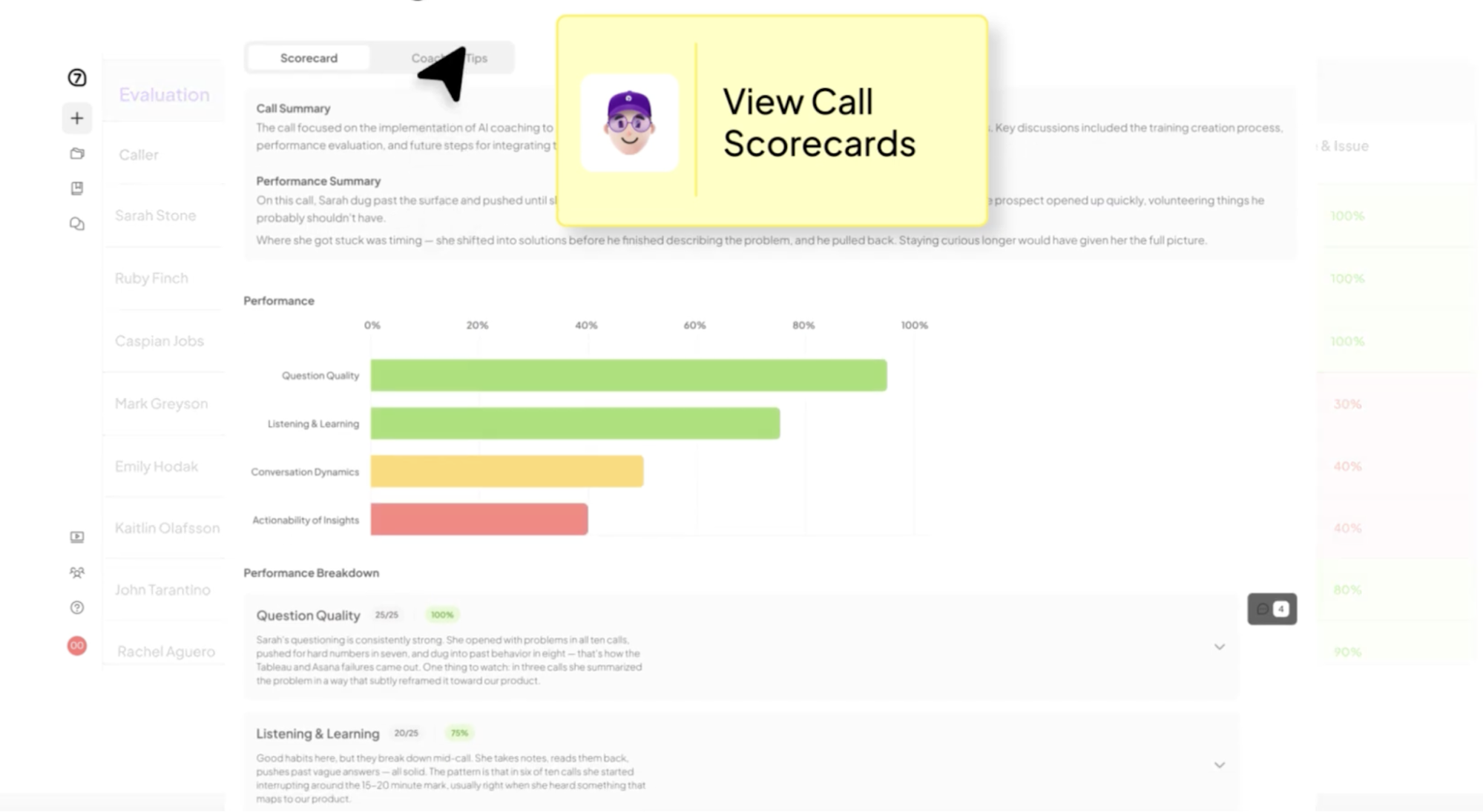
Observe.AI already connects post-interaction analysis with personalized coaching based on recurring behaviors. An alternative needs to offer more than the ability to turn a low QA score into a coaching task.
Look at how precisely the platform moves from evaluation to development. Can a manager see which criterion keeps failing, the calls where it happened, and whether the issue is isolated or persistent?
Then look at how much work remains before that information becomes something the rep can act on.
This distinction becomes especially important at scale. A platform might identify hundreds of coaching opportunities, while managers only have time to address a fraction of them.
The more relevant comparison is how effectively the system helps leaders prioritize the behaviors with the greatest need for attention and preserve the evidence behind each coaching decision.
This criterion creates a clearer distinction between platforms because identifying a coaching need and giving someone a way to work on it are different parts of performance development.
When evaluating Observe.AI alternatives, check what happens after coaching identifies a behavior that needs to change. Does development end with feedback analysis and manager coaching, or can the rep rehearse the same situation before facing it again with a customer?
The connection between call evaluation and practice deserves particular attention. Standalone roleplay is less informative if managers still have to decide what each rep needs to practice and manually build the training around it.
A tighter workflow uses actual performance data to determine the skill and scenario rather than assigning generic practice to everyone.
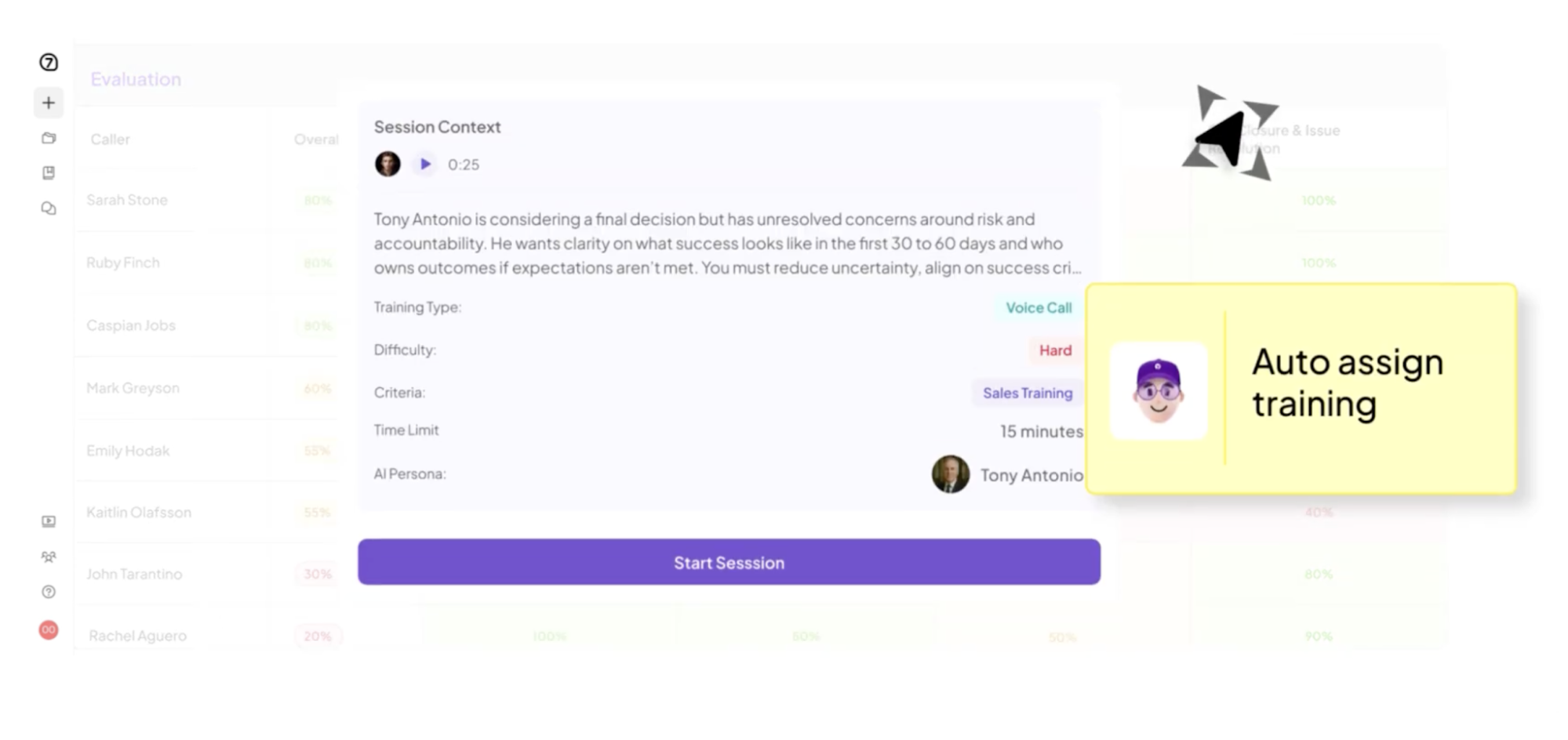
This is one of Insight7’s clearer distinctions. Unlike Observe.AI, Insight7 extends identified performance gaps into AI roleplay through Coaching Autopilot, which can generate practice around skills found in call scorecards.
Managers retain an approval step before the training is assigned, and the rep practices the behavior identified in their actual performance data.
Observe.AI already has substantial real-time capabilities. Agent assist provides contextual prompts, scripts, compliance reminders, supervisor visibility, knowledge access, and next-best-action guidance during conversations.
Its newer Companion Agent extends support before, during, and after interactions. So seeing agent assist tools on a competitor’s feature list tells you very little by itself.
Compare what triggers the guidance, how precisely it can be configured, and what the agent experiences when it appears.
The ability to adapt prompts to different queues, interaction contexts, compliance requirements, or agent needs can matter more than the number of real-time features available.
There is also a broader architectural decision. Decide whether you want real-time assistance primarily as an extension of your QA and coaching system or as part of a larger contact center environment.
Cresta, NICE, Verint, Level AI, and other competitors package live support within different product models, so similar-looking capabilities can create very different implementation decisions.
Observe.AI already gives leaders a detailed view of contact center performance through customizable dashboards and reporting. Teams can track agent performance, identify trends, set alerts around specific thresholds, and connect coaching activity with changes in performance over time.
When comparing alternatives, the question is less about whether they offer reporting and more about how easily their reports support the decisions your leadership team needs to make.
Look at the level of detail available beyond headline QA scores.
Check whether their trend analysis provides deep insights that let you compare performance by team or business unit, trace a trend back to the conversations driving it, and see whether coaching is changing the behavior it was meant to address.
Insight7 users have, in fact, highlighted this in practice.
One verified telecommunications user on G2, where Insight7 holds a 4.7 out of 5 rating, noted that the platform gives their team a more objective perspective during call QA while still allowing them to document specific areas that need improvement.
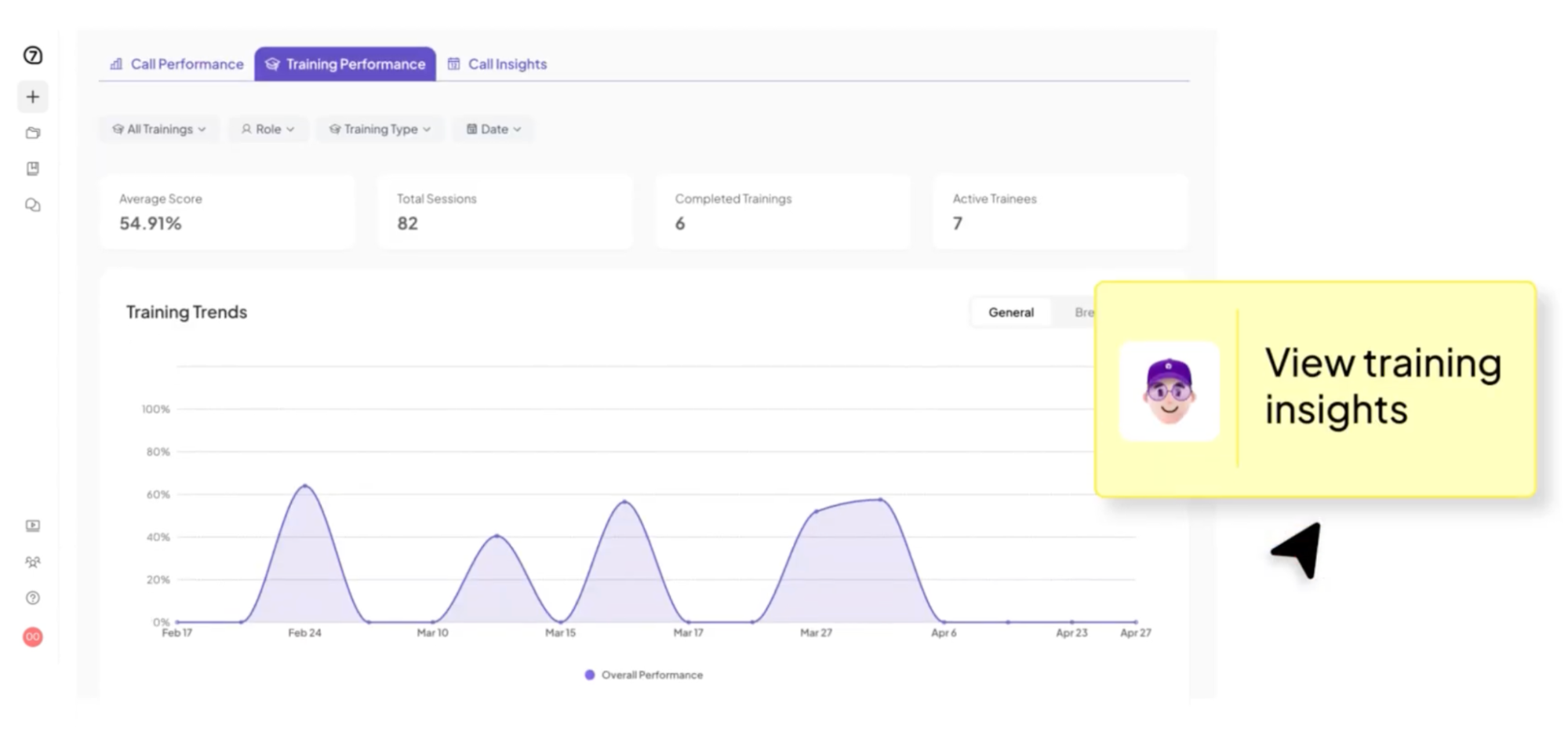
The reporting model also needs to match the scope of the platform you’re buying.
A broader contact center suite may give leadership more operational data in one environment, while a specialized conversation intelligence platform may surface insights more directly into conversation quality and rep development.
Weigh that difference against the questions your leadership team expects the platform to answer regularly, rather than comparing platforms by the number of dashboards they offer.
Observe.AI is designed for enterprise contact center environments and claims its platform integrates with existing cloud and on-premises contact center technology. So a competitor advertising CRM or contact center integrations doesn’t tell you much on its own.
The more consequential question is what adopting the alternative requires your organization to change. That question deserves more weight than many even realize, especially during vendor evaluation.
Deloitte Digital’s 2026 Global Contact Center Survey found that 72% of contact center leaders falling behind cited the integration of technology, systems, and tools as a top challenge, ahead of legacy systems at 58%.
NICE CXone Mpower and Verint represent broader contact center environments. A specialized platform such as Insight7 sits closer to the conversation intelligence, QA, and coaching layer. Those are fundamentally different technology decisions even when the products overlap on several features.
Map each option against the systems you intend to keep, including your contact center platform and CRM systems. Look at where recordings come from, where evaluations and coaching data need to go, and whether adopting the platform introduces another system or replaces part of your current stack.
Implementation effort, ownership between teams, and the amount of process change required can ultimately separate two products whose capability lists look remarkably similar.
A platform with more functionality isn’t necessarily the larger decision. The more important consideration is how much adopting the platform would require you to change your existing contact center systems and workflows.
Choosing between Observe.AI and its competitors starts with deciding what you want conversation intelligence to change.
If the process ends with another score or dashboard, managers still have to work out how to turn that information into better behavior.
Insight7 keeps that development process connected. Real customer conversations reveal the performance gap.
Evaluation gives managers evidence for what to coach, while roleplay gives reps somewhere to work on the skill before the next customer interaction. The next conversations show whether the change held.
This creates a more repeatable way to improve customer-facing performance, which leads to predictable, compounding customer satisfaction and revenue growth.
AI can evaluate far more interactions than traditional manual sampling, but human oversight is still useful for calibration, disputed scores, and nuanced evaluations. Many platforms therefore combine automated scoring with manual QA workflows.
AI can identify recurring behaviors and performance gaps in customer conversations instead of relying on managers to find them through random call reviews. Those findings can then inform targeted coaching, personalized recommendations, or skills practice.
AI roleplay lets reps practice realistic customer scenarios and receive feedback without using a live customer interaction as the training environment. Some tools can also create practice scenarios based on weaknesses identified in the rep’s actual calls.
Real-time agent assist provides guidance while an agent is actively speaking with a customer, such as prompts, recommended responses, compliance reminders, or relevant information. How that guidance is triggered and customized varies significantly between products.

