
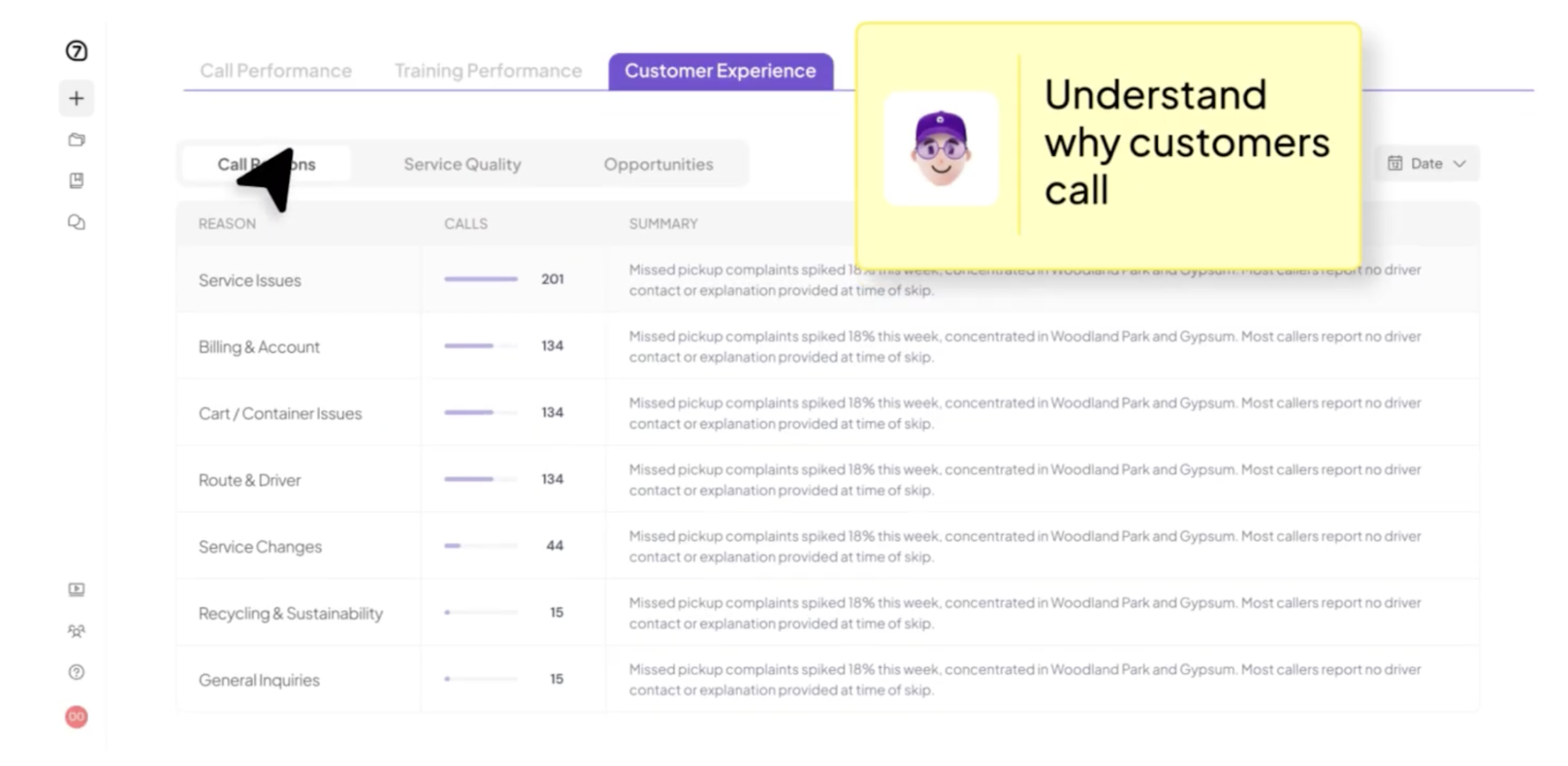
Every sales rep develops at a different pace. AI helps managers provide personalized training based on individual performance trends, making feedback more relevant and easier to apply during future sales conversations.
Research also suggests that AI coaching can support development over time.
A 2026 Academy of Management study involving 3,574 salespeople found that AI coaching produced higher and more sustained levels of development, with improvements in development also predicting later sales performance.
Coaching doesn’t end after one conversation. AI allows managers to monitor key metrics and determine whether coaching leads to measurable improvements over time, creating an ongoing cycle of observation, coaching, practice, and reinforcement.
Understanding how AI sales coaching works is only part of the equation. The bigger question is how to introduce it effectively to your team.
Many organizations invest in AI because they want managers to coach more consistently or help reps develop faster. Those outcomes depend less on the technology itself and more on the coaching process built around it.
Teams that establish clear expectations, reinforce the right behaviors, and measure progress over time are much more likely to see lasting improvements than those that simply introduce more AI tools.
Every sales organization wants better performance, but that objective is too broad to guide day-to-day coaching. Managers need to know exactly what success looks like before they can help reps get there.
For one team, the priority might be improving discovery calls. Another might focus on objection handling or increasing conversion rates later in the sales cycle.
Clear coaching goals give managers a consistent direction, making it easier to prioritize conversations and reinforce the same expectations across the team.
When coaching begins without a defined objective, feedback often changes from one session to the next. Reps leave with advice, but not always with a clear understanding of which behaviors matter most.
As you evaluate coaching software, look for solutions that allow coaching to align with your team’s sales strategy rather than relying on typical scorecards or one-size-fits-all recommendations.
Sales outcomes such as higher win rates or larger deal sizes rarely change overnight. They are usually the outcome of small improvements in how sales reps communicate with customers throughout the sales process.
That is why effective coaching focuses on observable behaviors before business metrics.
Managers should understand what successful conversations look like for their team, whether that means asking stronger discovery questions, handling objections with more confidence, or following a consistent sales methodology.
AI becomes much more valuable when it identifies these patterns repeatedly. Over time, those findings give managers a stronger basis for deciding what to address first in coaching.
The most effective platforms help connect coaching to measurable behaviors that reps can practice, reinforce, and improve over time.
One of the biggest misconceptions about AI sales coaching is that artificial intelligence replaces the role of the sales manager. In reality, the manager remains the person responsible for developing people, building trust, and helping reps navigate complex situations.
AI simply changes how managers spend their time. Instead of searching through recordings to find teachable moments, they begin each coaching session with actionable insights, performance trends, and coaching cues already available.
McKinsey documented this shift in its 2026 study of AI-enabled B2B sales. In one sales coaching implementation, managers used AI analysis to quickly identify where individual sellers needed guidance instead of spending their time observing conversations in the field.
The study found that this made individualized coaching easier to deliver at scale, while emphasizing that the approach still depends on strong manager-led coaching.
That allows coaching conversations to become more focused and more relevant to each rep’s development. Managers spend less time gathering information and more time helping people apply it.
When comparing tools, look for technology that supports manager-led coaching instead of trying to automate the coaching relationship itself.
Coaching should create measurable progress, not simply fill the calendar with recurring meetings.
As coaching programs mature, leaders naturally begin asking whether feedback is changing rep behavior, how often new skills appear during customer conversations, and when coaching priorities need to evolve. Those questions are difficult to answer without consistent measurement.
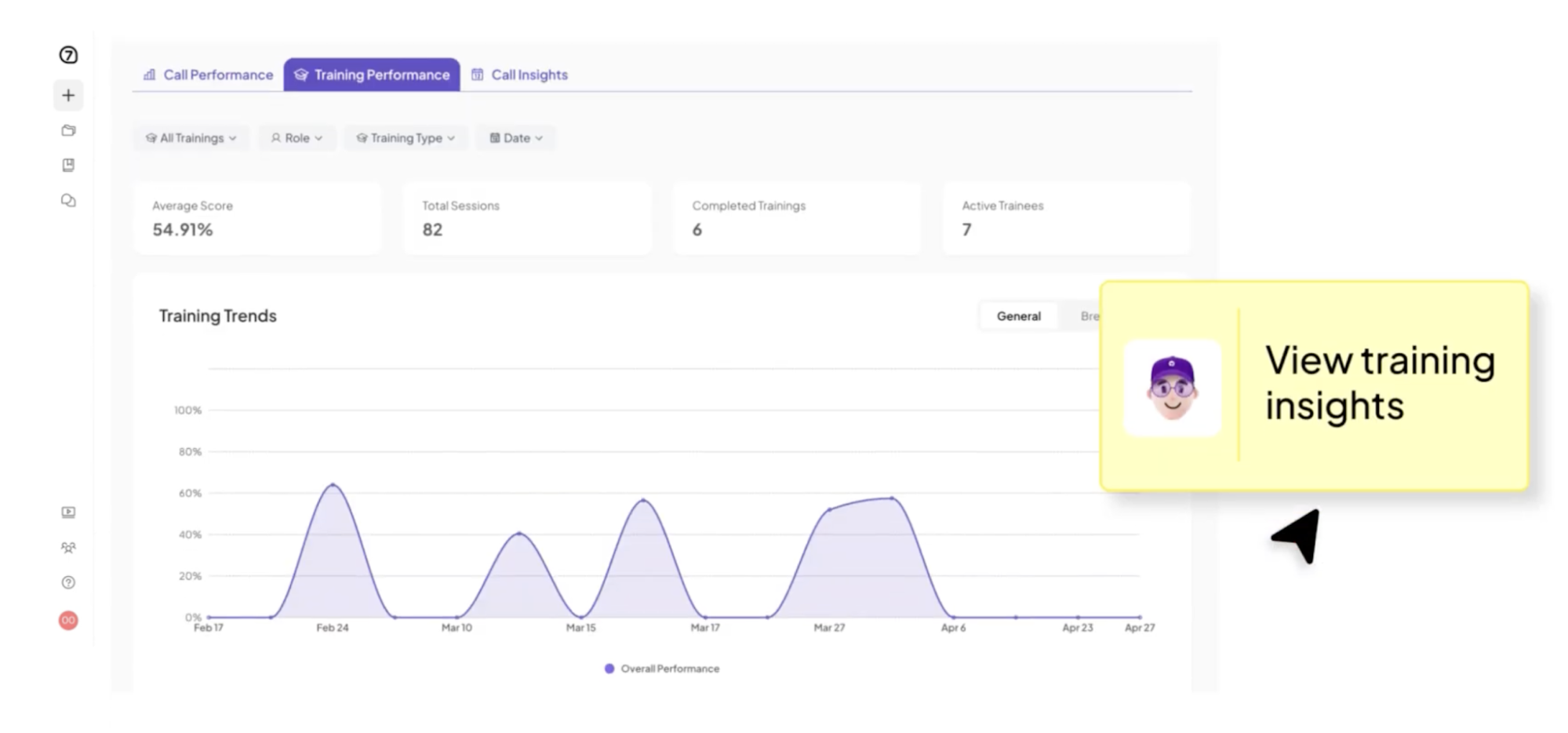
AI sales coaching platforms help bridge that gap by showing how performance changes over time. That said, look for platforms that connect coaching activities with ongoing performance trends so every coaching conversation builds on the last one instead of starting from scratch.
Insight7 supports this through performance dashboards that give managers a centralized view of evaluation and coaching data. Sports Performance Researcher Martyn Rothwell described the dashboard as “spot on” for the work he needed to do.
While these software solutions all use artificial intelligence to support sales development, they do not solve the same problem in the same way.
Platform | Best For | How It Supports Coaching | Key Capabilities | Pricing |
Insight7 | Coaching based on real customer conversations |
|
|
|
Gong | Conversation intelligence-based coaching |
|
| Pricing is not publicly available |
Second Nature | AI sales roleplay and practice |
|
| Pricing is not publicly available |
Clari Copilot | Real-time sales call guidance |
|
| Pricing is not publicly available |
Mindtickle | Structured sales readiness and development |
|
| Pricing is not publicly available |
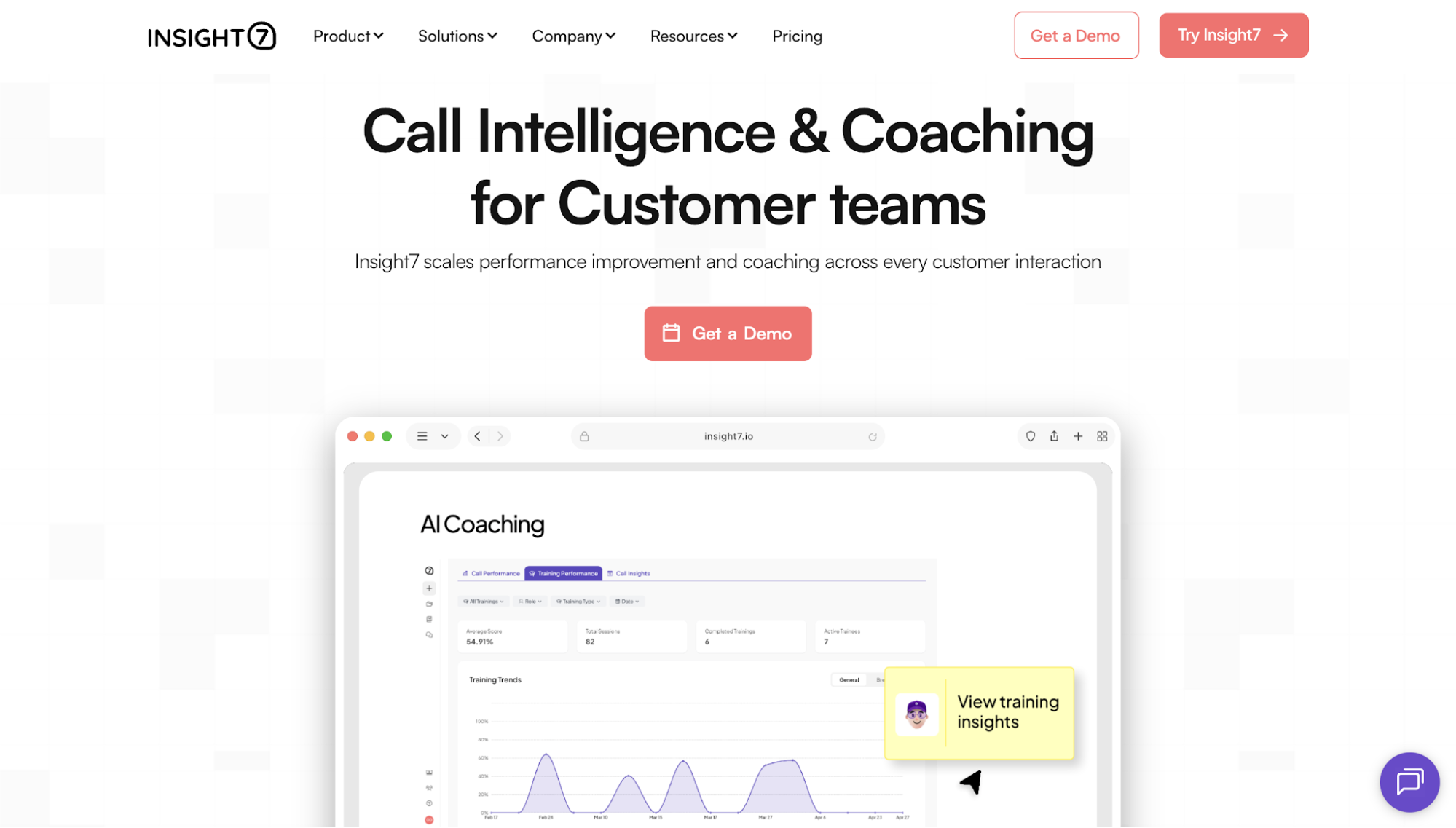
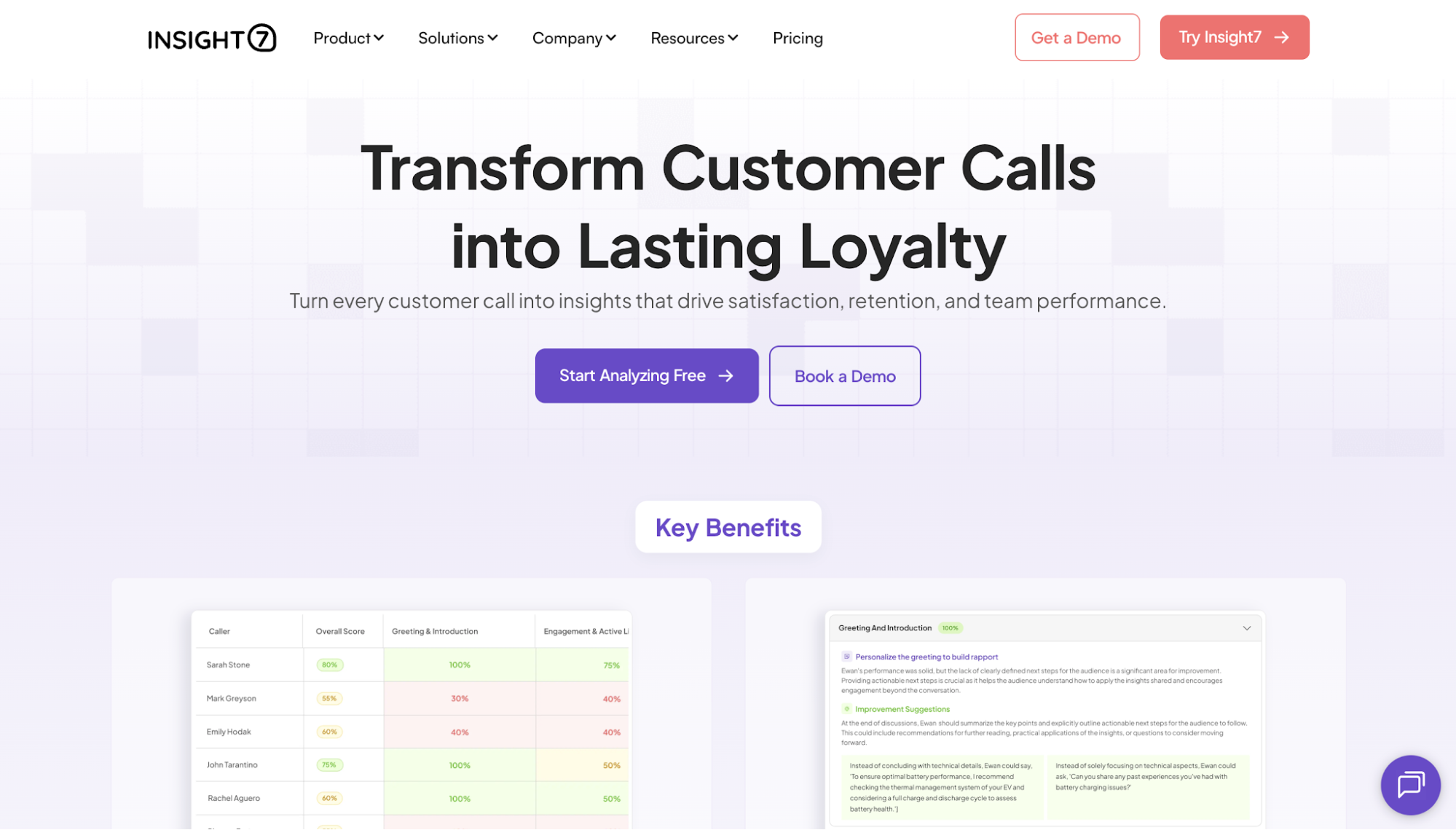
Insight7 is an AI call intelligence and coaching platform built for customer-facing teams. It helps organizations analyze customer conversations, evaluate performance against custom standards, and identify opportunities for revenue growth.
Its approach to AI-powered coaching begins with real customer interactions.
Instead of relying on isolated coaching sessions, Insight7 continuously analyzes real conversations, surfaces coaching opportunities, and supports ongoing skill development through AI coaching that reinforces learning and practice over time.
Customers also consistently mention how easy Insight7 is to use and how quickly it helps them get insights from conversations.
Insight7 currently holds a 4.7/5 rating on G2, where users frequently highlight how much faster it generates analysis and the quality of the insights they get from the platform.
Try Insight7 today to help every coaching conversation lead to measurable sales improvement!
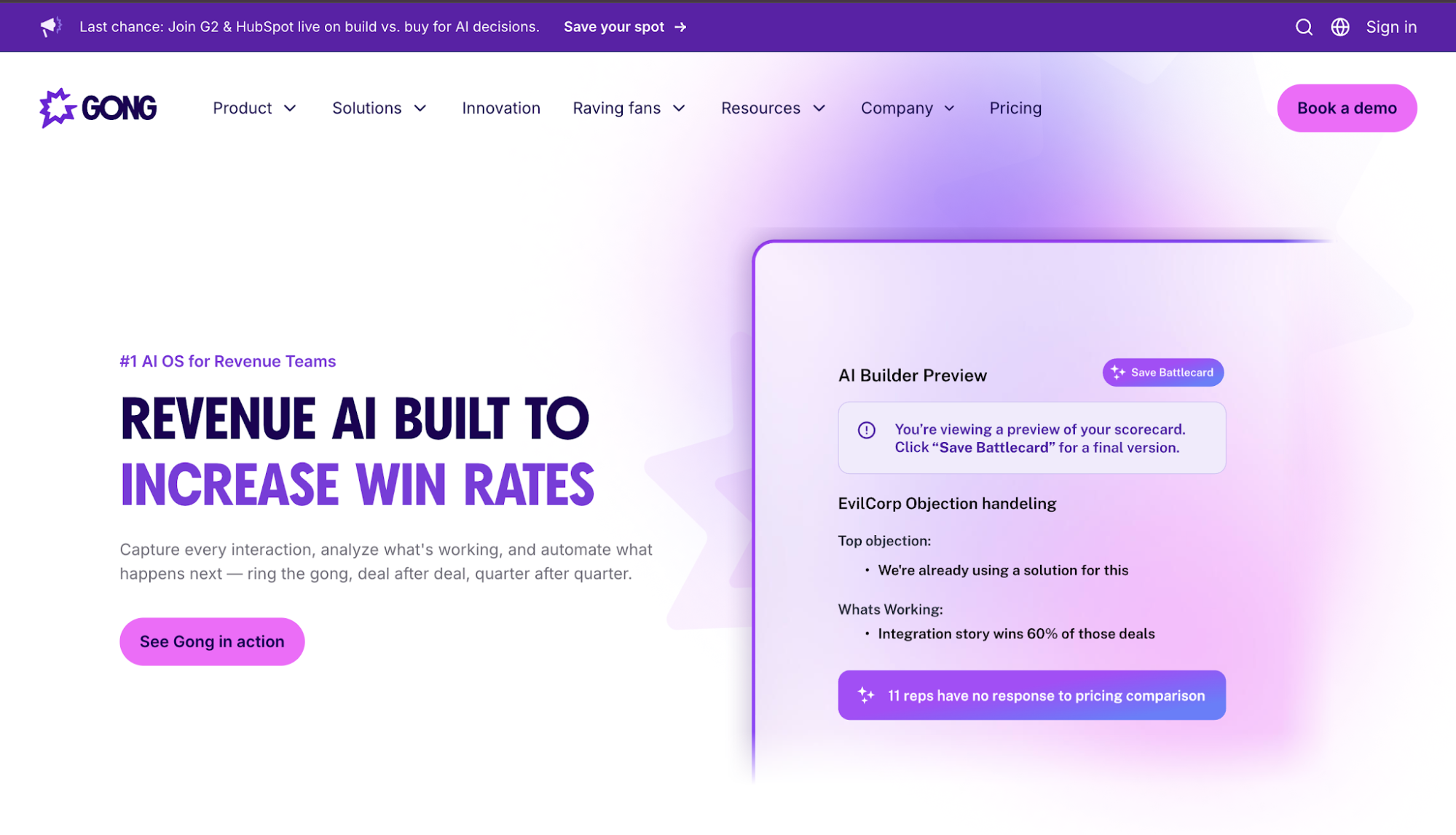
Image source: gong.io
Gong is a revenue intelligence platform that helps sales organizations understand what happens throughout the sales process by analyzing customer conversations, emails, and deal activity.
The platform brings together communication and pipeline data to give revenue teams data-driven insights for better decision-making.
Its coaching capabilities are built around conversation intelligence. Gong analyzes customer interactions to identify coaching opportunities, highlight successful sales behaviors, and provide managers with the context they need to deliver more targeted feedback.
Pricing is not available publicly.
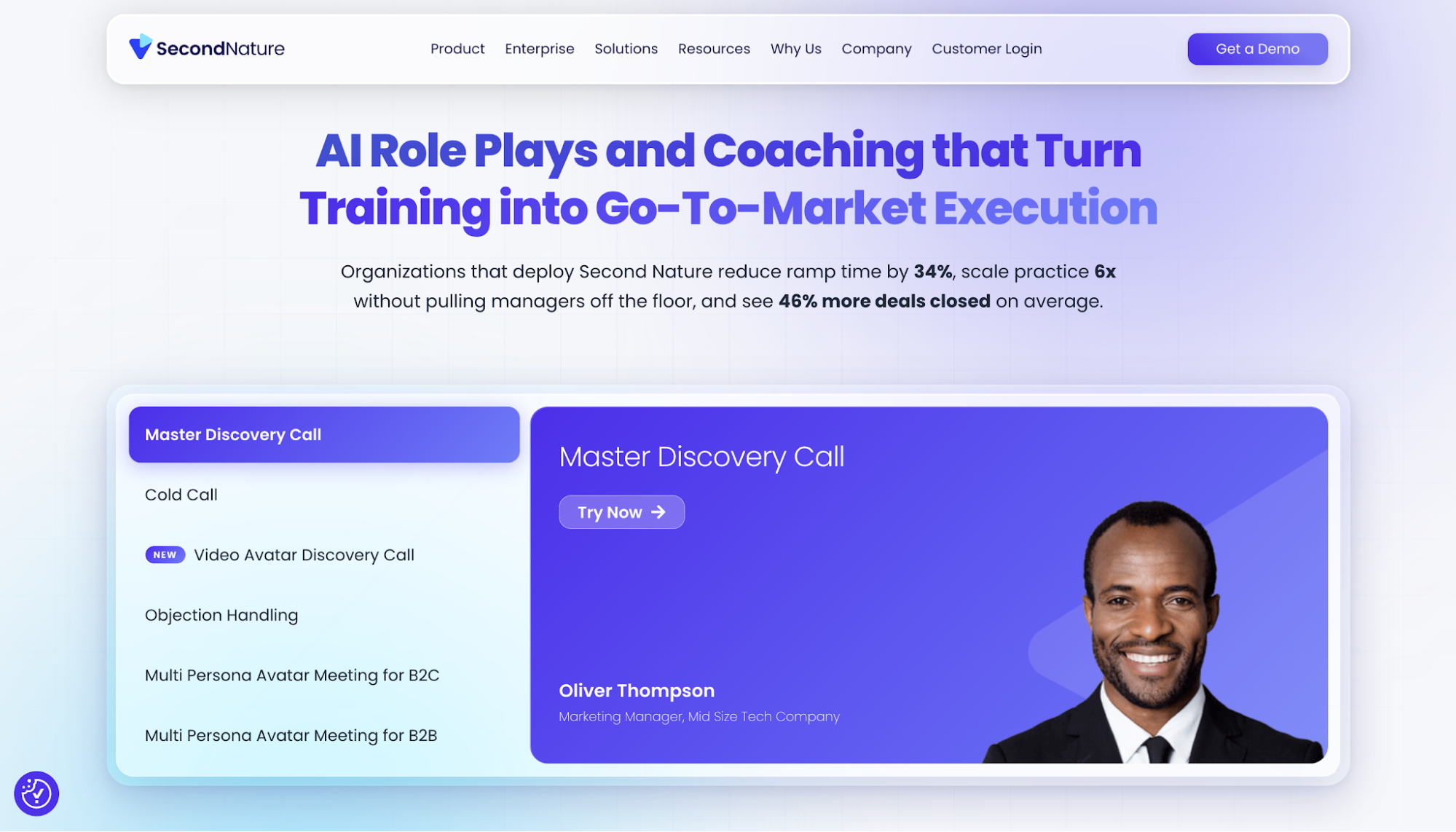
Image source: secondnature.ai
Second Nature is an AI sales roleplay platform designed to help sales professionals practice pitches and customer conversations in a simulated environment. Teams can create realistic scenarios that reflect the situations reps are likely to encounter during live sales calls.
The platform is designed to provide instant feedback after each practice session. Managers can use the resulting scores and performance analytics to reinforce coaching, monitor progress, and give reps more opportunities to practice between formal coaching sessions.
Pricing is not available publicly.
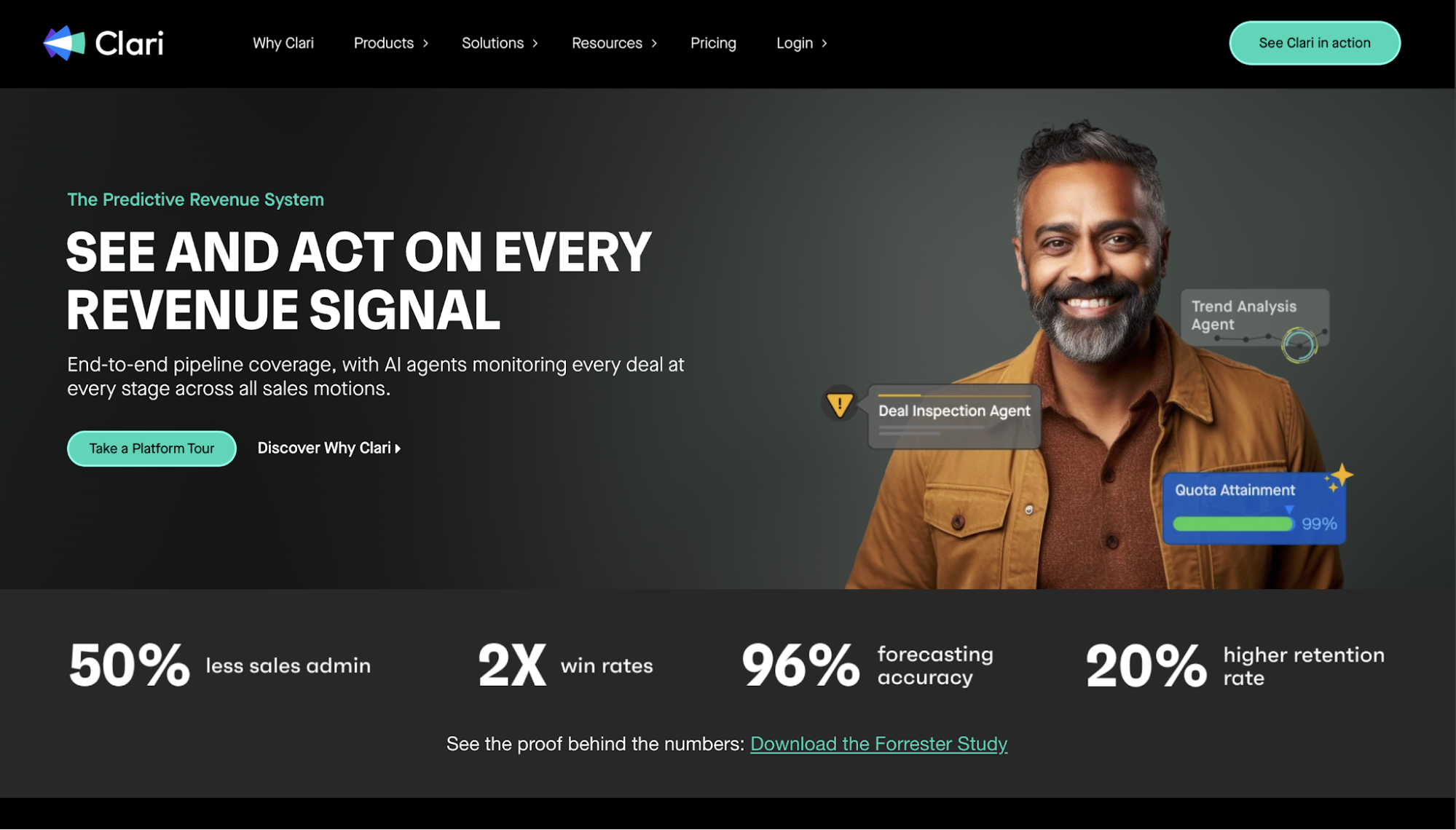
Image source: clari.com
Clari Copilot is a conversation intelligence platform within Clari’s broader revenue platform. It records and analyzes sales conversations so teams can review calls, understand buyer signals, and connect conversation activity with deal progress.
Its coaching capabilities extend into live conversations. Reps can receive real-time guidance during calls, while managers can use post-call reviews and conversation insights to identify recurring coaching needs.
Pricing is not available publicly.
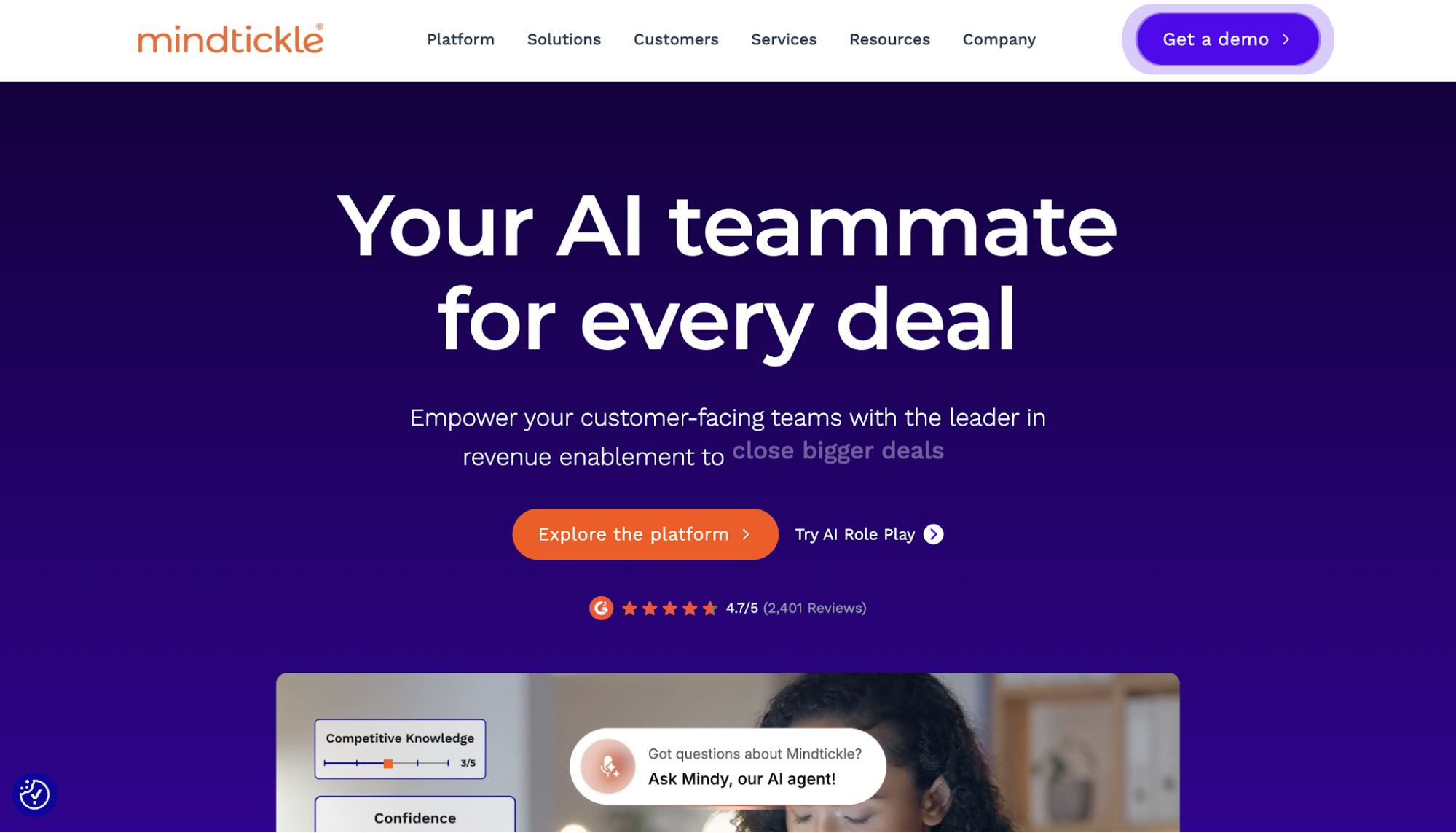
Image source: mindtickle.com
Mindtickle is a revenue enablement platform that brings sales training, readiness, and coaching into one system. Organizations use it to develop rep skills through structured learning while tracking how those skills appear in day-to-day sales execution.
Its coaching capabilities combine conversation analysis with personalized feedback. Managers can identify skill gaps, assign targeted training, and connect learning programs with field performance over time.
Pricing is not available publicly.
The potential that coaching has to offer will never be fully leveraged unless you adopt modern strategies that allow you to coach consistently and efficiently, even as your sales team grows and managers take on more responsibilities. That is exactly what AI sales coaching is designed to do.
If you want to make sure that your reps consistently receive the support they need to improve their skills, shorten ramp-up time, and close more deals over time, invest in a platform that lets you do that.
Insight7 lets you experience the efficiency that AI has to offer in helping you capture real-time insights you can use to support your team with personalized feedback that lets them be consistent, confident, and ready for every sales conversation.
AI-powered sales coaching uses artificial intelligence to analyze sales calls and identify patterns in how reps communicate with prospects. It can highlight weak objection handling, unclear explanations, and other moments that affect the outcome of a conversation.
Managers can use these findings to give each rep more focused coaching. This keeps feedback tied to real interactions instead of relying only on general advice or occasional call reviews.
Sales coaching software should help managers review conversations, identify individual skill gaps, and deliver personalized feedback without creating more manual work. Like Insight7, it should also make it easy to track whether reps apply that feedback during future calls.
The right platform will depend on how your team sells. Look closely at call analysis, coaching workflows, reporting, integrations, and support for sales training before choosing a tool.
Conversation intelligence captures and analyzes what happens during sales conversations. It gives managers a clearer view of the questions reps ask, how they respond to objections, and which behaviors appear in successful calls.
This context makes targeted feedback easier to deliver. Managers can point to specific moments from a call and explain what the rep should keep doing or approach differently next time.
AI sales coaching uses call analysis to review how reps handle real sales conversations. It can identify recurring issues in soft skills such as discovery, objection handling, and follow-up.
These findings give managers a clearer basis for coaching. They can focus each session on the behaviors that need attention and track whether those behaviors improve in future calls.
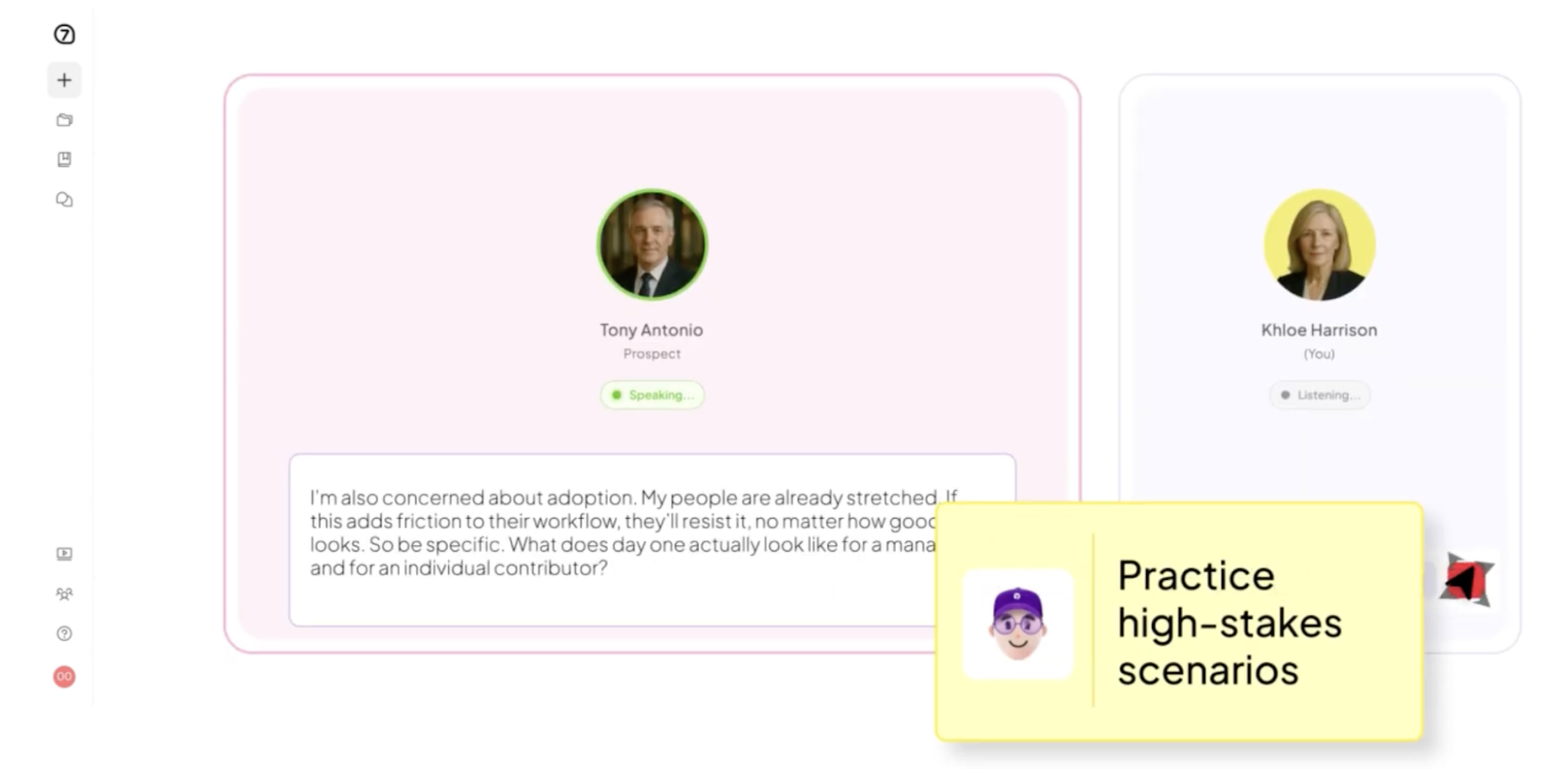
AI-powered sales roleplay gives reps a safe environment to practice common scenarios before handling a real call. From there, the AI can then assess the interaction and provide immediate feedback based on the rep’s responses. This helps sales training become more specific to each person’s needs and gives reps more opportunities to practice between manager-led coaching sessions.
