
Gong is a popular revenue intelligence platform for sales teams, but it is not the only option.
The best Gong alternative depends on what your team needs most, whether that is deeper coaching, stronger sales engagement, better forecasting, or a clearer way to turn conversation data into performance improvement.
In this guide, we compare the top seven Gong competitors to help you see where each platform fits and which one best matches your priorities.
Book a demo with Insight7 and see firsthand why it’s the best Gong alternative for your team!
These are the seven best Gong competitors and alternatives for 2026:
Sales performance can vary significantly even when reps are working with the same products, processes, and opportunities. Much of that variation comes down to what actually happens inside the conversation.
Insight7’s Call Analytics Index analyzed 6,209 real conversations and found that only 6.9% qualified as Excellent.
Top performers asked 37% more questions than average performers and maintained a much healthier balance between speaking and listening.
They also scored 45% higher on actionable outcomes, reflecting a greater ability to move conversations toward clear next steps or decisions.
Those differences give sales leaders a more meaningful way to evaluate conversation intelligence platforms. The priority is not simply capturing more calls. It’s identifying the behaviors affecting performance and turning those findings into something managers and reps can act on.
This distinction matters when comparing Gong with its competitors because the right alternative depends on how your team needs to use those conversation insights.
Several products in this list overlap on call recording and AI summaries, but their differences become clearer once you look at how each product uses those conversations into useful data your team can use to improve or perform better.
Software | Overview | Key Capabilities | Pricing |
Insight7 | AI call intelligence and coaching for customer-facing teams |
|
|
ZoomInfo Chorus | Conversation intelligence within the ZoomInfo ecosystem |
| No public pricing available |
Clari | Revenue orchestration platform |
| No public pricing available |
Salesloft | Revenue orchestration and sales engagement platform |
| No public pricing available |
Avoma | AI meeting and revenue intelligence platform |
|
|
Revenue.io | Salesforce-native revenue platform |
| No public pricing available |
Outreach | Revenue workflow and sales execution platform |
| No public pricing available |
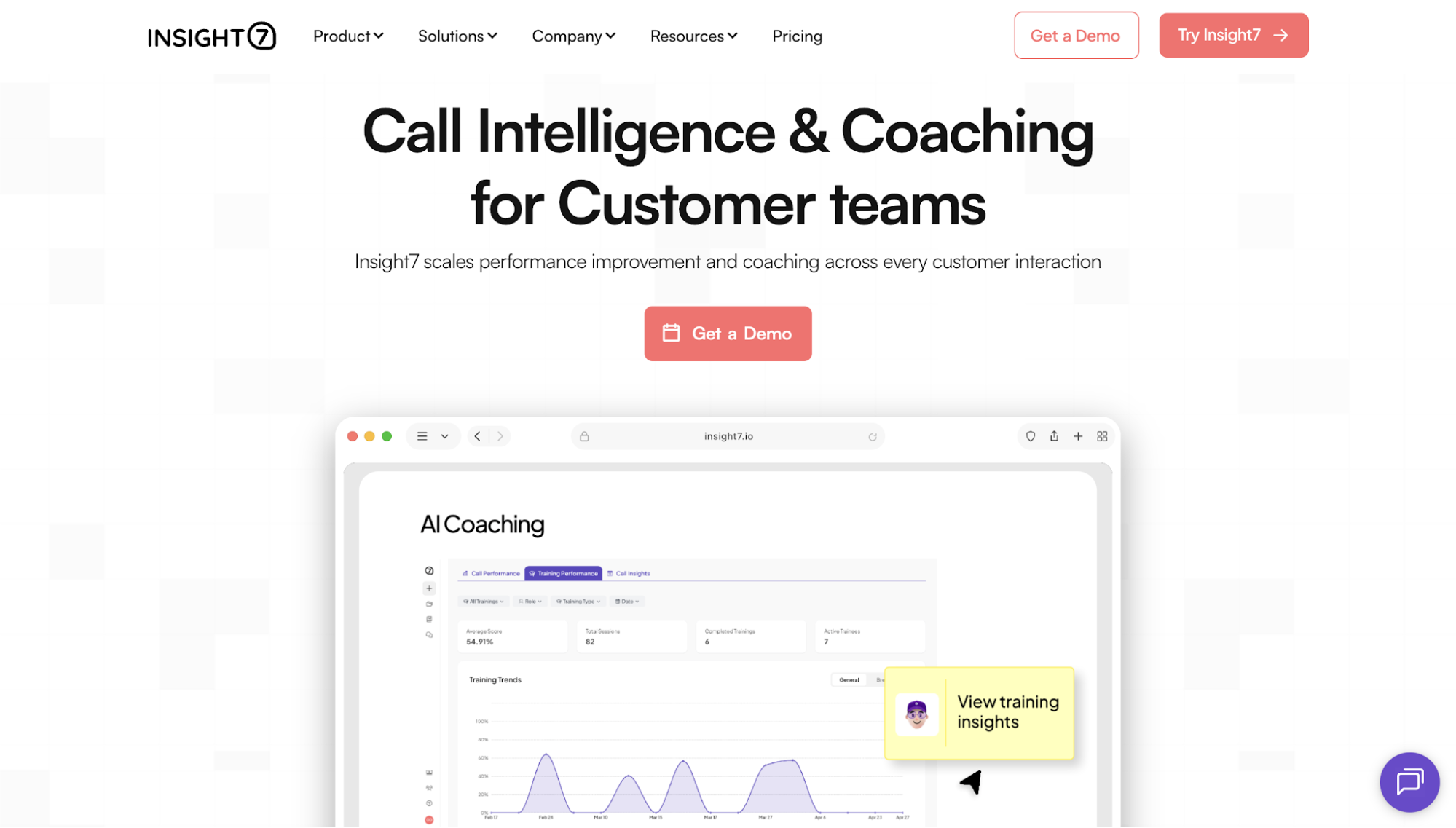
Insight7 is an AI call intelligence and coaching platform designed for customer-facing teams that want to improve sales performance using evidence from real conversations.
It analyzes sales calls, evaluates sales rep performance against custom criteria, and helps managers identify the behaviors that require attention.
Beyond conversation analysis, Insight7 connects those findings with coaching recommendations and skills practice so teams can build a more consistent approach to rep development.
For sales leaders comparing Gong competitors, the key difference is how conversation insights are used after the call. Insight7 is built to help managers move from identifying performance gaps to creating targeted coaching plans and improving rep execution over time.
This makes Insight7 ideal for organizations focused on building a repeatable coaching process rather than only gaining visibility into sales conversations.
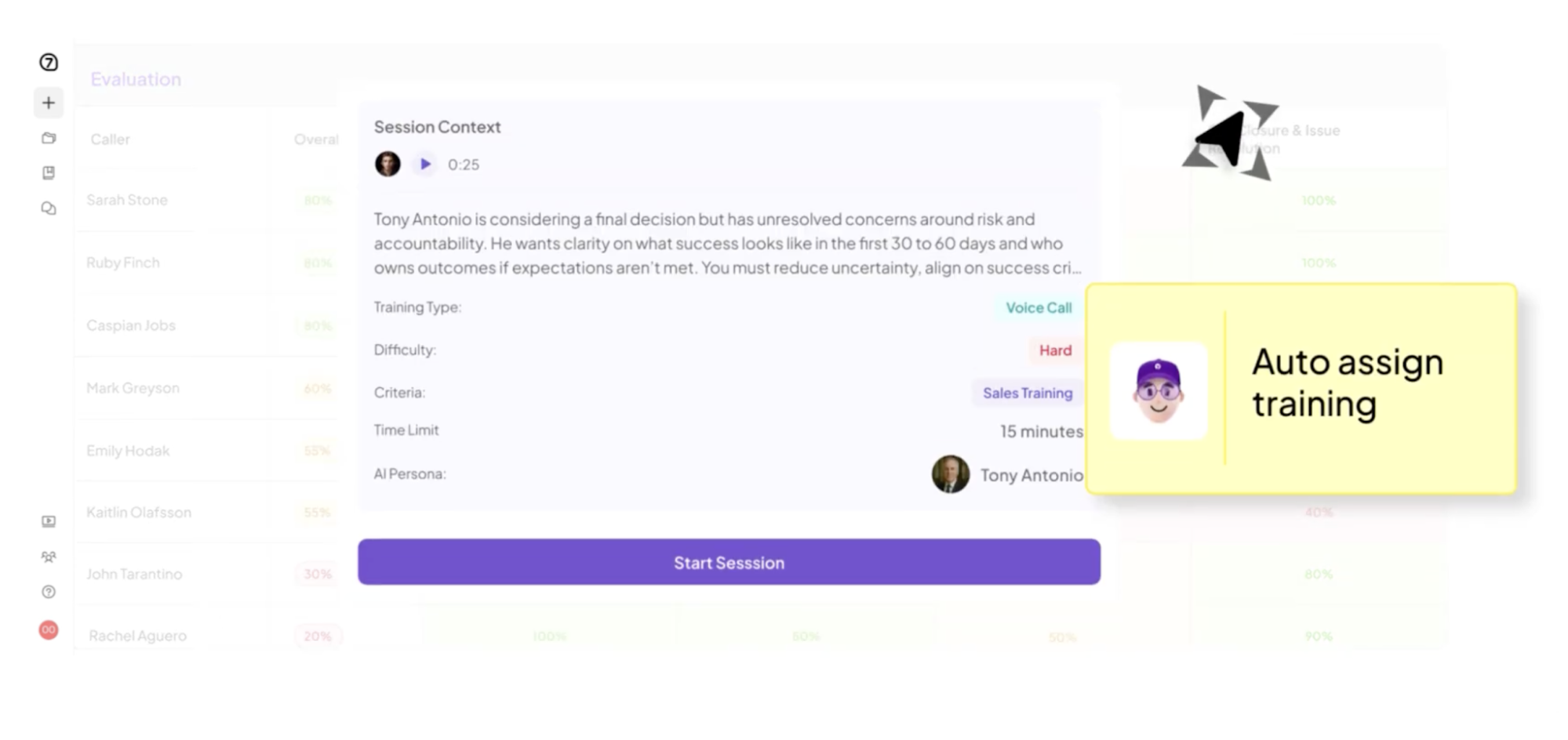
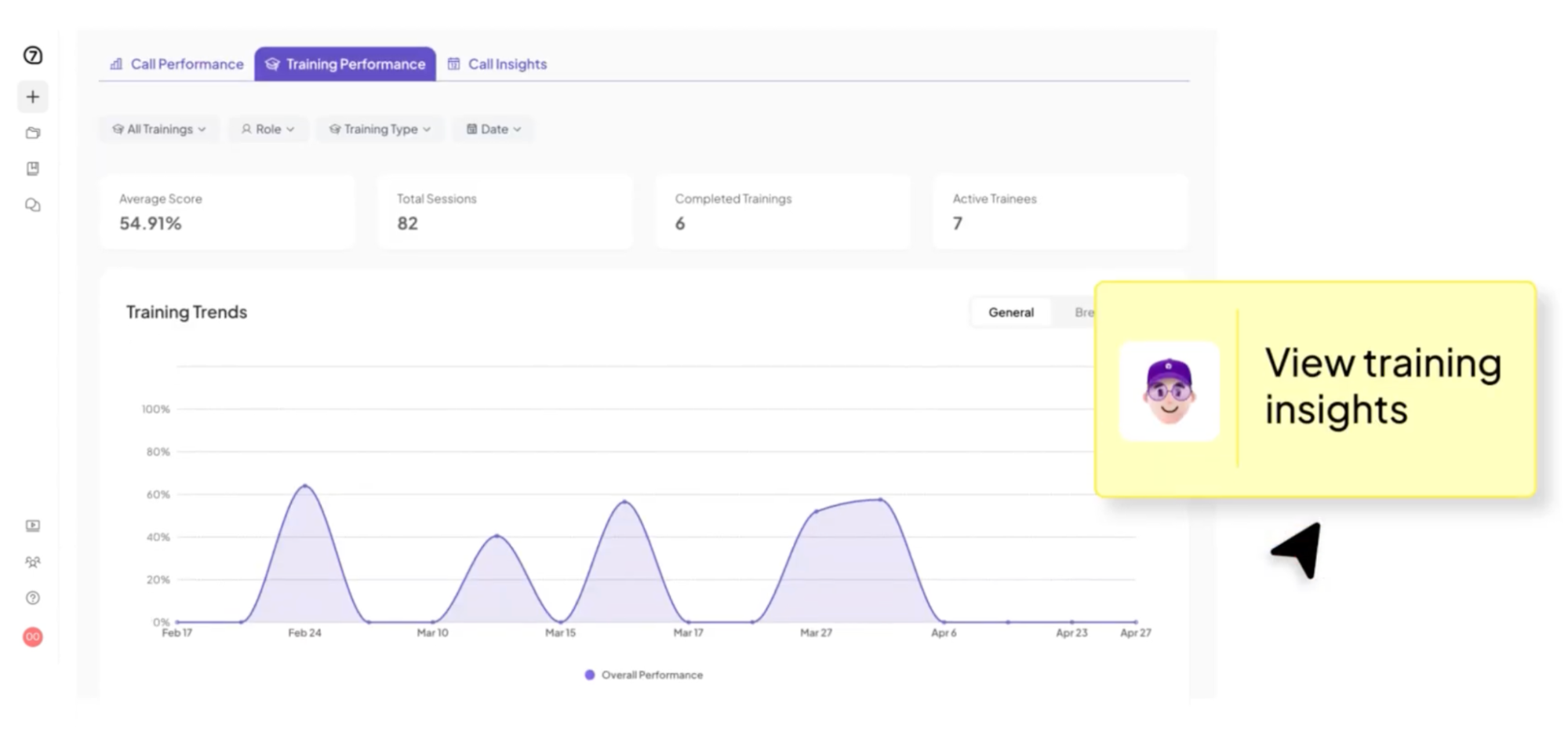
Most conversation intelligence platforms make it easier to inspect calls. While that has operational value, the bigger performance question is whether managers can translate those findings into repeatable changes in rep behavior.
Insight7 stands out for combining conversation intelligence with performance improvement workflows. It helps sales leaders evaluate conversations against their own criteria and gain clearer insight into where teams need support.
If a rep repeatedly struggles with discovery, for example, the manager does not need to discover that pattern through random call sampling. Insight7 evaluates calls against the chosen criteria and surfaces the recurring gap.
The development process can continue through targeted roleplay. The rep practices a scenario built around that weakness and receives structured feedback before applying the skill in another live conversation.
This approach has a practical implication for enablement teams. Coaching becomes tied to observed behavior rather than broad training topics selected for the entire sales force.
Insight7 customers also highlight how quickly the platform turns conversation data into practical call insights their teams can use.
Ryan Levander, Head of Analytics at Rednavel Consulting, said the platform’s time to insight helps him turn research or customer interactions into information he can act on.
Hayden Emmett similarly highlighted the ability to surface pain points and behaviors in minutes rather than spending hours reviewing material manually.
That experience has also been highlighted by reviewers in other reputable review platforms.
In G2, Insight7 currently holds a 4.7 out of 5 rating, with one verified telecommunications reviewer specifically highlighting the platform’s objectivity in quality evaluation and its ability to leave notes on areas for improvement.
Insight7’s paid plans are:
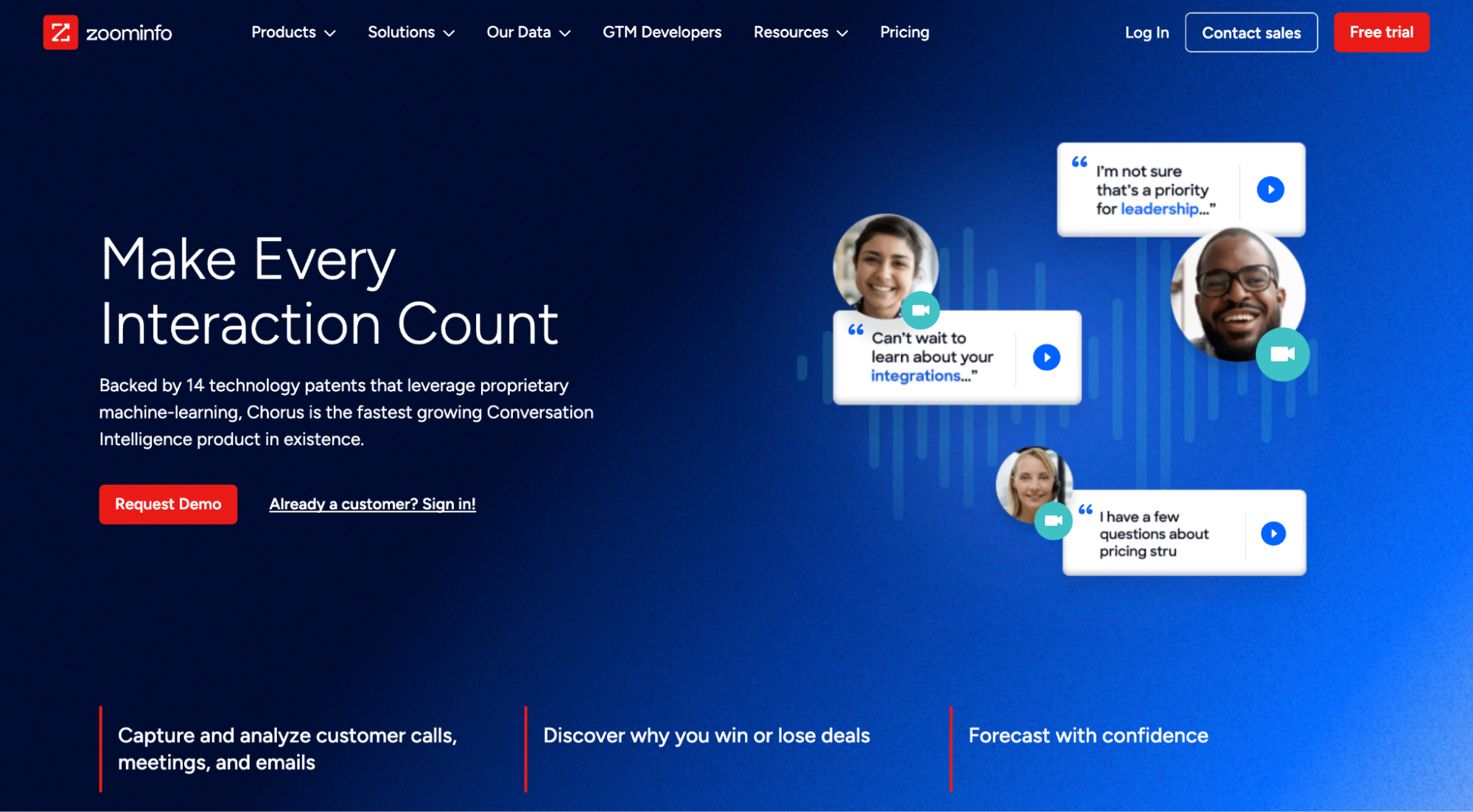
Image source: zoominfo.com
Chorus is ZoomInfo’s conversation intelligence product. It focuses on capturing and analyzing sales conversations so revenue organizations can understand what happens during calls and use that information for coaching and deal inspection.
Its relationship with ZoomInfo is an important part of its positioning. Teams already using ZoomInfo’s broader go-to-market (GTM) ecosystem can evaluate Chorus as a way to connect conversation data with the account and prospect information already used by their sales organization.
ZoomInfo does not publish public pricing.
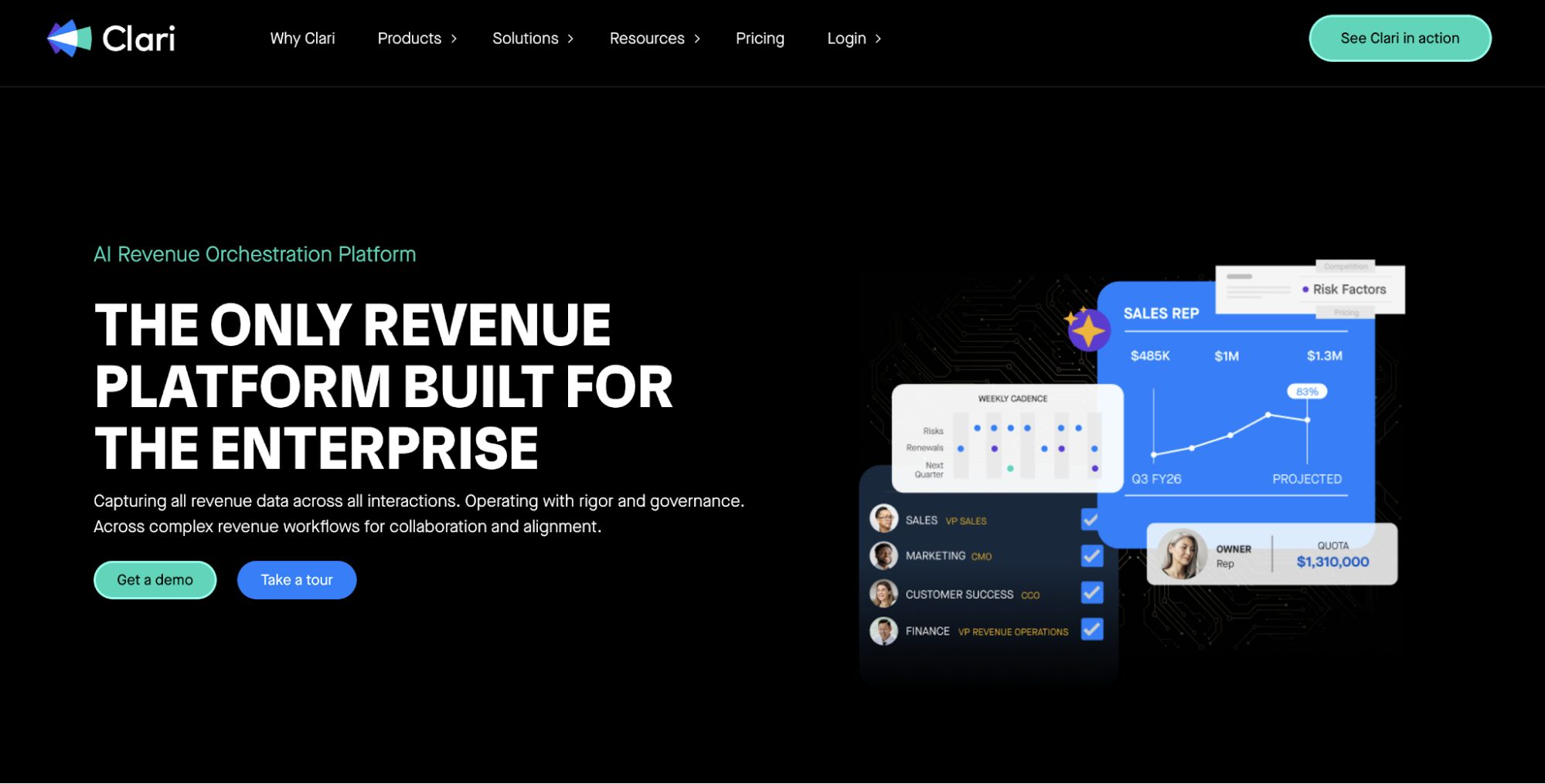
Image source: clari.com
Clari is a revenue orchestration platform built around managing revenue execution at an enterprise level. Its product portfolio includes pipeline management, forecasting, sales engagement, conversation intelligence, and revenue AI capabilities.
Conversation intelligence sits within that wider revenue context through Clari Copilot. Recorded customer conversations contribute to coaching and deal analysis, giving teams a broader view of revenue outcomes.
Clari does not publish public pricing.
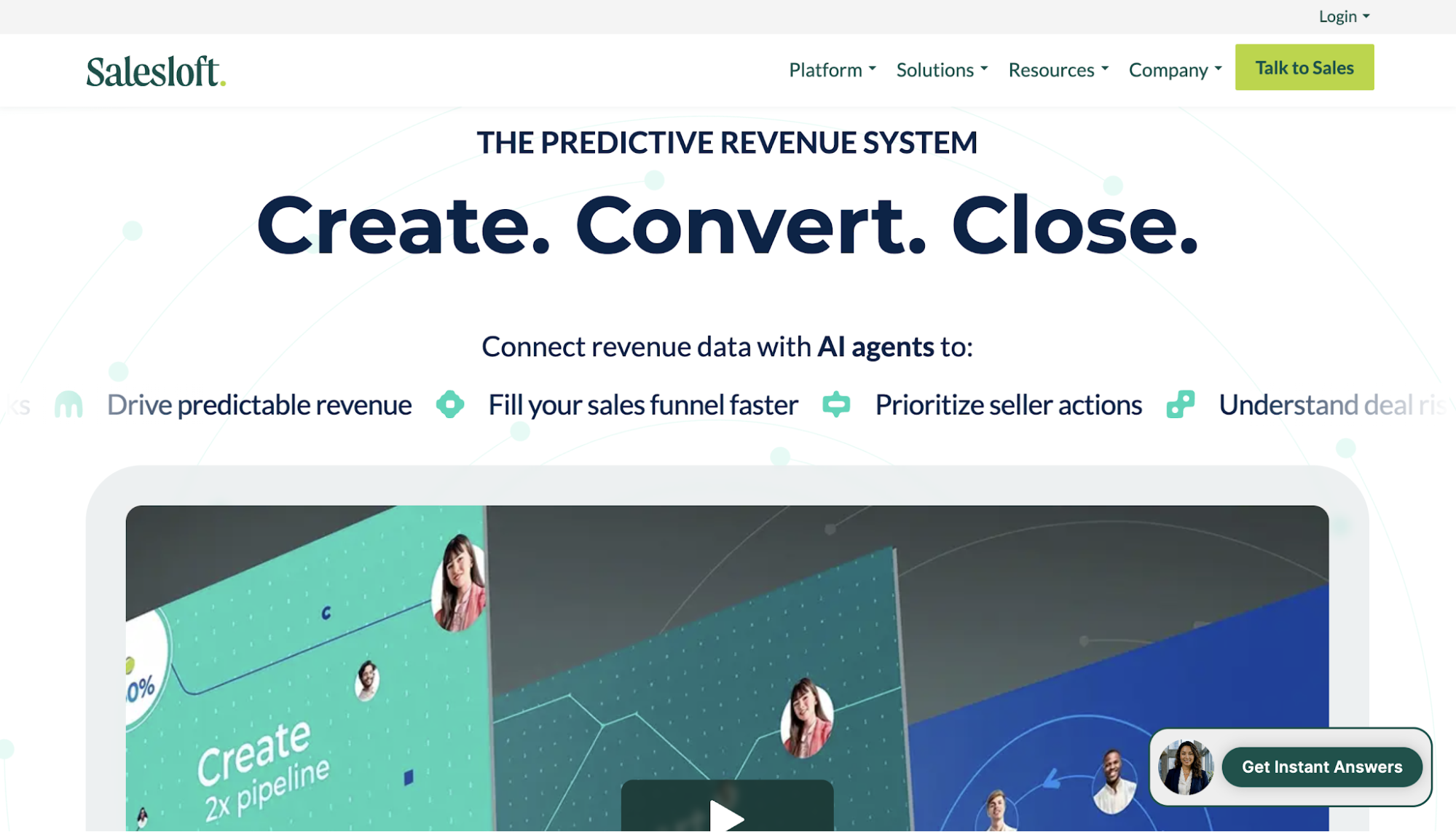
Image source: salesloft.com
Salesloft is a revenue orchestration platform with deep roots in sales engagement. It combines seller workflows with conversation intelligence, analytics features, and coaching.
Unlike dedicated CI tools, Salesloft combines sales engagement workflows with conversation intelligence, giving teams a broader platform for managing seller activity and analyzing customer interactions.
Salesloft does not publish public pricing.
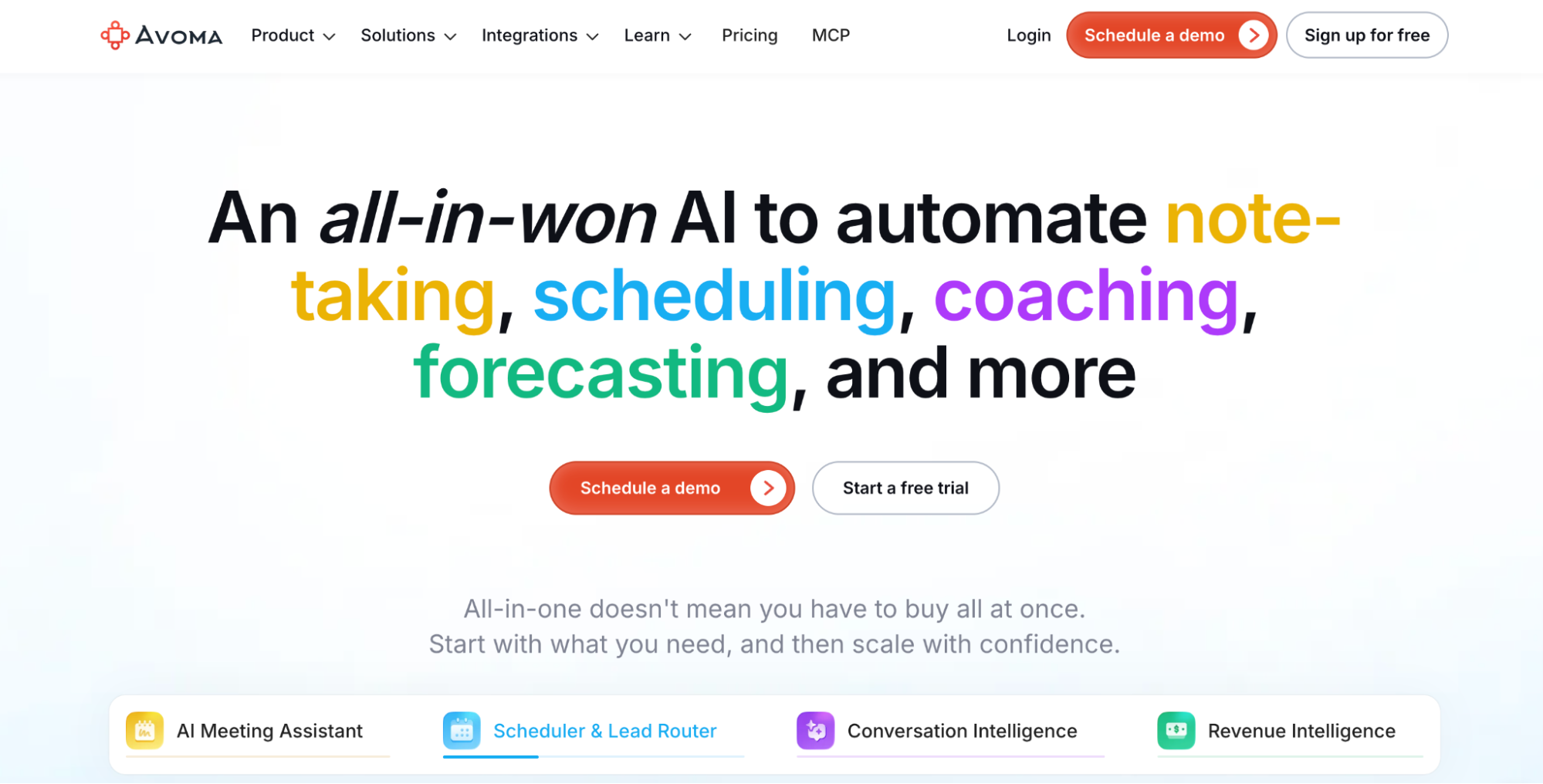
Image source: avoma.com
Avoma combines an AI meeting assistant with conversation and revenue intelligence capabilities for teams that want those functions in an all-in-one platform.
It is designed for sales and customer success teams that need meeting capture, conversation analysis, coaching insights, and revenue-related information within one platform.
The modular approach gives mid-market teams the option to use meeting recording and note-taking while adding conversation or revenue intelligence based on their requirements.
Avoma’s conversation intelligence capabilities include call scoring and coaching insights, while its revenue intelligence features focus on deal risks, methodology tracking, and forecasting.
Avoma’s paid tiers include:
Additional add-ons are available for teams that need more advanced capabilities:
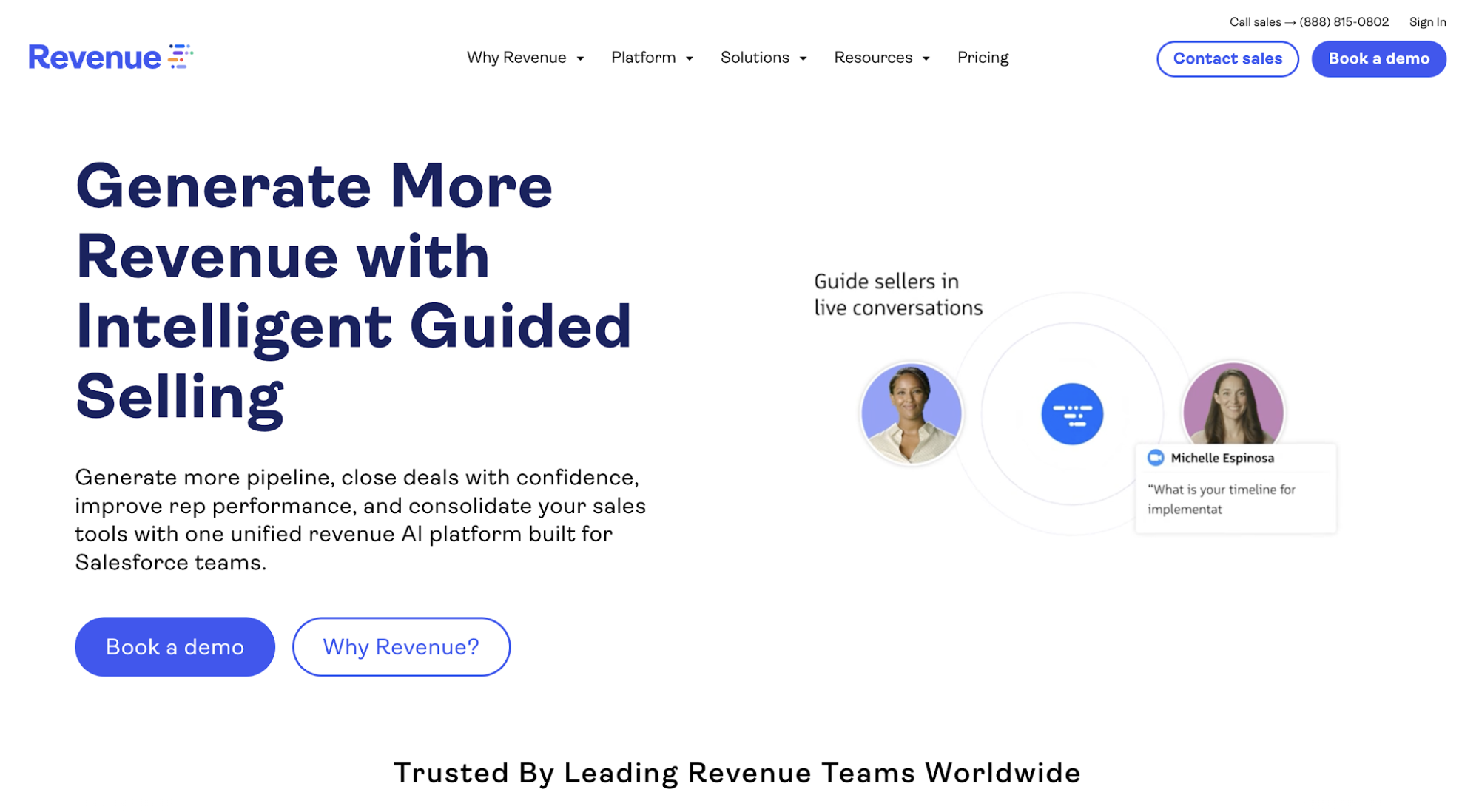
Image source: revenue.io
Revenue.io is a Salesforce-native revenue platform that combines calling, sales engagement, coaching, and revenue intelligence capabilities.
The platform is built around Salesforce-connected workflows, combining CRM automation with seller activity and revenue data within the existing CRM environment.
Revenue.io also includes conversation intelligence and real-time guidance capabilities that provide sales teams with insights during and after customer conversations.
Revenue.io does not publish public pricing.
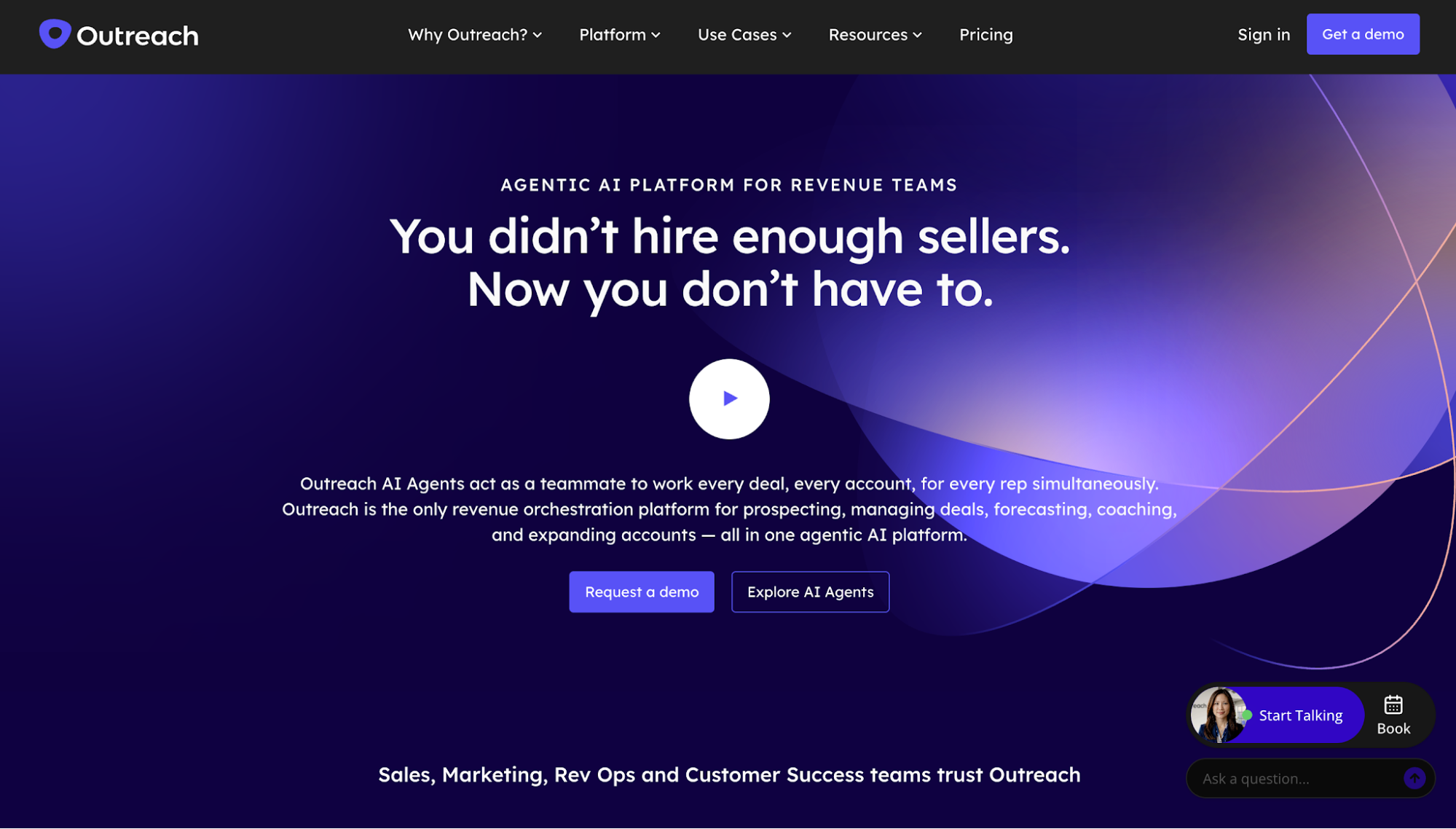
Image source: outreach.ai
Outreach is a revenue workflow platform that combines sales engagement, conversation intelligence, deal management, forecasting, and rep coaching capabilities.
Its conversation intelligence capabilities are delivered through Outreach Kaia, which records meetings, generates transcripts, provides real-time guidance, and supports post-call summaries and action items.
Outreach does not publish public pricing.
The conversation intelligence tools in our list solve overlapping problems, but they are built around different priorities.
Start by identifying the business outcome you need the platform to support.
A company focused on improving forecasting accuracy may prioritize revenue intelligence capabilities. A sales organization looking to improve rep execution may place more importance on conversation analysis and coaching workflows.
For example, Clari is designed around revenue orchestration, pipeline management, and forecasting. Salesloft and Outreach combine conversation intelligence with broader sales execution workflows.
If the primary goal is improving rep performance through conversation insights, evaluate how each platform helps managers identify skill gaps and support development.
Insight7 connects conversation analysis with evaluation criteria and coaching workflows so managers can identify areas where reps need support.
The key question is not which platform has the most features. It is which platform aligns with the performance outcome your team is trying to improve.
Conversation intelligence creates value when teams can turn findings from customer conversations into decisions and improvements.
Many platforms can help managers review calls, generate summaries, or surface trends. Those conversation intelligence software capabilities improve visibility, but the next question is what happens after the insight is discovered.
The performance differences highlighted earlier in Insight7’s Call Analytics Index show why this next step matters.
If top performers consistently ask more questions, create more balanced conversations, or end calls with clearer next steps, sales managers will need to track them, along with what was said during those conversations.
They need enough context to identify which of those behaviors an individual rep is missing and decide what to work on next.
Knowing that a rep lost a deal is only the starting point. Leaders need to understand whether the issue came from weak discovery, missed objections, unclear positioning, or another part of the conversation.
Without that context, coaching often becomes based on assumptions rather than specific behaviors.
Consider these questions when evaluating platforms:
Insight7 connects these stages by evaluating conversations against custom criteria and helping managers turn identified gaps into coaching opportunities.
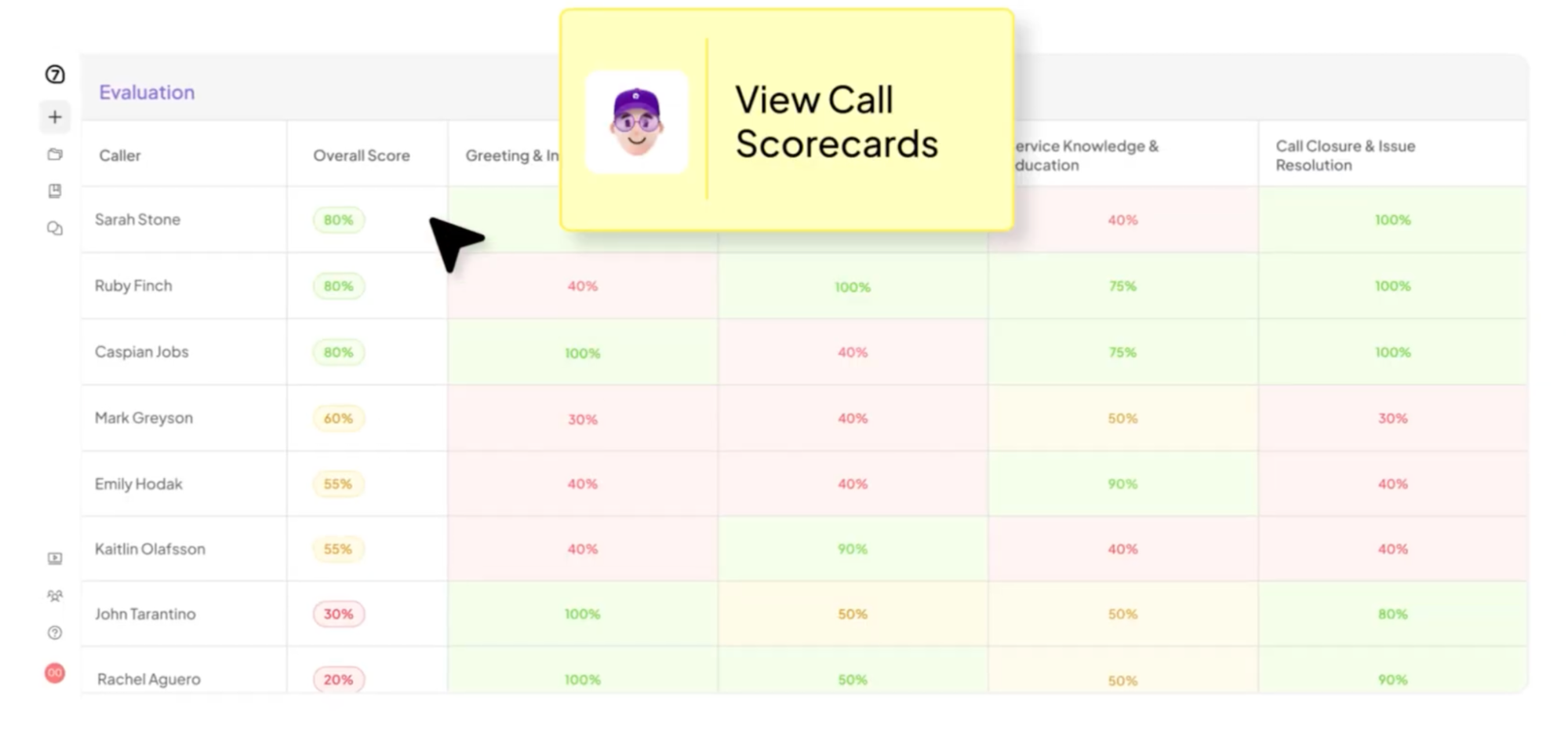
This approach allows teams to use conversation data as part of an ongoing performance improvement process rather than treating call analysis as a one-time review.
Coaching is one of the main reasons sales leaders invest in conversation intelligence platforms, but the depth of those coaching workflows varies significantly between products.
Some platforms primarily help managers review past sales calls and identify moments worth discussing during one-on-one meetings. Others go further by connecting conversation findings with structured coaching workflows, recommendations, and practice opportunities.
Look beyond whether a platform includes a coaching feature. Evaluate how coaching opportunities are identified and whether managers have enough context to provide useful feedback.
A useful platform should help answer questions such as:
Insight7, for example, connects conversation evaluation with AI coaching and roleplay. Managers can identify skill gaps from real user conversations and give reps opportunities to practice those behaviors through simulated scenarios before applying them with customers.
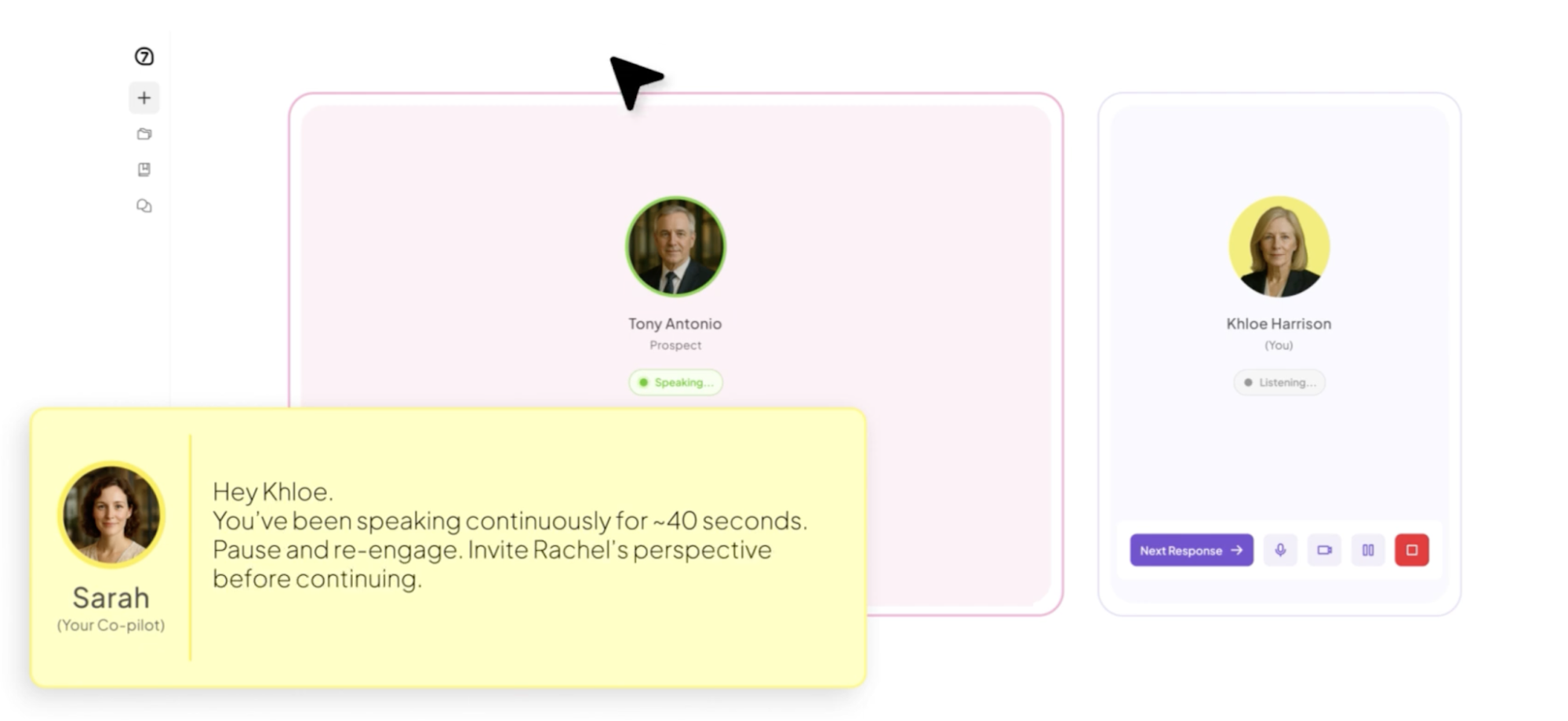
The key consideration is whether coaching remains a manual process that depends entirely on manager review or becomes a repeatable workflow supported by conversation data.
Consider who needs access to conversation insights and how many teams will rely on the platform.
Some conversation intelligence platforms are primarily built around sales organizations, with workflows focused on pipeline visibility, deal conversations, and rep performance.
Others support a wider range of customer-facing functions, including customer service, quality assurance, enablement, and compliance teams.
This distinction matters for organizations where conversations influence more than sales outcomes. A company with large support operations, regulated customer interactions, or multiple customer-facing departments may need a platform that supports different evaluation criteria and workflows.
When comparing platforms, consider:
A platform that works well for a sales organization may not provide the same value for a company looking to standardize conversation quality across multiple customer-facing teams.
Integration decisions should focus on how the platform fits into existing workflows rather than simply whether a connection exists.
Conversation intelligence creates more value when insights are available where teams already manage customer information, sales activity, and performance reviews.
When evaluating integrations, consider:
Some platforms take a CRM-centered approach, while others connect conversation intelligence with broader sales execution workflows.
The bottom line here is to understand whether the platform fits naturally into your team’s existing processes or creates another system managers need to maintain.
Pricing is only one part of evaluating Gong competitors.
The total investment depends on more than the subscription cost. Teams should also consider implementation requirements, the number of users who need access, and whether the platform supports the workflows that matter most to the organization.
The scope also differs depending on whether you’re evaluating a broader revenue platform or a more focused point solution.
Some solutions combine conversation intelligence with broader revenue workflows, including forecasting, pipeline management, and sales engagement. Others focus more specifically on conversation analysis, coaching, and performance improvement.
A lower subscription price does not always represent a lower overall investment if the platform requires additional tools or manual processes to achieve the desired outcome.
The best choice is the platform that supports the business problem you are trying to solve without adding unnecessary complexity or cost.
The best Gong competitor depends on what your team needs to improve.
A platform can give managers more visibility into sales conversations, but that only becomes valuable when those insights lead to better decisions.
The important question is whether your team can use conversation data to understand what is working, where reps are struggling, and what needs to change next.
Insight7 is built around that connection between conversations and performance improvement. It helps teams evaluate calls against their own criteria, identify coaching opportunities, and support rep development through AI coaching and roleplay.
When conversation intelligence becomes part of the coaching process, managers have a clearer way to improve execution instead of relying on limited call reviews or subjective feedback.
Gong competes with conversation intelligence and revenue platforms including ZoomInfo Chorus, Clari, Salesloft, Avoma, Revenue.io, Outreach, and Insight7.
The best competitor to choose depends on whether the buyer prioritizes revenue intelligence, sales engagement, forecasting, or performance coaching.
Companies often look for Gong alternatives because of cost, implementation requirements, or the need for capabilities that better match their sales workflow. Some teams prioritize real-time coaching, sales engagement, forecasting, or simpler conversation intelligence rather than a broad revenue intelligence platform.
Conversation intelligence focuses on analyzing what happens during customer interactions, including topics, objections, questions, and rep behaviors. Revenue intelligence combines conversation data with broader sales information, such as pipeline activity and deal signals, to help teams understand and predict revenue outcomes.
