AI tools that analyze rep performance and surface coaching opportunities from those patterns are now table stakes for high-performing sales teams. The challenge is that most platforms either analyze calls or track performance, but few do both in a way that connects the insight to the coaching action automatically. This guide covers the tools that use AI to compare rep performance and what to look for when evaluating them.
What Rep Performance Analytics Actually Measures
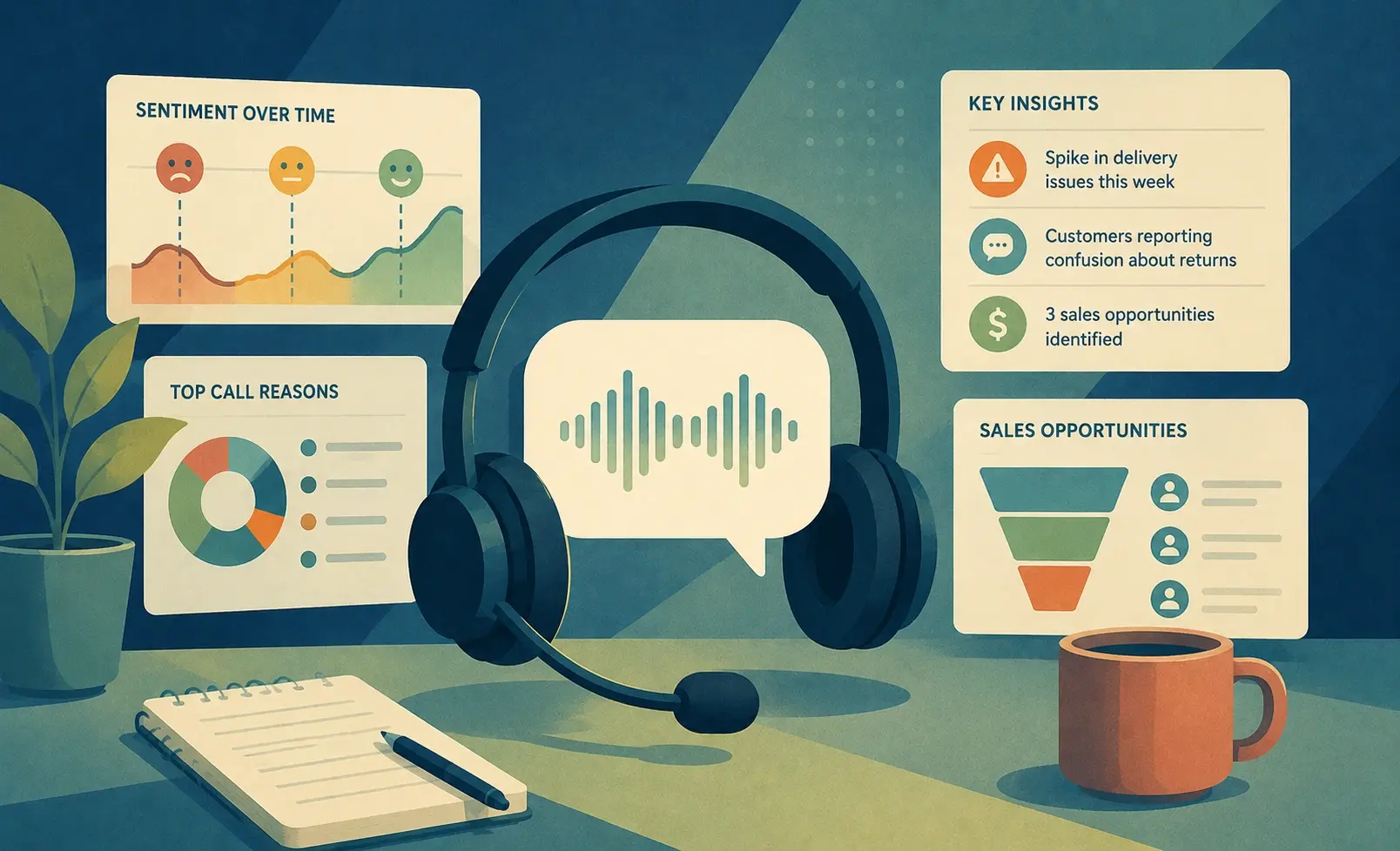
Sales performance analytics tools typically track three layers of data: activity metrics (calls made, emails sent, meetings booked), outcome metrics (deals won, close rates, revenue), and conversation metrics (how reps talk to buyers, what language they use, how they handle objections).
Activity and outcome metrics are available in most CRMs. Conversation analytics is where AI-powered coaching tools add distinct value, because it surfaces the behavioral patterns that explain outcome differences between top and bottom performers.
The most useful platforms do not just show you that Rep A has a higher close rate than Rep B. They show you what Rep A does differently in discovery calls, how they respond to price objections, and what language correlates with closed deals. That diagnostic layer is what makes comparison meaningful for coaching.
What does sales performance analytics track?
Sales performance analytics tracks activity metrics, pipeline metrics, and conversation behavior metrics. Activity metrics measure effort (calls, meetings, sequences). Pipeline metrics measure outcomes (win rate, deal velocity, stage conversion). Conversation metrics measure quality (discovery completeness, objection handling language, talk-to-listen ratio). The most complete coaching platforms combine all three so managers understand whether a performance gap is an effort problem, a process problem, or a skill problem.
Top AI Tools for Comparing Rep Performance
1. Insight7
Insight7 applies AI-powered QA scoring to every call automatically, then aggregates per-rep scorecards across multiple interactions. The platform's revenue intelligence layer identifies top and bottom performer patterns by analyzing what conversation behaviors correlate with closed deals versus stalled ones.
The agent scorecard view shows average performance per criterion per rep, with drill-down into individual calls where the pattern occurred. Managers can identify that a rep consistently underperforms on discovery question depth and assign a targeted roleplay scenario from the same interface.
The AI coaching module generates practice scenarios from actual call transcripts, so reps whose comparison data shows a gap in objection handling practice exactly the type of objection that appears in their own calls.
2. Gong
Gong's performance analytics compare rep activity and conversation patterns across the team. The platform identifies which topic sequences, question types, and talk patterns correlate with higher win rates, and surfaces these patterns in the coaching workflow.
Manager scorecards show rep-by-rep comparisons on configurable dimensions. Deal risk detection flags conversations that exhibit patterns associated with lost deals.
3. Salesloft
Salesloft tracks cadence performance and call quality by rep, with team comparison views that show conversion rates by sequence step, call type, and rep. The coaching layer includes call recording review and scorecard-based feedback.
The platform is strongest for teams where sequence and cadence performance is the primary coaching signal, with call quality as a secondary dimension.
Chorus surfaces conversation patterns by rep and topic, with comparison views showing which reps use competitor mention responses most effectively and which struggle with specific objection types. The coaching workflow includes call playlists organized by topic or rep performance tier.
5. Outreach
Outreach combines sales engagement with conversation intelligence, tracking both sequence performance and call behavior by rep. The Kaia AI feature provides in-call support and post-call summaries that feed into performance comparison dashboards.
Best for teams that run structured outbound sequences and want performance comparison data from the same platform as their sales engagement workflow.
If/Then Decision Framework
If your primary coaching lever is identifying why top performers close more deals than average performers, then platforms with conversation analytics and top performer pattern detection give you the diagnostic layer CRMs alone cannot provide.
If your team's performance gap is primarily in activity volume rather than conversation quality, then sales engagement platforms like Salesloft or Outreach surface activity comparison data more cleanly than QA-focused tools.
If you want to automatically route coaching assignments based on comparison data (reps who score below team average on a specific criterion get assigned a practice scenario), then Insight7 provides this automation natively.
If you need deal risk detection alongside rep performance comparison, then Gong's revenue intelligence layer combines both in a single view.
If you want the rep performance comparison to drive AI roleplay practice tied to the specific gaps each rep shows, then Insight7 is the only platform in this list that closes the loop from comparison data to targeted practice.
What is coaching analytics in the context of sales rep performance?
Coaching analytics refers to the measurement of both the coaching activity itself (sessions held, scenarios completed, scores tracked) and the downstream impact on performance (changes in QA scores, conversion rates, deal velocity after coaching). The most complete coaching analytics platforms track both dimensions so managers can see whether their coaching investments are producing measurable performance changes. Insight7 tracks roleplay score improvement trajectories alongside live call QA scores, giving managers both dimensions in one view.
According to G2's sales coaching category rankings, analytics depth and integration with existing CRM tools are the two highest-weighted criteria for enterprise coaching platform buyers.
FAQ
What are the tools used in sales analytics for coaching?
The primary categories are CRM platforms (Salesforce, HubSpot) for activity and outcome data, conversation intelligence platforms (Gong, Chorus) for call quality and pattern analysis, and QA-plus-coaching platforms like Insight7 that combine automated scoring, rep comparison, and practice scenario generation in one workflow.
Which tool is commonly used for sales performance tracking and coaching?
Gong is the most widely used standalone conversation intelligence platform for performance tracking. For teams that want to connect performance comparison data directly to AI coaching actions and practice scenarios, Insight7 provides a more complete loop from identification to skill development.
Comparing rep performance is only useful when it drives a specific coaching action. Insight7 connects performance comparison data to targeted roleplay scenarios, so the gap between top and bottom performers becomes a practice assignment rather than a report.