
If you’re still coaching your manufacturing sales team the same way you did five years ago, you’ll keep making the same mistake: trying to solve today’s performance problems with yesterday’s visibility.
Many manufacturing sales teams still rely on occasional call reviews and manager memory to decide what reps need to improve.
That leaves leaders with only a partial view of how reps handle project requirements, pricing discussions, and the moments that determine whether an inquiry moves toward a quote or an order.
In this guide, we’ll discuss how to improve that approach with manufacturing sales coaching and why it matters.
Sales coaching and training often become more difficult as industrial organizations grow, even when leaders invest more time and resources in them.
The reason is simple. The number of customer conversations increases much faster than a manager’s ability to review them.
A sales manager supporting five reps has far more opportunities to observe customer interactions than one supporting 20 or 30.
As industrial sales teams expand, leaders spend more time forecasting, supporting business development efforts, and managing day-to-day operations. That naturally reduces the time available to review calls and coach individual reps.
As visibility decreases, coaching becomes more dependent on the conversations managers happen to hear.
Those conversations still provide valuable feedback, but they don’t always represent the broader performance trends developing throughout the team.
A rep may struggle with project discovery on dozens of calls, yet only one conversation receives coaching. Another rep may consistently excel at moving customers from pricing discussions to orders without those behaviors ever being shared with the rest of the team.
Over time, this creates inconsistency.
Different managers begin emphasizing different priorities based on the conversations they have reviewed. Feedback becomes shaped by individual situations rather than the recurring performance patterns developing throughout the team.
When sales performance begins to slow, most leaders and decision-makers naturally look at areas they can improve.
They might invest in additional manufacturing sales training, spend more time coaching objection handling, or ask managers to conduct more frequent call reviews.
Each of these coaching efforts can help, but they still depend on one thing: knowing which behaviors are actually affecting performance.
That is often the part leaders cannot see clearly. Customer conversations already contain the details they need to understand missed quotes, weak discovery, and stalled opportunities, yet most managers only hear a small sample because reviewing every call manually is not realistic.
And without enough visibility, it’s difficult to tell whether sales professionals need better product expertise, stronger active listening, or a more consistent way to move customers toward the next step.
That consistency is becoming more important as B2B buying gets more complex. McKinsey’s 2026 Global B2B Pulse Survey, based on nearly 4,000 decision-makers, found that buyers now use an average of 10 channels during the purchasing journey.
Inconsistent information and difficulty accessing knowledgeable representatives are also among the leading reasons buyers switch suppliers.
For manufacturing sales teams, that puts more pressure on reps to provide accurate answers and maintain the same level of technical credibility whenever a buyer reaches them.
With those conversations containing the details leaders are missing, the next question is what they actually reveal about performance.
Most manufacturing companies already know which reps close more deals. What is harder to see is which specific behaviors help those reps move customers through manufacturing sales cycles.
Insight7’s manufacturing sales report helps make that difference clearer. It analyzed hundreds of real inbound calls from a building materials manufacturer and scored them based on the behaviors linked to quote-to-order performance.
The calls involved the same products, price book, and inbound demand, which made the differences in rep execution easier to compare.
The clearest gap appeared in conversion and close execution. Top-tier reps placed orders on 29% of calls, while bottom-tier reps placed none. Top performers also quoted pricing during 33% of calls, compared with 0% for the bottom tier.
That difference points to more than closing skill. In this sales environment, customers often call because they are already ready to discuss a project or request pricing.
When a rep fails to create urgency around the next step, the opportunity can quickly move to a competitor with the competitive advantage of responding faster.
Discovery showed a similar pattern. Top-tier reps completed project discovery on 88% of calls, while bottom-tier reps did so on only 20%.
The stronger reps confirmed product specs such as gauge, profile, color, length, and application before quoting. Lower-performing calls were more likely to move forward without enough context or stop before those questions were asked.
This changes how leaders should think about the performance gap. Product knowledge and technical expertise still matter, especially in the manufacturing industry, where technical credibility influences the buying process. Yet the report suggests that knowing the product is only part of the job.
Reps also need to apply that knowledge through a consistent sales process that uncovers the full project and keeps the customer moving.
The report found another missed opportunity in order value. High-performing reps were more likely to ask about the full project rather than answer only the customer’s immediate question.
In building materials, that could mean confirming whether the customer also needs screws, trim, ridge caps, or closure strips.
When that conversation does not happen, the rep risks leaving part of the order unaddressed, which can affect customer satisfaction and reduce the chance of repeat purchases.
These findings help explain why manufacturing sales coaching can feel active without producing consistent results.
Leaders may already coach product knowledge or objection handling, yet the larger revenue gap could begin earlier in the conversation through incomplete discovery, delayed quoting, or no clear next step.
Better visibility gives sales leaders a more precise answer to what their teams need. It shows which behaviors repeatedly support stronger outcomes and where execution begins to break down.
Coaching can then move away from broad advice and focus on the moments that have the greatest influence on quote and order performance.
Try Insight7 today and uncover the customer insights hidden in your sales calls.
Understanding what separates high-performing reps is only the first step.
The next challenge is building a coaching process that helps every sales manager reinforce those behaviors consistently. Here’s a structured framework you can follow to do that.
Every coaching decision depends on the quality of the information behind it. If leaders only review a small sample of customer conversations, they risk coaching isolated situations rather than the patterns that affect the entire sales team.
Capturing a broader range of sales conversations gives managers a more complete picture of how manufacturing sales reps engage customers throughout the buying process.
It becomes easier to recognize where reps build credibility, where discovery begins to break down, and where opportunities are lost before they ever reach the quoting stage.
This also creates a more balanced view of the sales team’s performance. Rather than evaluating a rep based on one exceptional call or one difficult customer interaction, leaders can coach based on the behaviors that appear consistently over time.
With Insight7, managers can analyze customer conversations at scale instead of choosing a small sample manually.
Calls are transcribed and evaluated against defined criteria, giving leaders a broader view of how each rep handles discovery, quoting, and other important moments in the sales process.
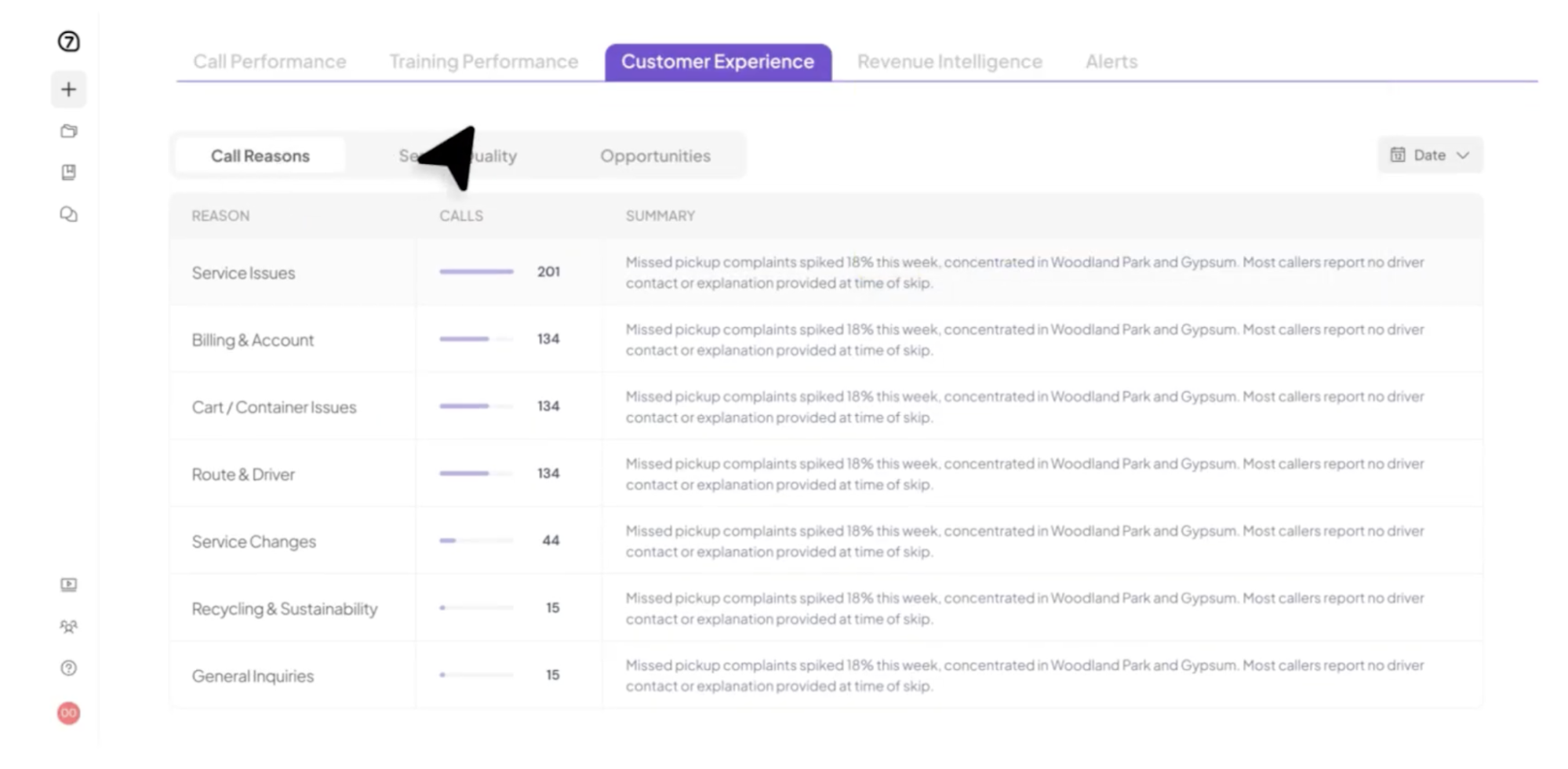
That scale is, in fact, already proving valuable for teams using the platform. As Elise Dietrich, CPO at TripleTen, shared, her team has since evaluated more than 6,000 calls in a single month with the help of Insight7.
Once leaders have visibility into more conversations, the next step is determining which behaviors deserve the greatest attention.
Not every coaching opportunity has the same effect on business results. Some behaviors have a much stronger influence on whether opportunities continue moving through the sales process.
The manufacturing sales report showed that top-performing reps consistently completed project discovery, discussed the customer’s full requirements, and were more likely to provide quotes during the conversation.
Those patterns give managers a clearer direction with data-driven coaching. Rather than offering broad advice on selling skills, they can focus on the specific behaviors that have already been shown to be connected to stronger sales performance.
Insight7 makes those behaviors measurable through custom evaluation criteria and AI call scoring. Manufacturing teams can evaluate calls based on the sales behaviors that matter to their own process, such as whether reps completed project discovery or moved the customer toward a clear next step.
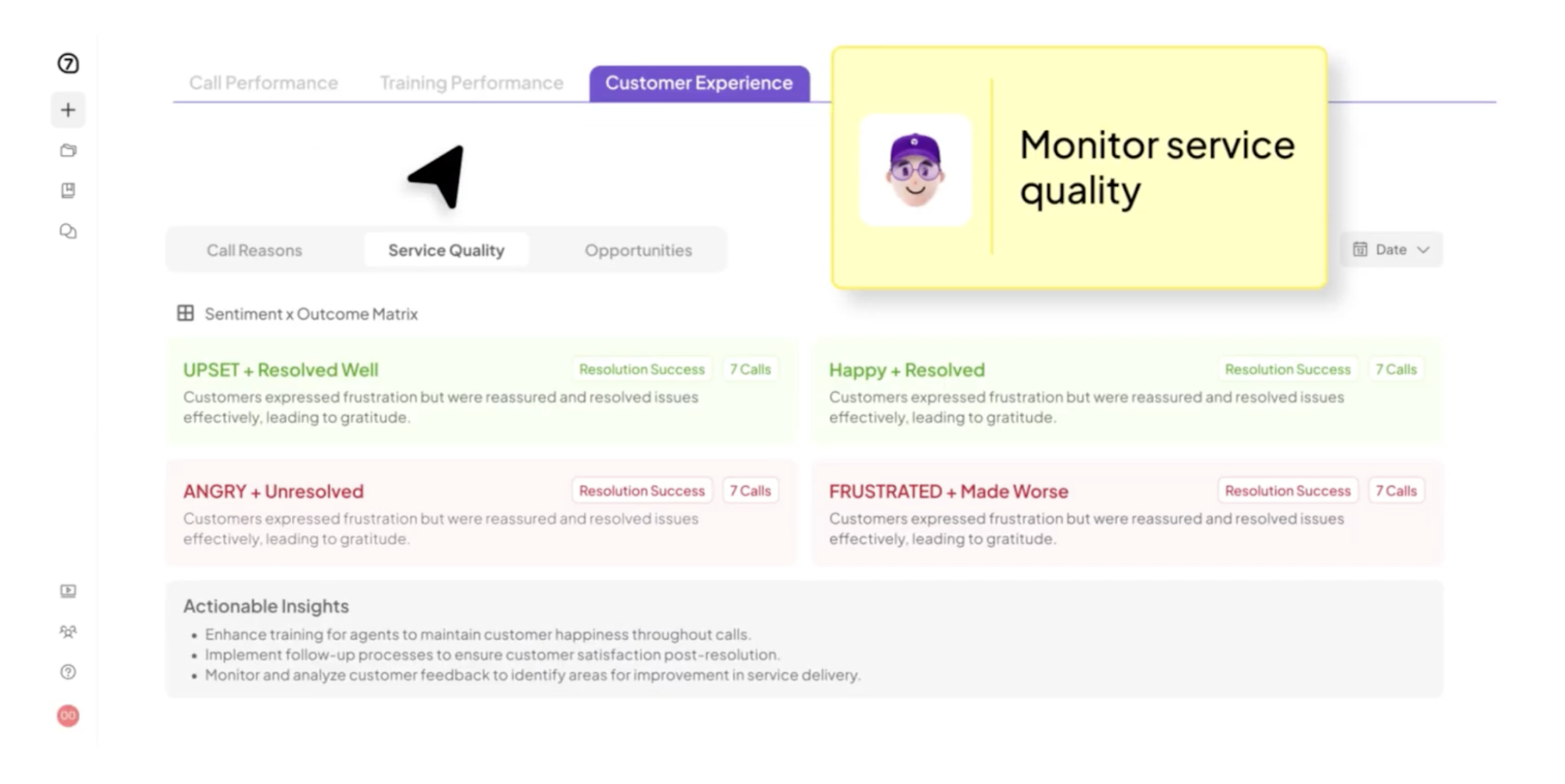
Customers have also experienced this notable feature in practice. One verified G2 reviewer in telecommunications said Insight7 provides “an objective perspective on the call,” while making it easier to document areas where improvement is needed.
Sales reps receive feedback from many sources throughout the week. Product updates, customer requests, and individual deal reviews all compete for attention.
If every coaching session introduces a different priority, improvement becomes difficult to sustain because reps are constantly shifting their focus.
A more strategic approach is to concentrate on the behaviors with the greatest business impact. When managers reinforce the same priorities consistently, they help prepare reps to practice these new skills and behaviors until they become part of their everyday sales process.
That consistency also makes coaching easier to measure because everyone is working toward the same performance expectations.
Insight7, for instance, helps managers turn those performance gaps into targeted coaching recommendations, so the coaching priority comes directly from what reps are doing in real customer conversations.
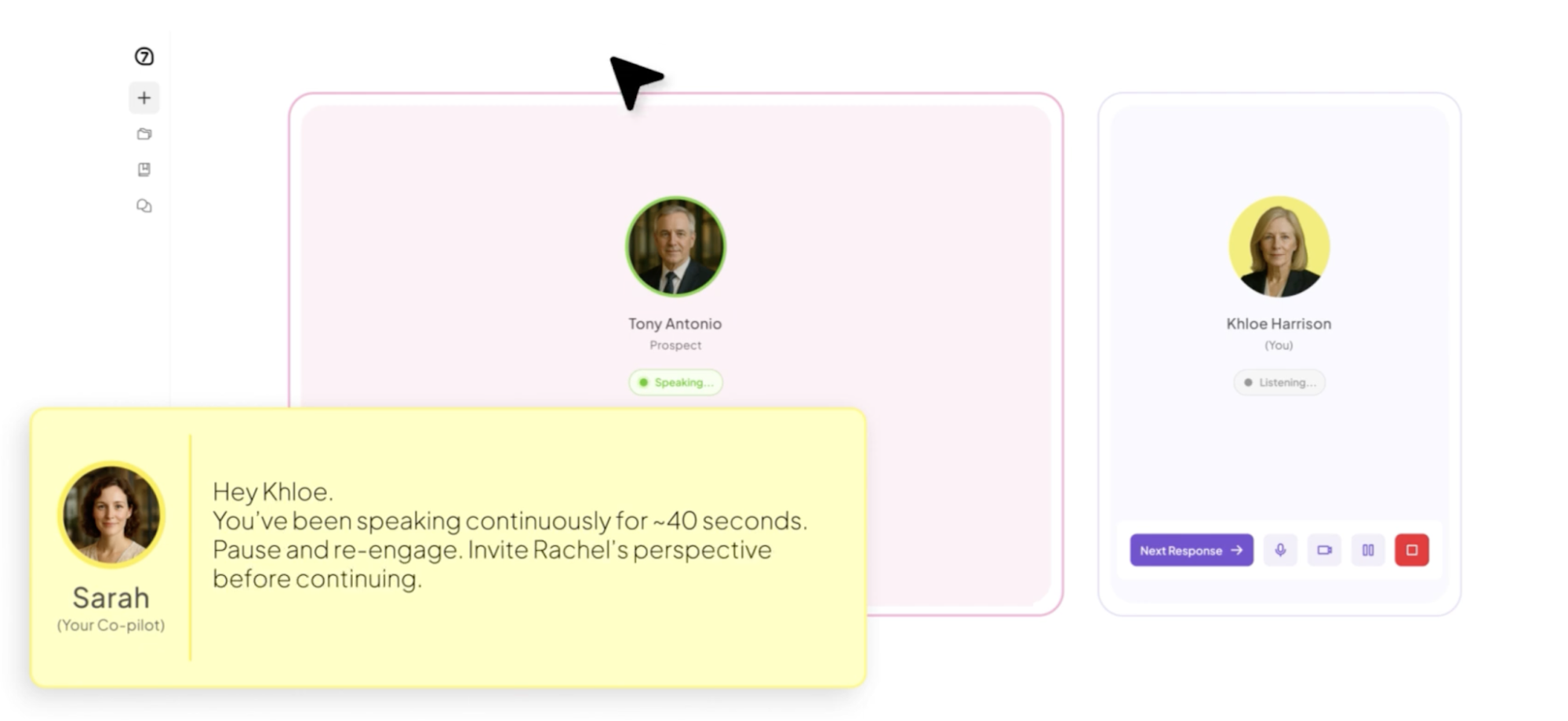
Instead of deciding what to coach from memory, managers can focus sessions on the behaviors that repeatedly need attention.
Identifying the right behaviors is only part of the coaching process. Those behaviors need to be reinforced consistently if they’re going to become part of how the sales team operates.
This is where many manufacturing sales organizations struggle.
A manager may highlight an excellent discovery call during a coaching session, but if that conversation isn’t revisited or shared with the broader team, what reps learn often stays with one individual instead of benefiting the organization.
High-performing teams create regular opportunities to reinforce successful execution. Sellers learn from real customer conversations that demonstrate effective questioning, stronger discovery, and better quote discussions.
Insight7 can take that reinforcement further through AI roleplay and skills practice. Reps can practice the conversations they need to improve before applying those behaviors with real customers, giving managers a way to move coaching from feedback into repeated practice.
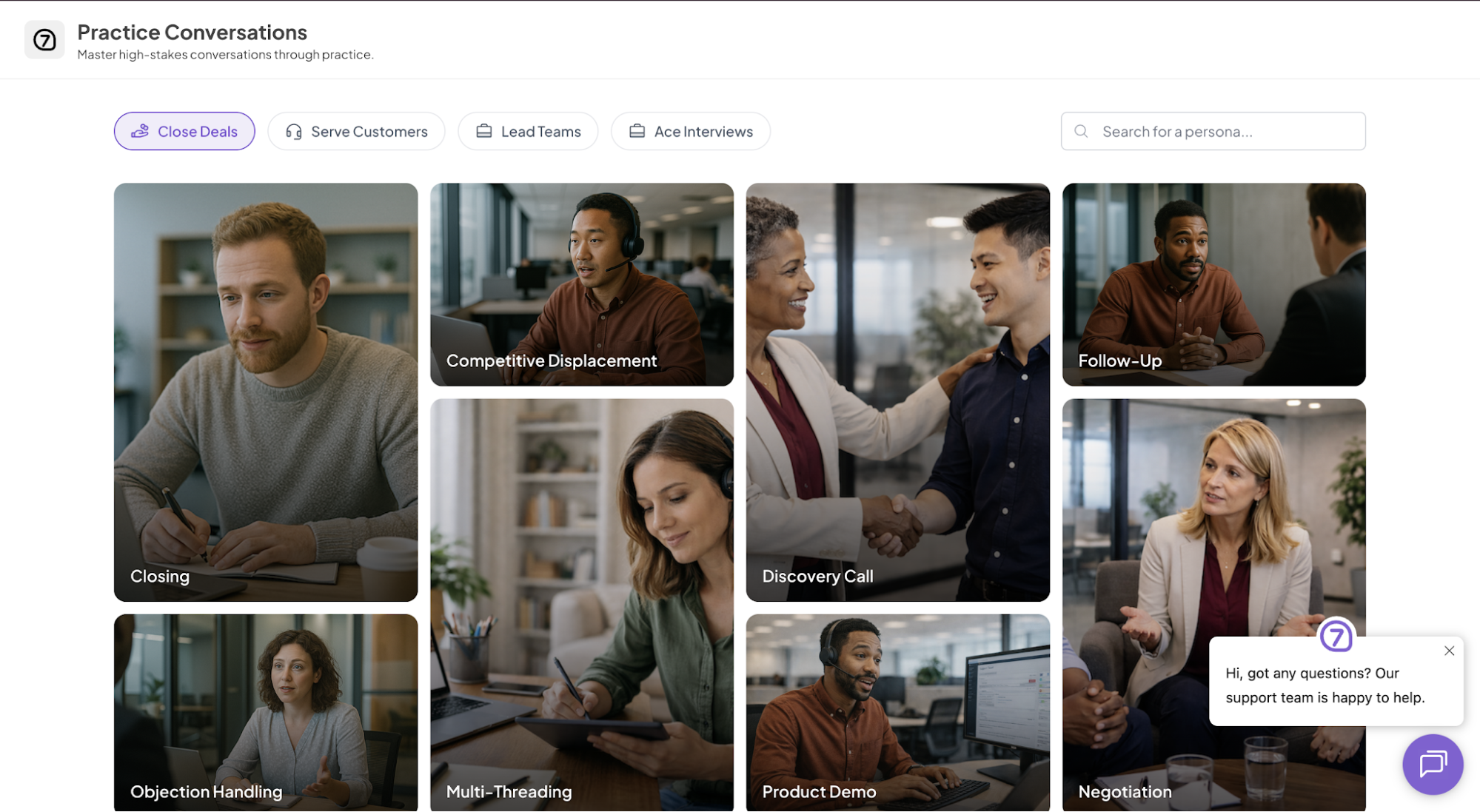
Over time, those examples help establish a shared standard for how sales conversations should be handled.
The final step is understanding whether coaching is improving performance.
Many organizations measure coaching activity by the number of sessions managers complete or the amount of feedback they provide. Those numbers show that coaching is happening, but they don’t explain whether sales execution is actually improving.
A more meaningful approach is to measure the behaviors coaching is designed to influence. Improvements in discovery quality, quote activity, order placement, and average order value provide clearer evidence that coaching is helping reps perform differently during customer conversations.
Measuring these changes also strengthens future coaching. Leaders gain a better understanding of which coaching priorities are producing results and which areas require additional attention.
With Insight7, managers can track evaluation and coaching trends over time instead of treating each call review as an isolated event. That makes it easier to see whether the behaviors being coached are improving and where performance gaps continue to appear.
That value also comes through in customer feedback. Dani Woolf, CEO of Audience 1st, described Insight7 as a “super valuable tool,” adding that she plans to use it extensively and wishes she’d had it years ago.
A structured coaching framework gives leaders a clear process to follow. But maintaining that process as conversation volume continues to grow is the challenge.
Most sales managers already understand the value of reviewing customer conversations, but the difficulty lies in scale.
As manufacturing sales teams grow, the number of customer conversations quickly exceeds what managers can realistically review.
Most inside sales managers manually evaluate less than 2% of calls, leaving the vast majority of customer interactions unseen.
That limitation isn’t a reflection of manager capability or effort. It’s simply the reality of balancing coaching with forecasting, pipeline reviews, hiring, and the many other responsibilities sales leaders manage every day.
When most conversations go unreviewed, recurring patterns become much harder to identify. Managers may recognize individual coaching opportunities, but they have limited visibility into whether the same behaviors are appearing throughout the rest of the team.
Insight7 removes much of that sampling limitation by automatically analyzing customer conversations, giving managers visibility into patterns they could never identify by reviewing calls one by one.
For Santiago Villaronga, Associate Director at Fresh Prints, that has translated into significant time savings. He says Insight7 saves his team “hundreds of hours every week,” while helping them continue scaling without sacrificing quality.
Without that broader visibility, coaching often becomes reactive. Feedback is shaped by the conversations managers happen to hear rather than the broader performance trends developing throughout the organization.
This is one of the biggest reasons manufacturing sales coaching becomes harder to scale. The challenge isn’t knowing how to coach; it’s having enough visibility to coach consistently.
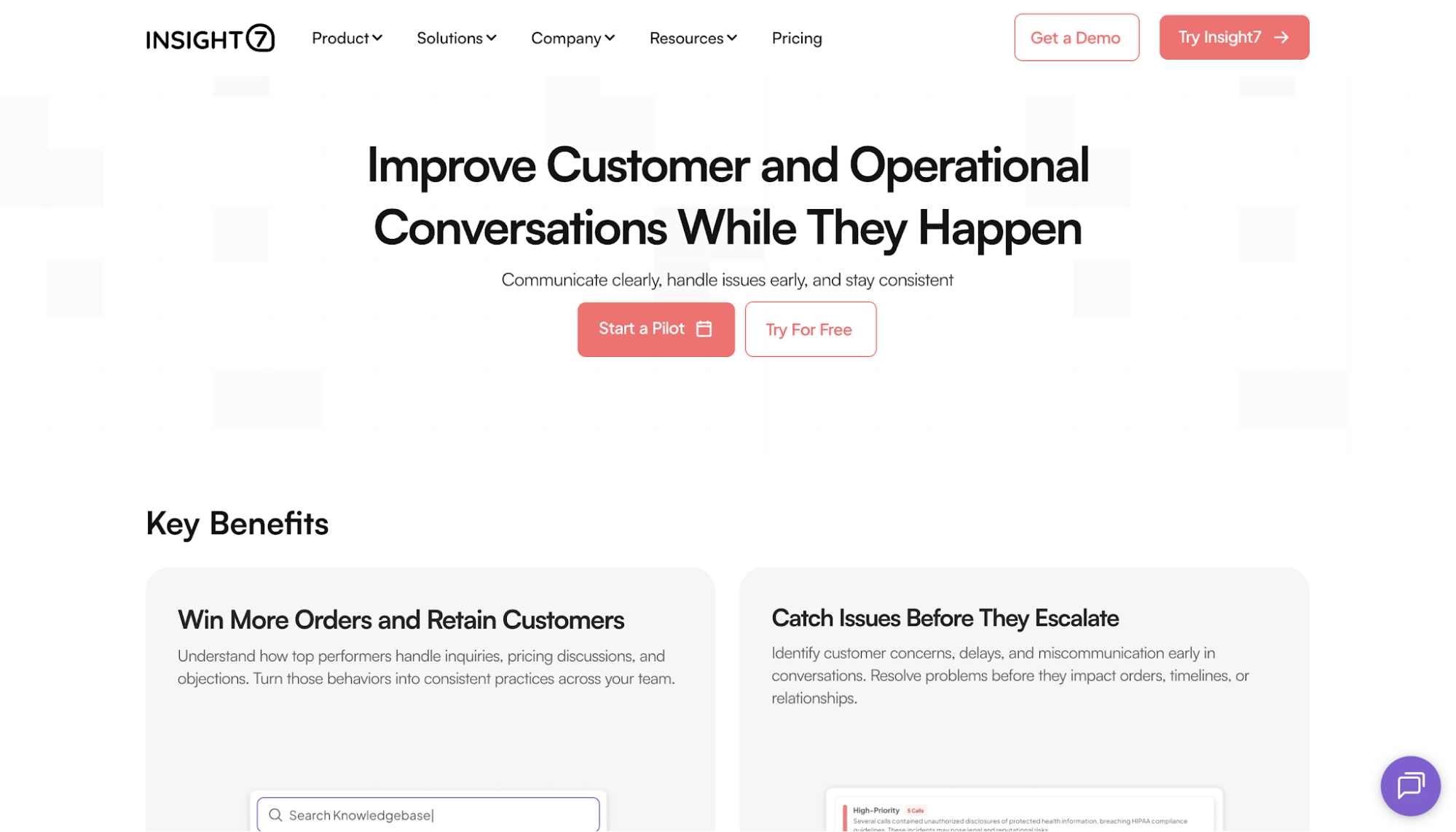
Conversation intelligence helps bridge that gap by giving leaders visibility into far more customer interactions than manual review could realistically cover.
Insight7, for example, analyzes and scores customer conversations so managers can evaluate rep performance against consistent criteria without listening to each call manually.
Rather than relying on a handful of calls, sales leaders can evaluate performance using a much broader view of how their teams engage manufacturing buyers throughout the sales process.
That broader visibility makes coaching more consistent because leaders are no longer relying on isolated examples.
They can identify recurring behaviors, compare how different reps perform in similar manufacturing sales environments, and prioritize coaching based on the patterns that appear most often.
It also creates a more objective coaching process. Instead of asking why a particular deal was lost, leaders can begin asking which behaviors repeatedly influence quote activity, project discovery, or order conversion throughout the sales organization.
As those patterns become clearer, coaching naturally becomes more focused. With these new technologies, managers can now spend less time deciding what to coach and more time helping reps improve the behaviors that have the greatest impact on sales performance.
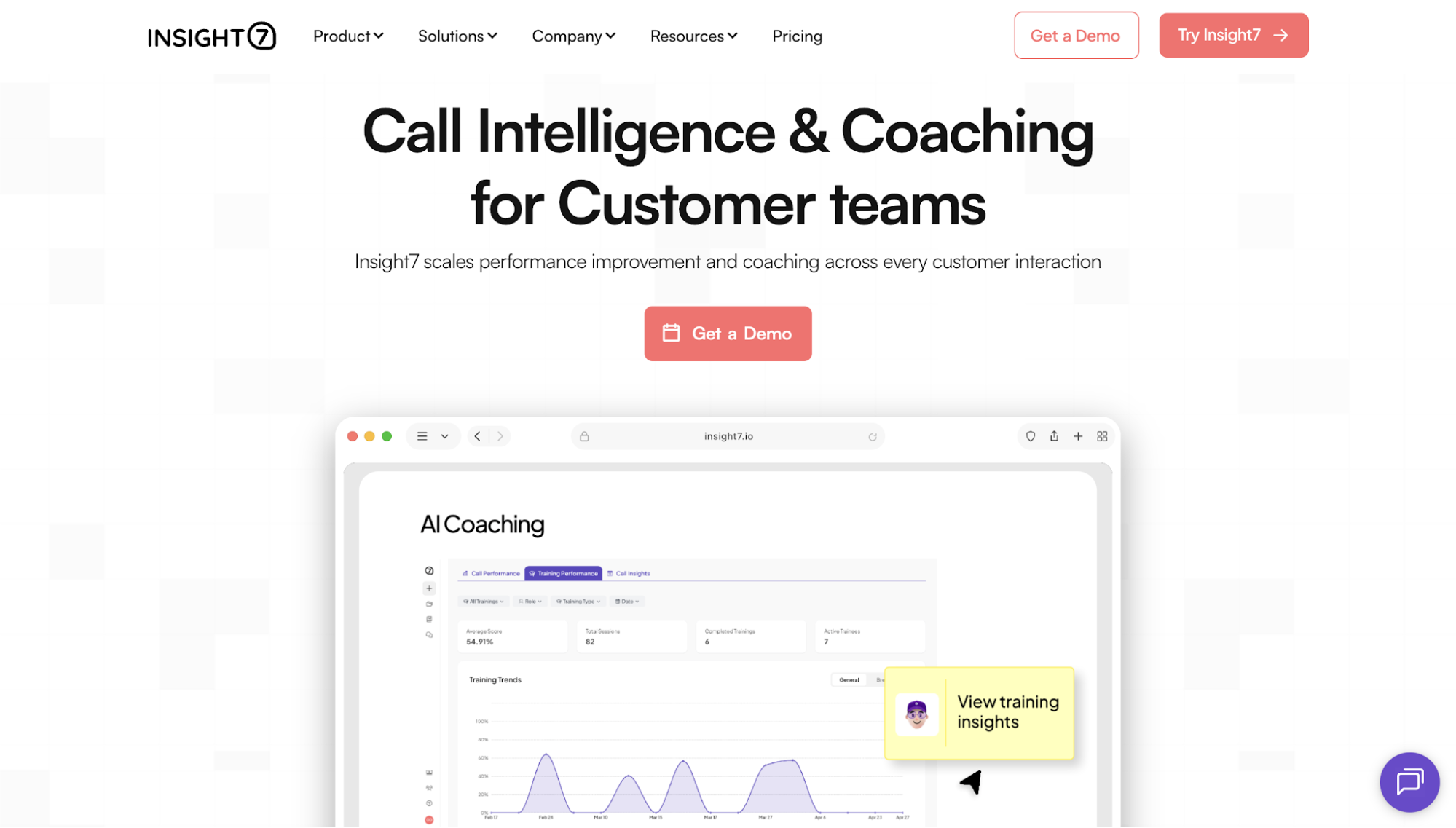
Coaching in manufacturing and industrial sales becomes more effective when leaders use proven performance behaviors to guide their industrial sales training programs.
That approach changes coaching to a more strategic level by turning it from a reactive activity into a repeatable business process.
Instead of relying on a limited sample of customer conversations, leaders can coach with greater confidence because their decisions are supported by a broader view of how their sales team performs.
Insight7 connects conversation analysis with ongoing coaching, helping leaders turn the patterns found in customer calls into focused coaching priorities and measurable performance improvements.
As manufacturing sales organizations pursue scalable growth, coaching consistency becomes just as important as coaching quality. Organizations that build both are better positioned to develop confident sales teams and drive growth through more predictable revenue performance over time.
Book a demo with Insight7 today and make manufacturing sales coaching more consistent at scale.
