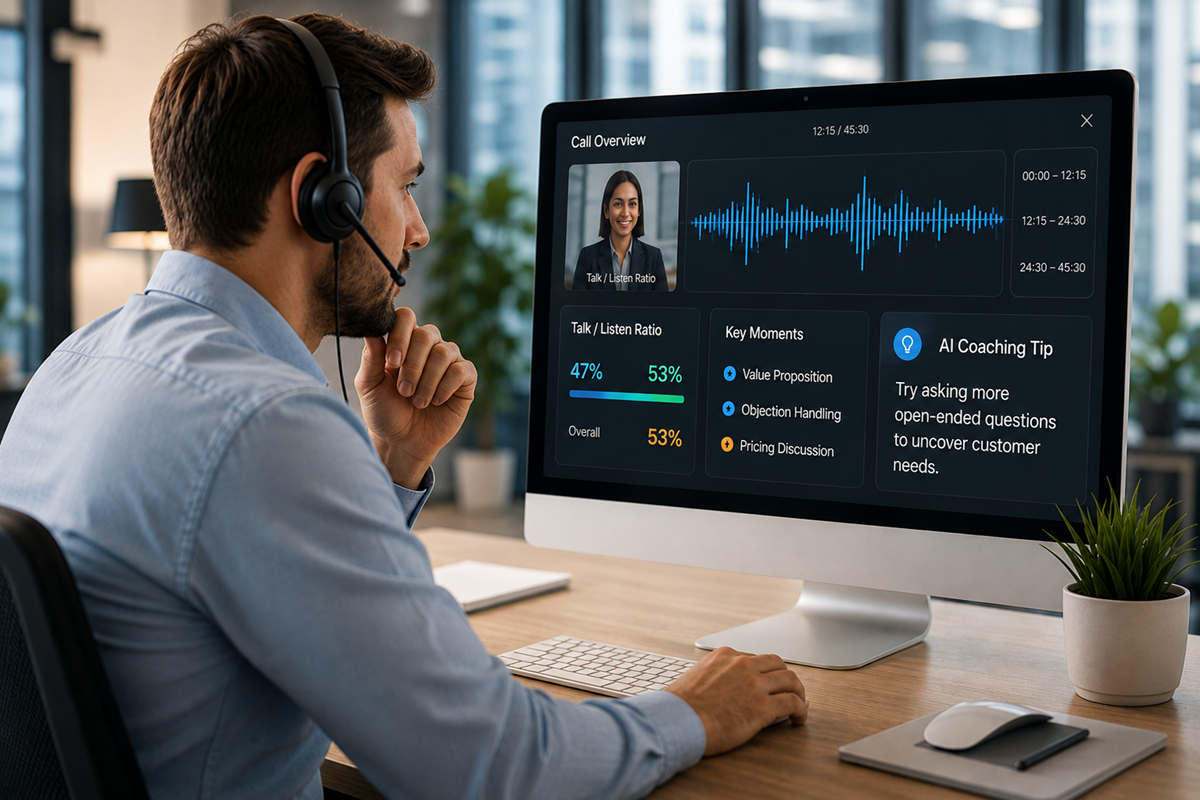
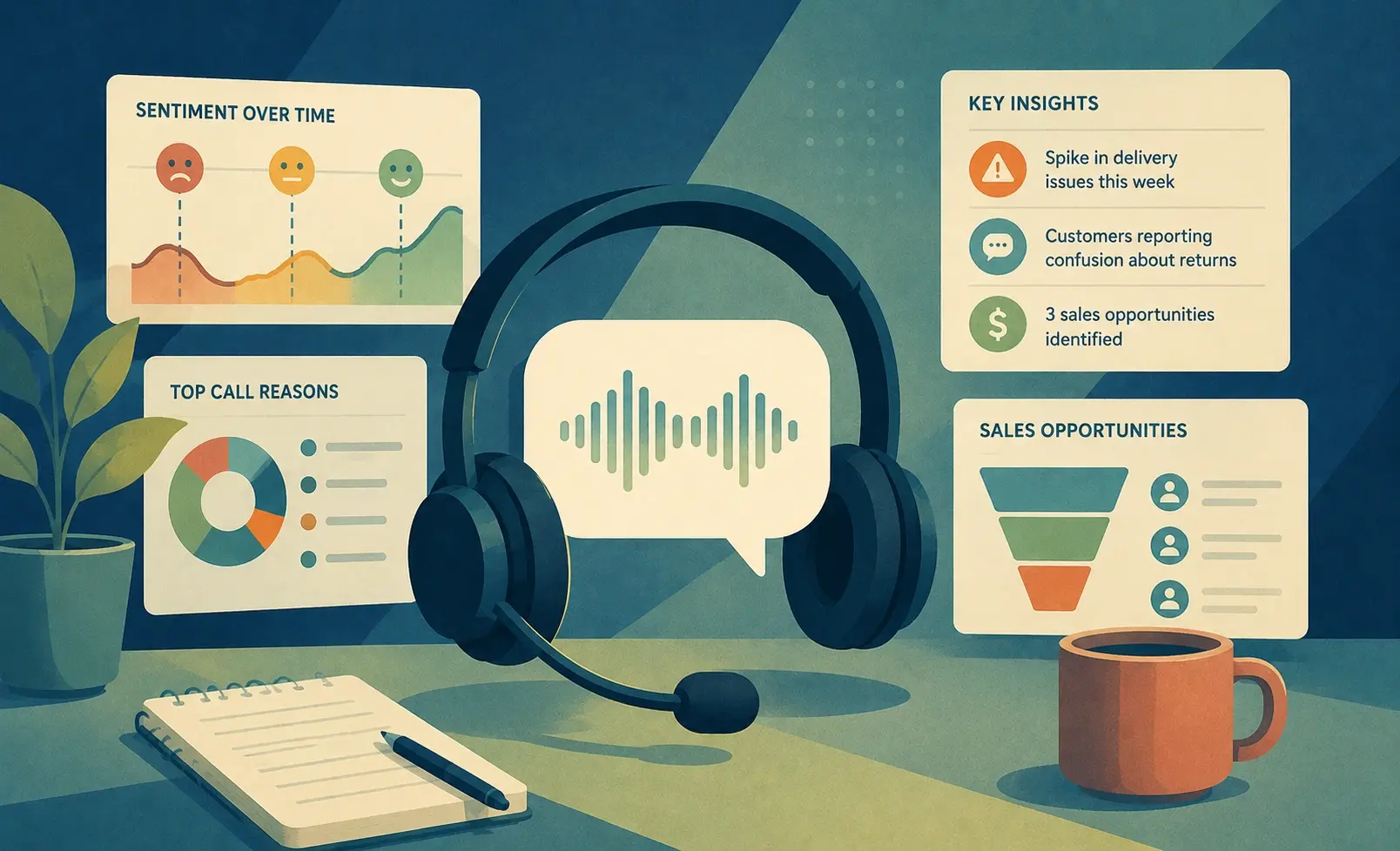
Effective coaching is essential for enhancing team performance and driving business success. In this article, we will explore the best coaching tools that leverage call-based interactions, showcasing how they can transform coaching practices and improve outcomes for teams.
What Is Call-Based Coaching and How Do You Implement It Successfully?
Call-based coaching involves using recorded or live calls as a foundation for coaching sessions. This method allows coaches to provide targeted feedback, helping team members improve their performance in real-time scenarios.
This approach addresses common challenges such as inconsistent performance, lack of personalized feedback, and the need for continuous improvement in communication skills.
Implementation Teams: Various teams can implement call-based coaching within an organization:
- Sales Teams (to refine sales techniques and closing strategies)
- Customer Support Teams (to enhance service quality and customer satisfaction)
- Training and Development Teams (for overall skill enhancement)
- Remote Teams (to ensure consistent coaching across locations)
Operational Impact: Implementing call-based coaching can lead to significant improvements in communication skills, sales conversion rates, and overall team performance.
Implementation Benefits: By employing call-based coaching, teams can:
- Gain actionable insights from real interactions
- Foster a culture of continuous learning and improvement
- Enhance team collaboration and communication skills
- Increase customer satisfaction through improved service delivery
Implementation Principle: The core principle of call-based coaching is to utilize real-world scenarios to provide context-rich, actionable feedback that drives performance improvement.
Key Implementation Elements
To effectively implement call-based coaching, organizations should focus on the following key elements:
Implementation Framework: Establish a structured approach for integrating call-based coaching into daily operations.
Core Implementation Components:
- Call Recording and Analysis: Implement tools to record calls and analyze them for coaching opportunities.
- Feedback Mechanism: Develop a systematic approach for delivering feedback based on call analysis.
- Coaching Sessions: Schedule regular coaching sessions that focus on specific areas of improvement identified from call data.
- Performance Tracking: Utilize metrics to track improvements in performance post-coaching.
- Continuous Learning: Create resources for ongoing skill development based on coaching insights.
Operational Integration: These components should work cohesively to create a feedback loop that continuously enhances team performance.
How Much Operational Impact Can Call-Based Coaching Implementation Deliver?
Implementation Effectiveness: Organizations that effectively implement call-based coaching can see improvements in key performance metrics, such as increased sales conversions and enhanced customer satisfaction scores.
Performance Example: For instance, a sales team that adopted call-based coaching experienced a 25% increase in conversion rates within three months of implementation, as measured by the number of deals closed.
Common Implementation Failures: Without a proper approach, teams may face:
- Inconsistent coaching quality
- Lack of engagement from team members
- Missed opportunities for improvement
Implementation Solution Value: A structured call-based coaching implementation can mitigate these failures by providing clear guidelines, consistent feedback, and measurable outcomes.
Success Formula: Implementing call-based coaching effectively combines the right tools, structured processes, and a commitment to continuous improvement.
Deployment Strategy for Call-Based Coaching
Implementation Philosophy: The guiding principle for deploying call-based coaching is to prioritize personalized feedback and actionable insights while fostering a supportive learning environment.
Deployment Objectives: Teams should aim to:
- Establish clear coaching goals
- Ensure all team members are trained in using coaching tools
- Regularly evaluate coaching effectiveness
Deployment Framework Structure: A well-defined rollout plan is essential for success.
Call Recording and Analysis Tool
Implement a robust call recording and analysis tool to capture and review calls effectively.
Feedback Delivery System
Create a structured system for delivering timely and constructive feedback.
Coaching Session Scheduling
Set regular coaching session schedules to ensure consistent engagement.
Continuous Learning Resources
Develop a library of resources for team members to access for ongoing skill enhancement.
Deployment Implementation Note: Invest in user-friendly tools and training to ensure all team members can utilize the coaching system effectively.
What Advanced Techniques Maximize Call-Based Coaching Implementation Success?
Operational Excellence Context: High-performing teams leverage advanced techniques such as AI-driven analytics to gain deeper insights from call data, differentiating their approach to call-based coaching.
Advanced Implementation Components: Incorporating advanced techniques can significantly enhance the effectiveness of call-based coaching:
- AI-Powered Call Analytics: Use AI tools to analyze calls for sentiment, tone, and engagement levels.
- Gamification of Coaching: Implement gamification strategies to motivate team members and enhance engagement.
- Peer Coaching Programs: Encourage team members to coach each other based on shared call experiences.
Operational Excellence Model: Examples of operational excellence in call-based coaching include:
- Performance Metrics Tracking (e.g., average handling time, resolution rates)
- Customer Feedback Integration (using customer surveys to inform coaching)
- Skill Gap Analysis (identifying common areas for improvement across the team)
High-Performance Practice: Operationally excellent teams go beyond standard practices by continuously innovating their coaching methodologies and integrating feedback from team members.
When Should You Deploy Call-Based Coaching Implementation?
Rollout Philosophy: Deploy call-based coaching when team members are ready and when there is a clear need for improvement in performance metrics.
Implementation Triggers:
- New product launches
- Introduction of new sales techniques
- Notable declines in team performance metrics
Rollout Schedule Guidelines:
- Sales Team: Weekly coaching sessions for ongoing skill development
- Customer Support Team: Bi-weekly sessions until performance targets are met
- Remote Teams: Monthly check-ins to ensure alignment and performance tracking
Implementation Best Practice: Prioritize early engagement and feedback to ensure a smooth rollout.
Which Tools Support Call-Based Coaching Implementation?
Operational Challenge: Manual coaching approaches often lack scalability and consistency, making it essential to adopt effective tools.
Top Tools/Solutions for Call-Based Coaching
Call Recording Software – Enables the recording of calls for analysis and feedback.
Coaching Platforms – Provide structured frameworks for delivering feedback and tracking progress.
Performance Analytics Tools – Help measure the impact of coaching on team performance.
Feedback Management Systems – Facilitate the collection and analysis of feedback from team members.
Implementation Tool Selection: Choose tools based on compatibility with existing systems, ease of use, and the specific needs of your team.
How Do You Measure Call-Based Coaching Implementation Success?
Performance Tracking Purpose: Measuring the success of call-based coaching is critical to ensure that deployment activities create operational value.
Implementation Performance Indicators:
- Conversion Rate Improvement – Measures the percentage increase in sales conversions post-coaching.
- Customer Satisfaction Score (CSAT) – Tracks improvements in customer feedback following coaching interventions.
- Employee Engagement Levels – Assesses team morale and engagement as a result of coaching efforts.
- Call Quality Scores – Evaluates the effectiveness of calls based on predefined quality metrics.
Implementation Tracking Approach: Regularly monitor these metrics to optimize coaching performance and address areas needing improvement.
What Should You Do Next?
Immediate Implementation Actions:
- Identify key team members to lead the call-based coaching initiative.
- Select and implement the necessary tools for recording and analyzing calls.
- Schedule initial coaching sessions to set the foundation for ongoing development.
Long-term Implementation Success: Successful deployment will result in sustained improvements in team performance, customer satisfaction, and overall operational efficiency.
Implementation FAQ
Q: What types of calls should be recorded for coaching?
A: Focus on calls that represent a range of customer interactions, including successful sales, challenging situations, and common inquiries.
Q: How often should coaching sessions occur?
A: Regular sessions, ideally weekly or bi-weekly, will help maintain momentum and ensure continuous improvement.
Q: What should I do if team members resist coaching?
A: Emphasize the benefits of coaching, involve team members in the process, and create a supportive environment that encourages feedback.
Q: How can I ensure the coaching process remains effective over time?
A: Regularly review coaching outcomes, adjust strategies based on performance metrics, and seek feedback from team members to refine the process.