Connecting coaching software to Salesforce and HubSpot sounds straightforward, but the value depends entirely on what the integration actually does. A tool that syncs contact names is not a coaching integration. A tool that routes call data to rep records, surfaces performance gaps in CRM dashboards, and triggers coaching assignments from pipeline data is.
This guide covers the coaching platforms with the deepest CRM integrations, what those integrations actually enable, and how to choose based on your tech stack.
What a Real CRM-Coaching Integration Looks Like
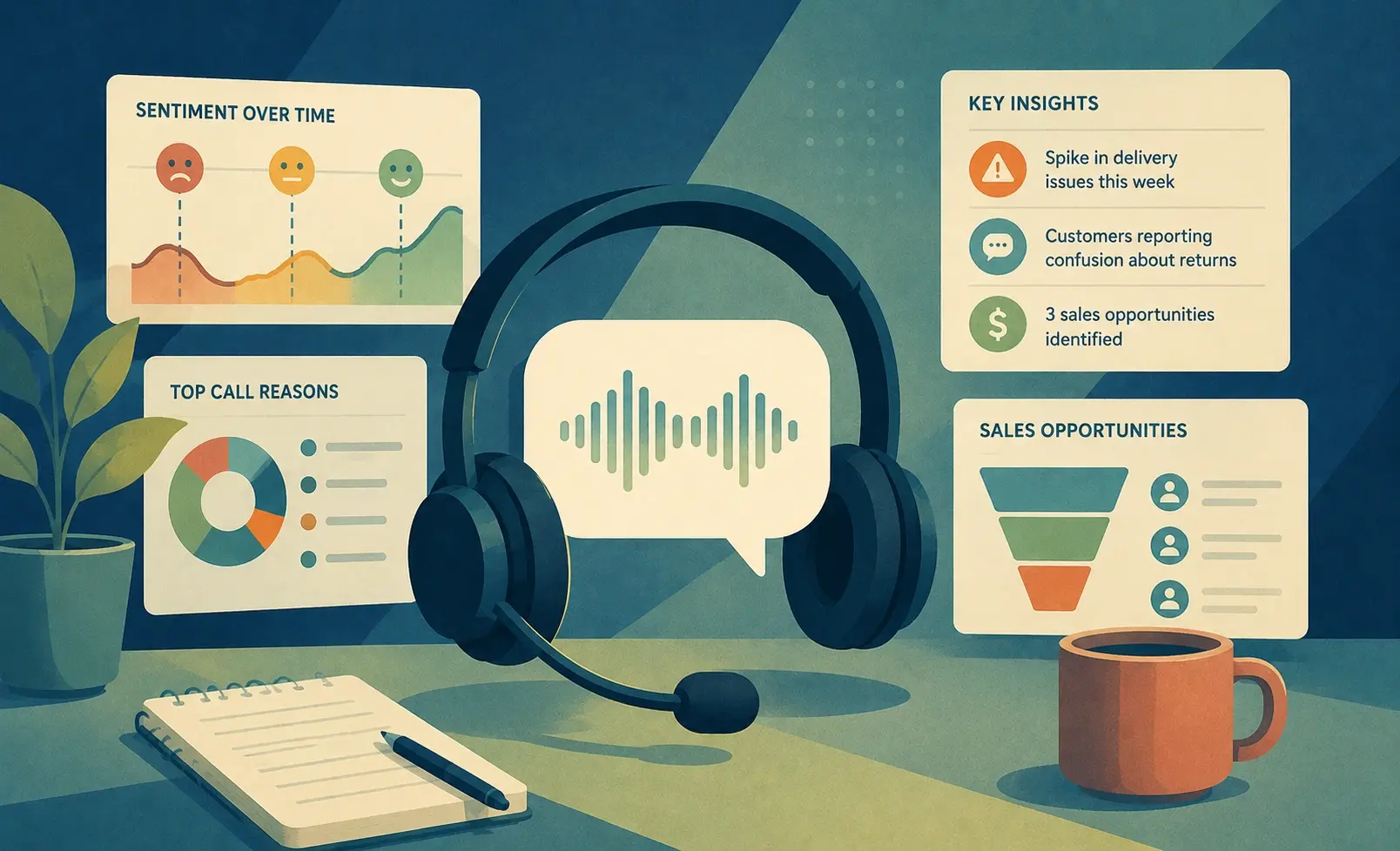
A meaningful Salesforce or HubSpot integration for coaching does at least one of these things: pulls deal and contact context into call review so reviewers can see pipeline stage alongside call scores, writes performance data back to rep records so managers can see coaching history alongside sales activity, or triggers coaching assignments automatically when pipeline velocity drops below a threshold.
Most platforms offer "Salesforce integration" that amounts to contact sync. The platforms worth evaluating are those where CRM data informs coaching workflows and coaching data flows back to CRM records.
Which AI is best for coaching with Salesforce integration?
The answer depends on whether you need coaching driven by CRM pipeline data (Salesforce-first) or coaching driven by call performance data (QA-first). These are different use cases with different primary data sources, and the best platform depends on which drives your coaching decisions.
Top Platforms for Salesforce and HubSpot Coaching Integration
Insight7 integrates with Salesforce and HubSpot for CRM data sync alongside its call analytics and AI coaching modules. The integration pulls contact and deal context into call scorecards, so QA reviewers see pipeline stage and deal value alongside performance scores.
The coaching module generates practice scenarios from actual call data and routes assignments to reps. Managers can see both QA scores and coaching progress in a single view, then write notes back to Salesforce or HubSpot rep records.
The platform also connects to Zoom, Google Meet, Microsoft Teams, RingCentral, and other call infrastructure, so call data flows automatically without manual upload. For teams with high call volumes, this automation matters as much as the CRM sync.
Best for: Teams that want QA scoring, AI coaching, and CRM integration in a single platform.
Gong is a revenue intelligence platform with a native Salesforce integration that writes deal risk signals, call summaries, and next-step recommendations directly to Salesforce opportunity records. Its coaching features include call scorecards, topic tracking, and manager-rep feedback workflows.
The Salesforce integration is deep: Gong reads pipeline data to identify at-risk deals and flags them for coaching intervention. HubSpot integration is available but less comprehensive than the Salesforce connector.
Best for: Sales teams where deal risk detection and pipeline forecasting are the primary use cases, with coaching as a secondary feature.
Salesloft combines sales engagement (sequences, cadences) with call recording and coaching features. Its Salesforce and HubSpot integrations are bidirectional: activity data flows to CRM, and CRM data surfaces in Salesloft workflows.
Coaching features include call recording review, manager feedback, and scorecard templates. The platform does not have AI-generated roleplay scenarios but provides a structured framework for call review and feedback.
Best for: Teams that run high-volume outbound sequences and want coaching integrated into the same platform as their sales engagement workflows.
HubSpot's native Sales Hub includes call recording, basic transcription, and coaching playlists. For teams already on HubSpot, the advantage is zero integration overhead: call data, contact records, and coaching notes all live in the same system.
The coaching features are less advanced than dedicated platforms. There is no AI scoring, no automated scenario generation, and limited cross-rep analytics. But for small teams with simple coaching needs, it removes a tool from the stack.
Best for: Small teams already using HubSpot who want basic call recording and coaching without adding a separate platform.
Chorus provides conversation intelligence with Salesforce integration that writes call summaries, topics, and deal signals to opportunity records. Its coaching features include call playlists, manager annotation, and topic-based filtering to find specific types of calls for review.
Best for: Teams that want call intelligence and Salesforce pipeline enrichment, with basic coaching workflows.
If/Then Decision Framework
If your coaching program is driven primarily by QA scores on call content, then Insight7 provides the most complete workflow: automated scoring, scenario generation, and CRM sync.
If your coaching decisions are driven primarily by pipeline health and deal risk, then Gong's Salesforce integration is deeper for surfacing at-risk deals that need coaching intervention.
If you run high-volume outbound sequences and want coaching in the same platform as your sales engagement, then Salesloft keeps the workflow consolidated.
If you are a small HubSpot team and do not need AI scoring or advanced roleplay, then HubSpot Sales Hub avoids adding a separate tool.
If you need both CRM enrichment and AI-generated practice scenarios for reps, then Insight7 is the only platform in this list that combines all three: QA, AI roleplay, and CRM integration.
What to Check Before Committing to an Integration
Before selecting a platform, verify three things. First, confirm whether the integration is bidirectional or read-only. A read-only integration that pulls CRM data into the coaching tool is useful but misses the value of writing coaching progress back to rep records.
Second, check whether CRM data is used to trigger coaching workflows automatically or just displayed for context. The platforms that use pipeline signals to assign coaching are fundamentally more powerful than those that just display CRM data alongside call scores.
Third, confirm the call infrastructure connectors match your telephony stack. According to G2's sales coaching category, integration depth is the top-rated factor for enterprise buyers evaluating coaching platforms in 2025-2026.
Can AI integrate with Salesforce for sales coaching?
Yes. The integration typically works in two directions: AI coaching platforms read Salesforce deal and contact data to provide pipeline context during call review, and write performance scores and coaching notes back to Salesforce rep and opportunity records. The depth of this bidirectional sync varies significantly by platform. Insight7 and Gong have the most comprehensive Salesforce connectors among dedicated coaching platforms.
FAQ
Which AI is best for coaching with Salesforce integration?
For QA-driven coaching workflows, Insight7 combines automated call scoring, AI roleplay scenarios, and bidirectional Salesforce and HubSpot sync. For pipeline-driven coaching where deal risk detection is the primary signal, Gong's Salesforce integration reads opportunity data to surface coaching needs automatically.
How can AI be used in coaching with CRM data?
AI can use CRM data in coaching in three ways: providing pipeline context during call review (showing deal value and stage alongside QA scores), identifying which reps need coaching based on pipeline velocity drops, and writing coaching progress notes back to rep records so managers see a complete performance picture in one place.
The right coaching integration is one where CRM data and call performance data inform each other, not just coexist in different systems. Insight7 connects call QA, AI coaching, and CRM sync so coaching decisions are grounded in both call quality and business outcomes.