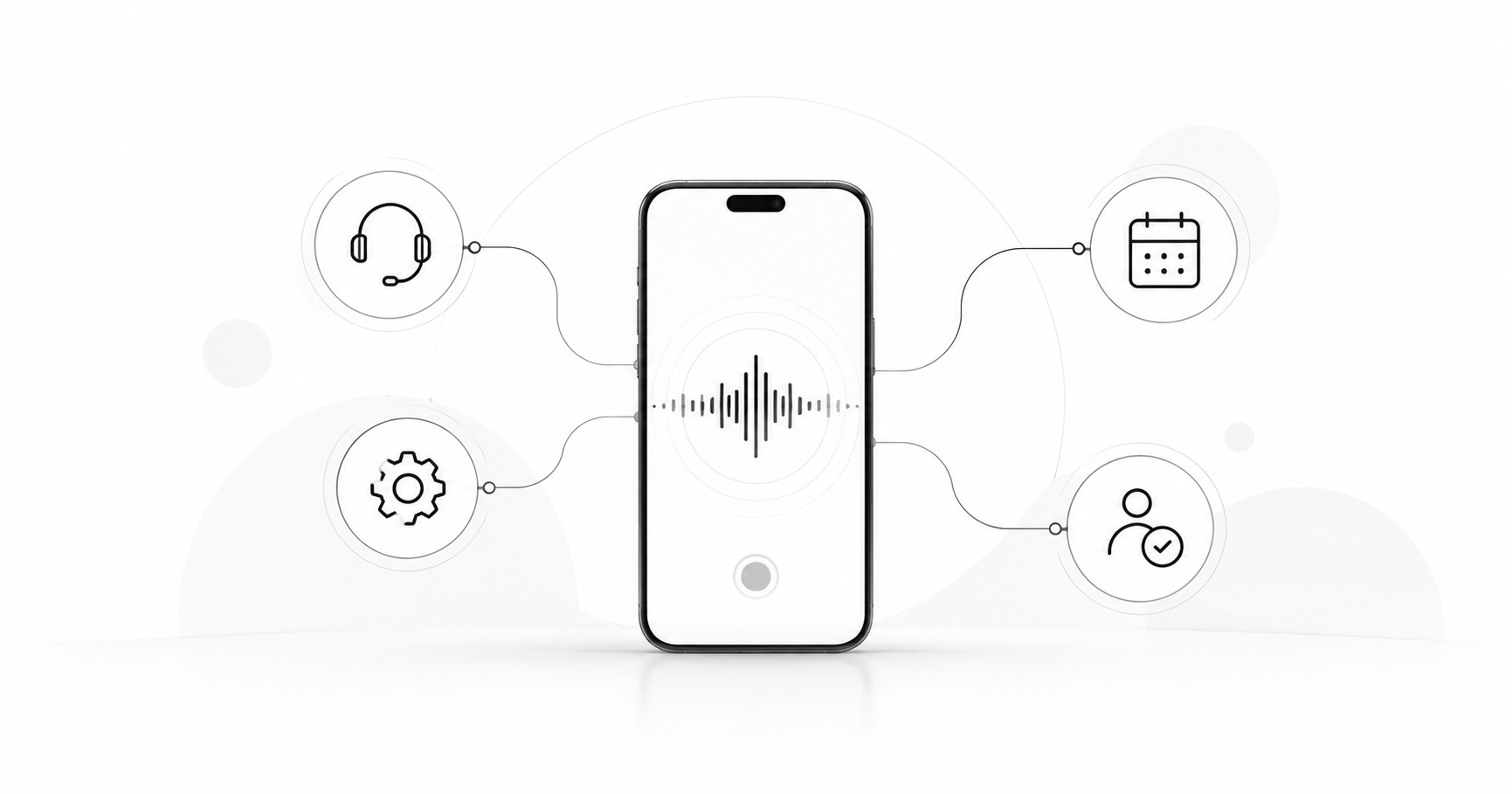

Contact center intelligence shows you what customers say on every call, not just the few a manager hears. It turns those conversations into scores, themes and alerts. Here is how it works, where leaders use it, and what to look for in a platform.
Contact center intelligence is every call, understood
Contact center intelligence is software that transcribes every customer conversation and scores it against your standards. It then groups what customers say into themes, risks and coaching needs. Analytics reports volumes and handle time. Intelligence reads the words behind those numbers.
A dashboard can tell a CX lead that handle time rose. It cannot tell her why customers keep calling back. That answer sits in the conversations. Call it the hidden customer truth: the complaint, the confusion or the missed step that never becomes a ticket field.
Manual QA widens the gap. Traditional review samples only 2 to 5% of calls. In Insight7's insurance sales report, manual QA teams review under 2% of interactions. That is why one gap stayed unseen: top agents closed 65% of calls and bottom agents closed 0% under identical conditions.
How contact center intelligence works, step by step
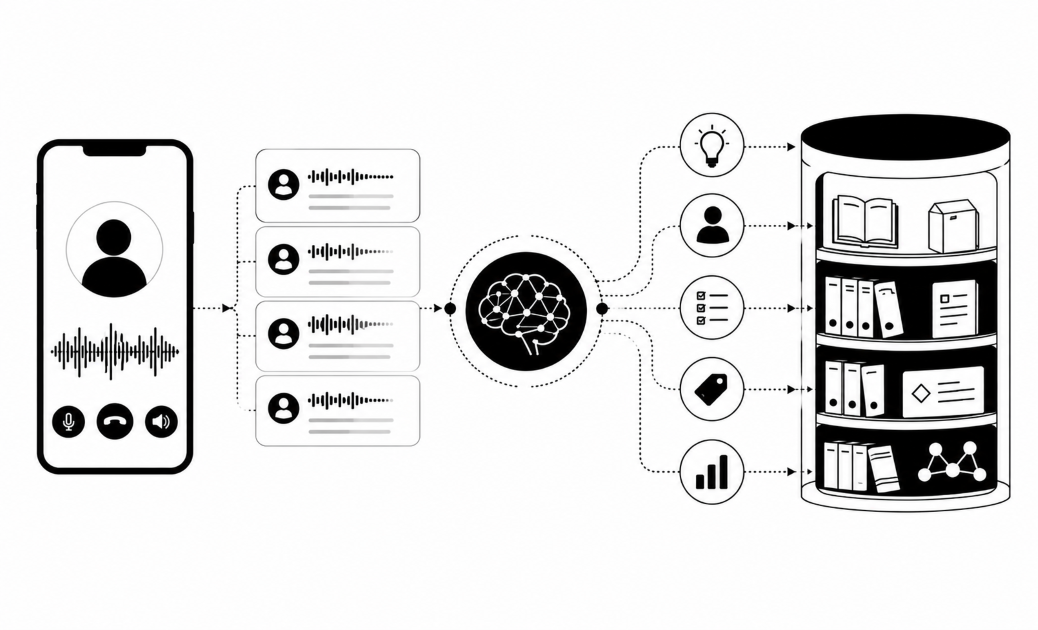
The process is a pipeline. Each stage feeds the next, and a weak stage spoils everything after it.
- Capture and filter the calls. Recordings arrive by upload, Google Drive or Zoom. Connectors also cover Teams, Google Meet, Dialpad, Aircall, RingCentral, Talkdesk and Five9. Voicemail, one-sided, hold, internal and too-short calls can be excluded. Otherwise they drag scores down and bury real conversations.
- Transcribe and separate speakers. Speech-to-text turns audio into words. Diarization then labels who said what. Accents and background noise are common causes of errors here. A mislabeled speaker can credit an agent with a customer's words, so test on your own recordings.
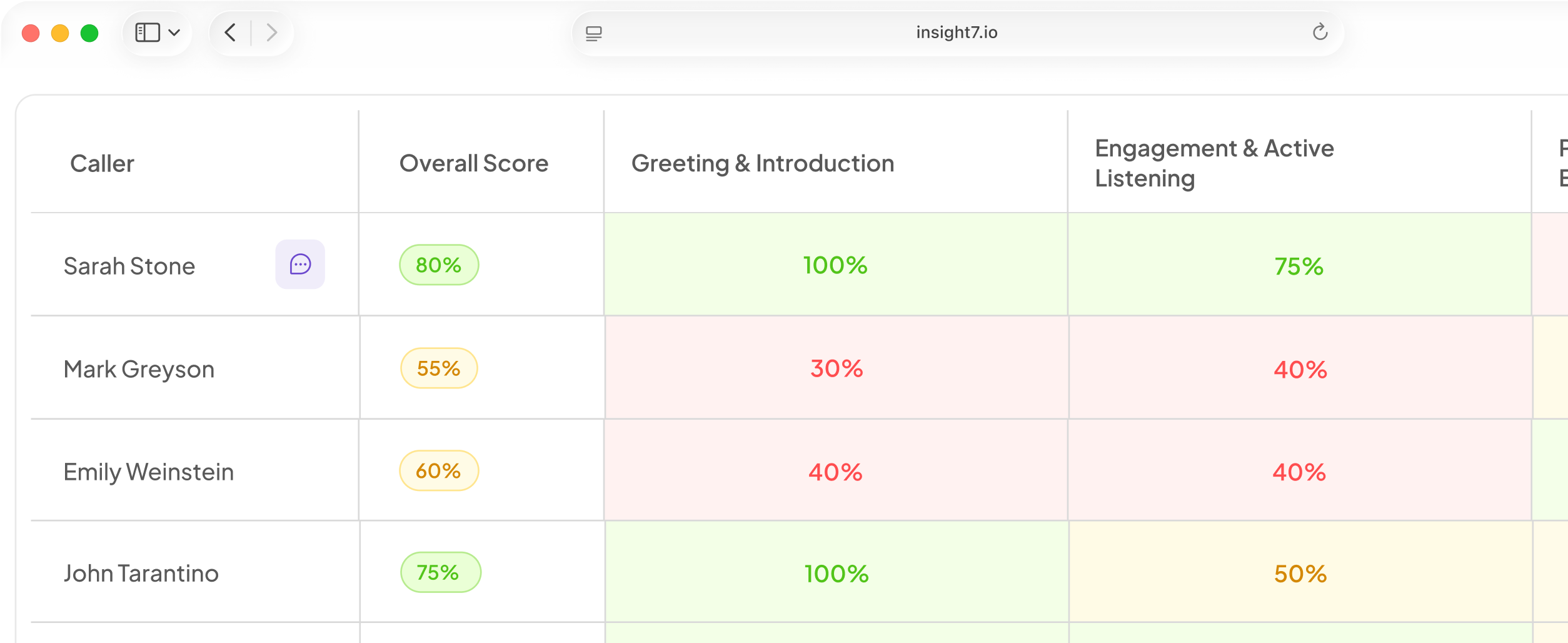
- Score against your scorecard. Every call is scored on a weighted scorecard the team owns. Starter rubrics give a team a first draft to edit.
- Add critical-error rules and context. One critical error should fail the whole call, even when the rest looks perfect. A missed required step in a regulated business is the usual example. Scoring must also read the whole call. A topic covered later, or in different words, must not count as missed.
- Calibrate against humans. Automated scores must match the human auditor. Built-in calibration lets managers review, override and fine-tune AI ratings. Keep a dispute path, so a rep or auditor can challenge a score with the transcript.
- Extract themes and alert. The system groups what customers say across thousands of calls, so repeat complaints and churn signals show up. Alerts can watch keywords and low scores, send a weekly digest of the weakest calls, and notify by email or Slack.
- Roll up and sync. Scores roll up to the person, the project and the organisation. Results can be written back to Salesforce and HubSpot, or exported by API.
A supervisor should only see their own team's calls. Supervisor View, an early-access feature, filters by rep, criterion, date range and best or worst performers.
Why it matters: four uses leaders rely on
Full coverage matters because each team reads a different answer from the same calls. Four uses come up most.
- Quality assurance. Scorecards run on 100% of calls instead of a sample. They check compliance, script adherence, tone and resolution against custom rubrics.
- Compliance monitoring. Every call is scanned for mandatory disclosures, legal disclaimers and data privacy breaches. Alerts reach QA and risk officers at once, and the audit trail helps protect against fines.
- Voice of customer. Thousands of transcripts are grouped to surface churn risk, feature requests, competitor mentions and complaints. Leaders get this without rep bias or filtered reports.
- Coaching. Call data becomes a development plan for each rep. It points to specific moments, such as a weak objection answer, with steps to fix them.
An operations lead might start with compliance, because the risk is clear. A CX lead might start with voice of customer, because complaints are the pain. Pick one use, prove it, then widen.
What to look for in a platform
Judge a platform on five tests. Each one catches a common failure.
- Accuracy on your audio. Run your own recordings, with your accents and noise, through the transcript and speaker labels. Vendor demos use clean audio.
- A scorecard you own. You should be able to import existing rubrics or build custom ones. Weighted criteria and critical-error rules should be yours to edit.
- Calibration and disputes. Managers must be able to review, override and fine-tune AI ratings. A score nobody can challenge will lose the trust of your reps.
- Integrations. Check your telephony, meeting tools and CRM. Ask whether results write back to the CRM or only export.
- Pilot terms. Ask for a short pilot on a small sample, with payment only after a measured lift. Agree the success measure before the pilot starts.
Insight7 is one platform built around these tests. It scores every call on a weighted scorecard the team owns. Its calibration tools let managers override AI ratings, and each evaluation links to a coaching plan. It is rated 4.9 on G2 and used by more than 1,000 businesses.
Limits to know before you buy
A score can hide what matters. QA leaders say a call can be perfect on procedure and still leave the customer angry. Keep a human review path for disputes.
Small volume and siloed data cut the value. If your calls are few or scattered across systems, fix that first.
Measurement is also hard. Gartner analysed 432 AI customer-service use cases. Only a quarter showed positive ROI, and 42% could not be measured. Set the measure before you buy.
Related reading: How to Run NPS and CSAT Surveys by Phone With AI Voice Agents, How to Break Down Customer Insight Silos Across Sales, Support and Field Teams and AI Phone Surveys vs Online Surveys Compared by Response Rate, Cost and Insight Depth.
Questions people also ask
What is the difference between contact center intelligence and speech analytics?
Classic speech analytics searches recordings for keywords. Intelligence scores whole calls, groups themes and links each weak result to a coaching plan.
What is conversation intelligence, and is it the same thing?
They are close cousins. Conversation intelligence began with sales calls and meetings. Contact center intelligence applies the same analysis to service queues, where QA scorecards, compliance rules and complaint themes sit at the centre.
What is quality assurance in a call center?
It is reviewing calls against a standard, such as compliance, script adherence, tone and resolution. By hand, it reaches only a few calls. Automated QA applies the same scorecard to every call.
What does a call center analytics dashboard show?
A basic dashboard shows volumes, wait times, abandonment and handle time. An intelligence dashboard adds scores by criterion and trends in sentiment and pain points across thousands of calls.
Can I try contact center intelligence for free first?
Yes. The Call Quality Monitor takes audio or transcripts and returns automated scorecards against quality standards. It suits a first test on a handful of your own calls.
Who besides QA teams uses it?
Leadership uses it for churn signals and operational risk across teams or regions. Product and research teams search transcripts for pain points and unprompted competitor comparisons.
How big should a pilot be?
Keep it small: one team, one scorecard, one sample of calls. Banks ask for this and pay only after a measured lift. Write down the target number before the first call is scored.
Your calls already hold the answer
Insight7 scores every call against your own scorecard and links each result to coaching. Before your next meeting, ask: which customer problem would we find first if we could hear every call?