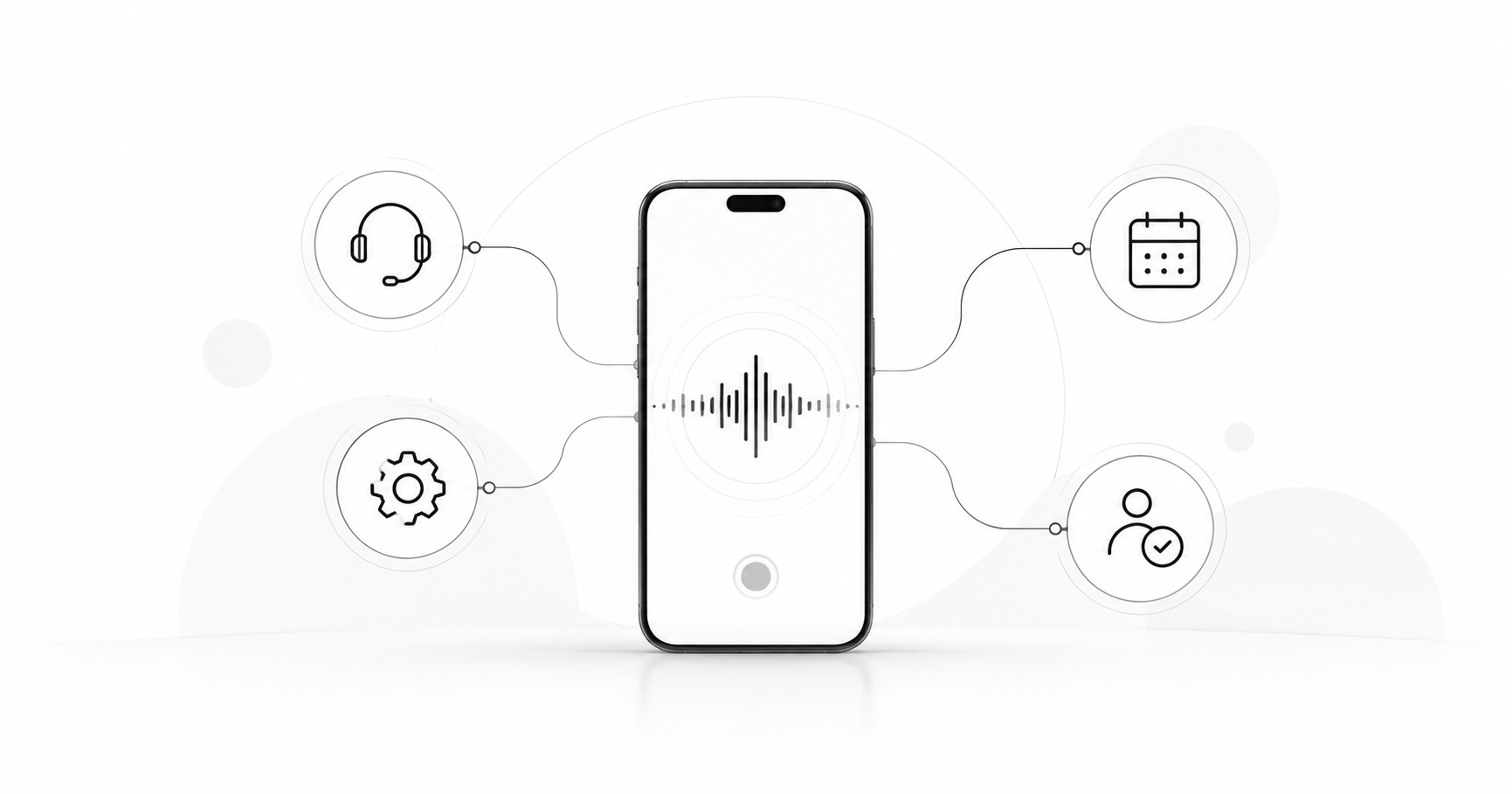

An AI call center agent is software that holds a spoken phone conversation, understands the caller, looks things up and acts, on inbound and outbound calls. It now handles the whole routine call, not just a menu or a script.
What an AI call center agent is
An AI call center agent is software that answers or places a phone call, listens, and replies in natural speech. It understands what the caller wants, looks up the account or the answer, and takes the next step, such as booking a payment, updating a record or passing the call to a person.
Three older tools sound similar but work differently.
- An IVR menu asks callers to press keys. It follows a fixed tree, so any request outside the tree fails.
- A chatbot works in text. It can use the same language model, but it does not handle voice, interruptions or accents.
- A human agent handles any call, but works set hours and costs more for each routine call.
The agent sits between these. It talks like a person on routine calls and runs at any hour. An agent that reads your approved articles gives answers you can check. An agent that guesses does not.
How one call moves through the agent
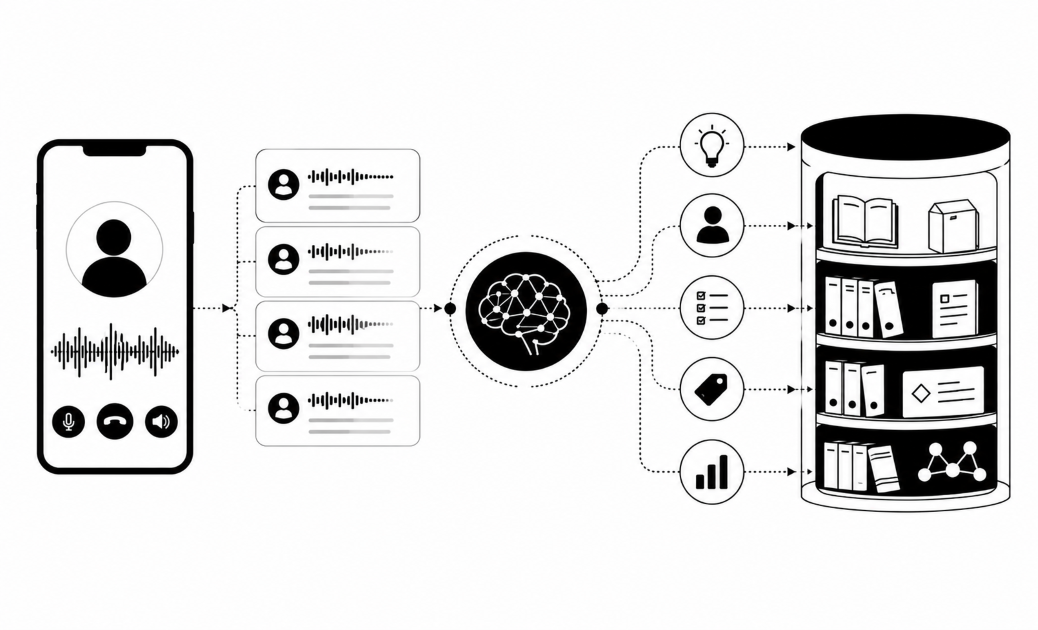
An AI call center agent passes each call through five steps, and each step happens in a fraction of a second.
- Telephony. A phone number or SIP line links the carrier to the agent. It picks up inbound calls and dials outbound ones. Buyers ask how the agent fits with their call platform, recordings and live-agent handoff.
- Speech to text. The caller's voice becomes text as they talk. Accents and line noise cause errors here, and every later step inherits them.
- Language model with business context. The model works out what the caller wants and drafts the reply.
- Tools. The agent looks up the account in the CRM, checks a balance or books a slot. It then writes the outcome back.
- Text to speech. The reply is spoken in the voice you chose.
Speed matters because the steps add up. A long pause feels like a dead line, and callers start talking over it. The agent must also stop speaking when the caller interrupts.
Context decides answer quality. Knowledge articles, internal docs, FAQs and business rules are what the agent draws on. On inbound calls this matters most, because callers can ask anything. Give your QA lead one job: keep those articles current.
Escalation needs rules before launch. You can list topics the agent must never handle, and it then passes those calls to a person. If your phone system cannot transfer a live call, the agent can end the call and give a human a summary, so the human calls back.
A human route is not optional. A Gartner survey of 3,566 customers found that 87% say a company using GenAI for service must offer a way to reach a human. For a service lead, that makes the handoff a design requirement.
Test before real callers hear it. Talk to the agent in a browser or on your own phone, with hard cases, before any customer does.
Inbound and outbound calls need different setups
Inbound and outbound agents share one engine, but they need different preparation.
Inbound means the agent answers a number, works out who is calling and what they need, and acts. Callback requests can go to a queue. The same setup can take overflow when a campaign floods your lines, and it can answer after hours without a night shift. Inbound callers can ask anything, so it needs deep CRM and knowledge base integration.
Outbound means you decide who gets called and why. You set a goal, an audience, calling hours, retry rules, consent marking and a do-not-contact list. Common types are customer survey, lead follow-up, cold outreach and win-back.
Our advice is to start with outbound. It needs less integration, and much inbound volume exists because companies never send proactive updates.
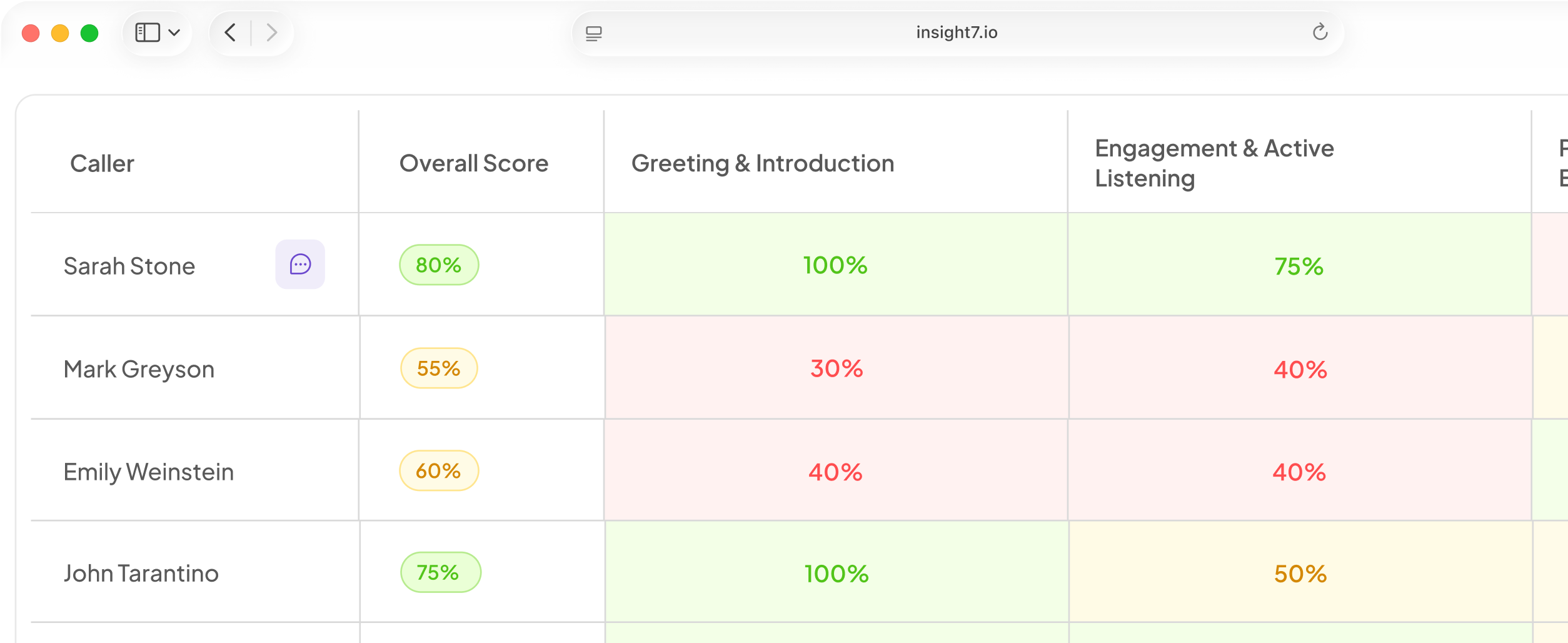
Insight7's AI voice and chat agents run across phone and web. They answer inquiries, qualify inbound leads and route calls, grounded in the company knowledge base, 24/7, so human agents can focus on complex, high-touch issues. Its Voice campaigns are in beta. An inbound line is a number people ring, answered by the AI agent, which can look the caller up, and callback requests go to a queue. In outbound campaigns, managers set a goal, an audience, the AI caller and the rules, and each call is held as a real conversation and scored when it ends. A campaign has a type, consent marking, calling hours, retry rules and a do-not-call list. You can test a campaign's agent by talking to it in the browser, with no phone number needed. Calls where only the AI spoke are not counted as reached.
Outbound use cases by sector:
- Lending and fintech: KYC completion, and re-engaging people who signed up but never funded. Payment reminders and early delinquency calls also fit here.
- Operations and utilities: outage and incident calls, check-ins and satisfaction surveys before a complaint arrives.
- Subscriptions: renewal outreach and win-back calls.
Where AI call center agents fall short
An AI call center agent is weakest on calls that are unusual, emotional or risky. Know these limits before you buy.
- Speech errors. Heavy accents, background noise and crosstalk cause mistakes in transcription. A wrong word early in the call can send the whole call down the wrong path.
- Wrong answers. Without current, approved knowledge, a language model can give a confident but false answer. Thin or stale articles make this worse.
- Sensitive and disputed calls. Complaints, bereavement, fraud and billing disputes need judgement and empathy. Route these to a person by rule.
- Customer distrust. Regulated buyers, banks first, name the risk of an agent that "goes rogue" or makes a public mistake as their main blocker. Buyers also fear AI that sounds scripted or robotic.
- Unproven return. Results vary, so measure them (see the cost section below).
Plan for each one. Set guardrails, keep the knowledge base current, read transcripts, and make the human handoff polite and fast.
What an AI agent costs against people
Ask every vendor for a price range in writing. Buyers who don't get one early get frustrated, and they can't compare vendors or brief their own teams. Ask whether the price is per minute, per completed call, a platform fee or per seat. Then add the cost lines people forget: telephony, CRM integration, QA review and the human fallback.
Compare cost per resolved call on both sides:
- People: monthly salaries, call credit and overhead, divided by calls resolved.
- AI agent: every monthly cost above, divided by calls completed.
Count only calls that reached a person, not calls where only the AI spoke. Your champion also needs a case they can carry upstairs, so set the AI cost against your own cost to serve a customer.
Buy through a small pilot. Banks want a short, low-risk test on a small sample, with payment only after a measured lift.
Fix the metric before the pilot starts. In a Gartner analysis of 432 AI service use cases, only a quarter showed positive ROI and 42% could not be measured.
Check seat minimums too. Insight7's 2026 market map of 18 vendors found that, for conversation-intelligence point tools, entry prices and minimum seats, often $60K or more, lock smaller teams out. That figure does not price AI voice agents, but it shows why you should ask about minimums early.
Related reading: AI Voice Agent Implementation Timeline With a Week-by-Week Plan From Demo to Launch, AI Voice Agent Pricing Guide With Per-Minute Cost Breakdowns and Hidden Fees to Watch For and Outbound Call Center Pricing Explained With Per-Hour and Per-Call Models Compared to AI Voice Agent Costs.
Questions people also ask
What is an AI call center agent?
It is software that talks with callers by phone. It listens, understands the request, checks your systems and acts. It can book a payment, answer a policy question or route the call, inbound or outbound.
Can AI replace call center agents?
It replaces routine, well-defined calls, not the whole team. Disputes, sensitive issues and unusual requests still need a person. Plan for fewer repetitive calls per human agent, not zero humans.
How does an AI agent handle inbound calls?
It answers the number, identifies the caller from your CRM and replies from approved knowledge. If it can't answer, it should say so, then hand off to a person with a summary or queue a callback.
Can an AI call center agent make outbound calls?
Yes. You set a goal, an audience, calling hours and retries, then it dials the list. Good setups also mark consent and keep a do-not-contact list so the agent skips people who opted out.
How much does an AI call center agent cost?
It depends on the model: per minute, per completed call, platform fee or seats. Ask for a written range, then add telephony, integration, QA and human fallback. A small pilot gives you your own number.
Does an AI agent have to say it is AI?
In some regions, yes. EU AI Act Article 50 has applied since 2 August 2026. Colorado requires disclosure from 1 January 2027. In the US, the FCC's 2024 ruling means AI-voice calls need TCPA consent.
How do you test an AI call center agent before going live?
Talk to it yourself with hard cases: heavy accents, interruptions, off-script questions and requests for a human. Use a browser test or a test call to your own phone, with no customers involved. Then read the transcripts.
Start with one routine call type
An AI call center agent earns its place on routine, well-defined calls. Everything else needs a human. This week, write down your cost per resolved call, then pick one outbound call type for a small pilot.