


Key Takeaways
- Over 95% of Nigeria’s digital population uses WhatsApp daily, making it the default channel customers reach for before email or a phone call.
- The biggest operational risk is losing conversation context the moment a customer moves from WhatsApp to a phone call, forcing them to repeat themselves to a new agent.
- Logging WhatsApp interactions alongside call history requires a platform built to unify both, not two separate systems a team checks manually.
- Insight7’s AI Voice & Chat Agents pass full conversation history to a human agent when a handoff happens.
Why WhatsApp Matters for Customer Service in Nigeria
WhatsApp is where Nigerian customers already are, with adoption above 95% of the country’s digital population. Yet some support teams still treat it like a side channel though, disconnected from the systems that log phone calls and ticket history.
The result is customers repeating themselves, agents starting from zero, and managers with no single view of a conversation that spans two channels. This guide covers how to connect WhatsApp and voice properly, log both against one customer record, and choose tools built for that job specifically.
Can Agents See a Customer’s Past WhatsApp Conversations Automatically
This depends entirely on whether WhatsApp is connected to the same system that holds a customer’s other interaction history, or sitting in a separate app the agent has to check manually.
Most WhatsApp Business API setups on their own don’t automatically surface prior conversations to a new agent picking up a call. That connection has to be built, usually by routing WhatsApp through a platform that also handles voice and keeps one record per customer rather than one record per channel.
Insight7’s AI Voice & Chat Agents is built around exactly this problem.
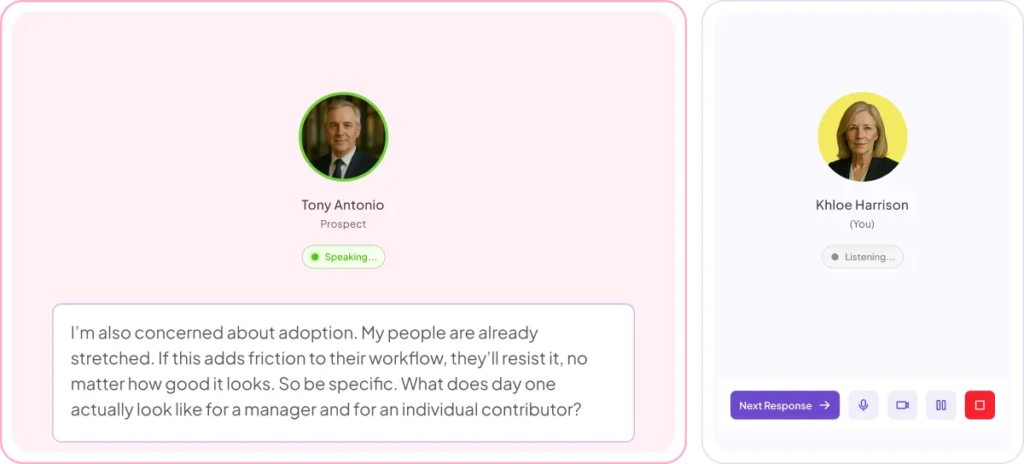
Agents deploy once and the same system covers phone, website chat, WhatsApp, and SMS, so a conversation that started on WhatsApp is already part of the customer’s record before a call ever happens.
How Nigerian Businesses Lose Context When a Customer Switches from WhatsApp to a Call
Say a customer messages a telecom provider on WhatsApp about airtime that never landed but nobody responds for an hour. Frustrated, the customer calls the support line instead, and the agent who picks up has no idea a WhatsApp conversation ever happened.
The customer explains the whole problem again, this time out loud, to someone starting from zero.
Situations like that happen because many support setups run WhatsApp and voice through separate systems with no shared record between them. A support platform built for phone calls treats WhatsApp as somebody else’s problem. The customer ends up the only one holding the full picture, and they shouldn’t have to be.
Our Call Analytics Index found that top-performing customer service reps score markedly higher on empathy and rapport than average reps, in large part because they demonstrate they already understand a customer’s situation rather than making the customer re-explain it.
A rep who opens a call already knowing what a customer typed on WhatsApp twenty minutes earlier starts that conversation with exactly the advantage the data points to.
For seamless context transfer across channels, your platform must satisfy three structural requirements:
- One customer identifier across channels: A phone number or account ID needs to tie a WhatsApp thread to a call record, so the two don’t live as separate, unlinked entries.
- Searchable transcripts, not just call logs: A manager investigating a complaint needs to read what was said on WhatsApp and hear what was said on the call, ideally from the same screen.
- Timestamps that show the full sequence. Knowing that a WhatsApp message came in at 2:04pm and the call started at 2:41pm tells a reviewer whether the agent had time to read the earlier conversation before picking up.
Legacy ticketing systems like Zendesk and Freshdesk attempt to solve this by consolidating WhatsApp and phone calls into a single ticket inbox. While this helps agents read past messages, these platforms serve primarily as routing hubs.
They lack native tools to score call quality, audit context usage, or generate AI coaching workflows.
Similarly, budget communications platforms like 3CX combine voice and WhatsApp into one app, but reserve critical features like call recording, CRM sync, and deep analytics behind higher enterprise tiers.
Compare this to a conversation intelligence platform like Insight7 that transcribes and scores calls in over 60 languages, connects to dialers, contact center platforms, and CRMs.
This ensures a WhatsApp conversation and a follow-up call can sit against the same customer record rather than two disconnected logs.
“I would spend days getting recordings transcribed… Now I just upload them into Insight7 and all that work is done for me in minutes.”
Kevin Smith, Partner, Riggs Partners
How to Avoid Losing WhatsApp Conversation Context
Here are a few practical steps that reduce how often context gets lost between WhatsApp and voice, regardless of which platform you use:
Route WhatsApp Through the Same System as Voice, Not a Separate App
If WhatsApp Business runs on a phone in someone’s hand while calls go through a completely separate contact center tool, context loss is close to guaranteed. Connecting both to one platform is the single change that fixes the most cases.
Require Agents to Check Prior Conversation History Before Responding
Even with the right system in place, an agent still needs to open the customer’s history before typing a reply or picking up. Building this into a quick, mandatory step in the workflow catches cases the technology alone won’t.
Score Conversations for Whether Context Was Used, Not Just Whether the Issue Was Resolved
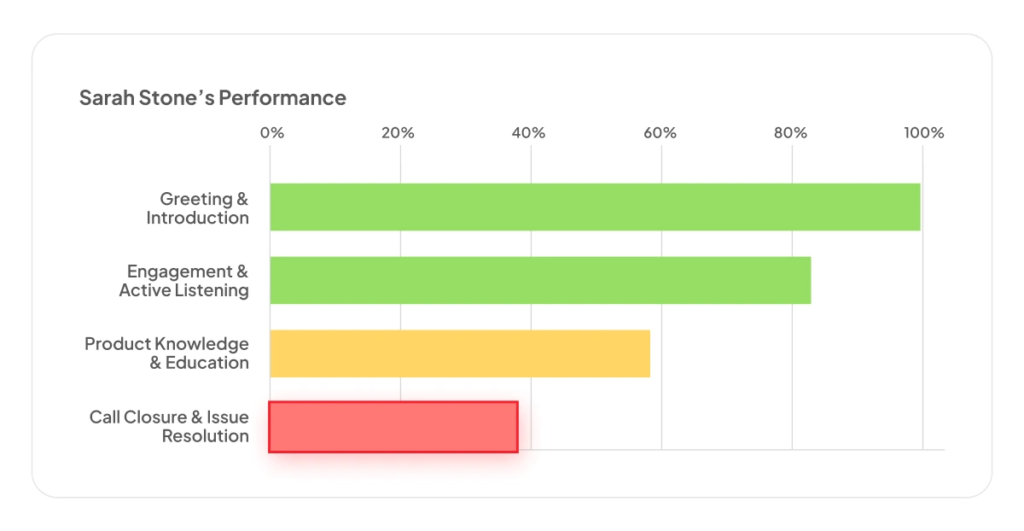
A support interaction can end in resolution while still forcing the customer to repeat information available in an earlier message. Insight7’s scoring rubrics can be built to flag exactly this, checking whether an agent referenced prior context rather than only whether the ticket closed.
Review Multilingual Conversations With the Same Rigor as English Ones
A WhatsApp thread in Pidgin followed by a call in English needs the same context transfer as a conversation that stays in one language throughout. Confirm any platform transcribes and scores the languages your customers use, since coverage varies widely between vendors.
Bring WhatsApp and Voice Together with Insight7
Nigerian customers already default to WhatsApp. The gap is in making sure whatever they say there reaches the agent who eventually picks up the phone, without the customer having to say it twice.
Insight7’s AI Voice & Chat Agents unify phone, WhatsApp, SMS, and web chat within a single intelligence engine. Every interaction is tied to a central record, allowing human and AI agents to pick up right where the last message left off.
Paired with automated AI call scoring, managers gain full visibility into cross-channel performance without manual auditing.
Analyze your customer conversations with Insight7 for free to see how simple unified chat and voice intelligence can be.
FAQs About WhatsApp for Customer Service
Can agents see a customer’s past WhatsApp conversations automatically?
Only if WhatsApp is connected to the same system holding other interaction history. Insight7’s AI Voice & Chat Agents build phone, WhatsApp, SMS, and chat into one deployment, so agent handoffs include full conversation history by default.
What’s the best way to log WhatsApp interactions with call history?
Both channels need to write to one customer record using a shared identifier like a phone number, with searchable transcripts and timestamps showing the full sequence of contact.
Do WhatsApp and voice support tools need to be the same platform?
Not strictly, but the fewer systems involved, the less context gets lost between them. Some teams pair a ticketing tool like Zendesk or Freshdesk for WhatsApp routing with a scoring platform like Insight7 for coaching and quality review.
How do I avoid losing context when a customer switches from WhatsApp to a call?
Route both channels through one system, require agents to check prior history before responding, and score conversations for whether context was used, not just whether the issue got resolved.








