Training teams and L&D managers need consumer insights platforms that do more than report data. They need systems that make customer intelligence accessible to frontline trainers, enabling better coaching scenarios and more relevant training content. The seven platforms below are evaluated specifically on that use case: surfacing consumer insights in a form that training teams can act on.
How Consumer Insights Platforms Support Training Programs
Consumer insights platforms are typically built for market researchers and product teams. Their value for training programs comes from a different angle: the same behavioral patterns that explain customer decisions also explain what agents need to learn, practice, and improve.
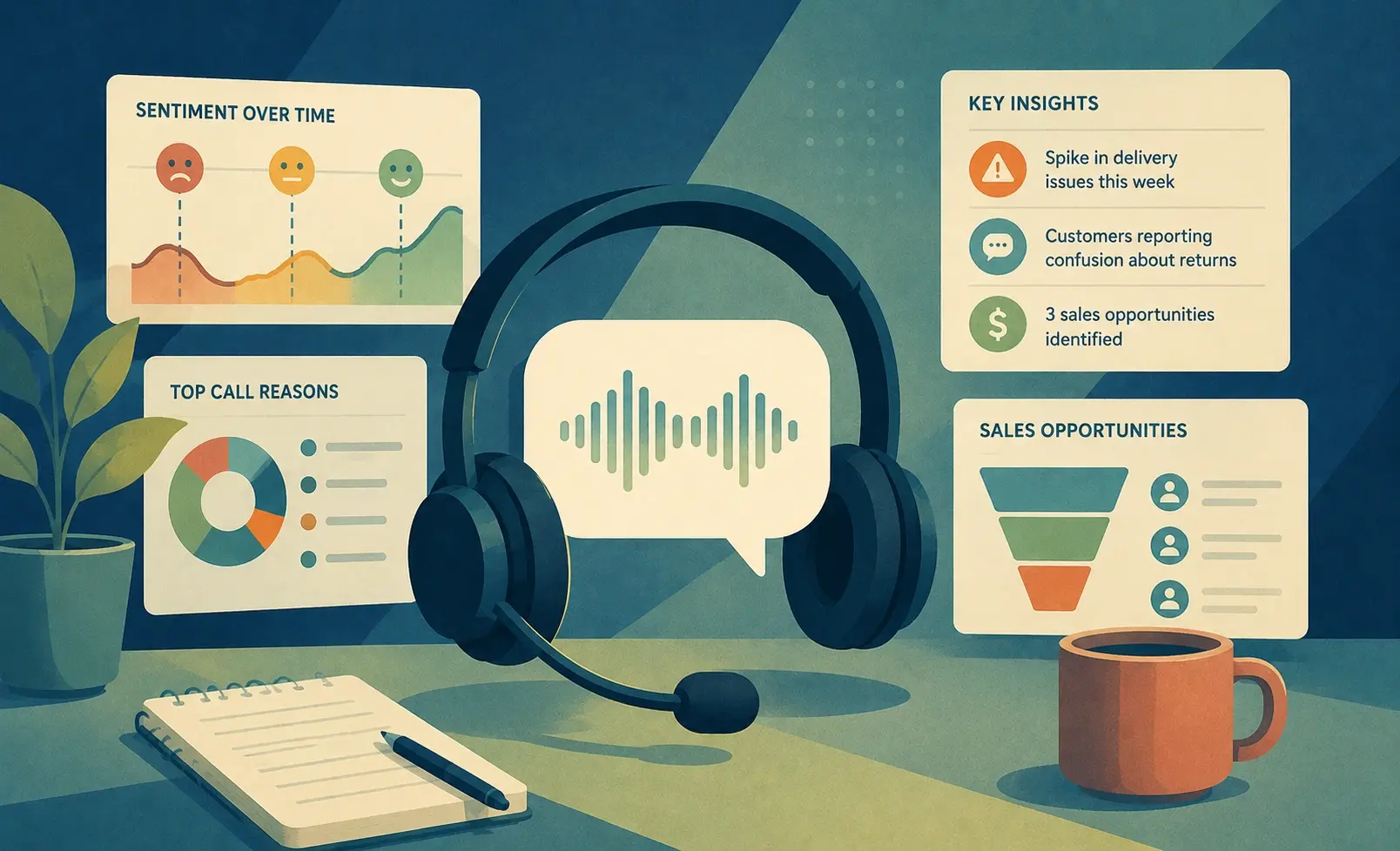
When a speech analytics platform identifies that 35% of calls end in the customer expressing confusion about billing, that is not just a product feedback signal. It is a training signal: agents need practice addressing billing confusion before it becomes a frustration point. Insight7's voice-of-customer capabilities surface these patterns from call data, making them accessible to training teams who can build scenarios from them.
The most valuable consumer insights platforms for training share three characteristics: they capture data from actual customer interactions rather than surveys only, they aggregate patterns across large call or interaction volumes, and they connect those patterns to actionable outputs that training teams can use.
Which tool is most effective in gathering customer insights?
The most effective tools for gathering customer insights in a training context are those that capture data from real customer interactions, not just structured survey responses. Conversation analytics platforms like Insight7 analyze call and chat transcripts to surface what customers actually say and feel, which generates more actionable training signals than post-interaction surveys.
7 Consumer Insights Platforms for Training Teams
1. Insight7 analyzes customer conversations at scale to extract behavioral patterns, recurring objections, sentiment trends, and product feedback. For training teams, the most useful output is the behavioral correlation data: which agent behaviors precede positive versus negative customer outcomes. Scenarios can be built directly from real call data, making practice situations immediately relevant to the interactions agents actually handle. Processing runs in minutes for a 2-hour call.
Best suited for: Customer-facing teams that generate high call or chat volume and need training scenarios built from actual customer interaction data.
2. Qualtrics XM combines structured survey data with behavioral analytics to generate customer journey maps and experience insights. For training programs, it provides a structured view of where in the customer journey satisfaction breaks down, pointing to the interaction points where agent training has the most impact.
Best suited for: Organizations with formal VoC programs that want to connect survey-based satisfaction data to training priorities.
3. Medallia captures feedback from multiple channels including calls, digital interactions, and surveys, then surfaces signal patterns for operations teams. Its strength in contact center contexts is the ability to connect customer feedback data to agent performance analytics, making it a natural bridge between VoC insights and coaching priorities.
Best suited for: Large contact centers that already use enterprise feedback management and want to connect VoC data to agent development programs.
4. Hotjar provides behavioral analytics for digital customer journeys through heatmaps, session recordings, and feedback polls. For training programs supporting digital sales or support teams, it surfaces the specific friction points customers encounter in digital interactions, informing both product improvements and agent training scenarios.
Best suited for: Training programs for teams supporting digital customer journeys where the friction points are in the digital interface rather than the conversation.
5. UserTesting captures real-time human feedback on products, services, and experiences through recorded user sessions. For training teams developing scenario content, it provides direct access to customer language and reactions to specific product or service situations.
Best suited for: Product teams and L&D teams developing onboarding and scenario content for new product launches or significant process changes.
6. SurveyMonkey Enterprise provides scalable survey distribution with analytics for aggregating structured feedback. For training programs, it supports pre- and post-training assessment at scale and participant feedback collection from training workshops.
Best suited for: Organizations that need scalable structured feedback collection for training evaluation rather than operational customer intelligence.
7. Brandwatch monitors social media and online conversations for brand mentions, sentiment patterns, and emerging customer issues. For training teams, it provides an early signal of emerging customer concerns before they reach the contact center at high volume, enabling proactive training content updates.
Best suited for: Brand-forward organizations where social sentiment and emerging issues need to reach training teams before they become contact center escalations.
If/Then Decision Framework
If your training content needs to reflect actual customer language patterns and behavioral signals from real interactions, then a conversation analytics platform like Insight7 provides the most direct signal.
If your organization already has a mature VoC program built on surveys, then connecting that existing data stream to training content development through Qualtrics or Medallia builds on existing infrastructure.
If your team supports digital customer journeys where friction points are in the interface rather than the conversation, then behavioral analytics platforms like Hotjar provide insights that conversation analytics cannot.
If you need to evaluate training effectiveness through structured participant feedback at scale, then survey platforms like SurveyMonkey Enterprise are the right layer.
FAQ
What is a consumer insights platform?
A consumer insights platform aggregates and analyzes customer data from multiple sources to generate patterns that organizations can act on. For training teams, the most valuable consumer insights platforms are those that capture behavioral data from actual customer interactions and surface patterns that point to training priorities.
What methods can be used to gather consumer insights?
Consumer insights gathering methods include post-interaction surveys, conversation analytics from calls and chats, behavioral analytics from digital interactions, social media monitoring, and user testing sessions. For training program development, conversation analytics and behavioral correlation data from Insight7 provide the most directly actionable signal because they connect customer outcomes to specific agent behaviors.
Insight7's consumer insights capabilities help training teams build scenarios and coaching priorities from actual customer interaction data.