
How To Prioritize Features In Product Research As A Product Manager
In the dynamic landscape of product management, the ability to prioritize features effectively during the product research process is paramount. Product Managers are often faced with a deluge of potential features, each vying for a spot in the development roadmap. The challenge lies in discerning which features will drive the most value for users and align with the strategic goals of the organization. This process is not just about intuition; it requires a methodical approach underpinned by customer insights, market analysis, and the strategic use of AI tools. Understanding the Customer The foundation of any successful product lies in its ability to solve real problems for real people. As a Product Manager, your first step is to deeply understand your customers. This involves analyzing customer interviews, surveys, and feedback to uncover pain points, desires, and usage patterns. AI tools can significantly streamline this process by extracting themes and sentiments from large volumes of data, providing a clearer picture of customer needs and expectations. Leveraging AI for Product Development AI has revolutionized the way Product Managers approach the feature prioritization process. Tools like thematic analysis can sift through qualitative data to identify recurring themes that are crucial for product development. AI-powered research tools can also help in creating detailed user personas, which serve as valuable references when deciding which features will resonate most with your target audience. AI can also be instrumental in crafting a product roadmap. By analyzing customer insights, AI can forecast trends and highlight opportunities that may not be immediately apparent. This foresight allows Product Managers to plan features that will keep the product relevant and competitive in the long term. Aligning Features with Business Goals While customer needs are vital, they must be balanced with the business objectives. Every feature should be evaluated not only on its potential user impact but also on how it aligns with the company’s strategic direction. AI tools can aid in this analysis by providing data-driven predictions on the potential market success and return on investment for each feature. Decision-Making with AI AI can improve decision-making by providing a more nuanced understanding of customer data. It can identify patterns and insights that might be missed by human analysis alone, leading to more informed and strategic feature prioritization. AI tools for customer insights and decision-making are becoming increasingly sophisticated, offering Product Managers an edge in the highly competitive B2B space. Conclusion In conclusion, prioritizing product features is a complex task that requires a blend of customer insight, strategic thinking, and technological support. Furthermore, by leveraging AI tools and adhering to the principles, Product Managers can make informed decisions that align with both user needs and business goals. Finally, as AI continues to evolve, it will play an even greater role in shaping the future of product development and feature prioritization.
Best AI Tools for B2B Customer Research Discovery

[vc_row type=”in_container” full_screen_row_position=”middle” column_margin=”default” column_direction=”default” column_direction_tablet=”default” column_direction_phone=”default” scene_position=”center” text_color=”dark” text_align=”left” row_border_radius=”none” row_border_radius_applies=”bg” overflow=”visible” overlay_strength=”0.3″ gradient_direction=”left_to_right” shape_divider_position=”bottom” bg_image_animation=”none”][vc_column column_padding=”no-extra-padding” column_padding_tablet=”inherit” column_padding_phone=”inherit” column_padding_position=”all” column_element_direction_desktop=”default” column_element_spacing=”default” desktop_text_alignment=”default” tablet_text_alignment=”default” phone_text_alignment=”default” background_color_opacity=”1″ background_hover_color_opacity=”1″ column_backdrop_filter=”none” column_shadow=”none” column_border_radius=”none” column_link_target=”_self” column_position=”default” gradient_direction=”left_to_right” overlay_strength=”0.3″ width=”1/1″ tablet_width_inherit=”default” animation_type=”default” bg_image_animation=”none” border_type=”simple” column_border_width=”none” column_border_style=”solid”][vc_column_text]In the rapidly evolving digital landscape, understanding customers’ needs and preferences is paramount for businesses aiming to stay ahead of the curve. The advent of artificial intelligence (AI) has revolutionized customer research by offering tools that provide deeper insights into customer behavior and sentiment. As organizations strive to harness the potential of AI to enhance their customer research efforts, one must consider the best tools available that align with the principles of E-E-A-T (Experience, Expertise, Authoritativeness, Trustworthiness). This write-up delves into the top AI tools for customer research, highlighting their capabilities and how they cater to the needs of modern businesses seeking to make data-driven decisions and foster meaningful customer relationships. Understanding the Customer: The AI Advantage The essence of customer research lies in the ability to gather and analyze data that reflects the real needs, pain points, and desires of the target audience. AI tools have transformed this aspect of business intelligence by automating the collection and interpretation of vast amounts of data, providing actionable insights that would otherwise be unattainable through traditional methods. AI-powered customer research tools can join virtual meetings, analyze conversations, and extract key insights, allowing product teams to see the evidence behind customer feedback and make informed decisions. One of the primary benefits of using AI for customer research is the accuracy and speed with which it can process information. High-quality transcription services, for instance, boast up to 99% accuracy, ensuring that every customer interaction is captured with precision. By grouping customer interviews into projects, AI tools can present a dashboard of themes, feedback, and pain points, significantly reducing the time and effort required to manually sift through data. Furthermore, AI tools can segment data based on attributes such as the customer’s name, role, and organization details. This level of segmentation is invaluable for tailoring marketing strategies and product development to meet the specific needs of different customer groups. The ability to run queries on datasets to generate user personas, buyer personas, and product messaging within seconds is a testament to the efficiency and effectiveness of AI in customer research. Leveraging AI for Actionable Insights The integration of AI tools into customer research workflows enables teams to brainstorm solutions to problems identified through customer feedback. These tools act as brainstorming partners, suggesting ideas for solutions, ad copy, and even testimonials based on the data fed into them. The opportunity to turn customer feedback into user personas and buyer personas provides a nuanced understanding of the market, which is crucial for crafting compelling product narratives and marketing campaigns. AI’s ability to analyze data from multiple sources, such as Google Meet, Zoom, Gmail, HubSpot, and Salesforce, consolidates customer insights, providing a comprehensive view of customer sentiment across various touchpoints. This holistic approach ensures that no feedback is siloed, and all customer interactions contribute to the overall understanding of customer needs. The application of AI in customer research also extends to content creation. By leveraging customer conversations, businesses can generate marketing content that resonates with their audience. This includes blog ideas, newsletters, webinar topics, and website messaging that are directly informed by customer interactions, ensuring relevance and authenticity in communication. Choosing the Right AI Tool for Your Business When selecting an AI tool for customer research, it is crucial to consider the tool’s ability to integrate seamlessly with existing systems and the quality of insights it provides. The tool should be capable of attributing data accurately for segmentation purposes and visualizing insights for easy interpretation and decision-making. Moreover, it should facilitate the analysis of customer feedback in real time, enabling businesses to respond promptly to emerging trends and customer needs. As organizations aim to adopt a product-led growth strategy, the role of AI in customer research becomes even more significant. The right AI tool can empower product teams to execute better by providing a clear understanding of customer segments and personas, highlighting pain points and desires, and identifying critical product opportunities. It is essential to choose a tool that aligns with the organization’s goals and provides a people-centric approach to data analysis. In conclusion, AI tools for customer research are transforming the way businesses interact with and understand their customers. By offering a combination of accuracy, speed, and depth of insights, these tools enable organizations to make data-driven decisions that enhance customer satisfaction and drive growth. As businesses continue to navigate the complexities of the digital age, the integration of AI into customer research practices will be a defining factor in achieving success and maintaining a competitive edge. Best AI Tools for B2B Customer Research Discovery In today’s fast-paced business environment, understanding customer needs and preferences is crucial for success. B2B companies are increasingly turning to AI tools to streamline their customer research processes, enabling them to gather insights more efficiently and effectively. This guide explores the best AI tools available for B2B customer research discovery, highlighting their features, benefits, and how they can transform your research efforts. 1. Insight7 Insight7 is a powerful interview analysis platform designed to help businesses synthesize qualitative data at scale. With its user-friendly interface and robust features, Insight7 enables teams to analyze customer interviews, focus groups, and surveys quickly and accurately. Here are some key features that make Insight7 a top choice for B2B customer research: Key Features: Automated Transcription: Insight7 offers a built-in transcription service that converts audio and video recordings into text with high accuracy (up to 99%). This feature saves time and eliminates the need for manual transcription. Thematic Analysis: The platform automatically extracts themes, pain points, and needs from customer conversations, allowing researchers to identify key insights without sifting through lengthy transcripts. Multi-Project Analysis: Users can group related files into projects, enabling them to analyze multiple interviews or focus groups collectively. This feature helps uncover patterns
How to Analyze Many Customer Interview Transcripts Efficiently
As organizations strive for a deeper understanding of their customer base, the task of analyzing customer interview transcripts becomes both vital and challenging. With an abundance of qualitative data at hand, the question arises: how can we analyze many customer interview transcripts efficiently? The key lies in leveraging technology and systematic approaches to transform raw data into actionable insights without getting lost in the volume of information. In today’s data-driven landscape, customer interviews are a goldmine of insights. They offer unfiltered access to customer perceptions, experiences, and expectations. However, the sheer volume of transcripts can be overwhelming, making it difficult to extract meaningful patterns and trends. To tackle this challenge, organizations must adopt a structured method that combines the power of AI-driven tools with human expertise. Leveraging AI for Efficient Transcript Analysis The first step in efficient transcript analysis is to utilize a third-party transcription service that ensures high accuracy. An accuracy rate of 99% is ideal, as it minimizes the need for manual corrections and allows for a smoother analysis process. Once the transcripts are ready, AI-powered platforms can automatically process the data, identifying key insights, summarizing customer sentiment, and even attributing quotes to specific individuals, roles, or organizations for better segmentation. These AI tools can group interviews into projects, offering a dashboard view that highlights recurring themes such as customer satisfaction, product experience feedback, and areas for improvement. This high-level overview allows teams to quickly identify the most impactful pain points and brainstorm solutions. From Data to Personas and Messaging The next layer of analysis involves turning the data into buyer personas, user personas, and opportunity solution trees. This is where AI really shines, generating product messaging, ad copy, and even testimonials within seconds. By feeding the AI with rich, qualitative data, organizations can ensure that the generated content is not only accurate but also highly relevant to their target audience. Moreover, AI can assist in creating marketing content such as blog posts, newsletters, and website messaging by tapping into customer conversations. This approach ensures that marketing efforts are grounded in actual customer experiences, making them more persuasive and relatable. Continuous Learning and Reanalysis An efficient analysis process is not a one-time event. As more data is added, the ability to reanalyze and update insights is crucial. AI platforms can accommodate this by allowing teams to add new data to existing projects and generate updated dashboards that reflect the latest trends and feedback. Integration with Existing Tools To streamline the analysis process, it’s essential to integrate the AI platform with existing tools such as Google Meet, Zoom, and various CRM and customer support systems. This integration ensures that all customer feedback, regardless of the source, is accounted for and analyzed in a centralized manner. Empowering Teams with Real-Time Insights The ultimate goal of analyzing customer interview transcripts is to empower product teams, customer success teams, and marketers with real-time insights. By doing so, organizations can make informed decisions, prioritize product opportunities, and enhance customer satisfaction more effectively. In conclusion, the efficient analysis of customer interview transcripts requires a blend of technology and strategic thinking. By leveraging AI-driven platforms, organizations can navigate the complexities of qualitative data and transform it into a competitive advantage. As we continue to embrace a customer-centric approach, the ability to analyze transcripts efficiently will become increasingly crucial in understanding and meeting customer needs.
Best AI Customer Interview Transcription Software
In the age of digital transformation, organizations are increasingly turning to artificial intelligence (AI) to streamline operations and enhance customer experiences. One area where AI is making significant strides is in the transcription of customer interviews. For businesses that rely on customer feedback and interviews to inform product development and marketing strategies, accurately transcribing these interactions is critical. However, the process can be time-consuming and prone to human error. Enter the best AI customer interview transcription software, a game-changer for organizations looking to optimize their customer insights process. The transcription software not only captures the spoken word with high accuracy but also offers a plethora of features that cater to the nuanced needs of businesses. At the heart of this technology lies an advanced AI engine that boasts an impressive accuracy rate of 99%, ensuring that the transcriptions are reliable and can be used confidently for analysis and decision-making. These AI-powered transcription tools are not just about converting speech to text; they integrate seamlessly with popular communication platforms like Google Meet and Zoom. This integration allows for automatic transcription of conversations, which flow directly into the organization’s platform. Here, the product team can access key insights, customer summaries, and critical keywords with ease. This level of automation and integration simplifies the workflow, allowing teams to focus on interpreting the data rather than spending hours on manual transcription. Moreover, the software’s ability to attribute data adds another layer of sophistication. It can identify the speaker’s name, role, and organization details, which is invaluable for segmentation and targeted analysis. This feature allows businesses to tailor their strategies and communications to specific segments of their customer base, enhancing the personalization of their services and products. The AI transcription software also shines in its ability to group interviews into projects, providing a dashboard view of customer feedback themes. For instance, a project could reveal insights into managing customer satisfaction, improving reporting and communication, or offering feedback on product experience. The ability to view and analyze pain points and their impact on customers equips businesses with the knowledge to address issues effectively and enhance the overall user experience. Another standout feature is the software’s query capabilities. Teams can run queries on the dataset to generate user personas, buyer personas, and even product messaging. These rapid, accurate, and data-driven insights can be transformed into actionable strategies, marketing materials, and testimonials, all within a matter of seconds. But what truly sets this AI transcription software apart is its role in content creation. The insights gleaned from customer conversations are a goldmine for marketing content. Whether it’s blog posts, newsletters, or ad copy, the software can generate relevant and compelling content ideas based on real customer interactions. This not only ensures authenticity but also resonates with the target audience, as it’s rooted in their actual needs and feedback. In conclusion, the best AI customer interview transcription software is revolutionizing the way organizations handle customer feedback. Its high accuracy, seamless integration, data attribution, and powerful analysis tools make it an indispensable asset for any business looking to leverage customer insights for growth and improvement. As we navigate an increasingly competitive landscape, tools like these will become essential for maintaining a customer-centric approach and staying ahead of the curve.
How to Use AI Tools for Customer Interview Theme Analysis
[vc_row type=”in_container” full_screen_row_position=”middle” column_margin=”default” column_direction=”default” column_direction_tablet=”default” column_direction_phone=”default” scene_position=”center” text_color=”dark” text_align=”left” row_border_radius=”none” row_border_radius_applies=”bg” overflow=”visible” overlay_strength=”0.3″ gradient_direction=”left_to_right” shape_divider_position=”bottom” bg_image_animation=”none”][vc_column column_padding=”no-extra-padding” column_padding_tablet=”inherit” column_padding_phone=”inherit” column_padding_position=”all” column_element_direction_desktop=”default” column_element_spacing=”default” desktop_text_alignment=”default” tablet_text_alignment=”default” phone_text_alignment=”default” background_color_opacity=”1″ background_hover_color_opacity=”1″ column_backdrop_filter=”none” column_shadow=”none” column_border_radius=”none” column_link_target=”_self” column_position=”default” gradient_direction=”left_to_right” overlay_strength=”0.3″ width=”1/1″ tablet_width_inherit=”default” animation_type=”default” bg_image_animation=”none” border_type=”simple” column_border_width=”none” column_border_style=”solid”][vc_column_text]In the age of data-driven decision-making, artificial intelligence (AI) has become a critical ally for businesses seeking to understand their customers better. AI tools for customer interview theme analysis are transforming the way organizations gather and interpret customer feedback, enabling them to make more informed product and marketing decisions. This blog post delves into the practical application of AI tools for customer interview theme analysis, offering insights into how organizations can leverage technology to enhance their customer understanding and drive business growth. In a world awash with customer data, the challenge lies not in collecting information but in extracting actionable insights. Traditional methods of customer feedback analysis often involve manual sifting through transcripts, a time-consuming process prone to human error and bias. AI-powered tools, however, can process vast amounts of data with speed and accuracy, identifying patterns and themes that might otherwise go unnoticed. The first step in using AI for customer interview analysis is to ensure high-quality data capture. Organizations like the one we’re discussing have bots that can join meetings on platforms like Google Meet or Zoom, recording conversations with precision. The transcripts generated by third-party services boast an accuracy of up to 99%, laying a solid foundation for analysis. Once the data is captured, AI tools can automatically flow the information into a platform where product teams can access key insights and evidence. This level of automation not only saves time but also allows for the attribution of data to specific individuals, enhancing the granularity of the analysis. For instance, knowing the role, organization details, and sentiment of the speaker can significantly aid in segmenting customer feedback and tailoring responses. AI tools can also group customer interviews into projects, providing a dashboard view of overarching themes. This holistic view can reveal areas such as customer satisfaction, reporting inefficiencies, or product experience pain points. Teams can then drill down into each theme to understand specific issues, like the inconvenience of lacking mobile app support or the need for better risk management features. Moreover, AI doesn’t just analyze; it can also generate. From the dataset, it can create user personas, buyer personas, and even product messaging. This feature turns the AI tool into a brainstorming partner, helping teams to develop solutions and marketing strategies based on real customer feedback. The integration capabilities of AI tools are also impressive. They can pull data from various channels, such as email, CRM, and customer support platforms, ensuring a comprehensive analysis across the customer journey. This cross-channel perspective is invaluable for organizations that want to understand and act on customer needs in a dynamic and nuanced market. AI tools for customer interview analysis are not just about processing data; they are about empowering teams to make data-driven decisions quickly. By reducing the time spent on manual analysis, teams can focus on strategic decision-making and creative problem-solving. This shift from data processing to data-driven strategy can significantly impact customer satisfaction and retention. In conclusion, AI tools for customer interview theme analysis are revolutionizing the way organizations understand their customers. By automating the collection and analysis of customer feedback, these tools enable businesses to uncover deep insights, drive product innovation, and create more effective marketing strategies. As we continue to navigate a data-rich environment, the use of AI in customer analysis will undoubtedly become a staple for organizations aiming to stay ahead in their respective industries. [/vc_column_text][/vc_column][/vc_row]
How to Analyze Customer Survey Qualitative Data with AI
In an era where data is king, the ability to sift through and analyze customer feedback is paramount for any organization looking to stay ahead of the curve. Qualitative data from customer surveys can offer a treasure trove of insights into customer behavior, preferences, and pain points. However, the challenge lies in efficiently parsing this unstructured data to extract meaningful information. Enter Artificial Intelligence (AI) – a powerful ally in the quest to understand and leverage customer feedback for strategic advantage. In this article, we explore how organizations can harness AI to analyze qualitative data from customer surveys and drive informed decision-making. Understanding the AI-Powered Analysis Landscape AI has revolutionized the way businesses approach data analysis. By utilizing advanced algorithms and machine learning techniques, AI can identify patterns and themes within large datasets that would be impossible for humans to discern manually. For instance, AI-powered tools can transcribe customer interviews with remarkable accuracy, thanks to third-party services that offer transcription engines with up to 99% accuracy. This high-quality transcription is the first step in preparing the data for deeper analysis. Once transcribed, AI tools can attribute the data, tagging each piece of feedback with relevant details such as the speaker’s name, role, and organization. This level of detail is crucial for segmenting the data and understanding the feedback in context. From there, AI can assist in grouping interviews or survey responses into projects, providing a dashboard view of key themes and insights. Leveraging AI for Customer Insight Discovery The real power of AI in analyzing qualitative data comes into play when it’s time to dig deeper into the feedback. AI tools can generate summaries that highlight customer satisfaction levels, expectations, and experiences with a product or service. They can pinpoint specific pain points, such as the lack of a mobile app or the need for better training materials, and rank them based on their impact on the customer experience. Moreover, AI can transform this data into actionable insights. For example, it can create user personas, buyer personas, and even generate product messaging or testimonials within seconds. This not only accelerates the time to insight but also serves as a brainstorming partner, helping teams to develop solutions to customer problems. From Data to Strategy: Applying AI Insights The insights gleaned from AI analysis can inform various aspects of an organization’s strategy. Product teams can identify critical opportunities for improvement, while marketing teams can leverage customer conversations to craft compelling case studies and content. AI can even guide content marketing strategies by suggesting ideas for blogs, newsletters, and webinars based on customer feedback. It’s important to note that AI doesn’t replace the need for human judgment. Instead, it enhances the decision-making process by providing a more comprehensive and nuanced understanding of customer feedback. Teams can then use this information to make informed decisions that align with customer needs and expectations. Challenges and Considerations While AI offers numerous advantages, there are challenges to consider. For one, the accuracy of AI analysis is dependent on the quality of the data input. Organizations must ensure that the data fed into the AI is representative and free from biases. Additionally, there may be concerns about privacy and data security, which must be addressed to maintain customer trust. Conclusion In conclusion, AI presents a significant opportunity for organizations to elevate their customer survey analysis. By integrating AI into their data analysis processes, businesses can unlock a deeper understanding of their customers, leading to better products, services, and customer experiences. As AI continues to advance, its role in qualitative data analysis will only become more critical, making it an indispensable tool for any organization looking to thrive in a data-driven world.
Best Transcript Analysis AI Tools for Customer Interviews
In the age of big data, organizations are constantly seeking ways to effectively analyze and leverage the wealth of information available to them. One area where this is particularly crucial is in customer interviews, which can provide a treasure trove of insights for product development, marketing strategies, and overall customer satisfaction. However, sifting through hours of interviews to extract meaningful data can be a daunting task. This is where Transcript Analysis AI Tools come into the picture, revolutionizing the way companies interpret and utilize customer feedback. Transcript Analysis AI Tools are designed to transcribe, analyze, and summarize customer interviews, making it easier for organizations to pinpoint customer pain points, desires, and behaviors. By employing advanced algorithms and natural language processing techniques, these tools can identify key themes, patterns, and sentiments expressed during interviews. This not only saves countless hours of manual analysis but also ensures a more accurate and comprehensive understanding of customer feedback. The benefits of using Transcript Analysis AI Tools are manifold. They enable product teams to quickly identify critical product opportunities and understand customer segments and personas. This leads to more informed decision-making and the development of products and services that truly meet customer needs. Furthermore, these tools can attribute insights to specific individuals, providing a deeper context for the feedback and enabling targeted follow-ups or personalized marketing strategies. For marketers, the value of Transcript Analysis AI Tools cannot be overstated. The insights gleaned from customer interviews can be turned into powerful marketing messages, ad copy, and content for blogs, newsletters, and webinars. By aligning marketing efforts with actual customer conversations, organizations can create more compelling and relevant campaigns that resonate with their target audience. When choosing a Transcript Analysis AI Tool, there are several factors to consider: Accuracy: Look for tools that boast high transcription accuracy rates, as this will significantly impact the quality of the analysis. Integration: The ability to integrate with existing platforms such as Google Meet, Zoom, or other communication tools is critical for seamless data collection and analysis. Segmentation and Personalization: The tool should be able to attribute data to specific individuals, allowing for detailed segmentation and personalized marketing efforts. User-Friendly Interface: A tool with an intuitive dashboard that presents insights in an easily digestible format will be more effective for teams across the organization. Real-Time Analysis: The ability to analyze data in near real-time can provide a competitive edge, allowing organizations to quickly respond to emerging trends and customer feedback. Scalability: As your organization grows, so will your data. Choose a tool that can handle increasing volumes of interviews and provide consistent performance. In conclusion, Transcript Analysis AI Tools are essential for any organization looking to harness the power of customer interviews. They offer a practical solution for transforming qualitative data into actionable insights, driving product innovation, and enhancing marketing strategies. By investing in the right tool, companies can gain a deeper understanding of their customers, tailor their offerings to meet specific needs, and ultimately achieve a stronger market position.
How to run qualitative customer interview analysis with AI
In the digital age, where data is king, the ability to extract actionable insights from customer interactions is a game-changer for any organization. The meticulous process of analyzing customer interviews can be a daunting task, but with the advent of Artificial Intelligence (AI), companies now have the power to streamline this process, ensuring a more efficient and effective way to understand and respond to customer needs. This write-up explores how organizations can leverage AI to run qualitative customer interview analysis, transforming raw data into valuable insights that drive innovation and customer satisfaction. Understanding the voice of the customer is critical for any business looking to maintain a competitive edge. Through customer interviews, organizations gather rich, qualitative data that reflects the opinions, feelings, and experiences of their customers. However, the traditional manual analysis of these interviews is time-consuming and prone to human error. AI comes to the rescue by offering tools that can join virtual meetings, record conversations, and transcribe them with astonishing accuracy, as high as 99%. This not only saves time but also ensures that the insights drawn are precise and reliable. The integration of AI-driven analysis platforms into tools like Google Meet or Zoom has made it possible for product teams to access key insights automatically. These platforms provide a comprehensive dashboard that showcases themes such as customer satisfaction, expectations, reporting, communication, and product experience feedback. By attributing data to specific individuals, including their role and organization, AI tools facilitate segmentation, which is crucial for tailoring products and services to different customer groups. One of the standout features of AI in qualitative analysis is its ability to group interviews into projects, allowing teams to analyze customer feedback as a collective, rather than in isolation. This holistic view enables organizations to identify the most impactful pain points and brainstorm solutions effectively. Additionally, AI tools can generate user personas, buyer personas, and even product messaging by analyzing the data, thus serving as a brainstorming partner for the product team. Marketers, in their quest to develop compelling messaging from transcripts, will find AI tools particularly useful. These tools not only transcribe but also analyze the content for patterns and insights that can be used in marketing strategies. For instance, a marketer searching for an “AI tool to develop messaging from transcripts” would discover that AI can generate ad copy, testimonials, and other marketing content within seconds, all based on the data fed into the system. The ability to visualize customer feedback is another advantage AI offers. Teams can view dashboards that reveal customer pain points and desires, backed by evidence from actual conversations. This transparency in the analysis process aligns with the E-E-A-T principles, ensuring that the insights are not only valuable but also trustworthy. In conclusion, AI-driven qualitative customer interview analysis is revolutionizing the way organizations understand their customers. By automating the transcription and analysis process, AI enables teams to quickly identify customer needs, segment their audience, and develop targeted marketing strategies. The result is a more agile, customer-centric approach that enhances the customer experience and fosters innovation. As businesses continue to navigate the complexities of customer data, AI stands as a powerful ally in the quest to deliver exceptional value and satisfaction.
AI in Qualitative Data Analysis: Best Tools and Key Concepts
[vc_row type=”in_container” full_screen_row_position=”middle” column_margin=”default” column_direction=”default” column_direction_tablet=”default” column_direction_phone=”default” scene_position=”center” text_color=”dark” text_align=”left” row_border_radius=”none” row_border_radius_applies=”bg” overflow=”visible” overlay_strength=”0.3″ gradient_direction=”left_to_right” shape_divider_position=”bottom” bg_image_animation=”none”][vc_column column_padding=”no-extra-padding” column_padding_tablet=”inherit” column_padding_phone=”inherit” column_padding_position=”all” column_element_direction_desktop=”default” column_element_spacing=”default” desktop_text_alignment=”default” tablet_text_alignment=”default” phone_text_alignment=”default” background_color_opacity=”1″ background_hover_color_opacity=”1″ column_backdrop_filter=”none” column_shadow=”none” column_border_radius=”none” column_link_target=”_self” column_position=”default” gradient_direction=”left_to_right” overlay_strength=”0.3″ width=”1/1″ tablet_width_inherit=”default” animation_type=”default” bg_image_animation=”none” border_type=”simple” column_border_width=”none” column_border_style=”solid”][vc_column_text]Using AI for qualitative data analysis has transformed how researchers approach extracting insights from qualitative data. It has opened new opportunities for efficiency, accuracy, and deeper insights. Traditional methods of qualitative data analysis often involved manual transcription, coding, and analysis, which were time-consuming and prone to errors. AI changes the game by automating repetitive tasks and offering powerful tools for data interpretation. In this guide, we’ll explore how AI enhances qualitative research and the key concepts and tools driving this transformation. Whether you’re a researcher, a market analyst, or a business leader seeking actionable insights, AI tools can provide the scalability and precision needed in today’s data-driven world. From transcription to thematic analysis and visualization, the possibilities are vast. We’ll break down the technical jargon, show you how AI tools can simplify your workflow, and spotlight key players in this field. By the end, you’ll understand how AI integrates into qualitative research to uncover patterns, trends, and narratives that shape decision-making. Understanding the Basics of AI in Qualitative Data Analysis AI in qualitative data analysis refers to the application of artificial intelligence—particularly natural language processing (NLP) and machine learning—to analyze non-numerical data. This includes interpreting text from interviews, social media, documents, emails, and transcriptions to extract patterns, themes, sentiment, and contextual meaning. Rather than replacing human researchers, AI acts as an assistant—automating time-consuming tasks such as tagging, clustering, and coding, so human analysts can focus on interpretation, synthesis, and decision-making. It’s particularly powerful when dealing with large volumes of qualitative data that would be impractical to review manually. Traditional vs. AI-Driven Qualitative Analysis Traditionally, researchers manually transcribed recordings, categorized themes through coding frameworks, and analyzed results using qualitative methodologies like grounded theory or thematic analysis. While these methods offer rich, in-depth insights, they are often slow, prone to human error, and difficult to scale. In 2025, the increasing availability of AI tools is helping researchers overcome these challenges. AI-driven analysis revolutionizes this process by automating transcription, coding, and sentiment analysis. One of the primary reasons AI is now essential for qualitative research is the growing volume of data researchers have to process. Tools powered by natural language processing (NLP) and machine learning (ML) algorithms can quickly process large volumes of data, identify patterns, and even detect hidden themes. For example, AI algorithms can cluster responses into categories or analyze sentiment trends across datasets, providing insights faster than manual methods. In addition to improving efficiency, AI tools also enhance accuracy. By eliminating human bias and providing objective, data-driven analysis, AI ensures that insights are derived more consistently. Lastly, with the rise of remote work and virtual research methods, AI tools have become more critical. Researchers now need solutions that allow them to collaborate, share insights, and maintain data privacy across multiple teams. Key Terms & Concepts in AI Qualitative Data Analysis 1. Text Analysis AI-based text analysis involves processing written or transcribed data to identify underlying patterns, themes, and meanings. For instance, in customer feedback data, AI can highlight common complaints or praises by scanning the text for frequently used words, phrases, or sentiment indicators. It works by breaking text into tokens (words or phrases) and applying algorithms to identify relationships, meaning, or context. 2. Sentiment Analysis Sentiment analysis goes beyond identifying themes to determine the tone or emotional weight of the data. AI can classify text as positive, negative, or neutral based on the language used. For example, in a product review, “The design is great but the battery life is awful” would be classified as a mixed sentiment with specific polarity tags for “design” and “battery life.” 3. Thematic Analysis This involves discovering and categorizing recurring themes across datasets. AI tools automatically identify these themes by clustering similar phrases or ideas, helping researchers understand dominant narratives by leveraging natural language processing (NLP) and clustering algorithms. These algorithms analyze data contextually, grouping similar ideas for faster pattern recognition. Latent Dirichlet Allocation (LDA): This topic modeling technique identifies underlying themes across text-based datasets. Text Embeddings: Tools use embeddings to map related ideas, grouping them by semantic similarity to extract deeper meaning. AI tools can group customer feedback into actionable themes like “pricing concerns,” “feature requests,” and “customer service issues.” These insights can guide product development or marketing strategies. AI-powered thematic analysis also reduces manual errors and makes the process scalable for large datasets, such as thousands of customer feedback entries or interview transcripts. 4. Coding Coding in qualitative research means tagging segments of data with labels or categories for analysis. AI speeds this process by automatically assigning codes based on predefined rules or learned patterns. For example, when analyzing interview transcripts, AI can label parts of the text as “challenges,” “opportunities,” or “recommendations” without manual effort. 5. Clustering Clustering groups data points with similar characteristics into clusters without pre-labeled categories. For example, AI might group interview responses into categories like “positive experiences,” “negative feedback,” and “neutral comments” based on linguistic patterns or keywords. This helps identify natural groupings within large datasets. 6. Natural Language Processing (NLP) NLP enables AI to understand, interpret, and respond to human language. It combines computational linguistics with machine learning to process and analyze large amounts of text or speech data. In qualitative research, NLP can extract key information, summarize content, or even translate between languages while maintaining context and nuance. 6. Machine Learning Algorithms These are the backbone of AI-driven qualitative analysis. Machine learning enables AI to learn patterns from data and improve over time. For instance, an AI tool analyzing survey responses might start recognizing new themes or adapting its coding as more data is processed. Examples include supervised learning (where models are trained on labeled data) and unsupervised learning (like clustering). 7. Data Preprocessing This step ensures data is clean, consistent,
Validating B2B Concepts with Customer Discovery Interviews
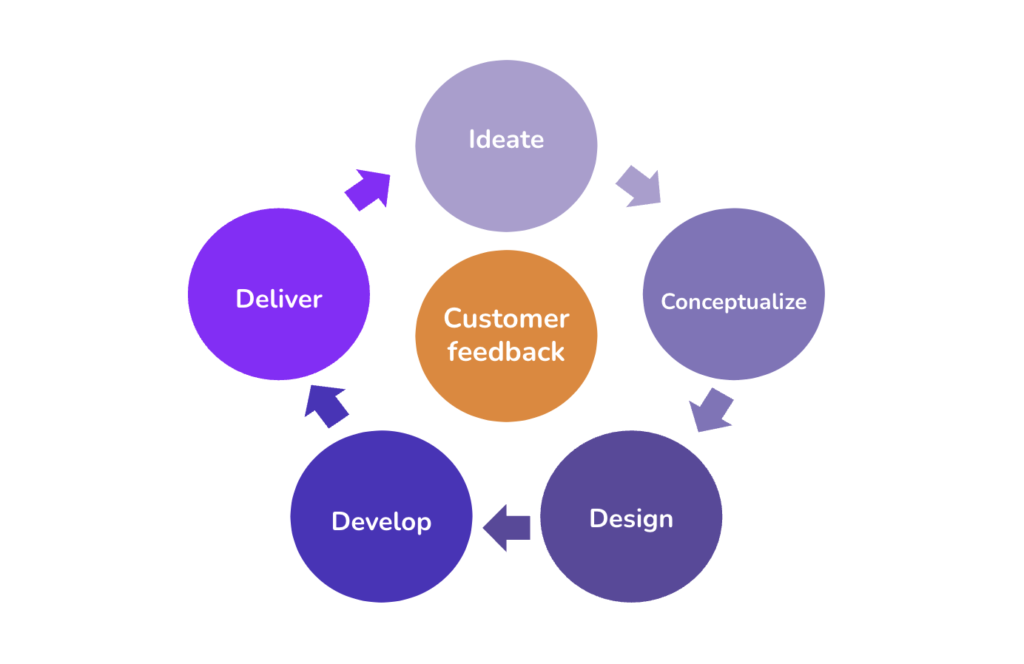
Customer discovery interviews validate new business concepts prior to over-investing in execution. These short but highly insightful customer conversations enable organizations to gather real-world perspectives from intended users in order to identify core problems, evaluate potential solutions, and analyze product-market fit. In the book “The Mom Test”, Rob Fitzpatrick emphasizes the need for conducting customer interviews to validate your business ideas. Good questions lead to great conversations, which lead to concrete facts that help you validate and iterate your idea. While brilliant ideas and innovative solutions hold promise, validation through real-world insights is what separates promising concepts from market failures. Launching an innovative new product or service carries substantial risk. Industry research indicates that 42% of B2B products fail due to lack of market fit and as many as 6 out of every 10 new product launches fail to meet revenue and adoption expectations. This high failure rate is often because companies pour significant time and money into ideas without effectively verifying customer interest. Without a practical way to test whether your value proposition actually resonates with target users, it’s incredibly easy to spend months or even years building something no one wants. What are Customer Discovery Interviews and how do they work Customer discovery interviews are usually 30-45 minute semi-structured discussions with 5 to 8 representatives from your target business or consumer segments. The key goal is to filter and prioritize ideas faster while also reducing risk by understanding customer needs, wants, and preferences directly from the source. While simply talking to potential customers is valuable, structured interviews elevate the process to a science. By following a pre-defined framework, you ensure consistent data collection and analysis, enabling you to: Compare and contrast: Analyze responses across different segments and personas to identify common themes and variations. Identify key trends: Uncover patterns and insights that wouldn’t be apparent through casual conversations. Quantify qualitative data: Use coding techniques to categorize and measure the frequency and intensity of specific themes. Good interviewers can skillfully extract an immense amount of value from well-prepared discovery discussions such as: Direct customer quotes to incorporate into market research proposals, product requirements documents, and other plans needing stakeholder approval and buy-in. Revelation of common pain points and customer needs that can be addressed by new offerings. Testing which potential product features, messaging approaches, and value propositions actually appeal to users rather than relying on internal assumptions and guesses. Gathering feedback on optimal pricing models and willingness to pay thresholds. Receiving ideas on best go-to-market strategies and sales channels to deploy. Catching faulty assumptions early before over-investing in a direction not actually in demand. Building Your Customer Discovery Interview Framework: A Step-by-Step Guide Now, let’s translate theory into practice. Here’s a step-by-step guide to conducting insightful customer discovery interviews: Define your target audience: Identify the specific pain points and decision-making processes of your ideal B2B customers. Segment your audience if necessary to ensure tailored questioning. Craft a semi-structured interview guide: Prepare key questions aligned with your goals and the Mom Test principles. Include open-ended prompts, behavior-focused inquiries, and potential dealbreaker questions. Recruit participants: Reach out to individuals within your target audience through existing network connections, online communities, or professional platforms. Offer incentives to compensate for their time and ensure participation. Conduct the interviews: Create a comfortable and professional atmosphere. Actively listen, ask follow-up questions, and avoid solutioneering. Take detailed notes to capture key insights and responses. Analyze and synthesize findings: Summarize key themes and common pain points. Identify discrepancies between assumptions and reality. Translate customer needs into actionable product or service features. AI tools like Insight7 do a great job at simplifying and automating this process. Iterate and refine: Use the gathered insights to refine your concept and prioritize features that address actual customer needs. Repeat and validate: Conduct additional interviews with different audience segments to ensure wider applicability and validate your evolving concept. The Process: Conducting Effective Customer Discovery Interviews While perhaps intimidating for some, conducting effective discovery interviews does not require complicated tools or a fancy setup. All you need is a recruitment screener template to find appropriate participants, an open-ended discussion guide with 5-6 strategic questions related to key assumptions you wish to test, and a notation template for capturing feedback, quotes, and insights. With that said, how do you actually prepare for a good idea validation conversation? Pre-plan the three most important things you want to learn from any given type of person. Pre-planning your big questions makes it much easier to ask good follow-up questions. Don’t be afraid to update the list as you learn and your questions change. The less formal you can make the conversation, the better. Once you get used to this, you can start having these interviews with no formality at all, and the people you are talking to won’t even realize they’re being interviewed. For example, at a conference, you could have 10-20 of these conversations in just a few hours. Here is a detailed overview of the step-by-step process: Clearly define your target customer profile and ideal buyer persona based on role, use cases, and other attributes. Personas may cover both end-user demographics as well as key decision-maker titles involved in procurement. Carefully craft an open-ended discovery interview guide organized around addressing major assumptions and knowledge gaps. Generally, start broad, incorporate follow-up probe questions based on initial responses, and close with numeric rating questions to quantify reactions. Leave room for open, authentic conversations while covering your research priorities. Recruit participant matches meeting your identified persona criteria via cold emails, phone calls, LinkedIn outreach, and by checking within your professional network for personal introductions. Explain why you wish to speak with them and what is in it for them based on incentives like gift cards for their time or access to research findings. Prepare customized scripts for interview probes and to address anticipated areas of concern ahead of time. But also remain flexible and conversational. Digitally send calendar invites for discovery calls booked as virtual video interviews for
