
Top 5 AI Tools to Analyze Interview Transcripts in 2026

Analyzing interview transcripts has become a critical task for various fields, such as market research and academic studies. From academic studies to customer feedback and market research, interviews remain one of the most effective ways to collect rich, detailed data. The ability to extract meaningful insights from conversations—whether one-on-one interviews or group discussions—can lead to better decision-making, more precise strategies, and improved outcomes. However, manual transcript analysis is time-consuming and prone to human error. This is where AI-powered tools come into play. Advanced AI tools have made analyzing interview transcripts for insights faster, more accurate, and less biased. Organizations looking to glean actionable insights from interviews at scale (10, 20, 50, or even 100) can use the right tools to transcribe, analyze interview transcripts, and extract valuable information to inform strategy, planning, and product development. These AI-powered tools help reduce biases by focusing on data rather than subjective human impressions, providing objective and data-driven insights. Moreover, as recruitment teams become more global and virtual, AI interview analysis tools help manage remote interviews, offering automatic transcription, analysis, and reporting features. In this article, we will explore the top five AI tools for analyzing interview transcripts in 2025. You’ll discover their unique features, benefits, and how they can enhance your qualitative research efforts. From cutting-edge transcription capabilities to sentiment analysis and advanced reporting, these tools are designed to revolutionize your approach to qualitative analysis. Why AI Tools for Transcript Analysis Are Essential in 2026 The rise of big data and the increasing complexity of research projects have made traditional qualitative analysis methods insufficient. Researchers face challenges such as: Time Constraints: Manual coding and analysis of transcripts take weeks or even months. Human Bias: Inconsistent interpretations can affect the reliability of insights. Data Overload: With larger datasets, identifying patterns and trends becomes overwhelming. AI tools solve these issues by automating repetitive tasks, enhancing accuracy, and providing actionable insights faster than ever. In 2025, these tools are no longer just a luxury but a necessity for staying competitive in research and analysis. Key advancements in AI technology, such as natural language processing (NLP) and machine learning algorithms, have further improved the capabilities of transcript analysis tools. These innovations allow tools to identify themes, tone, and context, giving researchers a deeper understanding of their data. Read: Transcript Analysis AI: How It Works Top AI Transcript Analysis Tools (2026) 1. Insight7 Insight7 is an AI-powered platform that specializes in analyzing interviews at scale, for example, focus group discussions, and in-depth interviews (IDIs). Its core features revolve around automating the analysis of interview data in form of video, audio, and text. Its AI-powered capabilities extract insights, sentiment, and trends, which can be visualized into customizable categories aligned with business metrics. Users can activate these insights to make quality decisions, improve experiences, reduce churn, shape marketing/sales strategies, and drive other impactful actions. Also, Insight7 offers features such as sentiment analysis, topic modeling, and conversation clustering to help researchers and organizations gain actionable insights from qualitative data. Key Features: Natural Language Processing (NLP): Utilizes machine learning algorithms to uncover insights, identify patterns, and extract key themes from text data. Sentiment Analysis & Topic Modeling: Helps researchers gain actionable insights from qualitative data. Theme Extraction: Extract recurring themes from multiple interviews through bulk upload of documents or URLs. Enterprise-Grade Security: Adheres to SOC 2 Type II and GDPR standards. Cloud Integration: Insight7 supports multiple data sources, such as Google Meet, Google Drive, and Microsoft Teams. Benefits Insight7’s automation and comprehensive reporting capabilities make it a game-changer for businesses and researchers alike. It’s particularly well-suited for analyzing qualitative interviews in industries like marketing, healthcare, and academia. Use Cases: Automated research on large call transcript datasets. Enhancing customer experience by identifying friction points. Analyzing employee experience drivers for engagement and retention. 2. MonkeyLearn MonkeyLearn is an AI-powered platform that specializes in analyzing text data at scale, including documents, communications, and user-generated content. Its core features revolve around automating various natural language processing tasks. It utilizes machine learning algorithms to perform text analysis capabilities like sentiment analysis, keyword extraction, topic modeling, and text classification. MonkeyLearn offers the ability to build custom-trained models and access pre-built models for common use cases. A key capability is allowing users to train custom machine learning models tailored to their specific text data and requirements. MonkeyLearn also provides integration options to incorporate text analysis insights into existing tools and workflows. Key Features: Text analysis capabilities like sentiment analysis, keyword extraction, topic modeling, and text classification. Custom-trained models and access to pre-built models for common use cases. Incorporate insights into existing workflows and tools. Benefits: MonkeyLearn excels at providing flexibility, allowing users to build models that cater to their unique requirements. Its integration options make it a valuable tool for organizations looking to embed text analysis directly into their processes. Use Cases: Analyzing customer feedback data at scale. Categorizing support tickets/emails into topics. Monitoring brand perception from social media data. 3. RapidMiner RapidMiner is an AI-powered platform that specializes in analyzing text data at scale. Its core features revolve around automating text mining and natural language processing tasks. It utilizes machine learning algorithms to perform text analysis capabilities such as sentiment analysis, text classification, and clustering. RapidMiner offers a range of advanced analytics tools and techniques to help researchers and organizations extract insights, discover patterns, and make predictions from unstructured text data. RapidMiner provides flexible options for automating repetitive tasks, creating reusable workflows, and orchestrating the analysis process. Users can configure the platform to map extracted insights to specific research objectives and streamline the analysis of interview data. Key Features: Sentiment analysis, text classification, and text clustering. User-friendly interface with drag-and-drop functionality. Create workflows that can be used repeatedly for similar tasks. Benefits: RapidMiner is particularly suitable for businesses and researchers looking for a comprehensive solution to analyze interview transcripts and other forms of text data. Its flexibility makes it ideal for handling varied datasets. Use Cases: Analyzing customer feedback data and identifying sentiment trends. Categorizing support tickets
The Rise of DIY Research: Empowering Teams With Automated Tools
Market research is undergoing a major shift. Traditionally, businesses relied on agencies, complex methodologies, and long turnaround times to gather insights. While effective, these methods often come with high costs and slow decision-making. Now, DIY research is transforming the landscape. With AI-driven tools, automated surveys, and real-time analytics, organizations can collect and analyze data in-house without the need for external firms. This shift is not just about cost savings; it is about speed, agility, and putting data-driven decision-making into the hands of more teams. What is Driving the Rise of DIY Research Faster insights, better decisions: DIY research enables businesses to collect data in real time, keeping up with rapidly changing market conditions. Cost efficiency : Traditional research agencies can be expensive, making them inaccessible for many businesses. DIY tools offer an affordable alternative without sacrificing quality. AI and automation : With AI-powered platforms, teams can automate surveys, analyze sentiment, and extract meaningful insights with minimal manual effort. Democratization of research : Market intelligence is no longer confined to dedicated research teams. Marketing, HR, product development, and business strategy teams can all leverage data for better decision-making. Best Practices for Implementing DIY Research Successfully To maximize the impact of DIY research, organizations must: Select the right tools : Choosing the right platforms is critical. From survey builders to social listening tools, investing in AI-powered solutions can streamline research efforts. Standardize research processes : Ensuring consistency in data collection, analysis, and reporting helps maintain accuracy and reliability. Train teams on research best practices : While automation makes research easier, teams must still understand how to interpret data and apply insights effectively. Ensure compliance with data privacy regulations : As businesses collect more data, maintaining ethical standards and compliance is essential. Why Businesses Must Embrace DIY Research DIY research is no longer a passing trend. It is becoming a business necessity. Organizations that integrate self-service research tools will gain a competitive advantage by making faster, data-driven decisions. Are you ready to transform your research strategy? Download the whitepaper below to explore how your business can successfully implement DIY research, leverage AI-driven insights, and stay ahead of the competition. The-Rise-of-DIY-Research-Empowering-Teams-With-Automated-Tools
How To Analyze Focus Group Data And Get Actionable Insights

[vc_row type=”in_container” full_screen_row_position=”middle” column_margin=”default” column_direction=”default” column_direction_tablet=”default” column_direction_phone=”default” scene_position=”center” text_color=”dark” text_align=”left” row_border_radius=”none” row_border_radius_applies=”bg” overflow=”visible” overlay_strength=”0.3″ gradient_direction=”left_to_right” shape_divider_position=”bottom” bg_image_animation=”none”][vc_column column_padding=”no-extra-padding” column_padding_tablet=”inherit” column_padding_phone=”inherit” column_padding_position=”all” column_element_direction_desktop=”default” column_element_spacing=”default” desktop_text_alignment=”default” tablet_text_alignment=”default” phone_text_alignment=”default” background_color_opacity=”1″ background_hover_color_opacity=”1″ column_backdrop_filter=”none” column_shadow=”none” column_border_radius=”none” column_link_target=”_self” column_position=”default” gradient_direction=”left_to_right” overlay_strength=”0.3″ width=”1/1″ tablet_width_inherit=”default” animation_type=”default” bg_image_animation=”none” border_type=”simple” column_border_width=”none” column_border_style=”solid”][vc_column_text] A Step-by-Step Guide on How to Analyze Focus Group Data and Extracting Powerful Customer Insights Learning how to analyze focus group data with AI tools can supercharge your research endeavors. You’ve just wrapped up a series of highly engaging focus group discussions filled with rich commentary and candid exchanges around your core topics of interest. The hard work of meticulously planning, recruiting participants, and facilitating the live sessions is now complete. But now comes one of the most critical and often overwhelming parts of the process – analyzing all of that raw, unstructured focus group data and synthesizing it into clear, actionable insights that can drive real business impact. Whether your focus groups aimed to pressure test new product concepts, dive into customer pain points and unmet needs, evaluate marketing messaging, or anything in between, sifting through hours of video recordings and transcripts to identify overarching themes and key takeaways can feel like an insurmountable task. That’s where having a proven framework for qualitative data analysis becomes invaluable. Relying on an ad-hoc approach risks missing crucial details or forcing insights that may not be fully grounded in the data. However, a systematic, best-practice methodology allows you to extract maximum value and confidently uncover the most meaningful learnings from your focus group investment. What You Will Learn in This Guide In this step-by-step guide, I’ll outline a practical approach for analyzing focus group recordings, videos, transcripts, and other materials to pinpoint high-impact customer insights. This article covers: • Essential first steps to prep and organize your focus group data • Qualitative coding techniques to identify patterns and critical themes • How to elevate verbatim customer quotes and “aha” moments • Methods for clustering themes into prioritized key insights • Best practices for crafting narrative-driven shareable reports • Tools for performing focus group data analysis By following a systematic process like the one outlined here, you will learn how to analyze you can transform those raw customer discussions into a crystal-clear roadmap for innovating successful new products and experiences tailored to what your target market truly needs and values. Steps on How to Analyze Focus Group Data Like a Pro Step 1: Prepare and Digest the Raw Data Before you can jump into analysis, the first essential step is to collect and prepare all discussion recordings, videos, transcripts, notes, worksheets, and any other outputs and stimuli from your focus group sessions. You want to centralize all of this raw data into a shared repository for your analysis team. It’s critical to have verbatim transcripts covering all focus group dialogue, as these text documents will make it far easier to code and analyze versus trying to analyze audio/video directly. Most focus group consultants and facilities can generate detailed transcripts along with the raw video recordings. If you don’t have your transcripts already, you can upload your recordings here to generate accurate transcripts. Once you have the data compiled and transcripts ready, the next step is for each analyst to review and digest all of the raw focus group materials thoroughly. This includes reading through transcripts, watching video snippets of key moments, and reviewing any notes taken by the moderator and supporting staff. The goal is to immerse yourself in the actual voice of the customer, rereading commentary and analyzing both the actual words and nonverbal cues. It’s about developing a solid comprehension of the sessions before you start looking for overarching trends and extracting insights. Taking the time for this tedious preparatory work upfront helps tune your team’s mindset and bring the focus group environment back to life before diving into coding. Step 2: Code the Transcript Data into Themes and Topics With everyone well-versed in the raw focus group content, the next major phase is a systematic coding process to objectively identify and organize all relevant commentary into distinct themes and topics that emerge. Most qualitative researchers leverage coding software like Insight7 to streamline this iterative process. Within each full transcript, you’ll code each quote, sentence or partipant response into one or more designated themes using the tools. This could start with pre-defined topics based on your original study goals/questions, but will quickly expand into an inductive approach as you discover new themes surfacing directly from the data. For example, imagine you’re analyzing focus groups conducted to better understand consumer perceptions around a new category of fitness wearables. You may have pre-defined codes for themes like “Pricing Attitudes,” “Form Factor Preferences,” or “Motivation for Using a Fitness Tracker.” But through the real discussions, you may inductively create new codes and sub-codes for themes like: • “Social Sharing Needs” • “Integration with Health Apps” • “Wearable Fatigue and Lapsing Usage” – Sub-code: “Novelty Quickly Wears Off” The software makes it easy to assign multiple codes to the same quote when relevant, which preserves the original rich context. You can also bundle individual codes into hierarchical code categories as appropriate. At this stage, it’s fine to be liberal in creating codes – you can always consolidate them later as higher-level patterns surface. Step 3: Examine Code Frequencies and Co-Occurrences Once your team has thoroughly coded the entire focus group transcript corpus, the next step is using those codes and software capabilities to surface potential insights hiding within the data. One simple but powerful way to do so is looking at code frequencies – both at overall levels, but also frequencies broken down by particular sessions, participant demographics, or any other criteria from your screening data. For example, you may find that while “Integration with Health Apps” didn’t get discussed extensively overall, it ranked as a top theme for millennial participants compared to boomers. Or the theme “Social Sharing Needs” dominated discussions in Session 4 compared to other sessions for unknown reasons.
How to Generate Accurate Focus Group Summary with AI Tools

[vc_row type=”in_container” full_screen_row_position=”middle” column_margin=”default” column_direction=”default” column_direction_tablet=”default” column_direction_phone=”default” scene_position=”center” text_color=”dark” text_align=”left” row_border_radius=”none” row_border_radius_applies=”bg” overflow=”visible” overlay_strength=”0.3″ gradient_direction=”left_to_right” shape_divider_position=”bottom” bg_image_animation=”none”][vc_column column_padding=”no-extra-padding” column_padding_tablet=”inherit” column_padding_phone=”inherit” column_padding_position=”all” column_element_direction_desktop=”default” column_element_spacing=”default” desktop_text_alignment=”default” tablet_text_alignment=”default” phone_text_alignment=”default” background_color_opacity=”1″ background_hover_color_opacity=”1″ column_backdrop_filter=”none” column_shadow=”none” column_border_radius=”none” column_link_target=”_self” column_position=”default” gradient_direction=”left_to_right” overlay_strength=”0.3″ width=”1/1″ tablet_width_inherit=”default” animation_type=”default” bg_image_animation=”none” border_type=”simple” column_border_width=”none” column_border_style=”solid”][vc_column_text] There many benefits of generating a focus group summary. If you’ve ever run a series of focus groups, you know that the most time-consuming part of the process is analyzing and summarizing all of the raw recordings and notes into a polished report. Getting an accurate distillation of the key takeaways and insights from hours of unstructured conversations is tedious work requiring meticulous review. It’s easy for important details and nuances to get lost in the manual process of writing a focus group summary. Fortunately, rapidly advancing AI technology can now automate this painstaking analysis and report writing. Using the latest AI tools like advanced language models, you can generate comprehensive, well-structured focus group summaries highlighting all the major findings, direct quotes, and recommendations in a matter of minutes. While you still need to play a role in reviewing and finalizing the AI-generated summary, the AI handles the heavy lifting of poring over transcripts and recordings to pull out the most relevant insights. In this post, I’ll walk through a simple 4-step process for quickly and accurately summarizing your focus group research using AI as your co-pilot. We’ll cover how to set up the AI tool for this task, which specific prompts and instructions to provide, best practices for verifying the accuracy, and examples of highly effective focus group summary outputs. In the meantime, click here to analyze and summarize your focus group transcripts. The 4-Step AI Process for Generating Flawless Focus Group Summary 1. Record and Transcribe Your Focus Group Sessions The first step is ensuring you have quality source materials for the AI to analyze. Use a reliable recording app and transcription service to capture and convert your focus group audio/video into text transcripts and notes. Cloud-based transcription services like Insight7 offer affordable options to automatically generate transcripts from your files. 2. Load Transcripts and Notes Into an AI Writing Assistant Next, you’ll need advanced AI with strong language understanding and summarization capabilities to process those raw transcripts and notes. I recommend using an enterprise-grade AI writing solution like Anthropic or AI21 Studio, which offers tailored language models optimized for this type of qualitative data analysis and report generation task. Simply upload or paste all of your focus group transcripts directly into the interface, which will ingest and analyze the full context of those conversations in seconds. The AI model has the ability to synthesize transcripts from multiple sessions to identify overarching themes, pull relevant supporting quotes, and distill it all into a cohesive summary. 3. Provide Clear Instructions and Context While these AI models are highly capable out-of-the-box, they still require some guidance and context for this specific use case. In the text input area, start by providing a direct instruction like: “Please analyze the provided focus group transcripts and generate a detailed summary report covering the key themes, major takeaways, supporting examples/quotes, and recommendations that emerged from the discussions.” Optionally, you can give additional context about: – The topics, products or services being discussed in the focus groups – Any particular areas of interest you want the summary to focus on highlighting – The backgrounds and demographics of the focus group participants – Any specifications for report structure, length, etc. Having this context will enable the AI to tailor its analysis and summary accordingly. If you have a hard time creating contexts, AI tools like Insight7 come with pre-programmed and customizable context to help speed up the process. 4. Review, Refine and Finalize the Summary Within 60 seconds or so, the AI tool will present you with an initial draft focus group summary hitting on all the major components you requested. This first pass will aggregate all of the key points, participant quotes, outstanding questions, and potential recommendations in a logically structured report. From this baseline, you can then refine and finalize the summary by: – Scanning for any gaps, inaccuracies, or redundant sections – Moving content into a preferred structure or reorganized order – Prompting the AI to elaborate on certain sections for more detail – Asking the AI to reframe or clarify any vague or unclear portions – Trimming the summary to hit an ideal length – Updating stylistic elements like voice, tone, and formatting By leveraging the AI’s comprehensive distillation of the transcripts as a starting point and applying your own light review and refinement, you’ll end up with a polished, accurate, and focused summary report in a fraction of the typical time. An Example of an Effective AI-Generated Summary To illustrate the quality output you can achieve using an AI writing assistant for this process, let’s walk through a simple example. Let’s assume you conducted a series of focus groups with pet owners to explore the launch of a new dog food brand targeting health-conscious consumers. After providing the AI with the full set of focus group transcript files and some context about the core topics discussed, here is the type of insightful summary it may generate: [Summary] New Dog Food Brand Focus Group Insights From our focus groups with 32 dog owners across 4 sessions, several clear themes emerged around the key attributes desired in a new healthy dog food brand: 1. High nutritional value and wholesome ingredients were the top priorities mentioned across every single session. There was vocal opposition to things like fillers, by-products, artificial preservatives, and ingredients that are hard to pronounce or understand. “I don’t want to see any of those numbers or aisochpfjakiccid-whatever artificial junk in my dog’s food. If you can’t tell me exactly what it is and why it’s there, I’m not buying it.” – Mary, Poodle owner “Whatever is in there needs to be real, whole, recognizable ingredients, with no shady chemicals, dyes, or fillers…just good, simple nutrition.” – Jacob,
How to Analyze Focus Group Discussion with AI Tools

[vc_row type=”in_container” full_screen_row_position=”middle” column_margin=”default” column_direction=”default” column_direction_tablet=”default” column_direction_phone=”default” scene_position=”center” text_color=”dark” text_align=”left” row_border_radius=”none” row_border_radius_applies=”bg” overflow=”visible” overlay_strength=”0.3″ gradient_direction=”left_to_right” shape_divider_position=”bottom” bg_image_animation=”none”][vc_column column_padding=”no-extra-padding” column_padding_tablet=”inherit” column_padding_phone=”inherit” column_padding_position=”all” column_element_direction_desktop=”default” column_element_spacing=”default” desktop_text_alignment=”default” tablet_text_alignment=”default” phone_text_alignment=”default” background_color_opacity=”1″ background_hover_color_opacity=”1″ column_backdrop_filter=”none” column_shadow=”none” column_border_radius=”none” column_link_target=”_self” column_position=”default” gradient_direction=”left_to_right” overlay_strength=”0.3″ width=”1/1″ tablet_width_inherit=”default” animation_type=”default” bg_image_animation=”none” border_type=”simple” column_border_width=”none” column_border_style=”solid”][vc_column_text] Focus group discussions (FGDs) are a powerful way to gather qualitative insights from a group of participants. However, analyzing focus group data manually can be time-consuming and prone to errors. That’s where AI-powered analysis tools come in—automating transcription, identifying key themes, and generating actionable insights in seconds. With the rise of AI in research, analyzing focus group discussions is easier and more efficient than ever before. This article delves into the comprehensive process of FGDs and explores the potential of AI tools used to analyze focus group discussion recordings like Insight7. By the end of this guide, you’ll be able to use AI-powered tools to streamline qualitative research and generate faster, more reliable insights. What is Focus Group Discussion (FGD) Analysis? FGD analysis refers to examining recorded group discussions to extract key insights, opinions, and behavioral patterns. Researchers analyze verbal responses, emotions, and interactions to identify trends and themes. How AI Enhances Focus Group Analysis AI tools eliminate human bias and inefficiency by: Automating transcription to convert audio discussions into text. Extracting key themes & patterns using NLP (Natural Language Processing). Summarizing large datasets quickly for easy reporting. Generating sentiment analysis to understand participant emotions. Visualizing insights through interactive dashboards. These AI-powered capabilities make focus group research faster, more accurate, and scalable. The Focus Group Discussion Process Preparation Phase Defining Objectives: Clearly delineate the research goals to direct discussions effectively toward desired outcomes. Participant Selection: Identify and recruit participants representing the target demographic or possessing relevant expertise to ensure diverse perspectives. Moderator Training: Equip moderators with the necessary skills to facilitate unbiased discussions and maintain focus throughout the session. Designing the Discussion Guide Structured Questioning: Craft a discussion guide comprising open-ended questions and prompts meticulously designed to explore specific aspects of the research topic. Ensuring Relevance: Ensure that questions are pertinent to the research objectives, fostering meaningful dialogue and eliciting valuable insights from participants. Conducting the Focus Group Discussion Establishing Environment: Create a conducive setting conducive to open discourse, free from distractions, and conducive to participant engagement. Introduction and Rapport Building: To cultivate a comfortable atmosphere, kickstart the session with an introduction to the topic, setting ground rules, and fostering rapport among participants. Facilitating Dialogue: Encourage active participation and free-flowing discussions among participants while steering the conversation towards the predefined objectives. Probing for Depth: Judiciously employ probing techniques to delve deeper into responses, unraveling underlying motivations and nuances within participants’ perspectives. Recording Insights: Record the session, with participant consent, using audio or video methods to capture insights accurately for subsequent analysis. Analysis Phase Transcription: Transcribe the recorded discussions verbatim, capturing nuances, emotions, and expressions to preserve the richness of participant input. Thematic Coding: Analyze transcripts meticulously to identify recurring themes, patterns, and divergent viewpoints, facilitating structured data organization. Interpretation and Synthesis: Interpret findings in the context of research objectives, synthesizing diverse perspectives to derive meaningful conclusions and actionable insights. Reporting Findings Comprehensive Documentation: Compile a detailed report encapsulating key findings, supported by illustrative quotes and participant anecdotes to add depth and credibility. Visual Representation: Enhance understanding and retention by supplementing the report with visual aids such as charts, graphs, and diagrams to elucidate trends and insights effectively. Integration of AI Tools in FGDs Streamline Participant Recruitment AI-Driven Targeting: Leverage AI algorithms to sift through vast datasets and identify potential participants matching specific demographic criteria, expediting recruitment. Automated Screening: Implement Natural Language Processing (NLP) algorithms to screen participant responses efficiently, ensuring alignment with research prerequisites. Optimize Discussion Guide Development Sentiment Analysis: Harness AI-powered sentiment analysis to parse through extensive textual data, gauging prevalent sentiments and identifying pertinent discussion topics. Predictive Analytics: Employ machine learning algorithms to anticipate potential discussion avenues based on past FGDs or related research, enriching the discussion guide formulation process. Improve Moderator Support AI-Powered Chatbots: Integrate AI-driven chatbots equipped with NLP capabilities to assist moderators in real-time, suggesting follow-up questions and probing techniques to foster comprehensive discussions. Emotional Analysis: Employ real-time sentiment analysis tools to gauge participants’ emotional states during discussions. This will enable moderators to adapt their approach accordingly and maintain engagement. Facilitate Data Analysis Automated Transcription: Deploy AI-powered transcription tools to automatically convert audio recordings into text format accurately and expeditiously, saving time and resources. NLP-Driven Thematic Analysis: Leverage NLP algorithms to streamline thematic coding processes, identifying and categorizing recurring themes within transcripts swiftly and systematically. Generate Actionable Insights Advanced Analytics: Harness AI-driven analytics platforms to aggregate data from multiple FGDs, uncovering overarching trends and extracting deeper insights beyond human capacity. Pattern Recognition: Employ machine learning algorithms to discern subtle correlations and patterns within data, illuminating nuanced insights and effectively informing strategic decision-making processes. AI Tools for Focus Group Discussion Analysis There are several AI tools available that can assist with analyzing focus group discussions. These tools can help transcribe audio recordings, identify key themes and insights, and provide valuable data analysis. Here are some popular AI-powered tools for focus group analysis: 1. Insight7 Insight7 is a powerful platform for analyzing qualitative data designed to streamline the focus group analysis process. This tool automatically transcribes audio and video recordings in bulk, allowing researchers to handle large datasets efficiently. Its intuitive coding features enable users to identify key themes and patterns within transcripts, providing a deep understanding of participant responses. The platform also generates detailed visualizations and reports, making it easy to explore insights and present findings clearly and compellingly. Automated Transcription: Effortlessly convert bulk audio and video recordings into accurate text transcripts, saving time and reducing manual effort. Thematic Coding: Use advanced coding tools to identify themes, patterns, and trends within your qualitative data, ensuring comprehensive analysis. Visualizations & Reporting: Generate visually engaging reports and dashboards to illustrate insights, making it easier to share results with stakeholders. 2. Dedoose Dedoose is a
Customer Segmentation with Qualitative Data Analysis AI Tools
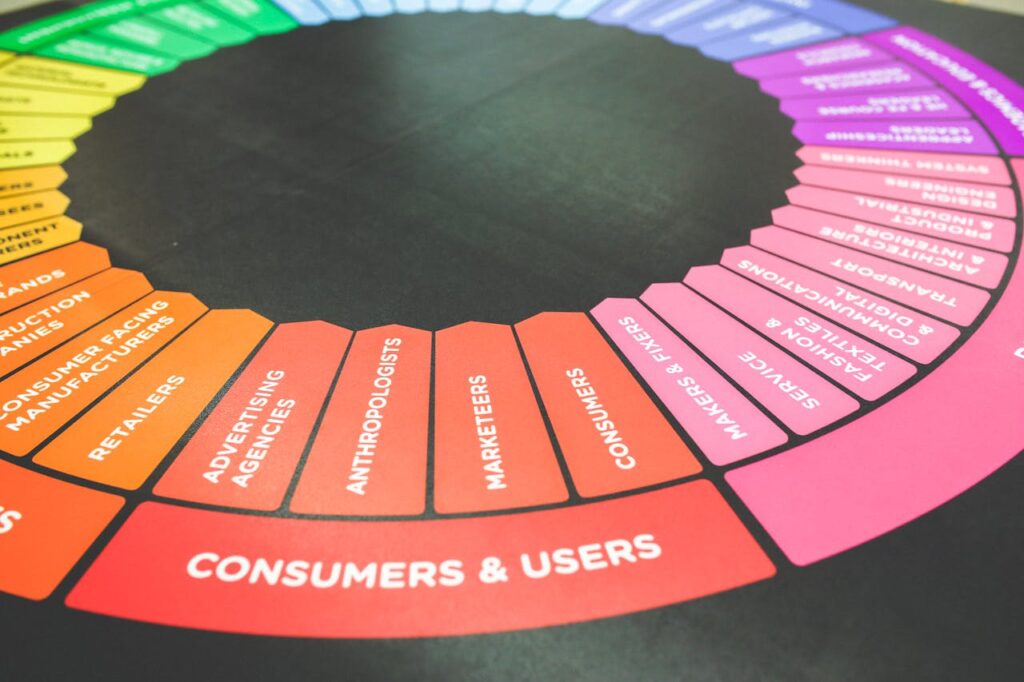
[vc_row type=”in_container” full_screen_row_position=”middle” column_margin=”default” column_direction=”default” column_direction_tablet=”default” column_direction_phone=”default” scene_position=”center” text_color=”dark” text_align=”left” row_border_radius=”none” row_border_radius_applies=”bg” overflow=”visible” overlay_strength=”0.3″ gradient_direction=”left_to_right” shape_divider_position=”bottom” bg_image_animation=”none”][vc_column column_padding=”no-extra-padding” column_padding_tablet=”inherit” column_padding_phone=”inherit” column_padding_position=”all” column_element_direction_desktop=”default” column_element_spacing=”default” desktop_text_alignment=”default” tablet_text_alignment=”default” phone_text_alignment=”default” background_color_opacity=”1″ background_hover_color_opacity=”1″ column_backdrop_filter=”none” column_shadow=”none” column_border_radius=”none” column_link_target=”_self” column_position=”default” gradient_direction=”left_to_right” overlay_strength=”0.3″ width=”1/1″ tablet_width_inherit=”default” animation_type=”default” bg_image_animation=”none” border_type=”simple” column_border_width=”none” column_border_style=”solid”][vc_column_text] What is Customer Segmentation One of the best ways to define customer segmentation is 3 letters: KYC. It means Know Your Customer. KYC in this sense doesn’t refer to that standard used by financial services professionals for the sake of regulations. By KYC I mean every strategy and activity your organization undertakes to gain an indepth knowledge about your customers. Customer segmentation in marketing automation refers to the process of dividing a company’s customer base into distinct groups or segments based on shared characteristics, behaviors, or demographics. This segmentation allows you to tailor your messaging, content, and offers to better meet the specific needs and preferences of each segment, ultimately leading to more effective and personalized marketing campaigns. In the context of marketing automation, customer segmentation plays a crucial role in optimizing the targeting and delivery of automated marketing campaigns. By segmenting customers into groups with similar attributes or behaviors, marketers can create more relevant and targeted communication strategies. This article is a scuba-dive into the essentials of customer segmentation and the best AI tools like Insight7 you can use to gain a better understanding of your customer base. How Customer Segmentation Works in Marketing Automation Essentially, a large part of business and marketing success begins and ends with your customers. No business exists to serve itself. In the same vein, your approach to segmenting customers should also begin and end with your customers. Below is the inner workings of what this segmentation entails: 1. Data Collection: Marketers gather data from various sources, including customer interactions, website behavior, purchase history, demographic information, and more. This data is then stored in a centralized database or customer relationship management (CRM) system. 2. Segmentation Criteria: Based on the collected data, marketers define criteria or parameters for segmenting customers. These criteria can include demographic factors (such as age, gender, location), behavioral data (such as purchase history, browsing behavior, engagement with marketing campaigns), psychographic information (such as interests, preferences, values), and more. 3. Segmentation Analysis: Using marketing automation tools or software, marketers analyze the collected data to identify patterns and similarities among customers. This analysis helps in grouping customers into distinct segments based on the defined criteria. 4. Segment Creation: Once the segments are identified, marketers create segments within their marketing automation platform. Each segment represents a group of customers who share similar characteristics or behaviors. 5. Campaign Personalization: With segments in place, marketers can tailor their automated marketing campaigns to each segment’s specific needs, interests, and preferences. This includes personalized messaging, product recommendations, offers, and timing of communication. 6. Automation Triggers: Marketers set up automation triggers based on customer behaviors or actions within each segment. For example, sending a follow-up email to customers who have abandoned their shopping carts or triggering a promotional offer to customers who have not made a purchase in a while. 7. Campaign Execution: Automated marketing campaigns are launched and executed, delivering personalized messages and content to each segment at the right time and through the right channels. 8. Performance Monitoring and Optimization: Marketers continuously monitor the performance of their automated campaigns, tracking key metrics such as open rates, click-through rates, conversion rates, and ROI for each segment. Based on the insights gained, they optimize their segmentation criteria, messaging, and campaign strategies to improve effectiveness and drive better results. Overall, customer segmentation in marketing automation enables marketers to deliver more targeted, relevant, and timely communication to their customers, leading to higher engagement, conversion, and customer satisfaction. Fundamentals of customer segmentation As mentioned earlier, customer segmentation is the art of dividing your customer base into distinct groups based on shared characteristics or behaviors. By categorizing your audience into segments, you gain invaluable insights into their needs, preferences, and buying habits. Why Does it Matter? Customer segmentation is not just a fancy marketing term; it’s a game-changer. Here’s why: 1. Personalized Communication: One-size-fits-all messaging is a thing of the past. With segmentation, you can tailor your marketing efforts to resonate with each group’s unique interests and preferences, fostering deeper connections and driving engagement. 2. Targeted Campaigns: Say goodbye to spray-and-pray marketing tactics. By understanding the specific needs and pain points of each segment, you can create targeted campaigns that speak directly to their concerns, leading to higher conversion rates and ROI. 3. Resource Optimization: Why waste resources casting a wide net when you can pinpoint your efforts where they’ll have the most impact? Customer segmentation allows you to allocate your time, budget, and resources more effectively, maximizing your marketing efforts. Common methods for customer segmentation in marketing automation From the aforementioned and based on your experience, you will agree that understanding your audience is paramount. Customer segmentation in marketing automation is the compass that guides your strategy, ensuring that your message resonates with the right people at the right time. Here are some common methods for customer segmentation that can help you unlock the full potential of your marketing efforts: 1. Demographic Segmentation: Divide your audience based on demographic factors such as age, gender, income, education, and marital status. This classic segmentation method provides a foundational understanding of your audience’s basic characteristics and preferences. 2. Geographic Segmentation: Tailor your marketing campaigns to specific geographic regions, such as countries, states, cities, or even neighborhoods. Geographic segmentation allows you to account for cultural differences, regional preferences, and local market trends. 3. Psychographic Segmentation: Delve deeper into your audience’s psyche by segmenting them based on their attitudes, values, lifestyles, and personality traits. Psychographic segmentation provides insights into the motivations, aspirations, and desires that drive consumer behavior. 4. Behavioral Segmentation: Analyze your audience’s past behaviors, interactions, and engagement with your brand to create segments based on their purchasing history, browsing habits, frequency of visits, and loyalty status. Behavioral segmentation allows you to target
Best AI Tools for B2B Customer Research Discovery
[vc_row type=”in_container” full_screen_row_position=”middle” column_margin=”default” column_direction=”default” column_direction_tablet=”default” column_direction_phone=”default” scene_position=”center” text_color=”dark” text_align=”left” row_border_radius=”none” row_border_radius_applies=”bg” overflow=”visible” overlay_strength=”0.3″ gradient_direction=”left_to_right” shape_divider_position=”bottom” bg_image_animation=”none”][vc_column column_padding=”no-extra-padding” column_padding_tablet=”inherit” column_padding_phone=”inherit” column_padding_position=”all” column_element_direction_desktop=”default” column_element_spacing=”default” desktop_text_alignment=”default” tablet_text_alignment=”default” phone_text_alignment=”default” background_color_opacity=”1″ background_hover_color_opacity=”1″ column_backdrop_filter=”none” column_shadow=”none” column_border_radius=”none” column_link_target=”_self” column_position=”default” gradient_direction=”left_to_right” overlay_strength=”0.3″ width=”1/1″ tablet_width_inherit=”default” animation_type=”default” bg_image_animation=”none” border_type=”simple” column_border_width=”none” column_border_style=”solid”][vc_column_text]In the rapidly evolving digital landscape, understanding customers’ needs and preferences is paramount for businesses aiming to stay ahead of the curve. The advent of artificial intelligence (AI) has revolutionized customer research by offering tools that provide deeper insights into customer behavior and sentiment. As organizations strive to harness the potential of AI to enhance their customer research efforts, one must consider the best tools available that align with the principles of E-E-A-T (Experience, Expertise, Authoritativeness, Trustworthiness). This write-up delves into the top AI tools for customer research, highlighting their capabilities and how they cater to the needs of modern businesses seeking to make data-driven decisions and foster meaningful customer relationships. Understanding the Customer: The AI Advantage The essence of customer research lies in the ability to gather and analyze data that reflects the real needs, pain points, and desires of the target audience. AI tools have transformed this aspect of business intelligence by automating the collection and interpretation of vast amounts of data, providing actionable insights that would otherwise be unattainable through traditional methods. AI-powered customer research tools can join virtual meetings, analyze conversations, and extract key insights, allowing product teams to see the evidence behind customer feedback and make informed decisions. One of the primary benefits of using AI for customer research is the accuracy and speed with which it can process information. High-quality transcription services, for instance, boast up to 99% accuracy, ensuring that every customer interaction is captured with precision. By grouping customer interviews into projects, AI tools can present a dashboard of themes, feedback, and pain points, significantly reducing the time and effort required to manually sift through data. Furthermore, AI tools can segment data based on attributes such as the customer’s name, role, and organization details. This level of segmentation is invaluable for tailoring marketing strategies and product development to meet the specific needs of different customer groups. The ability to run queries on datasets to generate user personas, buyer personas, and product messaging within seconds is a testament to the efficiency and effectiveness of AI in customer research. Leveraging AI for Actionable Insights The integration of AI tools into customer research workflows enables teams to brainstorm solutions to problems identified through customer feedback. These tools act as brainstorming partners, suggesting ideas for solutions, ad copy, and even testimonials based on the data fed into them. The opportunity to turn customer feedback into user personas and buyer personas provides a nuanced understanding of the market, which is crucial for crafting compelling product narratives and marketing campaigns. AI’s ability to analyze data from multiple sources, such as Google Meet, Zoom, Gmail, HubSpot, and Salesforce, consolidates customer insights, providing a comprehensive view of customer sentiment across various touchpoints. This holistic approach ensures that no feedback is siloed, and all customer interactions contribute to the overall understanding of customer needs. The application of AI in customer research also extends to content creation. By leveraging customer conversations, businesses can generate marketing content that resonates with their audience. This includes blog ideas, newsletters, webinar topics, and website messaging that are directly informed by customer interactions, ensuring relevance and authenticity in communication. Choosing the Right AI Tool for Your Business When selecting an AI tool for customer research, it is crucial to consider the tool’s ability to integrate seamlessly with existing systems and the quality of insights it provides. The tool should be capable of attributing data accurately for segmentation purposes and visualizing insights for easy interpretation and decision-making. Moreover, it should facilitate the analysis of customer feedback in real time, enabling businesses to respond promptly to emerging trends and customer needs. As organizations aim to adopt a product-led growth strategy, the role of AI in customer research becomes even more significant. The right AI tool can empower product teams to execute better by providing a clear understanding of customer segments and personas, highlighting pain points and desires, and identifying critical product opportunities. It is essential to choose a tool that aligns with the organization’s goals and provides a people-centric approach to data analysis. In conclusion, AI tools for customer research are transforming the way businesses interact with and understand their customers. By offering a combination of accuracy, speed, and depth of insights, these tools enable organizations to make data-driven decisions that enhance customer satisfaction and drive growth. As businesses continue to navigate the complexities of the digital age, the integration of AI into customer research practices will be a defining factor in achieving success and maintaining a competitive edge. Best AI Tools for B2B Customer Research Discovery In today’s fast-paced business environment, understanding customer needs and preferences is crucial for success. B2B companies are increasingly turning to AI tools to streamline their customer research processes, enabling them to gather insights more efficiently and effectively. This guide explores the best AI tools available for B2B customer research discovery, highlighting their features, benefits, and how they can transform your research efforts. 1. Insight7 Insight7 is a powerful interview analysis platform designed to help businesses synthesize qualitative data at scale. With its user-friendly interface and robust features, Insight7 enables teams to analyze customer interviews, focus groups, and surveys quickly and accurately. Here are some key features that make Insight7 a top choice for B2B customer research: Key Features: Automated Transcription: Insight7 offers a built-in transcription service that converts audio and video recordings into text with high accuracy (up to 99%). This feature saves time and eliminates the need for manual transcription. Thematic Analysis: The platform automatically extracts themes, pain points, and needs from customer conversations, allowing researchers to identify key insights without sifting through lengthy transcripts. Multi-Project Analysis: Users can group related files into projects, enabling them to analyze multiple interviews or focus groups collectively. This feature helps uncover patterns
How to Analyze Many Customer Interview Transcripts Efficiently
As organizations strive for a deeper understanding of their customer base, the task of analyzing customer interview transcripts becomes both vital and challenging. With an abundance of qualitative data at hand, the question arises: how can we analyze many customer interview transcripts efficiently? The key lies in leveraging technology and systematic approaches to transform raw data into actionable insights without getting lost in the volume of information. In today’s data-driven landscape, customer interviews are a goldmine of insights. They offer unfiltered access to customer perceptions, experiences, and expectations. However, the sheer volume of transcripts can be overwhelming, making it difficult to extract meaningful patterns and trends. To tackle this challenge, organizations must adopt a structured method that combines the power of AI-driven tools with human expertise. Leveraging AI for Efficient Transcript Analysis The first step in efficient transcript analysis is to utilize a third-party transcription service that ensures high accuracy. An accuracy rate of 99% is ideal, as it minimizes the need for manual corrections and allows for a smoother analysis process. Once the transcripts are ready, AI-powered platforms can automatically process the data, identifying key insights, summarizing customer sentiment, and even attributing quotes to specific individuals, roles, or organizations for better segmentation. These AI tools can group interviews into projects, offering a dashboard view that highlights recurring themes such as customer satisfaction, product experience feedback, and areas for improvement. This high-level overview allows teams to quickly identify the most impactful pain points and brainstorm solutions. From Data to Personas and Messaging The next layer of analysis involves turning the data into buyer personas, user personas, and opportunity solution trees. This is where AI really shines, generating product messaging, ad copy, and even testimonials within seconds. By feeding the AI with rich, qualitative data, organizations can ensure that the generated content is not only accurate but also highly relevant to their target audience. Moreover, AI can assist in creating marketing content such as blog posts, newsletters, and website messaging by tapping into customer conversations. This approach ensures that marketing efforts are grounded in actual customer experiences, making them more persuasive and relatable. Continuous Learning and Reanalysis An efficient analysis process is not a one-time event. As more data is added, the ability to reanalyze and update insights is crucial. AI platforms can accommodate this by allowing teams to add new data to existing projects and generate updated dashboards that reflect the latest trends and feedback. Integration with Existing Tools To streamline the analysis process, it’s essential to integrate the AI platform with existing tools such as Google Meet, Zoom, and various CRM and customer support systems. This integration ensures that all customer feedback, regardless of the source, is accounted for and analyzed in a centralized manner. Empowering Teams with Real-Time Insights The ultimate goal of analyzing customer interview transcripts is to empower product teams, customer success teams, and marketers with real-time insights. By doing so, organizations can make informed decisions, prioritize product opportunities, and enhance customer satisfaction more effectively. In conclusion, the efficient analysis of customer interview transcripts requires a blend of technology and strategic thinking. By leveraging AI-driven platforms, organizations can navigate the complexities of qualitative data and transform it into a competitive advantage. As we continue to embrace a customer-centric approach, the ability to analyze transcripts efficiently will become increasingly crucial in understanding and meeting customer needs.
Best AI Customer Interview Transcription Software
In the age of digital transformation, organizations are increasingly turning to artificial intelligence (AI) to streamline operations and enhance customer experiences. One area where AI is making significant strides is in the transcription of customer interviews. For businesses that rely on customer feedback and interviews to inform product development and marketing strategies, accurately transcribing these interactions is critical. However, the process can be time-consuming and prone to human error. Enter the best AI customer interview transcription software, a game-changer for organizations looking to optimize their customer insights process. The transcription software not only captures the spoken word with high accuracy but also offers a plethora of features that cater to the nuanced needs of businesses. At the heart of this technology lies an advanced AI engine that boasts an impressive accuracy rate of 99%, ensuring that the transcriptions are reliable and can be used confidently for analysis and decision-making. These AI-powered transcription tools are not just about converting speech to text; they integrate seamlessly with popular communication platforms like Google Meet and Zoom. This integration allows for automatic transcription of conversations, which flow directly into the organization’s platform. Here, the product team can access key insights, customer summaries, and critical keywords with ease. This level of automation and integration simplifies the workflow, allowing teams to focus on interpreting the data rather than spending hours on manual transcription. Moreover, the software’s ability to attribute data adds another layer of sophistication. It can identify the speaker’s name, role, and organization details, which is invaluable for segmentation and targeted analysis. This feature allows businesses to tailor their strategies and communications to specific segments of their customer base, enhancing the personalization of their services and products. The AI transcription software also shines in its ability to group interviews into projects, providing a dashboard view of customer feedback themes. For instance, a project could reveal insights into managing customer satisfaction, improving reporting and communication, or offering feedback on product experience. The ability to view and analyze pain points and their impact on customers equips businesses with the knowledge to address issues effectively and enhance the overall user experience. Another standout feature is the software’s query capabilities. Teams can run queries on the dataset to generate user personas, buyer personas, and even product messaging. These rapid, accurate, and data-driven insights can be transformed into actionable strategies, marketing materials, and testimonials, all within a matter of seconds. But what truly sets this AI transcription software apart is its role in content creation. The insights gleaned from customer conversations are a goldmine for marketing content. Whether it’s blog posts, newsletters, or ad copy, the software can generate relevant and compelling content ideas based on real customer interactions. This not only ensures authenticity but also resonates with the target audience, as it’s rooted in their actual needs and feedback. In conclusion, the best AI customer interview transcription software is revolutionizing the way organizations handle customer feedback. Its high accuracy, seamless integration, data attribution, and powerful analysis tools make it an indispensable asset for any business looking to leverage customer insights for growth and improvement. As we navigate an increasingly competitive landscape, tools like these will become essential for maintaining a customer-centric approach and staying ahead of the curve.
How to Use AI Tools for Customer Interview Theme Analysis
[vc_row type=”in_container” full_screen_row_position=”middle” column_margin=”default” column_direction=”default” column_direction_tablet=”default” column_direction_phone=”default” scene_position=”center” text_color=”dark” text_align=”left” row_border_radius=”none” row_border_radius_applies=”bg” overflow=”visible” overlay_strength=”0.3″ gradient_direction=”left_to_right” shape_divider_position=”bottom” bg_image_animation=”none”][vc_column column_padding=”no-extra-padding” column_padding_tablet=”inherit” column_padding_phone=”inherit” column_padding_position=”all” column_element_direction_desktop=”default” column_element_spacing=”default” desktop_text_alignment=”default” tablet_text_alignment=”default” phone_text_alignment=”default” background_color_opacity=”1″ background_hover_color_opacity=”1″ column_backdrop_filter=”none” column_shadow=”none” column_border_radius=”none” column_link_target=”_self” column_position=”default” gradient_direction=”left_to_right” overlay_strength=”0.3″ width=”1/1″ tablet_width_inherit=”default” animation_type=”default” bg_image_animation=”none” border_type=”simple” column_border_width=”none” column_border_style=”solid”][vc_column_text]In the age of data-driven decision-making, artificial intelligence (AI) has become a critical ally for businesses seeking to understand their customers better. AI tools for customer interview theme analysis are transforming the way organizations gather and interpret customer feedback, enabling them to make more informed product and marketing decisions. This blog post delves into the practical application of AI tools for customer interview theme analysis, offering insights into how organizations can leverage technology to enhance their customer understanding and drive business growth. In a world awash with customer data, the challenge lies not in collecting information but in extracting actionable insights. Traditional methods of customer feedback analysis often involve manual sifting through transcripts, a time-consuming process prone to human error and bias. AI-powered tools, however, can process vast amounts of data with speed and accuracy, identifying patterns and themes that might otherwise go unnoticed. The first step in using AI for customer interview analysis is to ensure high-quality data capture. Organizations like the one we’re discussing have bots that can join meetings on platforms like Google Meet or Zoom, recording conversations with precision. The transcripts generated by third-party services boast an accuracy of up to 99%, laying a solid foundation for analysis. Once the data is captured, AI tools can automatically flow the information into a platform where product teams can access key insights and evidence. This level of automation not only saves time but also allows for the attribution of data to specific individuals, enhancing the granularity of the analysis. For instance, knowing the role, organization details, and sentiment of the speaker can significantly aid in segmenting customer feedback and tailoring responses. AI tools can also group customer interviews into projects, providing a dashboard view of overarching themes. This holistic view can reveal areas such as customer satisfaction, reporting inefficiencies, or product experience pain points. Teams can then drill down into each theme to understand specific issues, like the inconvenience of lacking mobile app support or the need for better risk management features. Moreover, AI doesn’t just analyze; it can also generate. From the dataset, it can create user personas, buyer personas, and even product messaging. This feature turns the AI tool into a brainstorming partner, helping teams to develop solutions and marketing strategies based on real customer feedback. The integration capabilities of AI tools are also impressive. They can pull data from various channels, such as email, CRM, and customer support platforms, ensuring a comprehensive analysis across the customer journey. This cross-channel perspective is invaluable for organizations that want to understand and act on customer needs in a dynamic and nuanced market. AI tools for customer interview analysis are not just about processing data; they are about empowering teams to make data-driven decisions quickly. By reducing the time spent on manual analysis, teams can focus on strategic decision-making and creative problem-solving. This shift from data processing to data-driven strategy can significantly impact customer satisfaction and retention. In conclusion, AI tools for customer interview theme analysis are revolutionizing the way organizations understand their customers. By automating the collection and analysis of customer feedback, these tools enable businesses to uncover deep insights, drive product innovation, and create more effective marketing strategies. As we continue to navigate a data-rich environment, the use of AI in customer analysis will undoubtedly become a staple for organizations aiming to stay ahead in their respective industries. [/vc_column_text][/vc_column][/vc_row]
