
Over the last four years, we’ve worked with customer teams around the world to improve their interactions with customers. We’ve analyzed millions of conversational data points, scored calls for quality assurance, trained human agents through AI roleplay, and, most recently, deployed voice AI agents to handle conversations at scale.
Every product we’ve shipped has solved a unique problem. But over time, we noticed a pattern across them.
Our customers bought each of these products to improve customer interactions, with the ultimate goal of delivering better outcomes for their customers.
The challenge, however, is that with every new product added to the stack, operational complexity increased and data became more siloed. With signals lost between systems, customers had to repeat themselves across channels. And as businesses grew, the only way to keep up was to hire more agents, which never truly solved the problem. Customers continued to wait in queues, orders went uncaptured, applications remained incomplete, and customers who were ready to buy never heard back.
It is no surprise that, even with thousands of customer conversations revealing what customers thought of the price, why they dropped off, and what almost made them leave, almost none of that information was being used. QA teams reviewed only a small sample of calls. Coaching happened far removed from real conversations. What customers said rarely made its way back into scripts, offers, or routing.
Nothing compounded. Day 1,000 looked a lot like Day 1. No advantage was being built to better serve customers or the business over time, and the work never got easier. This is exactly why customer experience professionals face such high levels of stress.
That changed how we think about this market. Customer data is everywhere, but real customer understanding is rare. Interaction metrics like handle time say nothing about whether customers got what they came for. Customers experience a company as one continuous journey, while most technology stacks are built around channels and departments. And AI that speeds up a broken process only breaks it faster.
So we’re building something new.
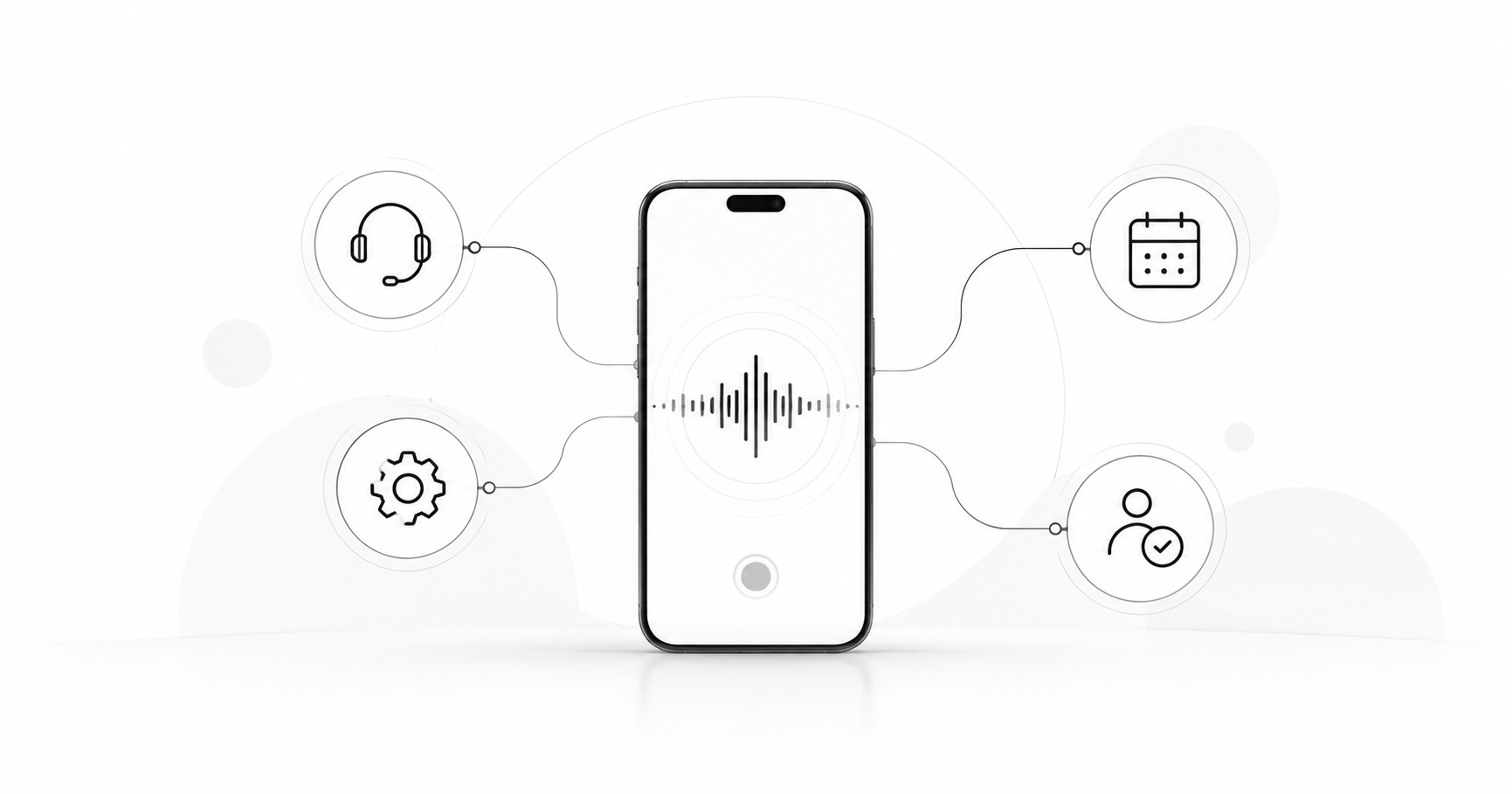
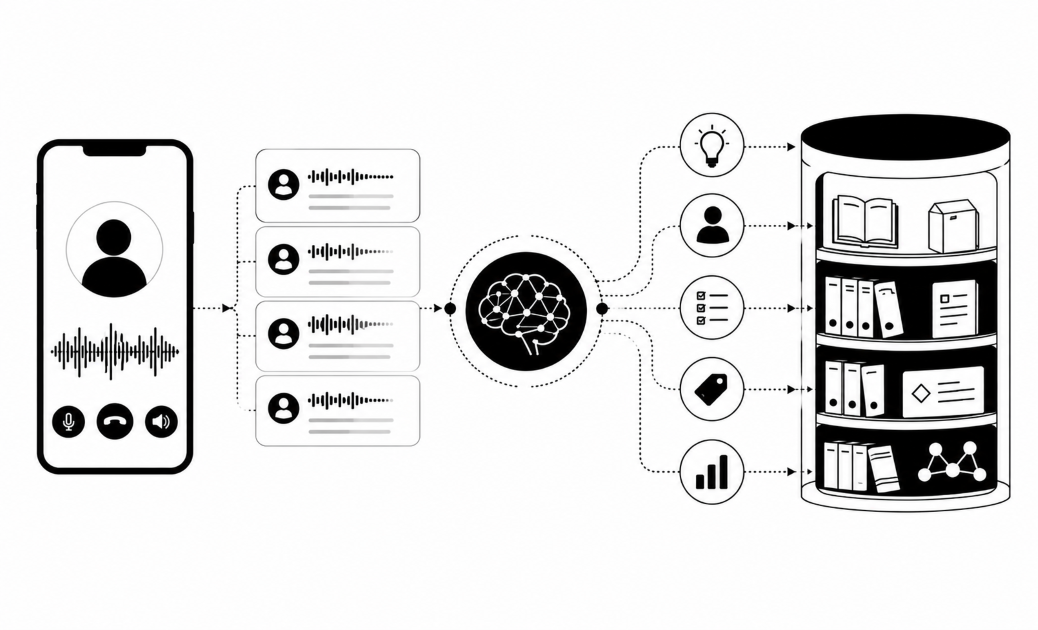
Insight7 is becoming an AI-native platform for customer operations. AI agents handle routine conversations, from order intake to collections, while people step in when judgment, risk management, or empathy are needed. Every agent works from a single customer record across voice, WhatsApp, SMS, and chat. Every conversation, whether handled by AI or a human, is analyzed, and what we learn flows back into playbooks, coaching, offers, and routing.
Seven agents run on this foundation:
- Inbound answers questions, resolves issues, and takes orders.
- Outbound completes applications and checkouts, collects payments, handles KYC, and renews customers.
- Orchestrator decides who handles each customer, what happens next, and when.
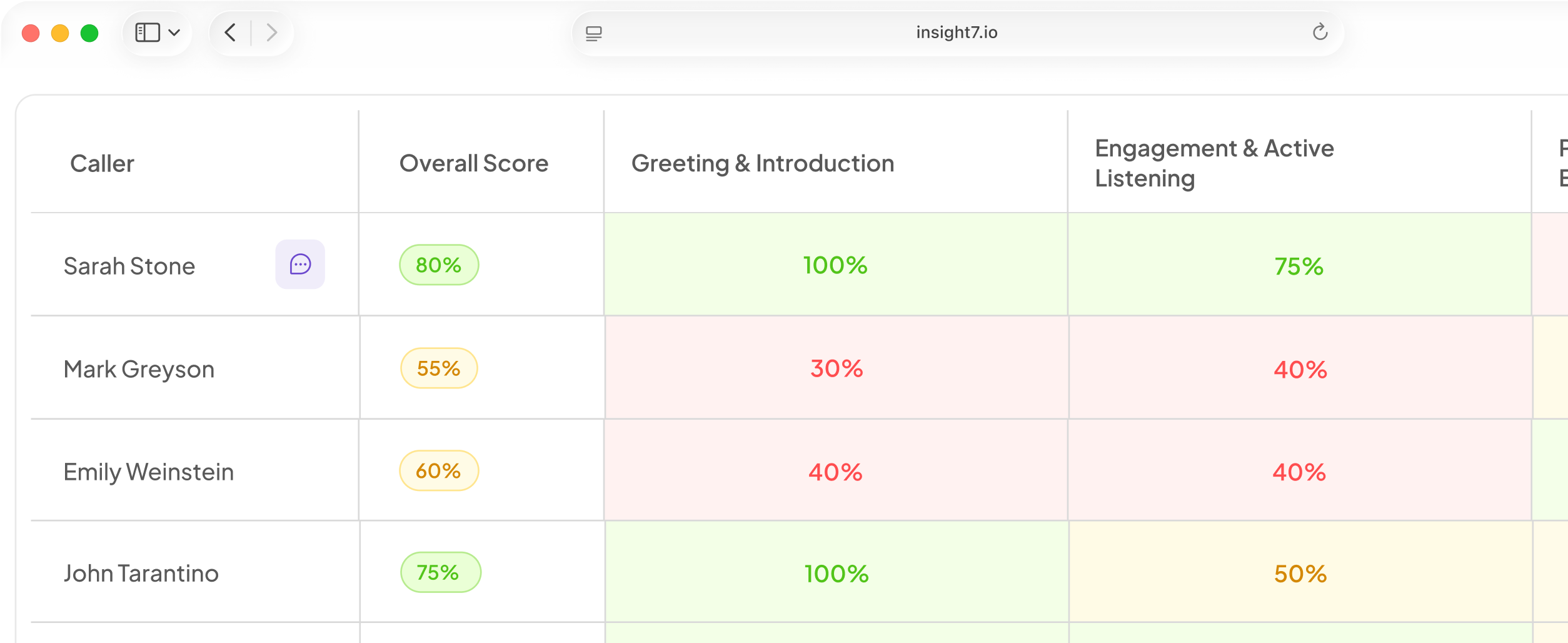
- Quality scores 100% of interactions and monitors compliance risks.
- Coach supports human agents in real time and through roleplay practice.
- Optimizer turns what we learn into tested improvements.
- Insights interviews customers at scale and answers leaders’ questions in plain language.
Teams can start with the problem that hurts most and go live as quickly as they would with a point solution. Each new use case runs on the same customer record and the same agents, so the platform gets stronger as it grows. Guardrails and audit trails are built in from day one.
We’ve built most of these pieces already. Over the coming weeks, we’re bringing them together into one connected experience. We still have questions to answer, and we’ll answer them with our customers.
For years, customer conversations were recorded and then forgotten. AI has changed that. The companies that win the next decade of CX will be the ones whose operations learn the fastest.
We’re working with a small group of design partners now. If you lead CX or operations at a B2C company and this sounds familiar, I’d love to talk.