
Hewlett Packard Operations Mock AI Interview
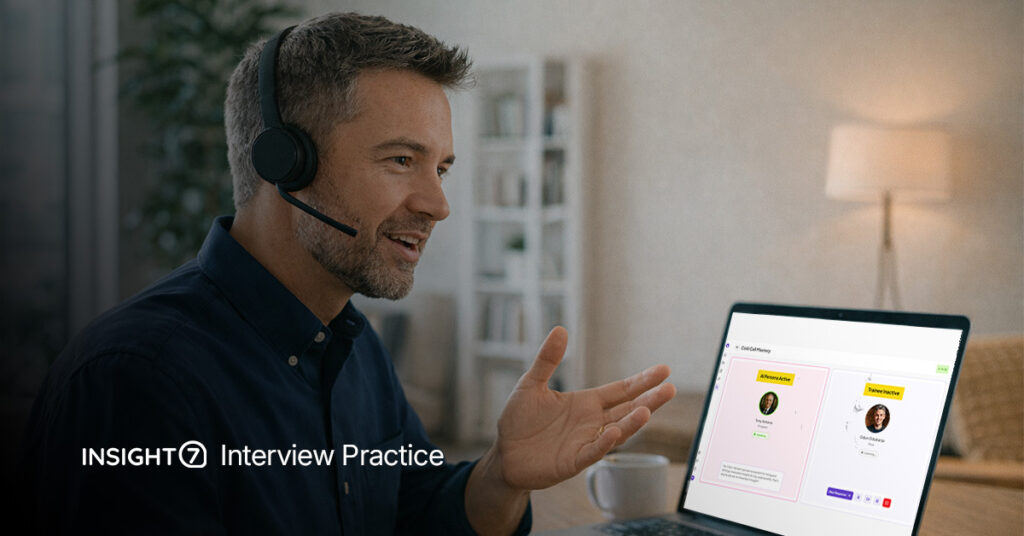
Hewlett Packard Operations interviews evaluate how you design and improve processes at scale, drive measurable efficiency in supply chain or manufacturing environments, and own execution outcomes in a global operation where small inefficiencies compound across millions of units. HP interviewers want concrete evidence of process ownership, not descriptions of your role in someone else's improvement project. Candidates who describe operational improvements without quantifying the before-and-after consistently fall short. Start your free Hewlett Packard Operations practice session. What interviewers actually evaluate Process Design, Efficiency Impact & Execution Ownership HP Operations interviews are built around real process challenges: supply chain disruptions, production bottlenecks, quality failures, and cost reduction programs under timeline pressure. Interviewers probe for how you diagnosed the root cause, what process change you designed and implemented, how you measured improvement, and whether you owned the outcome or participated in it. Strong candidates show a direct line from their action to a quantified result. Process diagnosis, efficiency measurement, execution ownership, cross-functional coordination, STAR discipline What gets scored in every session Specific, sentence-level feedback. Dimension What it measures How to answer Process Clarity Can you describe the before-state, the gap you identified, and the process change you designed with enough precision that an interviewer can visualize it? We flag vague process descriptions. Before-state specificity, gap articulation, change design clarity Efficiency Impact Did you quantify the improvement? We score answers on whether they include a before/after metric: cycle time, defect rate, cost per unit, throughput, or on-time delivery. %, $, time reduction, or unit-based improvement metric Execution Ownership Did you drive this improvement or participate in it? We flag answers that describe a team effort without establishing what you specifically designed, decided, or implemented. "I designed," "I led," personal ownership of the execution STAR Balance Is your answer weighted toward Action and Result, with Situation and Task appropriately compressed? We flag answers that spend more than 30% on context. Situation under 20%, Action majority, Result with metric How a session works Step 1: Get your Hewlett Packard Operations question You are assigned questions based on where HP Operations candidates most commonly lose interviewers: process descriptions that lack a clear before-and-after, improvement stories attributed to a team without personal ownership, and results framed in activity terms rather than efficiency metrics. Each session targets a different dimension. Step 2: Answer by voice Speak your answer as you would in a live interview. The AI listens for STAR structure, process specificity, and whether your Result includes a measurable efficiency gain. It flags when your Situation runs long or when your Action reads as a team activity without personal ownership. Step 3: Get scored dimension by dimension Instant scores across all four rubric dimensions with a flagged weakness and sentence-level fix for each. You see exactly where an HP Operations interviewer would probe before you walk in. Step 4: Re-answer and track improvement Revise based on feedback and answer again. Your before/after score change appears across Process Clarity, Efficiency Impact, Execution Ownership, and STAR Balance. Persistent weaknesses become the focus of your next session. Frequently Asked Questions What questions does Hewlett Packard ask in Operations interviews? Common HP Operations questions include: "Tell me about a supply chain disruption you managed and how you minimized the impact," "Describe a process improvement you led that resulted in measurable cost or time savings," "Walk me through a situation where a production or fulfillment metric was significantly off plan and how you responded," and "Tell me about a time you had to implement a major operational change and how you drove adoption." Each question is designed to surface process ownership and execution discipline. How difficult is the HP Operations interview? HP Operations interviews are rated moderately challenging. Interviewers expect candidates to demonstrate both analytical rigor in diagnosing process problems and execution credibility in describing how changes were implemented. Candidates from lean, Six Sigma, or supply chain backgrounds often perform well. Candidates who describe operational improvements without quantifying results consistently underperform regardless of title or scope. Does HP Operations care about Lean or Six Sigma certification? Certifications are valued but not required. HP interviewers are more interested in whether you can demonstrate the underlying thinking: problem diagnosis, root cause analysis, solution design, and measured improvement. Candidates with Black Belt or Lean training often answer more precisely, but the same quality of answer is achievable without formal certification if you have done the work. What metrics should I include in HP Operations interview answers? HP Operations interviewers respond to: cycle time reduction, defect or quality escape rate improvement, cost per unit or cost of poor quality, on-time delivery performance, inventory turns, and throughput or yield rate. For supply chain roles, lead time reduction and supplier on-time performance are also valued. At least one before/after metric per story is the minimum standard. How many rounds does the HP Operations interview involve? Most HP Operations candidates report two to three rounds: a recruiter screen, a competency-based behavioral interview with the hiring manager, and sometimes a technical or case-based round that involves analyzing a real operations scenario. Senior supply chain or manufacturing leadership roles often include a site visit or presentation as a final step. Also practice All nine Hewlett Packard role interview practice pages. Sales Customer Service Product Management Marketing Finance People & HR Leadership Legal & Compliance One full session free. No account required. Real, specific feedback.
Hewlett Packard Marketing Mock AI Interview
Hewlett Packard Marketing interviews assess how you build strategy from customer and market data, execute campaigns with measurable discipline, and communicate your thinking across a global enterprise organization where marketing must serve both consumer and B2B audiences. HP marketers operate with significant budget accountability and are expected to demonstrate rigorous attribution for every major campaign. Candidates who describe creative work without connecting it to pipeline or revenue consistently underperform. Start your free Hewlett Packard Marketing practice session. What interviewers actually evaluate Customer-Back Strategy, Metric Discipline & Message Performance HP Marketing interviews are built around evidence of strategic thinking tied to measurable outcomes. Interviewers probe for how you developed insight from customer data, how your campaign strategy connected to business goals, what metrics you used to track performance, and whether your messaging drove the intended behavior. Strong candidates show customer-back thinking first and creative execution second. Customer insight foundation, campaign rigor, message clarity, performance attribution, strategic connection What gets scored in every session Specific, sentence-level feedback. Dimension What it measures How to answer Customer-Back Strategy Did your strategy start with a specific customer insight or a business directive? We score whether you can trace the line from customer behavior to campaign design. Insight source, customer segment specificity, strategy derivation Metric Discipline Can you name the metrics you tracked before, during, and after the campaign? We flag answers that claim success without specifying what was measured and how. KPI specificity, measurement cadence, attribution clarity Message Clarity Was your core message designed to produce a specific behavior, and can you state it simply? We detect answers that describe the message broadly without showing the behavioral outcome it was designed to drive. Single message articulation, behavioral target, audience specificity Performance Impact What changed as a result of your campaign? We flag results framed as activities completed rather than outcomes achieved: impressions, pipeline contribution, revenue influence, or conversion rate. Pipeline $, conversion rate, revenue contribution, or engagement delta How a session works Step 1: Get your Hewlett Packard Marketing question You are assigned questions based on where HP Marketing candidates most commonly lose interviewers: strategy stories that start with an internal brief rather than a customer insight, campaign results described in activity terms rather than business outcomes, and message descriptions that lack a clear behavioral target. Each session targets a different dimension. Step 2: Answer by voice Speak your answer as you would in a live interview. The AI listens for STAR structure, customer-back framing, and whether your Result includes a business metric rather than a marketing metric alone. It flags when your strategy story starts with "we were tasked with" rather than with customer evidence. Step 3: Get scored dimension by dimension Instant scores across all four rubric dimensions with a flagged weakness and sentence-level fix for each. You see exactly where your answer would lose an HP marketing interviewer before you walk in. Step 4: Re-answer and track improvement Revise based on feedback and answer again. Your before/after score change appears across Customer-Back Strategy, Metric Discipline, Message Clarity, and Performance Impact. Persistent weaknesses become the focus of your next session. Frequently Asked Questions What questions does Hewlett Packard ask in Marketing interviews? Common HP Marketing questions include: "Tell me about a campaign you built from customer insight and how you measured its success," "Describe a time your marketing strategy did not perform as expected and how you adjusted," "Walk me through how you developed a go-to-market plan for a new product or segment," and "Tell me about a time you had to make a budget trade-off between channels and how you decided." Each question is designed to surface strategy depth and performance accountability. How difficult is the HP Marketing interview? HP Marketing interviews are rated moderately challenging, with difficulty coming from the dual requirement of creative and analytical fluency. HP interviewers expect candidates to move comfortably between brand strategy, digital performance, and B2B demand generation. Candidates who are strong in only one dimension typically struggle with the breadth of examples required across a full panel. Does HP Marketing care more about brand or performance? HP values both and explicitly evaluates both. Brand candidates are expected to show metric discipline, and performance candidates are expected to show strategic thinking. The most common failure mode is a candidate who is deeply credentialed in one area but cannot credibly discuss the other. Your story bank should include examples from both types of work. What metrics matter most in HP Marketing interview answers? HP marketing interviewers respond to: pipeline contribution in dollars or percentage, conversion rate improvement, cost per acquisition, brand awareness or consideration score changes, revenue attributed to a campaign, and market share movement. Impressions and clicks are insufficient as standalone metrics unless you can link them to a business outcome. How many rounds does the HP Marketing interview involve? Most HP Marketing candidates report three rounds: a recruiter screen, a hiring manager behavioral interview, and a cross-functional panel or presentation. Senior marketing roles often require a strategy presentation in the final round where you walk through a past campaign or build a brief response to a hypothetical scenario. Preparation for this format is as important as behavioral practice. Also practice All nine Hewlett Packard role interview practice pages. Sales Customer Service Product Management Finance Operations People & HR Leadership Legal & Compliance One full session free. No account required. Real, specific feedback.
Hewlett Packard Legal Mock AI Interview
Hewlett Packard Legal & Compliance interviews assess how you navigate a complex regulatory environment across global technology, hardware, and services operations, translate legal risk into terms business leaders can act on, and protect the company while supporting growth rather than obstructing it. HP's legal function covers export controls, IP, privacy, antitrust, employment, and government contracting across dozens of jurisdictions, so interviewers expect candidates to demonstrate both regulatory depth and business partnership skill. Candidates who frame every answer as a risk-avoidance exercise without showing commercial judgment rarely advance past the first round. Start your free Hewlett Packard Legal & Compliance practice session. What interviewers actually evaluate Risk Judgment, Regulatory Depth & Business Partnership HP Legal & Compliance interviews are structured around real situations: advising on a deal with significant regulatory exposure, managing internal investigations, navigating privacy compliance across jurisdictions, and holding a legal position when business leaders push back. Interviewers probe for how you framed the risk, how deep your regulatory knowledge actually is, whether your advice was actionable, and whether you found a way to support the business without compromising the company's legal integrity. Risk framing, regulatory specificity, advice clarity, business-legal balance, stakeholder communication What gets scored in every session Specific, sentence-level feedback. Dimension What it measures How to answer Risk Framing Do you articulate risk in business impact terms, or only in legal language? We score whether your framing connects regulatory exposure to operational or financial consequence the business can prioritize. Business impact translation, probability and severity framing, mitigation path Regulatory Depth Can you demonstrate command of the specific regulatory framework relevant to your role at HP's scale? We flag answers that stay at awareness level without showing applied knowledge. Statute or framework specificity, jurisdictional awareness, application to facts Advice Clarity Was your legal advice specific enough to act on? We detect answers that hedge to the point of uselessness. Strong HP legal candidates make a clear recommendation with explicit conditions. Recommendation directness, condition articulation, decision support Business-Legal Balance Did you find a path that protected HP without killing the deal or initiative? We score whether you treated business constraints as real inputs, not obstacles to legal purity. Business context acknowledgment, alternative structuring, outcome orientation How a session works Step 1: Get your Hewlett Packard Legal & Compliance question You are assigned questions based on where HP Legal & Compliance candidates most commonly lose interviewers: risk framing that stays in legal jargon, advice too hedged to be actionable, and failure to demonstrate how you navigated business pressure while holding a legal position. Each session targets a different dimension. Step 2: Answer by voice Speak your answer as you would in a live interview. The AI listens for STAR structure, regulatory specificity, and whether your advice lands as a recommendation rather than a recitation of risk factors. It flags when your answer would read as unhelpful to a business leader under time pressure. Step 3: Get scored dimension by dimension Instant scores across all four rubric dimensions with a flagged weakness and sentence-level fix for each. You see exactly where an HP Legal interviewer would probe before you walk in. Step 4: Re-answer and track improvement Revise based on feedback and answer again. Your before/after score change appears across Risk Framing, Regulatory Depth, Advice Clarity, and Business-Legal Balance. Persistent weaknesses become the focus of your next session. Frequently Asked Questions What questions does Hewlett Packard ask in Legal & Compliance interviews? Common HP Legal questions include: "Tell me about a time you identified a regulatory risk that the business was not aware of and how you managed it," "Describe a situation where a business leader pushed back hard on your legal advice and how you responded," "Walk me through a cross-border compliance challenge you navigated and how you advised the business," and "Tell me about a time you had to structure a deal or arrangement differently to manage legal exposure." Each question is designed to surface regulatory depth and business partnership quality simultaneously. How difficult is the HP Legal & Compliance interview? HP Legal & Compliance interviews are rated moderately challenging. The difficulty comes from the breadth of HP's regulatory exposure and the expectation that legal candidates can translate their advice into business-ready language. Candidates with in-house experience at large technology or manufacturing companies tend to perform better than those coming exclusively from law firm backgrounds, particularly on the business partnership dimensions. What regulatory areas should I know for HP Legal interviews? The most relevant areas depend on the specific role but commonly include: export controls and ITAR/EAR compliance for hardware and technology products, data privacy regulations including GDPR and CCPA, antitrust and competition law in the context of technology market practices, employment law across multi-jurisdictional operations, and government contracting regulations including FAR and DFARS for roles supporting public sector sales. Depth in any two of these areas is a strong foundation. Does HP expect Legal candidates to work without billing constraints? In-house HP Legal candidates are expected to manage the full spectrum of a legal need: knowing when to handle internally, when to escalate to outside counsel, and how to brief outside counsel efficiently to control cost. Demonstrating that you have managed outside counsel relationships and made cost-effective resourcing decisions is a valued capability that in-house interviewers probe specifically. How many rounds does the HP Legal & Compliance interview involve? Most HP Legal candidates report two to three rounds: a recruiter or HR screen, a substantive legal interview with the hiring manager or General Counsel, and sometimes a panel with business stakeholders the role would support. Senior legal roles may include a final conversation with the Chief Legal Officer or a business unit president. Expect at least one round that tests how you communicate legal risk to a non-lawyer under time pressure. Also practice All nine Hewlett Packard role interview practice pages. Sales Customer Service Product Management Marketing Finance Operations People & HR Leadership One full session free. No account required. Real, specific feedback.
Hewlett Packard Leadership Mock AI Interview
Hewlett Packard Leadership interviews probe how you make consequential decisions in a large, matrixed technology company, hold teams accountable while maintaining trust, and drive strategic outcomes across organizations you do not fully control. HP leaders operate across global divisions with diverse teams, competing business priorities, and significant stakeholder complexity. Candidates who describe leadership in terms of team energy or culture without showing specific decisions and their consequences consistently do not advance. Start your free Hewlett Packard Leadership practice session. What interviewers actually evaluate Decision Quality, Accountability & Organizational Influence HP Leadership interviews are structured around real decisions with real consequences: resource allocation under constraint, underperforming leaders in your organization, strategic pivots that required you to shift team direction under pressure, and situations where you influenced outcomes without formal authority. Interviewers want to see a decision framework, an explicit accountability signal, and evidence that your influence was structural rather than relational. Decision framework, personal accountability, influence architecture, vision clarity, execution evidence What gets scored in every session Specific, sentence-level feedback. Dimension What it measures How to answer Decision Framework Do you show a structured approach to decisions under ambiguity, or do you describe experience-based instinct? We score whether your rationale is explicit, criteria-driven, and transparent about trade-offs. Criteria articulation, trade-off acknowledgment, decision rationale Accountability Signal Did you personally own the outcome, including when it did not go as planned? We flag answers that distribute accountability broadly without showing where you specifically took responsibility. "I decided," failure ownership, corrective action specificity Influence Architecture How did you move people who did not report to you, and what was the mechanism? We detect answers that claim influence without describing the specific approach: framing, incentive alignment, or stakeholder sequencing. Mechanism specificity, resistance handling, stakeholder engagement Vision Clarity Can you connect a specific decision to a longer organizational direction? We flag answers that stay tactical without showing the strategic intent behind your leadership choices. Direction framing, future-state articulation, team alignment evidence How a session works Step 1: Get your Hewlett Packard Leadership question You are assigned questions based on where HP Leadership candidates most commonly lose interviewers: accountability language that distributes responsibility without personal ownership, influence stories that lack a clear mechanism, and tactical execution stories that never connect to strategic intent. Each session targets a different dimension. Step 2: Answer by voice Speak your answer as you would in a live panel interview. The AI listens for STAR structure, accountability framing, and whether your influence story has a specific mechanism. It flags when you describe a team outcome without showing where your individual leadership was decisive. Step 3: Get scored dimension by dimension Instant scores across all four rubric dimensions with a flagged weakness and sentence-level fix for each. You see exactly where an HP Leadership interviewer would probe before you walk in. Step 4: Re-answer and track improvement Revise based on feedback and answer again. Your before/after score change appears across Decision Framework, Accountability Signal, Influence Architecture, and Vision Clarity. Persistent weaknesses become the focus of your next session. Frequently Asked Questions What questions does Hewlett Packard ask in Leadership interviews? Common HP Leadership questions include: "Tell me about a time you had to make a major strategic decision with incomplete information," "Describe a situation where you held a team leader accountable for results they resisted owning," "Walk me through a time you drove a significant organizational change and how you managed resistance," and "Tell me about a decision you made as a leader that you would make differently now." Each question is designed to reveal decision quality and accountability patterns. How difficult is the HP Leadership interview? HP Leadership interviews are rated challenging, particularly for candidates moving from functional to general management or from smaller to larger organizational scope. HP interviewers are sophisticated evaluators of leadership maturity: they probe for the difference between managing a team and leading an organization, and candidates who have not made that transition in practice often struggle to demonstrate it in answers. Does HP evaluate leadership style or leadership outcomes? HP evaluates outcomes with leadership behavior as the explanatory variable. Describing your leadership style, values, or philosophy without connecting it to a specific decision and a measurable result does not score. Interviewers want to see what you decided, why, and what happened, with the leadership behavior visible in the Action section of your story, not stated as a general principle. What metrics should I include in HP Leadership interview answers? HP leadership interviewers respond to: business unit revenue or margin results you owned, team productivity or engagement score changes, retention of key talent under your leadership, project delivery performance, and strategic initiative outcomes measured against plan. At least one business-level metric per story, not just team-level metrics, is the expected standard for senior leadership roles. How many rounds does the HP Leadership interview involve? Most HP Leadership candidates report three to five rounds depending on seniority: a recruiter screen, a hiring manager behavioral interview, a cross-functional panel, and for VP and above, a series of individual conversations with senior leaders across the organization. The process often spans several weeks, and candidates at senior levels are expected to demonstrate consistent quality across all rounds without recycling the same stories. Also practice All nine Hewlett Packard role interview practice pages. Sales Customer Service Product Management Marketing Finance Operations People & HR Legal & Compliance One full session free. No account required. Real, specific feedback.
Hewlett Packard Finance Mock AI Interview
Hewlett Packard Finance interviews evaluate how you build rigorous financial models, surface the assumptions behind your numbers, and translate financial analysis into business recommendations that decision-makers can act on. HP Finance teams support global operations with significant complexity across hardware, software, and services business units, so interviewers expect candidates to demonstrate both analytical precision and business judgment. Candidates who present models without explaining the assumptions or business implications behind them consistently fall short. Start your free Hewlett Packard Finance practice session. What interviewers actually evaluate Model Rigor, Assumption Transparency & Business Judgment HP Finance interviews are structured around real analytical work: forecasting, variance analysis, investment decisions, and financial recommendations under ambiguity. Interviewers probe for how you structured your model, what assumptions you made and why, where you applied judgment beyond the numbers, and whether your recommendation was something the business could actually execute. Strong candidates show that numbers are a means to a business decision, not the end of the analysis. Model rigor, assumption transparency, business judgment, financial impact clarity, recommendation ownership What gets scored in every session Specific, sentence-level feedback. Dimension What it measures How to answer Model Rigor Did you structure your analysis with clear inputs, logic, and outputs? We score whether your model story holds together as a defensible analytical framework. Input-logic-output structure, sensitivity awareness, validation approach Assumption Clarity Can you articulate the key assumptions that drive your model and how you stress-tested them? We flag answers that present outputs without explaining the assumptions underneath. Named assumptions, stress-test description, confidence level framing Business Judgment Did you go beyond the numbers to make a recommendation that accounts for operational, market, or organizational context? We detect answers that stop at the analysis without exercising judgment. Context integration, business constraint acknowledgment, recommendation rationale Impact Quantification What changed as a result of your analysis or recommendation? We flag results framed as "the model was approved" without showing the financial outcome it informed. Dollar impact, margin improvement, cost reduction, or capital allocation effect How a session works Step 1: Get your Hewlett Packard Finance question You are assigned questions based on where HP Finance candidates most commonly lose interviewers: presenting model outputs without explaining the assumptions, providing analysis without a clear recommendation, and results framing that stops at process completion rather than business impact. Each session targets a different dimension. Step 2: Answer by voice Speak your answer as you would in a live interview. The AI listens for STAR structure, assumption articulation, and whether your recommendation is explicit and owned. It flags when you describe analytical work without showing the judgment layer that turned analysis into a business decision. Step 3: Get scored dimension by dimension Instant scores across all four rubric dimensions with a flagged weakness and sentence-level fix for each. You see exactly where an HP Finance interviewer would probe before you walk in. Step 4: Re-answer and track improvement Revise based on feedback and answer again. Your before/after score change appears across Model Rigor, Assumption Clarity, Business Judgment, and Impact Quantification. Persistent weaknesses become the focus of your next session. Frequently Asked Questions What questions does Hewlett Packard ask in Finance interviews? Common HP Finance questions include: "Tell me about the most complex financial model you built and what decisions it informed," "Describe a time your financial analysis challenged a business assumption that leadership held," "Walk me through a forecast that turned out to be significantly wrong and how you handled it," and "Tell me about a time you had to make a recommendation under significant data uncertainty." Each question is designed to surface analytical rigor and business judgment simultaneously. How difficult is the HP Finance interview? HP Finance interviews are rated moderately to highly challenging. The analytical bar is high, and HP interviewers also evaluate communication clarity: can you explain a complex financial analysis to a non-finance business leader in three minutes without losing precision? Candidates who can do both consistently outperform technically strong candidates who communicate in finance-only language. Does HP use case interviews for Finance roles? Some HP Finance interview loops include a case or quantitative exercise, particularly for FP&A, corporate finance, and senior analyst roles. The case typically involves a business scenario requiring a financial recommendation under constraint. Candidates who structure their approach, name their assumptions explicitly, and arrive at a clear recommendation consistently outperform those who calculate without recommending. What financial metrics should I reference in HP Finance answers? HP Finance interviewers respond to: revenue or margin impact of a recommendation, cost reduction or working capital improvement achieved, forecast accuracy percentage, ROI or payback period on an investment you analyzed, and variance to plan with your explanation and corrective action. Connecting your analytical work to a specific dollar outcome is the minimum standard. How many rounds does the HP Finance interview involve? Most HP Finance candidates report two to four rounds depending on seniority: a recruiter screen, a technical or case-based screen with a Finance manager, a behavioral panel with the hiring manager and finance leadership, and sometimes a final presentation. Senior roles often include a meeting with a CFO or business unit finance leader where strategic thinking and executive presence are evaluated alongside analytical skill. Also practice All nine Hewlett Packard role interview practice pages. Sales Customer Service Product Management Marketing Operations People & HR Leadership Legal & Compliance One full session free. No account required. Real, specific feedback.
Hewlett Packard Customer Service Mock AI Interview
Hewlett Packard Customer Service interviews evaluate how you handle complex technical support escalations, manage frustrated enterprise customers, and resolve issues in ways that protect long-term account relationships. HP's customer base includes large organizations with SLA commitments, so interviewers want evidence that you can de-escalate under pressure, exercise good judgment about when to escalate internally, and close issues in ways that strengthen rather than erode customer trust. Surface-level empathy answers do not differentiate candidates at this level. Start your free Hewlett Packard Customer Service practice session. What interviewers actually evaluate Escalation Judgment, Resolution Discipline & Retention Outcomes HP Customer Service interviews are built around real support scenarios involving enterprise customers, multi-party escalations, and technical complexity layered on top of emotional pressure. Interviewers probe for how you recognized the severity of a situation, what decision you made about escalation versus resolution, how you communicated throughout, and whether the outcome preserved the customer relationship. Empathy signal, escalation judgment, resolution clarity, customer retention, SLA awareness What gets scored in every session Specific, sentence-level feedback. Dimension What it measures How to answer Empathy Signal Do you demonstrate that you genuinely registered the customer's frustration before moving to solution mode? We flag answers that jump to troubleshooting without acknowledging the impact. Frustration acknowledgment, impact recognition, tone calibration Escalation Judgment Was your decision to escalate or handle directly the right call, and can you articulate why? We score whether your judgment framework is explicit or whether you escalated reflexively. Decision rationale, severity assessment, internal resource identification Resolution Clarity Did you explain what you did and why it resolved the issue in terms the customer could verify? We flag resolutions described vaguely or only from the technical side. Customer-language explanation, verification step, closure confirmation Retention Outcome Did the interaction end with the customer relationship intact or stronger? We score whether your answer includes a signal of relationship outcome, not just issue closure. Satisfaction signal, relationship note, follow-up or loyalty indicator How a session works Step 1: Get your Hewlett Packard Customer Service question You are assigned questions based on where HP Customer Service candidates most commonly lose interviewers: empathy that reads as scripted, escalation decisions that lack rationale, and resolutions described without confirming the customer's experience. Each session targets a different dimension. Step 2: Answer by voice Speak your answer as you would in a live interview. The AI listens for STAR structure, emotional acknowledgment before solution framing, and whether your resolution story includes a customer-facing confirmation of success. It flags when your answer jumps to fix mode without registering the customer's state. Step 3: Get scored dimension by dimension Instant scores across all four rubric dimensions with a flagged weakness and a sentence-level fix for each. You see exactly what an HP interviewer would flag before you walk in. Step 4: Re-answer and track improvement Revise based on feedback and answer again. Your before/after score change appears across Empathy Signal, Escalation Judgment, Resolution Clarity, and Retention Outcome. Persistent weaknesses become the focus of your next session. Frequently Asked Questions What questions does Hewlett Packard ask in Customer Service interviews? Common HP Customer Service questions include: "Tell me about a time you handled an escalation from a major enterprise customer who was ready to leave," "Describe a situation where you had to deliver bad news to a customer about a delay or unresolved issue," "Walk me through the most technically complex support case you managed and how you resolved it," and "Tell me about a time you identified a systemic issue through a customer complaint and what you did about it." Each question is designed to surface judgment and relationship management skill. How difficult is the HP Customer Service interview? HP Customer Service interviews are moderately challenging, with complexity coming from the enterprise context rather than typical consumer support scenarios. Interviewers expect candidates to demonstrate comfort with SLAs, escalation protocols, and technical communication at a level appropriate for HP's B2B customer base. Candidates from consumer or SMB support backgrounds often need to reframe their stories to show enterprise-scale impact. Does HP look for technical knowledge in Customer Service candidates? Technical aptitude is valued but not the primary filter. Interviewers are more focused on judgment, communication, and relationship management. However, candidates who demonstrate comfort navigating technical complexity alongside emotional complexity consistently outperform those who rely purely on empathy without any technical credibility. What metrics should I include in HP Customer Service answers? HP interviewers respond to: customer satisfaction scores (CSAT or NPS), first-contact resolution rate, escalation rate and how you reduced it, average handle time versus team benchmark, and account retention or renewal outcomes influenced by your support work. At least one of these metrics in every Result significantly strengthens your answers. How many rounds does the HP Customer Service interview involve? Most HP Customer Service candidates report two to three rounds: a recruiter screen, a competency-based behavioral interview with the hiring manager, and sometimes a role-play or case exercise designed to simulate a live customer interaction. The case exercise, when included, typically involves a frustrated enterprise customer scenario that tests both your communication and judgment in real time. Also practice All nine Hewlett Packard role interview practice pages. Sales Product Management Marketing Finance Operations People & HR Leadership Legal & Compliance One full session free. No account required. Real, specific feedback.
GuideWell Mutual Sales Mock AI Interview
GuideWell Mutual Sales interviews are structured around healthcare insurance selling: complex benefit plan consultation, multi-stakeholder group and individual market decisions, regulatory constraints on how health plans can be sold and differentiated, and the ability to demonstrate value in a market where price alone does not win. Interviewers evaluate your discovery process, how you navigate plan complexity with customers, how you handle price and coverage objections, and whether you can attribute specific enrollment or revenue outcomes to your individual actions. Candidates who describe relationship maintenance without connecting it to enrollment numbers or revenue metrics consistently do not advance. Start your free GuideWell Mutual Sales practice session. What interviewers actually evaluate Benefits Discovery, Regulatory Awareness & Enrollment Accountability GuideWell Mutual Sales interviews are built around behavioral evidence from real health insurance sales scenarios. Interviewers probe for how you diagnosed a customer's or employer's benefit needs before presenting plan options, how you navigated regulatory constraints on plan differentiation and selling practices, how you managed objections around premium cost and network limitations, and what your enrollment and retention numbers actually were. Strong candidates know their specific enrollment numbers and premium volume by product line. Needs discovery, regulatory sales awareness, objection handling, enrollment metrics, personal revenue attribution What gets scored in every session Specific, sentence-level feedback. Dimension What it measures How to answer Discovery Depth Do you surface the customer's or employer group's specific benefit needs and utilization concerns before presenting plan options, or do you lead with plan features and premium? We score how deeply you diagnose before you present. Need and utilization framing, budget and coverage priority discovery, plan fit connection Objection Handling We detect acknowledgment, reframe, and evidence structure. Healthcare sales objections around premium, network, and coverage gaps require specific handling. Answers that skip acknowledgment read as dismissive. Acknowledge, reframe, value or outcome evidence structure Pipeline Metrics Results without numbers fail. We flag answers missing enrollment count, premium volume, group size, or retention rate. GuideWell interviewers expect sales professionals to own their numbers. Enrollment count, premium volume, group retention rate, or revenue Personal Attribution What did you specifically do to convert or retain this account? Team attribution without clear personal ownership undermines your credibility as a health plan sales professional. "I developed," "I presented," personal ownership of the enrollment or retention outcome How a session works Step 1: Get your GuideWell Mutual Sales question You are assigned questions based on where health insurance sales candidates most commonly lose interviewers: discovery that leads with plan features rather than customer needs, objection responses without acknowledgment, and results framing that avoids specific enrollment or revenue numbers. Each session targets a different dimension. Step 2: Answer by voice Speak your answer as you would in a live interview. The AI listens for STAR structure, needs-first framing, and whether your Result includes an enrollment or revenue metric. It flags when your Situation runs long or when your conversion story lacks your personal contribution. Step 3: Get scored dimension by dimension Instant scores across all four rubric dimensions with a flagged weakness and sentence-level fix for each. You see exactly where a GuideWell Mutual Sales interviewer would probe before you walk in. Step 4: Re-answer and track improvement Revise based on feedback and answer again. Your before/after score change appears across Discovery Depth, Objection Handling, Pipeline Metrics, and Personal Attribution. Persistent weaknesses become the focus of your next session. Frequently Asked Questions What questions does GuideWell Mutual ask in Sales interviews? Common GuideWell Mutual Sales questions include: "Tell me about how you approach a small group benefits conversation from first contact to enrollment," "Describe a time you retained a group account that was considering leaving for a competitor," "Walk me through how you manage your book of business during open enrollment season," and "Tell me about a time you sold against a lower-premium competitor and how you framed the value argument." Each question is designed to surface consultative selling skill and enrollment accountability. How difficult is the GuideWell Mutual Sales interview? GuideWell Mutual Sales interviews are rated moderately challenging. Interviewers are typically experienced health plan sales leaders who will probe your knowledge of plan design, CMS regulations, and the specific competitive dynamics of Florida health insurance markets. Candidates with Florida Blue or other regional Blue Cross Blue Shield plan experience enter with a meaningful advantage due to market familiarity. Does GuideWell Mutual require Florida health insurance licensing? A Florida Life and Health insurance license is typically required for Sales roles. If you do not currently hold the license, confirm the company's policy on licensing timelines before the interview. Having a current, active license signals readiness and removes a potential hiring barrier that competitors for the same role may not face. What metrics should I include in GuideWell Mutual Sales answers? GuideWell Mutual Sales interviewers respond to: enrolled member count or group count in your book of business, annual premium volume you managed or grew, group retention rate, individual market enrollment conversion rate, and year-over-year revenue growth for accounts you owned. Know these numbers cold before the interview. Answers without specific enrollment or revenue metrics consistently underperform. How many rounds does the GuideWell Mutual Sales interview involve? Most GuideWell Mutual Sales candidates report two to three rounds: a recruiter or HR screen, a behavioral interview with a Sales Manager or District Sales Director, and sometimes a final conversation with a VP of Sales or Market President. Group and large employer sales roles may include a plan knowledge assessment or a benefits scenario discussion alongside the behavioral interview. Also practice All nine GuideWell Mutual role interview practice pages. Customer Service Product Management Marketing Finance Operations People & HR Leadership Legal & Compliance One full session free. No account required. Real, specific feedback.
GuideWell Mutual Product Management Mock AI Interview
GuideWell Mutual Product Management interviews assess how you define and manage health plan and healthcare technology products in a regulated insurance environment where member benefit design, CMS compliance, and actuarial constraints shape every product decision. GuideWell operates across individual, group, and government-sponsored health plan markets with significant regulatory oversight, and PM candidates must demonstrate the ability to prioritize within those constraints while still delivering products that improve member health outcomes and financial sustainability. Candidates who describe product decisions without naming regulatory or actuarial inputs consistently do not advance in GuideWell's interview process. Start your free GuideWell Mutual Product Management practice session. What interviewers actually evaluate Regulated Prioritization, Data Use & Trade-off Discipline GuideWell Mutual Product Management interviews are built around real product decisions: designing benefits that improve health outcomes without breaking actuarial targets, responding to CMS regulatory changes that require benefit restructuring, balancing member and employer group preferences against plan financial sustainability, and communicating a benefit design trade-off to clinical, actuarial, and commercial stakeholders simultaneously. Interviewers want candidates who can hold regulatory, financial, and member experience dimensions simultaneously and make a clear, defensible call. Prioritization framework, regulatory and actuarial data use, trade-off articulation, personal decision ownership, outcome measurement What gets scored in every session Specific, sentence-level feedback. Dimension What it measures How to answer Prioritization Framework Do you show a structured method for deciding which benefit design features or product improvements to advance given regulatory, actuarial, and market constraints? We score whether your criteria are explicit and defensible. Criteria articulation, constraint balancing, consistency of application Data-Driven Decisions Did you use member utilization data, claims data, or regulatory guidance to inform the decision? We flag answers that claim data-driven thinking without specifying the data source or what it showed. Data source identification, insight extraction, decision link Trade-off Clarity Can you articulate what was deferred or excluded and why the trade-off was the right call given the constraints? We detect answers that describe the winning design without acknowledging the cost of the choice. What was excluded, rationale, stakeholder impact acknowledgment Personal Contribution What did you specifically recommend or decide? We flag answers where the team, actuarial function, or regulatory requirement made the call without showing your individual judgment. "I recommended," "I prioritized," personal ownership of the product decision How a session works Step 1: Get your GuideWell Mutual Product Management question You are assigned questions based on where health plan product management candidates most commonly lose interviewers: prioritization without explicit criteria, data references without specificity about the health plan data type used, and trade-off stories that avoid acknowledging what was excluded from the benefit design and why. Each session targets a different dimension. Step 2: Answer by voice Speak your answer as you would in a live interview. The AI listens for STAR structure, framework clarity, and whether your Result is measurable in member or plan financial terms. It flags when you describe a product process without showing the judgment call you made within it. Step 3: Get scored dimension by dimension Instant scores across all four rubric dimensions with a flagged weakness and sentence-level fix for each. You see exactly where a GuideWell Mutual PM interviewer would probe before you walk in. Step 4: Re-answer and track improvement Revise based on feedback and answer again. Your before/after score change appears across Prioritization Framework, Data-Driven Decisions, Trade-off Clarity, and Personal Contribution. Persistent weaknesses become the focus of your next session. Frequently Asked Questions What questions does GuideWell Mutual ask in Product Management interviews? Common GuideWell Mutual PM questions include: "Tell me about a benefit design decision you made that required balancing member experience with actuarial sustainability," "Describe a time a CMS regulatory change required you to redesign a health plan product and how you managed it," "Walk me through how you prioritized features in a member-facing digital health product under resource constraint," and "Tell me about a product decision that required you to communicate a difficult trade-off to clinical, actuarial, and commercial stakeholders." Each question is designed to surface how you navigate healthcare's unique multi-constraint environment. How difficult is the GuideWell Mutual PM interview? GuideWell Mutual PM interviews are rated moderately to highly challenging. The combination of regulatory, actuarial, and clinical constraints makes health plan product management distinctive from most product contexts. Candidates from health insurance, managed care, or health technology backgrounds perform best. Candidates from purely consumer or technology PM backgrounds often underestimate the regulatory specificity GuideWell interviewers expect. Does GuideWell Mutual expect PM candidates to understand actuarial concepts? PMs do not need actuarial credentials, but demonstrated ability to work with actuarial teams and interpret actuarial inputs is expected. Candidates who can explain how they used medical loss ratio targets, risk pool data, or premium rate analysis to inform a product decision consistently outperform those who treat actuarial considerations as outside the PM scope. Understanding the financial sustainability dimension of health plan design is a meaningful differentiator. What metrics should I include in GuideWell Mutual PM interview answers? GuideWell Mutual PM interviewers respond to: medical loss ratio impact of a benefit design decision, member satisfaction or HEDIS quality measure improvement, enrollment growth tied to a product change, premium rate competitiveness improvement, and digital health feature adoption rate among enrolled members. Connecting your product decision to a measurable member or plan financial outcome closes your story in the right terms. How many rounds does the GuideWell Mutual PM interview process involve? Most GuideWell Mutual PM candidates report two to four rounds: a recruiter screen, a hiring manager behavioral interview, a cross-functional panel including actuarial and clinical stakeholders, and sometimes a product case or benefit design exercise. The case exercise, when included, typically involves evaluating a benefit design option under regulatory, actuarial, and member experience constraints simultaneously. Also practice All nine GuideWell Mutual role interview practice pages. Sales Customer Service Marketing Finance Operations People & HR Leadership Legal & Compliance One full session free. No account required. Real, specific feedback.
GuideWell Mutual HR Mock AI Interview
GuideWell Mutual People & HR interviews assess how you make talent decisions, manage employee relations, and develop organizational capability in a mission-driven health insurance organization where the workforce spans clinical, technical, and administrative functions across a regulated industry with significant compliance obligations. GuideWell values HR candidates who can balance business performance with the organization's health equity mission, and interviewers probe for judgment quality, values alignment, and measurable organizational outcomes alongside technical HR competency. Candidates who describe HR decisions without showing either the judgment call or the outcome data consistently do not advance. Start your free GuideWell Mutual People & HR practice session. What interviewers actually evaluate Talent Judgment, Mission Alignment & People Outcomes GuideWell Mutual HR interviews are structured around real HR situations: performance management decisions in a regulated healthcare workforce, talent development for clinical and technical roles with specialized licensing requirements, organizational design changes during health plan restructuring, and employee relations cases that require balancing compliance, mission, and business need. Interviewers probe for the quality of your judgment, your alignment with a values-driven mission, and whether your HR work produced measurable organizational outcomes. Behavioral judgment, talent decision quality, empathy with rigor, outcome specificity, mission-aligned decision-making What gets scored in every session Specific, sentence-level feedback. Dimension What it measures How to answer Behavioral Judgment Do you show a structured, mission-aware approach to HR situations, or do you default to policy compliance without explicit judgment? We score whether your decision follows a defensible rationale that accounts for both business and people outcomes. Decision rationale, mission framing, situational specificity Talent Decision Quality Can you articulate why a hiring, development, or separation decision was the right call, including the evidence you used and how it aligned with GuideWell's values? We flag answers that describe process without revealing the judgment. Evidence basis, values lens, decision clarity Empathy + Rigor Balance We detect whether you over-index on either dimension. GuideWell HR interviewers expect human acknowledgment before action and policy or values grounding in the decision simultaneously. Acknowledgment before action, balanced framing, mission-aligned outcome Outcome Specificity HR answers without measurable results fail GuideWell's bar. Retention rates, time-to-fill, engagement scores, and development outcomes are the numbers that close an HR story effectively. Retention %, engagement score, time-to-fill, or development outcome How a session works Step 1: Get your GuideWell Mutual People & HR question You are assigned questions based on where healthcare organization HR candidates most commonly lose interviewers: HR decisions described as process compliance without visible judgment, balance failures between empathy and accountability, and results described as activities rather than organizational outcomes. Each session targets a different dimension. Step 2: Answer by voice Speak your answer as you would in a live interview. The AI listens for STAR structure, decision visibility, mission alignment, and whether your Result includes an organizational metric. It flags when your decision is implied rather than stated or when your outcome describes completed activity rather than measurable change. Step 3: Get scored dimension by dimension Instant scores across all four rubric dimensions with a flagged weakness and sentence-level fix for each. You see exactly where a GuideWell Mutual HR interviewer would probe before you walk in. Step 4: Re-answer and track improvement Revise based on feedback and answer again. Your before/after score change appears across Behavioral Judgment, Talent Decision Quality, Empathy + Rigor Balance, and Outcome Specificity. Persistent weaknesses become the focus of your next session. Frequently Asked Questions What questions does GuideWell Mutual ask in People & HR interviews? Common GuideWell Mutual HR questions include: "Tell me about a time you made a talent decision that required balancing business need with the organization's health equity or diversity commitment," "Describe a complex employee relations situation in a healthcare workforce context and how you resolved it," "Walk me through how you approached talent development for roles requiring specialized clinical or regulatory credentials," and "Tell me about a time you had to enforce a policy under significant employee or manager pushback and how you navigated it." Each question is designed to reveal judgment quality, values alignment, and outcome orientation. How difficult is the GuideWell Mutual People & HR interview? GuideWell Mutual HR interviews are rated moderately challenging. The mission-driven dimension adds a layer of evaluation beyond standard HR competency: interviewers probe whether candidates' HR decision-making reflects genuine commitment to health equity and employee well-being, not just operational efficiency. Candidates with healthcare HR experience who can demonstrate both business rigor and mission alignment consistently outperform those with only one dimension. Does GuideWell Mutual HR care more about strategic or operational HR experience? Both are valued based on role level. Operational HR credibility is the baseline: you need to show you have handled real performance cases, employee relations situations, and talent decisions with measurable outcomes. Strategic HR capability is required for senior roles: workforce planning, organizational design, and DEI program development tied to mission outcomes. Your story bank should include examples from both domains. What metrics should I include in GuideWell Mutual People & HR answers? GuideWell Mutual HR interviewers respond to: voluntary turnover rate and improvements you drove, time-to-fill for specialized healthcare roles, employee engagement or pulse survey score changes, representation or DEI metric improvements, HR case resolution timelines, and development program promotion or retention outcomes. At least one organizational metric per story significantly strengthens your answers. How many rounds does the GuideWell Mutual HR interview involve? Most GuideWell Mutual HR candidates report two to three rounds: a recruiter screen, a behavioral interview with an HR Director or VP, and sometimes a panel that includes a business leader the role would support or a Chief People Officer. The business leader round, when it occurs, evaluates whether HR candidates understand health plan operations well enough to serve as an effective business partner to clinical, operational, and commercial leaders. Also practice All nine GuideWell Mutual role interview practice pages. Sales Customer Service Product Management Marketing Finance Operations Leadership Legal & Compliance One full session free. No account required. Real, specific feedback.
GuideWell Mutual Operations Mock AI Interview
GuideWell Mutual Operations interviews evaluate how you design and improve health plan operational processes including claims processing, prior authorization, member services workflows, and provider network operations, drive efficiency improvements that reduce cost and improve member and provider experience, and own execution outcomes in a highly regulated environment where CMS and state Department of Insurance standards govern operational performance. GuideWell operations candidates are expected to demonstrate both process improvement discipline and execution ownership in a context where operational failures carry regulatory and member health consequences. Candidates who describe improvements without quantifying the before-and-after or who attribute outcomes to the team consistently do not advance. Start your free GuideWell Mutual Operations practice session. What interviewers actually evaluate Process Design, Efficiency Impact & Healthcare Compliance Execution GuideWell Mutual Operations interviews are structured around real health plan operational scenarios: claims processing backlogs, prior authorization turnaround time failures, member grievance and appeal cycle time issues, and provider credentialing process delays. Interviewers probe for how you diagnosed the root cause, what process change you designed and implemented within regulatory constraints, how you measured improvement, and whether you personally led the initiative. Process diagnosis, efficiency quantification, personal execution ownership, regulatory compliance awareness, STAR discipline What gets scored in every session Specific, sentence-level feedback. Dimension What it measures How to answer Process Clarity Can you describe the before-state, the operational gap, and the specific process change you designed with enough precision that an interviewer can visualize it in a health plan operations context? We flag vague or generic process descriptions. Before-state specificity, gap identification, change design clarity Efficiency Impact Did you quantify the improvement in claims turnaround, authorization cycle time, cost per transaction, or member complaint rate? We score answers on whether they include a before/after metric. Turnaround time, cost per transaction, error rate, or compliance metric improvement Execution Ownership Did you drive this improvement or participate in it? We flag answers that describe a team-led initiative without establishing what you specifically designed, decided, or implemented. "I redesigned," "I led," "I implemented," personal ownership of the execution STAR Balance Is your answer weighted toward Action and Result with Situation appropriately compressed? We flag answers where context setup exceeds 30% of the response. Situation under 20%, Action majority, Result with metric How a session works Step 1: Get your GuideWell Mutual Operations question You are assigned questions based on where health plan operations candidates most commonly lose interviewers: efficiency improvements without a clear before-and-after metric, execution attributed to a team without personal ownership, and Action sections that describe what happened in the process rather than what was specifically decided and changed. Each session targets a different dimension. Step 2: Answer by voice Speak your answer as you would in a live interview. The AI listens for STAR structure, process specificity, and whether your Result includes a measurable operational improvement. It flags when your Action reads as participation rather than personal ownership of the process change. Step 3: Get scored dimension by dimension Instant scores across all four rubric dimensions with a flagged weakness and sentence-level fix for each. You see exactly where a GuideWell Mutual Operations interviewer would probe before you walk in. Step 4: Re-answer and track improvement Revise based on feedback and answer again. Your before/after score change appears across Process Clarity, Efficiency Impact, Execution Ownership, and STAR Balance. Persistent weaknesses become the focus of your next session. Frequently Asked Questions What questions does GuideWell Mutual ask in Operations interviews? Common GuideWell Mutual Operations questions include: "Tell me about a claims processing or authorization workflow you redesigned and how you measured the improvement," "Describe a time you identified and resolved an operational compliance gap before it became a regulatory issue," "Walk me through how you managed a significant increase in operational volume during open enrollment and maintained quality standards," and "Tell me about a process improvement you led that reduced cost per transaction or improved turnaround time." Each question is designed to surface execution ownership and operational discipline in the health plan context. How difficult is the GuideWell Mutual Operations interview? GuideWell Mutual Operations interviews are rated moderately challenging, with the regulatory dimension adding specificity that general operations candidates often underestimate. CMS standards for prior authorization turnaround time, member grievance resolution timelines, and claims processing accuracy are enforced through audits and corrective action plans, and operations candidates are expected to demonstrate awareness of how these standards shape process design. Candidates with health insurance or managed care operations experience consistently outperform. Does GuideWell Mutual Operations require health insurance experience? Health insurance or managed care operations experience is strongly preferred. Candidates from healthcare adjacent operations backgrounds including hospital, pharmacy benefit management, or third-party administrator operations are competitive. What is non-negotiable is demonstrated experience managing regulated operational processes with quantified outcomes and direct accountability for performance metrics. What metrics should I include in GuideWell Mutual Operations answers? GuideWell Mutual Operations interviewers respond to: prior authorization turnaround time versus CMS standard, claims processing accuracy rate and error rate reduction, member grievance or appeal resolution cycle time, cost per claim or cost per transaction, and operational capacity utilization during peak periods. At least one before-and-after metric per story is the minimum standard for answers at GuideWell's level. How many rounds does the GuideWell Mutual Operations interview involve? Most GuideWell Mutual Operations candidates report two to three rounds: a recruiter or HR screen, a behavioral interview with an Operations Director or VP, and sometimes a panel that includes compliance or quality assurance stakeholders. Senior operations roles may include a presentation on a past improvement initiative or a scenario-based discussion about how the candidate would respond to a specific regulatory challenge. Also practice All nine GuideWell Mutual role interview practice pages. Sales Customer Service Product Management Marketing Finance People & HR Leadership Legal & Compliance One full session free. No account required. Real, specific feedback.
