
Carrier Global Customer Service Mock AI Interview
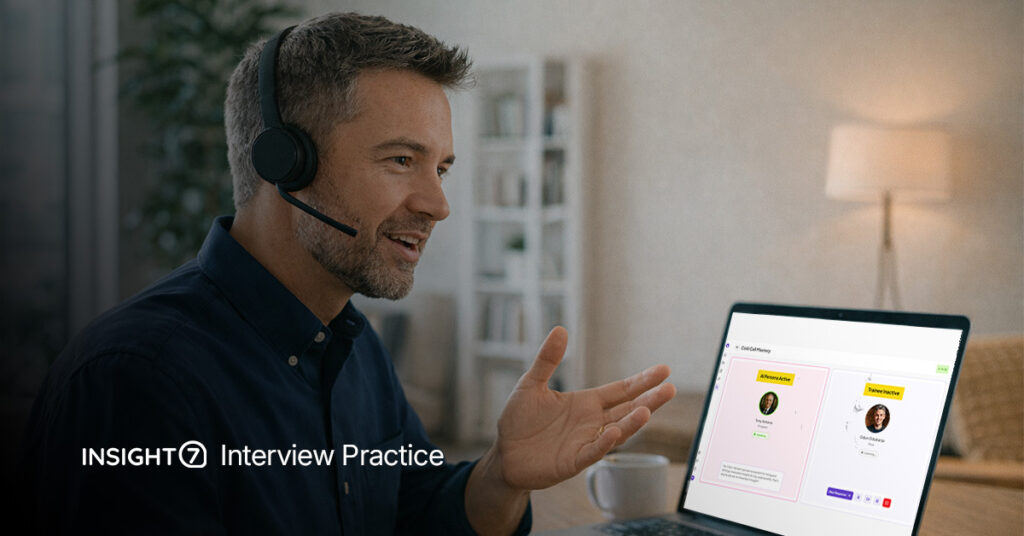
Prepare for your Customer Service interview at Carrier Global with targeted practice and specific feedback. This mock interview session is designed to help you master the skills needed for success in this role, focusing on retention, escalation handling, and building strong customer relationships. What interviewers actually evaluate Retention, Escalation Handling & Relationships Carrier Global's Customer Service interviews assess candidates on their ability to manage customer interactions effectively. Strong candidates demonstrate a balance of empathy, problem-solving skills, and a clear understanding of when to escalate issues. Candidates are often evaluated on their communication style and ability to build rapport with customers. Empathy Problem-solving Communication Adaptability Customer-focused mindset Conflict resolution What gets scored in every session Specific, sentence-level feedback. Dimension What it measures How to answer Empathy Signal Do you acknowledge the customer's emotional state before attempting resolution? We detect whether empathy is genuine or formulaic. Emotional acknowledgment before solution steps Escalation Judgment Did you know when to escalate versus own the resolution, and can you explain why? We score the quality of that judgment. Decision rationale, personal ownership duration Resolution Clarity 'Resolved the issue' tells us nothing. We flag answers without a clear before/after customer state and a specific outcome. What changed, customer response, follow-up Retention Outcome Did the customer stay, return, or express satisfaction? We look for a downstream signal that the resolution had a real effect. CSAT signal, retention event, positive follow-up How a session works Step 1: Get your Carrier Global Customer Service question You are assigned questions based on where candidates for this role typically struggle most. Each session starts fresh with a new question targeting a different evaluation dimension. Step 2: Answer by voice Speak your answer as you would in a real interview. The AI listens for STAR structure and evaluation dimension signals in real time as you speak. Step 3: Get scored dimension by dimension Instant scores across all four rubric dimensions. Each gets a score, a flagged weakness, and a specific sentence-level fix, not 'be more specific' but which sentence to rewrite and why. Step 4: Re-answer and track improvement Revise based on feedback and answer again. See the before/after score change. Your weakness profile updates across sessions so practice becomes more targeted over time. Frequently Asked Questions What questions are asked in a customer service interview? During a customer service interview at Carrier Global, candidates can expect questions that explore their experience with handling difficult customers, providing examples of conflict resolution, and demonstrating empathy in various scenarios. What are the 5 C's of interviewing? The 5 C's of interviewing include clarity, confidence, communication, critical thinking, and cultural fit. These elements help interviewers gauge a candidate's suitability for the role and alignment with the company values. What are the 5 hardest interview questions? Some of the most challenging interview questions include: "Tell me about a time you failed," "How do you handle stress and pressure?", "Describe a conflict you've faced and how you resolved it," "Why should we hire you?" and "Where do you see yourself in five years?" What are the 3 C's of interviewing? The 3 C's of interviewing refer to confidence, competence, and communication. These attributes are essential for making a strong impression and demonstrating that you can effectively perform the role. How is this different from other customer service interviews? Carrier Global emphasizes a structured approach to customer service, focusing on specific evaluation criteria such as empathy and retention outcomes, which may differ from other companies that prioritize general customer satisfaction metrics. Also practice All nine Carrier Global role interview practice pages. Sales Product Management Marketing Finance Operations People & HR Leadership Legal & Compliance One full session free. No account required. Real, specific feedback. Start your free Carrier Global Customer Service practice session.
Carrier Global Customer Service Mock AI Interview
Prepare for your Customer Service interview at Carrier Global with targeted practice and specific feedback. This mock interview session is designed to help you master the skills needed for success in this role, focusing on retention, escalation handling, and building strong customer relationships. What interviewers actually evaluate Retention, Escalation Handling & Relationships Carrier Global's Customer Service interviews assess candidates on their ability to manage customer interactions effectively. Strong candidates demonstrate a balance of empathy, problem-solving skills, and a clear understanding of when to escalate issues. Candidates are often evaluated on their communication style and ability to build rapport with customers. Empathy Problem-solving Communication Adaptability Customer-focused mindset Conflict resolution What gets scored in every session Specific, sentence-level feedback. Dimension What it measures How to answer Empathy Signal Do you acknowledge the customer's emotional state before attempting resolution? We detect whether empathy is genuine or formulaic. Emotional acknowledgment before solution steps Escalation Judgment Did you know when to escalate versus own the resolution, and can you explain why? We score the quality of that judgment. Decision rationale, personal ownership duration Resolution Clarity 'Resolved the issue' tells us nothing. We flag answers without a clear before/after customer state and a specific outcome. What changed, customer response, follow-up Retention Outcome Did the customer stay, return, or express satisfaction? We look for a downstream signal that the resolution had a real effect. CSAT signal, retention event, positive follow-up How a session works Step 1: Get your Carrier Global Customer Service question You are assigned questions based on where candidates for this role typically struggle most. Each session starts fresh with a new question targeting a different evaluation dimension. Step 2: Answer by voice Speak your answer as you would in a real interview. The AI listens for STAR structure and evaluation dimension signals in real time as you speak. Step 3: Get scored dimension by dimension Instant scores across all four rubric dimensions. Each gets a score, a flagged weakness, and a specific sentence-level fix, not 'be more specific' but which sentence to rewrite and why. Step 4: Re-answer and track improvement Revise based on feedback and answer again. See the before/after score change. Your weakness profile updates across sessions so practice becomes more targeted over time. Frequently Asked Questions What questions are asked in a customer service interview? During a customer service interview at Carrier Global, candidates can expect questions that explore their experience with handling difficult customers, providing examples of conflict resolution, and demonstrating empathy in various scenarios. What are the 5 C's of interviewing? The 5 C's of interviewing include clarity, confidence, communication, critical thinking, and cultural fit. These elements help interviewers gauge a candidate's suitability for the role and alignment with the company values. What are the 5 hardest interview questions? Some of the most challenging interview questions include: "Tell me about a time you failed," "How do you handle stress and pressure?", "Describe a conflict you've faced and how you resolved it," "Why should we hire you?" and "Where do you see yourself in five years?" What are the 3 C's of interviewing? The 3 C's of interviewing refer to confidence, competence, and communication. These attributes are essential for making a strong impression and demonstrating that you can effectively perform the role. How is this different from other customer service interviews? Carrier Global emphasizes a structured approach to customer service, focusing on specific evaluation criteria such as empathy and retention outcomes, which may differ from other companies that prioritize general customer satisfaction metrics. Also practice All nine Carrier Global role interview practice pages. Sales Product Management Marketing Finance Operations People & HR Leadership Legal & Compliance One full session free. No account required. Real, specific feedback. Start your free Carrier Global Customer Service practice session.
Intuit Finance Mock AI Interview
Prepare for your finance interview at Intuit by practicing with our AI-driven mock sessions. You will refine your financial modeling, analysis, and business judgment skills. With targeted feedback, you can enhance your interview performance and boost your confidence. What interviewers actually evaluate Financial Modeling, Analysis & Business Judgment Intuit's finance interviews assess candidates on their ability to create structured financial models, analyze data, and demonstrate sound business judgment. Strong candidates stand out through their clarity in assumptions, rigor in analysis, and ability to make informed recommendations. Model clarity Assumption transparency Business impact Analytical rigor Recommendation strength Communication skills What gets scored in every session Specific, sentence-level feedback. Dimension What it measures How to answer Model Rigor Was your model structured correctly? We probe for driver identification, assumption clarity, and scenario analysis, not just output accuracy. Assumption transparency, key driver naming Assumption Clarity Can you name and defend your key assumptions? We flag answers where assumptions are implicit or generic rather than explicitly stated. Explicit assumption naming, source or rationale Business Judgment Did your analysis lead to a clear recommendation? 'Here's what the model shows' is a weak ending. We score whether you took a position. Recommendation presence, business framing Impact Quantification What did the analysis change? We look for a downstream business outcome, a decision made, a project stopped, costs saved. Decision impact, $ or % savings, outcome specificity How a session works Step 1: Get your Intuit Finance question You are assigned questions based on where candidates for this role typically struggle most. Each session starts fresh with a new question targeting a different evaluation dimension. Step 2: Answer by voice Speak your answer as you would in a real interview. The AI listens for STAR structure and evaluation dimension signals in real time as you speak. Step 3: Get scored dimension by dimension Instant scores across all four rubric dimensions. Each gets a score, a flagged weakness, and a specific sentence-level fix, not 'be more specific' but which sentence to rewrite and why. Step 4: Re-answer and track improvement Revise based on feedback and answer again. See the before/after score change. Your weakness profile updates across sessions so practice becomes more targeted over time. Frequently Asked Questions What questions does Intuit ask in an interview? Intuit commonly focuses on behavioral questions, technical finance questions, and situational analysis. Candidates may be asked to demonstrate their problem-solving abilities and how they handle financial challenges. What are the basic questions asked in a finance interview? Basic finance interview questions often cover topics such as financial modeling, key financial metrics, and fundamental concepts in finance. Candidates should expect to explain their thought processes clearly. How hard is an Intuit interview? Intuit interviews are rated as moderately challenging. Candidates reported a positive experience 56.7% of the time, with an average difficulty rating of 3.16 out of 5, indicating a balanced mix of straightforward and complex questions. What are the 5 hardest interview questions? Some of the hardest finance interview questions can include those that require deep technical knowledge, such as explaining complex financial models, analyzing case studies, or articulating the implications of financial regulations. How is finance at Intuit different from other companies? Finance roles at Intuit emphasize collaboration and innovation, focusing on using technology to drive business decisions. This approach is distinct from more traditional finance roles that may prioritize compliance and reporting. Also practice All nine Intuit role interview practice pages. Sales Customer Service Product Management Marketing Operations People & HR Leadership Legal & Compliance One full session free. No account required. Real, specific feedback. Start your free Intuit Finance practice session.
Carrier Global Sales Mock AI Interview
Preparing for a sales position at Carrier Global requires a solid understanding of the company's customer-centric approach. Candidates will face interviews that emphasize their ability to uncover customer needs, handle objections effectively, and close deals. This mock interview practice will help you refine these essential skills. What interviewers actually evaluate Discovery, Objection Handling & Closing Carrier Global sales interviews are structured around the candidate's ability to engage customers through deep discovery, effective objection handling, and strong closing techniques. Strong candidates typically demonstrate a clear understanding of customer pain points before presenting solutions, showcasing their ability to listen and adapt. Customer empathy Problem-solving skills Effective communication Sales metrics achievement Adaptability Strategic thinking What gets scored in every session Dimension What it measures How to answer Discovery Depth Do you start with customer pain or product pitch? We score how far into diagnosis you go before presenting a solution. Question sequencing, pain-first framing Objection Handling We detect acknowledgment, reframe, and evidence patterns, not just 'I listened carefully.' Acknowledge, reframe, evidence structure Pipeline Metrics Results without numbers fail. We flag answers without quota %, deal size, conversion rate, or revenue attribution. %, $, ratio, or growth delta in Result Personal Attribution What did you specifically do, not the team? We flag 'we closed the deal' and surface where you need to claim ownership. 'I' ownership, 'we' overuse, action specificity How a session works Step 1: Get your Carrier Global Sales question You are assigned questions based on where candidates for this role typically struggle most. Each session starts fresh with a new question targeting a different evaluation dimension. Step 2: Answer by voice Speak your answer as you would in a real interview. The AI listens for STAR structure and evaluation dimension signals in real time as you speak. Step 3: Get scored dimension by dimension Instant scores across all four rubric dimensions. Each gets a score, a flagged weakness, and a specific sentence-level fix, not 'be more specific' but which sentence to rewrite and why. Step 4: Re-answer and track improvement Revise based on feedback and answer again. See the before/after score change. Your weakness profile updates across sessions so practice becomes more targeted over time. Frequently Asked Questions What questions does Carrier Global ask for Sales interviews? Carrier Global typically asks candidates to provide examples of their past sales experiences, focusing on discovery techniques, objection handling, and closing strategies. You may also encounter situational questions that assess your adaptability to various customer scenarios. How hard is Carrier Global's Sales interview? The difficulty of Carrier Global's Sales interview can be considered moderate to high, as candidates must demonstrate not only their sales skills but also their understanding of the company's products and customer needs. Preparation is key to success. What are the basic questions asked in a sales interview? Basic questions in a sales interview often include inquiries about your previous sales experience, methods for handling objections, and techniques for closing deals. Expect to discuss your approach to customer engagement and specific metrics you have achieved. What are the 5 hardest interview questions? The five hardest interview questions commonly include: "Describe a time you failed," "What is your greatest weakness?" "How do you handle rejection?" "Tell me about a challenging sale," and "Where do you see yourself in five years?" These questions require self-reflection and honesty. How is this different from other sales interviews? Carrier Global's Sales interviews may differ from others by placing a stronger emphasis on understanding customer needs and creating tailored solutions. Candidates must be prepared to demonstrate not just their sales skills but also their alignment with Carrier's customer-first philosophy. Also practice All nine Carrier Global role interview practice pages. Customer Service Product Management Marketing Finance Operations People & HR Leadership Legal & Compliance One full session free. No account required. Real, specific feedback. Start your free Carrier Global Sales practice session.
Intuit Marketing Mock AI Interview
Preparing for a marketing role at Intuit requires a strong understanding of campaign strategy, messaging, and performance metrics. Candidates who excel typically demonstrate a customer-first approach and can articulate their impact on business outcomes through measurable results. What interviewers actually evaluate Campaign Strategy, Messaging & Performance Metrics Intuit's marketing interviews assess candidates on their ability to develop effective campaigns that resonate with target audiences. Strong candidates differentiate themselves by showcasing a deep understanding of customer needs and aligning their strategies with measurable business goals. Customer insight Business impact metrics Audience-message alignment Strategic clarity Quantifiable results Campaign performance evaluation What gets scored in every session Specific, sentence-level feedback. Dimension What it measures How to answer Customer-Back Strategy Do you start from customer insight or channel preference? We score whether the strategic framing is customer-first or channel-first. Customer insight as starting point, audience clarity Metric Discipline Vanity metrics fail. We evaluate whether you chose KPIs tied to business outcomes, conversion, CAC, LTV, pipeline, not impressions or follower counts. Business-impact metrics vs vanity metrics Message Clarity Can you articulate what the campaign said and why? We flag answers where message logic is assumed rather than explicitly stated. Audience-message-channel alignment Performance Impact Results need a before/after with a business number. We check whether you quantified the lift, revenue, conversion, pipeline, ROAS. Lift delta, before/after, business outcome How a session works Step 1: Get your Intuit Marketing question You are assigned questions based on where candidates for this role typically struggle most. Each session starts fresh with a new question targeting a different evaluation dimension. Step 2: Answer by voice Speak your answer as you would in a real interview. The AI listens for STAR structure and evaluation dimension signals in real time as you speak. Step 3: Get scored dimension by dimension Instant scores across all four rubric dimensions. Each gets a score, a flagged weakness, and a specific sentence-level fix, not 'be more specific' but which sentence to rewrite and why. Step 4: Re-answer and track improvement Revise based on feedback and answer again. See the before/after score change. Your weakness profile updates across sessions so practice becomes more targeted over time. Frequently Asked Questions What questions does Intuit ask for Marketing interviews? Intuit typically asks candidates about their experience with campaign development, metrics used to measure success, and how they align marketing strategies with business outcomes. Expect to discuss specific campaigns you've led and the results achieved. How hard is Intuit's Marketing interview? The difficulty of the Intuit Marketing interview can vary, but candidates often find it challenging due to the emphasis on quantifiable results and strategic thinking. Being prepared with concrete examples of past work is essential. What is the difference between brand marketing and demand generation at Intuit? Brand marketing focuses on building the overall reputation and identity of Intuit, while demand generation is more tactical, aimed at creating interest and driving leads for specific products or services. How does Intuit evaluate candidates for senior marketing roles? For senior roles, Intuit looks for a proven track record of leadership in marketing, strategic vision, and the ability to drive significant business results. Candidates should be ready to showcase their leadership style and impact on past teams. What metrics should I focus on when discussing my marketing campaigns? When discussing marketing campaigns, focus on metrics that demonstrate business impact such as conversion rates, customer acquisition cost (CAC), lifetime value (LTV), and return on ad spend (ROAS), rather than just impressions or engagement. Also practice All nine Intuit role interview practice pages. Sales Customer Service Product Management Finance Operations People & HR Leadership Legal & Compliance One full session free. No account required. Real, specific feedback. Start your free Intuit Marketing practice session.
CDW Legal Mock AI Interview
Prepare for your upcoming Legal interview at CDW with tailored practice sessions designed to enhance your regulatory judgment, risk assessment, and compliance skills. This mock interview will help you gain confidence and improve your responses to common legal scenarios. What interviewers actually evaluate Regulatory Judgment, Risk Assessment & Compliance CDW's Legal interviews assess candidates on their ability to navigate complex regulatory environments and provide sound legal advice that aligns with business objectives. Strong candidates demonstrate a clear understanding of regulatory frameworks and the ability to communicate risks effectively to non-legal stakeholders. Regulatory knowledge Risk management skills Business acumen Clarity of communication Problem-solving abilities Stakeholder engagement What gets scored in every session Specific, sentence-level feedback. Dimension What it measures How to answer Risk Framing Do you frame risk in business terms, probability, magnitude, mitigants, or in pure legal terms? We score whether your risk language is usable by a non-lawyer. Business risk framing, probability + impact language Regulatory Depth Is your regulatory knowledge specific enough to be credible? We flag answers where the legal framework is vague or assumed rather than specifically referenced. Regulatory specificity, jurisdiction awareness Advice Clarity Did you give a recommendation or a list of risks? We score whether your legal advice ends with a clear direction, not a set of options. Recommendation presence, 'I advise X' language Business-Legal Balance Do you demonstrate understanding of the business context, not just the legal constraint? We flag pure-legal answers with no commercial awareness. Business outcome consideration alongside legal advice How a session works Step 1: Get your CDW Legal question You are assigned questions based on where candidates for this role typically struggle most. Each session starts fresh with a new question targeting a different evaluation dimension. Step 2: Answer by voice Speak your answer as you would in a real interview. The AI listens for STAR structure and evaluation dimension signals in real time as you speak. Step 3: Get scored dimension by dimension Instant scores across all four rubric dimensions. Each gets a score, a flagged weakness, and a specific sentence-level fix, not 'be more specific' but which sentence to rewrite and why. Step 4: Re-answer and track improvement Revise based on feedback and answer again. See the before/after score change. Your weakness profile updates across sessions so practice becomes more targeted over time. Frequently Asked Questions What questions does CDW ask for Legal interviews? CDW typically asks about your experience with regulatory compliance, risk management strategies, and how you would handle specific legal scenarios. You may also be asked to provide examples of past legal challenges you've faced. How hard is CDW's Legal interview? The difficulty level can vary, but candidates often report that the interview requires a deep understanding of legal principles and the ability to apply them in business contexts. Preparation is key to navigating the challenges effectively. What are the most common interview questions for Legal roles? Common questions include inquiries about your approach to compliance, how you assess legal risks, and scenarios requiring you to demonstrate your regulatory knowledge. Practicing these responses can significantly boost your confidence. How is an in-house counsel interview different from a compliance interview? In-house counsel interviews tend to focus more on legal advisory skills and business integration, while compliance interviews center around regulatory frameworks and adherence to laws. Both require strong analytical skills, but the context of questions will differ. What are the 5 C's of interviewing? The 5 C's of interviewing generally refer to clarity, confidence, competence, character, and cultural fit. These elements are crucial in assessing a candidate's suitability for both the role and the organization. Also practice All nine CDW role interview practice pages. Sales Customer Service Product Management Marketing Finance Operations People & HR Leadership One full session free. No account required. Real, specific feedback. Start your free CDW Legal practice session.
Intuit Product Management Mock AI Interview
Preparing for a product management interview at Intuit requires a deep understanding of prioritization, trade-offs, and data-driven decision-making. This guide will help you navigate the interview process and understand what makes a strong candidate stand out. What interviewers actually evaluate Prioritization, Roadmap Decisions & Trade-offs Intuit's product management interviews focus on a candidate's ability to prioritize effectively, make informed roadmap decisions, and articulate trade-offs clearly. Strong candidates demonstrate a structured approach to evaluating options and a keen understanding of customer needs and business impact. Prioritization skills Data-driven decision-making Clarity in trade-offs Personal ownership of decisions Customer-centric mindset Strategic thinking What gets scored in every session Specific, sentence-level feedback. Dimension What it measures How to answer Prioritization Framework Do you use a clear, articulable framework, or do you describe outcomes without explaining the logic that produced them? Explicit criteria, trade-off reasoning, customer-back logic Data-Driven Decisions PM answers without data are weak. We flag decisions described as intuition-based with no quantitative grounding. Metric reference, data source, hypothesis testing Trade-off Clarity Did you articulate what you gave up? A good PM answer names the alternative paths and explains why the chosen path was preferable. Explicit trade-off naming, alternative consideration Personal Contribution What did you specifically decide or build, not the team? We flag 'we shipped' language and surface where you need to claim your specific role. 'I decided', 'I recommended', 'I defined' How a session works Step 1: Get your Intuit Product Management question You are assigned questions based on where candidates for this role typically struggle most. Each session starts fresh with a new question targeting a different evaluation dimension. Step 2: Answer by voice Speak your answer as you would in a real interview. The AI listens for STAR structure and evaluation dimension signals in real time as you speak. Step 3: Get scored dimension by dimension Instant scores across all four rubric dimensions. Each gets a score, a flagged weakness, and a specific sentence-level fix, not 'be more specific' but which sentence to rewrite and why. Step 4: Re-answer and track improvement Revise based on feedback and answer again. See the before/after score change. Your weakness profile updates across sessions so practice becomes more targeted over time. Frequently Asked Questions What questions does Intuit ask in an interview? Intuit often asks questions that assess a candidate's product management skills, such as prioritization, roadmap strategy, and trade-off decisions. Expect to engage in situational and behavioral questions that evaluate your analytical and problem-solving abilities. What are the 5 C's of interviewing? The 5 C's of interviewing typically include Communication, Clarity, Confidence, Competency, and Cultural Fit. Each of these areas helps interviewers gauge how well a candidate will perform in the role and integrate into the company culture. What are some product management interview questions? Common product management interview questions include inquiries about how you prioritize features, how you handle stakeholder feedback, and how you approach data analysis. Be prepared to provide examples from your past experiences to illustrate your thought process. How hard is an Intuit interview? Intuit interviews are considered moderately challenging, with Glassdoor users rating their experience at 56.7% positive and a difficulty score of 3.16 out of 5. Candidates often note that preparation is key to successfully navigating the interview process. How is the product management interview at Intuit different from other companies? Intuit places a strong emphasis on data-driven decision-making and customer-centric approaches. While many companies may focus on technical skills, Intuit's interviews often delve deeper into how candidates align product strategies with customer needs and business objectives. Also practice All nine Intuit role interview practice pages. Sales Customer Service Marketing Finance Operations People & HR Leadership Legal & Compliance One full session free. No account required. Real, specific feedback. Start your free Intuit Product Management practice session.
CDW Leadership Mock AI Interview
Prepare for your upcoming leadership interview at CDW. This guide will help you understand the skills and competencies that interviewers focus on, ensuring you are well-equipped to showcase your leadership abilities effectively. What interviewers actually evaluate Decision-Making, Team Development & Strategic Thinking CDW’s leadership interviews are designed to assess how candidates make decisions, develop their teams, and think strategically. Strong candidates demonstrate not only their decision-making processes but also their ability to inspire and influence others, aligning team efforts with organizational goals. Clarity of decision-making Team development skills Strategic vision Accountability for outcomes Influence across teams Ability to articulate future states What gets scored in every session Dimension What it measures How to answer Decision Framework Do you articulate how you made the decision, not just what you decided? We score clarity of reasoning, criteria used, and how you handled conflicting inputs. Explicit criteria, trade-off acknowledgment Accountability Signal Do you own outcomes, including failures? We flag answers that attribute success to the team without claiming personal strategic contribution. Personal ownership of decision and outcome Influence Architecture How did you move people who didn't report to you? We evaluate whether you relied on authority or persuasion. Cross-functional alignment, non-authority-based influence Vision Clarity Can you articulate a future state clearly enough that someone else could execute it? We score whether strategic thinking is concrete or abstract. Concrete vision language, measurable direction How a session works Step 1: Get your CDW Leadership question You are assigned questions based on where candidates for this role typically struggle most. Each session starts fresh with a new question targeting a different evaluation dimension. Step 2: Answer by voice Speak your answer as you would in a real interview. The AI listens for STAR structure and evaluation dimension signals in real time as you speak. Step 3: Get scored dimension by dimension Instant scores across all four rubric dimensions. Each gets a score, a flagged weakness, and a specific sentence-level fix, not 'be more specific' but which sentence to rewrite and why. Step 4: Re-answer and track improvement Revise based on feedback and answer again. See the before/after score change. Your weakness profile updates across sessions so practice becomes more targeted over time. Frequently Asked Questions What questions does CDW ask for Leadership interviews? CDW often asks about experiences related to decision-making, team development, and strategic vision. Expect questions that require you to reflect on past leadership experiences and how you handled various challenges. How hard is CDW's Leadership interview? The difficulty of the interview can vary, but candidates typically find it challenging due to the focus on demonstrating strategic thought and accountability. Preparing well can significantly improve your chances of success. What should I include in my failure story? When discussing failures, it's crucial to articulate what you learned, how you took accountability, and how you applied those lessons in subsequent situations. This demonstrates resilience and growth. How can I show strategic thinking if my background is in execution roles? You can show strategic thinking by discussing how your execution roles contributed to larger organizational goals. Highlight instances where you identified opportunities for improvement or innovation. What is the highest-scoring answer format? The highest-scoring answers typically follow the STAR method: Situation, Task, Action, and Result. This structured approach helps ensure clarity and completeness in your responses. Also practice All nine CDW role interview practice pages. Sales Customer Service Product Management Marketing Finance Operations People & HR Legal & Compliance One full session free. No account required. Real, specific feedback. Start your free CDW Leadership practice session.
Intuit Customer Service Mock AI Interview
Preparing for a customer service role at Intuit requires an understanding of the company's commitment to client satisfaction and problem resolution. This practice page will guide you through common interview questions and provide insights into what makes a strong candidate in this environment. What interviewers actually evaluate Retention, Escalation Handling & Relationships Intuit's Customer Service interviews primarily assess your ability to retain customers through effective problem-solving, escalation handling, and building relationships. Strong candidates demonstrate a deep understanding of customer needs and can articulate their approach to resolving issues while ensuring customer satisfaction. Empathy Problem-solving skills Communication clarity Customer retention strategies Ability to handle escalation Relationship-building techniques What gets scored in every session Specific, sentence-level feedback. Dimension What it measures How to answer Empathy Signal Do you acknowledge the customer's emotional state before attempting resolution? We detect whether empathy is genuine or formulaic. Emotional acknowledgment before solution steps Escalation Judgment Did you know when to escalate versus own the resolution, and can you explain why? We score the quality of that judgment. Decision rationale, personal ownership duration Resolution Clarity 'Resolved the issue' tells us nothing. We flag answers without a clear before/after customer state and a specific outcome. What changed, customer response, follow-up Retention Outcome Did the customer stay, return, or express satisfaction? We look for a downstream signal that the resolution had a real effect. CSAT signal, retention event, positive follow-up How a session works Step 1: Get your Intuit Customer Service question You are assigned questions based on where candidates for this role typically struggle most. Each session starts fresh with a new question targeting a different evaluation dimension. Step 2: Answer by voice Speak your answer as you would in a real interview. The AI listens for STAR structure and evaluation dimension signals in real time as you speak. Step 3: Get scored dimension by dimension Instant scores across all four rubric dimensions. Each gets a score, a flagged weakness, and a specific sentence-level fix, not 'be more specific' but which sentence to rewrite and why. Step 4: Re-answer and track improvement Revise based on feedback and answer again. See the before/after score change. Your weakness profile updates across sessions so practice becomes more targeted over time. Frequently Asked Questions What questions does Intuit ask in an interview? Intuit typically asks questions that assess your problem-solving abilities, empathy, and experience in customer service scenarios. Expect questions about handling difficult customers and specific examples of how you resolved past issues. What are the 5 C's of interviewing? The 5 C's of interviewing include Clarity, Confidence, Communication, Competence, and Compatibility. These factors help interviewers gauge your fit for the role and the company culture. What questions are asked in a customer service interview? In customer service interviews, you may encounter questions about your experience with customer interactions, your approach to resolving conflicts, and how you ensure customer satisfaction. How hard is an Intuit interview? Intuit interviews are rated as moderately difficult, with a positive experience reported by 56.7% of candidates. The difficulty rating is approximately 3.16 out of 5, indicating a balanced challenge for applicants. How is this different from other companies’ customer service interviews? Intuit emphasizes a customer-centric approach and problem-solving skills more heavily than some other companies. Their focus on retention strategies sets them apart in the customer service landscape. Also practice All nine Intuit role interview practice pages. Sales Product Management Marketing Finance Operations People & HR Leadership Legal & Compliance One full session free. No account required. Real, specific feedback. Start your free Intuit Customer Service practice session.
CDW HR Mock AI Interview
Preparing for a People & HR role at CDW requires a strong understanding of behavioral judgment, talent decisions, and employee relations. This practice page will help you refine your skills and prepare effectively for your interview by utilizing real-world scenarios and feedback-driven learning. What interviewers actually evaluate Behavioral Judgment, Talent Decisions & Employee Relations CDW’s HR interviews focus on evaluating candidates' ability to demonstrate independent judgment, informed decision-making, and a balance between empathy and accountability. Strong candidates will effectively showcase their problem-solving skills and their understanding of employee relations within a business context. Independent decision-making Data-informed talent decisions Empathy in employee relations Clarity in communication Outcome-driven results Accountability and ownership What gets scored in every session Specific, sentence-level feedback. Dimension What it measures How to answer Behavioral Judgment Did you demonstrate independent, principled judgment, or defer to process? We score whether your decisions show you actually made a call. Personal decision ownership, non-default choices Talent Decision Quality Were your hiring or performance decisions data-informed and clearly reasoned? We probe the criteria used, not just the outcome. Explicit evaluation criteria, decision rationale Empathy + Rigor Balance Strong HR answers demonstrate both. We flag answers that are all empathy with no accountability, or all accountability with no emotional intelligence. Dual signal in employee relations stories Outcome Specificity 'We resolved it' is not an outcome. We look for a downstream result, for the employee, the team, or the business. Specific outcome, retention signal, business impact How a session works Step 1: Get your CDW People & HR question You are assigned questions based on where candidates for this role typically struggle most. Each session starts fresh with a new question targeting a different evaluation dimension. Step 2: Answer by voice Speak your answer as you would in a real interview. The AI listens for STAR structure and evaluation dimension signals in real time as you speak. Step 3: Get scored dimension by dimension Instant scores across all four rubric dimensions. Each gets a score, a flagged weakness, and a specific sentence-level fix, not 'be more specific' but which sentence to rewrite and why. Step 4: Re-answer and track improvement Revise based on feedback and answer again. See the before/after score change. Your weakness profile updates across sessions so practice becomes more targeted over time. Frequently Asked Questions What questions does CDW ask for HR interviews? CDW often focuses on behavioral questions that assess your past experiences in HR scenarios. You may encounter questions about conflict resolution, talent acquisition strategies, and employee engagement initiatives. How hard is CDW's People & HR interview? The interview process can be challenging, as CDW looks for candidates who can demonstrate a strong understanding of HR principles and their application in real-world situations. Candidates should prepare for situational and behavioral questions. What is the difference between HRBP, TA, and L&D roles at CDW? HRBP (Human Resources Business Partner) focuses on aligning HR strategies with business goals, TA (Talent Acquisition) specializes in recruiting and onboarding talent, while L&D (Learning and Development) concentrates on employee training and development programs. How should I handle confidential situations in HR interviews? When discussing confidential situations, emphasize your understanding of privacy policies and your ability to handle sensitive information with discretion. Use specific examples that demonstrate your integrity. What kind of business acumen is expected in CDW's HR roles? Candidates are expected to understand the business landscape, including how HR decisions impact overall business outcomes. This includes knowledge of financial metrics, workforce planning, and strategic alignment with business objectives. Also practice All nine CDW role interview practice pages. Sales Customer Service Product Management Marketing Finance Operations Leadership Legal & Compliance One full session free. No account required. Real, specific feedback. Start your free CDW People & HR practice session.
