
Carrier Global Leadership Mock AI Interview
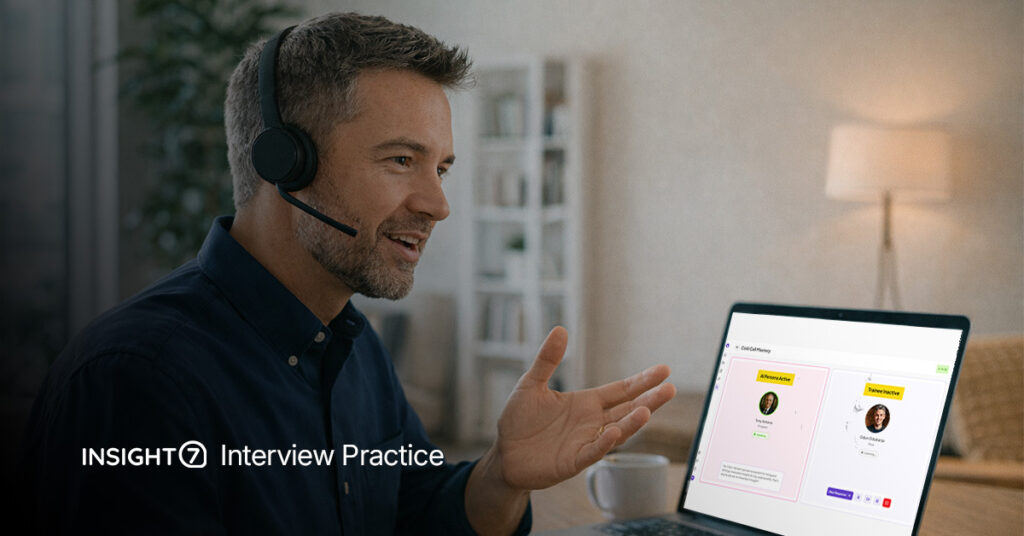
Prepare for your leadership interview at Carrier Global with tailored practice sessions that focus on key leadership qualities such as decision-making, team development, and strategic thinking. This resource will help you understand what to expect and how to excel in your upcoming interview. What interviewers actually evaluate Decision-Making, Team Development & Strategic Thinking Carrier Global leadership interviews assess the ability to make sound decisions, foster team growth, and develop strategic initiatives. Strong candidates demonstrate clarity in their decision-making processes, the ability to navigate complexities, and a vision that inspires and aligns teams. Clarity of reasoning Personal ownership Cross-functional influence Concrete vision articulation Team empowerment Strategic alignment What gets scored in every session Specific, sentence-level feedback. Dimension What it measures How to answer Decision Framework Do you articulate how you made the decision, not just what you decided? We score clarity of reasoning, criteria used, and how you handled conflicting inputs. Explicit criteria, trade-off acknowledgment Accountability Signal Do you own outcomes, including failures? We flag answers that attribute success to the team without claiming personal strategic contribution. Personal ownership of decision and outcome Influence Architecture How did you move people who didn't report to you? We evaluate whether you relied on authority or persuasion. Cross-functional alignment, non-authority-based influence Vision Clarity Can you articulate a future state clearly enough that someone else could execute it? We score whether strategic thinking is concrete or abstract. Concrete vision language, measurable direction How a session works Step 1: Get your Carrier Global Leadership question You are assigned questions based on where candidates for this role typically struggle most. Each session starts fresh with a new question targeting a different evaluation dimension. Step 2: Answer by voice Speak your answer as you would in a real interview. The AI listens for STAR structure and evaluation dimension signals in real time as you speak. Step 3: Get scored dimension by dimension Instant scores across all four rubric dimensions. Each gets a score, a flagged weakness, and a specific sentence-level fix, not 'be more specific' but which sentence to rewrite and why. Step 4: Re-answer and track improvement Revise based on feedback and answer again. See the before/after score change. Your weakness profile updates across sessions so practice becomes more targeted over time. Frequently Asked Questions What type of questions are asked in a leadership interview? In leadership interviews at Carrier Global, candidates can expect questions that assess their decision-making abilities, team management skills, and strategic vision. Common topics include past leadership experiences, conflict resolution, and how candidates have inspired teams. What are the 5 C's of interviews? The five C's that employers want a candidate to demonstrate are Capability, Confidence, Concern for others and the organization, Command, and Communication ability at all levels. These qualities reflect a candidate's readiness for leadership roles. What are the 5 hardest interview questions? Some of the hardest interview questions include scenarios that challenge candidates to think critically, such as "Describe a time you failed and what you learned from it," or "How do you prioritize tasks when managing multiple projects?" What are the 7 most common interview questions? Common interview questions include inquiries about strengths and weaknesses, leadership styles, conflict resolution strategies, team collaboration experiences, and future career goals. Candidates should prepare to illustrate their answers with specific examples. How is Carrier Global's leadership interview different from other companies? Carrier Global focuses heavily on the impact of leadership decisions on organizational culture and team dynamics. Candidates are evaluated not only on their strategic thinking but also on their ability to foster collaboration and drive results through influence rather than authority. Also practice All nine Carrier Global role interview practice pages. Sales Customer Service Product Management Marketing Finance Operations People & HR Legal & Compliance One full session free. No account required. Real, specific feedback. Start your free Carrier Global Leadership practice session.
Boston Scientific Customer Service Mock AI Interview
Prepare for your Customer Service interview at Boston Scientific with our mock interview platform. This resource will help you practice essential skills such as retention, escalation handling, and building customer relationships. Get ready to showcase your abilities in a way that aligns with Boston Scientific's values and expectations. What interviewers actually evaluate Retention, Escalation Handling & Relationships Boston Scientific's Customer Service interviews focus on assessing a candidate's ability to retain customers, effectively handle escalations, and build strong relationships. Strong candidates demonstrate empathy, problem-solving skills, and a clear understanding of customer needs. Empathy Problem-solving Communication skills Customer relationship management Decision-making Adaptability What gets scored in every session Specific, sentence-level feedback. Dimension What it measures How to answer Empathy Signal Do you acknowledge the customer's emotional state before attempting resolution? We detect whether empathy is genuine or formulaic. Emotional acknowledgment before solution steps Escalation Judgment Did you know when to escalate versus own the resolution, and can you explain why? We score the quality of that judgment. Decision rationale, personal ownership duration Resolution Clarity 'Resolved the issue' tells us nothing. We flag answers without a clear before/after customer state and a specific outcome. What changed, customer response, follow-up Retention Outcome Did the customer stay, return, or express satisfaction? We look for a downstream signal that the resolution had a real effect. CSAT signal, retention event, positive follow-up How a session works Step 1: Get your Boston Scientific Customer Service question You are assigned questions based on where candidates for this role typically struggle most. Each session starts fresh with a new question targeting a different evaluation dimension. Step 2: Answer by voice Speak your answer as you would in a real interview. The AI listens for STAR structure and evaluation dimension signals in real time as you speak. Step 3: Get scored dimension by dimension Instant scores across all four rubric dimensions. Each gets a score, a flagged weakness, and a specific sentence-level fix, not 'be more specific' but which sentence to rewrite and why. Step 4: Re-answer and track improvement Revise based on feedback and answer again. See the before/after score change. Your weakness profile updates across sessions so practice becomes more targeted over time. Frequently Asked Questions Is it hard to get hired at Boston Scientific? While Boston Scientific is known for its high standards, candidates who demonstrate strong customer service skills and align with the company’s values can find success in the hiring process. What are the 5 C's of interviewing? The 5 C's of interviewing include Clarity, Confidence, Communication, Connection, and Competence. These elements are crucial for impressing interviewers during the hiring process. What questions are asked in a customer service interview? Candidates can expect questions that assess their problem-solving abilities, empathy, and experience in handling difficult situations. Examples include "How do you handle an irate customer?" or "Can you describe a time you turned a negative experience into a positive one?" What are 5 qualities of a good customer service interview question? Good customer service interview questions should assess qualities such as communication skills, empathy, problem-solving abilities, patience, and loyalty. These traits are essential for providing exceptional customer service. How does the Boston Scientific customer service interview differ from others? Boston Scientific emphasizes a patient-centric approach, focusing on how candidates can ensure customer satisfaction in a healthcare context. This may involve more role-play scenarios and situational questions compared to other industries. Also practice All nine Boston Scientific role interview practice pages. Sales Product Management Marketing Finance Operations People & HR Leadership Legal & Compliance One full session free. No account required. Real, specific feedback. Start your free Boston Scientific Customer Service practice session.
Aflac Customer Service Mock AI Interview
Prepare for your interview with Aflac as a Customer Service representative. This page provides insights into what to expect during the interview process and how to shine as a candidate. Understanding the evaluation criteria and practicing your responses can significantly enhance your chances of success. What interviewers actually evaluate Retention, Escalation Handling & Relationships Aflac's Customer Service interviews focus on candidates' abilities to retain customers, handle escalations effectively, and build strong relationships. Strong candidates demonstrate genuine empathy, sound judgment in escalation scenarios, and a clear understanding of customer resolution processes. Genuine empathy Effective escalation judgment Clear resolution communication Positive retention outcomes Strong relationship management Adaptability to customer needs What gets scored in every session Specific, sentence-level feedback. Dimension What it measures How to answer Empathy Signal Do you acknowledge the customer's emotional state before attempting resolution? We detect whether empathy is genuine or formulaic. Emotional acknowledgment before solution steps Escalation Judgment Did you know when to escalate versus own the resolution, and can you explain why? We score the quality of that judgment. Decision rationale, personal ownership duration Resolution Clarity 'Resolved the issue' tells us nothing. We flag answers without a clear before/after customer state and a specific outcome. What changed, customer response, follow-up Retention Outcome Did the customer stay, return, or express satisfaction? We look for a downstream signal that the resolution had a real effect. CSAT signal, retention event, positive follow-up How a session works Step 1: Get your Aflac Customer Service question You are assigned questions based on where candidates for this role typically struggle most. Each session starts fresh with a new question targeting a different evaluation dimension. Step 2: Answer by voice Speak your answer as you would in a real interview. The AI listens for STAR structure and evaluation dimension signals in real time as you speak. Step 3: Get scored dimension by dimension Instant scores across all four rubric dimensions. Each gets a score, a flagged weakness, and a specific sentence-level fix, not 'be more specific' but which sentence to rewrite and why. Step 4: Re-answer and track improvement Revise based on feedback and answer again. See the before/after score change. Your weakness profile updates across sessions so practice becomes more targeted over time. Frequently Asked Questions What questions does Aflac ask in an interview? Aflac typically asks behavioral questions that explore your experience in customer service, handling difficult situations, and demonstrating empathy. Expect questions that require you to recount specific examples of past customer interactions. What are the 5 C's of interviewing? The 5 C's of interviewing are Clarity, Confidence, Competence, Connection, and Curiosity. Each of these aspects helps interviewers gauge your suitability for the role and your ability to relate to customers. Is it hard to get hired by Aflac? Getting hired by Aflac can be competitive, as they seek candidates who not only possess the necessary skills but also align with their customer-centric values. Strong preparation and a clear understanding of customer service principles can enhance your chances. What are the 5 hardest interview questions? Some of the toughest questions include scenarios where you have to demonstrate your problem-solving abilities, explain a time you failed, and how you would handle an irate customer. Preparation for these types of questions is essential. How is Aflac's interview process different from other companies? Aflac's interview process places a strong emphasis on behavioral and situational questions, focusing on real-life applications of customer service skills, unlike some companies that may prioritize technical knowledge. Also practice All nine Aflac role interview practice pages. Sales Product Management Marketing Finance Operations People & HR Leadership Legal & Compliance One full session free. No account required. Real, specific feedback. Start your free Aflac Customer Service practice session.
Aflac Customer Service Mock AI Interview
Prepare for your interview with Aflac as a Customer Service representative. This page provides insights into what to expect during the interview process and how to shine as a candidate. Understanding the evaluation criteria and practicing your responses can significantly enhance your chances of success. What interviewers actually evaluate Retention, Escalation Handling & Relationships Aflac's Customer Service interviews focus on candidates' abilities to retain customers, handle escalations effectively, and build strong relationships. Strong candidates demonstrate genuine empathy, sound judgment in escalation scenarios, and a clear understanding of customer resolution processes. Genuine empathy Effective escalation judgment Clear resolution communication Positive retention outcomes Strong relationship management Adaptability to customer needs What gets scored in every session Specific, sentence-level feedback. Dimension What it measures How to answer Empathy Signal Do you acknowledge the customer's emotional state before attempting resolution? We detect whether empathy is genuine or formulaic. Emotional acknowledgment before solution steps Escalation Judgment Did you know when to escalate versus own the resolution, and can you explain why? We score the quality of that judgment. Decision rationale, personal ownership duration Resolution Clarity 'Resolved the issue' tells us nothing. We flag answers without a clear before/after customer state and a specific outcome. What changed, customer response, follow-up Retention Outcome Did the customer stay, return, or express satisfaction? We look for a downstream signal that the resolution had a real effect. CSAT signal, retention event, positive follow-up How a session works Step 1: Get your Aflac Customer Service question You are assigned questions based on where candidates for this role typically struggle most. Each session starts fresh with a new question targeting a different evaluation dimension. Step 2: Answer by voice Speak your answer as you would in a real interview. The AI listens for STAR structure and evaluation dimension signals in real time as you speak. Step 3: Get scored dimension by dimension Instant scores across all four rubric dimensions. Each gets a score, a flagged weakness, and a specific sentence-level fix, not 'be more specific' but which sentence to rewrite and why. Step 4: Re-answer and track improvement Revise based on feedback and answer again. See the before/after score change. Your weakness profile updates across sessions so practice becomes more targeted over time. Frequently Asked Questions What questions does Aflac ask in an interview? Aflac typically asks behavioral questions that explore your experience in customer service, handling difficult situations, and demonstrating empathy. Expect questions that require you to recount specific examples of past customer interactions. What are the 5 C's of interviewing? The 5 C's of interviewing are Clarity, Confidence, Competence, Connection, and Curiosity. Each of these aspects helps interviewers gauge your suitability for the role and your ability to relate to customers. Is it hard to get hired by Aflac? Getting hired by Aflac can be competitive, as they seek candidates who not only possess the necessary skills but also align with their customer-centric values. Strong preparation and a clear understanding of customer service principles can enhance your chances. What are the 5 hardest interview questions? Some of the toughest questions include scenarios where you have to demonstrate your problem-solving abilities, explain a time you failed, and how you would handle an irate customer. Preparation for these types of questions is essential. How is Aflac's interview process different from other companies? Aflac's interview process places a strong emphasis on behavioral and situational questions, focusing on real-life applications of customer service skills, unlike some companies that may prioritize technical knowledge. Also practice All nine Aflac role interview practice pages. Sales Product Management Marketing Finance Operations People & HR Leadership Legal & Compliance One full session free. No account required. Real, specific feedback. Start your free Aflac Customer Service practice session.
Aflac Customer Service Mock AI Interview
Prepare for your interview with Aflac as a Customer Service representative. This page provides insights into what to expect during the interview process and how to shine as a candidate. Understanding the evaluation criteria and practicing your responses can significantly enhance your chances of success. What interviewers actually evaluate Retention, Escalation Handling & Relationships Aflac's Customer Service interviews focus on candidates' abilities to retain customers, handle escalations effectively, and build strong relationships. Strong candidates demonstrate genuine empathy, sound judgment in escalation scenarios, and a clear understanding of customer resolution processes. Genuine empathy Effective escalation judgment Clear resolution communication Positive retention outcomes Strong relationship management Adaptability to customer needs What gets scored in every session Specific, sentence-level feedback. Dimension What it measures How to answer Empathy Signal Do you acknowledge the customer's emotional state before attempting resolution? We detect whether empathy is genuine or formulaic. Emotional acknowledgment before solution steps Escalation Judgment Did you know when to escalate versus own the resolution, and can you explain why? We score the quality of that judgment. Decision rationale, personal ownership duration Resolution Clarity 'Resolved the issue' tells us nothing. We flag answers without a clear before/after customer state and a specific outcome. What changed, customer response, follow-up Retention Outcome Did the customer stay, return, or express satisfaction? We look for a downstream signal that the resolution had a real effect. CSAT signal, retention event, positive follow-up How a session works Step 1: Get your Aflac Customer Service question You are assigned questions based on where candidates for this role typically struggle most. Each session starts fresh with a new question targeting a different evaluation dimension. Step 2: Answer by voice Speak your answer as you would in a real interview. The AI listens for STAR structure and evaluation dimension signals in real time as you speak. Step 3: Get scored dimension by dimension Instant scores across all four rubric dimensions. Each gets a score, a flagged weakness, and a specific sentence-level fix, not 'be more specific' but which sentence to rewrite and why. Step 4: Re-answer and track improvement Revise based on feedback and answer again. See the before/after score change. Your weakness profile updates across sessions so practice becomes more targeted over time. Frequently Asked Questions What questions does Aflac ask in an interview? Aflac typically asks behavioral questions that explore your experience in customer service, handling difficult situations, and demonstrating empathy. Expect questions that require you to recount specific examples of past customer interactions. What are the 5 C's of interviewing? The 5 C's of interviewing are Clarity, Confidence, Competence, Connection, and Curiosity. Each of these aspects helps interviewers gauge your suitability for the role and your ability to relate to customers. Is it hard to get hired by Aflac? Getting hired by Aflac can be competitive, as they seek candidates who not only possess the necessary skills but also align with their customer-centric values. Strong preparation and a clear understanding of customer service principles can enhance your chances. What are the 5 hardest interview questions? Some of the toughest questions include scenarios where you have to demonstrate your problem-solving abilities, explain a time you failed, and how you would handle an irate customer. Preparation for these types of questions is essential. How is Aflac's interview process different from other companies? Aflac's interview process places a strong emphasis on behavioral and situational questions, focusing on real-life applications of customer service skills, unlike some companies that may prioritize technical knowledge. Also practice All nine Aflac role interview practice pages. Sales Product Management Marketing Finance Operations People & HR Leadership Legal & Compliance One full session free. No account required. Real, specific feedback. Start your free Aflac Customer Service practice session.
Carrier Global HR Mock AI Interview
Preparing for a role in People & HR at Carrier Global requires a solid understanding of both behavioral judgment and employee relations. Candidates are evaluated on their ability to make principled decisions while balancing empathy with accountability. Familiarity with the company's values and practices will set you apart in the interview process. What interviewers actually evaluate Behavioral Judgment, Talent Decisions & Employee Relations Carrier Global's HR interviews assess candidates on their ability to demonstrate independent judgment, data-informed talent decisions, and emotional intelligence in employee relations. Strong candidates distinguish themselves through clear reasoning and specific outcomes from their experiences. Independent decision-making Data-informed hiring practices Empathy and emotional intelligence Specific outcome descriptions Clear evaluation criteria Accountability in employee relations What gets scored in every session Specific, sentence-level feedback. Dimension What it measures How to answer Behavioral Judgment Did you demonstrate independent, principled judgment, or defer to process? We score whether your decisions show you actually made a call. Personal decision ownership, non-default choices Talent Decision Quality Were your hiring or performance decisions data-informed and clearly reasoned? We probe the criteria used, not just the outcome. Explicit evaluation criteria, decision rationale Empathy + Rigor Balance Strong HR answers demonstrate both. We flag answers that are all empathy with no accountability, or all accountability with no emotional intelligence. Dual signal in employee relations stories Outcome Specificity 'We resolved it' is not an outcome. We look for a downstream result, for the employee, the team, or the business. Specific outcome, retention signal, business impact How a session works Step 1: Get your Carrier Global People & HR question You are assigned questions based on where candidates for this role typically struggle most. Each session starts fresh with a new question targeting a different evaluation dimension. Step 2: Answer by voice Speak your answer as you would in a real interview. The AI listens for STAR structure and evaluation dimension signals in real time as you speak. Step 3: Get scored dimension by dimension Instant scores across all four rubric dimensions. Each gets a score, a flagged weakness, and a specific sentence-level fix, not 'be more specific' but which sentence to rewrite and why. Step 4: Re-answer and track improvement Revise based on feedback and answer again. See the before/after score change. Your weakness profile updates across sessions so practice becomes more targeted over time. Frequently Asked Questions What questions are usually asked in an HR interview? In HR interviews at Carrier Global, candidates can expect questions that explore their experience with employee relations, conflict resolution, and talent acquisition. You may be asked to provide specific examples of how you've handled difficult situations or made hiring decisions. What are the 5 C's of interviewing? The 5 C's of interviewing typically refer to Clarity, Confidence, Competence, Communication, and Compatibility. These elements reflect how well candidates present their skills, align with company culture, and effectively communicate during the interview process. What are the 5 hardest interview questions? Some of the toughest interview questions often include inquiries about your biggest failure, describing a conflict with a colleague, how you manage stress, explaining gaps in your resume, and what motivates you. Preparing for these questions with honest, structured responses is crucial. What are the 7 most common interview questions? Common interview questions include inquiries about your strengths and weaknesses, why you want to work for the company, your career goals, your greatest achievements, how you handle challenges, your teamwork experience, and why you left your last job. How does Carrier Global's HR interview differ from other companies? Carrier Global places a strong emphasis on behavioral judgment and specific outcomes in candidate responses, which may differ from other companies that focus more on technical skills or general HR knowledge. Understanding this distinction can help you tailor your preparation effectively. Also practice All nine Carrier Global role interview practice pages. Sales Customer Service Product Management Marketing Finance Operations Leadership Legal & Compliance One full session free. No account required. Real, specific feedback. Start your free Carrier Global People & HR practice session.
Boston Scientific Sales Mock AI Interview
Preparing for a sales role at Boston Scientific can be competitive, and understanding the interview process is crucial for success. This mock interview practice page will guide you through what to expect in the interview and how to effectively showcase your skills. What interviewers actually evaluate Discovery, Objection Handling & Closing Boston Scientific's Sales interviews are structured around real-world scenarios that assess a candidate's ability to identify customer needs, handle objections, and effectively close deals. Strong candidates demonstrate a deep understanding of the medical device market and exhibit a consultative selling approach. Customer-centricity Sales metrics achievement Effective communication Adaptability to feedback Problem-solving skills Collaborative spirit What gets scored in every session Specific, sentence-level feedback. Dimension What it measures How to answer Discovery Depth Do you start with customer pain or product pitch? We score how far into diagnosis you go before presenting a solution. Question sequencing, pain-first framing Objection Handling We detect acknowledgment, reframe, and evidence patterns, not just 'I listened carefully.' Acknowledge, reframe, evidence structure Pipeline Metrics Results without numbers fail. We flag answers without quota %, deal size, conversion rate, or revenue attribution. %, $, ratio, or growth delta in Result Personal Attribution What did you specifically do, not the team? We flag 'we closed the deal' and surface where you need to claim ownership. 'I' ownership, 'we' overuse, action specificity How a session works Step 1: Get your Boston Scientific Sales question You are assigned questions based on where candidates for this role typically struggle most. Each session starts fresh with a new question targeting a different evaluation dimension. Step 2: Answer by voice Speak your answer as you would in a real interview. The AI listens for STAR structure and evaluation dimension signals in real time as you speak. Step 3: Get scored dimension by dimension Instant scores across all four rubric dimensions. Each gets a score, a flagged weakness, and a specific sentence-level fix, not 'be more specific' but which sentence to rewrite and why. Step 4: Re-answer and track improvement Revise based on feedback and answer again. See the before/after score change. Your weakness profile updates across sessions so practice becomes more targeted over time. Frequently Asked Questions Is it hard to get hired at Boston Scientific? It can be challenging to secure a role at Boston Scientific. Glassdoor users rated their interview experience at Boston Scientific as 66% positive, with a difficulty rating score of 2.83 out of 5 (where 5 is the highest level of difficulty). What are the 5 C's of interviewing? The 5 C's of interviewing typically include Clarity, Confidence, Competence, Connection, and Cultural Fit. Each of these factors is critical in demonstrating your suitability for a role and aligning with the company's values. What is the 30-60-90 question in an interview? Employers often ask this question to gauge how you might transition to a new position. They want to know how quickly you can adjust to the job and the company. This question assesses your understanding of the role's duties and expectations. What questions will I be asked in a sales interview? In a sales interview at Boston Scientific, you may encounter questions focused on your sales achievements, strategies for closing deals, handling objections, and understanding customer needs. Be prepared to discuss specific examples from your past experiences. How is Boston Scientific's sales interview different from other companies? Boston Scientific's sales interview tends to emphasize a consultative approach, focusing on how well candidates can identify and address customer needs through their solutions. This may differ from other companies that prioritize more traditional sales tactics. Also practice All nine Boston Scientific role interview practice pages. Customer Service Product Management Marketing Finance Operations People & HR Leadership Legal & Compliance One full session free. No account required. Real, specific feedback. Start your free Boston Scientific Sales practice session.
Aflac Sales Mock AI Interview
/ sales/aflac-sales-mock-ai-interview Prepare for your Sales interview with Aflac by practicing real interview scenarios. This mock interview will help you refine your skills in discovery, objection handling, and closing, ensuring you're fully prepared for the real thing. What interviewers actually evaluate Discovery, Objection Handling & Closing Aflac Sales interviews focus on how well candidates can identify customer needs, address objections, and close sales effectively. Strong candidates demonstrate a deep understanding of customer pain points and exhibit confidence in guiding conversations toward solutions. Customer empathy Solution-oriented mindset Effective communication Resilience Sales metrics awareness Collaborative spirit What gets scored in every session Specific, sentence-level feedback. Dimension What it measures How to answer Discovery Depth Do you start with customer pain or product pitch? We score how far into diagnosis you go before presenting a solution. Question sequencing, pain-first framing Objection Handling We detect acknowledgment, reframe, and evidence patterns, not just 'I listened carefully.' Acknowledge, reframe, evidence structure Pipeline Metrics Results without numbers fail. We flag answers without quota %, deal size, conversion rate, or revenue attribution. %, $, ratio, or growth delta in Result Personal Attribution What did you specifically do, not the team? We flag 'we closed the deal' and surface where you need to claim ownership. 'I' ownership, 'we' overuse, action specificity How a session works Step 1: Get your Aflac Sales question You are assigned questions based on where candidates for this role typically struggle most. Each session starts fresh with a new question targeting a different evaluation dimension. Step 2: Answer by voice Speak your answer as you would in a real interview. The AI listens for STAR structure and evaluation dimension signals in real time as you speak. Step 3: Get scored dimension by dimension Instant scores across all four rubric dimensions. Each gets a score, a flagged weakness, and a specific sentence-level fix, not 'be more specific' but which sentence to rewrite and why. Step 4: Re-answer and track improvement Revise based on feedback and answer again. See the before/after score change. Your weakness profile updates across sessions so practice becomes more targeted over time. Frequently Asked Questions What questions does Aflac ask in an interview? Aflac typically asks candidates about their sales experience, how they handle customer objections, and their strategies for closing deals. You may also be asked situational questions to assess your problem-solving skills and customer relationship management. What are the 5 C's of interviewing? The 5 C's of interviewing include Clarity, Confidence, Competence, Communication, and Commitment. These elements help to create a strong impression and demonstrate your suitability for the role. What are the 5 hardest interview questions? Some of the most challenging interview questions include "Tell me about a time you failed," "Describe a difficult customer interaction," and "What motivates you?" These questions require introspection and the ability to articulate your experiences thoughtfully. What are the 3 C's of interviewing? The 3 C's of interviewing are Clarity, Confidence, and Competence. These are essential for conveying your qualifications and suitability for the role effectively. How hard is Aflac's Sales interview? Candidates often report that Aflac's Sales interview can be challenging due to the emphasis on demonstrating sales skills and the ability to handle objections. Preparation and practice are key to navigating this interview successfully. Also practice All nine Aflac role interview practice pages. Customer Service Product Management Marketing Finance Operations People & HR Leadership Legal & Compliance One full session free. No account required. Real, specific feedback. Start your free Aflac Sales practice session.
Carrier Global Operations Mock AI Interview
Prepare for your upcoming interview with Carrier Global for the Operations role. This guide will help you understand the specific evaluation criteria and provide insight into what interviewers are looking for in successful candidates. What interviewers actually evaluate Process Design, Efficiency & Execution Carrier Global's Operations interviews focus on evaluating your ability to design and execute processes efficiently. Strong candidates demonstrate a clear understanding of operational metrics and a proactive approach to problem-solving. Interviewers are looking for evidence of your ability to drive improvements and streamline operations. Process clarity Quantifiable results Ownership of execution STAR interview structure Situational awareness Adaptability in operations What gets scored in every session Specific, sentence-level feedback. Dimension What it measures How to answer Process Clarity Can you describe a process clearly, inputs, steps, outputs, failure points? We score the technical clarity of your process description. Process stages named, failure mode awareness Efficiency Impact What improved and by how much? We flag stories without a quantified before/after, cost per unit, throughput, error rate, or cycle time. % improvement, time/cost delta, error reduction Execution Ownership Did you design and implement the change, or observe it? We detect whether you were the actor or the narrator in your own story. Personal action verbs, decision ownership STAR Balance Operations stories often have strong Situations and weak Results. We flag imbalanced structures and help you invest more in Action and Result. STAR proportion, Result specificity How a session works Step 1: Get your Carrier Global Operations question You are assigned questions based on where candidates for this role typically struggle most. Each session starts fresh with a new question targeting a different evaluation dimension. Step 2: Answer by voice Speak your answer as you would in a real interview. The AI listens for STAR structure and evaluation dimension signals in real time as you speak. Step 3: Get scored dimension by dimension Instant scores across all four rubric dimensions. Each gets a score, a flagged weakness, and a specific sentence-level fix, not 'be more specific' but which sentence to rewrite and why. Step 4: Re-answer and track improvement Revise based on feedback and answer again. See the before/after score change. Your weakness profile updates across sessions so practice becomes more targeted over time. Frequently Asked Questions What questions are asked in an operations interview? In an operations interview at Carrier Global, candidates can expect questions related to process design, efficiency improvements, and real-life scenarios demonstrating problem-solving skills. Typical questions might include situational prompts that require candidates to explain their approach to optimizing operations. How hard is Carrier Global's Operations interview? Carrier Global's Operations interview can be challenging due to its emphasis on quantifiable results and process clarity. Candidates are assessed on their ability to articulate their experiences effectively using the STAR method. What are the 5 hardest interview questions? While specific questions may vary, candidates often find questions that require detailed examples of process failures or significant improvements particularly challenging. Being prepared with metrics and clear narratives can help. What are the 5 C's of interviewing? The 5 C's of interviewing include Clarity, Conciseness, Confidence, Competence, and Connection. These elements are crucial for presenting your skills and experiences effectively throughout the interview process. How is this different from a supply chain or manufacturing operations role? While operations roles may share similarities, supply chain roles often focus on logistical aspects and inventory management, whereas manufacturing operations emphasize production processes and efficiency. Understanding these distinctions can help candidates tailor their responses accordingly. Also practice All nine Carrier Global role interview practice pages. Sales Customer Service Product Management Marketing Finance People & HR Leadership Legal & Compliance One full session free. No account required. Real, specific feedback. Start your free Carrier Global Operations practice session.
Intuit Legal Mock AI Interview
Preparing for a legal role at Intuit involves understanding the complexities of regulatory judgment, risk assessment, and compliance. This mock AI interview will help you hone your skills and prepare to showcase your legal expertise effectively. What interviewers actually evaluate Regulatory Judgment, Risk Assessment & Compliance Intuit's Legal interviews assess candidates on their ability to navigate complex regulatory landscapes while providing practical risk assessments and compliance guidance. Strong candidates demonstrate not only legal acumen but also the ability to frame issues in business terms, integrating legal understanding with commercial insight. Regulatory expertise Risk management skills Business acumen Communication clarity Problem-solving ability Ethical judgment What gets scored in every session Specific, sentence-level feedback. Dimension What it measures How to answer Risk Framing Do you frame risk in business terms, probability, magnitude, mitigants, or in pure legal terms? We score whether your risk language is usable by a non-lawyer. Business risk framing, probability + impact language Regulatory Depth Is your regulatory knowledge specific enough to be credible? We flag answers where the legal framework is vague or assumed rather than specifically referenced. Regulatory specificity, jurisdiction awareness Advice Clarity Did you give a recommendation or a list of risks? We score whether your legal advice ends with a clear direction, not a set of options. Recommendation presence, 'I advise X' language Business-Legal Balance Do you demonstrate understanding of the business context, not just the legal constraint? We flag pure-legal answers with no commercial awareness. Business outcome consideration alongside legal advice How a session works Step 1: Get your Intuit Legal question You are assigned questions based on where candidates for this role typically struggle most. Each session starts fresh with a new question targeting a different evaluation dimension. Step 2: Answer by voice Speak your answer as you would in a real interview. The AI listens for STAR structure and evaluation dimension signals in real time as you speak. Step 3: Get scored dimension by dimension Instant scores across all four rubric dimensions. Each gets a score, a flagged weakness, and a specific sentence-level fix, not 'be more specific' but which sentence to rewrite and why. Step 4: Re-answer and track improvement Revise based on feedback and answer again. See the before/after score change. Your weakness profile updates across sessions so practice becomes more targeted over time. Frequently Asked Questions What questions does Intuit ask in an interview? Intuit's interviews typically include questions focusing on regulatory scenarios, risk assessment, and compliance challenges. Candidates may be asked to describe past experiences where they managed legal risks or offered compliance advice. How hard is an Intuit interview? Intuit interviews are rated as moderately difficult, with a positive experience score of 56.7% on Glassdoor. The difficulty rating stands at 3.16 out of 5, indicating a balanced challenge for candidates. What questions are asked in a legal interview? Legal interviews often explore candidates' understanding of relevant laws, ethical considerations, and their ability to apply legal principles to real-world scenarios. Expect hypothetical questions that assess your analytical and decision-making skills. What are 7 good questions to ask in an interview? Candidates can consider asking about the company's approach to compliance, the legal team's structure, challenges faced in the legal department, opportunities for professional development, and how the team collaborates with other departments. How is in-house counsel different from compliance roles? In-house counsel typically focuses on providing legal advice and representation, while compliance roles concentrate on ensuring that the company adheres to regulations and internal policies. Both are critical but serve different functions within the organization. Also practice All nine Intuit role interview practice pages. Sales Customer Service Product Management Marketing Finance Operations People & HR Leadership One full session free. No account required. Real, specific feedback. Start your free Intuit Legal practice session.
