
Tenet Healthcare Customer Service Mock AI Interview
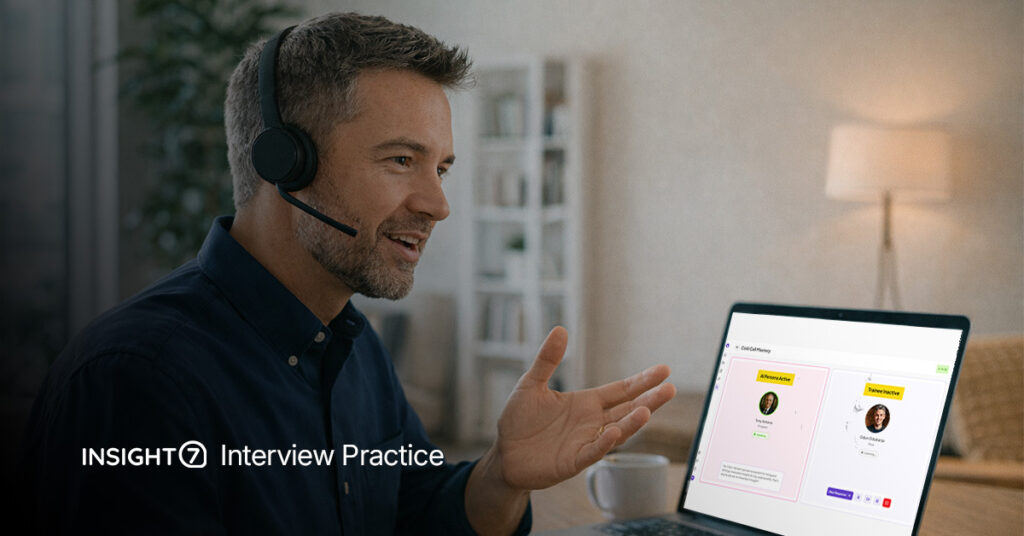
Preparing for a customer service role at Tenet Healthcare involves understanding the specific evaluation criteria the company prioritizes. This mock interview session will help you practice crucial skills needed to excel in real interview scenarios. What interviewers actually evaluate Retention, Escalation Handling & Relationships Tenet Healthcare's customer service interviews assess how well candidates can manage customer relationships, retain clients, and effectively handle escalations. Strong candidates are distinguished by their ability to demonstrate empathy, articulate clear resolution strategies, and show a proactive approach to customer concerns. Empathy Problem-solving Communication skills Customer retention strategies Escalation management Clarity of response What gets scored in every session Specific, sentence-level feedback. Dimension What it measures How to answer Empathy Signal Do you acknowledge the customer's emotional state before attempting resolution? We detect whether empathy is genuine or formulaic. Emotional acknowledgment before solution steps Escalation Judgment Did you know when to escalate versus own the resolution, and can you explain why? We score the quality of that judgment. Decision rationale, personal ownership duration Resolution Clarity 'Resolved the issue' tells us nothing. We flag answers without a clear before/after customer state and a specific outcome. What changed, customer response, follow-up Retention Outcome Did the customer stay, return, or express satisfaction? We look for a downstream signal that the resolution had a real effect. CSAT signal, retention event, positive follow-up How a session works Step 1: Get your Tenet Healthcare Customer Service question You are assigned questions based on where candidates for this role typically struggle most. Each session starts fresh with a new question targeting a different evaluation dimension. Step 2: Answer by voice Speak your answer as you would in a real interview. The AI listens for STAR structure and evaluation dimension signals in real time as you speak. Step 3: Get scored dimension by dimension Instant scores across all four rubric dimensions. Each gets a score, a flagged weakness, and a specific sentence-level fix, not 'be more specific' but which sentence to rewrite and why. Step 4: Re-answer and track improvement Revise based on feedback and answer again. See the before/after score change. Your weakness profile updates across sessions so practice becomes more targeted over time. Frequently Asked Questions What questions do they ask in a customer service interview? Candidates can expect questions that focus on their past experiences in customer service scenarios, how they handle difficult customers, and their approach to problem-solving and conflict resolution. What are the 5 C's of interviewing? The 5 C's of interviewing refer to Clarity, Confidence, Communication, Competence, and Cultural Fit. Mastering these elements can significantly enhance your interview performance. What is the hiring process for Tenet Healthcare? The hiring process for Tenet Healthcare careers typically involves submitting an online application, participating in a phone interview, attending an in-person interview, and completing background and reference checks. What are the 5 hardest interview questions? Some of the hardest interview questions often include scenarios that test your problem-solving abilities, ethical dilemmas, and questions about handling failure or conflict in a professional setting. How is the interview process different for Tenet Healthcare compared to other healthcare companies? Tenet Healthcare places a strong emphasis on customer relationships and retention strategies, which may make their interview questions more focused on interpersonal skills and customer service scenarios than those of other healthcare organizations. Also practice All nine Tenet Healthcare role interview practice pages. Sales Product Management Marketing Finance Operations People & HR Leadership Legal & Compliance One full session free. No account required. Real, specific feedback. Start your free Tenet Healthcare Customer Service practice session.
Tenet Healthcare Sales Mock AI Interview
Preparing for a sales interview at Tenet Healthcare involves understanding how to effectively engage with clients, handle objections, and close deals. This page will guide you through the key areas Tenet typically focuses on during the interview process, helping you sharpen your skills and present yourself as a strong candidate. What interviewers actually evaluate Discovery, Objection Handling & Closing Tenet Healthcare sales interviews are structured around the candidate's ability to identify customer needs, effectively manage objections, and successfully close sales. Strong candidates demonstrate a thorough understanding of the sales process and the ability to adapt their strategies to different scenarios. Customer engagement Problem-solving skills Adaptability Sales metrics Closing techniques Industry knowledge What gets scored in every session Specific, sentence-level feedback. Dimension What it measures How to answer Discovery Depth Do you start with customer pain or product pitch? We score how far into diagnosis you go before presenting a solution. Question sequencing, pain-first framing Objection Handling We detect acknowledgment, reframe, and evidence patterns, not just 'I listened carefully.' Acknowledge, reframe, evidence structure Pipeline Metrics Results without numbers fail. We flag answers without quota %, deal size, conversion rate, or revenue attribution. %, $, ratio, or growth delta in Result Personal Attribution What did you specifically do, not the team? We flag 'we closed the deal' and surface where you need to claim ownership. 'I' ownership, 'we' overuse, action specificity How a session works Step 1: Get your Tenet Healthcare Sales question You are assigned questions based on where candidates for this role typically struggle most. Each session starts fresh with a new question targeting a different evaluation dimension. Step 2: Answer by voice Speak your answer as you would in a real interview. The AI listens for STAR structure and evaluation dimension signals in real time as you speak. Step 3: Get scored dimension by dimension Instant scores across all four rubric dimensions. Each gets a score, a flagged weakness, and a specific sentence-level fix, not 'be more specific' but which sentence to rewrite and why. Step 4: Re-answer and track improvement Revise based on feedback and answer again. See the before/after score change. Your weakness profile updates across sessions so practice becomes more targeted over time. Frequently Asked Questions What are the basic questions asked in a sales interview? Basic questions in a sales interview often include inquiries about your sales experience, your approach to closing deals, and how you handle objections. Interviewers may also ask situational questions to assess your problem-solving skills and adaptability in various sales scenarios. What are the 5 hardest interview questions? The five hardest interview questions typically include: "Describe a time you failed," "How do you handle rejection?" "What would you do if you didn't meet your sales target?" "How do you prioritize your accounts?" and "Explain your sales process." What is the 30-60-90 question in an interview? Employers often ask this interview question to gauge how you might transition to a new position. They want to know how quickly you can adjust to the job and the company. They may also ask this question to determine how well you understand the duties and expectations of the position. What is the hiring process for Tenet Healthcare? The hiring process for Tenet Healthcare careers typically involves submitting an online application, participating in a phone interview, attending an in-person interview, and completing background and reference checks. How hard is Tenet Healthcare's Sales interview? Candidates often find Tenet Healthcare's Sales interview challenging due to its focus on real-world sales scenarios, including objection handling and metrics-based questions. Preparation is key to demonstrating your skills and knowledge effectively. Also practice All nine Tenet Healthcare role interview practice pages. Customer Service Product Management Marketing Finance Operations People & HR Leadership Legal & Compliance One full session free. No account required. Real, specific feedback. Start your free Tenet Healthcare Sales practice session.
Cognizant Technology Legal Mock AI Interview
Cognizant Technology offers a unique opportunity for legal professionals to showcase their expertise in a dynamic and challenging environment. As a candidate for the Legal role, you will be assessed on your regulatory judgment, risk assessment, and compliance knowledge during the interview process. What interviewers actually evaluate Regulatory Judgment, Risk Assessment & Compliance Cognizant's Legal interviews focus on assessing candidates' ability to navigate complex legal landscapes while considering business implications. Strong candidates demonstrate a clear understanding of regulatory requirements and can articulate their impact on business operations. Regulatory awareness Risk mitigation strategies Business acumen Clarity in legal recommendations Depth of legal knowledge Adaptability to evolving regulations What gets scored in every session Specific, sentence-level feedback. Dimension What it measures How to answer Risk Framing Do you frame risk in business terms, probability, magnitude, mitigants, or in pure legal terms? We score whether your risk language is usable by a non-lawyer. Business risk framing, probability + impact language Regulatory Depth Is your regulatory knowledge specific enough to be credible? We flag answers where the legal framework is vague or assumed rather than specifically referenced. Regulatory specificity, jurisdiction awareness Advice Clarity Did you give a recommendation or a list of risks? We score whether your legal advice ends with a clear direction, not a set of options. Recommendation presence, 'I advise X' language Business-Legal Balance Do you demonstrate understanding of the business context, not just the legal constraint? We flag pure-legal answers with no commercial awareness. Business outcome consideration alongside legal advice How a session works Step 1: Get your Cognizant Technology Legal question You are assigned questions based on where candidates for this role typically struggle most. Each session starts fresh with a new question targeting a different evaluation dimension. Step 2: Answer by voice Speak your answer as you would in a real interview. The AI listens for STAR structure and evaluation dimension signals in real time as you speak. Step 3: Get scored dimension by dimension Instant scores across all four rubric dimensions. Each gets a score, a flagged weakness, and a specific sentence-level fix, not 'be more specific' but which sentence to rewrite and why. Step 4: Re-answer and track improvement Revise based on feedback and answer again. See the before/after score change. Your weakness profile updates across sessions so practice becomes more targeted over time. Frequently Asked Questions What are the questions asked in a Cognizant technical interview? In a Cognizant technical interview, candidates can expect questions that assess their understanding of legal principles, regulatory frameworks, and scenario-based problem-solving. Interviewers may also explore candidates' ability to apply legal knowledge to business contexts. How do I prepare for a Cognizant interview? Preparation for a Cognizant interview should involve researching the company’s legal practices, understanding relevant regulations, and practicing answers to common legal scenarios. Familiarizing yourself with the STAR method can enhance your answer structure. What is the L1 and L2 interview in Cognizant? The L1 interview is typically the first technical interview focusing on foundational legal knowledge, while the L2 interview delves deeper into specific scenarios and problem-solving abilities. Following these, candidates may face a managerial interview and then an HR round. How to negotiate salary at Cognizant? To negotiate a higher offer at Cognizant, it is crucial to research their compensation bands and understand the total package, including stock options and bonuses. Having market data prepared can strengthen your negotiation position. How is the in-house counsel interview different from compliance interviews? In-house counsel interviews often focus on legal advisory roles and strategic business alignment, while compliance interviews emphasize adherence to regulations and risk management strategies. Both roles require strong legal acumen but differ in their day-to-day responsibilities and perspectives. Also practice All nine Cognizant Technology role interview practice pages. Sales Customer Service Product Management Marketing Finance Operations People & HR Leadership One full session free. No account required. Real, specific feedback. Start your free Cognizant Technology Legal practice session.
Cognizant Technology Leadership Mock AI Interview
Preparing for a leadership role at Cognizant Technology requires an understanding of how to navigate complex decision-making, inspire teams, and define strategic visions. This mock interview practice is designed to help candidates refine their skills and articulate their experiences effectively. What interviewers actually evaluate Decision-Making, Team Development & Strategic Thinking Cognizant Technology leadership interviews assess how candidates approach decision-making, foster team development, and demonstrate strategic thinking. Strong candidates stand out by showcasing their ability to balance analytical reasoning with emotional intelligence in leadership situations. Clarity of decision-making process Ability to inspire and develop teams Strategic vision articulation Ownership of outcomes Cross-functional influence Adaptability to changing environments What gets scored in every session Specific, sentence-level feedback. Dimension What it measures How to answer Decision Framework Do you articulate how you made the decision, not just what you decided? We score clarity of reasoning, criteria used, and how you handled conflicting inputs. Explicit criteria, trade-off acknowledgment Accountability Signal Do you own outcomes, including failures? We flag answers that attribute success to the team without claiming personal strategic contribution. Personal ownership of decision and outcome Influence Architecture How did you move people who didn't report to you? We evaluate whether you relied on authority or persuasion. Cross-functional alignment, non-authority-based influence Vision Clarity Can you articulate a future state clearly enough that someone else could execute it? We score whether strategic thinking is concrete or abstract. Concrete vision language, measurable direction How a session works Step 1: Get your Cognizant Technology Leadership question You are assigned questions based on where candidates for this role typically struggle most. Each session starts fresh with a new question targeting a different evaluation dimension. Step 2: Answer by voice Speak your answer as you would in a real interview. The AI listens for STAR structure and evaluation dimension signals in real time as you speak. Step 3: Get scored dimension by dimension Instant scores across all four rubric dimensions. Each gets a score, a flagged weakness, and a specific sentence-level fix, not 'be more specific' but which sentence to rewrite and why. Step 4: Re-answer and track improvement Revise based on feedback and answer again. See the before/after score change. Your weakness profile updates across sessions so practice becomes more targeted over time. Frequently Asked Questions What are the questions asked in a Cognizant technical interview? Candidates can expect a mix of behavioral and situational questions that assess their technical knowledge, leadership experience, and problem-solving abilities related to specific scenarios they may encounter in a leadership role. What is the L1 and L2 interview in Cognizant? L1 typically refers to the first technical interview, while L2 is the second technical interview. After these, candidates may face a managerial interview followed by an HR round, depending on the specific hiring process. How do I prepare for a Cognizant interview? Preparation involves understanding the company's leadership values, practicing behavioral interview questions, and reflecting on past experiences that demonstrate leadership qualities and decision-making skills. How to handle leadership interview questions? Responding effectively requires using the STAR method (Situation, Task, Action, Result) to structure your answers. Focus on showcasing your leadership journey, decision-making processes, and how you have driven team success. How hard is Cognizant's Leadership interview? The difficulty can vary based on the candidate's experience level and specific role being applied for. Generally, candidates report that the interviews are challenging due to the emphasis on strategic thinking and complex problem-solving. Also practice All nine Cognizant Technology role interview practice pages. Sales Customer Service Product Management Marketing Finance Operations People & HR Legal & Compliance One full session free. No account required. Real, specific feedback. Start your free Cognizant Technology Leadership practice session.
Cognizant Technology HR Mock AI Interview
Preparing for a People & HR role at Cognizant Technology involves understanding the key evaluation factors that interviewers focus on. Candidates should be ready to demonstrate their approach to behavioral judgment, talent decisions, and employee relations through real-life examples and structured responses. What interviewers actually evaluate Behavioral Judgment, Talent Decisions & Employee Relations Cognizant Technology's HR interviews assess a candidate's ability to make principled judgments, inform talent decisions using data, and balance empathy with accountability in employee relations. Strong candidates showcase their decision-making process and provide specific outcomes from their actions, highlighting their impact on teams and the organization. Independent judgment Data-informed talent decisions Empathy in employee relations Specific outcomes Decision-making rationale Clear communication What gets scored in every session Specific, sentence-level feedback. Dimension What it measures How to answer Behavioral Judgment Did you demonstrate independent, principled judgment, or defer to process? We score whether your decisions show you actually made a call. Personal decision ownership, non-default choices Talent Decision Quality Were your hiring or performance decisions data-informed and clearly reasoned? We probe the criteria used, not just the outcome. Explicit evaluation criteria, decision rationale Empathy + Rigor Balance Strong HR answers demonstrate both. We flag answers that are all empathy with no accountability, or all accountability with no emotional intelligence. Dual signal in employee relations stories Outcome Specificity 'We resolved it' is not an outcome. We look for a downstream result, for the employee, the team, or the business. Specific outcome, retention signal, business impact How a session works Step 1: Get your Cognizant Technology People & HR question You are assigned questions based on where candidates for this role typically struggle most. Each session starts fresh with a new question targeting a different evaluation dimension. Step 2: Answer by voice Speak your answer as you would in a real interview. The AI listens for STAR structure and evaluation dimension signals in real time as you speak. Step 3: Get scored dimension by dimension Instant scores across all four rubric dimensions. Each gets a score, a flagged weakness, and a specific sentence-level fix, not 'be more specific' but which sentence to rewrite and why. Step 4: Re-answer and track improvement Revise based on feedback and answer again. See the before/after score change. Your weakness profile updates across sessions so practice becomes more targeted over time. Frequently Asked Questions How to crack a Cognizant HR interview? To succeed in a Cognizant HR interview, focus on demonstrating your understanding of the company’s values and how they align with your personal experiences. Prepare to discuss specific instances where you displayed leadership, conflict resolution, and strategic thinking in HR scenarios. What happens in a Cognizant HR discussion? The HR discussion at Cognizant typically involves several levels. The Intermediate level focuses on personality and behavior, while the concluding level wraps up the interview, summarizing your fit for the role and discussing next steps. What questions will be asked in an HR interview? Expect questions that dive into your past HR experiences, your understanding of HR principles, and situational questions that assess your problem-solving and decision-making skills. Interviewers may also ask about your approach to talent management and employee engagement. What are the questions asked in a Cognizant technical interview? While the focus is on HR, technical questions may surface related to HR software tools, data analysis for talent decisions, or compliance issues relevant to HR practices. Be prepared to discuss your familiarity with these tools and concepts. How is the Cognizant HR interview different from other companies? Cognizant's HR interview places a strong emphasis on data-driven decision-making and the balance of empathy and accountability. This differentiates it from other companies that may focus more on traditional behavioral questions without incorporating quantitative assessment. Also practice All nine Cognizant Technology role interview practice pages. Sales Customer Service Product Management Marketing Finance Operations Leadership Legal & Compliance One full session free. No account required. Real, specific feedback. Start your free Cognizant Technology People & HR practice session.
Cognizant Technology Operations Mock AI Interview
Cognizant Technology seeks candidates for Operations roles who can effectively design and execute processes while driving efficiency. Successful candidates demonstrate a strong ability to articulate their thought processes and outcomes, showcasing both technical and managerial skills throughout the interview. What interviewers actually evaluate Process Design, Efficiency & Execution Cognizant's Operations interviews focus on assessing how well candidates can design processes, optimize efficiency, and execute strategies. Strong candidates are distinguished by their ability to clearly articulate their process management experiences and the measurable impact of their actions on business outcomes. Clarity in process description Quantifiable results Ownership of execution STAR method application Problem-solving skills Adaptability in changing environments What gets scored in every session Specific, sentence-level feedback. Dimension What it measures How to answer Process Clarity Can you describe a process clearly, inputs, steps, outputs, failure points? We score the technical clarity of your process description. Process stages named, failure mode awareness Efficiency Impact What improved and by how much? We flag stories without a quantified before/after, cost per unit, throughput, error rate, or cycle time. % improvement, time/cost delta, error reduction Execution Ownership Did you design and implement the change, or observe it? We detect whether you were the actor or the narrator in your own story. Personal action verbs, decision ownership STAR Balance Operations stories often have strong Situations and weak Results. We flag imbalanced structures and help you invest more in Action and Result. STAR proportion, Result specificity How a session works Step 1: Get your Cognizant Technology Operations question You are assigned questions based on where candidates for this role typically struggle most. Each session starts fresh with a new question targeting a different evaluation dimension. Step 2: Answer by voice Speak your answer as you would in a real interview. The AI listens for STAR structure and evaluation dimension signals in real time as you speak. Step 3: Get scored dimension by dimension Instant scores across all four rubric dimensions. Each gets a score, a flagged weakness, and a specific sentence-level fix, not 'be more specific' but which sentence to rewrite and why. Step 4: Re-answer and track improvement Revise based on feedback and answer again. See the before/after score change. Your weakness profile updates across sessions so practice becomes more targeted over time. Frequently Asked Questions What are the questions asked in a Cognizant technical interview? Cognizant's technical interviews often include questions about specific technical skills, problem-solving scenarios, and situational tasks relevant to the operations role. Candidates may face questions that assess their understanding of process design and efficiency metrics. What questions are asked in an operations interview? In an operations interview at Cognizant, candidates can expect questions focusing on process improvement, project management, and examples of past experiences where they enhanced operational efficiency. Interviewers may ask for specific metrics or results from previous roles. How do I prepare for a Cognizant interview? To prepare for a Cognizant interview, candidates should review common operations interview questions, practice articulating their experiences using the STAR method, and familiarize themselves with process improvement frameworks like Lean and Six Sigma. What are the 5 values of Cognizant? Cognizant's core values include transparency, accountability, integrity, innovation, and customer-centricity. Candidates should align their answers to reflect how they embody these values through their past experiences. How is the operations interview different from technical interviews at Cognizant? While technical interviews at Cognizant focus on specific technical skills and knowledge, operations interviews emphasize process management, efficiency improvement, and the ability to drive results in a business context. Candidates should prepare accordingly based on the role they are applying for. Also practice All nine Cognizant Technology role interview practice pages. Sales Customer Service Product Management Marketing Finance People & HR Leadership Legal & Compliance One full session free. No account required. Real, specific feedback. Start your free Cognizant Technology Operations practice session.
Cognizant Technology Finance Mock AI Interview
Prepare for your finance interview at Cognizant Technology with our tailored mock interview sessions. Focus on essential skills such as financial modeling, analysis, and business judgment to enhance your performance and confidence. What interviewers actually evaluate Financial Modeling, Analysis & Business Judgment Cognizant Technology's finance interviews assess candidates on their ability to build robust financial models, analyze data effectively, and demonstrate sound business judgment. Strong candidates distinguish themselves by showcasing clear assumptions, quantifiable impacts, and strategic recommendations that align with business objectives. Financial modeling proficiency Analytical thinking Clear communication Business impact understanding Decision-making skills Assumption transparency What gets scored in every session Dimension What it measures How to answer Model Rigor Was your model structured correctly? We probe for driver identification, assumption clarity, and scenario analysis, not just output accuracy. Assumption transparency, key driver naming Assumption Clarity Can you name and defend your key assumptions? We flag answers where assumptions are implicit or generic rather than explicitly stated. Explicit assumption naming, source or rationale Business Judgment Did your analysis lead to a clear recommendation? 'Here's what the model shows' is a weak ending. We score whether you took a position. Recommendation presence, business framing Impact Quantification What did the analysis change? We look for a downstream business outcome, a decision made, a project stopped, costs saved. Decision impact, $ or % savings, outcome specificity How a session works Step 1: Get your Cognizant Technology Finance question You are assigned questions based on where candidates for this role typically struggle most. Each session starts fresh with a new question targeting a different evaluation dimension. Step 2: Answer by voice Speak your answer as you would in a real interview. The AI listens for STAR structure and evaluation dimension signals in real time as you speak. Step 3: Get scored dimension by dimension Instant scores across all four rubric dimensions. Each gets a score, a flagged weakness, and a specific sentence-level fix, not 'be more specific' but which sentence to rewrite and why. Step 4: Re-answer and track improvement Revise based on feedback and answer again. See the before/after score change. Your weakness profile updates across sessions so practice becomes more targeted over time. Frequently Asked Questions What questions are asked in a Cognizant technical interview? Candidates can expect questions that assess their technical knowledge in finance, including financial modeling scenarios and analytical problem-solving tasks. What are the questions in a technical interview for finance? Typical questions may revolve around financial analysis, case studies, and specific modeling challenges that require candidates to demonstrate their quantitative skills. How do I prepare for a Cognizant interview? Preparation should include reviewing common finance concepts, practicing modeling techniques, and familiarizing yourself with behavioral interview questions to articulate your experiences effectively. What is the L1 and L2 interview in Cognizant? L1 is the first technical interview focusing on foundational finance skills, while L2 is a more advanced technical interview, often leading to a managerial round and then an HR discussion, depending on the role. How hard is Cognizant's Finance interview? The difficulty level can vary, but candidates generally find that the interviews require a strong grasp of finance concepts and the ability to apply them in practical scenarios. Also practice All nine Cognizant Technology role interview practice pages. Sales Customer Service Product Management Marketing Operations People & HR Leadership Legal & Compliance One full session free. No account required. Real, specific feedback. Start your free Cognizant Technology Finance practice session.
Automatic Data Processing Marketing Mock AI Interview
Preparing for a marketing role at Automatic Data Processing requires a deep understanding of campaign strategy, messaging, and performance metrics. Candidates should be ready to showcase their analytical skills and demonstrate how their marketing initiatives align with business objectives. What interviewers actually evaluate Campaign Strategy, Messaging & Performance Metrics Automatic Data Processing emphasizes a customer-first approach in its marketing interviews. Candidates are evaluated on their ability to craft campaigns that resonate with target audiences while also being metrics-driven. Strong candidates differentiate themselves by showcasing their strategic thinking and data analysis skills. Customer-first strategy Metric-driven decision making Clear messaging Campaign performance impact Ability to adapt and learn Team collaboration and leadership What gets scored in every session Specific, sentence-level feedback. Dimension What it measures How to answer Customer-Back Strategy Do you start from customer insight or channel preference? We score whether the strategic framing is customer-first or channel-first. Customer insight as starting point, audience clarity Metric Discipline Vanity metrics fail. We evaluate whether you chose KPIs tied to business outcomes, conversion, CAC, LTV, pipeline, not impressions or follower counts. Business-impact metrics vs vanity metrics Message Clarity Can you articulate what the campaign said and why? We flag answers where message logic is assumed rather than explicitly stated. Audience-message-channel alignment Performance Impact Results need a before/after with a business number. We check whether you quantified the lift, revenue, conversion, pipeline, ROAS. Lift delta, before/after, business outcome How a session works Step 1: Get your Automatic Data Processing Marketing question You are assigned questions based on where candidates for this role typically struggle most. Each session starts fresh with a new question targeting a different evaluation dimension. Step 2: Answer by voice Speak your answer as you would in a real interview. The AI listens for STAR structure and evaluation dimension signals in real time as you speak. Step 3: Get scored dimension by dimension Instant scores across all four rubric dimensions. Each gets a score, a flagged weakness, and a specific sentence-level fix, not 'be more specific' but which sentence to rewrite and why. Step 4: Re-answer and track improvement Revise based on feedback and answer again. See the before/after score change. Your weakness profile updates across sessions so practice becomes more targeted over time. Frequently Asked Questions What questions does Automatic Data Processing ask for Marketing interviews? Candidates can expect questions that assess their understanding of customer insights, campaign strategies, and performance metrics. Interviewers often focus on practical examples of past marketing initiatives and their measurable outcomes. How hard is Automatic Data Processing's Marketing interview? The interview is considered challenging, primarily because candidates must demonstrate both strategic thinking and data-driven decision making. Interviewers are looking for depth in responses and a clear connection to business outcomes. What is the 30-60-90 question in an interview? Employers often ask this interview question to gauge how you might transition to a new position. They want to know how quickly you can adjust to the job and the company. They may also ask this question to determine how well you understand the duties and expectations of the position. What are the three C's of an interview? The three C's that are critical in interviews are Credibility, Competence, and Confidence. These factors are interconnected and play a vital role in how candidates are perceived by interviewers. What are the four types of data processing? The four types of data processing are batch processing, real-time processing, online processing, and distributed processing. Each type has its applications and is chosen based on the specific needs of the marketing initiative. Also practice All nine Automatic Data Processing role interview practice pages. Sales Customer Service Product Management Finance Operations People & HR Leadership Legal & Compliance One full session free. No account required. Real, specific feedback. Start your free Automatic Data Processing Marketing practice session.
Automatic Data Processing Product Management Mock AI Interview
Preparing for a product management interview at Automatic Data Processing requires a solid understanding of prioritization, roadmap decisions, and trade-offs. Candidates should be ready to articulate their thought processes and decisions clearly, demonstrating a balance between strategic vision and data-driven insights. What interviewers actually evaluate Prioritization, Roadmap Decisions & Trade-offs Automatic Data Processing evaluates candidates on their ability to make informed decisions that align with business goals and customer needs. Strong candidates are distinguished by their clarity in prioritization frameworks and the ability to articulate trade-offs effectively. Prioritization frameworks Data-driven decision making Trade-off clarity Personal contribution Customer-centric thinking Strategic alignment What gets scored in every session Dimension What it measures How to answer Prioritization Framework Do you use a clear, articulable framework, or do you describe outcomes without explaining the logic that produced them? Explicit criteria, trade-off reasoning, customer-back logic Data-Driven Decisions PM answers without data are weak. We flag decisions described as intuition-based with no quantitative grounding. Metric reference, data source, hypothesis testing Trade-off Clarity Did you articulate what you gave up? A good PM answer names the alternative paths and explains why the chosen path was preferable. Explicit trade-off naming, alternative consideration Personal Contribution What did you specifically decide or build, not the team? We flag 'we shipped' language and surface where you need to claim your specific role. 'I decided', 'I recommended', 'I defined' How a session works Step 1: Get your Automatic Data Processing Product Management question You are assigned questions based on where candidates for this role typically struggle most. Each session starts fresh with a new question targeting a different evaluation dimension. Step 2: Answer by voice Speak your answer as you would in a real interview. The AI listens for STAR structure and evaluation dimension signals in real time as you speak. Step 3: Get scored dimension by dimension Instant scores across all four rubric dimensions. Each gets a score, a flagged weakness, and a specific sentence-level fix, not 'be more specific' but which sentence to rewrite and why. Step 4: Re-answer and track improvement Revise based on feedback and answer again. See the before/after score change. Your weakness profile updates across sessions so practice becomes more targeted over time. Frequently Asked Questions What questions does Automatic Data Processing ask for Product Management interviews? Candidates can expect questions focused on prioritizing product features, handling stakeholder feedback, and making data-driven decisions. Examples include situational questions that ask how you would handle a specific product challenge. How hard is Automatic Data Processing's Product Management interview? The interview process is considered challenging, requiring candidates to demonstrate both deep product knowledge and strong analytical skills. It emphasizes real-world scenarios and problem-solving abilities. What is the difference between product sense and behavioral questions in PM interviews? Product sense questions assess your ability to think strategically about product features and market needs, while behavioral questions focus on your past experiences and how they shaped your approach to product management. How can I prepare for a technical product management interview at Automatic Data Processing? Candidates should familiarize themselves with data analysis techniques, product metrics, and technical concepts relevant to the role. Practicing case studies and situational questions can also be beneficial. How is the Product Management interview at Automatic Data Processing different from other companies? Automatic Data Processing places a strong emphasis on the balance between data-driven decision making and customer-centric approaches, making it critical for candidates to demonstrate both analytical skills and empathy for users. Also practice All nine Automatic Data Processing role interview practice pages. Sales Customer Service Marketing Finance Operations People & HR Leadership Legal & Compliance One full session free. No account required. Real, specific feedback. Start your free Automatic Data Processing Product Management practice session.
Automatic Data Processing Customer Service Mock AI Interview
Preparing for a Customer Service role at Automatic Data Processing requires a keen understanding of their customer-centric values and problem-solving approach. This page will help you navigate the interview process, focusing on essential skills and strategies to excel. What interviewers actually evaluate Retention, Escalation Handling & Relationships Automatic Data Processing emphasizes the importance of building strong relationships with customers while effectively handling escalations. Candidates are evaluated on their ability to maintain customer retention through empathetic communication and problem resolution. Demonstrating a clear understanding of customer needs while managing complex situations sets top candidates apart. Empathy Communication Skills Problem-Solving Ability Customer Retention Strategies Conflict Resolution Decision-Making Judgement What gets scored in every session Specific, sentence-level feedback. Dimension What it measures How to answer Empathy Signal Do you acknowledge the customer's emotional state before attempting resolution? We detect whether empathy is genuine or formulaic. Emotional acknowledgment before solution steps Escalation Judgment Did you know when to escalate versus own the resolution, and can you explain why? We score the quality of that judgment. Decision rationale, personal ownership duration Resolution Clarity 'Resolved the issue' tells us nothing. We flag answers without a clear before/after customer state and a specific outcome. What changed, customer response, follow-up Retention Outcome Did the customer stay, return, or express satisfaction? We look for a downstream signal that the resolution had a real effect. CSAT signal, retention event, positive follow-up How a session works Step 1: Get your Automatic Data Processing Customer Service question You are assigned questions based on where candidates for this role typically struggle most. Each session starts fresh with a new question targeting a different evaluation dimension. Step 2: Answer by voice Speak your answer as you would in a real interview. The AI listens for STAR structure and evaluation dimension signals in real time as you speak. Step 3: Get scored dimension by dimension Instant scores across all four rubric dimensions. Each gets a score, a flagged weakness, and a specific sentence-level fix, not 'be more specific' but which sentence to rewrite and why. Step 4: Re-answer and track improvement Revise based on feedback and answer again. See the before/after score change. Your weakness profile updates across sessions so practice becomes more targeted over time. Frequently Asked Questions What are the 5 C's of interviews? The five C's that employers want a candidate to demonstrate are: Capability, and evidence of it, to perform the absolute must deliver tasks; Confidence in their own ability; Concern for others and the organisation; Command and the desire to increase this; and Communication ability at all levels. How to crack an ADP interview? Research the Company: Understand ADP's mission, services, and work culture. Review Core Concepts: Brush up on technical skills relevant to your domain. Practice Mock Interviews: Simulate interview scenarios to build confidence. Dress Professionally: Make a great first impression with appropriate attire. What are the 10 most common interview questions and answers for customer service? Common questions often include scenarios like handling an upset customer, explaining a time when you went above and beyond for a client, and discussing how you prioritize tasks during busy periods. Preparing structured answers using the STAR method can help convey your experience effectively. What are the 3 C's of an interview? The three C's that we will examine are: Credibility; Competence; and Confidence. They are inextricably connected and crucial for demonstrating your fit for the role. How hard is the ADP Customer Service interview? The difficulty level can be moderate to high, particularly if candidates are not well-prepared. Expect scenario-based questions that require real-world problem-solving and customer interaction examples. Also practice All nine Automatic Data Processing role interview practice pages. Sales Product Management Marketing Finance Operations People & HR Leadership Legal & Compliance One full session free. No account required. Real, specific feedback. Start your free Automatic Data Processing Customer Service practice session.
