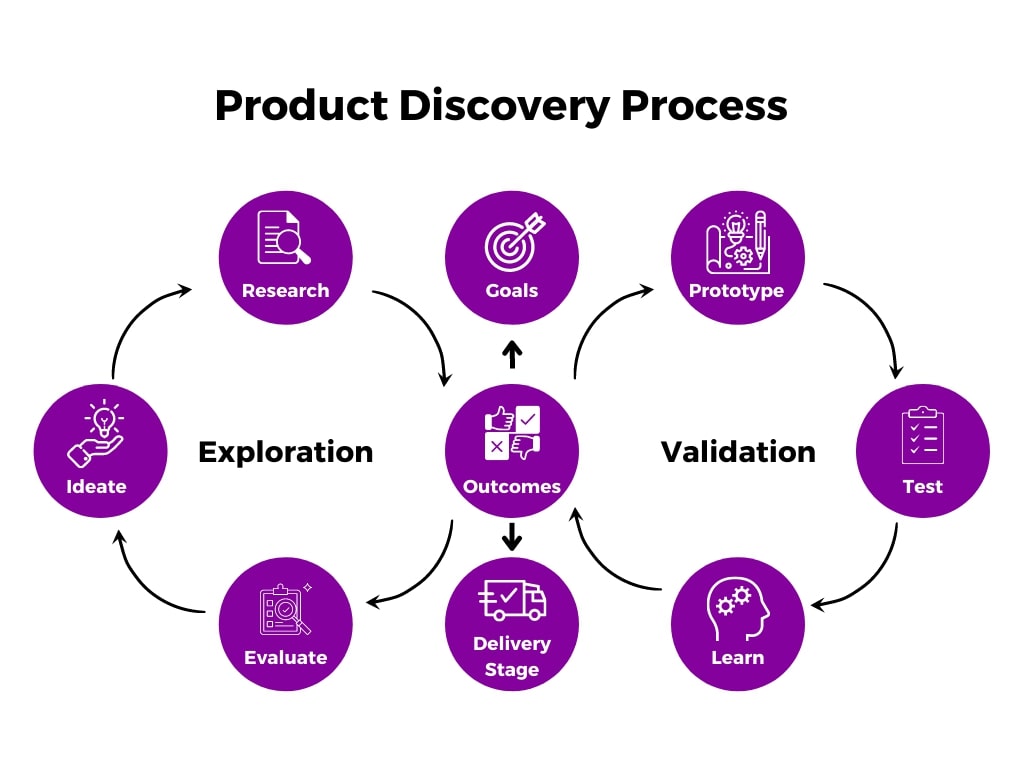
Overview of Business Process Analysis Methodology
Process Optimization Blueprint sets the stage for improving business efficiency and effectiveness. In a world where competition is fierce, understanding and refining your internal processes can lead to significant advantages. This blueprint offers a structured approach, allowing organizations to identify areas that require attention while optimizing existing workflows for peak performance. By applying this methodology, teams can enhance their understanding of both individual and collective performance. Insights gained from business process analysis can illuminate how to serve customers better and align resources more effectively. Ultimately, the Process Optimization Blueprint aims to foster continuous improvement, empowering organizations to adapt and thrive in a dynamic environment. Understanding Business Process Analysis Methodology Business Process Analysis Methodology focuses on systematically evaluating and improving organizational processes. A key aspect involves understanding the current workflows, identifying inefficiencies, and exploring how these processes can be optimized. A Process Optimization Blueprint serves as a strategic framework for this analysis. It helps in outlining the steps necessary for improvement, including defining process goals, mapping existing workflows, and implementing changes based on data-driven insights. By actively engaging in this structured analysis, businesses can enhance operational efficiency, ultimately leading to better service delivery and customer satisfaction. Engaging both team members and stakeholders in this analysis is vital. Their insights can provide a comprehensive view of the processes in motion. Moreover, continuous evaluation establishes a cycle of improvement, ensuring that processes remain relevant and effective in meeting evolving business demands. Key Components of the Process Optimization Blueprint A robust Process Optimization Blueprint consists of several key components that work synergistically to enhance operational efficiency. First, a comprehensive mapping of existing processes is crucial. This involves identifying all steps and workflow dynamics within the organization. Next, data analysis plays a vital role; by assessing performance metrics, businesses can pinpoint bottlenecks and areas requiring improvement. Furthermore, stakeholder engagement is essential for successful process optimization. It ensures that the perspectives of individuals directly involved in the processes are considered. Regular feedback mechanisms are necessary to adapt and refine processes over time. Lastly, monitoring and evaluation practices should be established. This continuous assessment allows organizations to remain agile and responsive to changes in the market or internal dynamics. By focusing on these components, companies can create a powerful foundation for their Process Optimization Blueprint, leading to sustainable growth and improved service delivery. The Role of Stakeholder Engagement in Optimization Stakeholder engagement plays a critical role in the process of optimization, particularly in developing a Process Optimization Blueprint. By involving key stakeholders, organizations can gather diverse perspectives and insights that inform decision-making and identification of potential improvements. Engaged stakeholders provide valuable feedback about current processes and share their experiences, which illuminate areas needing enhancement. Moreover, effective engagement fosters a culture of collaboration. When stakeholders feel included, they are more likely to support initiatives aimed at optimization. This collaboration results in more aligned strategies and can enhance the buy-in necessary for successful implementation. To optimize processes effectively, it is essential to regularly communicate with stakeholders and solicit their input throughout the analysis stages. This ensures that the solutions developed are relevant and tailored to meet collective goals, ultimately driving improved performance and efficiency. Implementing the Process Optimization Blueprint in Business Implementing the Process Optimization Blueprint in business involves a structured approach to enhance efficiency and effectiveness. The first step is to clearly define the objectives of the process being analyzed. This clarity helps in identifying improvement areas that align with the strategic goals of the organization. Next, conducting a thorough analysis of existing processes is essential, as it uncovers gaps and redundancies that hinder performance. Subsequently, engaging stakeholders in the implementation phase ensures that their insights and experiences contribute to the optimization efforts. This collaboration fosters a commitment to the new processes and encourages acceptance among team members. Finally, consistent monitoring and evaluation of the implemented changes are crucial. Regular assessments allow the organization to adapt and refine processes continuously, ensuring sustainability and ongoing improvement. Overall, following the Process Optimization Blueprint sets the foundation for a culture of excellence within the business. Utilizing Data Analysis for Effective Process Mapping Utilizing data analysis is crucial for effective process mapping, as it transforms qualitative insights into quantifiable metrics. Analyzing data helps visualize the workflow, revealing inefficiencies that may not be immediately apparent. By organizing and scrutinizing historical data, teams can identify patterns, pinpoint bottlenecks, and ultimately design a Process Optimization Blueprint that aligns with organizational goals. One effective approach involves several key steps: first, gather relevant data that reflects current processes. Next, utilize analytical tools to dissect this information, searching for significant trends and anomalies. Finally, synthesize insights to modify existing processes, ensuring they are more efficient. This cyclical analytical approach fosters continuous improvement, allowing businesses to adapt to changing conditions while consistently refining their operations. Adopting such a methodology not only enhances clarity in process mapping but also cultivates a culture of data-driven decision-making. Continuous Improvement and the Feedback Loop Continuous improvement is an ongoing commitment to enhancing business processes and outcomes. The feedback loop plays a critical role in this process by providing insights that drive decision-making. Gathering data from customer interactions helps identify gaps in service and areas for improvement. By closely monitoring communication channels, organizations can gain a clearer understanding of customer needs and challenges. To effectively implement a feedback loop, consider the following key steps: Collect Data: Use various tools to gather customer feedback through surveys, call reports, and interaction tracking. Analyze Insights: Review the gathered information to identify patterns and recurring themes that require attention. Implement Changes: Take action based on insights to refine processes, improve service offerings, and better meet customer expectations. Monitor Outcomes: Continuously evaluate the impact of changes to ensure that goals are met and make adjustments as necessary. By systematically applying this process optimization blueprint, organizations can foster an environment conducive to continual growth and customer satisfaction. Conclusion: The Future of Business Process Analysis with the Process Optimization Blueprint As we look towards the future of business process analysis,
Substantive Due Process Analysis Flow Chart Guide
Understanding substantive due process is essential for protecting individual rights within the legal framework. The Rights Protection Guide serves as a vital resource, offering clarity on how substantive due process applies in various scenarios. This guide walks you through key principles and procedural steps necessary for analyzing potential violations, ensuring that individuals are aware of their protections under the law. In navigating the complex terrain of substantive due process, users must consider both the context of legal precedents and the specific rights at stake. By emphasizing personal rights and procedural correctness, this guide aims to empower individuals with the knowledge needed to advocate for their own rights effectively. Understanding your rights not only fosters informed decision-making but also strengthens the commitment to justice and equity in the broader societal framework. Unveiling the Basics of Substantive Due Process Substantive due process is a crucial framework in understanding individual rights under the law. At its core, it protects certain fundamental rights deemed essential to the order and liberty of a just society. This principle ensures that legal restrictions do not unjustly impair these rights, but instead provide a valid governmental interest. Engaging with this concept helps individuals navigate the complex nature of legal protections, contributing to informed participation in civic and legal matters. When analyzing substantive due process, there are several key points to consider. Firstly, identifying whether the right involved is fundamental is essential. Secondly, one must evaluate the governmental interest behind any restrictions on this right. Lastly, assessing whether the means employed by the government to achieve that interest are narrowly tailored to avoid unnecessary infringement is critical. Understanding these components plays a pivotal role in the broader Rights Protection Guide, ultimately ensuring that individuals can effectively advocate for their freedoms. Historical Context and Evolution The concept of substantive due process has evolved considerably over time, reflecting societal changes and the legal interpretation of rights. Initially rooted in the protection of fundamental liberties, courts began to recognize the necessity of safeguarding certain aspects of individual autonomy against governmental interference. This progression laid the foundation for the present understanding of rights protection, guiding legal analyses surrounding personal freedoms. Throughout history, landmark cases have shaped substantive due process principles, illustrating the dynamic nature of this legal doctrine. By examining pivotal decisions, we can appreciate how the courts have expanded the scope of rights over time. Recognizing the historical context is essential as it informs contemporary interpretations, emphasizing the ongoing importance of a robust rights protection guide that encompasses both historical precedents and modern realities. The evolution of these legal standards underscores the critical role they play in maintaining individual liberties within a complex society. Key Constitutional Amendments and Interpretations Key constitutional amendments play a crucial role in shaping the framework of substantive due process. Amendments such as the Fourteenth Amendment, historically linked to individual rights protection, are foundational to understanding the scope of personal liberties. As these amendments have evolved through judicial interpretations, they have forged pathways for enhanced judicial scrutiny and the protection of fundamental rights. Each interpretation brings a new layer to our understanding of how these rights are applied and protected under the law. Significant court cases, like Roe v. Wade or Obergefell v. Hodges, are landmark examples illustrating the intricate relationship between constitutional amendments and the evolving nature of personal rights. These decisions reflect a societal movement toward recognizing and safeguarding individual liberties. This progression highlights the necessity of a comprehensive Rights Protection Guide, offering clarity on substantive due process. By examining key amendments and interpretations, one gains insight into the dynamic nature of rights protection under our legal framework. The Rights Protection Guide: Analyzing Key Substantive Due Process Rights Understanding the key substantive due process rights is crucial for protecting individual freedoms. This Rights Protection Guide is designed to help users navigate the complexities surrounding substantive due process. These rights safeguard fundamental liberties against infringements by the government, ensuring that individuals retain their freedoms within society. By analyzing these rights, individuals can better understand the legal parameters that govern personal autonomy and dignity. The analysis of substantive due process rights involves several critical steps. First, it is essential to identify the right in question and its historical significance. Next, one must assess whether the challenged government action substantially burdens that right. Additionally, it is crucial to evaluate the justification offered by the government for this action. Finally, examining the broader impacts of such actions on individual rights can reveal underlying patterns and implications. By following this structured approach, users can enhance their comprehension and application of substantive due process rights, ultimately fostering a more equitable environment. Identifying Fundamental Rights Identifying fundamental rights is a crucial step in evaluating substantive due process. These rights, often rooted in the Constitution, are essential to individual liberty and dignity. It is important to assess rights that are deeply embedded in the nation’s history and tradition. The process begins by determining whether the right is fundamental, which typically includes rights such as privacy, marriage, and education. To effectively identify these rights, consider the following key aspects: Historical Foundation: Examine whether the right has historical significance and has been recognized over time. Centrality to Order and Liberty: Assess if the right is integral to the nation’s concept of ordered liberty. Implicit in the Concept of Ordered Liberty: Determine if the right is essential for achieving a meaningful measure of personal autonomy. Understanding these criteria allows for a comprehensive Rights Protection Guide, ensuring that protected freedoms sustain individual dignity and contribute to a just society. Balancing Government Interests and Individual Rights Balancing government interests with individual rights is a delicate matter that forms the backbone of substantive due process. In this framework, authorities often seek to implement regulations and policies intended to promote public welfare, safety, and order. However, these initiatives must not infringe upon fundamental personal freedoms. To achieve this balance requires careful scrutiny and a nuanced understanding of both sides. One must consider several key factors in this analysis. First, assess
Understanding Process Analysis in Manufacturing
Understanding the manufacturing process is crucial for optimizing efficiency and improving product quality. Manufacturing Process Insight serves as a vital tool for dissecting various aspects of production, helping organizations identify strengths and weaknesses within their operations. By grasping the intricacies of each step, businesses can enhance decision-making, reduce waste, and ultimately drive profitability. This insight provides a framework to analyze workflows, materials, and equipment usage. It fosters a culture of continuous improvement, allowing teams to respond proactively to challenges and opportunities. Engaging in this analysis empowers manufacturers to adapt to market demands and ensures they remain competitive in a constantly evolving industry. Understanding the Basics of Process Analysis Understanding the basics of process analysis in manufacturing is essential for driving efficiency and productivity. By gaining manufacturing process insight, companies can evaluate existing workflows and identify areas for improvement. This understanding begins with clearly defining the objectives of the analysis, which may include enhancing performance, reducing costs, and improving quality. First, familiarize yourself with the key components of process analysis, such as workflow mapping and performance metrics. Mapping the workflow allows you to visualize each step in the process, identifying bottlenecks and redundancies. Next, assess the performance metrics to gauge current effectiveness. By analyzing these components, you can uncover valuable insights that inform decisions and help implement improvements. Ultimately, developing a solid understanding of process analysis enables manufacturers to enhance operations, meet customer demands, and stay competitive in the marketplace. Key Components of Process Analysis Process analysis in manufacturing involves several key components that help organizations gain valuable insights. One fundamental aspect is process mapping, where each step in the manufacturing operation is visually represented. This mapping allows teams to identify inefficiencies and areas for improvement, providing a clear view of workflow dynamics. Another crucial component is data collection, which involves gathering quantitative and qualitative information related to production metrics. This data, when analyzed, can reveal patterns and trends that inform decision-making. Continuous improvement practices, such as Lean or Six Sigma methodologies, also play a significant role. These practices emphasize reducing waste and enhancing quality, ensuring that the manufacturing process remains efficient and effective. Integrating these components creates a framework for manufacturing process insight, leading to better operational performance and increased customer satisfaction. Through systematic analysis, organizations can refine their processes, ultimately achieving greater productivity and cost-effectiveness. Importance of Process Analysis in Manufacturing Process analysis is crucial in manufacturing as it enables organizations to understand and refine their operations. By focusing on every step of the production process, manufacturers can identify inefficiencies that negatively impact productivity. This insight allows for the optimization of workflows, ensuring resources are utilized effectively and costs are minimized. The goal of manufacturing process insight is to enhance overall performance, improve quality, and increase customer satisfaction. Analyzing processes provides valuable data that informs decision-making and supports the implementation of best practices. Continuous evaluation leads to innovation, as companies adapt to market changes and technological advancements. Ultimately, understanding process analysis enables manufacturers to maintain a competitive edge in an increasingly complex environment. This focus not only improves operational efficiency but also fosters a culture of continuous improvement within the organization. Manufacturing Process Insight: Key Techniques and Tools Understanding the manufacturing process is crucial for any company aiming to enhance efficiency and quality. Manufacturing Process Insight delves into various techniques and tools that can significantly improve operational workflows. One key technique is value stream mapping, which visualizes the flow of materials and information through the production process, identifying waste and bottlenecks. This visualization allows teams to streamline processes and enhance productivity. Another essential tool is data analytics, enabling manufacturers to derive actionable insights from operational data. Utilizing these insights can lead to informed decisions regarding resource allocation and process optimization. Additionally, incorporating real-time monitoring solutions can create transparency, helping teams react swiftly to emerging challenges. By embracing these methodologies, organizations can develop a more robust manufacturing process, ensuring sustained growth and competitiveness in the ever-evolving market landscape. Utilizing Tools for Process Discovery Utilizing tools for process discovery is essential for gaining valuable insights into manufacturing processes. These tools help uncover inefficiencies and identify areas for improvement. By analyzing data from various sources, manufacturers can develop a clearer understanding of their operational workflows. This critical analysis leads to enhanced decision-making and optimized resource management. To fully utilize these tools, manufacturers should focus on four key areas: data integration, visualization, reporting, and project analysis. First, effective data integration allows for seamless aggregation of information from multiple sources. Second, visualization tools enable stakeholders to interpret data easily through graphs and charts. Third, robust reporting mechanisms provide detailed insights into performance metrics. Lastly, project analysis helps compare different datasets, revealing trends and variations across geographies. By investing in these areas, manufacturers can gain profound manufacturing process insights that drive continual improvement and competitiveness in the market. Techniques for Analyzing Process Flow Analyzing process flow in manufacturing is crucial for enhancing efficiency and reducing waste. One effective technique is mapping out the entire process flow to visualize each step, from raw materials to finished products. This overview allows teams to identify bottlenecks, unnecessary steps, and areas needing improvement. Utilizing software tools can enhance this mapping effort, offering dynamic visualizations that can be easily adjusted as processes evolve. Another useful technique is the application of time and motion studies. By observing how long each task takes and the movements involved, manufacturers can streamline operations, minimize redundancy, and enhance productivity. Statistical analysis can also play a significant role in understanding variations in process performance, aiding teams in making data-driven decisions. By applying these techniques, professionals can gain valuable manufacturing process insight, leading to improved operations and better resource use. Enhancing Efficiency through Manufacturing Process Insight Manufacturing Process Insight is crucial for identifying bottlenecks and inefficiencies in production workflows. By analyzing each stage of the process, organizations can pinpoint areas for improvement. Enhanced visibility into the manufacturing cycle allows teams to respond proactively rather than reactively, making adjustments that can lead to significant cost savings and
What Is Enterprise Business Process Analysis?
Process Optimization Strategy is vital to enhancing enterprise business processes. By systematically analyzing workflows, organizations can identify inefficiencies and refine their operations, leading to better resource management and increased productivity. This strategy empowers businesses to adapt to changing market demands and continuously improve their offerings. Through precise assessment and optimization, companies gain valuable insights into their processes, enabling informed decision-making. Such strategic improvements are crucial for maintaining a competitive edge, fostering innovation, and ultimately driving sustainable growth. Emphasizing a thorough analysis ensures that resources are effectively utilized, maximizing both customer satisfaction and operational excellence. Understanding Enterprise Business Process Analysis In understanding Enterprise Business Process Analysis, one must first recognize its objective: to enhance operational efficiency. This is achieved through a systematic examination of processes, workflows, and interactions within an organization. By analyzing these elements, businesses can identify inefficiencies and areas for improvement, leading to a significant impact on overall performance. A well-crafted Process Optimization Strategy enables organizations to streamline tasks and improve productivity. It involves evaluating current practices, implementing data-driven decisions, and continually assessing outcomes. This iterative approach fosters a culture of ongoing improvement, ensuring that businesses remain agile in a competitive landscape. By embracing Enterprise Business Process Analysis, organizations can not only enhance their operations but also achieve higher customer satisfaction and drive long-term success. Understanding this methodology is crucial for organizations aspiring to optimize their process frameworks effectively. Defining Enterprise Business Process Analysis Enterprise Business Process Analysis entails a comprehensive examination of an organization's processes to identify areas for improvement and optimize efficiency. This method ensures that businesses can align their operations with strategic goals while enhancing productivity. By employing a Process Optimization Strategy, organizations can systematically analyze workflows, pinpoint bottlenecks, and establish best practices. To effectively implement enterprise business process analysis, several key components should be considered. First, understanding the flow of processes helps identify inefficiencies. Second, stakeholder feedback offers insights into potential areas of improvement. Third, utilizing data analytics can uncover patterns that might not be immediately visible. Each of these elements plays a crucial role in refining practices and unlocking operational excellence. Engaging in this analysis is essential for any organization seeking to thrive in a competitive environment. Key Components of Business Process Analysis Business Process Analysis revolves around several key components that facilitate understanding and enhancing processes. One important component is process mapping, which visually depicts the steps involved in a process, highlighting areas that require attention. This visualization aids in the identification of bottlenecks and inefficiencies. Another essential aspect is performance metrics. By establishing appropriate metrics, organizations can measure effectiveness and efficiency, allowing for continuous improvement. Moreover, stakeholder involvement is critical, as it ensures that diverse perspectives are considered. Finally, a robust Process Optimization Strategy is vital for implementing changes based on analysis insights. This strategy focuses on refining processes to boost performance and customer satisfaction. Together, these components create a foundation for effective Business Process Analysis, driving the organization toward its goals. Implementing a Process Optimization Strategy for Enterprise Success Creating a successful enterprise requires a clear understanding of how to optimize processes for efficiency and effectiveness. Implementing a process optimization strategy involves evaluating current workflows, identifying bottlenecks, and aligning efforts with organizational goals. By doing so, companies can enhance productivity while ensuring that they meet customer expectations consistently. To achieve this, follow these essential steps: Assess Current Processes: Begin by mapping out existing workflows to understand where inefficiencies lie. Set Clear Objectives: Define specific and measurable goals that align with overall business strategies. Engage Employees: Involve team members in the optimization process; their insights can highlight practical solutions. Implement Changes: Strategically introduce new processes or adjust existing ones based on the insights gathered. Monitor and Evaluate: After implementation, track performance metrics continuously to assess the effectiveness of changes. By adhering to these steps, businesses can nurture an adaptive culture that thrives on continuous improvement, ultimately driving enterprise success. Identifying Inefficiencies and Bottlenecks In the process optimization strategy, identifying inefficiencies and bottlenecks is crucial. Inefficiencies are often found in areas where processes slow down or resources are underutilized. These issues can stem from outdated systems, lack of communication, or unclear roles. By carefully analyzing workflows, organizations can pinpoint specific areas where delays occur, making it easier to address them systematically. Recognizing bottlenecks requires a detailed assessment of current operations. This might involve mapping out steps in a workflow and highlighting where tasks pile up. It is essential to involve team members in this process, as they can provide valuable insights into obstacles and frustrations. By engaging directly with employees, organizations can foster a culture of continuous improvement and empowerment. Ultimately, eliminating these bottlenecks not only enhances productivity but also drives overall business success. Leveraging Technology and Tools for Optimal Processes In the realm of business process analysis, employing technology and tools can significantly enhance the efficiency and effectiveness of operations. A well-structured process optimization strategy streamlines workflows, reduces redundancies, and identifies areas of improvement. Various software platforms allow team members, regardless of their expertise, to access and utilize critical data intuitively. This democratization of insights enables quicker decision-making and fosters a culture of continuous improvement. To maximize the benefits of these technological tools, organizations can adopt a few key practices. Firstly, integrating user-friendly applications for data gathering helps capture insights that inform business strategies. Secondly, leveraging automation tools can expedite repetitive tasks and minimize errors, allowing teams to focus on value-added activities. Lastly, fostering collaboration through digital platforms encourages innovation and engagement among employees, facilitating a comprehensive approach to process optimization. By embracing technology, businesses can create a responsive and agile environment. Conclusion: The Role of Process Optimization Strategy in Advancing Business Process Analysis Process optimization strategy plays a critical role in enhancing business process analysis. By identifying inefficiencies and streamlining tasks, organizations can improve overall performance and adapt more rapidly to market changes. These strategies allow businesses to evaluate their processes continuously, ensuring they align with best practices and customer expectations. Moreover, a well-defined process optimization strategy empowers teams to
Data Driven Process Analysis Techniques
Data-Driven Insights are transforming how organizations approach process analysis, turning raw data into actionable information. This shift allows teams to identify patterns and trends that reveal underlying issues within their processes. Engaging with data effectively helps teams uncover pain points, desires, and customer sentiments, creating a robust foundation for informed decision-making. In this context, data-driven methodologies enable teams to continuously refine their strategies. By analyzing customer feedback and patterns over time, organizations can respond dynamically to evolving market demands. As process analysis evolves, the application of Data-Driven Insights will become increasingly essential for maintaining a competitive edge and delivering superior outcomes. Leveraging Data-Driven Insights for Process Improvement Data-driven insights play a crucial role in enhancing process improvement initiatives. Organizations can harness robust analytics to examine operational workflows and identify bottlenecks that hinder productivity. By systematically collecting and analyzing data, stakeholders gain insights that illuminate areas requiring attention and innovation. This analytical approach not only aids in decision-making but also fosters a culture of continual improvement. To implement effective process improvements using data-driven insights, consider these key steps: Identify Relevant Data Sources: Analyze various channels where data is gathered, such as customer feedback, sales reports, and employee performance metrics. Collect diverse data types for a comprehensive overview. Set Clear Objectives: Clearly define what success looks like. This involves understanding the specific outcomes you want from your analysis, whether it’s reducing lead times or enhancing customer satisfaction. Conduct In-Depth Analysis: Use analytical tools to dissect and interpret the collected data. This helps uncover patterns and insights that may not be readily apparent. Implement Changes Based on Insights: Act on the findings, making necessary adjustments to processes. Monitor the impact of these changes to ensure they yield the desired results. Iterate and Improve: Continuously track performance metrics to refine processes further, fostering an agile approach to operational excellence. Understanding the Role of Data in Process Analysis Data-driven insights are essential for effective process analysis in any organization. Understanding the role of data involves recognizing its capacity to reveal patterns, identify inefficiencies, and highlight opportunities. By examining customer journeys through visualized data, businesses can unearth significant pain points and needs. This analytical lens allows teams to develop actionable strategies from onboarding to customer advocacy. Furthermore, data collection and interpretation transform raw metrics into meaningful insights. Stakeholders can comprehend where processes falter and why they succeed. This deeper understanding fosters a culture of continuous improvement. Emphasizing data-driven insights not only refines existing processes but also informs strategic decision-making, ultimately benefiting customer satisfaction and business performance. Engaging with data enables organizations to align their processes more closely with customer expectations, paving the way for lasting success. Tools and Techniques for Gaining Data-Driven Insights Gaining Data-Driven Insights is essential for organizations seeking to improve their processes. A variety of tools and techniques are available to help teams analyze data efficiently and derive meaningful conclusions. Popular methods include qualitative interviews, surveying consumers, and analyzing call transcripts. These approaches allow teams to identify recurring themes and pain points that inform strategic decisions. Organizations must also utilize analytical software to visualize data trends, which can guide interpretations and recommendations. By aggregating insights gathered from multiple sources, teams can confidently propose actionable strategies. Additionally, employing customer feedback and interaction databases fosters a deeper understanding of user experiences. This strategy not only sharpens existing analysis but also enables the continuous refinement of processes, ultimately leading to enhanced performance. Implementing Effective Data-Driven Process Analysis Techniques Effective implementation of data-driven process analysis techniques begins with clearly identifying your data sources. To gain valuable insights, you need to collect data from various channels and formats, such as customer interviews, surveys, and feedback forms. Once you have gathered this information, analyze it to uncover patterns and trends that reveal underlying issues and opportunities for improvement. This analysis will lead you to actionable insights that can drive decision-making and enhance operational efficiency. Next, consider employing a structured approach to data visualization. Utilize charts, graphs, and dashboards to present your findings clearly. Visual representations of data facilitate an easier understanding of complex information and can help stakeholders grasp critical insights quickly. Furthermore, foster a culture of data-driven decision-making within your organization. Engage team members in regular discussions about data findings to ensure everyone contributes to and understands the importance of utilizing data-driven insights in their work. This collective effort will support informed decision-making and promote continuous improvement. Best Practices for Applying Data Insights Applying data-driven insights effectively requires a structured approach to ensure that findings translate into actionable outcomes. First, it's essential to accurately define your objectives and the questions you seek to answer. This foundational step ensures that data analysis aligns with your organizational goals, guiding the selection of relevant data sources. Next, prioritize transparency in the methodology used to derive insights, as this builds trust among stakeholders and encourages collaboration. Furthermore, regularly communicate findings through visualizations that simplify complex data. Effective storytelling can highlight key points and make insights more relatable. Lastly, foster a culture of reflection where insights are continually interpreted in light of evolving business contexts. This adaptive approach not only enhances decision-making but also ensures that data-driven insights are woven into ongoing process improvements for sustained success. Overcoming Common Challenges in Data-Driven Process Analysis Data-driven process analysis can encounter significant hurdles that may hinder effective implementation. One common challenge is the overwhelming volume of data that organizations generate from various channels. Without proper tools, sifting through this data to extract meaningful patterns can become a daunting task. Another major issue arises from poorly defined metrics; without clear objectives, it becomes difficult to interpret findings and derive actionable data-driven insights. To address these challenges, companies should focus on several key strategies. First, investing in advanced analytical tools can automate data processing, facilitating timely insights. Second, establishing a framework for collaboration among teams ensures that insights are shared and acted upon efficiently. Lastly, regular training for staff on data interpretation equips them with skills to transform findings into strategic actions. By tackling these challenges
Process Analysis Chart for Beginners
Process Mapping Basics serves as a vital tool for beginners looking to understand and improve their operational workflows. Imagine a factory running without any blueprints—chaos would ensue. In the same way, businesses without a clear process mapping strategy may struggle to achieve efficiency. By visualizing each step, teams can identify bottlenecks and streamline tasks effectively. Understanding the fundamentals of process mapping is crucial for any aspiring professional. It entails breaking down complex operations into comprehensible visuals, thus enabling better communication and analysis. Engaging with Process Mapping Basics not only enhances workflow understanding but also empowers team members to contribute meaningfully to continuous improvement efforts. Understanding the Process Mapping Basics Understanding the Process Mapping Basics is crucial for anyone aiming to improve operational efficiency. Process mapping serves as a visual representation of workflows, helping individuals identify steps, decisions, and interactions within a process. This clarity enables organizations to spot inefficiencies and align team efforts towards shared goals. To grasp the essentials of process mapping, consider these components: Identify Objectives: Understanding the purpose of mapping helps establish clear goals for the process. Gather Information: Collect data on existing processes through observations or stakeholder interviews for accurate representation. Choose Mapping Tools: Utilize software or simple diagrams to create visual maps that are easy to interpret. Validate the Map: Engage stakeholders to review the process map, ensuring its accuracy and addressing gaps. Embracing these fundamentals will empower you to make strategic improvements through effective process mapping. Key Components of a Process Analysis Chart A Process Analysis Chart consists of essential components that help beginners visualize and understand workflows effectively. The first component is the process steps, which outline the sequence of tasks involved. Each step should be clear and specific, making it easy for users to follow. Next, input and output indicators are vital for defining what resources go into the process and what results are produced. This ensures transparency and accountability in operations. Another important element is the decision points in the chart. These are crucial moments where choices lead to different pathways, affecting the overall outcome. Lastly, roles and responsibilities are highlighted to clarify who is responsible for each task. This structure promotes collaboration and efficiency, making it easier to identify bottlenecks or areas that require improvement. Understanding these key components is essential for grasping Process Mapping Basics, helping you create effective charts that enhance workflow visibility. Benefits of Using Process Analysis Charts Using Process Analysis Charts offers numerous benefits that can enhance understanding and communication of complex processes. First, these charts provide a clear visual representation of workflows, which is especially helpful for beginners. By mapping out each step, individuals can quickly identify bottlenecks and areas for improvement. This ensures that everyone involved has a unified view of the processes, fostering better collaboration and alignment. Additionally, Process Analysis Charts simplify the training of new team members. With easily digestible visuals, newcomers can grasp the essentials of any process without sifting through lengthy documentation. Furthermore, these charts encourage continuous improvement, as teams can regularly update and refine them based on feedback and results. Overall, utilizing Process Analysis Charts not only streamlines processes but also promotes transparency and efficiency within teams. Creating a Process Analysis Chart: A Beginners Guide to Process Mapping Basics Creating a process analysis chart may seem daunting at first, but it can be a manageable and rewarding experience. Start by understanding the key components of process mapping basics. Begin with clearly defining the process you want to analyze, ensuring you capture all relevant steps. This provides a solid foundation for your chart. Next, gather necessary data about how each step takes place. Engaging with team members who perform the tasks can provide valuable insights. Use visual tools like flowcharts to illustrate the process, helping to identify inefficiencies or areas for improvement. Remember, this chart serves as a communication tool, enabling everyone involved to understand the workflow clearly. By following these steps, you can create a comprehensive process analysis chart that simplifies complex tasks while enhancing overall efficiency. Step-by-Step Guide to Building Your First Chart Building your first chart can be an exciting venture into Process Mapping Basics. Start by selecting a specific process you want to analyze. This could be anything from a customer journey to an internal workflow. Identifying the boundaries of your process is essential, as it helps set the scope for what you will map. Next, gather the necessary information about each step, including inputs, outputs, and any involved stakeholders. Once you have your data, organize it logically. Start with the beginning stage and work through to the end, identifying decision points along the way. Utilize shapes such as rectangles for tasks and diamonds for decisions, which helps visualize the flow clearly. After drafting your chart, review it to ensure accuracy and clarity. This will lead you to a comprehensive visual representation of the process, making it easier to identify areas for improvement. Common Mistakes to Avoid in Process Mapping One common mistake in process mapping is failing to involve key stakeholders early in the process. Engaging team members ensures that their insights and expertise shape the map effectively. It’s crucial to gather diverse perspectives to capture the full scope of the process. Another frequent error is overlooking the importance of defining clear objectives. Without well-defined goals, the mapping exercise can become confusing and unproductive. Additionally, many beginners tend to create overly complex maps. Simplicity is key; your process map should be easy to understand at a glance. Overloading it with details may lead to confusion rather than clarity. Furthermore, not regularly updating process maps is another pitfall. Processes change over time, so maintaining an up-to-date map is essential for ongoing improvement. By avoiding these common mistakes, you can grasp process mapping basics more effectively and create a meaningful analysis chart. Conclusion: Mastering the Basics of Process Mapping and Analysis Charts Mastering the basics of process mapping and analysis charts is crucial for effective process analysis. By understanding the fundamental concepts, you can visualize and
How to Create a Process Analysis Outline
Process Outline Creation is essential for optimizing workflows and improving efficiency. This document will guide you through crafting a comprehensive outline that facilitates effective analysis of any process. Understanding the nuances of a process allows teams to pinpoint strengths and weaknesses while encouraging collaboration and insights across departments. Creating a process analysis outline involves defining objectives, identifying key steps, and establishing metrics for evaluation. By breaking down each component systematically, you ensure clarity in roles and expectations. This structured approach ultimately empowers organizations to refine their processes and enhance overall performance, fostering both individual and collective growth. Understanding the Basics of Process Outline Creation Creating a process outline requires understanding its structure and purpose. A well-designed process outline not only provides clarity but also ensures that all steps are accounted for efficiently. To initiate this creation, it’s crucial to define the overall goal of your analysis. This will help in structuring the outline to align with your objectives and audience’s needs. Next, break down the process into key components. Identify the main stages, actions, and expected outcomes involved. Start with a clear introduction, outlining what the process entails, followed by detailed sections for each step, ensuring to incorporate relevant explanations. Finally, conclude with a summary that reinforces the critical aspects, making it easy for readers to comprehend and apply the outlined process effectively. Following these steps will significantly enhance your process outline creation and provide valuable insights for your analysis. Importance of a Well-Defined Process Outline A well-defined process outline acts as the backbone of effective process analysis. It provides clarity and direction, ensuring that every step is mapped and understood. This comprehensive structure promotes consistency, allowing all team members to follow the same protocol. When everyone operates from a shared outline, miscommunication is minimized, and efficiency is maximized. Furthermore, the importance of a well-defined process outline extends to performance evaluation. By having a clear framework, it becomes easier to identify areas for improvement, both in the process and the individuals involved. This clarity not only aids in tracking progress but also ensures that necessary adjustments are made swiftly, enhancing overall productivity. Ultimately, process outline creation leads to greater success by fostering accountability and enabling teams to work collaboratively towards common goals. Key Components of an Effective Process Analysis Outline An effective process analysis outline seamlessly guides you through the necessary steps to achieve clarity and efficiency. Firstly, begin with a clear objective that defines the purpose of your analysis. This sets a focused direction for your outline. Following that, break down the process into manageable stages or components. Each step should detail the actions required and the intended outcomes. Lastly, incorporate feedback mechanisms. This ensures that any necessary adjustments are made through continuous improvement practices. In addition to these components, consider including visuals. Flowcharts or diagrams often provide a visual representation of the process, enhancing comprehension. Furthermore, ensure that each section is easily accessible, allowing readers to locate relevant information quickly. This methodical approach will empower individuals to engage with the outline effectively, ensuring a deep understanding of the process and contributing to successful Process Outline Creation. Steps for Creating a Process Outline Creating an effective process outline involves a structured approach to ensure clarity and comprehensiveness. First, clearly define the purpose of the outline. Understanding the main goal guides the entire creation process. Next, identify key stakeholders and the target audience who will engage with the content. Recognizing their needs informs the depth and details of the outline. Once you have the foundation, organize the process into distinct phases or steps. Start with an introduction to provide context, followed by a chronological sequence of actions needed to achieve the desired outcome. Each phase should have clear headings and concise descriptions. Lastly, review the outline to ensure it flows logically and addresses all necessary components thoroughly. This structured approach facilitates process outline creation that is useful and actionable for all involved. Research and Gather Necessary Information In the journey of process outline creation, researching and gathering necessary information is essential. Start by identifying the key areas relevant to your process. Understanding the scope and specifics will help develop a focused outline. Collect data from reliable sources, such as interviews, articles, and existing procedures. This diverse information will inform your analysis and ensure all important aspects are covered. Next, formulate the questions you'll need to ask. This helps uncover potential gaps in your information. Determine what criteria are vital for your process analysis. By systematically evaluating each component, you can ensure that you capture all relevant details. Engaging various stakeholders in the research process may also provide invaluable insights. This thorough approach ultimately leads to a comprehensive outline that is both actionable and informative, setting the foundation for successful implementation. Structuring the Process Analysis Outline To effectively structure the process analysis outline, it's essential to begin with a clear understanding of your objectives. Start by identifying the primary goal of your analysis. This helps in determining which processes need attention and how they can be improved. It also establishes the framework for outlining individual steps within the broader process. Next, organize the outline into distinct sections. For instance, you can break it down into three main parts: 1) Introduction of the process, 2) Detailed step-by-step breakdown, and 3) Conclusion with insights and recommendations. Each section should flow logically, guiding the reader through the analysis in a coherent manner. By adhering to this structure, you enable a focused approach to process outline creation, allowing for a thorough understanding of the complexities involved. Ultimately, this method ensures that both individual performance and overall process efficiency are effectively evaluated. Conclusion: Mastering Process Outline Creation for Success To achieve success in process outline creation, one must grasp the underlying principles of structuring processes efficiently. Understanding the “who, how, and why” is essential in crafting outlines that resonate with both the evaluator and the evaluated. By focusing on process assessments, individuals can pinpoint areas for improvement while ensuring that each step aligns with overall
Introduction to Process Analysis for Beginners
Process analysis is an essential skill for anyone looking to improve efficiency and effectiveness in their work. Understanding the Process Analysis Basics is crucial for beginners who want to dissect workflows, identify bottlenecks, and enhance productivity. By examining how tasks are performed, one can discover opportunities for optimization, ultimately leading to better outcomes. In this section, we will explore the fundamental principles of process analysis, breaking down each stage in a manner that is accessible and easy to grasp. You will learn about the tools and techniques for observing and evaluating processes, empowering you to implement changes that make a real difference. Understanding these basics will set a solid foundation for your journey into process analysis and its practical applications. Understanding Process Analysis Basics Process analysis basics involve understanding how to evaluate and improve processes effectively. This approach helps identify workflows, assess their efficiency, and recognize areas for enhancement. By focusing on what each step entails, participants become better equipped to streamline operations and enhance productivity. To grasp process analysis basics, consider three essential components. First, define the process. This requires a clear outline of each step involved, highlighting inputs and outputs. Second, gather data. Collect quantitative and qualitative information that reflects how the process performs in real-world scenarios. Lastly, analyze the data. This involves reviewing metrics and observations to identify inefficiencies and areas for potential optimization. By mastering these basics, you can significantly improve operational performance and achieve better results in your endeavors. Key Concepts of Process Analysis Basics Process analysis basics focus on understanding workflows and improving efficiency. A key concept is the need for clarity in defining each step involved in a process. Recognizing the purpose of the analysis helps to highlight areas for improvement. By pinpointing inefficiencies, stakeholders can develop targeted strategies and enhance overall productivity. Another vital element is the relationship between individual performance and process effectiveness. While evaluating individuals offers insights into personal contributions, it’s equally important to assess how well the established process supports them. This dual approach ensures that both people and processes are optimized for maximum impact. This foundational understanding fosters an environment where teams can thrive, ultimately driving better results and enhancing customer satisfaction. Importance of Process Analysis Basics in Everyday Life Understanding the importance of process analysis basics in everyday life can significantly improve our decision-making and productivity. When we break down tasks into clear, manageable steps, we identify inefficiencies and enhance our effectiveness. This technique empowers us to evaluate not just our personal routines, but also how systems function in various environments, from businesses to households. By mastering process analysis basics, we equip ourselves with tools to improve tasks like cooking, budgeting, or organizing events. For instance, analyzing the steps involved in meal preparation can lead to time savings and reduced stress. Additionally, applying these principles to project management allows individuals and teams to streamline efforts, ultimately driving better outcomes. Recognizing these applications underscores how valuable process analysis is for optimizing daily life, ultimately fostering growth and improvement in both personal and collaborative endeavors. Implementing Process Analysis Basics To successfully implement process analysis basics, begin by defining the objectives of your analysis. Clearly identifying what you want to achieve helps focus your efforts and resources effectively. It's crucial to delineate between evaluating individual performances and assessing the overall process. Aligning these elements will provide a comprehensive view of operational effectiveness. Next, gather relevant data through various methods such as surveys, interviews, or existing metrics. This information will illuminate areas needing improvement. Once collected, analyze this data to identify patterns and discrepancies within the workflow. It’s essential to involve team members in this phase, as their insights can enhance understanding and foster collaboration. This dynamic approach to process analysis basics not only enhances transparency but also promotes continuous improvement within your organization. Steps to Conducting Effective Process Analysis Basics Understanding the fundamentals of process analysis is crucial for any beginner looking to improve organizational efficiency. The first step in conducting effective process analysis is to clearly define the purpose and scope of the analysis. Determine which processes require evaluation and what specific outcomes are desired. Establishing this framework will help guide your analysis and keep it focused. Next, gather data on the current process. This may include interviews, observations, or reviewing existing documentation. Analyze this data to identify bottlenecks, inefficiencies, or areas for improvement. It’s important to involve relevant stakeholders throughout the process, as their insights can provide valuable context and help ensure buy-in for any changes. Finally, develop actionable recommendations based on your findings. These steps form the foundation of process analysis basics, paving the way for effective improvements and enhanced productivity. Tools and Techniques for Process Analysis Basics Understanding the tools and techniques for process analysis is essential for beginners navigating the world of process improvement. In the realm of process analysis basics, a few key methods can streamline this journey. First, flowcharts can visually represent steps involved in a process, helping to identify bottlenecks easily. Next, process mapping offers a detailed look at each stage, highlighting inputs, outputs, and resources. Additionally, techniques such as the 5 Whys can reveal root causes of issues by asking “why” multiple times. Brainstorming solutions to these problems can enhance team collaboration and creativity. Lastly, data analysis methods are crucial for identifying patterns in performance metrics. By applying these tools effectively, beginners will build a solid foundation for understanding and improving processes. Conclusion: Embracing Process Analysis Basics Understanding Process Analysis Basics empowers individuals and organizations to enhance their operations and customer interactions. By examining each step within a process, one gains insights into efficiency and performance. Such clarity allows for informed adjustments to workflows, ultimately leading to improved outcomes. Embracing these fundamentals lays the groundwork for innovation and growth. Individuals benefit from identifying key areas for improvement, while organizations can better serve their customers. As this journey unfolds, taking the time to master these basics will lead to a more agile and responsive approach to challenges.
Process Analysis Sample Templates for Beginners
Beginner Process Templates serve as essential tools for those just diving into process analysis. They provide a structured framework to help newcomers navigate the complexities of business processes. By utilizing these templates, beginners can effectively document, analyze, and improve workflows without feeling overwhelmed. These templates not only simplify the analysis process but also encourage collaboration among team members. Understanding the benefits of these resources empowers users to make informed decisions and foster a culture of continuous improvement. As you explore various options, remember that the right template can significantly enhance your workflow efficiency and clarity. Understanding Process Analysis for Beginners Understanding process analysis can seem overwhelming at first, but with a structured approach, it becomes manageable. For beginners, grasping the fundamentals of process analysis is essential for improving workflows and achieving desired results. Beginner Process Templates serve as an invaluable resource in this journey, simplifying complex processes into understandable steps. These templates help beginners identify key elements, understand relationships between tasks, and visualize the entire process. When starting with process analysis, it can be helpful to break it down into several key steps: Define the Process: Clearly outline what process you want to analyze, including objectives and outcomes. Gather Data: Collect all necessary information related to the process to understand its current state. Create a Flowchart: Use visual representations to illustrate the steps in the process, making it easier to see connections and identify potential bottlenecks. Analyze Performance: Evaluate how efficiently the process operates by reviewing the data collected, identifying areas for improvement. Implement Changes: Make adjustments based on your findings and monitor the impact of those changes. By following these steps, beginners can gain clarity on process analysis and effectively utilize Beginner Process Templates to enhance their understanding and execution. What is Process Analysis? Process analysis is a systematic approach to evaluating how tasks are performed within an organization. This method helps identify inefficiencies, bottlenecks, and opportunities for improvement. By understanding the flow of activities, businesses can enhance productivity and optimize resources, facilitating better service delivery to customers. For beginners, grasping the concept of process analysis can be crucial for developing effective strategies. It often involves creating beginner process templates that outline each step systematically. These templates can serve as guides for documenting existing processes, mapping workflows, and analyzing performance metrics. By focusing on clear communication and visual representation, individuals can better understand their operations and implement necessary changes. Thus, process analysis not only identifies current challenges but also paves the way for continuous improvement. Importance of Using Process Templates Using beginner process templates is crucial for streamlining workflows and enhancing productivity. These templates provide a structured approach, making it easier for beginners to understand and implement processes effectively. When you have a predefined blueprint, it helps eliminate confusion, ensuring everyone is aligned on their tasks and objectives. Additionally, process templates save valuable time and reduce errors. Instead of starting from scratch, beginners can customize templates as needed, allowing for immediate implementation. By using these templates, new individuals can also quickly learn best practices within a specific process. Ultimately, adopting beginner process templates empowers users to work more efficiently and confidently, leading to better outcomes in their projects. This foundation is essential for anyone looking to improve their process analysis skills and reach their goals. Exploring Beginner Process Templates for Effective Process Analysis Beginner Process Templates play a crucial role in guiding less experienced analysts toward effective process analysis. By providing structured frameworks, these templates allow users to clearly outline, document, and evaluate their processes. Engaging with these templates encourages users to think critically about each step, promoting a thorough understanding of each component within a process. To effectively use Beginner Process Templates, consider focusing on the following areas: defining process objectives, mapping out each step, documenting potential challenges, and identifying key performance indicators. First, set clear process objectives that outline what you hope to achieve. Next, create a detailed step-by-step map that illustrates how each part of the process connects. Afterward, document any potential challenges or bottlenecks you encounter during analysis. Finally, establish performance indicators to measure the effectiveness of the process and assess improvements. By following these guidelines, beginners can achieve meaningful insights that lead to enhanced efficiency and effectiveness. Key Features of Beginner Process Templates Beginner Process Templates are designed to simplify the journey for those new to process analysis. These templates offer a structured approach, making it easier for beginners to outline their processes without feeling overwhelmed. A key feature of these templates is their user-friendly layout, which allows users to quickly understand the workflow and gather essential insights. Additionally, Beginner Process Templates often come equipped with visual aids, such as flowcharts and checklists, which help clarify complex information. They are adaptable, enabling users to customize them according to specific project needs. Another significant advantage is the inclusion of example scenarios, which provide practical context and demonstrate how to effectively implement the templates in real-world situations. Overall, these features empower beginners to engage with process analysis confidently and effectively. How to Choose the Right Template for Your Needs Choosing the right template for your needs is crucial for effective process analysis. When considering Beginner Process Templates, reflect on what you aim to achieve. Start by assessing the complexity of your project. If you are just starting out, simple templates that outline basic steps may suit you best. On the other hand, if your analysis requires a deep dive, look for more comprehensive templates that include detailed sections and custom fields. Next, consider the specific features you need. Do you need room for visuals, such as flowcharts or graphs? Some templates cater to those needing visual elements alongside textual explanations. Additionally, evaluate your team’s familiarity with various formats. A user-friendly template that your team can easily navigate will streamline the process and enhance collaboration. By carefully weighing these factors, you’ll ensure that your chosen template aligns with your objectives, making your analysis not only easier but also more effective. Creating Your Own Beginner Process Templates
Understanding Business Process Analysis (BPA)
Operational Efficiency Insight can significantly transform the way organizations operate. By engaging in thorough Business Process Analysis (BPA), leaders can identify inefficiencies that hinder productivity. These insights allow for a deeper understanding of workflows, enabling the development of strategies that streamline operations. As teams assess their procedures, they uncover innovative opportunities that can propel their effectiveness. The value of BPA lies in its systematic approach to analyzing and improving business practices. Understanding the dynamics of processes not only boosts efficiency but also enhances customer satisfaction. Ultimately, gaining Operational Efficiency Insight empowers organizations to make informed decisions, leading to sustainable growth and competitive advantages in the market. Unlocking Operational Efficiency Insight: Key Concepts of Business Process Analysis Unlocking Operational Efficiency Insight begins with understanding the fundamental principles of Business Process Analysis (BPA). BPA provides organizations with a systematic approach to improve workflows by identifying inefficiencies and bottlenecks. This analysis not only highlights existing problems but also presents opportunities for optimization, leading to enhanced productivity and reduced operational costs. Central to this process are several key concepts. First, mapping current processes provides clarity on how tasks are performed and helps identify areas needing improvement. Next, gathering data through stakeholder feedback offers insights into the effectiveness of these processes. Finally, employing techniques such as root cause analysis uncovers reasons behind inefficiencies. By embracing these concepts, organizations can transform operational efficiency into a strategic advantage, driving continuous improvement and elevating overall performance. Understanding BPA Methodologies BPA methodologies facilitate a structured approach to analyzing and improving business processes. By understanding these methodologies, organizations can uncover patterns that significantly enhance operational efficiency. One popular method is the Process Mapping technique, which visually represents the steps involved in any process. This visualization helps identify bottlenecks and inefficiencies quickly. Another important methodology is Root Cause Analysis. This approach delves into problems to identify their underlying causes, ensuring that solutions address the real issues rather than surface symptoms. Furthermore, Continuous Improvement models, such as Plan-Do-Study-Act (PDSA), promote ongoing evaluation and enhancement, fostering a culture of operational efficiency. By implementing these methodologies, organizations can continuously learn and adapt, leading to better performance outcomes and overall business success. Identifying Process Inefficiencies Identifying process inefficiencies is crucial for enhancing overall productivity. Businesses can start by analyzing existing workflows to pinpoint bottlenecks and redundancies. Regularly assessing these processes allows teams to gain operational efficiency insights essential for informed decision-making. The goal is to create a seamless flow that maximizes potential and reduces wasted resources. One effective approach to identifying inefficiencies is to gather qualitative feedback from employees engaged in daily operations. Open discussions can illuminate challenges that may not be apparent in performance metrics. Additionally, observing processes through a fresh perspective can unveil areas for optimization. Documenting these observations, along with quantifiable data, will create a comprehensive picture of the process landscape. Ultimately, effective identification of inefficiencies empowers businesses to refine their strategies, fostering an environment where operational efficiency can thrive. Achieving Operational Efficiency Insight: Implementing BPA in Your Organization Achieving operational efficiency requires a strategic approach to Business Process Analysis (BPA). Implementing BPA within an organization not only identifies inefficiencies but also reveals opportunities for improvement. By systematically mapping out processes, teams can pinpoint bottlenecks that hinder productivity. These insights can then drive targeted changes, enabling smoother workflows and reduced waste. The journey toward operational efficiency insight involves several critical steps. First, gather data through process mapping, ensuring all team members contribute their expertise. Next, analyze this data to identify pain points and areas for enhancement. Following this, develop a plan to implement changes, incorporating feedback from those directly involved in the processes. Lastly, monitor progress and adjust strategies as necessary, ensuring continuous improvement. By embracing BPA, organizations can transform their operations, enhancing both efficiency and overall performance. Tools and Techniques for BPA Effective Business Process Analysis (BPA) relies on various tools and techniques that enhance operational efficiency insights. Organizations must adopt methods that enable them to gather data, visualize processes, and identify areas for improvement. Among the most popular tools are process mapping software, which helps visualize workflows and pinpoint inefficiencies. Additionally, performance metrics and key performance indicators (KPIs) provide tangible evidence of a process’s effectiveness. Moreover, techniques such as root cause analysis assist in delving deeper into identified issues, ensuring that solutions address the underlying problems. Data analytics tools can further enhance BPA efforts by transforming raw data into actionable insights. With the right combination of tools, organizations can streamline their processes, achieve greater efficiency, and foster a culture of continuous improvement. By understanding and utilizing these methodologies, businesses can significantly elevate their performance and achieve sustained operational success. Case Studies on BPA Success Case studies on BPA success often illustrate how organizations improved their operational efficiency through careful analysis of their processes. For example, in one instance, the team assessed numerous customer interaction calls to identify patterns that led to higher success rates. Through this analysis, they discovered key indicators that consistently correlated with successful outcomes, reshaping their approach and training materials for representatives. Another case highlighted how a similar process evaluation led to the streamlining of operations, significantly reducing response times and improving customer satisfaction. By focusing on specific adjustments and re-evaluating their procedures based on data-driven insights, the organization attained measurable improvements in efficiency. These examples underline the power of BPA, demonstrating how focused insights can lead to transformative changes and enhanced performance across various business functions. Conclusion: Harnessing Operational Efficiency Insight for Business Growth To achieve significant business growth, it is vital to incorporate Operational Efficiency Insight into your strategy. By analyzing business processes effectively, organizations can identify inefficiencies and areas ripe for improvement. This understanding not only streamlines operations but also enhances customer satisfaction and loyalty, which are crucial for long-term success. Ultimately, operational efficiency contributes to financial gains and a more competitive market position. When businesses can minimize waste and optimize resource allocation, they unlock the potential for innovation and growth. Embracing these insights leads to informed decision-making, fostering a culture of continuous