
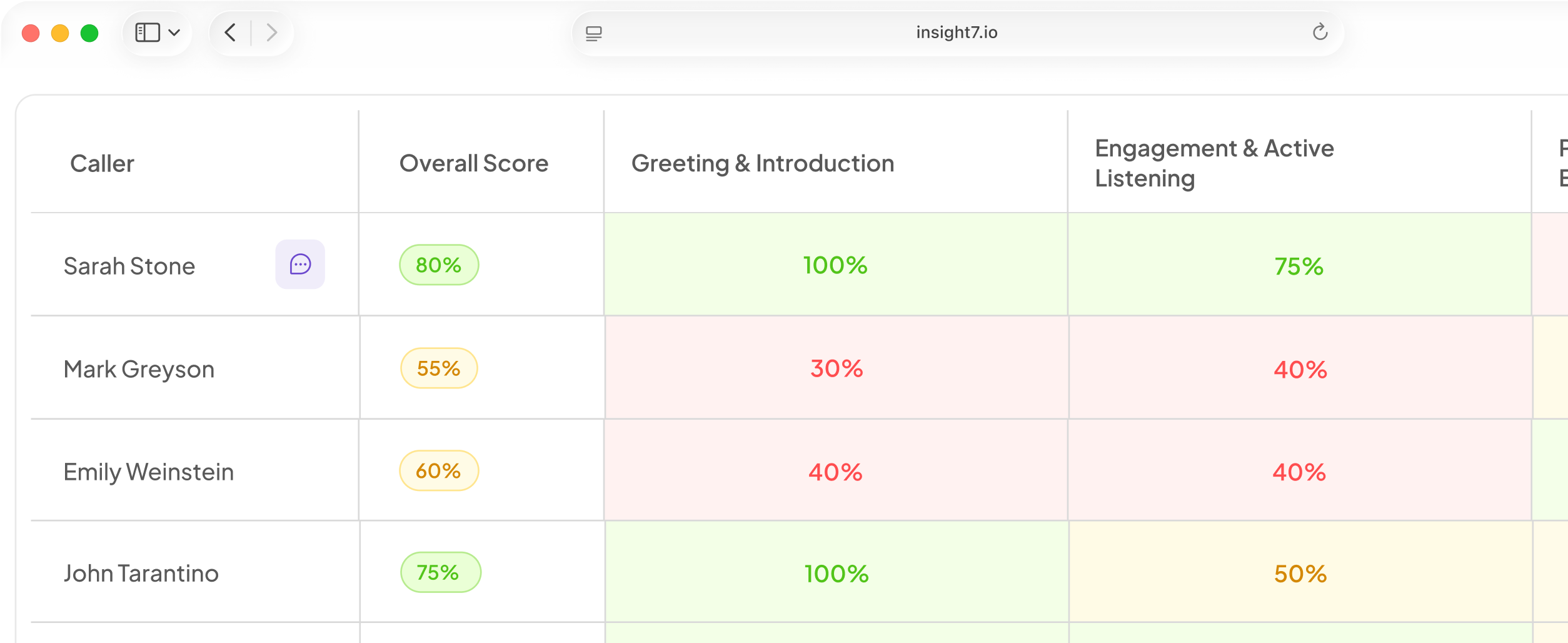

Impromptu speaking at work means answering without notice. The 60 impromptu speaking topics below recreate those moments, sorted from easy to hard. Answer one a day, out loud, in about 60 seconds, and speaking on the spot gets easier within a few weeks.
This guide is for managers who get asked for updates, sales and customer-facing staff who field surprise questions, new hires and job seekers. To practice as you read, the free random speaking topic generator gives you a prompt, times a 60-second answer and shows your pace and filler words.
Why Work Is Where Impromptu Speaking Actually Happens
For most adults, impromptu speaking isn’t a speech contest. It’s a manager asking for your view in a meeting, a client asking a question you didn’t expect, or an interviewer going off-script. These moments are short and unplanned, and they shape how people judge your competence, so they deserve practice.
Most impromptu topic lists are written for students and speaking clubs, with prompts like “your favorite season” or “if you could fly”. They’re fine for warming up, but they don’t rehearse the situations you’ll actually face at work.
The mechanism: the real skill is organizing a thought in a few seconds under mild pressure. Practicing against prompts that sound like your working day builds that habit for the exact situations where you’ll need it, so the structure comes automatically when your manager turns to you.
60 Impromptu Speaking Topics for Work
The 60 topics below are split into four settings: meetings and updates, job interviews, networking, and opinion questions. Each is marked easy, medium or hard. Start with easy prompts until you can answer smoothly in 45 to 60 seconds, then move up. Hard prompts add pressure: bad news, disagreement or a skeptical listener.
Meetings and Updates
| Prompt | Difficulty |
|---|---|
| Give a 60-second update on your week. | Easy |
| What’s one tool you couldn’t do your job without? | Easy |
| Summarize the last meeting you attended for someone who missed it. | Easy |
| Share one thing that went well this month. | Easy |
| Explain your role to a new starter. | Easy |
| What’s one thing slowing your team down? | Medium |
| Pitch one process change in under a minute. | Medium |
| Explain a project delay without making excuses. | Medium |
| What should your team stop doing? | Medium |
| Share a lesson from a recent customer conversation. | Medium |
| Defend a decision your manager disagrees with. | Hard |
| Give bad news about a project to senior leaders. | Hard |
| Answer “Why should we fund this?” | Hard |
| Explain why a target was missed. | Hard |
| Argue for cutting a project you’ve worked on. | Hard |
Job Interviews
| Prompt | Difficulty |
|---|---|
| What does a typical workday look like for you? | Easy |
| What’s a skill you’ve learned recently? | Easy |
| Describe your ideal manager. | Easy |
| What do you enjoy most about your field? | Easy |
| How did you prepare for today? | Easy |
| What’s a decision you’d make differently now? | Medium |
| Tell me about feedback that changed how you work. | Medium |
| How do you decide what to work on first? | Medium |
| What would you improve about our product? | Medium |
| Describe a goal you didn’t hit. | Medium |
| Why are you leaving your current job? | Hard |
| What’s a fair criticism of you? | Hard |
| Why should we pick you over the other candidates? | Hard |
| What would you do if you disagreed with your manager’s strategy? | Hard |
| Explain a gap in your CV. | Hard |
Networking and Social at Work
| Prompt | Difficulty |
|---|---|
| Introduce yourself to someone from another department. | Easy |
| Share a recent win at a team lunch. | Easy |
| Recommend a book, podcast or show to a colleague. | Easy |
| Describe your weekend in 60 seconds. | Easy |
| What got you into your line of work? | Easy |
| Explain what your company does to someone outside your industry. | Medium |
| Give a short toast for a colleague who’s leaving. | Medium |
| Introduce a speaker at a team event. | Medium |
| Start small talk with a client before a meeting. | Medium |
| Share an industry trend you’re watching. | Medium |
| Welcome new hires on behalf of your team. | Hard |
| Say a few words at a farewell for a colleague you barely know. | Hard |
| Fill two minutes when a scheduled speaker cancels. | Hard |
| Answer a skeptical “So what do you actually do?” | Hard |
| Thank a client after a difficult project. | Hard |
Opinion and Judgment
| Prompt | Difficulty |
|---|---|
| Remote, hybrid or office: which works best for you? | Easy |
| Should every meeting have an agenda? | Easy |
| Email or chat for quick questions? | Easy |
| What makes a good team meeting? | Easy |
| What’s the best piece of work advice you’ve received? | Easy |
| Should meetings have a hard 25-minute limit? | Medium |
| Are annual performance reviews useful? | Medium |
| Is it better to specialize or generalize early in your career? | Medium |
| Should AI write first drafts at work? | Medium |
| What’s one meeting your company should cancel? | Medium |
| Is “the customer is always right” good advice? | Hard |
| Should managers always be promoted from within? | Hard |
| Argue the side you disagree with on the four-day work week. | Hard |
| Is loyalty to an employer still worth it? | Hard |
| What’s an industry habit that should disappear? | Hard |
What Is a Good Topic for an Impromptu Speech?
A good impromptu topic is one you already have an opinion or experience on, that you can answer in one to two minutes, and that matches the setting you’re practicing for. For work practice, choose prompts that sound like real meetings, interviews or networking moments, then move from easy to hard as your answers get smoother.
How to Answer Any Impromptu Topic in 60 Seconds
Use Point, Reason, Example, Point. State your answer in one sentence, give one reason, back it up with one specific example, then repeat your point to close. This four-step shape works for almost any prompt, keeps you from rambling and gives the listener a clear takeaway in about a minute.
Here’s a 60-second answer to “Should meetings have a hard 25-minute limit?”:
Point: “Yes, I think most meetings should have a 25-minute limit.”
Reason: “A hard stop forces people to decide what actually needs discussing, instead of filling the hour they booked.”
Example: “Last quarter my team cut our weekly check-in from an hour to 25 minutes. We started sending updates in writing beforehand, and the meeting became about decisions, not status. Nobody has asked for the hour back.”
Point: “So for most meetings, a shorter limit doesn’t lose anything. It just removes the filler.”
For four more structures, including past-present-future and problem-fix-payoff, see the topic generator’s guide.
Try one now: open the random speaking topic generator, choose the Work category and tap the 60-second timer. When you finish, it shows how long you spoke, your words per minute and your filler words, so you know what to fix on the next rep.
What Should You Avoid in an Impromptu Answer?
Avoid three habits: opening with background instead of your answer, apologizing for not being prepared, and adding a second and third point once you’ve already made your case. Each one makes a short answer feel long. Say your point, give one example and stop, even if there’s silence afterwards.
- Background first. “So, a bit of context…” makes listeners wait for the point. Lead with it instead.
- Apologizing. “I haven’t really thought about this, but…” tells the room to discount what comes next.
- The extra lap. Once you’ve made your point, adding “and another thing” usually weakens it. Silence after a clear answer reads as confidence.
How Do You Prepare for an Impromptu Speech?
You can’t prepare the topic, but you can prepare the parts. Learn one answer structure until it’s automatic, and keep four or five short stories ready: a win, a mistake, a disagreement, a customer moment and something you learned. Most work prompts can be answered with one of those stories plugged into the structure.
A 4-Week Impromptu Speaking Practice Plan
Practice one prompt a day for four weeks, raising the difficulty each week. Spend about five minutes a day: pick a prompt, answer it out loud for 60 seconds, check your results, then answer the same prompt once more. The second attempt is where most of the improvement happens.
| Week | Daily rep | Focus | Target |
|---|---|---|---|
| 1 | One easy prompt, answered twice | Finishing on time | 45–60 seconds spoken |
| 2 | One medium prompt, answered twice | Cutting fillers | Under 2 filler words per 100 words |
| 3 | One hard prompt, plus a follow-up question | Staying structured under pressure | Point stated in your first sentence |
| 4 | Mixed difficulty, in front of a colleague or on a call | Real-world transfer | 110–160 words per minute, calm pace |
The mechanism: answering the same prompt twice shows you the gap between your first instinct and a cleaner version, and closing that gap every day is what builds the habit. By week four, the structure starts appearing in real meetings without you thinking about it.
Frequently Asked Questions
How do I get better at speaking on the spot at work?
Practice short answers out loud every day using prompts that sound like your real work: updates, opinions and surprise questions. Use one structure, such as Point, Reason, Example, Point, until it’s automatic. Recording yourself helps, because you’ll hear the rambling and filler words that feel invisible in the moment.
How do I answer a question in a meeting when I’m not prepared?
Buy two seconds with a short phrase like “Good question, here’s my view”, then state your answer in one sentence. Give one reason and one example, and stop. If you genuinely don’t know, say what you do know and when you’ll follow up. That sounds more confident than guessing at length.
Can I practice impromptu speaking alone?
Yes. Pick a random prompt, give yourself a few seconds to think, then answer out loud for 60 seconds while recording. Listen back and check whether you made a clear point, gave an example and finished on time. A random topic generator helps, because prompts you didn’t choose feel more like the real thing.
How long should an impromptu answer be in a meeting?
Aim for 30 to 60 seconds for most meeting questions, and closer to 90 seconds only when someone asks you to explain something in depth. Short answers keep the meeting moving and invite follow-up questions. If people want more detail, they’ll ask, and you can expand then.
Turn one topic a day into a habit. Pick a prompt from this list, or let the free random speaking topic generator choose one, and answer it out loud in 60 seconds. To keep practicing on your phone, the Insight7 app coaches you on pace, pauses and filler words on every take. Try it free for 3 days