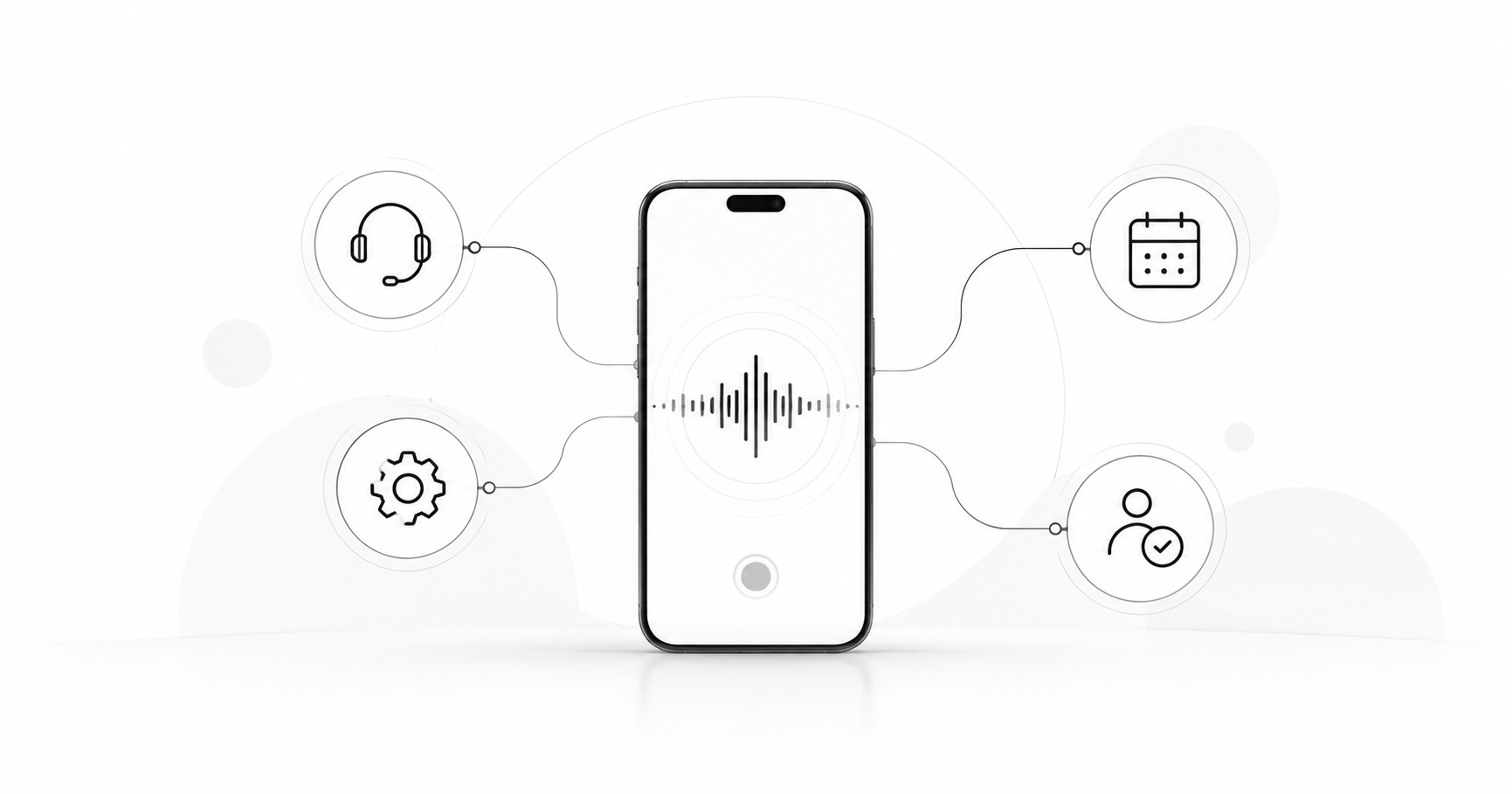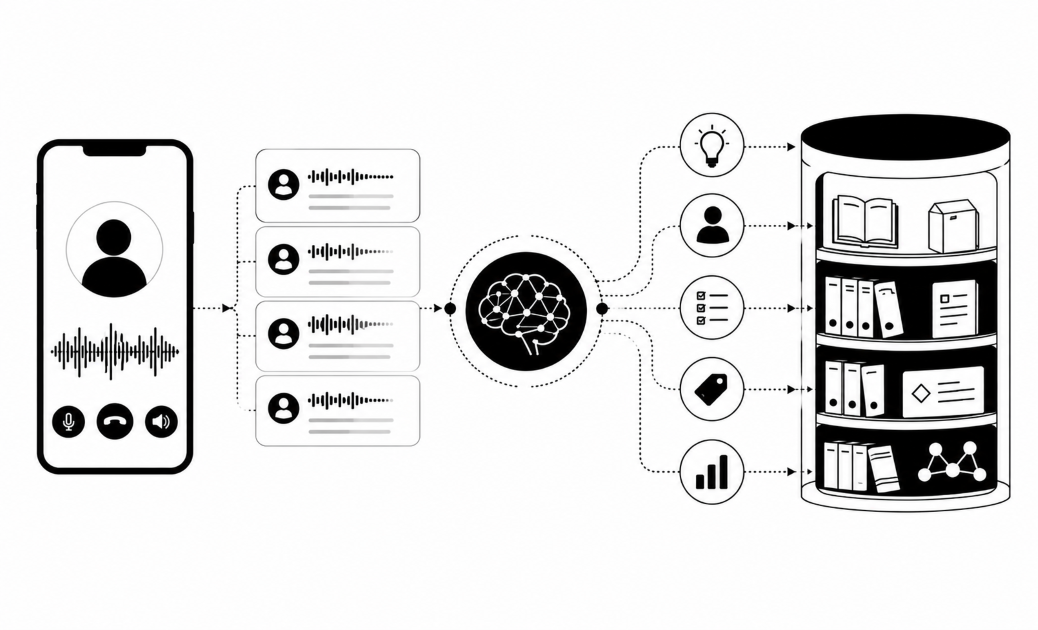

It is 8:55 on a Monday, and a contact centre lead sees 40 calls waiting. Many are balance checks and status questions. An inbound call AI voice agent can resolve calls like these without a human. Here are 15 to start with.
What "resolved" means before you start
A call is resolved when three things are true. The caller's need is met, the system of record is updated, and a transcript is logged. Each item below ends with that test.
Two things must exist first: a way to verify the caller, and an approved knowledge source. Inbound answers also need context. Without your CRM and knowledge base behind it, the agent stays shallow.
1. Account balance and status checks
What it is: a caller asks, "What is my loan balance?" or "Has my payment cleared?"
Why it matters: these calls have one right answer, and it sits in your CRM. That makes them a simple workflow for the AI.
Resolution: the agent confirms the caller is on their registered number and asks security questions. It then reads the balance or status from the CRM or core system. Last, it logs the call and transcript.
2. Order and delivery tracking
What it is: a caller asks, "Where is my parcel?"
Why it matters: many of these calls exist because nobody warned the customer about a delay. Operators now want proactive calls about delays and incidents, sent before a complaint arrives. Announce delays first and tracking calls fall.
Resolution: the agent finds the order by number or phone, reads the status from the order system and gives the delivery estimate. It offers an SMS tracking link, then logs the call.
3. Appointment booking and rescheduling
What it is: a caller says, "Move my visit to Thursday."
Why it matters: the task is routine, yet it eats agent time. Each call means checking a calendar and confirming a slot by hand.
Resolution: the agent verifies the caller and finds the booking. It checks open slots and offers two or three. Once the caller picks one, it updates the booking, sends an SMS or email confirmation, and logs the call. If no slot fits, it queues a callback.
4. Password and account access resets
What it is: a caller says, "I am locked out of my account."
Why it matters: voice cloning now targets contact centres for password resets and account recovery. A familiar voice proves nothing, so the reset must not depend on how the caller sounds.
Resolution: the agent matches the registered number, asks for a second factor, and sends a reset link to the contact on file. It never speaks a password.
5. Identity and KYC verification calls
What it is: a caller says, "I started my identity check and got stuck."
Why it matters: fintech and lending teams lose customers at KYC, and emails alone have not fixed it. An unfinished check later blocks transactions and floods support with tickets.
Resolution: the agent finds the open application, names the missing step and walks the caller through it. It confirms completion in the system and logs the call.
6. Payment due dates and failed payments
What it is: a caller asks, "When is my next instalment due, and why did my debit fail?"
Why it matters: this is a reminder call, not a collection call. Lenders who treat it as service keep goodwill, and a happy customer pays.
Resolution: the agent verifies the caller and states the date and amount. It explains the failure reason, then takes a promise to pay or sends a payment link. A disputed amount goes to a human with a summary.
7. Policy, product and fee questions
What it is: a caller asks, "Does my plan cover this?" or "What is the late fee?"
Why it matters: the answer must come from approved content, not the model's memory. A wrong fee quoted aloud is a public mistake.
Resolution: the agent answers from approved content only. If the answer is missing, it says so, queues a callback and logs the call.
Insight7's AI Knowledge Base ingests internal docs, product guides and playbooks as one source of truth. Its inbound voice lines are in beta.
8. Opening hours, branch and location questions
What it is: a caller asks, "Is the branch open on Saturday?"
Why it matters: many contact centres close at night, yet callers still ring and reach nobody. A short factual answer should never wait for morning.
Resolution: the agent answers from the knowledge base, texts the address, and logs the call.
9. Complaint intake and logging
What it is: a caller says, "I was charged twice."
Why it matters: complaint handling is regulated in banking. Regulators in several markets fine slow handling, including a 2025 N430 million fine by one central bank. Complaint volume also grows with the customer base, and hiring alone rarely keeps pace.
Resolution: the agent captures the facts, tags the category and opens a case. It gives the caller a reference number and a timeline. A human decides the outcome.
10. Case status follow-ups
What it is: a caller asks, "What happened to my complaint from last week?"
Why it matters: these "any update?" calls repeat until someone answers them. Each one adds to the queue without moving the case.
Resolution: the agent looks the caller up and finds the case by its reference number. It reads the status and promises a dated next step. If the case is stuck, it queues a callback.
11. Claims and service request intake
What it is: a caller says, "My pipe burst and I need to file a claim," or reports a broken lift.
Why it matters: a missed field can sink a claim. In regulated work, treat a missing policy number as a critical error that fails the whole intake.
Resolution: the agent collects the policy number and the event, creates the ticket and states the next step. Score each intake against required fields.
12. Refunds and returns within policy
What it is: a caller says, "I want to return these shoes."
Why it matters: the rule is written down, so the answer is yes or no. A policy check settles in seconds what costs agents minutes.
Resolution: the agent verifies the caller, finds the order and checks the return window and item condition against policy. If the return qualifies, it emails the label or starts the refund, confirms timing and logs the call. Anything outside policy goes to a human with a summary.
13. Plan changes and renewals
What it is: a caller says, "Renew my subscription and move me to the cheaper tier."
Why it matters: renewal follow-ups are among the best first workflows to automate, because the steps are routine.
Resolution: the agent verifies the caller and confirms the new price and terms aloud. It updates the plan, sends a written confirmation and logs the call. A caller who wants to haggle goes to a human.
14. Callback and message requests
What it is: a caller says, "Have someone call me about my mortgage."
Why it matters: this ends the wait. Gartner found 87% of customers say a human must be reachable. Buyers also ask who chases an unanswered handover.
Resolution: the agent captures the reason and best time, then queues the callback.
15. Surge and after-hours overflow
What it is: a radio campaign sends a wave of callers, or someone rings at 2 a.m.
Why it matters: one human agent takes one call at a time, so the rest wait. Campaigns create these spikes, and an AI-first agent can take the first call for each caller.
Resolution: the agent answers every call at once and resolves routine ones. It queues the rest with a summary.
Set the guardrails before you launch
Tell callers they are talking to an AI. The EU AI Act's Article 50 has applied since 2 August 2026. The FCC's 2024 ruling requires consent for AI voices in the US. Colorado's Chatbot Safety Act starts 1 January 2027.
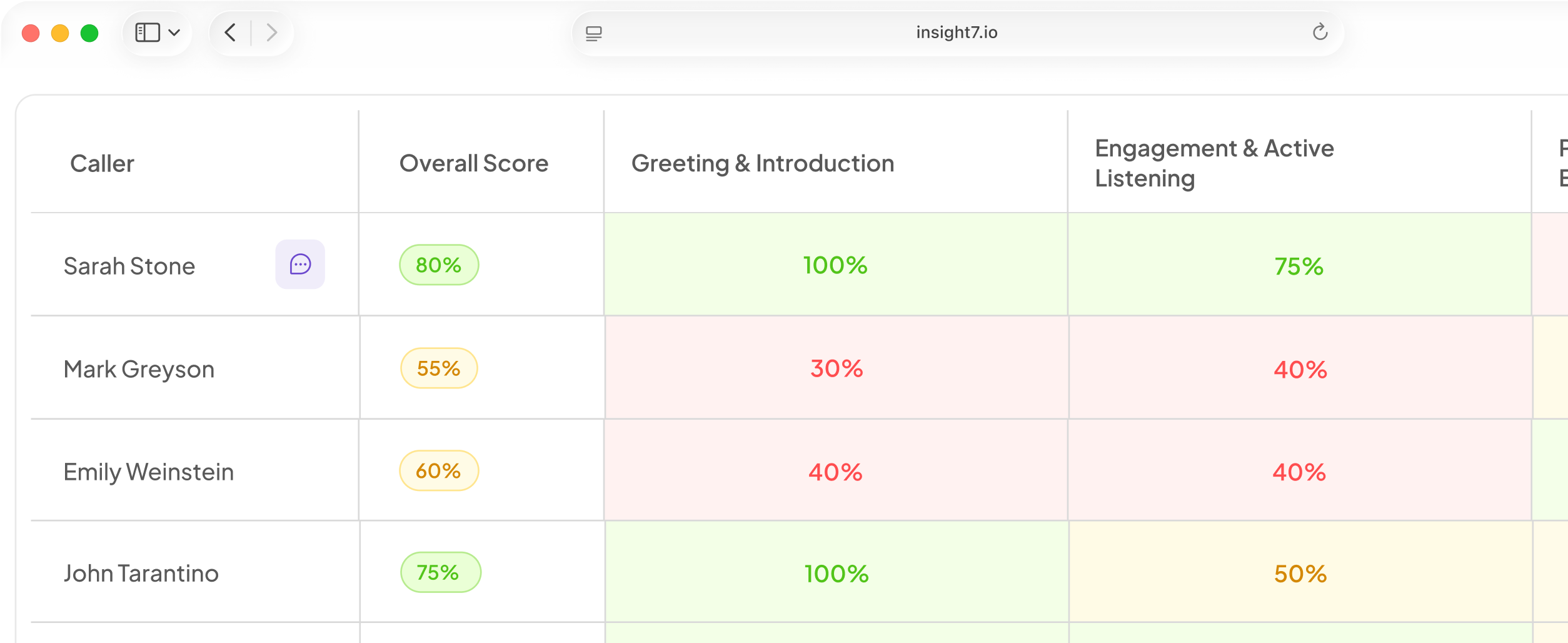
Send disputes, distress and fraud flags to a human. Score every call, since only a quarter of AI service use cases show positive ROI.
Related reading: How AI Voice Agents Verify Caller Identity Before Sharing Account Information, Caller Authentication Methods for AI Phone Agents Compared by Security and Customer Effort and Knowledge Base Readiness Checklist for AI Customer Service Agents.
Questions people also ask
What is an AI voice agent for inbound calls?
It is software that answers a phone line, understands the caller's speech and replies in natural speech. It looks up the caller in your systems, answers from approved content, takes actions such as bookings, and hands off when it cannot help.
Which inbound calls can an AI voice agent resolve without a human?
Calls with one right answer held in a system you control, such as balances, tracking, bookings, resets and policy lookups. Disputes and distressed callers should go to a person.
How does an AI voice agent verify who is calling?
It checks the number the caller dials from, then asks security questions before opening the CRM. For risky actions, add a second factor sent to the contact on file.
Can an AI voice agent hand a call to a human?
Yes, and you should design it first. Define the triggers, such as a dispute, distress or a fraud flag. Pass the transcript and a summary so the caller never repeats themselves.
Do AI voice agents have to say they are AI?
Increasingly, yes. EU AI Act Article 50 already applies, and Colorado's law follows in 2027. Say it in the first sentence, for example "This is an automated assistant from [company]."
How do I measure whether an AI voice agent really resolved the call?
Score every call against the three-part test: need met, system updated, transcript logged. Then check for repeat calls from the same caller within a few days, which show the first was not resolved.
What should an AI voice agent do when it does not know the answer?
It should say so, never guess. Then it queues a callback or hands over with a summary, and logs the gap. Review those logs weekly and add the missing answers to your knowledge base.
Start with calls that have one answer
Start with calls that have one right answer in a system you control, and hand every other call over cleanly. If the answer is in the system, the agent resolves it. If it needs judgement, a human decides.