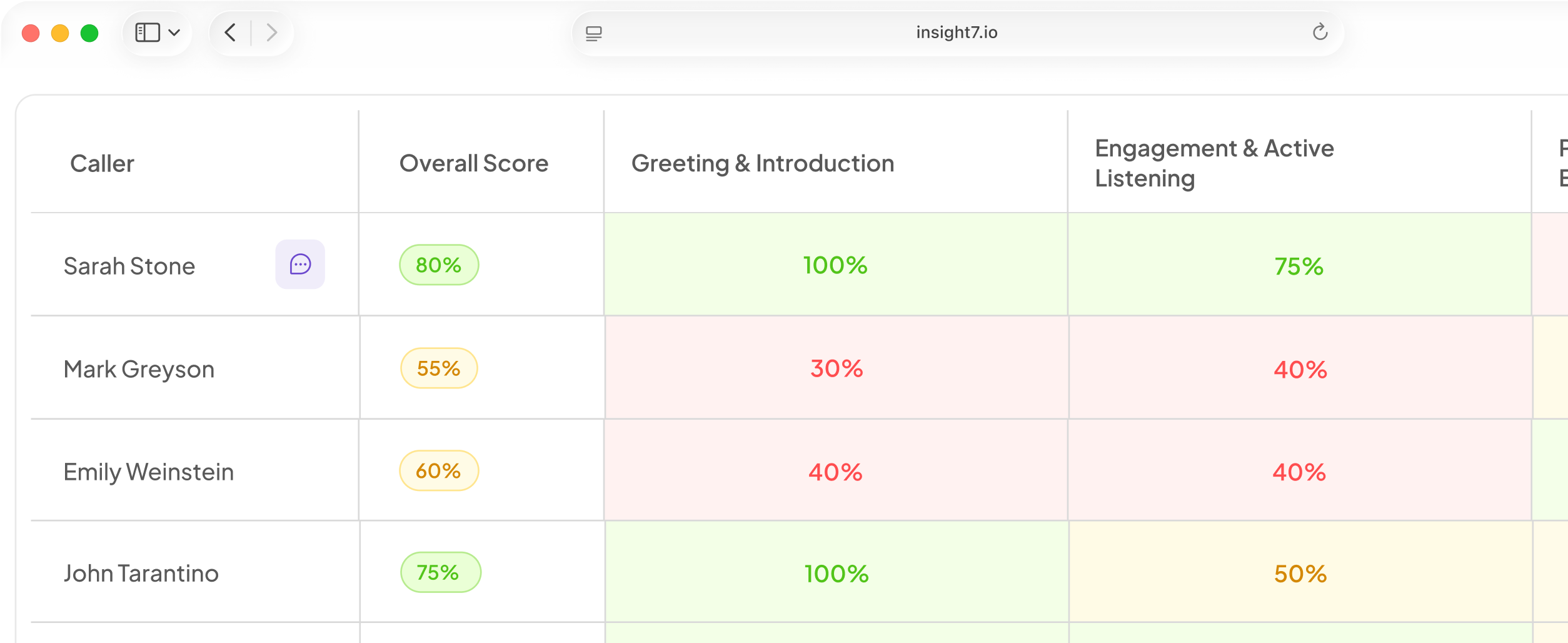

A CX lead checks her dashboard. Thousands got the email survey, and a few dozen replied. Would a call reach the quiet middle? AI phone surveys vs online surveys differ on who answers, cost, and depth.
The two channels side by side
Neither channel wins every row. This table gives the short version.
| AI phone survey | Online survey (email or link) | |
|---|---|---|
| Response rate | Depends on list, timing and retries | Low, skews to extremes |
| Cost per complete | Cost per minute, fewer wasted sends | Near-zero per send, high per usable complete |
| Insight depth | Spoken detail, follow-up probes | Ticked boxes, short free text |
| Speed | Set by calling hours and retry rules | Fast, but replies trickle in |
| Reach | Anyone with a phone | Anyone who opens the message |
| Compliance load | Higher: consent, AI disclosure, calling hours | Lower: mainly consent and opt-out |
| Best fit | Churn, onboarding, post-service checks | NPS pulses, long lists, anonymous topics |
An AI phone survey campaign in Insight7 (beta) can be set as a customer survey type. It has consent marking, calling hours, retry rules, a do-not-contact list and a test call to your own phone. A reviewer can read each transcript when the call ends, and yes/no answers and call outcomes are pulled from the call. You can test the agent in the browser before launch. To find themes without waiting on a low-response survey, try the free VoC Feedback Analyzer, which surfaces recurring pain points from calls and transcripts you already have.
Phone reaches more of the quiet middle
Phone reaches more of the quiet middle only when more of the right people pick up. Today, fewer people pick up. Pew Research Center's phone polls fell to 7% in 2017 and 6% in 2018, so plan on most dials going unanswered. Pew says a surge in robocalls and spam flagging may be depressing participation.
Online surveys do better on paper. A review in the European Journal of Cardiovascular Nursing reports an average of 44% across a sample of online surveys. It also reports that online surveys run about 12% lower than other delivery modes. That 44% comes from published research, so your own email list will behave differently.
Low response matters because of who stays silent. People with strong feelings answer. The quiet middle shrugs and deletes the email. You get very happy and very angry replies.
Pew adds a caution. Its studies found that response rate alone is an unreliable measure of accuracy. What matters is whether responders resemble non-responders.
An AI caller can keep trying. A campaign in Insight7 (beta) has retry rules and calling hours. A call where only the AI spoke is not counted as reached. A carrier's temporary refusal does not use up a retry. You count real conversations, not dials.
Phone is still not for everyone. Some customers prefer a message to a call. For them, offer an online link as a fallback.
Cost per completed survey, not per send
Judge each channel by cost per complete, which is total spend divided by completed surveys. Cost per send hides the real price. An email costs almost nothing to send, but you pay for the tool, the design, any incentive and the analyst's time. Every one of those costs is spread over only the people who reply.
Here is a worked example. Every input is an assumption, not a benchmark, so swap in your own.
- Online: Assume 20,000 emails, $2,000 total spend and a 1% reply rate. That gives 200 completes, or $10 each.
- Online, usable only: Assume half the replies come from the angriest and happiest customers and you set them aside. That leaves 100 usable completes, or $20 each.
- Phone: Assume 1,500 contacts, $3,000 total spend and a 6% completion rate, in line with the low phone response Pew reports. That gives 90 completes, or about $33 each.
On these inputs phone costs more per complete. It wins only if its completes are closer to your real customer base, or if retries and a better list lift the rate. Test that with a pilot.
Published studies show the same pattern for human interviewers. One phone survey cost about ten times as much as an internet panel survey. Another put phone at 2.81 times the paper baseline and online at 1.36. An AI caller removes most interviewer labour, so check the gap with your own pilot.
What moves your number:
- List quality: Bad numbers and stale emails waste spend.
- Call length: Each extra minute adds cost.
- Retries: More attempts raise cost and completes.
- Incentives: Gift cards add to every complete.
- Voice engine: Insight7 Voice is a lower-cost engine for campaigns (beta).
- Review time: Reading transcripts takes staff hours.
Champions also need a figure to carry upstairs. Set the cost per complete against what it costs you to serve or win back one customer.
Voice gets answers a form never will
A spoken answer carries more than a ticked box. A customer who says "it was fine" slowly, after a pause, is telling you something different from a quick "fine". A caller can also probe. If an answer is vague, the agent can ask what made it slow. A form can only offer a free-text box, and most people skip it.
Voice has limits. Buyers fear AI that sounds scripted, and they ask what happens when the customer goes off script. Spoken answers can also come out politer. In a Pew experiment with human interviewers, phone respondents reported higher satisfaction with their family and social life than web respondents, by 18 and 14 points. Pew notes that the largest gaps appeared on questions where social desirability could play a role. If your survey asks about a rude rep or a price complaint, expect softer answers by phone.
Online still wins in three places:
- Anonymity: People say more on sensitive topics when no one is listening.
- Long lists: A rating grid is easy to read and tiring to hear.
- Visual stimuli: A form can show a package, a screen or a price card.
Match each survey type to a channel
Choose the channel by the job the survey must do. Use this guide.
- Post-service satisfaction: phone. The experience is fresh, and a call catches what a form misses. Service operators such as mobility firms often start here.
- Churn and win-back: phone. Leavers rarely open another email, and the reason they left is often spoken, not ticked.
- Onboarding check-in: phone. A short call finds the stuck step early.
- Regulated or sensitive follow-up: phone, with consent marked before dialling.
- NPS or CSAT pulse: online or in-app. One question needs no voice.
- Product feedback with long lists: online. Rating grids are easier to read than to hear.
- Employee or anonymous topics: online. People speak more freely when no one is listening.
Check the rules before you launch:
- Consent: In the US, the FCC ruled in 2024 that AI-generated voices count as artificial voices under the TCPA. AI-voice calls need consent under the TCPA.
- Disclosure: In the EU, Article 50 transparency duties apply from 2 August 2026, including chatbot disclosure.
- Hours and lists: Set calling hours, retry limits and a do-not-call list.
- Handover: Decide how a customer reaches a person. Buyers ask about this on their own.
Phone fits when:
- You need the reason behind a score.
- The customer has just used a service or just left.
- You can show consent and set calling hours.
Online fits when:
- The question is short, long or anonymous.
- You need images or rating grids.
- Customers prefer messages to calls.
A mixed plan often wins. Send the online link first, then call the people who did not reply.
Related reading: AI Voice Agent ROI Calculator With Worked Examples for Customer Service and Collections and Outbound IVR vs Conversational AI Voice Agents Compared for Customer Notifications.
Questions people also ask
What is a phone survey?
A phone survey collects answers by calling people and asking questions aloud. A human or AI caller reads the script, and the answers are recorded or typed. It reaches people who ignore email and lets the caller ask follow-ups.
Can AI ask survey questions on a phone call?
Yes. An AI caller can read a script, listen, and log the answers. In Insight7's beta, a campaign can be set as a customer survey and checked with a test call to your own phone first.
Are phone surveys safe?
They are safe when the caller states who it is and why it is calling, and never asks for passwords, PINs or full card numbers. Give people a way to verify the call, such as a published number, and a way to opt out.
Do AI phone surveys get a higher response rate than online surveys?
Not automatically. Response depends on list quality, caller number, timing and retries. Run a small pilot on both channels with the same customers and compare completes per contact, and how closely responders resemble your full list.
Do I have to tell people an AI is calling them for a survey?
In the EU, yes. Elsewhere the rules are still moving. The US "say it is AI" rule was not final as of mid-2026, and Colorado's law starts on 1 January 2027. Disclosing at the start of every call is the safe habit.
How long should an AI phone survey be?
Keep it to a few minutes and a handful of questions, because spoken surveys tire people faster than forms. Put the one question you cannot lose first, then open-ended probes, then optional extras. Cut anything that does not change a decision.
Can I run phone and online surveys together?
Yes. Send the online link first, then call people who did not reply. Tag each answer by channel, because phone respondents answered more positively in one Pew mode study.
Check who answers before you choose
The channel matters less than whether the people who answer look like the people who left. Before you start, compare responders with your full customer list on plan, region and tenure. If they differ, fix the list or the channel first.