


Key Points
- Hesitation rarely sounds like a clear “no.” It could be a polite, non-committal language such as “that’s interesting” that gets misread as a buying signal.
- Forecasted deals slip to the next quarter largely because hesitation signals get missed in the moment and never make it into the CRM.
- Catching hesitation reliably means combining what you notice live on the call with a systematic review of calls you didn’t sit in on.
- Insight7 automates flagging hedge language, speaker imbalance, and topic deflection across every call
Hesitation almost never sounds like “no.” It could come in the form of a “that’s interesting,” followed by silence that never gets explained.
You spot hesitation triggers in prospects’ conversations before they turn into a ghosted deal by knowing exactly which phrases tone shifts are worth a follow-up question.
This guide walks through the specific verbal and non-verbal signals that predict deal risk, why even experienced reps miss them mid-call, and a simple checklist you can use on your very next conversation.
Watch Out for the Verbal Signals
Not every “um” is a red flag. People use filler words out of habit, especially over the phone. What actually matters is where the hesitation shows up and what it’s attached to.
- A pause before a specific question, not a general one. A half-second gap before answering “How’s your day going?” means nothing. The same gap before “What’s your timeline to make a decision?” means something.
- Hedging language tied to commitment. Phrases like “we’ll think about it,” “let me loop in the team,” or “that’s interesting” aren’t automatically bad but they’re not buying signals either. Treat them as neutral until the prospect gives you something concrete to hold onto, like a date or a name.
- A sudden change of subject right after you ask about budget, timeline, or decision-making. If a direct question gets answered with an unrelated story, that’s usually a redirect, not a coincidence.
The common thread: hesitation shows up in the specific spot where commitment was supposed to happen.
Listen for the Shift
You don’t need video to catch hesitation. A change in energy or pace on an audio-only call tells you almost as much as a crossed arm would in person.
Watch for:
- A drop in pace or energy right after a pricing question.
- A shift in tone late in the call that wasn’t there at the start: a prospect who opens warm and ends flat, even if their words stay polite, is telling you something their words aren’t.
- Silence that follows a direct ask, rather than silence that happens because they’re thinking through logistics.
The Talk-to-Listen Ratio Problem
The more you talk, the less likely you are to notice any of this.
Top-performing reps consistently let prospects speak more during discovery, with winning calls landing close to a 40:60 talk-to-listen ratio.
Once a rep’s talk time crosses 70% of the call, ghosting rates tend to jump, mostly because because they were too busy talking to hear the hesitation building on the other end.
If you want to get better at spotting hesitation triggers, one of the fastest lever is talking less.
What to Do the Moment You Notice It
Catching hesitation is only useful if you do something with it. Here are three moves that work in the moment:
- Name it: “You went a little quiet there, is something about the timeline giving you pause?” This works better than pushing forward, because it hands the prospect permission to say the real thing instead of the polite thing.
- Ask for the specific concern: “What’s the one thing that would make this a no?” gets you further than “any questions?” The former forces a real answer instead of a reflexive “no, we’re good.”
- Slow down instead of adding more. The instinct when a call goes quiet is to fill the silence with more features, a better price, a faster timeline. That usually backfires. Silence after a direct question is doing work, so let it.
You Can’t Catch What You Don’t Review
Even a rep who’s great at reading a room live only hears their own calls. Most sales managers review a small handful of calls a week, which means the hesitation moments on every other call go completely unreviewed, until the deal is already dead and someone asks what happened.
This is the gap conversation intelligence tools close.
Instead of relying on a rep’s memory of how a call felt, AI call analysis like Insight7’s flags shifts in tone that indicate concern, tracks talk-to-listen ratio automatically. The tool also connects sentiment to pipeline health so hesitation shows up as a flag.
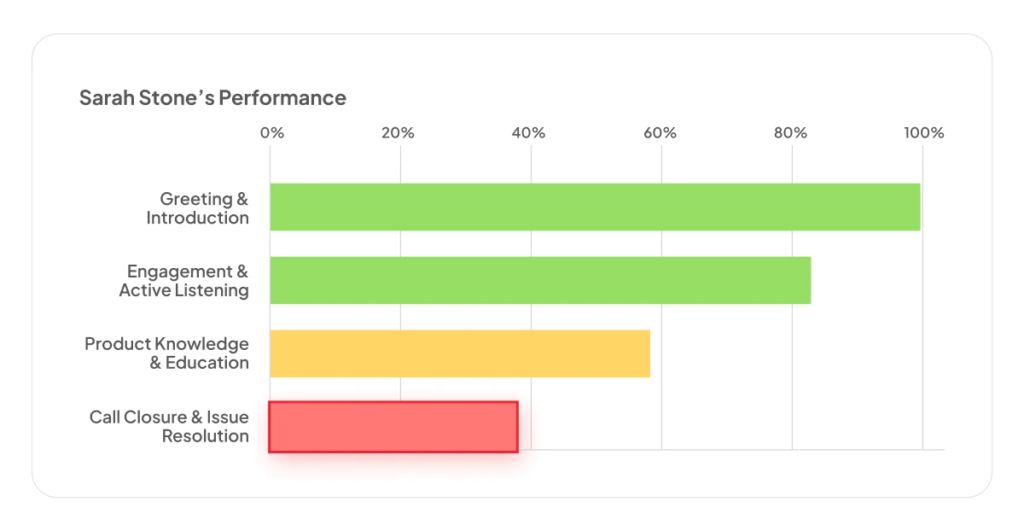
Insight7 applies that same logic across every call your team runs, not a sample of them. This means hesitation on call #340 gets caught just as reliably as one on your top rep’s call #3.
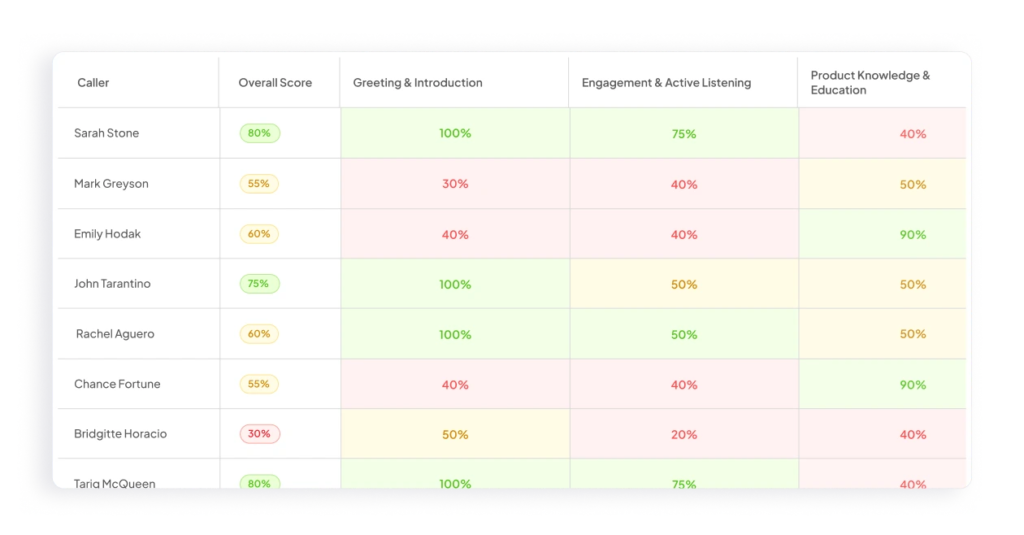
You shouldn’t be satisfied with just spotting hesitation on the call you happen to be listening to. Your whole team has to stop missing it.
Use This Hesitation Checklist for Your Next Call
Keep this nearby during discovery and closing calls:
- Did they pause noticeably before answering a timeline or budget question?
- Did their language get vaguer right after you asked for a commitment?
- Did the subject change right after a direct question?
- Did their energy or tone drop and stay down for the rest of the call?
- Am I talking more than I’m listening right now?
If you check two or more of these in the same conversation, name the hesitation out loud before you move on.
FAQs
What’s the difference between hesitation and an objection?
An objection is stated out loud: “it’s too expensive,” “we’re not ready.” Hesitation is what happens before the prospect is willing to say that out loud: the pause, the hedge, the vague answer. Catching hesitation early often means you address the concern before it hardens into a formal objection.
Is silence during a sales call always a bad sign?
No. Silence while someone thinks through a real decision is different from silence that follows an uncomfortable question. The context around the silence matters more than the silence itself.
Can AI tools actually detect hesitation from a call transcript?
Yes. Tone detection and mood tracking like you get from Insight7’s AI call evaluation tool can flag shifts during a call that indicate concern, and connect those shifts to pipeline risk, which is more consistent than relying on a manager’s memory of a handful of reviewed calls.
Why do prospects hedge instead of just saying no?
Most people would rather avoid an awkward conversation than deliver bad news directly. A vague “we’ll circle back” is usually easier for them to say than “we’re going with someone else” which is exactly why hedging language deserves a follow-up question instead of a follow-up email.
How many calls should a manager review to reliably catch hesitation patterns?
Manually, most managers only get through a small fraction of their team’s calls each week, which means most hesitation moments go unseen. Reviewing 100% of calls, the way AI call evaluation & scoring tools like Insight7 do, is the only way to catch patterns instead of anecdotes.








