QA managers and contact center directors who want consistent, defensible quality scores need more than spot-checked calls and monthly spreadsheet reviews. This guide walks you through a six-step system for tracking and visualizing call quality trends over time using automated analytics.
How is call quality measured?
Call quality is measured by evaluating recorded interactions against weighted criteria such as greeting compliance, empathy language, objection handling, and resolution accuracy. Modern AI-powered platforms score every call automatically, giving managers a complete picture rather than a sample. The industry's Mean Opinion Score (MOS) framework covers audio fidelity (latency, jitter, packet loss), but behavioral quality requires a separate scorecard layer tied to your specific service standards.
Methodology
The framework below applies to contact centers running at least 500 calls per month. It assumes post-call recordings are accessible via a telephony platform (Zoom, RingCentral, Amazon Connect, or similar). According to ICMI research on contact center quality practices, centers that track quality trends monthly reduce repeat contacts by up to 20% compared to those that audit only quarterly.
Step 1: Define the Metrics That Matter for Your Operation
Before configuring any dashboard, agree on what you are actually measuring. Call quality is not a single number. It is a composite of several weighted dimensions.
The four quality metric categories most applicable to contact centers are: compliance adherence, communication effectiveness, resolution accuracy, and customer experience signals. Map each to a numeric weight that sums to 100%.
For a support center, compliance might carry 30% weight. For a sales floor, empathy and objection handling might split 40% between them. Document these decisions in a shared scorecard before any automation runs. Changing weights mid-quarter invalidates trend comparisons.
Avoid this common mistake: tracking too many criteria at once. Start with five to seven weighted items. Add complexity after you have three months of baseline data.
What are the 4 quality metrics?
The four foundational quality metrics in contact center QA are: (1) compliance rate (did the agent follow required scripts or disclosures?), (2) communication quality (tone, clarity, empathy), (3) resolution effectiveness (first-call resolution, accurate information), and (4) customer experience signals (CSAT, sentiment, escalation rate). Each should be scored per call and tracked as a rolling average.
Step 2: Set Up Automated Scoring Across 100% of Calls
Manual QA teams typically review 3 to 10% of calls. That sample is too small to identify trends reliably. A quality spike in week two may be invisible if your reviewers happened to pull calls from week one and week three.
Insight7's automated QA platform scores every call against your weighted criteria using AI. Transcription runs at a 95% accuracy benchmark, and QA scoring accuracy reaches 90%+ after criteria tuning, which typically takes four to six weeks to align with human judgment. Every score links back to the exact quote in the transcript so managers can verify any result.
Configure your criteria with three elements per item: the criterion name, a weight, and a context column defining what "good" and "poor" look like for that criterion in your operation. That context column is what separates generic AI scoring from scoring that matches your team's judgment.
What is the 80/20 rule in call centers?
The 80/20 rule in call centers is a service-level benchmark: 80% of calls should be answered within 20 seconds. For quality trending purposes, the principle applies differently. Roughly 20% of agent behaviors typically drive 80% of quality failures. Automated scoring across 100% of calls lets you identify that critical 20% precisely rather than inferring it from samples.
Step 3: Build Trend Dashboards That Separate Signal From Noise
A dashboard showing one average quality score per month hides more than it reveals. Build layered views:
- Team-level trend line showing average QA score by week over a rolling 90-day window
- Agent-level scorecard clustering all calls per rep per period, with drill-down into individual calls
- Criterion-level breakdown showing which specific behaviors are improving or declining
- Alert thresholds that flag when any agent or team segment drops below a defined score
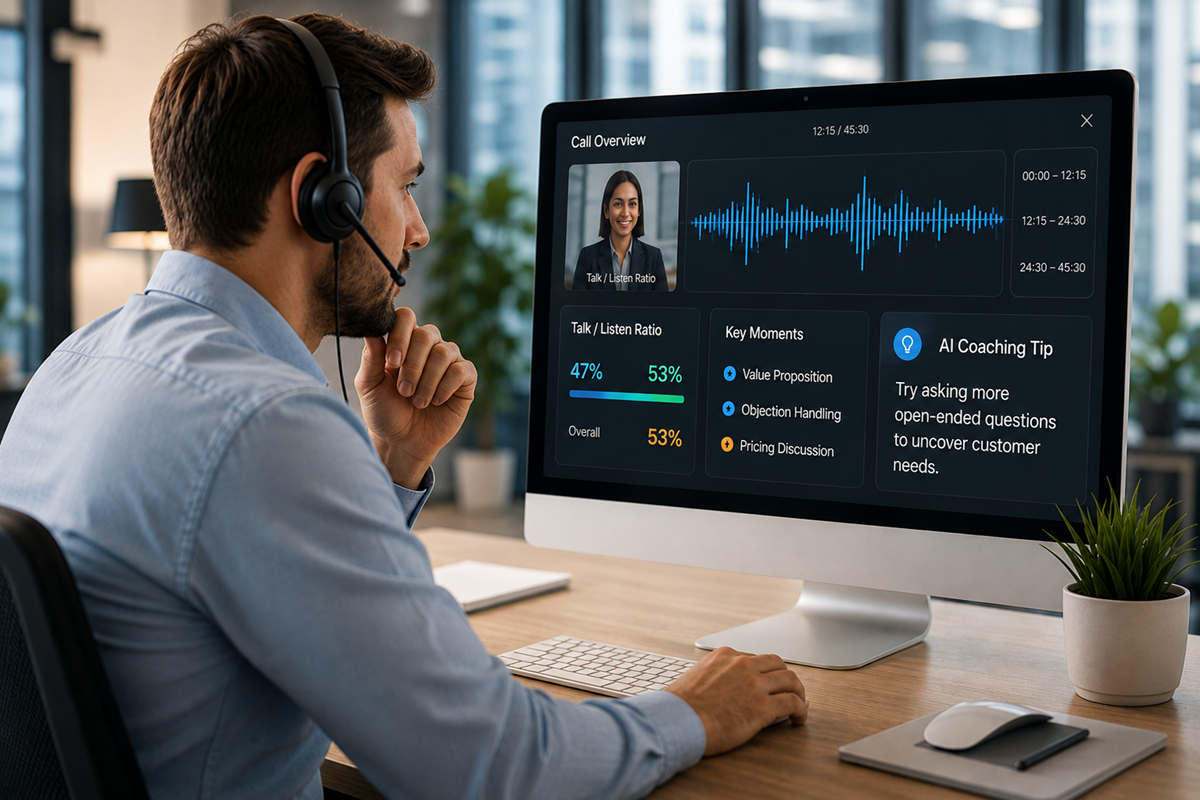
Insight7's call analytics dashboard generates these views automatically. Alert delivery routes to email, Slack, or Teams so managers do not have to log in to catch a problem. Set performance-based alerts at your acceptable floor, not at your target score, so you act before a trend becomes a crisis.
For leadership reporting, keep the top-line view to two numbers: average team quality score and week-over-week direction. Reserve criterion-level detail for QA manager reviews.
Step 4: Identify Patterns Across Calls, Agents, and Time
Trends become actionable when you cross-reference them. A declining average score means little without knowing whether it is driven by one struggling agent, a new call type, or a product change that made compliance criteria harder to meet.
Run cross-call thematic analysis monthly. Look for:
- Which criteria show the largest score gap between top and bottom performers
- Whether score drops correlate with specific call types, time of day, or queue routing
- Which agents improved most after coaching interventions (proof that your coaching is working)
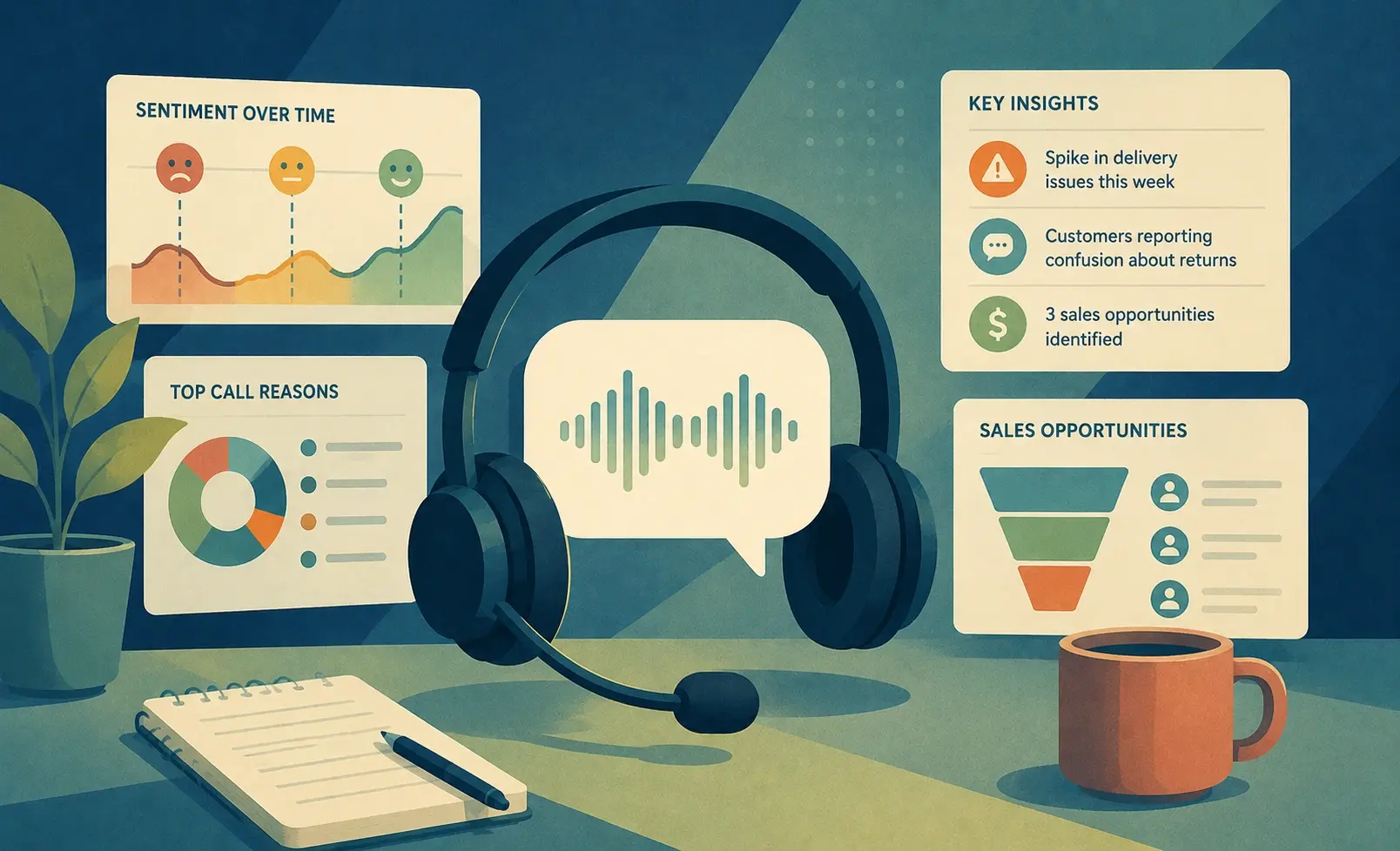
Insight7 extracts themes and frequency percentages across call batches using semantic analysis, not keyword matching. That distinction matters because agents rarely use the exact words on your checklist. Intent-based scoring catches compliance in natural language.
Step 5: Connect Quality Trends Directly to Coaching Assignments
A QA score that sits in a spreadsheet does not change behavior. The score has to trigger a coaching action. Build a direct pipeline from your quality dashboard to your coaching workflow.
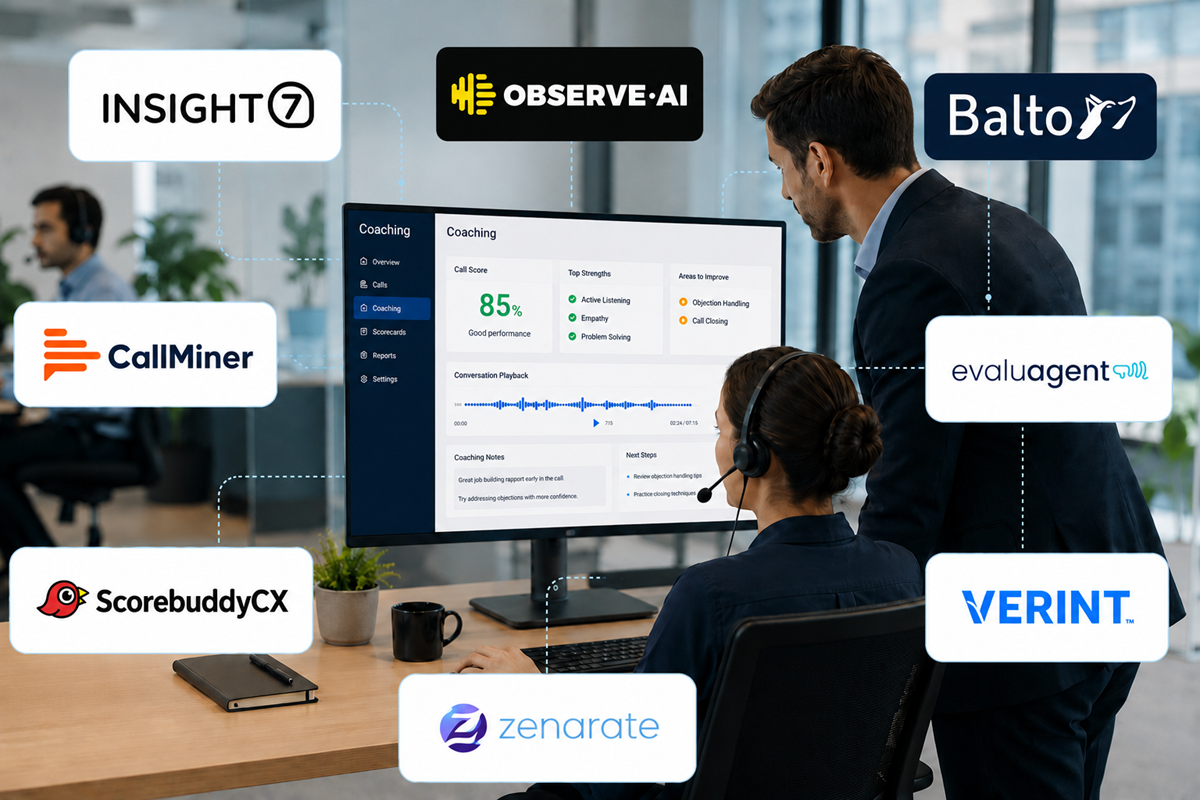
When an agent's score on a specific criterion drops below threshold, that criterion should automatically generate a targeted coaching session. Insight7's AI coaching module does this with human approval in the loop: the system proposes a practice scenario based on the QA gap, the supervisor reviews and approves it, and the assignment goes to the rep.
Fresh Prints, an outsourced staffing company, described the difference this creates: "When I give them a thing to work on, they can actually practice it right away rather than wait for the next week's call." That immediacy is only possible when QA scoring and coaching live in the same platform.
Track coaching completion rates alongside QA trend data. If coaching completion is high but scores are not improving, the issue is scenario design, not effort.
Step 6: Report Quality Trends to Leadership in Business Terms
What are the 5 key CX metrics?
The five CX metrics most commonly tracked at the leadership level are: Customer Satisfaction Score (CSAT), First Call Resolution (FCR), Net Promoter Score (NPS), Average Handle Time (AHT), and Agent Quality Score. Quality score is the only one directly controllable through QA and coaching programs. The others are outcomes. Improve the quality score and the others follow.
QA managers lose credibility when they present quality data without connecting it to business outcomes. Frame every leadership report around three questions: Did quality improve? Where did it improve and why? What does that mean for resolution rates and customer satisfaction?
Use a simple format: score at the start of the period, score now, percentage change, top three drivers of improvement, and one open risk. Insight7's reporting features generate branded reports with embedded evidence so findings are defensible, not just asserted.
Quarterly, present the ROI calculation: manual QA covered X% of calls at Y cost per call reviewed. Automated QA now covers 100% at Z cost. The difference in discovery rate for compliance issues and the reduction in agent errors are your proof points.
FAQ
How often should call quality trends be reviewed?
Weekly for frontline QA managers looking at criterion-level data. Monthly for team leaders reviewing agent-level scorecards and coaching effectiveness. Quarterly for leadership reviews covering business outcomes and program ROI. Daily alert monitoring should be automated so anomalies surface without manual log-ins.
How long does it take to get reliable trend data from automated QA?
Three months of consistent automated scoring gives you a statistically meaningful baseline for most contact centers. The first four to six weeks typically involve criteria tuning to align AI scores with human QA judgment. After that, trend lines become reliable enough to drive coaching and staffing decisions.
What should I do when quality scores suddenly drop?
First, check whether the drop is isolated to one agent, one call type, or the whole team. Isolating the scope tells you whether the cause is individual performance, a process change, or an external event (new product, updated compliance rules). Then drill into the specific criterion that drove the drop. Automated scoring gives you the transcript evidence to verify the finding before acting on it.