
Product-Led Growth: A Simple Guide To Growing Your Startup
When it comes to starting and growing a startup, there is no one-size-fits-all approach. However, there are some key steps that can be taken to help ensure product-led growth. What is product-led growth? “Product-led growth” is a term used to describe a customer-centric approach to growth that focuses on creating quality products that customers find valuable and engaging. Rather than focusing on the metrics like traffic and sales, product-led growth focuses on improving the customer experience and helping the company grow organically by attracting more high-quality users. Why is product-led growth important? Growing a business without a well-defined roadmap and goals is extremely difficult. Whether you are trying to launch a product or grow your user base, having clear goals and milestones will help you stay organized and on track. In addition, this will also make it easier to measure your success and keep improving your business over time. This is especially important as new businesses struggle to stand out in a crowded marketplace and compete with established brands. If there is one thing to keep in mind when launching or growing your business, it’s the importance of creating a solid strategy to guide your efforts. That’s where a product-led growth strategy comes into play. Although every business is different, there are some key elements that every strategy should include in order to maximize growth. Understanding and implementing these key components of a product-led growth strategy will help take your startup to the next level and help achieve your business objectives. 1: Focus on the user experience The success of any product is often determined by the user experience. This is especially important for new startups that are trying to attract their first customers and establish their brand identity. Customers are continuously on the lookout for products that offer an enjoyable and convenient experience. By creating a product that delivers a superior user experience, you can drive user engagement and build a loyal customer base. There are several ways that you can use to improve the user experience of your mobile app. Here are a few tips to get you started: Keep your app design simple and intuitive Provide a clear overview of key features and services on your homepage Make it easy for users to find the information they need Design your app to provide a seamless mobile experience Conduct regular usability tests to ensure that your app meets your users’ needs Send personalized messages to incentivize customers to engage and stay engaged Offer engaging content to motivate users to continue using your app Analyze user behavior to identify user trends and other insights that can help you improve user experience Talk to your users to learn how they use your product Learn to improve your conversions by regularly reviewing user data, such as open rates and click-through rates Developing a superior user experience is an essential part of any successful product-led growth strategy. Be sure to put the user first in your product development efforts and focus on providing a delightful user experience across all customer touchpoints. If you want to summarize and analyze your research data and store it in central repository to make it accessible to the team then you must use Insight7 This will ensure that your customers are happy and engaged with your mobile app, which will help to drive growth and help you achieve your business goals. 2: Identify your target audience With most mobile apps, it can be difficult to gain traction with a broad audience. This is especially true if you are building an app for the first time and have limited resources to work with. For this reason, it is often best to start with a narrow target market when launching a new app. This allows you to focus your resources and time on a specific group of users and offers the best chance for success during the initial stages of your launch. As you learn more about your audience, you will begin to develop a better understanding of their needs and preferences. This will allow you to modify your marketing strategy to better meet the needs of your audience and identify new opportunities for growth. 3: Ensure your app provides value for your customers While it is important for every app to provide value to its customers, this is often a more difficult challenge if you are launching an app for the first time. It is important to remember that not all apps are created equally and your customers may not be willing to invest their time or money in an app that is not offering real value. By taking the time to develop a strong value proposition for your app, you can ensure that the right users are attracted to the app and provides the best chance of long-term success. 4: Understand your brand and messaging One of the biggest mistakes that new app developers make is failing to take the time to understand their audience and develop a clear brand message. This can have a negative impact on your marketing and outreach efforts and prevent you from effectively reaching your target audience. To avoid this problem, it is important to take the time to define your brand and develop a plan for creating an effective brand message. This will give you a solid foundation for creating a successful marketing campaign and help you to connect with your audience on a deeper level. 5: Utilize paid advertising to promote your app Paid advertising is one of the best ways to generate traffic and increase awareness of your app among your target audience. With the growth of social media and online advertising, it is now easier than ever to quickly and effectively reach a massive audience of potential customers. While this can be one of the most effective ways of promoting your app, it is also important to make sure that you are using the right channels to reach the right audience. The best way to do this
Product Management For Startups
As a product manager for a startup, you’re constantly on the lookout for new ways to improve your product. But what if you had to do it all over again? What if you had to manage a product from the beginning? What would you do differently? What would your approach be? These are just some of the questions every product manager for a startup should be asking themselves when building their product. Here are my top tips for creating a great product for any startup. 1. Define Your Goals Whether you’re creating something completely new or re-envisioning an existing product, you should take the time to define your goals before launching your product. What are your goals for this project? How are you going to achieve them? What problem are you trying to solve with this product? How will it help people? These are the questions that you should be asking yourself before you start building your product. A clearly defined set of goals will help keep you on track throughout the development process and will also help keep you motivated during the more challenging times. Defining your goals is also a great way to gain alignment with your key stakeholders and development teams. If you want to summarize and analyze your research data and store it in central repository to make it accessible to the team then you must use Insight7 2. Create a Product Roadmap Product roadmaps are great way to plan the future of your product and provide a clear path for your development team to follow. They can also be used to get input from your stakeholders and to provide regular updates to your investors and other stakeholders about the progress that you are making. A good product roadmap includes detailed information about each phase of the project including key milestones, estimated completion dates, and any additional resources that you will need to complete the project successfully. It should also clearly outline the purpose and benefits of the project and highlight the potential impact that it can have on your organization. Once you have created your product roadmap, be sure to share it with your key stakeholders so they can provide additional input and ensure that it is aligned with their business goals. Identify problems that you are trying to solve with your product. Think about what your ideal user looks like and what obstacles they may face when using your product. Talk to your users and find out what they like and dislike about your existing products. What do they like or dislike about the features that your products offer? Conduct a competitive analysis. Look for products that already exist in the target market that are similar to yours and assess how well they are performing. Do some market research to better understand your customers’ needs and expectations. How do your customers currently use your products? What would they like to see improved or added to your products? Identify your customer’s needs and develop a solution to meet them. Think about the features that you would like to include in your product and how they can solve your customers’ pain points. Test your product ideas by creating prototypes. This will help you to identify potential problems before launching your final version and ensure that it meets your customers’ needs. Keep a running list of features that you would like to see in your product. This will allow you to prioritize which features to include first and help you to build a product that meets the needs of your users. Create a product roadmap and schedule your projects. This will help you to develop a clear plan for how you are going to achieve your goals and stay on track throughout the development process. Start building your product! Product development is an iterative process that requires a lot of creativity and dedication. It is hard work but totally worth it in the end when you see the finished product launch into the market and see all of the benefits that it can bring to your business. As new products continue to enter the market every day, it is important to stay ahead of the competition and develop products that meet the needs of your customers. The product development lifecycle is a great way to develop a successful product that meets the needs of your customers. The process can be broken down into five phases: Understand your target audience and their unique needs Perform market analysis to understand how your competitors are positioning themselves in the market Evaluate and test different product concepts Develop a minimum viable product to test the market and develop customer confidence Release the final product to hit the market and launch your business. Developing a strong business strategy is essential to the success of any business venture. By creating a strategy for developing and releasing new products, you can ensure that you will be able to meet the demands of your customers and maintain a competitive advantage in the marketplace. The product development lifecycle allows you to create an effective product development strategy and successfully bring new products to market. Once you are ready to develop a product, you will need to go through the product development cycle to ensure that it is successful in the marketplace. The five phases of the development cycle include: understanding the needs of your target customers, performing market research, evaluating different product concepts, developing a Minimum Viable Product (MVP), and launching the product into production. In this article, we will discuss each stage of the development cycle in more detail and provide you with helpful tips and tools that you can use to build a successful business. Let’s take a closer look… Understanding Your Target Audience And Their Unique Needs Before you start developing your product, you will need to understand who your target customers are and what their needs are. This will help you to determine the best features to include in your product
Product Discovery Techniques For Startups
There are many ways to discover new products and services for startups. Here are four methods: 1. Market research: Conducting market research can help identify potential customers and markets for a startup’s products or services. Information collected in this type of research can help startup founders better understand customer needs and wants, competitor offerings, and market trends. Market research can also help determine the feasibility of a product concept and identify opportunities for new product development. If you want to summarize and analyze your research data and store it in central repository to make it accessible to the team then you must use Insight7 2.User interviews: User interviews are another effective way to collect information about customers’ needs and preferences. These interviews can be performed in-person or over the phone. Interviews can reveal valuable insights that can help guide product decisions. Users can also provide feedback about the usability of a prototype and help test the effectiveness of proposed solutions. 3.Competitor analysis: Analyzing competitors can provide valuable insight into the potential opportunities and threats that a company may face in the marketplace. This type of analysis can provide insight into their strengths and weaknesses as well as industry trends and best practices. If you want to summarize and analyze your research data and store it in central repository to make it accessible to the team then you must use Insight7 4.Co-creation: Co-creation involves engaging users throughout the design and development process to solicit feedback and engage in an iterative development process. Early prototypes can be tested with users to gather feedback and make improvements before implementing the final product. This approach can foster innovation and help ensure that users are fully engaged in the design and development process. This concludes my product discovery techniques for startups blog post. Thanks for reading! In the 21st century, the world of work is changing rapidly due to advancements in technology. Successful companies are finding innovative ways to leverage technology to achieve their goals. Developing innovative products is a key element in this process. However, identifying customer needs and developing new products can be challenging for companies with limited time and resources. The following techniques can help startup founders conduct successful market research and learn more about their customers and the competition. #1: Search engine marketing (SEM): SEM is an effective way to generate leads for your product or service and drive traffic to your website. This strategy is often cost-effective and allows you to reach potential customers that may not be aware of your business. There are numerous tools available to help you develop a paid search strategy using keywords related to your product. For example, Google AdWords provides users with a way to generate targeted ads based on customer search queries. Companies can also utilize search engine marketing to reach a wider audience by including relevant keywords in social media posts or blog articles. It is also important to ensure that your website is optimized for search engines. An SEO strategy that focuses on relevant keywords will help your site rank higher in search results and drive more traffic to your site. Keyword research is an important first step in any search engine marketing campaign. You can use Google’s keyword planner tool to identify relevant keywords for your business and create a list that you can use when creating ad copy. You can also use Google Analytics to measure the effectiveness of your marketing efforts and identify areas for improvement. #2: User interviews: Conducting user interviews is a great way to learn more about your customers and understand their needs. It can also help you identify potential problem areas and eliminate potential problems with your product. There are a number of different ways to conduct an interview, but the most successful include open-ended questions that encourage users to talk about their experiences and provide specific examples. These can help you develop a better understanding of the issues that matter most to your customers. An interview is also a great opportunity for your customers to share suggestions for improving their experience with your product or offering new ideas for products that they would like to buy in the future. Asking these open-ended questions will help you better understand your customers’ needs and translate them into actionable solutions that will improve their experience and strengthen your relationship with them. Q.2 What is a customer value proposition?A. A customer value proposition is a statement describing the benefits that customers receive when they choose to buy your product or service. Customer value propositions can help companies differentiate their products from their competitors and win new customers. For example, a strong customer value proposition can help a company win new business by highlighting its unique selling proposition and convincing prospective customers that it offers a superior product. Customers value companies that provide products and services that are superior to those of their competitors. By clearly identifying what makes their products unique, companies can increase their appeal to potential customers and turn them into loyal repeat customers. Customer value propositions may also be known as a brand promise or a marketing slogan. They can also help companies reinforce their brand image and communicate the benefits of their products more effectively. A strong customer value proposition can also make it easier to recruit new customers and increase customer loyalty. As a result, it can help businesses drive more sales and generate more revenue. Q.3 How do you create a customer value proposition? A. The first step in creating a customer value proposition is to define your target audience and identify their goals and needs. Your company can then use this information to develop a unique and compelling value proposition for your target customers. The next step is to identify what makes your products or services different from those of your competitors. Finally, you can develop a tagline or slogan that can be used in your marketing to stand out from the crowd and attract more customers. Q.4 What
Product Discovery Tips For Startups

Product Discovery Tips For Startups Product discovery is the process of exploring and understanding a new product or service. It can be a complex and time-consuming process, but it’s essential for companies who want to create the best products on the market. Let’s take a closer look at what product discovery is and how it can help companies improve their products. What is product discovery? Product discovery is the exploration stage in the process of creating product or service. It involves analyzing the needs of customers and researching the products or services that are already on the market. Companies use this information to create products that meet the needs and expectations of their customers. Product discovery can take a number of different forms depending on the type of product and the company that is developing it. For example, consumer goods companies like Apple use consumer research and focus groups to help identify gaps in their product offerings and develop new products to fill those gaps. What can product discovery do for my startup? Conducting research and analyzing data is one of the best ways for a company to ensure that its products are meeting the needs of its customers. It can also help companies identify opportunities for new products and services. Understanding the needs of your customers and competitors will help you create products that are unique and meaningful to your customers. By conducting market research and talking to customers, you can gain insight into how to make your products more successful and create a brand that customers love. You’ll also be able to make better decisions about your product roadmap and identify new opportunities that you might not have considered before. How can I get started with product discovery? The first step is to do some research. You can start by talking to your customers to learn about what they want from your product. You can also talk to your employees and conduct market research to learn more about your market. This will help you learn more about your competitors and what other companies are doing in order to succeed in the marketplace. Once you’ve learned all you can about your market and your customers, you can start making development decisions that will best suit your startup’s goals. What can I expect when it comes to the process of product development? As you begin to develop your new product, things won’t always go as planned. You’ll need to go through several stages of product development before you can launch it to the market. The first stage involves defining your product idea and developing a prototype to test with potential customers. You’ll also need to create a business plan to help guide you through the development process and establish a budget for your startup. The second stage involves developing the product and getting it ready for manufacturing. This includes designing the packaging, testing it for defects, and creating marketing materials that will help promote it to consumers. The third stage involves launching the product and marketing it to your target audience. This can include advertising on social media or creating a website where customers can learn more about the product and purchase it directly online. How do I make sure my product is ready for the market? The most successful products are designed for a specific target audience and have a clear value proposition that appeals to consumers. That’s why it’s so important to do extensive market research before you make any decisions regarding product development. You can test your ideas with potential customers and conduct focus groups to better understand their needs and preferences. It’s also important to make sure your product is cost-effective and that it has the potential to reach a large audience in the target market. The best way to determine this is to run a quick cost analysis using a spreadsheet to identify the best materials to use for the product and the approximate costs involved. Make sure to factor in the cost of labor and all other necessary costs too since this can make a big impact on the final price of the product. You can use an inventory management spreadsheet to keep track of your inventory and avoid running out of stock once the new product is launched. What is prototyping and how is it used in product development Prototypes are often used to test the functionality and design of a final product before it is manufactured. This allows you to see firsthand how users interact with the product and how they respond to its design and features. If the product is too expensive to build by hand, you can use rapid prototyping tools like 3-D printers to save time and money while creating physical models that you can use for testing purposes. How can I get feedback on my product before its launch? One of the most impactful ways to get feedback from customers on your product is to hold a focus group session where you can get valuable input from a wide range of people. This will allow you to fine-tune your product so that it meets the specific needs of your customers. Once you’ve gotten your prototype or product ready for market, you can hold a series of public demonstrations at malls and other retail locations to gauge the response of potential customers. This is a great way to get honest feedback about your product from consumers in your target market so that you can make the necessary adjustments before you launch it on the market. You can also use social media and online discussion forums to communicate with potential users and get feedback on your product idea before you spend a lot of time developing it. This will help you see any potential problems with your design so that you can come up with solutions to these problems early on and eliminate them before the product is ready for launch. Many startups and businesses later run into the
Product Positioning: How to Dominate Your Competition

When it comes to product positioning, there is no one right way to do things. There are, however, some key things you need to keep in mind if you want to make sure your products stand out among the rest. Proper positioning helps your products get recognized in a crowded marketplace and ensures that people know what you offer. What is product positioning? Product positioning is the process of deciding what your product is and how to market it to customers. It’s a strategic decision that helps you differentiate your product from the competition. Why is product positioning important? While it’s tempting to try to build a better mousetrap, it’s important to remember that you can’t sell what customers don’t want. So your first priority should be to identify the needs of your target customers and then tailor your product to meet those needs. Your target customers are the ones who will be most interested in buying your product and responding to your marketing messages. Identifying their needs and pain points is a great place to start. Then you can create an effective product marketing strategy that’s built around their preferences and pain points. This will help you build a loyal customer base that is willing to buy from you again and again. Why is it important to position your products correctly? A poor product positioning strategy can result in lost sales. It can also hurt your brand image and reduce customer loyalty. That’s why it’s important to take the time to think through your product positioning carefully before you start marketing it to your customers. The best thing you can do is have a thorough understanding of your target audience and develop a product that meets their needs. You should also conduct market research to identify the gaps in the current market space and identify where your product or service fills those gaps. This will give you a better understanding of what sets your product apart from the competition and will help you create a strong brand that resonates with your customers. What are the different product positioning strategies available? There are a variety of different strategies that you can use to promote your product. The two main ones are cost leadership and differentiation. Cost leadership refers to the strategy of offering the lowest price for a given product or service in order to gain market share. Differentiation refers to the practice of offering a unique or superior product or service in order to set yourself apart from your competitors. You can also use a combination of both strategies to create value and establish a competitive advantage in the marketplace. For example, you could market your product as a low-cost alternative that provides value for the money. Or you could emphasize your unique features and benefits to stand out from your competition. Using a combination of these strategies will give you an edge over your competitors and help you stand out in a crowded marketplace. How can you determine the best way to position your products? There are many ways to go about determining the right product positioning strategy for your business. One option is to conduct market research to identify your target market and determine their demographics, needs, and wants. This will give you the information you need to develop a successful product and promote it to the right people. You can also develop customer personas to help you identify your ideal customers and create content that resonates with them. This will help you build a solid customer base and foster loyalty among your existing customers. Another strategy is to develop a product or service that stands out from the competition. Your USP is at the core of your brand and should serve as the driving force behind all of your marketing efforts. (Infographic courtesy of HubSpot) What are key characteristics of a successful product? A key characteristic of a successful product is its ability to provide value for its customers. A great product goes above and beyond to fulfill the needs of its target market and provides excellent customer service as well. For example, you might offer a product that offers long-lasting durability at a cost-effective price. Or you might provide free technical support to meet the needs of your customers. Whatever your product or service may be, it is important to add value to the lives of your customers so they will keep coming back in the future. This will help build a loyal customer base and help you grow your business for years to come. (Infographic courtesy of HubSpot) What are some tactics you can use to create brand personality? Creating a strong brand personality is one of the most crucial activities in the branding process. A strong brand personality will help you stand out from the competition and differentiate yourself from the competition. It is also important to note that developing a strong brand personality is not a quick or easy process. It takes time and patience to craft a brand that resonates with your target audience and sets you apart from your competition. Here are a few of the tactics that you can use to create brand personality: Develop a unique brand identity that clearly communicates the values and mission of your company Communicate your brand values through an engaging and memorable tagline Choose a visual style that captures your brand personality Develop a consistent tone of voice and messaging strategy for your marketing efforts Develop an effective social media strategy Include testimonials from satisfied customers in your marketing collaterals Create blog posts that are relevant to your target audience and include compelling content that showcases the benefits of using your products or services Participate in industry forums and actively participate in discussions that showcase your knowledge and expertise in your field Encourage existing customers to leave positive reviews on online review sites These tactics will help you develop a strong brand personality and help you build customer loyalty. Why should you
How To Create A Product Roadmap
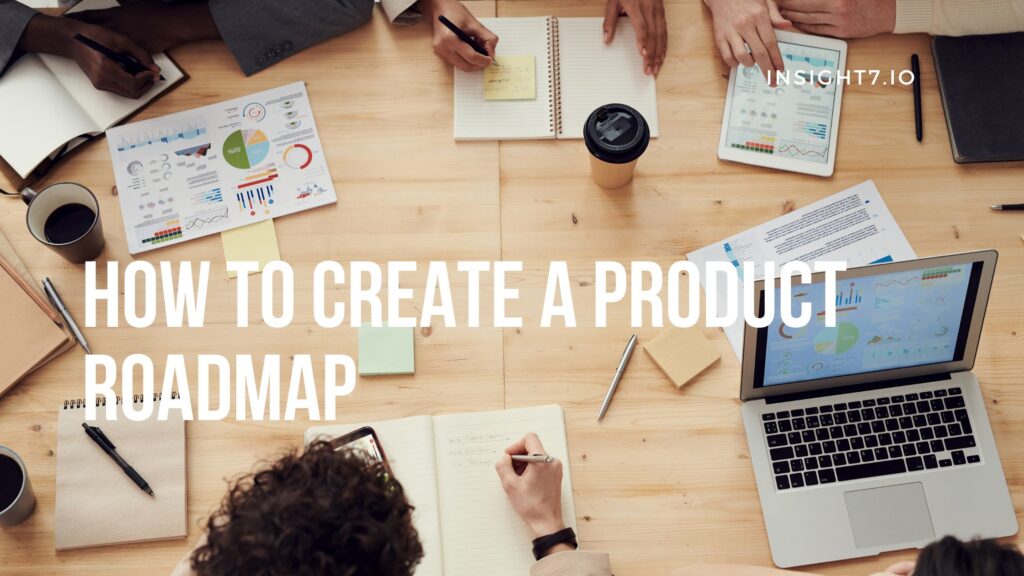
Building a product roadmap starts with strategy — you must establish the product goals and initiatives that your efforts will support. Once those are defined, you can decide which releases and features are best aligned with your strategy and then visualize it all on a timeline. How To Create A Product Roadmap A few considerations will shape your road mapping process. One is your audience — what you show on your roadmap depends on your intended viewers. As you build and customize your product roadmap, you can make additional decisions about which details to include (and which to leave out) so that the information portrayed is relevant to whoever is viewing it. For example, the leadership team will want to understand the strategic importance of what you will deliver, conveyed through roll-up relationships between major releases and associated goals and initiatives. Your product marketing team, on the other hand, will be more concerned with the details and dependencies — so they can track and visualize moving pieces leading up to a product launch and coordinate all go-to-market plans accordingly. You might share a version of your roadmap with customers too. Customers will want to see what is upcoming — especially any critical functionality they need. On a customer-facing roadmap, you might choose to show a broader release time frame instead of an exact date so that you have flexibility to shift if necessary. Your product roadmap will also reflect the development methodology that your organization follows. For example, an agile team will create a product roadmap that is incremental and flexible to accommodate changes in customer needs and the market. But product roadmaps for organizations following a traditional waterfall approach will be more fixed — conveying a long-term commitment to building specific features within a given time frame. Components of a product roadmap The details and context may vary, but all product roadmaps should include a few key elements. Here is a quick overview of the main components you need: Goals: Measurable, time-bound objectives with clearly defined success metrics. Goals represent the critical accomplishments needed to deliver your product. Initiatives: High-level themes of work describing how your efforts will contribute to your goals. On a roadmap, initiatives show how specific releases and features relate to your strategy. Releases: A launch of new product functionality represented on a timeline. Releases often contain multiple features that get delivered at the same time. Epics: Larger bodies of work (like categories) that typically span multiple releases. Epics break down into smaller features that are delivered incrementally. Features: A specific piece of new or improved functionality that results in value to users. Features can be related to capabilities, components, appearance, and performance. Timeline: A visualization of when product releases will occur over time. The time scale can range anywhere from days to quarters or years depending on the amount of work and level of detail involved in a particular release. How to create a product roadmap With these components and considerations in mind, here are the five main steps to building a product roadmap: 1. Define your product strategy As mentioned above, setting strategic product goals and initiatives is an important first step in building a roadmap. Strategy is the “why” behind your product — it explains how your efforts will support the overall business. You will also need a strong product vision — capturing who your customers are, what they need, and how you will go to market with your offering. Together, the elements of your product strategy will inform everything that goes on your roadmap. 2. Review and manage ideas Most product teams have a constant influx of product ideas from customers and customer-facing internal teams. When these ideas are organized and prioritized, they are valuable input for deciding what to put on your roadmap. For an objective method of idea evaluation, try scoring ideas based on metrics that reflect your strategy. 3. Define features and requirements This is when your product roadmap starts to take shape. With your goals, initiatives, and prioritized ideas to guide you, identify the specific product features that you want to deliver. Use a template or tool to put your features into words, add the necessary details in the requirements, and group related ones into epics (if needed). Anything valuable that does not fit on the first iteration of your product roadmap can be saved for later in your product backlog. At this stage, you can also translate your features into user stories to describe the benefit from the customer’s perspective. User stories give your engineering team the context they need to implement the best solutions. 4. Organize into releases Up to this point, you have focused on defining the “why” and the “what” for your product roadmap — next, you will think about the “when.” Once your features are prioritized and sorted, you can plot out your delivery timeline with releases. Releases are often organized by product launch but some teams prefer to arrange their roadmaps based on development capacity. 5. Choose roadmap views To get your product roadmap up and running, the final step is to visualize everything you have defined up to this point. Try roadmap templates or a roadmapping software tool to experiment with different roadmap views. Consider the following questions to help you decide what to include: Who needs to see this product roadmap? What is the most important information I want to convey? Does my audience care more about the big picture or details? Does my audience need to know general timing or exact dates?
How Product Planning Works
Product planning is a difficult term to define because it’s so broad and involves so many different aspects of a product manager’s job. In fact, it’s probably a much larger portion of your role as a PM than you realize. How Product Planning Works Product planning is the process of creating a product idea and following through on it until the product is introduced to the market. A small company must also have an exit strategy for its product in case the product does not sell. Product planning in marketing includes managing the product throughout its life using marketing strategies such as product improvements, differentiated distribution, price changes, and promotions. Product Planning is Not One Meeting or a One-Time Activity A common misconception among product owners is to think of “product planning” as just an activity, something they do once in the early stage of a product’s development. They might hold a single meeting with their stakeholders. The meeting will help to decide, for example, what major themes to prioritize, who their target customers will be, and the basic pricing structure for the product. From there, they jump straight into execution mode—never to revisit any of these big-picture strategic decisions again. Of course, after you’ve gotten underway developing your product at any stage, the realities on the ground might change. This is why it is important to not view product planning as a one-time step in the process and as a major strategic component of the process itself. One great thing about understanding product planning as an ongoing part of your role, as opposed to a one-time task, is that it can give you a new framework that allows you to make changes to your initial planning when those changes are strategically called for. Let’s say at various stages of your product’s development you gain new demographic data about your primary user persona. Or, your customer surveys reveal new and counterintuitive information about which features to prioritize in your next release. Or you bring in a new stakeholder who has insights your team hasn’t considered before. All of these scenarios might demand that you revisit the decisions you and your team made in your early-stage product planning sessions. However, changing some of these agreed-upon priorities and decisions midway through your development can feel uncomfortable. That is why it is essential to adjust your organization’s thinking to understand that product planning is never actually finished. Developing the Product Concept The first phase of product planning is developing the product concept. Marketing managers usually create ideas for new products by identifying certain problems that consumers must solve or various customer needs. For example, a small computer retailer may see the need to create a computer repair division for the products it sells. After the product idea is conceived, managers will start planning the dimensions and features of the product. Some small companies will even develop a product mock-up or model. Studying the Market The next step in the product planning process is studying the competition. Many small companies will order secondary research information from vendors such as the NPD Group and Forrester Research. Secondary research usually provides details on key competitors and their market share, which is the percent of total sales that they hold in the marketplace. Some companies may also do a SWOT analysis (strengths, weaknesses, opportunities and threats), according to career website General Assembly. A SWOT analysis will help them compare their strengths and weaknesses against those of key competitors, emphasizing product planning importance. Using Marketing Research A small company should consider doing both qualitative and quantitative marketing research for its new product. Focus groups are an example of qualitative information. Focus groups allow companies to ask their consumers about their likes and dislike of a product in small groups. A focus group allows the company to tweak the product concept before testing it through phone surveys–a more quantitative marketing research function. Phone surveys enables a company to test its product concept on a larger scale, the results of which are more predictable across the general population. Launching the Product If the survey results prove favorable, the company may decide to sell the new product on a small scale or regional basis. During this time, the company will distribute the products in one or more cities. The company will run advertisements and sales promotions for the product, tracking sales results to determine the products potential success. If sales figures are favorable, the company will then expand distribution even further. Eventually, the company may be able to sell the product on a national basis. Tracking the Product Life Cycle Product planning must also include managing the product through various stages of its product life cycle. These stages include the introduction, growth, maturity and decline stages, according to the book Principles of Marketing, published by the University of Minnesota. Sales are usually strong during the growth phase, while competition is low. However, continued success of the product will pique the interest of competitors, which will develop products of their own. The introduction of these competitive products may force a small company to lower its price. This low pricing strategy may help prevent the small company from losing market share. The company may also decide to better differentiate its product to keep its prices steady. One product-planning example would be a small cell phone company developing new, useful features on its cell phones that competitors do not have.
Product Ideation: How To Generate Product Ideas To Implement
When looking at ideation techniques, it is essential to choose the ones that fit the type of ideas you’re trying to generate. You also need to be mindful of the needs of the respective ideation team, their states of creative productivity, as well as their levels of experience with ideation sessions. Below are seven of the most successful techniques that can be used when generating ideas. 1. Brainstorming At the very top of our list ranks one of the most popular and widely used methods for both innovative problems solving and idea generation. The objective is to come up with all imaginable ideas about a specific problem within a restricted time-frame. Each and every one of the ideas are documented, with participants being banned from criticizing or evaluating while the session is ongoing. This gives space for the most absurd ideas to be heard and win a chance for making the cut. A good size for the group is usually 6–10 people which gives you room to exchange further, cluster, join ideas together etc.. One part that can be a little painful is the actual scheduling, organizing and post-documentation of the session in a practical format that you can share and continuously update or refer to. 2. Focus Groups As the name prevails, this technique brings together a small group of individuals with divergent characteristics, with the aim of providing information in a structured format. It is a form of qualitative research, including interviews, where reactions and perceptions towards a product or service are examined. This way you can extrapolate what can be expected from a larger population. This technique is very useful in early stages of ideation, to assist in making a concept/feature stronger, incorporating user feedback early enough, before you invest in its actual development. 3. Mindmapping The benefits of this powerful technique are just endless. You can use it to better visualize and organize information from simply structuring your thoughts, to brainstorming sessions, to managing meetings all the way to event planning. The process kicks off by noting down a central phrase or word in the middle of the page. With that in place, participants start writing anything else that comes to mind, evolving around that key phrase. Once that is done, you start making connections in order to see how things come together and a web of relationships is created. It is super easy to add ideas later on at any time and it also helps you focus on the links and relationships between ideas so you never end up with detached information. 4. SCAMPER Sometimes, all it takes is to study what you already have. Utilizing your current ideas or processes as a starting point can take you to places you never thought were possible. This idea generation technique emerged by Bob Eberle and it exploits action verbs as stimuli with the focus of re-shaping ideas, concepts or processes that already exist. SCAMPER is an acronym with each letter standing for an action verb: Substitute — replacing a part of your product, concept or process with another to achieve greater outcome. Combine — opportunity of integrating two ideas into one, more solid solution. Adapt — create a more dynamic process and focus on other complementary incremental improvements. Modify — view the problem from a zoomed out perspective and improve the results from a holistic perspective. Put to another use — discover ways to use the solution currently in place for a different purpose and evaluate the derived benefits if applied. Eliminate — what would happen if some parts of the concept were eliminated? Reverse — shift the order of interchangeable elements of an idea. There are various examples of the use of this technique in products or services. A classic example is MacDonald’s. Ray Kroc used SCAMPER in numerous ways: selling restaurants instead of purely limiting himself to burgers (put to other uses), having a self-service model in place to avoid employing waiters (eliminate) and having customers pay before they dine (reverse). Other examples that we come across on a daily basis is the combined in one washing machine and dryer as well as your very own smartphone that is now, among other things, a calculator, a GPS and a camera. For further navigation through each letter to assist you in facilitating any workshop, here is a more detailed guide with helpful questions. 5. Storyboarding Developed by Walt Disney Studio, a storyboard is a visual story, illustrating how a feature will work or how a product can develop. This technique assists creative people in representing information they gained during research. Images, quotes from the user, and other relevant information are hanging on a cork board to stand for a scenario and to facilitate in grasping the relationships between various ideas. Really helpful tool to continuously show stakeholders your vision on how your product can evolve throughout the upcoming increments. 6. Reverse Thinking This is one of my favorite techniques that not many are aware of. Practicing reverse thinking is helping you question the status quo and what you normally tend to take for granted. Feel free to use it when you sense your team is stuck with the conventional mindset and coming up with “out-of-the-box ideas” seems to be burdensome. So now you are probably wondering how on earth you are going to reverse your thinking and the truth is that you have a valid point. A straightforward example to grasp the concept can be the following: ‘how can I double my revenue?’ can transform into ‘how do I guarantee that I have no revenue at all?.’ See, it was not that complicated. This technique alleviates any tension and self-confidence concerns and empowers people to be bolder since they know their ideas are not going to be inspected for missing the mark. You can easily use this way as an ice breaker and then once you get the ideas rolling, switch to regular brainstorming. 7. Sketching Remember that one picture is worth a thousand words?
Product Ideation: How To Build A Great SaaS Product
The rise of subscription-based business models has altered the normal process when it comes to sales and purchases of a product or service. One-time purchases are, especially in the software space, becoming a thing of history. Rather, more customers are buying into a monthly or yearly subscription for products and services. Product Ideation: How To Build A Great SaaS Product Instead of being stuck with a one-off purchase they aren’t satisfied with, customers now able to choose to stop using your product or service at any time as long as it’s within reason This puts Software as a Service (SaaS) companies under tremendous pressure to always keep delivering value for their customers. To do this, organizations must keep 2 simple, but very important, things at the heart of their business strategies: Build a product customers love. Keep your existing customers happy. This is not to say, of course, that SaaS companies should shut down their Sales and Marketing departments and focus solely on Customer Success and Product teams. Not at all. Generating new leads, spreading the word about your product, acquiring new customers, and building brand awareness—to name but a few—will always be central to a successful SaaS company. But the fundamental way to do all of this, while keeping your customers happy and boosting customer retention? Continuously build a product that delights your users. Phew, that’s a tall order. We hear you. If every SaaS company could do that then their problems would be solved, right? Yes, however, there is one key way to make sure you are building a customer-centric product that fits the needs of your users: Product feedback & ideation. What exactly is product ideation? Before taking a close look at its benefits, and offering up the best processes to follow to get it right, let’s clarify exactly what we mean by product ideation. Put simply, product ideation is the effective gathering, prioritizing, and implementing of ideas in order to provide a better product or service. Product development software company, Craft, describes ideation as, “a structured process…more focused than brainstorming…crafting an actual idea form from the idea.” The benefits? Your product is shaped by the ideas and suggestions of different stakeholders in your organization—from product leads to engineers to developers. This ensures you are harnessing the best minds from your company in order to innovate successfully. What’s more, your product team aligns on what goals they are working on, and why (you should also have a clear process for feeding this into the rest of your organization). This keeps everyone in your team working towards the same goals. That said, many definitions of product ideation focus solely on the internal teams in an organization coming together, brainstorming ideas and leveraging the insights of product owners and developers. Crucially though, this process can miss one key element of successful product ideation—the customer’s opinion. That is not to say that product developers, designers and developers forget the customer when they are dreaming up product ideas. But it is true that the needs of the customer can often be overlooked in the product ideation process. It’s essential, therefore, to have a process for gathering and prioritizing customer feedback and incorporating it in the ideation process. How to include the voice of the customer in product ideation More often than not, SaaS companies have a system for gathering customer feedback. Yet the process is rarely smooth. This is mainly due to the fact that user feedback tends to come in many forms and from many channels. For example, you might get an email to your support team from one customer, a call from another, a message on social media, a verbal comment at an event…the list goes on. Channeling this feedback into one area and making it actionable can be tricky to say the least. With this in mind, the first step to making sure you are incorporating customer feedback into the ideation process is to have one central place where your customers come together to give feedback. This is where online communities have changed the game. They offer a secure, transparent platform where customers can share best practices and make feature/ideation requests quickly and easily. So here are five of the main benefits of setting up an online community of users to effectively gather product feedback: 1. You build a better product: By taking into account the requests and suggestions of your users and letting them help shape your product roadmap, you ensure that you are always making a product that fits the most pressing needs of your users. In other words, no more unwanted feature updates that your product team thought were essential, but your customers rarely use. 2. All of your data is in one place: No more wondering which customer requested what feature on what channel. With an online community ideation requests are easily findable on one centralized platform. 3. You own the content: Communities are content machines and ideation requests can come in thick and fast. In fact, in B2B software communities that have a focus on customer ideation, between 30% and 40% of all user content posted can be found in an ideation section. Unlike social media groups, your organization owns this content—something that’s crucial when it comes to potentially sensitive product ideation requests. 4. Multi-way communication facilitates dialogue and customer engagement. On a community your product team can respond to customers directly in a transparent forum. This multi-way communication allows you to justify why (or why not, as the case may be), you are adopting a feature request. Users not only want this transparency, they expect it. As our product manager, Daniel Boon explains: We always make sure that every customer idea gets a respons —no matter how ‘out there’ it may seem. Our approach is always to ask ‘why?’. It’s vital that a product manager can get to the root problem—and this way we can often find a much better solution than the original idea that was proposed. -Daniel Boon Product owner, inSided 5.
Effective Product Discovery Process For Product Teams
Creating product features can be very expensive if you don’t have the right process that ensures that the product you develop is actually relevant to your target users. In this article, we’ll look at the normal product discovery process used by many product teams that do not produce relevant features. We’ll also see the right product discovery process to ensure your product achieves easy adoption by your target users. Let’s go… This is the standard product discovery process but this process has continually been found wanting. It makes it difficult to avoid risks that come with product development. Let’s see the improved version of this process: The effective product discovery process This is an improved product discovery process that prioritizes continuous feedback from target customers and users. This is important as the focus of every product team should be to produce great products that actually meet the needs of its intended users. It’s important to understand that the opportunities to be discovered are secondary to the outcome desired by the product leader. The right product discovery process conducts customer interviews at regular intervals to learn features that are important to the target user. This interview also helps the product team discover opportunities that will help meet the goal of the product leader. The opportunities discovered in the interviews will help the team to discover even more opportunities. These opportunities are then exploited by building product features that meet those needs. To properly analyze data gotten from the interviews, and share them with the team, you can use tools like insight7.io After the solutions are built further interviews will help the product team gain more insight into the success of the new feature or solution. To manage products is to manage risks associated with the product and these risks must be tackled in our product discovery process in order to ensure the success of the product. Let’s look at some risks involved in product management… Value risk (whether customers will buy it or users will choose to use it) Usability risk (whether users can figure out how to use it) Feasibility risk (whether our engineers can build what we need with the time, skills, and technology we have) Business viability risk (whether this solution also works for the various aspects of our business) Essentially, conducting product discovery mitigates these risks and ensures that we are building the right products for users. It helps your team laser-focus on the problems and needs of users and sets them up to obtain deep user insights through continuous learning. It’s important to note that the goal of product discovery is not necessarily to ship features. Rather, it’s to promote an environment of learning that will help you improve your product incrementally and consistently. What are the Key Steps in the Discovery Process? 1: Power up your customer empathy by understanding the underlying needs and feelings of customers. 2: Create a complete picture of your customer by crowdsourcing different perspectives across your team. 3: Listen—really listen. Suppress your natural urge to rush to a solution, and instead, ponder the customer’s root problem. “Too often, we jump to the first solution that comes to mind. Our brains are remarkably good at closing the loop—when we hear about a problem, we jump to solve it. But if we want to find good solutions, we need to take the time to make sure that our solutions are tailored to our customers’ specific needs.” —Teresa Torres, product discovery coach 4: Try visual mapping to gain clarity. 5: Collect and organize customer feedback from various input channels (e.g., social media, email, customer service, user research, customer advisory board, etc.). 6: Be objective. Do potential solutions align with problems, or are you biased? Remember: Not every idea will stick. 7: Test your assumptions. This is a simple look into an effective product discovery process. If you have any comments please send them in the comment section.
