
How to Leverage Customer Segmentation to Align Product and GTM Teams

In the fast-paced world of business, achieving seamless collaboration between different departments is crucial for success. However, the divide between product and go-to-market (GTM) teams often leads to silos, hindering innovation and growth. Customer segmentation, a powerful tool for understanding and catering to distinct customer groups, can effectively bridge this gap and foster alignment between these critical teams. The Challenge of Silos Product teams, often focused on ideation, development, and feature implementation, may lose sight of the market’s needs and customer preferences. On the other hand, GTM teams, responsible for marketing, sales, and customer success, may lack the deep understanding of the product’s capabilities and underlying value proposition. This disconnect between the teams can lead to misaligned strategies, ineffective messaging, and ultimately, missed opportunities. The Power of Customer Segmentation Customer segmentation involves dividing the customer base into distinct groups based on shared characteristics, behaviors, and needs. This process provides valuable insights into the diverse customer landscape, enabling both product and GTM teams to make informed decisions tailored to specific segments. Aligning Product Development with Customer Needs By understanding the unique needs and preferences of each customer segment, product teams can prioritize features and enhancements that resonate with each group. This customer-centric approach ensures that product development efforts are aligned with the market’s demands, leading to a product that truly addresses customer pain points and drives satisfaction. Enhancing GTM Strategies with Customer Insights GTM teams can leverage customer segmentation to tailor their marketing campaigns, sales messaging, and customer success initiatives to each specific segment. This targeted approach ensures that the right message reaches the right customer at the right time, maximizing the effectiveness of GTM efforts and driving conversions. Breaking Down Silos Through Collaboration The process of customer segmentation should not be done in isolation. Involving both product and GTM teams in the segmentation exercise fosters collaboration and shared understanding. By working together, teams can develop a common language and framework for understanding customers, breaking down silos and creating a more unified approach to product development, marketing, and customer success. A Unified Front for Growth By leveraging customer segmentation to align product and GTM teams, organizations can reap significant benefits, including: Increased customer satisfaction and loyalty Improved product-market fit and reduced churn Enhanced marketing ROI and sales effectiveness Streamlined customer success initiatives Customer segmentation serves as a powerful bridge, connecting product and GTM teams with a shared understanding of the customer. By embracing this customer-centric approach, organizations can achieve seamless collaboration, drive innovation, and ultimately achieve sustainable growth.
The Importance of Segmentation, Targeting, and Positioning (STP) for Tech Startup Businesses

In the fiercely competitive tech industry, where startups emerge at a rapid pace, it is crucial for businesses to have effective marketing strategies to stand out from the crowd. One approach that holds immense significance in this realm is Segmentation, Targeting, and Positioning (STP) marketing. By implementing STP, tech startups can effectively navigate the complexities of the market, identify their ideal customers, and position themselves strategically for success. Understanding STP Marketing STP marketing is a consumer-centric approach that helps startups deliver more relevant and personalized messages to their target audiences. It involves breaking down the market into distinct segments, selecting the most promising segments to target, and strategically positioning the business to differentiate itself from competitors. The Role of Segmentation Segmentation is the first step in the STP marketing process. It involves dividing the broad target market into smaller, more manageable segments based on shared characteristics, needs, or behaviors. For tech startups, understanding the varying requirements of potential customers is vital. By segmenting their target market, startups can identify specific customer groups and tailor their products or services to address their unique pain points. This targeted approach leads to enhanced customer satisfaction, increased adoption rates, and improved customer loyalty. The Power of Targeting Once the market is segmented, the next step is targeting. Startups need to focus their marketing efforts on the segments that align best with their value proposition. Precise targeting allows for efficient resource allocation, saving time and money while yielding higher conversion rates. By identifying and focusing on the segments that have the highest probability of purchasing, startups can optimize their marketing activities and maximize their impact. Strategic Positioning in the Market Positioning is about differentiating a startup’s offering from its competitors and establishing a distinctive identity in the minds of customers. In the crowded tech market, where competition is fierce, startups must identify their unique value proposition and communicate it effectively. Through STP marketing, startups can identify gaps in the market and strategically position themselves as innovative, reliable, or customer-centric. Effective positioning not only attracts customers but also instills trust and loyalty, giving startups a competitive edge. Implementing STP Marketing in Tech Startups Now that we understand the importance of STP marketing for tech startups, let’s delve into the practical steps involved in implementing this approach. Step 1: Identify Key Differentiators Startups need to identify their key differentiators that set them apart from competitors. What makes their offering uniquely different? This could be a specific feature, technology, or approach that no other competitor can replicate. Understanding these differentiators is essential for effective segmentation and targeting. Step 2: Evaluate the Value of Differentiators Once the key differentiators are identified, startups should evaluate the value they bring to prospects. What benefits do these differentiators offer? How do they address customers’ pain points? Startups need to measure and articulate the value they deliver to demonstrate why customers should care about their unique offering. Step 3: Identify Ideal Customer Segments With a clear understanding of their key differentiators and the value they provide, startups can identify the customer segments that care about their offering the most. These are the prospects who see the unique features as amazing and are willing to pay for them. Startups need to get specific and identify the characteristics of these ideal customers, such as company size, industry vertical, geographic location, or consumer behavior. Step 4: Assess Segment Viability While targeting specific segments is important, startups need to ensure that the segments they choose are viable. This means evaluating whether the segment is large enough to meet their sales goals but not so massive that it becomes challenging to target effectively. Finding the right balance is crucial for early traction and success. Step 5: Understand Buying Power and Channels Before finalizing the target segments, startups need to assess the buying power of the prospects within each segment. Can they afford the offering? Do they have the authority to make purchasing decisions, or do they need to seek approval from higher levels? Startups should also consider whether the target segments typically buy through specific channels, such as retail, resellers, or online platforms. Realizing the Benefits of STP Marketing for Tech Startups By implementing the STP marketing approach, tech startups can reap numerous benefits that contribute to their overall success and growth. Enhanced Customer Satisfaction and Loyalty Segmenting the market and tailoring products or services to specific customer groups leads to enhanced customer satisfaction. By addressing their unique pain points and delivering personalized solutions, startups can build strong relationships with their customers, increasing loyalty and repeat business. Efficient Resource Allocation Precise targeting allows startups to allocate their resources more efficiently. By focusing on the segments that have the highest probability of converting, startups can optimize their marketing spend, saving time and money while driving higher conversion rates. Competitive Differentiation Strategic positioning sets startups apart from their competitors. By identifying their unique value proposition and effectively communicating it, startups can differentiate themselves in the market. This differentiation not only attracts customers but also creates a strong brand image that instills trust and loyalty. Mitigation of Market Risks Implementing STP marketing helps startups mitigate market risks. By thoroughly understanding their target segments and continuously seeking feedback, startups can adapt and pivot when necessary. This iterative process minimizes the risk of product-market misalignment and increases the chances of long-term success. Examples of Successful STP Marketing in Tech Startups Several tech startups have successfully implemented STP marketing strategies to achieve remarkable success. Let’s explore a few examples: Example 1: Airbnb When Airbnb was starting out, they used the STP model to identify their target market and achieve early traction. They segmented the market based on travel preferences and targeted budget-conscious travelers who preferred online booking engines. By focusing on this specific segment, Airbnb was able to position themselves as a unique and affordable alternative to traditional accommodations, revolutionizing the travel industry. Example 2: Slack Slack, a communication and collaboration platform, identified their target market by segmenting based on workplace communication needs.
The Role of Psychographic Segmentation in Branding
As a business, it’s important to understand the needs and preferences of your target audience to create effective branding strategies. This is where psychographic segmentation comes into play. By categorizing consumers based on their values, beliefs, and personalities, you can gain a deeper understanding of what motivates their purchasing decisions and tailor your branding accordingly. Through psychographic segmentation, businesses can identify key demographic segments and develop brand positioning strategies that resonate with their target audience. This in-depth understanding of consumer behavior not only helps businesses build brand loyalty but also optimize their marketing efforts for maximum engagement. Market research plays a crucial role in psychographic segmentation. By gathering data on consumer behavior, businesses can identify patterns and develop targeted marketing campaigns that appeal to specific consumer segments. This data-driven approach ensures that branding efforts are focused on the most profitable and receptive consumer groups. Key Takeaways: Psychographic segmentation helps businesses understand their target audience on a deeper level. Effective brand positioning requires a data-driven approach to consumer behavior Market research is crucial in identifying profitable consumer segments Tailoring branding efforts to specific consumer groups enhances engagement and brand loyalty Understanding Customer Behavior: The Key to Effective Branding As a savvy business owner, you understand that effective branding is key to achieving success in a competitive market. But did you know that understanding customer behavior is crucial to creating a strong brand that resonates with your target audience? By analyzing customer behavior, you can gain insights into how your customers think, feel, and behave, which can inform your branding strategies and help you connect with your audience. Customer Behavior Analysis The first step in leveraging customer behavior for effective branding is to conduct a thorough analysis of your target audience. This involves gathering data on their demographics, preferences, and behaviors to gain a deeper understanding of what motivates them. By analyzing this data, you can begin to identify patterns and trends that can inform your branding decisions. Psychographic Profiling One effective way to analyze customer behavior is through psychographic profiling. This involves creating detailed profiles of your target audience based on factors such as personality, values, and lifestyle. By understanding your customers on a deeper level, you can tailor your branding strategies to better resonate with their values and needs. Creating Buyer Personas Another key element of understanding customer behavior is creating buyer personas. These are fictional representations of your ideal customers, based on data from customer behavior analysis and psychographic profiling. By creating detailed buyer personas, you can better understand your customers’ needs and preferences, and develop tailored branding strategies that speak directly to them. By leveraging customer behavior analysis, psychographic profiling, and buyer personas, you can create a strong brand that resonates with your target audience. So be sure to take the time to understand your customers and their behavior – it could make all the difference in the success of your business. Enhancing Brand Strategies through Psychographic Segmentation Now that you have an understanding of psychographic segmentation and how it can be used to identify and connect with your target audience, it’s time to put that knowledge into action. Developing effective brand strategies requires a deep understanding of your customers and their behavior. This is where target audience profiling and consumer segmentation come into play. Target audience profiling involves creating a detailed profile of your ideal customer. This includes information such as demographics, personality traits, and interests. By tailoring your brand messaging and experiences to this profile, you can create a more personal and relevant connection with your audience. Consumer segmentation is the process of dividing your target audience into groups based on shared characteristics or behaviors. This allows for more targeted marketing efforts and personalized brand experiences. By understanding the different segments within your audience, you can tailor your messaging to better resonate with each group. Consumer psychology also plays a crucial role in shaping effective brand strategies. Understanding the psychological factors that drive consumer behavior can help you create more persuasive messaging and experiences. For example, using social proof or scarcity tactics can influence consumer decision-making. By utilizing psychographic segmentation, target audience profiling, consumer segmentation, and consumer psychology, you can create impactful and targeted brand strategies. This will ultimately lead to enhanced brand positioning and customer engagement. So take the time to truly understand your audience, and use that knowledge to create a brand that resonates with them on a deeper level. Be Intentional About Your Branding Psychographic segmentation is a powerful tool for businesses looking to enhance their branding strategies. By investing in market research, creating buyer personas, and understanding consumer behavior, businesses can tailor their messaging and experiences to connect with their target audiences more effectively. Consumers are more likely to engage with brands that understand their preferences, values, and motivations. Through psychographic segmentation, businesses can gain a deeper understanding of their target audiences and develop brand strategies that resonate with them on a personal level. Ultimately, successful branding is about building relationships with your customers. By leveraging psychographic segmentation techniques, businesses can create authentic connections with their target audiences and establish a strong and loyal customer base FAQ What is psychographic segmentation in branding? Psychographic segmentation in branding refers to the process of dividing a target market based on psychological and behavioral characteristics. It involves understanding the preferences, values, lifestyles, and attitudes of consumers to create tailored marketing strategies. How does psychographic segmentation help in identifying target audiences? Psychographic segmentation helps in identifying target audiences by providing insights into their motivations, desires, and preferences. It allows brands to understand their customers on a deeper level, enabling them to craft messages and experiences that resonate with specific segments of the market. What is the role of market research in psychographic segmentation? Market research plays a crucial role in psychographic segmentation by providing data and insights about consumer behavior and preferences. It helps brands gather information about their target audience’s demographics, interests, and lifestyle choices, which can be used to create more effective branding
How to Use Segmentation, Targeting, and Positioning (STP) to Enhance Product Development

In today’s competitive marketplace, understanding your customers’ diverse needs and preferences is vital for successful product development. Segmentation, targeting, and positioning (STP) are core marketing strategies that can significantly improve your product development process. STP allows businesses to identify, connect with, and satisfy specific customer groups effectively. In this article, we will explore what STP is and how to use it to enhance your product development efforts. Understanding STP STP is a strategic framework used by businesses to: Divide a heterogeneous market into smaller, distinct segments based on shared characteristics or needs (Segmentation). Select one or more of these segments as your primary focus, where your product will meet the most resonance and success (Targeting). Develop a unique and compelling brand image for your product within the chosen segments to stand out in the minds of your target customers (Positioning). Now, let’s delve into how you can implement these strategies to improve your product development. Segmentation: Know Your Market Market Research: Start with comprehensive market research to gain insights into customer behaviors, preferences, and pain points. This data serves as the foundation for your segmentation strategy. Let’s take a demo brand like TechVista that is into tech support services designed to enhance the productivity and connectivity of remote workers, freelancers, and small business owners, thorough market research is crucial because it provides TechVista with valuable insights into customer behaviors, preferences, and market trends. This information forms the basis for effective segmentation. On the other hand without market research, your business tends to make misinformed decisions. The demo brand TechVista as an example might end up targeting the wrong segments or creating products that don’t meet actual customer needs. Identify Segments: Based on the research, identify potential market segments. These segments can be based on demographics (age, gender, income), psychographics (lifestyle, values), behavior (buying habits, product usage), or other relevant criteria. Defining clear segments allows you to focus your resources and efforts effectively, tailoring your product offerings to the specific needs of each group. Failing to identify segments properly may result in generic products that don’t resonate with any particular customer group. For example, TechVista can identify two segments in its market – “Digital Nomads” and “Small Business Owners.” These segments have distinct needs and behaviors. Prioritize Segments: Evaluate and prioritize segments based on criteria such as size, growth potential, competition, and alignment with your company’s goals and capabilities. Prioritizing segments helps you allocate resources and prioritize which segments to target first based on factors like size, growth potential, and compatibility with the company’s goals. Without prioritization, a brand may waste resources on less profitable segments or miss opportunities in more promising ones. Example: TechVista analyzes the “Digital Nomads” segment, recognizing its rapid growth and alignment with the company’s capabilities, making it a primary focus. Create Buyer Personas: Develop detailed buyer personas for each selected segment. These personas should outline the typical customer’s characteristics, motivations, challenges, and goals. Buyer personas provide a human face to the segments, making it easier to understand and empathize with customers, and guiding product development. Without well-defined personas, a business may lack clarity in addressing customer pain points and designing features that matter. Example: TechVista can create personas for the “Digital Nomads” segment, detailing their age, income, preferences, and challenges, such as the need for portable tech solutions. Targeting: Focusing on the Right Audience Evaluate Segment Fit: Assess how well your product aligns with the needs and preferences of each chosen segment. Are there any necessary modifications or customizations needed to cater to their specific requirements? You need to ensure your products align with the specific needs of each segment. Customization may be necessary to cater to these needs. Ignoring the unique needs of a segment could result in a product that fails to gain traction in the market. Set Clear Objectives: Define specific, measurable objectives for each targeted segment. These objectives should align with your product development goals, such as sales targets or market share. Clear objectives guide your product development efforts. They help set measurable targets for each segment. Vague or undefined objectives can lead to misaligned efforts, making it challenging to measure success. What this can look like TechVista is setting specific objectives for the “Small Business Owners” segment, aiming to achieve a 15% market share within a year. Positioning Strategy: Develop a unique positioning strategy for each segment. This strategy should highlight the distinct value your product offers to that segment and differentiate it from competitors. Each segment should perceive your products as tailored to their unique needs. Positioning builds a brand image that resonates with the chosen segments. Inconsistent positioning can confuse customers and dilute the brand’s identity. Marketing Mix Customization: Tailor the marketing mix (product, price, place, and promotion) to each segment. Customize product features, pricing strategies, distribution channels, and promotional efforts accordingly. When you do this the marketing mix ensures that product features, pricing, distribution, and promotions align with each segment’s preferences and expectations. While a one-size-fits-all approach may lead to mismatched product offerings and marketing efforts. An example is to customize pricing strategy, offering “Small Business Owners” flexible payment plans and bulk discounts. Positioning: Creating a Strong Brand Image Understand the Competition: Analyze how your competitors are positioned in the market. Identify gaps or opportunities that your product can capitalize on. Analyzing competitors’ positioning helps you identify opportunities to differentiate your brand and products effectively. Ignoring the competition on the other hand can result in a brand that blends into the market without a unique value proposition. Unique Selling Proposition (USP): Determine your product’s unique selling points that set it apart from competitors. Your USP should resonate with the specific needs and desires of your target segments. A clear USP sets TechVista apart from the competition and highlights what makes its products special. Failing to articulate a unique value proposition may lead to a lack of brand distinctiveness. This could be introducing a package deal for your target or a collaboration with a third-party app to ensure ease.
Product Segmentation vs Customer Segmentation: Difference and Purpose for Product Managers

[vc_row type=”in_container” full_screen_row_position=”middle” column_margin=”default” column_direction=”default” column_direction_tablet=”default” column_direction_phone=”default” scene_position=”center” text_color=”dark” text_align=”left” row_border_radius=”none” row_border_radius_applies=”bg” overflow=”visible” overlay_strength=”0.3″ gradient_direction=”left_to_right” shape_divider_position=”bottom” bg_image_animation=”none”][vc_column column_padding=”no-extra-padding” column_padding_tablet=”inherit” column_padding_phone=”inherit” column_padding_position=”all” column_element_direction_desktop=”default” column_element_spacing=”default” desktop_text_alignment=”default” tablet_text_alignment=”default” phone_text_alignment=”default” background_color_opacity=”1″ background_hover_color_opacity=”1″ column_backdrop_filter=”none” column_shadow=”none” column_border_radius=”none” column_link_target=”_self” column_position=”default” gradient_direction=”left_to_right” overlay_strength=”0.3″ width=”1/1″ tablet_width_inherit=”default” animation_type=”default” bg_image_animation=”none” border_type=”simple” column_border_width=”none” column_border_style=”solid”][vc_column_text] In the competitive landscape of today’s business world, understanding your target market is crucial for product managers. Two fundamental approaches in this regard are product segmentation and customer segmentation. Each approach brings its unique set of benefits and challenges, we will delve deep into the differences between these two approaches their respective purposes, and provide some examples to illustrate their importance in product management. What is Product Segmentation Product segmentation is a strategy that involves dividing your product offerings into distinct categories based on various criteria such as features, pricing, or target audience. This approach allows businesses to create products that cater to specific customer needs and preferences. Product segmentation is essential because it enables businesses to customize their products and services, making them more appealing to a specific subset of customers. This not only helps in meeting customer expectations but also allows for better resource allocation and focused marketing efforts. What is Customer Segmentation Customer segmentation, on the other hand, involves dividing the target market into groups based on demographic, psychographic, or behavioral factors. This approach helps businesses understand their customers’ characteristics and tailor their offerings accordingly. Customer segmentation is invaluable for your business as it assists in creating personalized marketing strategies, which enhance customer satisfaction and loyalty. It also helps in identifying potential market opportunities and customer needs. Key Differences Between Product and Customer Segmentation 1. Focus and Perspective Product segmentation primarily centers on the product itself. For example, a company that manufactures smartphones may apply product segmentation to create distinct product lines. They may offer a high-end line with advanced features for tech-savvy consumers and a budget line with essential features for price-conscious customers. This approach involves categorizing products based on their attributes and features to cater to different customer preferences. In contrast, customer segmentation focuses on understanding the customers. Consider a retail clothing store that uses customer segmentation. They may identify segments of customers based on factors like age, gender, and lifestyle. With this knowledge, they tailor their product offerings, marketing, and store layout to appeal to each customer group. For instance, they may offer trendy, youth-oriented clothing for one segment and classic, formal wear for another. This approach emphasizes meeting the unique preferences and needs of diverse customer groups. 2. Data Utilization Product segmentation relies heavily on data related to product attributes. For instance, an automobile manufacturer looking to apply product segmentation might analyze data on engine types, fuel efficiency, size, and additional features. They would use this data to create different product models, each targeting a specific customer segment. This data-driven approach ensures that each product in the lineup meets the specific needs of a particular set of customers. Customer segmentation, on the other hand, depends on data related to customer behavior, demographics, and psychographics. Take a subscription-based streaming service as an example. They may analyze customer data to identify segments such as young professionals who prefer action movies, families who enjoy animated content, or older individuals interested in documentaries. By understanding customer preferences and viewing habits, they tailor their content recommendations and marketing to each group. This data-driven approach personalizes the customer experience and enhances engagement. 3. Tailoring Strategies: Product segmentation primarily influences product development and marketing strategies. Let’s consider a laptop manufacturer utilizing product segmentation. They may have a product line targeting gamers, featuring high-performance graphics and processing power, and another line for business professionals, focusing on portability and security features. In this scenario, the marketing strategy and product development for each line are distinct, ensuring that the unique needs of each customer group are addressed effectively. Customer segmentation predominantly impacts marketing, sales, and customer service strategies. For example, an e-commerce platform employing customer segmentation may categorize customers based on their shopping habits, such as frequent buyers, occasional shoppers, and bargain hunters. They would then send personalized marketing emails, offer loyalty discounts to frequent buyers, and provide responsive customer support. This tailored approach results in higher customer satisfaction and retention, as customers feel understood and valued leading to product-led growth(PLG). Why Product Managers Need Product Segmentation Customization and Personalization: Product managers need product segmentation to create customized products that resonate with specific customer segments. This leads to increased customer satisfaction and brand loyalty. Market Expansion: Product segmentation opens up opportunities to explore new markets and expand product lines. By catering to various customer needs, businesses can diversify and grow. Enhancing Product Development: Understanding product segmentation allows product managers to identify areas of improvement and innovation in their product offerings. Why Product Managers Need Customer Segmentation Understanding Customer Needs: Customer segmentation provides insights into what customers desire, enabling product managers to create products that truly meet their requirements. Effective Marketing Strategies: By tailoring marketing messages and campaigns to specific customer segments, product managers can achieve better engagement and conversion rates. Customer Satisfaction and Retention: Meeting the unique needs of customers through customer segmentation results in higher satisfaction levels, ultimately leading to increased customer retention. Real-world Examples of Product Segmentation and Customer Segmentation Coca-Cola’s Product Segmentation: Coca-Cola, a global beverage giant, effectively utilizes product segmentation with its diverse range of products, including Diet Coke, Coca-Cola Classic, and Coca-Cola Zero. Each product targets a specific group of customers, addressing their preferences for taste and nutritional content. Amazon’s Customer Segmentation: Amazon, the e-commerce giant, exemplifies the power of customer segmentation. By analyzing customer behaviors and preferences, Amazon recommends products, tailors marketing emails, and provides a personalized shopping experience, leading to increased sales and customer loyalty. Which is Best for You to Focus on? Well, while product segmentation and customer segmentation have their distinct advantages, to be successful as a product manager you often need to strike a balance between these two strategies. By considering both the product’s attributes and the customers’ needs, you
What is Psychographic Segmentation? How to Use It in Marketing

One thing Psychographic segmentation takes into consideration is the constant change in the consumer culture. In the ever-evolving world of marketing, it is very easy to miss your target market so understanding your target audience is paramount. While demographic and geographic data offer valuable insights, psychographic segmentation takes consumer understanding to a deeper level. This article explores what psychographic segmentation is and how to effectively use it in your marketing strategy. What is Psychographic Segmentation? Psychographic segmentation is a marketing technique that categorizes consumers based on their psychological and emotional traits, values, lifestyles, interests, and behaviors. Unlike demographic factors such as age, gender, or location, psychographics delve into the “whys” behind consumer choices, providing a more profound understanding of what drives their decisions. Understanding Psychographic Segmentation Variables To use psychographic segmentation effectively, it’s crucial to grasp the key variables involved: Values and Beliefs: Consumers’ core values and beliefs are a significant part of their profile. This may encompass political, social, or environmental views, as well as personal philosophies. This variable gives you insight into what your audience cares about. Lifestyle and Interests: Lifestyle choices, hobbies, and interests play a role in shaping consumer behavior. Whether someone is an adventure-seeker, a fitness enthusiast, or an art lover, their lifestyle impacts their preferences. This variable could also show you where your audience is most likely to be found, what media, influencers, and activities that could be used to get their attention. Personality Traits: Psychographics also consider personality traits like introversion/extroversion, openness, and conscientiousness. These traits influence how consumers relate to products and brands. Attitudes and Opinions: Consumers’ attitudes and opinions can be instrumental in predicting their buying behavior. Understanding their stance on various issues can guide marketing strategies, it can also help predict their reactions to certain types of information. Behavior: Finally, analyzing consumer behavior, such as purchase history, brand loyalty, and online activity, can reveal patterns that aid in segmentation. This variable can give insight into how they relate to your product or any product and also how useful the product is for them. How to Use Psychographic Segmentation in Marketing Market Research: Start by conducting extensive market research to gather psychographic data. Surveys, interviews, and social media listening can help you understand the values, attitudes, and behaviors of your target audience. Create Customer Personas: Based on the data collected, create detailed customer personas that represent different segments within your target audience. These personas should reflect the psychographic variables you’ve identified. Tailor Content and Messaging: Craft marketing content and messages that resonate with each persona. Speak to their values, beliefs, and interests. Address their pain points and aspirations. Choose the Right Channels: Select the most appropriate marketing channels to reach your psychographic segments. For instance, if your target audience is environmentally conscious, emphasize your eco-friendly practices on social media and in your content. Product Customization: Consider customizing products or services to cater to specific psychographic segments. This might involve creating variations, additional features, or features to prioritize that align with their preferences. Behavioral Triggers: Identify behavioral triggers that prompt action within each psychographic segment. This might include limited-time offers for the spontaneous buyer or exclusive content for the information-seeker. Feedback and Iteration: Regularly gather feedback and analyze performance metrics to refine your approach. Adjust your marketing strategies based on the response of each psychographic segment. Psychographic segmentation is a powerful part of marketing that enables business owners, product managers, and even entrepreneurs to connect with their audience on a deeper level. By understanding the values, beliefs, and behaviors of consumers, businesses can tailor their marketing efforts to create more meaningful and effective campaigns. In a competitive marketplace, psychographic segmentation can give you the edge you need to engage, convert, and retain loyal customers. FAQs What is the primary difference between demographic and psychographic segmentation in marketing? Demographic segmentation categorizes consumers based on characteristics like age, gender, and location, while psychographic segmentation delves into psychological and emotional traits, values, lifestyle, interests, and behaviors that drive consumer decisions. How can I collect psychographic data for my target audience? You can collect psychographic data through methods like surveys, interviews, social media listening, and analyzing online behavior. These approaches provide insights into the values, attitudes, and interests of your audience. Why is creating customer personas essential in psychographic segmentation? Customer personas help represent different psychographic segments within your target audience. They serve as a reference point for tailoring marketing content, messages, and strategies to each segment’s unique characteristics. What are some examples of tailoring marketing content to psychographic segments? Tailoring content involves addressing the values, beliefs, and interests of specific segments. For example, if a segment values environmental sustainability, your content can highlight eco-friendly practices in your products or services. How often should I gather feedback and iterate my marketing strategies based on psychographic segmentation? Regular feedback collection is crucial. It’s advisable to analyze performance metrics and gather feedback periodically to adapt and refine your marketing strategies. The frequency may depend on the pace of change within your target audience and industry.
What is Segmentation, Types and Why is it Important for Businesses
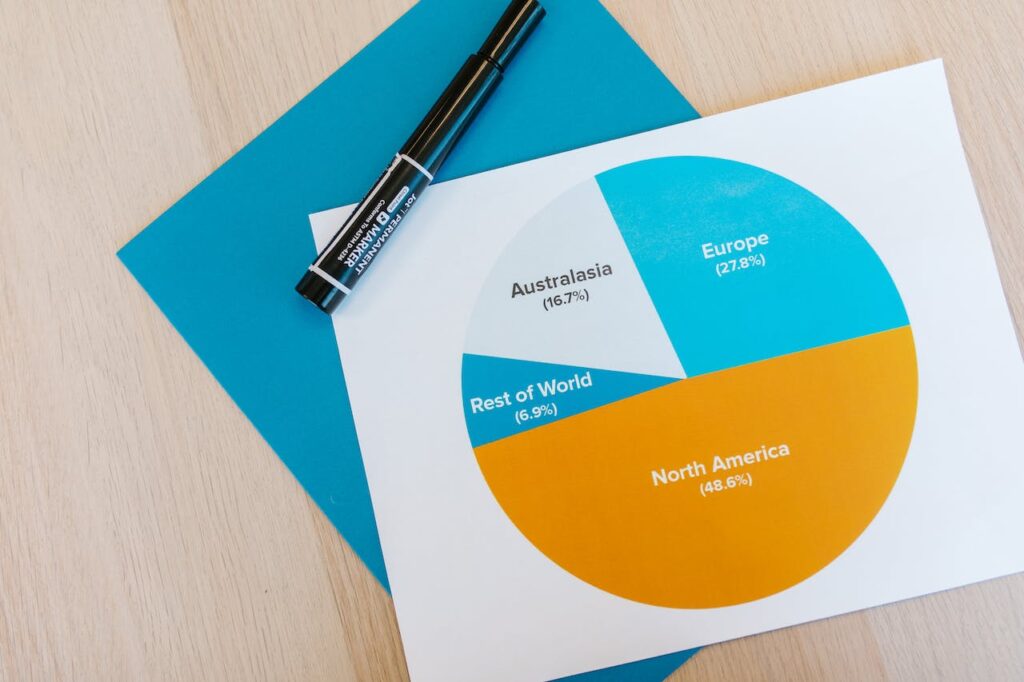
In today’s fast-paced business world, connecting with your target audience is crucial for success. Market segmentation is a strategic approach that can help businesses understand their customers better and tailor their marketing efforts. In this article, we’ll explore the concept of market segmentation and dive into types of segmentation, each with real-world examples to aid you in understanding yours better. What is Market Segmentation Market segmentation is the practice of dividing a broad target audience into smaller, more manageable groups based on shared characteristics. This approach allows businesses to customize their marketing strategies, offering content and products that resonate with specific customer groups. As a product manager or business owner having a clear market segmentation for your business can help you gain an advantageous insight into your customers. Types of Segmentation Demographic Segmentation: Demographic segmentation categorizes the market based on demographic factors such as age, gender, income, education, and occupation. Here are some examples: Age: A company selling smartphones may target a younger audience for its latest, feature-rich models and an older demographic for simplified, user-friendly models. Gender: A cosmetic brand may develop separate marketing campaigns for men and women, promoting products designed for each gender’s unique needs. Income: Luxury car manufacturers focus on high-income individuals, while budget car brands target middle-income buyers. Education: Educational institutions may tailor their outreach based on a student’s educational background, promoting different courses for high school graduates and college graduates. Geographic Segmentation: Geographic segmentation classifies the market based on location, such as country, region, city, or climate. Consider these examples: Country: A company producing winter clothing will promote its products differently in Canada, where winters are severe, compared to a location with milder winters. Region: A restaurant chain might offer region-specific menu items to cater to local tastes and preferences. City: Real estate agencies adjust their marketing approaches to suit the property market conditions in different cities. Climate: An air conditioning manufacturer focuses on marketing to regions with hot climates, emphasizing the importance of staying cool. Psychographic Segmentation: Psychographic segmentation considers lifestyle, values, and personality traits. Examples include: Lifestyle: A company promoting outdoor adventure equipment targets customers who value an active lifestyle and outdoor experiences. Values: A brand that prioritizes sustainability tailors its message to environmentally conscious consumers. Personality Traits: A travel agency specializing in luxury vacations caters to customers who seek exclusivity and comfort in their travels. Behavioral Segmentation: Behavioral segmentation involves understanding how customers interact with a product or service. Examples include: Usage Frequency: A subscription-based streaming service may offer different plans based on how frequently users access the platform. Loyalty: Airlines reward frequent flyers with loyalty programs, offering benefits and discounts to retain their business. Benefits Sought: A health food company markets its products differently to customers seeking weight loss compared to those interested in muscle building. Why is Market Segmentation Important for Small and Large Businesses? Effective market segmentation offers several benefits, including enhanced customer engagement, improved product development, targeted marketing efforts, and a boosted return on investment (ROI). By understanding the distinct needs and preferences of each segment, businesses can achieve these advantages. Enhanced Customer Engagement: Customers appreciate tailored experiences, leading to increased loyalty. Improved Product Development: Segment-specific products help you better meet customer needs and preferences. By maximizing your customer segmentation you can create an effective product roadmap Targeted Marketing Efforts: Focused campaigns can result in resource savings and increased conversion rates. Plus, it can help you know what product features to prioritize when there is limited resource and a tight deadline Boosted Return on Investment (ROI): Customized strategies would help you deliver better returns on marketing investments. Challenges in Segmentation While segmentation offers numerous benefits, it’s not without its challenges. Some common challenges include keeping up with rapidly changing customer preferences and effectively managing multiple segments. So as a business owner or product manager, you must adapt to watch out for those changes and manage them effectively to succeed. FAQs What are the main types of market segmentation? The main types of market segmentation are demographic, geographic, psychographic, and behavioral segmentation. How can businesses implement market segmentation effectively? Effective market segmentation involves thorough research, understanding customer needs, and tailoring marketing efforts to specific segments. What are the benefits of using market segmentation? The benefits of market segmentation include enhanced customer engagement, improved product development, targeted marketing efforts, and a boosted return on investment. What is the key to successful market segmentation? Successful market segmentation relies on understanding your audience, developing personalized strategies, and continuously adapting to changing customer preferences. Is there a difference between market segmentation and customer segmentation? Yes, there is a distinction between market segmentation and customer segmentation, both of which are essential for businesses but serve different purposes: Market Segmentation meaning: Market segmentation is a broader strategy that involves dividing the entire market into smaller, more manageable groups or segments based on shared characteristics. These characteristics typically include demographic factors (such as age, gender, and income), geographic factors (like location, and climate), psychographic factors (lifestyle, values, personality), and behavioral factors (usage patterns, loyalty, benefits sought). Its primary goal is to identify and understand the diverse segments within the overall market, allowing businesses to create tailored marketing strategies and product offerings that resonate with these segments. It helps businesses to: Prioritize which segments to target. Develop marketing campaigns that speak to the unique needs and preferences of each segment. Optimize product development to cater to specific segment requirements. Allocate resources more efficiently and maximize return on investment (ROI). Customer Segmentation meaning: Customer segmentation, on the other hand, is a more specific and granular approach. It involves dividing the existing customer base into smaller groups based on individual customer characteristics, behavior, and interactions with the company. Customer segmentation focuses on understanding the unique needs, preferences, and behaviors of individual customers. The main objectives of customer segmentation are to: Personalize interactions and communication with customers. Improve customer relationship management (CRM). Enhance customer experiences by tailoring product recommendations and offers. Identify opportunities to upsell or cross-sell products
Maximizing B2B Customer Segmentation for Product Roadmap Development

“I cannot give you a formula for success, but I can give you a formula for failure, which is: Try to please everybody.” – Mark Twain Mark Twain’s wisdom holds a valuable lesson for B2B product development. One of the pivotal rules for developing a robust product roadmap is recognizing that not all customers are created equal. Each customer brings their own unique set of needs, challenges, and aspirations. Acknowledging this diversity is the first step towards crafting a successful B2B product roadmap. In this guide, we delve into the strategies and practices that empower proactive product teams to build a thriving B2B product roadmap. Understanding Customer Segmentation Customer segmentation involves dividing your target market into distinct groups based on shared characteristics, behaviors, and preferences. These groups, known as segments, allow you to better tailor your product offerings and strategies to meet the specific needs of each segment. By focusing on the unique requirements of different customer groups, you can create more personalized and relevant solutions, which in turn leads to higher customer satisfaction and loyalty. Customer segmentation gives direction for tailored product development. To truly understand your customers, you need to categorize them into distinct groups based on shared characteristics and behaviors. Segmentation can be based on various factors, such as: 1. Data-Driven Analysis: Gather and analyze data from various sources, including user interactions, surveys, and market research. Uncover patterns that reveal differences and commonalities among your customer base. 2. Demographics and Psychographics: Categorize customers based on demographics (age, gender, location, industry) and psychographics (personality, values, interests). This provides a foundation for personalized targeting. 3. Behavioral Segmentation: Examine usage patterns, purchase history, engagement metrics, and technology adoption. This helps identify groups with similar behaviors and needs. 4. Needs and Pain Points: Pinpoint the challenges and pain points your product can address. Group customers facing similar issues into segments to focus your efforts effectively. 5. Preferences and Feedback: Gather insights on features, functionalities, and benefits that resonate most with specific segments. Leverage feedback to refine your understanding. The Power of Targeting Once you’ve successfully segmented your customer base, the next step is to identify the segments that align most closely with your product’s value proposition. This process, known as targeting, involves selecting the segments that offer the greatest potential for growth and align with your business objectives. Targeting is essential for several reasons: Resource Optimization: Resources are finite, and directing them toward the right segments maximizes your efficiency and impact. Personalization: Tailoring your product and marketing strategies to specific segments enhances relevance and resonance. Market Positioning: Focusing on segments that align with your product’s strengths helps establish a strong market position. Customer Engagement: Engaging with the right segments fosters deeper relationships and loyalty. Prioritizing Target Segments Prioritization is key. When product teams can effectively segment their customer base, they should then identify the segments that offer the most potential and align with their product’s strengths and business objectives. Some key criteria to help in prioritization include: Revenue Potential: Evaluate the revenue potential of each segment. Focus on those that are likely to generate substantial returns on your investment. Product Alignment: Assess which segments align most closely with your product’s core strengths and unique value proposition. This helps you differentiate in the market. Growth Opportunities: Identify segments in growth stages or undergoing significant industry shifts. These segments present untapped opportunities. B2B Customer Segmentation Methods Demographic Segmentation: In the B2B space, demographic segmentation involves categorizing businesses based on specific characteristics such as industry, company size, annual revenue, and location. This method allows B2B companies to target businesses that match their ideal customer profile. For example, a software company may prioritize targeting medium-sized manufacturing companies in the Midwest for a particular product offering. B2B Tier Placement: B2B tier placement, also known as account-based segmentation, classifies businesses into tiers based on their potential value to the company. This method is particularly useful for companies with limited resources as it helps prioritize efforts. For instance, Tier 1 customers might include large enterprises with significant revenue potential, while Tier 2 and Tier 3 may consist of mid-sized and smaller businesses, respectively. Each tier receives a distinct level of attention and customized services or products. Demand-Based Segmentation: Demand-based segmentation involves categorizing businesses according to their current needs and buying intentions. This segmentation method is highly dynamic, as it focuses on understanding where each business is in its buying journey. For example, a supplier of office equipment might target businesses that have recently expanded or are relocating their offices, indicating a heightened demand for their products. It is crucial to remember that these methods can be combined to create a comprehensive understanding of the target market. A business may use demographic segmentation to identify ideal industry targets, B2B tier placement to prioritize key accounts within those industries, and demand-based segmentation to tailor offerings to the immediate needs of those key accounts. This multi-faceted approach allows B2B companies to efficiently allocate resources and develop highly relevant marketing strategies. How To Develop an Effective B2B Product Roadmap with Customer Segmentation A successful B2B product roadmap is a strategic blueprint that outlines the development and evolution of a company’s products or services. Customer segmentation plays a pivotal role in creating an effective B2B product roadmap, ensuring that your offerings are aligned with the diverse needs and preferences of your target audience. Here’s how to develop a successful B2B product roadmap with customer segmentation: 1. Customer Segmentation Analysis Before creating a product roadmap, conduct a thorough analysis of your B2B customer segmentation. This analysis should include demographic, firmographic, and behavioral insights. Understand who your ideal customers are, what industries they belong to, and their specific pain points and needs. 2. Prioritize Segments Not all customer segments are of equal importance to your business. Identify and prioritize the segments that have the highest revenue potential, growth opportunities, or strategic importance. Consider using B2B tier placement or account-based segmentation to categorize customers into tiers, allowing you to allocate
