
Customer Segmentation with Qualitative Data Analysis AI Tools
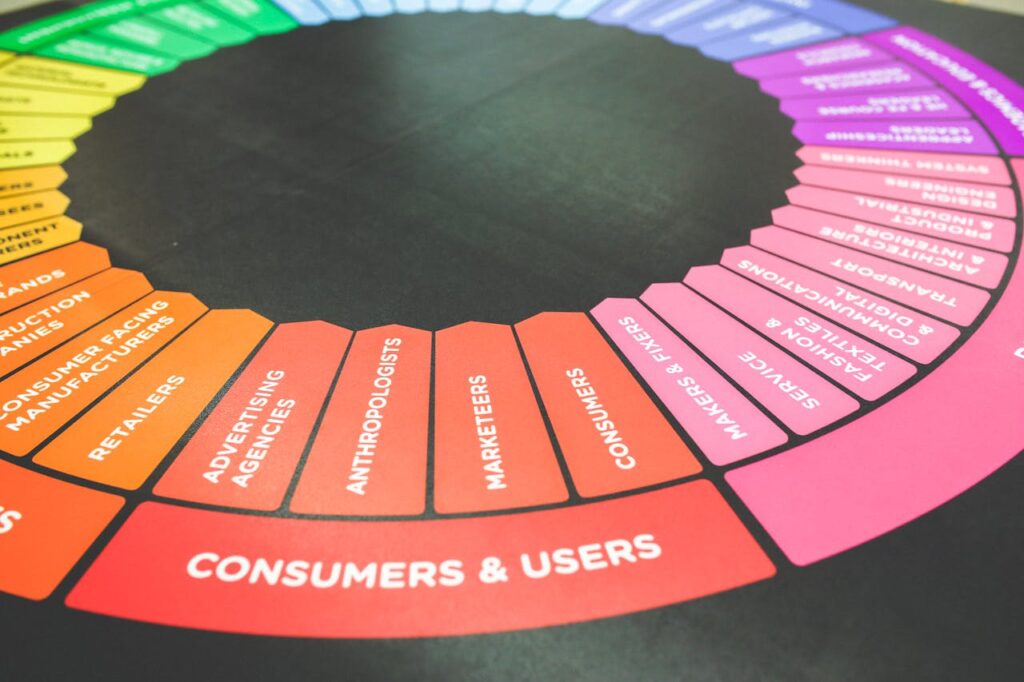
[vc_row type=”in_container” full_screen_row_position=”middle” column_margin=”default” column_direction=”default” column_direction_tablet=”default” column_direction_phone=”default” scene_position=”center” text_color=”dark” text_align=”left” row_border_radius=”none” row_border_radius_applies=”bg” overflow=”visible” overlay_strength=”0.3″ gradient_direction=”left_to_right” shape_divider_position=”bottom” bg_image_animation=”none”][vc_column column_padding=”no-extra-padding” column_padding_tablet=”inherit” column_padding_phone=”inherit” column_padding_position=”all” column_element_direction_desktop=”default” column_element_spacing=”default” desktop_text_alignment=”default” tablet_text_alignment=”default” phone_text_alignment=”default” background_color_opacity=”1″ background_hover_color_opacity=”1″ column_backdrop_filter=”none” column_shadow=”none” column_border_radius=”none” column_link_target=”_self” column_position=”default” gradient_direction=”left_to_right” overlay_strength=”0.3″ width=”1/1″ tablet_width_inherit=”default” animation_type=”default” bg_image_animation=”none” border_type=”simple” column_border_width=”none” column_border_style=”solid”][vc_column_text] What is Customer Segmentation One of the best ways to define customer segmentation is 3 letters: KYC. It means Know Your Customer. KYC in this sense doesn’t refer to that standard used by financial services professionals for the sake of regulations. By KYC I mean every strategy and activity your organization undertakes to gain an indepth knowledge about your customers. Customer segmentation in marketing automation refers to the process of dividing a company’s customer base into distinct groups or segments based on shared characteristics, behaviors, or demographics. This segmentation allows you to tailor your messaging, content, and offers to better meet the specific needs and preferences of each segment, ultimately leading to more effective and personalized marketing campaigns. In the context of marketing automation, customer segmentation plays a crucial role in optimizing the targeting and delivery of automated marketing campaigns. By segmenting customers into groups with similar attributes or behaviors, marketers can create more relevant and targeted communication strategies. This article is a scuba-dive into the essentials of customer segmentation and the best AI tools like Insight7 you can use to gain a better understanding of your customer base. How Customer Segmentation Works in Marketing Automation Essentially, a large part of business and marketing success begins and ends with your customers. No business exists to serve itself. In the same vein, your approach to segmenting customers should also begin and end with your customers. Below is the inner workings of what this segmentation entails: 1. Data Collection: Marketers gather data from various sources, including customer interactions, website behavior, purchase history, demographic information, and more. This data is then stored in a centralized database or customer relationship management (CRM) system. 2. Segmentation Criteria: Based on the collected data, marketers define criteria or parameters for segmenting customers. These criteria can include demographic factors (such as age, gender, location), behavioral data (such as purchase history, browsing behavior, engagement with marketing campaigns), psychographic information (such as interests, preferences, values), and more. 3. Segmentation Analysis: Using marketing automation tools or software, marketers analyze the collected data to identify patterns and similarities among customers. This analysis helps in grouping customers into distinct segments based on the defined criteria. 4. Segment Creation: Once the segments are identified, marketers create segments within their marketing automation platform. Each segment represents a group of customers who share similar characteristics or behaviors. 5. Campaign Personalization: With segments in place, marketers can tailor their automated marketing campaigns to each segment’s specific needs, interests, and preferences. This includes personalized messaging, product recommendations, offers, and timing of communication. 6. Automation Triggers: Marketers set up automation triggers based on customer behaviors or actions within each segment. For example, sending a follow-up email to customers who have abandoned their shopping carts or triggering a promotional offer to customers who have not made a purchase in a while. 7. Campaign Execution: Automated marketing campaigns are launched and executed, delivering personalized messages and content to each segment at the right time and through the right channels. 8. Performance Monitoring and Optimization: Marketers continuously monitor the performance of their automated campaigns, tracking key metrics such as open rates, click-through rates, conversion rates, and ROI for each segment. Based on the insights gained, they optimize their segmentation criteria, messaging, and campaign strategies to improve effectiveness and drive better results. Overall, customer segmentation in marketing automation enables marketers to deliver more targeted, relevant, and timely communication to their customers, leading to higher engagement, conversion, and customer satisfaction. Fundamentals of customer segmentation As mentioned earlier, customer segmentation is the art of dividing your customer base into distinct groups based on shared characteristics or behaviors. By categorizing your audience into segments, you gain invaluable insights into their needs, preferences, and buying habits. Why Does it Matter? Customer segmentation is not just a fancy marketing term; it’s a game-changer. Here’s why: 1. Personalized Communication: One-size-fits-all messaging is a thing of the past. With segmentation, you can tailor your marketing efforts to resonate with each group’s unique interests and preferences, fostering deeper connections and driving engagement. 2. Targeted Campaigns: Say goodbye to spray-and-pray marketing tactics. By understanding the specific needs and pain points of each segment, you can create targeted campaigns that speak directly to their concerns, leading to higher conversion rates and ROI. 3. Resource Optimization: Why waste resources casting a wide net when you can pinpoint your efforts where they’ll have the most impact? Customer segmentation allows you to allocate your time, budget, and resources more effectively, maximizing your marketing efforts. Common methods for customer segmentation in marketing automation From the aforementioned and based on your experience, you will agree that understanding your audience is paramount. Customer segmentation in marketing automation is the compass that guides your strategy, ensuring that your message resonates with the right people at the right time. Here are some common methods for customer segmentation that can help you unlock the full potential of your marketing efforts: 1. Demographic Segmentation: Divide your audience based on demographic factors such as age, gender, income, education, and marital status. This classic segmentation method provides a foundational understanding of your audience’s basic characteristics and preferences. 2. Geographic Segmentation: Tailor your marketing campaigns to specific geographic regions, such as countries, states, cities, or even neighborhoods. Geographic segmentation allows you to account for cultural differences, regional preferences, and local market trends. 3. Psychographic Segmentation: Delve deeper into your audience’s psyche by segmenting them based on their attitudes, values, lifestyles, and personality traits. Psychographic segmentation provides insights into the motivations, aspirations, and desires that drive consumer behavior. 4. Behavioral Segmentation: Analyze your audience’s past behaviors, interactions, and engagement with your brand to create segments based on their purchasing history, browsing habits, frequency of visits, and loyalty status. Behavioral segmentation allows you to target
How To Generate Accurate Transcript From Interview With AI Tools

How to Generate Accurate Transcript From Interview Recordings As a marketer, you definitely understand the immense value of tapping into the authentic voice of your customers and target audience especially through every transcript from interview sessions with them. Yet traditional market research methods like surveys often fall short of truly capturing the depth of consumer perspectives, behaviors, and unfiltered opinions. This is where interview data becomes marketing’s secret weapon. By conducting in-depth interviews, you create a space for open-ended discussion where customers can freely share their experiences, pain points, needs, and desires in their own words. But the value trapped inside the average interview transcript is often underutilized. With limited human bandwidth, many marketing teams are forced to take a shallow approach when analyzing any transcript from interview sessions with their customers. They end up settling for partial or disjointed insights rather than fully capitalizing on the data’s potential. Missed Opportunities in Contemporary Interview Transcript Analysis – Overlooking key drivers for new product/service innovation – Misreading evolving audience segments and preferences – Failing to identify critical usability flaws or client success blockers – Downplaying root issues fueling customer churn and dissatisfaction – Prioritizing sub-optimal messaging strategies and creative approaches The consequences? Marketing dollars wasted on off-target campaigns, product lines not resonating with real needs, and customer experiences not matching true expectations. However, a new era of artificial intelligence (AI) is finally empowering marketers to maximize their qualitative research investments at scale. Through the use of advanced natural language processing (NLP) and machine learning capabilities, marketing teams can rapidly surface impactful insights buried across pages of interview transcripts. AI transcription tools like Insight7 has made it possible for you to generate actionable insights from thousands of interview and make the most of your customer data. What you Will Gain From This Article A lot, obviously. But for starters we’ll dive (emphasis on the “dive”) into the best AI techniques to perform transcript analysis throughout the marketing lifecycle – from product strategy and UX research to brand health monitoring, customer experience programs, and beyond. We’ll cover AI workflows to streamline key marketing deliverables like: – Analyzing transcripts at scale – Clustering customer segmentation and use cases – Detecting emerging trends, root causes, and interconnected themes – Extracting high-impact customer quotes and testimonials – Quantifying sentiment to gauge success metric – Auto-generating insight reports, visualizations, and presentations With the power of AI working alongside your team, you can finally tap into the full depth of customer truth hidden in your interview transcripts. Let’s explore how. The Value (and Limitations) of Analyzing Transcript from Interview Sessions Traditionally As any experienced market researcher knows, in-depth qualitative interviews are an incredibly rich source of insight into the hearts and minds of customers. By providing a forum for open-ended discussion and freeform responses, interview transcripts illuminate authentic perspectives that can be difficult to uncover through multiple choice surveys or rigid questionnaires alone. But it is a known fact that humans have inherent limitations in our capacity to manually process and synthesize these unstructured interview datasets at scale. Traditional qualitative analysis methods create bottlenecks: Manual Coding Constraints The first major hurdle that slows analysis is manually coding and labeling relevant quotes from transcripts. Categorizing text into hierarchical codes like “Product Feedback > Feature Requests” or “Brand Sentiment > Competitive Comparisons” is essential to organize insights. Yet this line-by-line code application is massively time-consuming. Even for efficient analysts, coding a single 1-hour interview can take 3-5 hours of focus work. Scale that across hundreds or thousands of transcripts needed for comprehensive audience understanding, and coding constraints quickly become barriers. Lack of Quantifiable Grounding Attempting to avoid the coding bottleneck, some market researchers take a more anecdotal approach – manually excerpting subjective quotes that stick out to them individually. However, without systematic coding and organization, it becomes difficult to quantify the true statistical importance of any observation. Furthermore, distinctions between high-level themes, niche segmentation, and idiosyncratic one-off comments get muddled without structured data. Prioritizing which insights deserve investment gets subjective and contentious. Missed Nuances & Connections Even with diligent coding, human cognition is limited in our ability to instantly detect nuanced relationships and intersecting themes across thousands of quotes and data points. We risk missing subtle undertones or common threads that could represent high-impact opportunities. Without AI assistance, we’re confined to linear thinking rather than rapidly uncovering non-obvious insights. Keywords and basic Boolean searches are poor proxies for the sophisticated exploration techniques made possible by AI. Reporting Roadblocks Finally, marketers frequently struggle to quickly package and socialize their qualitative findings beyond static PowerPoint reports or quote spreadsheets. Transforming transcripts into clear narratives with solid evidence trails and persuasive data visualization becomes a lengthy chore. Stakeholders lack direct transparency into the underlying quotes and reasoning justifying recommendations. As a result, marketing strategies and investment decisions get anchored in incomplete evidence rather than capitalizing on the full qualitative dataset. How AI Transforms the Analysis of Transcript From Interview Recordings To overcome these constraints and unlock the transformative power of qualitative interviews, AI offers marketing teams a comprehensive solution to accelerate and streamline transcript analysis from beginning to end: Automated, Intelligent Transcript Coding AI models can automatically apply custom code taxonomies across a full transcript from interview sessions with human-level accuracy, massively accelerating the coding process. Multichannel transcripts from sources like web interviews, audio calls, video focus groups, and more are automatically transcribed using speech recognition and converted into analyzable text data. Natural language processing models then intelligently suggest applicable codes as human analysts validate the recommendations, incrementally improving the AI coding accuracy over time. Theme & Trend Discovery Once coded, AI techniques like topic modeling, clustering, and unsupervised learning can rapidly uncover hidden thematic patterns buried across the interview transcript dataset. Areas of intersecting interest between audiences, consistent pain points and friction drivers, as well as emerging new trends are automatically surfaced for analysis rather than relying on randomized human discovery. AI models quantify inter-code relationships, establish hierarchies, and detect subtle naunces
How to Analyze Zoom Transcription With Artificial Intelligence

[vc_row type=”in_container” full_screen_row_position=”middle” column_margin=”default” column_direction=”default” column_direction_tablet=”default” column_direction_phone=”default” scene_position=”center” text_color=”dark” text_align=”left” row_border_radius=”none” row_border_radius_applies=”bg” overflow=”visible” overlay_strength=”0.3″ gradient_direction=”left_to_right” shape_divider_position=”bottom” bg_image_animation=”none”][vc_column column_padding=”no-extra-padding” column_padding_tablet=”inherit” column_padding_phone=”inherit” column_padding_position=”all” column_element_direction_desktop=”default” column_element_spacing=”default” desktop_text_alignment=”default” tablet_text_alignment=”default” phone_text_alignment=”default” background_color_opacity=”1″ background_hover_color_opacity=”1″ column_backdrop_filter=”none” column_shadow=”none” column_border_radius=”none” column_link_target=”_self” column_position=”default” gradient_direction=”left_to_right” overlay_strength=”0.3″ width=”1/1″ tablet_width_inherit=”default” animation_type=”default” bg_image_animation=”none” border_type=”simple” column_border_width=”none” column_border_style=”solid”][vc_column_text]Zoom transcription has changed how professionals mine insights from calls. The rise of remote work and virtual meetings has made transcription tools like Zoom’s built-in transcription feature increasingly important for productivity and accessibility. Zoom calls can now be automatically transcribed in real-time or after the meeting, providing a text record of everything that was said. However, these transcripts can be quite long, making it difficult to extract key insights or action items. This is where artificial intelligence (AI) comes in, offering powerful tools to analyze Zoom transcription and uncover valuable information much more efficiently than reviewing them manually. In this article, we’ll explore how AI can be leveraged to analyze Zoom transcriptions, including summarizing key points, identifying action items, analyzing sentiment, detecting topics and trends, and even generating meeting minutes. We’ll cover practical applications as well as the latest advancements in natural language processing (NLP) that enable these capabilities. In the meantime, click here to analyze your zoom transcription if you already have that. Summarizing Zoom Transcription with AI One of the most powerful applications of AI for Zoom transcripts is automated summarization. AI models can analyze the full transcript and generate concise summaries that capture the key topics, decisions, and action items discussed in the meeting.These AI-powered summaries save immense time and effort compared to manually reviewing a lengthy transcript. They allow you to quickly review the main points without getting bogged down in the full detail. Summarization AI can condense multi-hour meetings into a few digestible paragraphs. Moreover, AI summaries go beyond simple extraction – they can synthesize information and present it in a logical, coherent flow. Advanced models can reorganize the sequencing of information, consolidate related points, and even paraphrase the original transcript for clearer expression of ideas. Some enterprise-level AI solutions like Insight7 even offer multi-sentence summaries, providing greater nuance than tools limited to extracting sentence highlights. This preserves important context around key points. Identifying Action Items Automatically in Your Zoom Transcription Meetings are most productive when they lead to clear action items for follow-up work. However, it’s often tedious to manually comb through transcripts to find all action item assignments. AI like this can automatically detect and extract action items based on cues in the language used – such as phrases like “John will take the lead on…”, “Let’s circle back on…”, etc. AI models trained on large datasets of meeting conversations can accurately spot these signals with high precision from your zoom transcrption. Beyond extracting verbatim lines, AI can also consolidate related action items together for cleaner formatting. AI-enabled action item identification dramatically increases accountability and ensures important tasks aren’t overlooked after a long, wide-ranging meeting. Sentiment Analysis on Zoom Call Transcription Understanding the underlying sentiment expressed during a meeting provides valuable context about how ideas and proposals were received. AI sentiment analysis can gauge the overall positivity, negativity, or neutrality reflected in the transcript. This bird’s eye view can highlight points of consensus or contention. It allows meeting leaders to quickly identify portions of the discussion that may need further exploration or negotiation based on negative sentiment signals. Some enterprise-grade sentiment analysis tools go even further, detecting sentiment at the individual speaker level. This sheds light on whose ideas encountered the most pushback or enthusiasm from other participants. Beyond just scoring sentiment, AI can also pull out specific quotes that exemplify the strongest positive or negative expression around any given topic. These samples make the analysis more transparent and interpretable. Topic Modeling and Trend Analysis For larger organizations running many Zoom meetings on different subjects, AI can be employed to automatically categorize transcripts by topic using advanced natural language processing. Topic modeling algorithms can analyze the vocabulary used in a transcript to infer the key themes and concepts being discussed. This allows transcripts to be efficiently tagged, filtered, and searched based on semantic topics rather than just basic keyword matching. At a higher level, organizations can also analyze trends over time across many transcripts. Perhaps discussions around certain product lines have increased in frequency while others have declined. Or maybe certain customer pain points have become recurring themes in sales calls or support meetings. AI can surface these topical trends through automated categorization and visualization. This offers a valuable strategic view into the key subjects occupying an organization’s time and conversations. Meeting Minutes Generation with AI Taking manual meeting minutes is a tedious chore that often falls by the wayside, leaving teams without a clear record of discussion details, decisions made, and deliverables assigned. AI can streamline this process by automatically generating a structured document summarizing the key elements of a meeting. Sophisticated language models can compose coherent minutes that capture the agenda items covered, important points and quotes, decisions reached, and clearly list out action items and owners. Some AI tools can even regenerate minutes in different styles – keeping them concise and high-level or expanding with more detail depending on the use case. The latest AI assistants can go a step further by prompting for human feedback, then iterating to improve the minutes based on corrections or additional context. With AI doing the heavy lifting of transcribing, parsing, and structuring, meetings can finally have a reliable paper trail. Choosing the Right AI Tools There are many different AI solutions starting to offer transcript analysis capabilities, from cloud APIs to enterprise software platforms. When evaluating options, consider factors like: – Accuracy – Look for tools that use advanced neural networks and are trained on diverse, high-quality data for transcription accuracy and reliable NLP analysis. – Scope of capabilities – Do you need just summarization, or a more comprehensive suite of transcript intelligence features? – Ease of use – Seamless integrations with existing tools like Zoom, user-friendly interfaces, easy deployment. –
How to supercharge customer data analysis with research matrix

In this age of information, businesses are inundated with vast amounts of customer data. Yet, many struggle to derive meaningful insights from this wealth of information. Enter the research matrix—an invaluable tool for enhancing customer data analysis. By harnessing the power of the research matrix, you can unlock hidden patterns, identify trends, and make data-driven decisions that drive success. In this comprehensive guide, we’ll explore what a research matrix is, how it can be applied to customer data analysis, and practical strategies for implementation. You will also how to use this popular customer data analysis tool. What is Customer Data Analysis Customer data analysis is the process of examining and interpreting data related to customer interactions, behaviors, preferences, and transactions to derive actionable insights. This analysis involves collecting, organizing, and analyzing various types of customer data to better understand customer needs, improve marketing strategies, enhance product offerings, and optimize the overall customer experience.The process of customer data analysis typically involves several key steps: Collection: Gathering relevant customer data from various sources such as transactional records, website analytics, social media interactions, customer surveys, and CRM systems. Data Cleaning and Preparation: Preprocessing the collected data to ensure accuracy, consistency, and completeness. This may involve removing duplicates, correcting errors, and formatting the data for analysis. Exploratory Data Analysis (EDA): Exploring the dataset to identify patterns, trends, and relationships among different variables. Techniques such as data visualization, descriptive statistics, and correlation analysis are commonly used during this phase. Segmentation: Dividing customers into distinct groups or segments based on common characteristics or behaviors. Segmentation allows businesses to target specific customer segments with tailored marketing strategies and personalized offerings. Predictive Modeling: Building statistical models or machine learning algorithms to predict future customer behavior, such as purchase likelihood, churn risk, or product preferences. Predictive modeling enables proactive decision-making and targeted interventions to drive desired outcomes. Performance Evaluation: Assessing the effectiveness of marketing campaigns, product launches, or customer engagement initiatives based on key performance metrics and KPIs derived from the analyzed data. Continuous Improvement: Iteratively refining data analysis techniques, models, and strategies based on feedback and insights gained from ongoing customer interactions and market dynamics. What Insights Can Business Generate From Customer data analysis? – Identify high-value customers and tailor marketing efforts to retain and upsell them. – Personalize the customer experience through targeted recommendations, promotions, and communication channels. – Optimize VC pricing strategies, product assortments, and inventory management to meet customer demand. – Improve customer satisfaction, loyalty, and retention by addressing pain points and enhancing service quality. – Anticipate market trends, competitor movements, and emerging customer needs to stay ahead of the competition. Overall, customer data analysis is a powerful tool for businesses to gain a deeper understanding of their customers, drive data-driven decision-making, and ultimately, achieve sustainable growth and profitability. 4 Types of Customer Data Customer data can be categorized into four main components of customers: demographic data, behavioral data, psychographic data, and transactional data. Each type provides valuable insights into the characteristics, preferences, and purchasing habits of customers. Demographic Data Demographic data encompasses quantifiable characteristics of customers such as age, gender, income, education level, marital status, and geographic location. This information helps businesses segment their target audience and tailor marketing strategies accordingly. For instance, a company selling luxury goods might target affluent individuals with higher income levels, while a budget-friendly brand might focus on younger consumers with limited disposable income. Behavioral Data Behavioral data refers to the actions and interactions of customers with a company’s products or services. This includes purchase history, browsing behavior, engagement with marketing campaigns, website visits, and product usage patterns. Analyzing behavioral data enables businesses to understand customer preferences, identify trends, and personalize the customer experience. For example, an e-commerce platform may use purchase history to recommend products similar to those previously bought by a customer, increasing the likelihood of a repeat purchase. Psychographic Data Psychographic data delves into the psychological and lifestyle aspects of customers, including their interests, values, attitudes, beliefs, and personality traits. This information provides deeper insights into consumer motivations and helps businesses create more targeted and relevant marketing messages. For instance, a fitness apparel brand might tailor its messaging to appeal to health-conscious individuals who value an active lifestyle, leveraging psychographic data to resonate with its target audience effectively. Transactional Data Transactional data pertains to the financial transactions between customers and a business, including purchase history, order frequency, average order value, and payment methods used. Analyzing transactional data allows businesses to identify buying patterns, forecast demand, and optimize pricing strategies. Moreover, it enables the implementation of loyalty programs, personalized promotions, and targeted cross-selling or upselling efforts. For example, a supermarket chain may use transactional data to offer personalized discounts to frequent shoppers or suggest complementary products based on past purchases. Understanding Research Matrix A research matrix is a systematic framework used to organize, analyze, and synthesize data from multiple sources. It consists of a grid or table format where data points are categorized based on various criteria such as demographics, psychographics, behaviors, and preferences. By structuring data in this way, businesses can gain a holistic view of their customers and identify correlations, outliers, and insights that might otherwise go unnoticed. Benefits of Using a Research Matrix for Customer Data Analysis Comprehensive Data Organization: A research matrix allows businesses to organize vast amounts of customer data into a structured format, making it easier to manage and analyze. Holistic Customer Insights: By categorizing data across different dimensions, businesses can gain a comprehensive understanding of their customers’ demographics, preferences, and behaviors. Identification of Patterns and Trends: The structured nature of the research matrix enables businesses to identify patterns, trends, and correlations within their customer data, leading to actionable insights. Data-Driven Decision Making: Armed with insights derived from the research matrix, businesses can make informed, data-driven decisions that drive growth and innovation. Enhanced Targeting and Personalization: By understanding their customers at a deeper level, businesses can tailor their marketing efforts and offerings to better meet individual needs and preferences. Implementing
Unstructured Data: Examples, Techniques, and Challenges

Unstructured Data Examples and Related Concepts In our world today, Data is generated at a higher rate than we can keep up with. On average, it is estimated that we produce an unprecedented 388.7 quintillion terabytes of data every day. This has led to so many problems like information overload, on a personal level. On a professional level, considering a significant portion of this data exists in an unstructured form, this presents unique challenges and opportunities for businesses and organizations. In this article, we will consider the subject of unstructured data, exploring its definition, examples, techniques, and challenges. What is Unstructured Data? Unstructured data refers to information that lacks a predefined data model or does not fit neatly into conventional databases. Unlike structured data, which is organized into rows and columns within relational databases, unstructured data does not have a predefined schema and is typically stored in formats like text files, images, videos, social media posts, emails, and audio recordings. This type of data is often complex, diverse, and challenging to analyze using traditional methods. This is why most consultants turn to AI tools like Insight7 to analyze text, video, and audio files. Structured vs. Unstructured Data vs. Semi-structured Structured data, characterized by its organized nature and adherence to a predefined schema, facilitates easy searchability and analysis. Common examples include database tables, spreadsheets, and CSV files. In contrast, unstructured data lacks a predefined structure, encompassing formats like text documents, multimedia files, and social media posts. Semi-structured data, such as XML files and JSON documents, falls between these two extremes, offering some organizational elements but not to the extent of fully structured data. Unstructured Data Examples Unstructured data manifests in diverse forms accross industries and use cases, but some of the popular examples are: Textual Data Encompassing emails, documents, articles, social media posts, and customer reviews, textual data lacks predefined structures, posing challenges for analysis and interpretation. It requires Natural Language Processing (NLP) techniques to extract insights effectively. Multimedia Data Images, videos, and audio recordings present significant challenges to traditional analysis methods due to their varied formats and content. Deep learning and computer vision techniques are often employed to extract meaningful information from multimedia data. Sensor Data The proliferation of IoT devices has led to the generation of unstructured sensor data from sources like smart appliances, wearable devices, and industrial sensors. This data often arrives in real-time streams and requires scalable processing frameworks such as Apache Kafka and Apache Spark for analysis. Geospatial Data GPS coordinates, satellite images, and location-based data offer valuable insights into spatial patterns and trends. However, processing and analyzing geospatial data require specialized techniques and tools such as Geographic Information Systems (GIS) and spatial databases. Unstructured data presents unique challenges due to its lack of predefined structure, making it harder to manage, analyze, and derive insights from. However, with the advent of advanced technologies such as machine learning, natural language processing, and deep learning, organizations can harness the potential of unstructured data to gain valuable insights and drive informed decision-making. Challenges of Unstructured Data Unstructured data poses numerous challenges, each requiring careful consideration and innovative solutions: Volume The sheer magnitude of unstructured data generated daily can overwhelm traditional storage and processing systems. With the exponential growth of data from various sources such as social media, IoT devices, and sensors, organizations face the challenge of managing and analyzing vast amounts of unstructured data efficiently. Scalable storage solutions and distributed processing frameworks are essential to address the volume challenge effectively. Cloud-based storage options and big data technologies like Apache Hadoop and Spark offer scalable solutions for handling large volumes of unstructured data. Variety Unstructured data comes in diverse formats, including text documents, images, videos, audio files, social media posts, and sensor data. Each format has its own characteristics and requires specialized techniques for integration and analysis. Traditional relational databases are ill-suited for handling the variety of unstructured data. Instead, organizations turn to NoSQL databases, data lakes, and specialized analytics tools capable of processing multiple data types to address the variety challenge effectively. Complexity Unstructured data often contains intricate relationships and patterns that are challenging to discern using traditional analytical methods. Textual data, for example, may include nuances, sentiments, and contextual information that require advanced natural language processing (NLP) and machine learning algorithms for analysis. Similarly, multimedia data, such as images and videos, may contain complex visual and auditory patterns that necessitate sophisticated image recognition and speech processing techniques. Addressing the complexity challenge involves employing advanced analytics and AI technologies to extract meaningful insights from unstructured data. Lack of Metadata Unstructured data typically lacks structured metadata or context, making it challenging to understand and interpret effectively. Metadata provides valuable information about the data, including its source, creation date, author, and format, facilitating data management and analysis. However, unstructured data often lacks this metadata, leading to difficulties in data governance, quality assessment, and interpretation. To address this challenge, organizations may employ metadata extraction techniques, tagging mechanisms, and data cataloging tools to enrich unstructured data with relevant metadata and context. Privacy and Security Unstructured data may contain sensitive information, such as personal identifiable information (PII), intellectual property, or confidential business data. Ensuring the privacy and security of unstructured data is paramount to prevent unauthorized access, data breaches, and regulatory non-compliance. Encryption, access controls, data anonymization, and auditing mechanisms are essential for safeguarding sensitive unstructured data. Additionally, organizations must comply with data protection regulations such as GDPR, HIPAA, and CCPA to mitigate privacy and security risks associated with unstructured data. How to Manage Unstructured Data Effective management of unstructured data involves several crucial steps: – Data Discovery: Identifying and cataloging unstructured data sources across the organization is essential for effective management and analysis. Utilizing data discovery tools and techniques can streamline this process and ensure comprehensive coverage. – Data Classification: Classifying unstructured data based on relevance, sensitivity, and other criteria helps prioritize storage, processing, and security efforts. Automated classification tools and manual tagging can aid in this process, enhancing data organization and
HR Corner: How to Get Insights From an Interview Transcript

Interview transcript analysis is a huge game changer for human resource managers. Picture this: you just finished a marathon interview and the interview files are piled up to your digital ceiling. How do you analyze these interview recordings to find the perfect fit for your company or improve employee experience? By leveraging AI-powered transcription and analysis tools, HR consultants can now unlock valuable insights from interview transcripts with unprecedented speed and accuracy. In fact, 80% of human resource professionals agree that human resource tech had positive ripple effects on employee performance. In this comprehensive guide, we’ll explore how HR consultants can harness AI to generate actionable insights from interview transcripts, empowering them to make informed hiring decisions and drive organizational success. In the meantime, you can check out this popular AI transcription tool for human resource interviews. Why you Need to Mine Insights From Your Interview Transcript Generating insights from interview transcript offers numerous benefits for human resource personnel, empowering them to make informed decisions and drive organizational success. Here are several key advantages: 1. Enhanced Hiring Decisions Analyzing interview transcripts allows HR personnel to gain deeper insights into candidates’ qualifications, skills, and suitability for the role. By identifying patterns in responses and assessing candidates’ communication skills, HR professionals can make more informed hiring decisions, leading to better talent acquisition outcomes. 2. Objective Evaluation Transcripts provide an objective record of candidate interactions, enabling HR personnel to evaluate candidates based on merit rather than relying solely on subjective impressions. This helps mitigate biases in the hiring process and ensures fairness and consistency in candidate assessment. 3. Identification of Top Talent Through transcript analysis, HR professionals can identify standout candidates who possess the desired competencies, cultural fit, and potential for growth within the organization. By pinpointing candidates’ strengths and areas of expertise, HR personnel can prioritize top talent and streamline the selection process. 4. Tailored Onboarding and Development Insights gleaned from interview transcripts inform personalized onboarding and development plans for new hires. By understanding candidates’ career aspirations, learning preferences, and developmental needs, HR personnel can design tailored training programs that accelerate their integration into the organization and foster professional growth. 5. Alignment with Organizational Goals Interview transcripts provide valuable information about candidates’ alignment with organizational values, goals, and culture. HR professionals can assess candidates’ values, motivations, and long-term career aspirations to ensure alignment with the company’s mission and vision, promoting greater employee engagement and retention. 6. Continuous Improvement Analyzing interview transcripts enables HR personnel to identify areas for improvement in the recruitment and selection process. By evaluating interview questions, techniques, and candidate responses, HR professionals can refine their interviewing strategies, enhance candidate experience, and optimize hiring outcomes over time. 7. Legal Compliance Interview transcripts serve as documentation to ensure legal compliance throughout the hiring process. By maintaining accurate records of candidate interviews, HR personnel can demonstrate adherence to equal employment opportunity (EEO) regulations and defend against potential legal challenges. 8. Data-Driven Decision-Making Insights derived from interview transcripts contribute to data-driven decision-making in talent management. By leveraging quantitative and qualitative data from candidate interviews, HR professionals can assess recruitment effectiveness, identify recruitment trends, and make strategic adjustments to optimize talent acquisition processes. Overall, generating insights from interview transcripts empowers HR personnel to make evidence-based decisions, attract top talent, foster employee development, and drive organizational growth. By harnessing the valuable information contained within interview transcripts, HR professionals play a pivotal role in shaping the workforce and achieving organizational objectives. Methods for Generating Accurate Insights From Interview Transcript with Artificial Intelligence There are several methods for analyzing interview transcripts. Even more than the methods are the AI tools that power this transcript analysis. Human resource managers leverage those tools to generate valuable insights from various sources of data, such as interviews, meetings, training sessions, and employee feedback. These tools utilize advanced speech-to-text technology to convert audio recordings into text format, enabling HR professionals to analyze and extract meaningful information efficiently. 1. AI-Powered Interview Transcript The first step in generating actionable insights from interview transcripts is converting audio or video recordings into text. AI-powered transcription tools, such as Trint, Sonix, and Otter.ai, utilize advanced speech recognition algorithms to transcribe interview recordings accurately and efficiently. By automating the transcription process, you can save time and ensure that no valuable information is lost during the conversion process. 2. Natural Language Processing (NLP) Once interview transcripts are generated, AI-powered natural language processing (NLP) tools come into play. NLP algorithms analyze the text data to extract meaningful insights, identify patterns, and categorize information. These tools can identify key themes, sentiment, and even detect nuances in language that may indicate candidate traits or behaviors. 3. Thematic Analysis and Keyword Extraction AI tools can perform thematic analysis and keyword extraction to identify recurring themes, topics, and keywords within interview transcripts. By analyzing the frequency and context of specific terms and phrases, HR consultants can gain insights into candidates’ qualifications, skills, experiences, and areas of expertise. Thematic analysis helps organize and categorize information, making it easier to identify patterns and trends across multiple interviews. 4. Sentiment Analysis Sentiment analysis algorithms analyze the tone and sentiment expressed in interview transcripts to gauge candidates’ attitudes, emotions, and reactions. You can identify positive, negative, or neutral sentiment from the transcript. This gives you the opportunity to assess candidates’ enthusiasm, engagement, and overall demeanor during the interview process. Sentiment analysis provides valuable insights into candidates’ personalities and cultural fit within the organization. 5. Behavioral Insights and Predictive Analytics AI tools can analyze interview transcripts to extract behavioral insights and predict candidates’ future performance based on their past behavior and responses. By identifying specific examples of behaviors, achievements, and experiences discussed during interviews, HR consultants can assess candidates’ competencies, problem-solving abilities, and leadership potential. Predictive analytics algorithms use this data to forecast candidates’ likelihood of success in the role, helping HR consultants make more informed hiring decisions. 6. Identifying Key Competencies and Development Areas AI tools assist HR consultants in identifying key competencies and development areas based
Best AI Tools for Qualitative Survey Analysis 2024

[vc_row type=”in_container” full_screen_row_position=”middle” column_margin=”default” column_direction=”default” column_direction_tablet=”default” column_direction_phone=”default” scene_position=”center” text_color=”dark” text_align=”left” row_border_radius=”none” row_border_radius_applies=”bg” overflow=”visible” overlay_strength=”0.3″ gradient_direction=”left_to_right” shape_divider_position=”bottom” bg_image_animation=”none”][vc_column column_padding=”no-extra-padding” column_padding_tablet=”inherit” column_padding_phone=”inherit” column_padding_position=”all” column_element_direction_desktop=”default” column_element_spacing=”default” desktop_text_alignment=”default” tablet_text_alignment=”default” phone_text_alignment=”default” background_color_opacity=”1″ background_hover_color_opacity=”1″ column_backdrop_filter=”none” column_shadow=”none” column_border_radius=”none” column_link_target=”_self” column_position=”default” gradient_direction=”left_to_right” overlay_strength=”0.3″ width=”1/1″ tablet_width_inherit=”default” animation_type=”default” bg_image_animation=”none” border_type=”simple” column_border_width=”none” column_border_style=”solid”][vc_column_text] Qualitative survey analysis continues to evolve, driven by rapid advancements in artificial intelligence (AI). This evolution has reshaped how organizations gather and interpret data from surveys, especially in industries like market research, customer insights, and product development. Traditionally, qualitative survey analysis was a time-consuming process, requiring manual sifting through open-ended responses to uncover insights. However, AI now offers a faster, more accurate way to extract valuable insights, allowing businesses to stay competitive and responsive to customer needs. AI tools can analyze vast amounts of unstructured survey data, transforming them into actionable insights in minutes. These tools use techniques like natural language processing (NLP) and sentiment analysis to understand complex feedback, helping businesses understand customer sentiments, detect trends, and make data-driven decisions. In this article, we will explore some of the best AI tools for qualitative survey analysis in 2024, their key features, and how they can transform the way you handle survey data. Whether you are a researcher looking to streamline data analysis, a business seeking deeper customer insights, or a product developer aiming to optimize user feedback, AI-powered tools can enhance the entire process. Let’s dive into why qualitative survey analysis is essential in 2024 and how AI tools are revolutionizing this space. Why Qualitative Survey Analysis with AI is Important in 2024 Qualitative survey analysis has always been crucial for understanding customers beyond numerical data. In the past, this type of analysis was often done manually, making it labor-intensive and prone to human error. Analysts had to read through hundreds, if not thousands, of open-ended responses, identifying themes, sentiments, and actionable insights. This process could take weeks or even months, delaying business decisions and limiting the ability to respond to customer needs in real time. However, AI is now transforming the way we approach qualitative survey analysis. With AI-powered tools, businesses can automatically analyze large datasets, quickly uncovering patterns and trends that might have been missed by human analysts. For instance, these tools can break down responses by sentiment, detect emerging themes, and generate comprehensive reports. This speed and efficiency allow businesses to act on insights almost instantly, providing a competitive edge in today’s fast-paced market. In 2024, adopting AI for qualitative survey analysis is no longer a luxury but a necessity. As customer feedback grows in volume and complexity, businesses need tools that can handle this data at scale and provide deeper insights. AI tools not only enhance accuracy and speed but also allow companies to continuously improve their products, services, and customer experiences. With AI, organizations can transform raw survey data into valuable knowledge that drives growth and innovation. AI Tools for Qualitative Survey Analysis 2024 Insight7 ChatGPT Qualtrics Hubspot SurveyMonkey Integration Thematic 1. Insight7 – Best for Comprehensive Qualitative Data Analysis Overview: Insight7 is a cutting-edge AI tool designed specifically for qualitative survey analysis. It automates the entire process of analyzing open-ended survey responses, providing businesses with actionable insights quickly and efficiently. With its advanced natural language processing capabilities, Insight7 helps companies uncover hidden patterns in survey data, enabling better decision-making. Key Features: Automated Qualitative Data Analysis: Insight7 automatically analyzes large volumes of qualitative data, identifying themes, sentiments, and key insights without manual effort. Bulk Transcription Capability: Allows users to transcribe and analyze multiple survey transcripts at once, saving time and resources. Comprehensive Reporting: Generates detailed reports with key findings, visualizing data trends and providing actionable insights. Enterprise-Grade Data Security: Adheres to industry-standard data security protocols, including GDPR and SOC2, ensuring the protection of sensitive customer information. Customizable Insight Deliverables: Users can customize the way insights are delivered, choosing from reports, journey maps, user personas, and more. Project-Based Research Repository: Stores and organizes survey data for easy access and collaboration across teams. Collaboration and Sharing: Allows teams to collaborate on insights in real-time, ensuring alignment across departments. Benefits: Insight7 is designed to save businesses time and effort by automating the analysis of open-ended survey responses. It excels in processing complex datasets, identifying key trends, and producing clear, actionable reports. The tool also ensures data security, making it a reliable choice for organizations handling sensitive customer feedback. 2. ChatGPT – Best for Natural Language Processing and Insight Generation Overview: ChatGPT is a powerful AI language model that excels in analyzing qualitative data by generating insights from open-ended survey responses. Its natural language processing capabilities allow it to understand context and extract themes effectively. Key Features: Text Analysis: Automatically analyzes and summarizes qualitative data, providing insights into common themes and sentiments. Generative Responses: Generates insightful responses and suggestions based on survey data, making it easier for teams to brainstorm ideas and strategies. Customization: Users can customize prompts to focus on specific areas of interest within the survey responses, tailoring the analysis to their needs. Interactive Feedback: Engages in conversation with users, allowing for iterative refinement of insights and deeper exploration of themes. Benefits: ChatGPT enhances qualitative survey analysis by enabling teams to quickly generate insights from complex data. Its conversational interface allows for more dynamic exploration of themes and issues identified in survey responses. 3. Qualtrics – Best for Advanced Data Visualization Overview: Qualtrics is a robust AI-powered tool known for its advanced data visualization capabilities, making it ideal for organizations looking to gain deeper insights from their qualitative survey data. The platform offers an intuitive interface and a comprehensive suite of tools for analyzing and visualizing survey results. Key Features: Text iQ: Uses natural language processing (NLP) to analyze open-ended survey responses, automatically detecting sentiment and key themes. Advanced Data Visualization: Converts qualitative data into interactive dashboards and visual reports, making insights easier to understand and share. Survey Customization: Users can design, distribute, and analyze surveys tailored to specific research needs. Integration with CRM Systems: Integrates with CRM platforms to allow businesses to
Best 5 AI Opportunity Solution Tree Generator for B2B
In the rapidly evolving world of business-to-business (B2B) commerce, the ability to identify and capitalize on emerging opportunities is paramount. A critical tool in the arsenal of product managers and strategists is the Opportunity Solution Tree (OST), a framework that helps teams systematically explore and prioritize potential solutions to business challenges. With the advent of artificial intelligence (AI), the potential for OSTs has been magnified, offering more sophisticated insights and streamlined processes. In this article, we will delve into the best five AI Opportunity Solution Tree generators that B2B organizations can leverage to enhance their strategic planning and decision-making processes. Understanding the Opportunity Solution Tree Before we explore the AI tools, it’s essential to understand what an OST is and why it’s invaluable for B2B entities. An OST is a visual representation that maps out an organization’s goals, opportunities, solutions, and experiments. It starts with a clear objective and branches out into opportunities that could lead to that goal, followed by specific solutions for each opportunity, and finally, experiments or tests to validate those solutions. The OST framework encourages a systematic and structured approach to problem-solving, ensuring that all potential avenues are explored before committing resources. It also fosters collaboration among team members, as it provides a shared understanding of the objectives and the path to achieve them. AI-Enhanced Opportunity Solution Trees AI has the power to transform the traditional OST by automating data analysis, uncovering hidden insights, and predicting outcomes with greater accuracy. AI-powered OST generators can process vast amounts of data, recognize patterns, and suggest opportunities that might not be immediately apparent to human analysts. This level of automation and insight can significantly accelerate the strategic planning process and lead to more innovative solutions. Top 5 AI Opportunity Solution Tree Generators for B2B Insight7 – This tool is renowned for its advanced data processing capabilities and intuitive interface. Insight7 can integrate with various data sources, providing a comprehensive overview of potential opportunities and solutions. Its predictive analytics feature helps to forecast the success of different solutions, enabling product managers to make data-driven decisions. SolutionTree AI – Designed with collaboration in mind, SolutionTree AI allows teams to work together in real-time to build and refine their OSTs. The platform’s AI algorithms offer suggestions for opportunities and solutions, streamlining the brainstorming process and ensuring that no stone is left unturned. InnoTree AI – InnoTree AI stands out for its focus on innovation. It not only generates OSTs but also provides insights into emerging market trends and customer needs. This tool is particularly useful for organizations looking to stay ahead of the curve in their industry. Strategizer AI – With its robust template library and customization options, Strategizer AI makes it easy to create OSTs tailored to specific business challenges. Its machine learning algorithms adapt to the organization’s unique context, continuously improving the quality of the generated solutions. OpportunityAI – This generator is celebrated for its simplicity and effectiveness. OpportunityAI is ideal for small to medium-sized businesses that require a straightforward approach to opportunity analysis. It offers a user-friendly platform with essential features to construct an OST without overwhelming users with complexity. Implementing AI Opportunity Solution Trees in B2B Organizations Adopting an AI-powered OST generator can be a game-changer for B2B companies. However, successful implementation requires a clear strategy and buy-in from all stakeholders. Organizations should start by defining their primary goals and aligning them with the capabilities of the chosen AI OST tool. Training and support are also crucial to ensure that teams can fully leverage the technology. Conclusion The integration of AI into the Opportunity Solution Tree framework offers B2B organizations a powerful means to navigate the complexities of modern business landscapes. By selecting the right AI OST generator, companies can enhance their strategic planning, foster innovation, and ultimately achieve their business objectives more efficiently. As we move further into the era of AI, embracing such tools will become increasingly essential for maintaining a competitive edge. Remember, the key to leveraging AI in creating OSTs is not to replace human judgment but to augment it with data-driven insights. The synergy between AI capabilities and human expertise can lead to more comprehensive and effective strategies. As you consider incorporating an AI OST generator into your processes, keep in mind the importance of aligning the tool with your organization’s specific needs and goals. With the right approach, AI can unlock new horizons for opportunity analysis and solution generation in the B2B sector.
5 Best Examples of AI-Generated Buyer Personas in B2B
In the world of B2B marketing, understanding your customer is paramount to success. One of the most effective ways to gain this understanding is through the creation of buyer personas. With the advent of artificial intelligence (AI), the process of generating these personas has become more precise and data-driven. In this post, we will explore five exemplary cases where AI has been used to create buyer personas in the B2B sector, showcasing how technology can enhance our insights into customer behavior and preferences. AI-Generated Buyer Personas: A Game Changer for B2B Marketing The integration of AI into marketing strategies has revolutionized the way organizations approach their target audience. By leveraging machine learning and data analytics, AI tools can process vast amounts of information to identify patterns and characteristics that define the ideal customer. This capability is particularly advantageous in the B2B realm, where the buying process is often more complex and involves multiple stakeholders. Example 1: Tech Solutions Inc. Tech Solutions Inc., a leading software provider for businesses, utilized an AI buyer persona generator to redefine their marketing strategy. The AI analyzed customer data from various touchpoints and identified four distinct personas that represented their client base. These personas included the ‘Innovative IT Manager,’ the ‘Cost-Conscious CFO,’ the ‘Risk-Averse CEO,’ and the ‘Tech-Savvy CTO.’ Each persona was equipped with detailed descriptions of their motivations, pain points, and preferred communication channels, enabling Tech Solutions Inc. to tailor their messaging and product development accordingly. Example 2: MedEquip Corp. In the healthcare equipment industry, MedEquip Corp. faced the challenge of understanding the diverse needs of their clients. By employing an AI-generated buyer persona tool, they were able to segment their market into specific personas such as the ‘Patient-Centric Hospital Administrator’ and the ‘Efficiency-Focused Clinic Manager.’ This segmentation allowed for more targeted marketing campaigns and product features that catered to the unique requirements of each group. Example 3: EduTech Innovations EduTech Innovations, a provider of educational technology solutions, implemented AI to create buyer personas for their K-12 and higher education markets. The AI’s deep learning algorithms processed data from school administrators, teachers, and IT staff to form personas like the ‘Curriculum Developer’ and the ‘Digital Learning Advocate.’ These personas helped EduTech Innovations to understand the specific needs of their end-users and to design products that enhanced the educational experience. Example 4: GreenBuild Materials In the sustainable building materials sector, GreenBuild Materials used AI to craft buyer personas that reflected the growing trend towards environmentally friendly construction. The AI tool identified personas such as the ‘Eco-Conscious Architect’ and the ‘Green Project Manager,’ both of whom prioritize sustainability in their projects. With this information, GreenBuild Materials was able to focus their R&D efforts on creating eco-friendly products that appealed to their target personas. Example 5: FinTech Global Lastly, FinTech Global, a financial technology firm, turned to AI to understand the different stakeholders involved in the decision-making process of their corporate clients. The AI-generated personas included the ‘Data-Driven Financial Analyst’ and the ‘Strategic Business Developer.’ These insights allowed FinTech Global to develop solutions that addressed the specific challenges and opportunities within the financial sector. Conclusion The examples provided demonstrate the power of AI in creating detailed and actionable buyer personas for B2B companies. By harnessing the capabilities of AI, businesses can gain a deeper understanding of their customers, leading to more effective marketing strategies and product offerings. As AI technology continues to advance, we can expect even more sophisticated persona generation, further bridging the gap between businesses and their clients. For organizations looking to implement AI in their marketing efforts, these examples serve as a testament to the value that AI-generated buyer personas can bring to the table. By prioritizing the creation of accurate and insightful personas, B2B marketers can ensure that their products and services resonate with the right audience, ultimately driving growth and success in an increasingly competitive marketplace.
5 Best Examples of User Personas Generated With AI Tools
[vc_row type=”in_container” full_screen_row_position=”middle” column_margin=”default” column_direction=”default” column_direction_tablet=”default” column_direction_phone=”default” scene_position=”center” text_color=”dark” text_align=”left” row_border_radius=”none” row_border_radius_applies=”bg” overflow=”visible” overlay_strength=”0.3″ gradient_direction=”left_to_right” shape_divider_position=”bottom” bg_image_animation=”none”][vc_column column_padding=”no-extra-padding” column_padding_tablet=”inherit” column_padding_phone=”inherit” column_padding_position=”all” column_element_direction_desktop=”default” column_element_spacing=”default” desktop_text_alignment=”default” tablet_text_alignment=”default” phone_text_alignment=”default” background_color_opacity=”1″ background_hover_color_opacity=”1″ column_backdrop_filter=”none” column_shadow=”none” column_border_radius=”none” column_link_target=”_self” column_position=”default” gradient_direction=”left_to_right” overlay_strength=”0.3″ width=”1/1″ tablet_width_inherit=”default” animation_type=”default” bg_image_animation=”none” border_type=”simple” column_border_width=”none” column_border_style=”solid”][vc_column_text]In the realm of digital marketing and product management, understanding your audience is paramount. The creation of user personas is a vital step in this process, providing a semi-fictional representation of your ideal customer based on market research and real data. With the advent of artificial intelligence (AI), the process of crafting these personas has become more efficient and accurate. Here we explore five exemplary cases where AI tools have been leveraged to generate insightful user personas, showcasing the power of technology in enhancing customer understanding for B2B organizations. Harnessing AI for Enhanced User Personas The use of AI in generating user personas offers a multitude of benefits. AI tools can analyze vast amounts of data to identify patterns and trends that might be missed by the human eye. They can also process information at a speed unattainable by humans, allowing for the rapid creation and refinement of user personas. This speed and accuracy are crucial in today’s fast-paced business environment where understanding customer needs and preferences is essential for success. Example 1: Tech Startup’s Agile Persona Development A tech startup utilized an AI user persona generator to swiftly adapt to the changing needs of its target market. The AI analyzed behavioral data from the company’s platform and social media interactions to create a dynamic persona that accurately reflected the evolving preferences of their tech-savvy audience. This allowed the startup to pivot its product development and marketing strategies effectively. Example 2: SaaS Company’s Comprehensive Persona Profiles For a Software as a Service (SaaS) company, detailed user personas are critical for product management and marketing. By employing an AI tool, the company was able to generate comprehensive personas that included not just demographics but also psychographics, usage patterns, and pain points. This depth of insight facilitated more targeted and impactful product features and marketing campaigns. Example 3: B2B Enterprise’s Global Persona Segmentation A global B2B enterprise used AI to create user personas that spanned multiple regions and industries. The AI’s ability to handle large datasets enabled the company to segment its audience into distinct personas with unique needs and preferences, leading to more personalized and effective engagement strategies. Example 4: Marketing Agency’s Persona Validation A marketing agency employed AI tools to validate and enhance the personas they had manually created for a client. The AI cross-referenced existing personas with real user data, providing insights that led to the refinement of target personas and more accurate marketing messages. Example 5: E-commerce Platform’s Real-Time Persona Adaptation An e-commerce platform leveraged AI to monitor user behavior in real-time and adjust its personas accordingly. This dynamic approach ensured that the personas always represented the current state of the customer base, enabling the platform to optimize its user experience and marketing efforts continuously. Conclusion The integration of AI into the process of creating user personas represents a significant advancement for B2B organizations. By embracing these tools, companies can gain a deeper, more nuanced understanding of their customers, leading to better product development and more effective marketing strategies. As AI technology continues to evolve, we can expect its role in persona generation to become even more integral, offering businesses the insights they need to stay ahead in a competitive market.[/vc_column_text][/vc_column][/vc_row]
