
5 best AI Tools That Help Product Development Process In 2024
In the ever-evolving landscape of product development, leveraging the latest technological advancements is no longer a luxury but a necessity. As we forge ahead into 2024, artificial intelligence (AI) continues to be a game-changer, reshaping how organizations gather insights, make decisions, and ultimately bring products to market that truly resonate with their target audience. AI Tools for Enhanced Product Development Insight7: This powerful tool uses machine learning algorithms to analyze customer interviews, surveys, and feedback, transforming raw data into actionable insights. By identifying patterns and themes, Customer Insight AI helps product teams to understand customer needs and preferences, allowing for the development of products that are closely aligned with market demand. PersonaGen AI: Creating detailed user personas is a cornerstone of product development. PersonaGen AI automates this process by sifting through interview data and generating user personas that are both accurate and nuanced. FeaturePrioritizer AI: Deciding which features to include in a product can be daunting. FeaturePrioritizer AI employs thematic analysis to help product managers prioritize features based on customer feedback and strategic importance. This AI-driven approach ensures that the most valuable features are identified and incorporated into the product roadmap. InsightExtractor AI: In essence, this tool is designed to uncover opportunities from customer feedback. InsightExtractor AI uses advanced natural language processing to delve into customer comments, identifying key trends and sentiments that can inform product development and marketing strategies. RoadmapPlanner AI: Furthermore, integrating customer insights into a product roadmap is critical for success. RoadmapPlanner AI leverages AI to analyze customer data and create a roadmap that reflects customer needs and business objectives. Leveraging AI for a Competitive Edge The integration of AI tools into the product development process offers a host of benefits. In conclusion, the aforementioned AI tools represent the cutting edge of product development technology in 2024. Lastly, by adopting these tools, organizations can elevate their product development process, making it more agile, insightful, and attuned to the ever-changing market landscape.
Aligning Product Development Strategies with Customer Needs
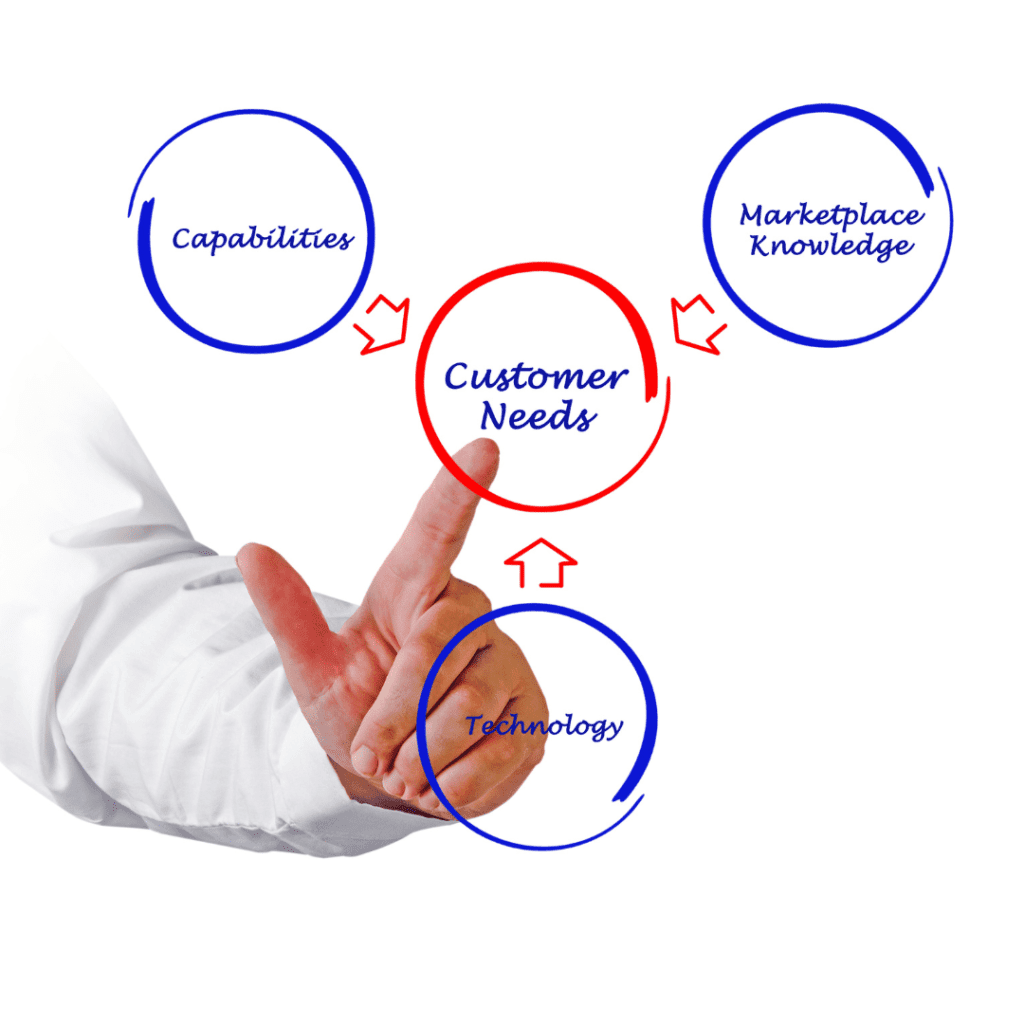
[vc_row type=”in_container” full_screen_row_position=”middle” column_margin=”default” column_direction=”default” column_direction_tablet=”default” column_direction_phone=”default” scene_position=”center” text_color=”dark” text_align=”left” row_border_radius=”none” row_border_radius_applies=”bg” overflow=”visible” overlay_strength=”0.3″ gradient_direction=”left_to_right” shape_divider_position=”bottom” bg_image_animation=”none”][vc_column column_padding=”no-extra-padding” column_padding_tablet=”inherit” column_padding_phone=”inherit” column_padding_position=”all” column_element_direction_desktop=”default” column_element_spacing=”default” desktop_text_alignment=”default” tablet_text_alignment=”default” phone_text_alignment=”default” background_color_opacity=”1″ background_hover_color_opacity=”1″ column_backdrop_filter=”none” column_shadow=”none” column_border_radius=”none” column_link_target=”_self” column_position=”default” gradient_direction=”left_to_right” overlay_strength=”0.3″ width=”1/1″ tablet_width_inherit=”default” animation_type=”default” bg_image_animation=”none” border_type=”simple” column_border_width=”none” column_border_style=”solid”][vc_column_text] In the dynamic landscape of business, the success of product development hinges on the ability to understand and align with customer needs. In this blog post, we delve into the crucial interplay between product development and customer needs, exploring strategies to create products that resonate with target audiences. From understanding customer needs to integrating product management principles, we will navigate the landscape of effective product development strategies. Understanding Customer Needs for Successful Product Development Moreover, the foundation of any successful product development endeavor lies in a profound understanding of customer needs. This understanding transcends the mere identification of functional requirements; it delves into the intricate realms of emotions, desires, and motivations that drive purchasing decisions. Here, we explore in greater detail the steps involved in comprehending and integrating customer needs into the product development process. Comprehensive Market Research on Customer Needs Furthermore, embarking on the journey of understanding customer needs necessitates a robust and comprehensive market research strategy. This involves deploying various methods, including surveys, interviews, and observational research, to gather both quantitative and qualitative data. These research methodologies provide a holistic view of customer preferences, pain points, and aspirations. Consequently, during surveys, businesses can ask targeted questions to gauge customer satisfaction with existing products, identify areas for improvement, and unearth unmet needs. Interviews allow for a deeper exploration of individual experiences and preferences, providing nuanced insights that might not be captured through broader survey data. Observational research involves keenly observing customer behavior in real-world scenarios, offering a direct window into their decision-making processes. Beyond Product Features: Embracing Empathy Towards Customer Needs Understanding customer needs extends beyond the realm of product features—it involves delving into the emotional and psychological aspects of consumer behavior. By adopting an empathetic approach, companies can uncover the underlying motivations that influence purchasing decisions. Therefore, empathy in product development means placing oneself in the shoes of the customer, comprehending their challenges, aspirations, and the emotional context surrounding their decisions. This empathetic understanding becomes a guiding force in shaping not just the functional attributes of a product but also its overall user experience. For example, a company designing a fitness app may not only focus on tracking features but also consider the emotional journey of a user striving for a healthier lifestyle. Crafting Products with Emotional Resonance Towards Customer Needs Armed with insights gained from market research and an empathetic understanding of customers, businesses can craft products that resonate emotionally. This involves aligning the product’s design, messaging, and overall brand experience with the emotional needs of the target audience. For instance, a company developing a smart home device might emphasize not only its technological prowess but also how it simplifies and enriches the daily lives of users. By weaving emotional narratives into product development, businesses create a connection that goes beyond utility, fostering brand loyalty and positive associations. Incorporating customer feedback into the iterative product development process ensures that the final product is not just a reflection of initial assumptions but a response to real-world user experiences. This iterative approach, often associated with Agile methodologies, allows for continuous refinement based on ongoing customer insights. In essence, understanding customer needs is an ongoing process that involves a combination of research methodologies, empathetic insights, and iterative refinement. By embracing this customer-centric approach, businesses lay the groundwork for developing products that not only fulfill functional requirements but also resonate deeply with the emotions and motivations of their target audience. Linking Product Development to Business Strategy for Customer Needs In essence, a successful product development strategy is intrinsically linked to the broader business strategy. Organizations must align their product development efforts with overarching business goals and objectives. This alignment ensures that every product contributes directly to the growth and sustainability of the business. Moreover, to achieve this synergy, companies should establish cross-functional collaboration between product development teams and key stakeholders. Regular communication and strategic planning sessions can foster an environment where product development becomes an integral part of the overall business strategy. This approach not only enhances efficiency but also facilitates the seamless integration of new products into the existing product portfolio. Collecting and Utilizing Customer Feedback in the Product Development Process Furthermore, customer feedback is a goldmine of information for product development. Actively seeking and incorporating customer opinions at various stages of the product development lifecycle is imperative. This includes gathering insights during the ideation phase, prototype testing, and post-launch evaluations. To effectively collect customer feedback, companies can employ a variety of tools such as online surveys, focus groups, and social media listening. The key is to create a feedback loop that allows for continuous improvement. Analyzing customer feedback provides valuable information on what works well and what needs enhancement, enabling iterative refinement of the product. For instance, you can leverage this free AI tool to analyze customer feedback in your product development process. Integrating Product Management Principles with Customer-Centric Approaches Hence, product management principles play a pivotal role in shaping the trajectory of product development. By integrating these principles with a customer-centric approach, companies can optimize their processes and deliver products that align seamlessly with market demands. One fundamental aspect of this integration is the concept of a minimum viable product (MVP). By focusing on the core features that address the most critical customer needs, companies can expedite the development process and get products to market faster. This agile approach allows for quick iterations based on real-world feedback. Moreover, employing tools like product roadmaps and prioritization frameworks helps product managers make informed decisions, ensuring that resources are allocated to features that have the highest impact on customer satisfaction and business objectives. Positioning and Communicating Your Product’s Value Proposition to the Target Market In the highly competitive landscape of today’s market, the significance of effectively communicating
Using Segment Marketing to Optimize Your Product Development Strategy

In today’s highly competitive business landscape, effective product development is crucial for companies looking to stay ahead. One powerful strategy that can greatly optimize the product development process is segment marketing. By dividing your target market into distinct segments based on their unique needs, preferences, and behaviors, you can tailor your products and marketing efforts to better meet their specific demands. This blog post will explore the concept of segment marketing and explain how you can leverage it to gain valuable insights, gather feedback, and ultimately improve your product development strategy. Additionally, we will discuss how emerging technologies like artificial intelligence (AI) can enhance the effectiveness of segment marketing efforts. The significance of segment marketing in product development strategy Segment marketing plays a significant role in optimizing your product development strategy. By understanding the unique needs and preferences of different segments within your target market, you can create products that better meet their specific demands. Tailoring your products to specific segments not only increases the likelihood of capturing their interest and loyalty but also allows you to differentiate yourself from competitors. Furthermore, segment marketing enables you to gather valuable feedback from your target customers, helping you to refine and improve your product offerings. By engaging with different segments and listening to their insights, you can identify areas of improvement, fill market gaps, and develop products that truly resonate with your customers. With the aid of emerging technologies like artificial intelligence, segment marketing becomes even more effective. AI can analyze vast amounts of customer data, identifying patterns and trends that may otherwise go unnoticed. This allows you to make more informed decisions regarding product development and marketing strategies. Identifying and analyzing target market segments Identifying and analyzing target market segments is a crucial step in implementing segment marketing into your product development strategy. It involves breaking down your overall target market into smaller segments based on various characteristics such as demographics, behaviors, and needs. The first step is to conduct market research to gather data and insights about your target market. This can include using surveys, interviews, and analyzing trends and patterns in customer behavior. By understanding your customers’ demographics, preferences, and purchasing habits, you can begin segmenting your market. Once you have collected the necessary data, you can start identifying distinct segments within your target market. Look for commonalities in terms of customer needs, motivations, and behaviors. For example, you may find that one segment primarily values convenience, while another segment prioritizes sustainability. After identifying these segments, it is essential to analyze their size, potential growth, and profitability. This analysis will help you prioritize which segments to focus on and allocate your resources effectively. Tailoring your product offerings to meet specific segment needs Once you have identified and analyzed your target market segments, it’s time to tailor your product offerings to meet their specific needs. This step is crucial in optimizing your product development strategy and maximizing customer satisfaction. Start by understanding the unique characteristics and preferences of each segment. Consider their demographics, behaviors, and motivations. This will allow you to create targeted messaging and product features that resonate with each segment. Next, develop a clear positioning strategy for each segment. Determine how your product solves their specific pain points and aligns with their values. By doing so, you can effectively communicate the benefits and value proposition of your product to each segment. Don’t forget to prioritize the most profitable and high-growth segments when allocating your resources. This will ensure that you are investing your time and money in segments that offer the greatest return on investment. Utilizing customer data and feedback for continuous improvement Continuously improving your product offerings is essential for long-term success. One of the best ways to ensure that your products meet the evolving needs of your target market segments is by utilizing customer data and feedback. By collecting and analyzing data from your customers, you can gain valuable insights into their preferences, behaviors, and satisfaction levels. This can be done through surveys, focus groups, or even by monitoring online reviews and social media conversations. By understanding what your customers like and dislike about your products, you can identify areas for improvement and make necessary adjustments. In addition to collecting data, actively seeking feedback from your customers is crucial. Encourage them to share their thoughts and experiences with your products, whether it be through customer feedback surveys, online reviews, or direct communication. This feedback can provide valuable suggestions for enhancements or new features that can further satisfy your target market segments. Remember, continuous improvement is an iterative process. Use the customer data and feedback to make informed decisions, implement changes, and reassess the impact of those changes. By constantly refining and enhancing your product offerings based on customer insights, you can ensure that your products remain relevant and valuable to your target market segments. Implementing effective communication strategies to reach target segments Once you have collected data and feedback, and made the necessary improvements to your products, it is important to effectively communicate these changes to your target market segments. This step is crucial in ensuring that your efforts are recognized and appreciated by your customers. Firstly, it is important to identify the most effective communication channels for reaching each specific segment. Some segments may be more responsive to email newsletters, while others may prefer social media updates or personalized direct mail. By understanding the preferences and habits of each segment, you can tailor your communication strategies to maximize engagement. Secondly, make sure your messaging is clear, concise, and addresses the specific pain points and needs of each segment. Highlight the improvements and enhancements you have made to your products, and explain how these changes directly benefit your customers. Use language and visual elements that resonate with each segment, making them feel understood and valued. Lastly, consider leveraging influencers and brand ambassadors to spread the word about your product improvements. Engage with individuals who have a strong presence and influence within your target market segments,
Step-by-Step Guide to Crafting an Effective Product Roadmap for Product Managers

Product managers play a critical role in driving the success of a product. As a liaison between teams and stakeholders, they set the product’s vision, strategy, and roadmap, crucially prioritizing and sequencing features. Creating a potent product roadmap is crucial in their role, as it details feature prioritization and sequencing for enhancements. This post guides you in creating an impactful product roadmap, integrating marketing insights, customer feedback, and emerging technologies like AI. Whether you’re an experienced product manager or new to the field, this guide provides the knowledge for your product success. What is a Roadmap and why is it Important for Product Managers Roadmap Definition A roadmap is a visual representation or plan that outlines the strategic goals and key milestones of a project, product, or initiative over a specific period of time. It provides a high-level overview of the planned activities and their timelines, helping to communicate the overall direction and progress to stakeholders. In the context of technology or product development, a roadmap may include details such as feature releases, development phases, and major updates. It serves as a guide for teams and stakeholders, aligning everyone involved on the goals and timelines to achieve them. Roadmaps can be flexible documents that are updated as the project evolves, allowing for adjustments based on feedback, changes in priorities, or unforeseen challenges. They are commonly used in industries such as software development, product management, and strategic planning to ensure that all team members are on the same page and working towards the same objectives. Why is Roadmap Important A well-crafted product roadmap is essential for product managers to effectively drive the success of a product. It serves as a strategic tool that aligns various teams and stakeholders toward a shared vision. By outlining the prioritization and sequencing of features and enhancements, a product roadmap helps product managers make informed decisions about resource allocation and product development strategies. Moreover, a product roadmap provides transparency and clarity to the product development process. It allows stakeholders to understand the product’s direction and progress, fostering collaboration and buy-in from all parties involved. By clearly communicating the product roadmap, product managers can ensure that the entire organization is aligned, minimizing conflicts and promoting efficient decision-making. In addition to its internal benefits, a product roadmap also plays a crucial role in external communication. It helps product managers articulate the product’s value proposition to customers and prospects, build customer trust, and drive sales. A well-structured product roadmap can be a powerful marketing tool, helping position the product in the market and showcasing its roadmap to success. Step-by-Step Guide to Crafting an Effective Product Roadmap Step 1: Identify your product goals and objectives Before diving into creating your product roadmap, it is important to clearly define your product goals and objectives. This step will lay the foundation for your roadmap and ensure that all subsequent decisions align with your product’s strategic vision. Start by asking yourself and your team: What are the key outcomes we want to achieve with this product? Are we aiming to increase market share, improve user experience, or solve a specific problem for our customers? Once you have identified your goals, break them down into smaller, measurable objectives. These objectives should be specific, realistic, and time-bound. For example, if your goal is to increase market share, one objective could be to acquire a certain number of new customers in a given time period. By clearly defining your goals and objectives, you will have a clear direction for your product roadmap and can prioritize features and enhancements accordingly. Remember, your product roadmap should be a strategic tool that guides your product development efforts towards achieving these goals and objectives. Step 2: Conduct market research and competitor analysis Now that you have clearly defined your product goals and objectives, it’s time to dive into conducting market research and competitor analysis. This step is crucial in ensuring that your product roadmap is not only aligned with your goals but also takes into account the current market landscape and your competitors’ activities. Start by gathering data on your target market. Understand their needs, preferences, and pain points. This will help you identify opportunities for innovation and areas where your product can stand out. Additionally, examine your competitors to see what they are offering and how they are positioning themselves in the market. By conducting thorough market research and competitor analysis, you will gain valuable insights that will inform your roadmap decisions. You’ll be able to identify gaps in the market, potential threats, and areas where you can differentiate your product. This information will help you prioritize the features and enhancements that will truly resonate with your target audience. Step 3: Prioritize and define features and functionalities After collecting essential data from market research and competitor analysis, prioritize and define features for your product roadmap. This step will help you determine which elements to focus on first based on their value and feasibility. Start by evaluating the data you have collected and identify the opportunities and gaps in the market. Consider the needs and pain points of your target audience and align them with your product goals and objectives. This will enable you to prioritize the features that will address these pain points and provide the most value to your customers. Next, assess the feasibility of each feature by considering your available resources, timeline, and technical constraints. It’s important to be realistic and pragmatic when making these assessments to avoid overpromising or setting unrealistic expectations. Once you have prioritized the features, define them in detail, including their functionalities, specifications, and any dependencies they may have. This will ensure that everyone involved in the product development process has a clear understanding of what needs to be accomplished. Step 4: Establish a timeline and set realistic deadlines Now that you have prioritized and defined the features and functionalities for your product roadmap, it’s time to establish a timeline and set realistic deadlines for each milestone. This step is crucial in
What is Prototyping and Why is it Important for Product Development

In the dynamic realm of product development, prototyping emerges as a pivotal process that bridges creative ideas with tangible realities. This article delves into the significance of prototyping, exploring its various types and the manifold benefits it offers to designers and developers. What is Prototyping Prototyping serves as a working model or sample of a product designed for testing and validating its design and functionality. This preliminary phase acts as a crucial bridge between ideation and production. Importance of Prototyping Reducing the Risk of Disappointment Prototyping serves as a safety net, significantly reducing the risk of disappointment by allowing designers to uncover potential issues before they become ingrained in the final product. It acts as a preemptive strike against creating a product that falls short of user expectations, ensuring that the end result resonates with the intended audience. Providing Tangibility to Abstract Ideas Prototyping transforms abstract ideas into tangible entities, bridging the gap between imagination and reality. It provides a physical or digital representation that designers and developers can touch, feel, and interact with. This tangible form allows stakeholders to grasp the essence of the product, fostering a deeper understanding of its potential and limitations. Assessing Functionality Early On By creating prototypes, designers can assess the functionality of the product in a practical context. This early evaluation enables them to identify and rectify potential flaws before investing substantial resources in the production phase. It acts as a proactive measure, ensuring that the product not only works as intended but also meets the functional requirements set forth during the conceptual phase. User Experience Evaluation Prototyping serves as a dynamic platform for evaluating the user experience. Designers can observe how users interact with the prototype, gaining valuable insights into usability and identifying areas for improvement. This user-centric approach allows for adjustments to be made iteratively, refining the user experience to align seamlessly with user needs and preferences. Resource Commitment Prudence Before committing significant resources to full-scale production, prototyping offers a cost-effective means of validating ideas. It acts as a checkpoint, allowing teams to iterate and refine the product without incurring the hefty costs associated with large-scale manufacturing. This prudence in resource commitment is a strategic advantage, preventing unnecessary expenditure on products that may require extensive redesign or fail to resonate with the target audience. Types of Prototypes Low-fidelity Prototypes: Building Foundations with Simplicity Low-fidelity prototypes are the pioneers of the prototyping world. Crafted from everyday materials like paper or cardboard, these prototypes offer a quick and cost-effective way to give form to initial concepts. Their simplicity makes them ideal for validating fundamental ideas, providing a tangible representation that sets the groundwork for more advanced development stages. Picture a designer sketching out a basic product structure on a cardboard cutout – that’s the essence of low-fidelity prototyping. High-fidelity Prototypes Step into the digital realm with high-fidelity prototypes, where complexity and detail take center stage. Leveraging digital tools, these prototypes go beyond the simplicity of low-fidelity counterparts. They incorporate features like animation and interactivity, offering a realistic simulation of the final product. High-fidelity prototypes are invaluable for scrutinizing intricate design elements and testing user interactions with a level of precision that mirrors the end product. Functional Prototypes Functional prototypes step into the realm of realism by simulating the actual functionality of the envisioned product. These working models provide a hands-on experience for assessing how the product performs and how users interact with it. Imagine a prototype of a new smartphone that not only looks like the final product but also operates, allowing testers to explore its features and usability. Functional prototypes offer critical insights into the practical aspects of the design. Visual Prototypes: Crafting Aesthetics with Precision Visual prototypes are the artisans of the design world, focusing exclusively on the aesthetics of the product. Whether through detailed renderings or digital mockups, they zero in on the visual elements, ensuring that the product is not only functional but also visually appealing. Visual prototypes are the go-to tool for refining the look and feel of a product before it goes into full-scale production. Think of them as the blueprint for the product’s visual identity. Advantages of Prototyping Improved User Experience: A User-Centric Approach Prototyping serves as a dynamic testing ground where designers can fine-tune the user experience. By allowing users to interact with tangible models, designers can gather feedback that refines the product’s usability, ensuring the final offering seamlessly aligns with user needs and expectations. Risk Reduction Prototyping acts as a strategic compass, steering the product development journey away from potential pitfalls. Through early evaluations of functionality and design, prototyping identifies and addresses issues, mitigating the risk of creating products that either miss the mark with users or prove financially impractical to produce. Accelerated Development Rapid iteration, a hallmark of the prototyping process, injects speed into the product development timeline. By swiftly testing and refining ideas, prototyping gives designers a competitive edge, allowing them to stay ahead in the fast-paced world of innovation. Cost Savings: Safeguarding Resources with Insight Prototyping serves as a vigilant guardian against costly missteps. By detecting design flaws in the initial stages, before full-scale production, prototyping saves resources that would otherwise be spent on manufacturing errors or extensive redesigns. It’s a proactive approach that protects both time and budget. The Transformative Impact of Prototyping In conclusion, prototyping stands as an indispensable facet of the product development journey. From minimizing risks and improving user experience to accelerating development cycles and saving costs, prototyping is a versatile tool that propels innovation. Frequently Asked Questions (FAQs) Why is prototyping crucial in product development? Prototyping is crucial as it allows designers to test and refine ideas, reducing the risk of creating products that don’t meet user needs. How does prototyping contribute to cost savings? Prototyping catches design flaws early, preventing expensive redesigns and manufacturing errors, thus saving costs. What types of prototypes are suitable for visual design testing? Visual prototypes, including detailed renderings and digital mockups, are ideal for testing a product’s visual design. Can
Pricing Strategies for PLG (Product-led growth) Startup and Businesses: Complete Guide

In the ever-evolving landscape of product-led growth (PLG), crafting effective pricing strategies is not just an art but a science. It’s a crucial factor in attracting users and ensuring sustainable monetization. In this exploration of PLG, we’ll dive deep into innovative pricing models, particularly focusing on freemium and usage-based pricing, and how it can help you set attractive market prices for your products. Product- led Growth Definition In today’s world, where competition is fierce and user loyalty is paramount, PLG has emerged as a strategic cornerstone for companies aiming to simultaneously drive user adoption and revenue growth. Understanding the intricate dance between product-led growth and pricing dynamics is essential for any business striving to thrive in this fiercely competitive environment. At the heart of product-led growth lies the philosophy of letting the product market itself. This approach places significant emphasis on the inherent value of the product, with a primary focus on enhancing user experience and satisfaction. Significance of Pricing While the product’s value is unquestionably pivotal, the way it is priced can make or break its success. Pricing strategies wield immense influence over user acquisition and monetization. Striking the right balance is not just advisable; it’s indispensable for sustained success in the PLG model. PLG is synonymous with innovation, and this extends to pricing models. Two standout approaches are the freemium model and usage-based pricing, each having its unique advantages and challenges to the table. Freemium Model of Pricing for PLG businesses The freemium model, a marriage of “free” and “premium,” tantalizes users with access to a basic version of the product at no cost, while offering an enticing upgrade path for additional features. This strategy aims to cast a wide net, attracting a large user base with the potential for upselling premium services. The allure of free products is a psychological trigger that the freemium model skillfully exploits. By allowing users to experience the basic version without any upfront cost, it not only reduces the barrier to entry but also creates a strategic avenue for enticing users toward premium features. Benefits of Freemium as a PLG Pricing Model User Acquisition: Freemium models excel in attracting a broad user base. By offering a basic version of the product for free, companies can quickly accumulate a large pool of users. Upselling Opportunities:The freemium approach creates a strategic pathway for upselling. Users who experience the value of the basic version are more likely to consider upgrading to premium plans for additional features and functionalities. Reduced Barrier to Entry: Offering a free version significantly reduces the initial barrier for users to try out the product. This accessibility encourages more users to explore the product without the commitment of an upfront cost. Viral Growth: Freemium models often leverage the power of word-of-mouth and viral growth. Satisfied users of the free version can become advocates, spreading awareness and attracting new users through their recommendations. Challenges of Freemium as a PLG Pricing Model Conversion Challenges: One of the primary challenges of the freemium model is converting free users into paying customers. Convincing users to transition from the free version to a paid plan requires effective communication of the additional value offered. Optimal Feature Balance: Striking the right balance between free and premium features is crucial. Offering too much for free can limit revenue potential, while providing too little may discourage users from upgrading. Finding the optimal feature balance is a delicate task. Monetization Uncertainty: Relying on a freemium model introduces a level of uncertainty in revenue generation. Companies must carefully assess and strategize to ensure that the conversion rate from free to paid users is sufficient for sustainable monetization. Sustainable Value: Ensuring that the free version provides substantial value to users without undermining the attractiveness of premium offerings is a persistent challenge. It requires constant evaluation and adjustment to maintain a delicate equilibrium between free and premium features. Definition and Application of Usage-Based Pricing for PLG Businesses Usage-based pricing is a dynamic approach that aligns charges with the extent of a user’s engagement or consumption of the product. Common in platforms with varying usage patterns, it ensures users pay for the value they derive. In the context of PLG, usage-based pricing is a strategic tool, ensuring users pay proportionally to the value they extract from the product. This model finds particular effectiveness in products with variable usage patterns. Benefits of Usage-Based Pricing in PLG Granular Pricing Structure: Usage-based pricing allows for a granular approach, where customers pay based on their actual usage or consumption of the product. This precision ensures fairness and transparency in billing. Scalability for Users: Users benefit from scalability as they only pay for the resources or features they actively use. This flexibility aligns with the variable needs of different users, promoting a personalized and cost-effective experience. Incentive for Efficient Use:This model encourages users to optimize their usage, fostering more efficient and mindful interaction with the product. Users are motivated to use resources judiciously to control costs. Predictable Costs for Providers: For PLG providers, usage-based pricing offers predictability. The more users engage with the product, the more revenue is generated. This aligns the provider’s income with the product’s popularity and value. Challenges of Usage-Based Pricing in PLG Complex Communication: Communicating the intricacies of usage-based pricing to customers can be challenging. Ensuring users understand how their usage translates into costs requires clear and transparent communication. Setting Accurate Usage Metrics: Determining the appropriate metrics for usage and setting them accurately is crucial. Misjudging metrics can lead to customer confusion and dissatisfaction, impacting the effectiveness of the pricing strategy. Potential Customer Resistance: Some customers may resist usage-based pricing, especially if they prefer fixed, predictable costs. Convincing customers of the value and fairness of this model requires effective marketing and education. Variable Revenue Streams: While usage-based pricing offers scalability, it also introduces variability in revenue streams. Providers must be prepared for fluctuations in income based on changes in user engagement, requiring robust financial planning. Can You Combine Freemium and Usage-Based Pricing? Yes, some PLG trailblazers
Leveraging Customer Empathy to Ship Delightful Products

Customer empathy is the ability to deeply understand and relate to the thoughts, feelings, and needs of your customers. It’s a crucial element in shipping delightful products because it allows you to design and deliver solutions that truly resonate with your target audience. By putting yourself in the customer’s shoes, you can identify pain points, anticipate desires, and create experiences that exceed expectations. This empathetic approach not only enhances user satisfaction but also fosters long-term loyalty, as customers appreciate when a company genuinely cares about their well-being and preferences, ultimately leading to the creation of products that genuinely delight and fulfill their needs. CEO/Co-founder of Insight7 had a chat with Erich Wichman, a Senior Product Lead at Shopify on the topic: “Leveraging Customer Empathy to Ship Delightful Products” and here are the key takeaways from their conversation. Watch the full webinar here. Meet Eric Eric, a product manager at Shopify, brings a wealth of experience to the table. Having spent five years at Shopify, he’s been deeply involved in the multi-channel space and worked alongside me on various projects. He has also spent a significant part of his career in product consulting, working on a diverse array of digital products. Eric’s insights into building great products quickly, by incorporating customer input into the product development process, will be invaluable today. The Importance of Customer Empathy in Product Development To kick things off, let’s address a fundamental question: Why is customer empathy so critical in the product development process? Eric emphasizes that customers are at the heart of any product; they are the users who make or break it. Building a product isn’t about solving your problems; it’s about addressing the needs of others. To succeed, you must adopt your customers’ perspective, understand their pain points, and align your product with their requirements. Eric underscores that a successful product is one that customers adopt and use regularly. It must also be sustainable in the long term, which involves more than just creating something customers love – it involves creating something that can thrive within your business model. A Framework for Customer Empathy But how do you actually go about empathizing with your customers? Eric provides a five-point framework: Customer Obsession: Step outside your own perspective and immerse yourself in your customers’ experiences. Build Trust: Establish transparent relationships with your customers, making it clear how their insights will be used in your product. Engage Continuously: Create space for ongoing customer engagement throughout the product lifecycle, from discovery to development. Segmentation: Understand different customer segments and tailor your approach accordingly. Actionable Feedback: Act on the feedback you receive, ensuring that it brings value to both your customers and your product. Techniques for Leveraging Customer Empathy In the quest for customer empathy, Eric suggests categorizing your product’s maturity and lifecycle: Zero to One Products: When you’re venturing into uncharted territory, engaging customers early is crucial. Provide early access and create incentives like time or cost savings. Scaling Products: For existing products expanding into new markets or retaining customers, focus on understanding the context in which your customers use your product. Feedback Loops: Regardless of your product’s stage, implement processes that allow for rapid integration of customer feedback into design and development loops. Trimming the Hedges of Bloated Software One common mistake is holding onto unnecessary features or products. Eric advises focusing on the customer’s mental model: Does the feature align with how customers use your product? If it doesn’t fit or provide value, it’s time to consider removal. When you have competing features, conduct a cost-benefit analysis to determine whether to maintain or remove them. Lessons from Real-Life Scenarios Eric shares insights from his experience, emphasizing the importance of bringing stakeholders, including customers, together in one room. This transparency allows everyone to hear feedback directly from customers, fostering empathy and understanding. Additionally, he highlights the value of recording customer feedback to avoid self-selection bias. To maximize insights, be prepared with tools to capture feedback effectively. Common Pitfalls and Challenges Eric points out a few common challenges: Poor Customer Qualification: Ensure you’re talking to the right customers who truly represent your target audience. Lack of Context: Understand your customers’ real-world context to design products that resonate with their needs. Ignoring Thematic Analysis: Cherry-picking feedback can lead to misguided decisions. Always look for consistent themes in customer input. Balancing User Needs with Business Goals In the end, products exist to achieve business outcomes. Your North Star metric is the core business goal, while customer metrics drive your product’s success by enabling customers to extract value. Balancing these aspects ensures that your product aligns with both customer needs and business objectives.
Collaborating with Cross-functional Teams During Product Ideation

Collaborating with cross-functional teams during product ideation can significantly improve the chances of success for a new product. Product ideation is not a one-man show, and it requires the input and collaboration of several different departments and experts. This can help to ensure that all aspects of the product idea are thoroughly thought through and considered before it is brought to market. What is product ideation? Product ideation refers to the creative process of generating, developing, and refining ideas for new products or services. It involves identifying customer needs, researching market trends, and brainstorming innovative solutions to create unique and valuable offerings for target customers. The ultimate goal of product ideation is to create a product that can successfully meet the needs of customers and create value for the business. What is a cross-functional team? Cross-functional teams typically include individuals from departments such as marketing, engineering, design, and operations. Each of these departments brings a unique set of skills and perspectives that can contribute to the success of a product. For example, marketing can help to identify customer needs and desires, while engineering can provide technical expertise to make sure that the product is feasible to build. Collaborating with cross-functional teams When collaborating with cross-functional teams, it is important to create a culture of open communication and collaboration. This can be achieved through regular meetings, shared project management tools, and clear lines of communication. Encouraging team members to share their ideas, experiences, and insights can lead to more creative and innovative solutions. Benefits of cross-functional collaboration One of the key benefits of cross-functional collaboration in product ideation is that it helps to identify potential challenges and obstacles early on in the ideation process. This can prevent problems from arising later on, when they may be more difficult to solve. For example, if engineering raises concerns about the feasibility of a particular aspect of the product, this can be addressed early on, rather than later when it may be too late to make changes. Another benefit of cross-functional collaboration is that it helps to build consensus around the product idea. When team members from different departments have the opportunity to provide input and feedback, they are more likely to buy into the idea and support it in the future. This can be especially important for product ideation, where the support of all departments is necessary for success. Collaborating with cross-functional teams during product ideation can also have some disadvantages. Here are a few: Time consumption: Collaborating with a cross-functional team can be time-consuming, especially if team members are not in close proximity. This can slow down the ideation process and result in delays. Communication barriers: Communication barriers can arise when team members come from different departments and have different areas of expertise. This can result in misunderstandings and lead to friction between team members. Decision-making challenges: With input and feedback coming from multiple departments, decision-making can become more complex and challenging. It may take longer to reach consensus on certain aspects of the product idea. Different priorities: Different departments may have different priorities, which can lead to conflicting ideas and perspectives. This can make it difficult to reach agreement on the best course of action for the product idea. Resistance to change: Some team members may be resistant to change and may not be open to new ideas. This can make it difficult to get everyone on board with the product idea which may lead to conflicts between team members. While these disadvantages can present challenges, they can be overcome with careful planning, effective communication, and a willingness to work together. By being aware of these potential challenges, companies can take steps to minimize their impact and ensure the success of their product ideation process. Should companies work with cross functional teams during product ideation? Yes, it is generally recommended to work with cross-functional teams during product ideation. The benefits of collaborating with individuals from different departments, who bring different perspectives and skills, can significantly improve the chances of success for a new product. Collaborating with cross-functional teams helps to ensure that all aspects of the product idea are thoroughly thought through and considered, and that potential challenges are identified and addressed early on. However, it is important to manage the potential disadvantages that can arise from cross-functional collaboration, such as communication barriers, decision-making challenges, and resistance to change, etc. Companies can overcome these challenges by creating a culture of open communication and collaboration, and by taking steps to minimize the impact of the disadvantages. In summary, collaborating with cross-functional teams during product ideation is a crucial step towards the success of a new product. By bringing together individuals with diverse perspectives and skills, companies can ensure that all aspects of the product idea are thoroughly considered and that potential challenges are identified and addressed early on. A culture of open communication and collaboration can help to build consensus around the product idea and increase the chances of success.
The Importance of Experimental Design in SaaS Product Development

Software as a Service (SaaS) is one of the fastest-growing industries in the world today. With the rise of cloud computing and the Internet, companies are now able to offer their software products as a service over the web, eliminating the need for users to install software on their local machines. This has created a huge opportunity for innovation and growth in the SaaS industry. However, developing a successful SaaS product is not an easy task. Companies need to be able to quickly iterate and make informed decisions about their products based on data and customer feedback. This is where experimental design comes in. What is experimental design? Experimental design is a systematic and organized approach to testing and evaluating product ideas, features, or changes. The goal of experimental design is to provide evidence-based insights into the impact of changes on a product and its users, and to inform decision making. Incorporating a culture of continuous experimentation into the product design process is crucial for improving user experiences and driving business success. Rather than settling on a single solution, experimenting with multiple options enables companies to quickly determine the most effective solution. By embracing an experimental approach, companies can make data-driven decisions, reduce the risk of failure, and continuously improve their products. Experimental Design Steps The process of experimental design typically involves the following steps: Define the problem: Start by defining the problem you are trying to solve or the question you are trying to answer. This will help you focus your experiment and ensure that you are testing for the right thing. Formulate a hypothesis: Next, formulate a hypothesis about the relationship between the independent and dependent variables. Your hypothesis should state what you expect to happen and why. For example, what are the pros and cons of a certain feature in your product, in relation to your customer pain points? Choose a sample: Choose a sample that represents your target audience. The sample should be large enough to be statistically significant and should be randomly selected to avoid bias. Implement the experiment: Implement the experiment by making a change to the product and collecting data on how users respond. It is important to ensure that the experiment is conducted in a controlled environment to minimize the impact of extraneous variables. Collect and analyze data: Collect data on the impact of the change and analyze it using appropriate statistical techniques. This will provide you with evidence-based insights into the impact of the change on the product and its users. AI-powered tools like Insight7 can help automate this process by analyzing the data gathered from your users to generate actionable insights. Draw conclusions: Draw conclusions based on the results of the experiment. If the results support your hypothesis, your experiment has been successful. If the results do not support your hypothesis, consider revising your hypothesis and conducting another experiment. Make informed decisions: Use the results of the experiment to make informed decisions about the product. If the results are positive, consider implementing the change permanently. If the results are negative, consider revising the change or conducting another experiment. By following this process, companies can make informed decisions about their products, reduce the risk of failure, and increase their chances of success. Experimentation is a crucial part of the product development process and can help companies stay ahead of the curve in the fast-paced SaaS industry. Benefits of Experimental Design Experimental design in the SaaS product development process is very beneficial. It provides a systematic and organized approach to testing and evaluating product ideas. By conducting experiments, companies can make informed decisions about their products, reduce the risk of failure, and increase their chances of success. Here are some of the key benefits experimental design: Faster product iteration: Experimental design enables companies to quickly test and validate their product ideas, allowing them to iterate faster and bring their products to market sooner. Better customer understanding: By conducting experiments and collecting data, companies can gain a better understanding of their customers and what they need and want. This can help them make informed decisions about their products. Increased innovation: Experimental design encourages a culture of experimentation and innovation within a company. By testing new ideas and hypotheses, companies can identify new opportunities for growth and development. Minimized risk: Experimental design helps companies minimize the risk of failure by using data and statistical analysis to guide their decision-making. This reduces the risk of launching a product that does not meet the needs of their customers. Improved decision-making: By collecting data and analyzing results, companies can make informed decisions about their products based on evidence and not just intuition or guesswork. One of the key advantages of SaaS is that it enables companies to quickly iterate and make changes to their products based on customer feedback. Therefore, experimental design is a natural fit for SaaS product development, as it enables companies to quickly test and validate their product ideas, gather customer feedback, and make informed decisions about their products. What is the impact of experimentation on customer satisfaction and loyalty? Experimentation can have a significant impact on customer satisfaction and loyalty. By conducting experiments and gathering data, companies can gain insights into what their customers want and need, and then use that information to improve their products and services. This can result in higher customer satisfaction, as customers feel that their needs and preferences are being heard and addressed. By gathering data and customer feedback through experimentation, companies can make informed decisions about their products and improve features to meet customer pain points. Additionally, when customers see that a company is constantly improving and evolving, they are more likely to remain loyal, as they are more likely to see the company as
How Customer Empathy Helps Product Teams Build Great Products

What is empathy in product development? Empathy is the ability to understand and share the feelings of others. In the context of product development, empathy is essential for building products that meet the needs of customers and users. What is customer empathy? Customer empathy refers to the ability to understand the needs and motivations of customers- both buyers and users of software. This involves understanding their pain points, goals, and the value they hope to gain from using the product. It also entails how they will interact with the product, the tasks they will complete with it, and the challenges they may face. By developing customer empathy, product teams can build products that are intuitive and easy to use, solve the problems customers face, and provide them with the value they are looking for which can help improve user satisfaction and retention. Importance of customer empathy Customer empathy is a very important concept in product development. It refers to the ability to understand and relate to the needs, desires, and emotions of customers. It involves putting yourself in the customer’s shoes and trying to understand their perspective, to create products that meet their needs and provide a positive experience. Customer empathy involves listening to customers, trying to see things from their perspective, and taking their needs and desires into account when making decisions or designing products or services. It gives you an understanding of and ability to relate to the needs, desires, and emotions of the people who will be using a product. It involves considering the customer’s context, environment, and goals in order to design a product that is easy to use and intuitive. This helps product teams ensure that the products being created are relevant, useful, and enjoyable for the people who will be using them. In addition, customer empathy can also be beneficial for the company itself. When product teams have strong empathy skills, they are more likely to be able to identify and address the needs of customers which result in building desirable products that people will pay for. How to develop customer and user empathy to build great products 1.Conduct user research One way to develop customer and user empathy is to conduct user research and gather feedback from customers and users. This can include conducting interviews, surveys, and usability tests to gather insights into the needs and motivations of these groups. This feedback can then be used to inform product development decisions and ensure that the final product meets the needs of both customers and users. 2. Put yourself in the customer’s shoes In addition to conducting user research, it can also be helpful for product teams to regularly put themselves in the shoes of their customers and users. This can involve using the product themselves, as well as asking for feedback from friends and family members who may be representative of the target audience. By doing this, product teams can gain a better understanding of the user experience and identify areas for improvement. 3. Incorporate customer and user empathy into your roadmap It is one thing to put yourself in the customer’s shoes or carry out user research, and another to put the insights into action. To ensure that the work put into understanding customer needs, frustrations, and preferences is not wasted, product teams should regularly review their plans, product designs, and roadmap to ensure that customer empathy is reflected in the actions taken by the company. It is important to extract and sort the feedback gathered, into both specific requirements and ongoing themes, and prioritize and address the requirements accordingly. The ongoing themes should be used as an evaluation tool for any changes or enhancements, and if planned changes do not improve the things that customers care about, they should be given serious reconsideration, as any negative impact on customers may outweigh the potential benefits for the company or other users. This approach is particularly important for customer-centric organizations. Advantages of customer empathy Improved understanding of customer needs: By actively listening to and empathizing with customers, product development teams can gain a deeper understanding of the needs and wants of their target audience. This can help to inform the design and development of new products and features. Increased customer satisfaction: When product development teams show empathy towards their customers, they are more likely to create products that meet the needs and expectations of those customers. This can lead to increased customer satisfaction and loyalty. Greater innovation: By putting themselves in the shoes of their customers, product development teams may be able to identify new opportunities and solve problems in unique and innovative ways. Better problem-solving: When product development teams have empathy, they may be more likely to approach issues and challenges from the perspective of their customers. This can help them to identify and address problems in a more effective and efficient manner. Improved customer relationships: Showing empathy towards customers can help to build trust and strengthen the relationship between the company and its customers. This can lead to increased customer loyalty and advocacy. In conclusion, customer and user empathy are essential for building products that meet the needs of the people who will use them. By developing these skills, product teams can create products that are both valuable to customers and easy to use for users. This can help improve customer satisfaction and retention, ultimately leading to the success of the product.
