
Aligning Product Development Strategies with Customer Needs
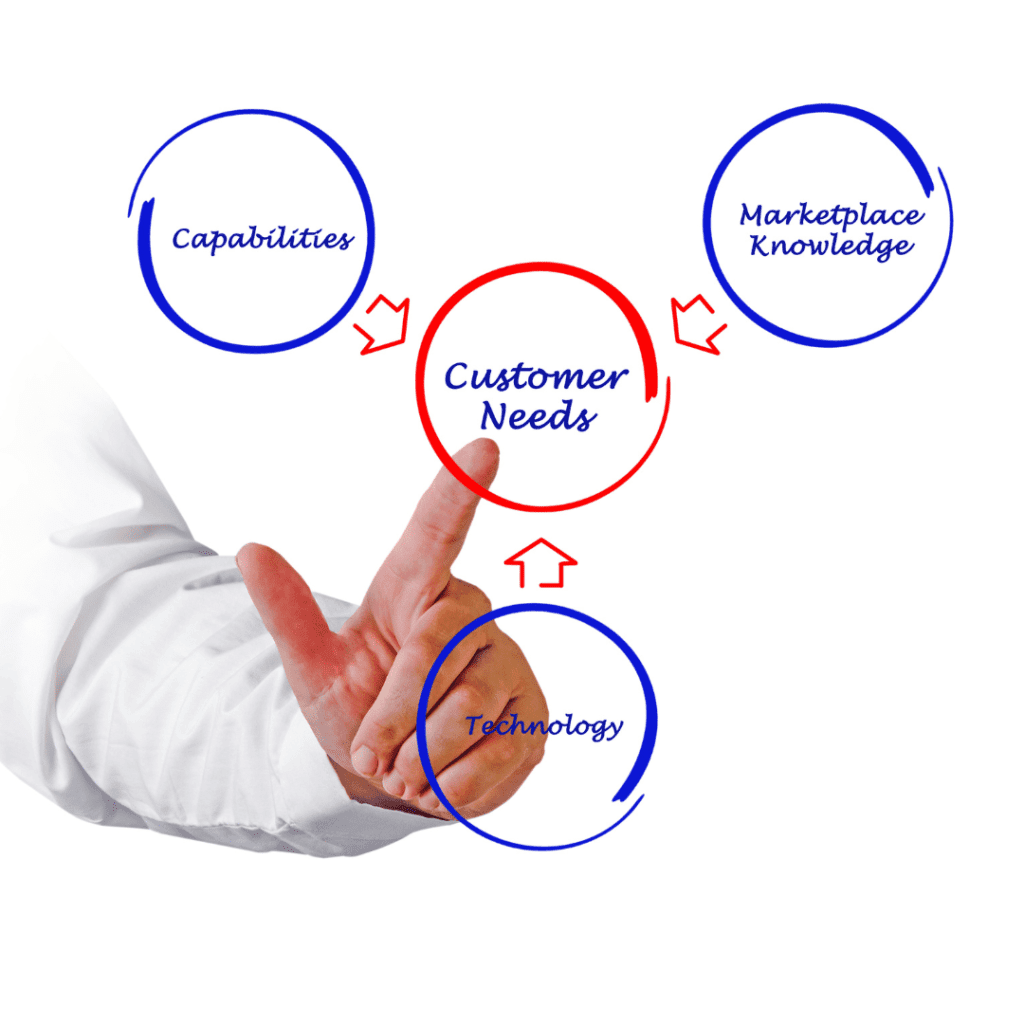
[vc_row type=”in_container” full_screen_row_position=”middle” column_margin=”default” column_direction=”default” column_direction_tablet=”default” column_direction_phone=”default” scene_position=”center” text_color=”dark” text_align=”left” row_border_radius=”none” row_border_radius_applies=”bg” overflow=”visible” overlay_strength=”0.3″ gradient_direction=”left_to_right” shape_divider_position=”bottom” bg_image_animation=”none”][vc_column column_padding=”no-extra-padding” column_padding_tablet=”inherit” column_padding_phone=”inherit” column_padding_position=”all” column_element_direction_desktop=”default” column_element_spacing=”default” desktop_text_alignment=”default” tablet_text_alignment=”default” phone_text_alignment=”default” background_color_opacity=”1″ background_hover_color_opacity=”1″ column_backdrop_filter=”none” column_shadow=”none” column_border_radius=”none” column_link_target=”_self” column_position=”default” gradient_direction=”left_to_right” overlay_strength=”0.3″ width=”1/1″ tablet_width_inherit=”default” animation_type=”default” bg_image_animation=”none” border_type=”simple” column_border_width=”none” column_border_style=”solid”][vc_column_text] In the dynamic landscape of business, the success of product development hinges on the ability to understand and align with customer needs. In this blog post, we delve into the crucial interplay between product development and customer needs, exploring strategies to create products that resonate with target audiences. From understanding customer needs to integrating product management principles, we will navigate the landscape of effective product development strategies. Understanding Customer Needs for Successful Product Development Moreover, the foundation of any successful product development endeavor lies in a profound understanding of customer needs. This understanding transcends the mere identification of functional requirements; it delves into the intricate realms of emotions, desires, and motivations that drive purchasing decisions. Here, we explore in greater detail the steps involved in comprehending and integrating customer needs into the product development process. Comprehensive Market Research on Customer Needs Furthermore, embarking on the journey of understanding customer needs necessitates a robust and comprehensive market research strategy. This involves deploying various methods, including surveys, interviews, and observational research, to gather both quantitative and qualitative data. These research methodologies provide a holistic view of customer preferences, pain points, and aspirations. Consequently, during surveys, businesses can ask targeted questions to gauge customer satisfaction with existing products, identify areas for improvement, and unearth unmet needs. Interviews allow for a deeper exploration of individual experiences and preferences, providing nuanced insights that might not be captured through broader survey data. Observational research involves keenly observing customer behavior in real-world scenarios, offering a direct window into their decision-making processes. Beyond Product Features: Embracing Empathy Towards Customer Needs Understanding customer needs extends beyond the realm of product features—it involves delving into the emotional and psychological aspects of consumer behavior. By adopting an empathetic approach, companies can uncover the underlying motivations that influence purchasing decisions. Therefore, empathy in product development means placing oneself in the shoes of the customer, comprehending their challenges, aspirations, and the emotional context surrounding their decisions. This empathetic understanding becomes a guiding force in shaping not just the functional attributes of a product but also its overall user experience. For example, a company designing a fitness app may not only focus on tracking features but also consider the emotional journey of a user striving for a healthier lifestyle. Crafting Products with Emotional Resonance Towards Customer Needs Armed with insights gained from market research and an empathetic understanding of customers, businesses can craft products that resonate emotionally. This involves aligning the product’s design, messaging, and overall brand experience with the emotional needs of the target audience. For instance, a company developing a smart home device might emphasize not only its technological prowess but also how it simplifies and enriches the daily lives of users. By weaving emotional narratives into product development, businesses create a connection that goes beyond utility, fostering brand loyalty and positive associations. Incorporating customer feedback into the iterative product development process ensures that the final product is not just a reflection of initial assumptions but a response to real-world user experiences. This iterative approach, often associated with Agile methodologies, allows for continuous refinement based on ongoing customer insights. In essence, understanding customer needs is an ongoing process that involves a combination of research methodologies, empathetic insights, and iterative refinement. By embracing this customer-centric approach, businesses lay the groundwork for developing products that not only fulfill functional requirements but also resonate deeply with the emotions and motivations of their target audience. Linking Product Development to Business Strategy for Customer Needs In essence, a successful product development strategy is intrinsically linked to the broader business strategy. Organizations must align their product development efforts with overarching business goals and objectives. This alignment ensures that every product contributes directly to the growth and sustainability of the business. Moreover, to achieve this synergy, companies should establish cross-functional collaboration between product development teams and key stakeholders. Regular communication and strategic planning sessions can foster an environment where product development becomes an integral part of the overall business strategy. This approach not only enhances efficiency but also facilitates the seamless integration of new products into the existing product portfolio. Collecting and Utilizing Customer Feedback in the Product Development Process Furthermore, customer feedback is a goldmine of information for product development. Actively seeking and incorporating customer opinions at various stages of the product development lifecycle is imperative. This includes gathering insights during the ideation phase, prototype testing, and post-launch evaluations. To effectively collect customer feedback, companies can employ a variety of tools such as online surveys, focus groups, and social media listening. The key is to create a feedback loop that allows for continuous improvement. Analyzing customer feedback provides valuable information on what works well and what needs enhancement, enabling iterative refinement of the product. For instance, you can leverage this free AI tool to analyze customer feedback in your product development process. Integrating Product Management Principles with Customer-Centric Approaches Hence, product management principles play a pivotal role in shaping the trajectory of product development. By integrating these principles with a customer-centric approach, companies can optimize their processes and deliver products that align seamlessly with market demands. One fundamental aspect of this integration is the concept of a minimum viable product (MVP). By focusing on the core features that address the most critical customer needs, companies can expedite the development process and get products to market faster. This agile approach allows for quick iterations based on real-world feedback. Moreover, employing tools like product roadmaps and prioritization frameworks helps product managers make informed decisions, ensuring that resources are allocated to features that have the highest impact on customer satisfaction and business objectives. Positioning and Communicating Your Product’s Value Proposition to the Target Market In the highly competitive landscape of today’s market, the significance of effectively communicating
