
How to Conduct User Research for Maximum Value
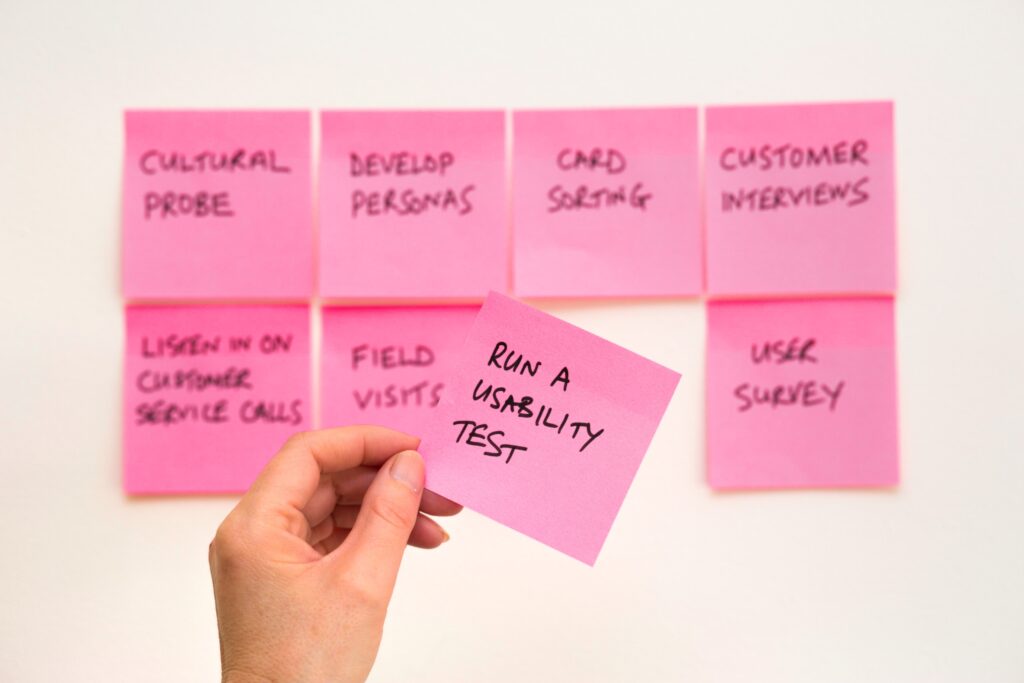
User research is the process of understanding users’ needs, behaviors, and attitudes through different techniques. Conducting user research is crucial for product teams to build better products and services that meet their users’ needs and solve their problems. Whether you are launching a brand new product or redesigning an existing one, it is essential to engage with real users before you do anything else. If you skip this crucial step and dive straight into design and production, you are essentially basing your decisions on guesswork – a costly game to play. What if you bring your product to market only to find that you guessed wrong? You will have to go back to the drawing board, having unnecessarily wasted time, resources and money. User research conducted in the right way, at the right moment, is the only way to avoid this. Good design starts with thorough user research. Without sufficient research, it is impossible to distinguish between a product that merely looks good and one that solves a real user problem. What is User Research? User research is the process of understanding users’ pain points, desires and behaviors through various methods and techniques, including interviews, surveys, observations, usability tests, etc. It involves gathering insights from real users to inform the design and development of products or services. The process of conducting user research can be tedious and time consuming. In this blog post, we will introduce some key user research methods and how to get maximum value from your user research. Methods of Conducting User Research There are two types of user research methods: qualitative and quantitative research. Quantitative research yields measurable, numerical results, while qualitative research focuses on the reasons and motivations behind the user’s behavior. Quantitative research methods include surveys, analytics, and A/B testing. Surveys are a cost-effective way to gather data from a large sample of users. Analytics provide data on user behavior, such as click-through rates and conversion rates. A/B testing is a method of comparing two versions of a design to determine which one performs better. Qualitative research methods include interviews, focus groups, and usability testing. Interviews allow you to gather in-depth information about users’ attitudes, behaviors, and motivations. Focus groups are useful for testing new product concepts or ideas. Usability testing involves observing users interacting with a product to identify usability issues. How to Conduct User Interviews To extract maximum value from user research, it’s essential to follow a structured approach. 1.Define Your Research Goals Before starting the research process, it’s essential to define your research goals. What do you want to achieve through user research? What problems are you trying to solve? By defining your research goals, you can create a clear roadmap for the research process and ensure that you gather relevant data that helps you make informed decisions. 2. Identify Your Target Audience Once you have defined your research goals, you need to identify your target audience. Who are the users that you want to research? What are their demographics, behaviors, and attitudes? By identifying your target audience, you can tailor your research methods and questions to gather the most relevant data. 3. Choose the Right Research Methods There are different research methods you can use to gather data, including interviews, surveys, observations, and usability tests. Choosing the right research methods depends on your research goals and your target audience. For example, if you want to understand how users interact with your product, you can conduct usability tests to observe their behavior. If you want to gather insights into users’ attitudes and perceptions, you can use interviews or surveys. 4. Recruit Participants Recruiting participants is a crucial step in the research process. You need to identify the right participants who match your target audience criteria. You can recruit participants through different methods, including online recruitment, social media, or in-person recruitment. It’s important to ensure that your participants are representative of your target audience and that you have enough participants to gather sufficient data. 5. Conduct the Research Once you have recruited participants, it’s time to conduct the research. Make sure to follow a structured approach and ask open-ended questions that allow participants to express their thoughts and opinions freely. Use the research methods that you have chosen to gather data, and record the data in a structured way for analysis. You can read more about asking the right interview questions here. 6. Analyze the Data Conducting the research is the first major step. After conducting the research, you need to analyze the data to extract meaningful insights. This is a painstaking process for UX researchers because of the number of hours spent sorting and trying to make sense of the data. You can use different techniques to analyze the data, including content analysis, thematic analysis, or statistical analysis. It’s important to ensure that your analysis is unbiased and that you identify patterns and trends in the data that help you answer your research questions. AI powered tools like Insight7, automate the process and cut down research analysis time from hours to minutes. 7. Synthesize the Insights The final step is to synthesize the insights from the research. By synthesizing the insights, you can create a comprehensive understanding of your users’ needs, behaviors, and attitudes. You can use the insights to inform your product or service development, marketing strategies, and customer service initiatives. With Insight7, you can visualize themes, pain points, desires, behaviors and sentiments from your customer feedback in seconds, helping you gain a comprehensive understanding of the data. It also synthesizes insights and identifies priorities and opportunities from your research data, which helps you make product decisions faster. In conclusion, conducting user research is a critical step for businesses to create better products and services that meet their users’ needs. By following the steps outlined in this blog post, you can conduct user research for maximum value and make informed decisions that benefit your users and your business more efficiently.
Adopting A Continuous Discovery Process For Building Great Products
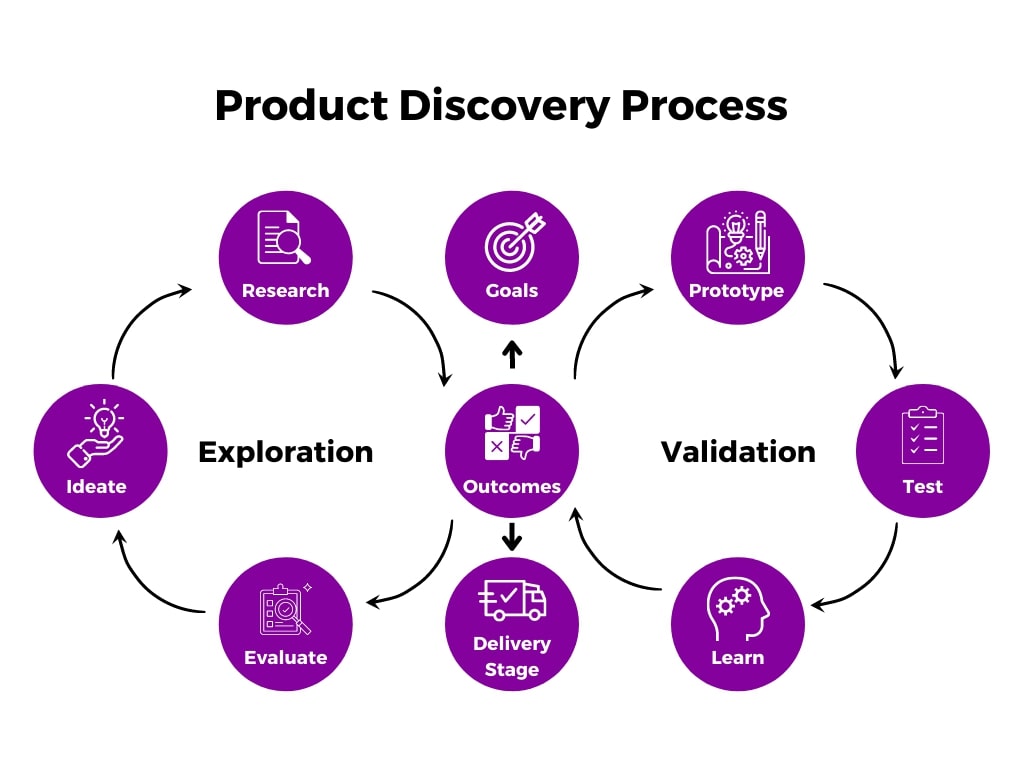
Continuous discovery process involves constantly learning about user needs and opportunities through various research activities such as user interviews and usability testing. The goal of continuous discovery is for product teams to have a tight feedback loop that enables the flow of insights to deliver on the best product experience for a user pain point, need or desire. The product discovery process The typical product discovery process starts with defining the domain or problem space (e.g e-commerce payments or ) you’re trying to solve a problem or set of problems in. The next step is to understand the user or customer segment you’re trying to solve these problems for. This helps the team focus the research on the right areas. You are essentially looking for opportunities to create value that users or businesses are willing to pay for. Once the problem space and user segments are defined, the team then moves on to researching the customer needs and opportunities by carrying out various activities such as user interviews, surveys, usability tests, customer feedback sessions and market research to have a better understanding of the most important problems to solve and the best solutions to them. The continuous discovery process There isn’t a perfect process for doing continuous product discovery and it varies across teams, companies and industries but one main benefit of a continuous product discovery process is that it allows for a more agile approach to product development. By continuously gathering customer feedback and incorporating it into the product, product teams are able to quickly pivot and make changes to improve the product and better meet the needs of your customers. This approach is especially useful in today’s fast-paced, technology-driven market which is constantly evolving meaning customer needs and preferences evolve quickly. How to run product discovery continuously The best teams are able to run product discovery in a continuous manner to build great products and continually improve them. These product teams continually search for new information about user needs, using research activities like weekly customer touch points and hypothesis testing, to uncover user and customer experience insights and user behaviour data. Tools for continuous product discovery It can be difficult to do continuous discovery without the right tools In order to implement a successful continuous product discovery process, it is important to have a dedicated team in place. This team should consist of individuals with a variety of skill sets, including product managers, designers, and developers. The team should also have access to tools and resources that will help them gather and analyse customer feedback, such as user testing software and market research tools. Once the team is in place, the continuous product discovery process can be broken down into a few key steps: Identify customer needs: The first step in the process is to identify the needs of your target customers. This can be done through market research, customer surveys, and other methods of gathering customer feedback. Generate ideas: Once you have a clear understanding of customer needs, the next step is to generate ideas for potential products or features. This can be done through brainstorming sessions, design thinking workshops, and other creative techniques. Test concepts: The next step is to test the viability of your ideas. This can be done through user testing, market validation, and other methods of gathering feedback from potential customers. Iterate and improve: Based on the feedback you receive, you can iterate on your ideas and make improvements to ensure that the product is as successful as possible. This may involve making changes to the product design, adding new features, or even scrapping an idea altogether and starting fresh. By following these steps and continuously gathering customer feedback, you can develop a product that truly meets the needs of your customers and stands a better chance of success in the market. A continuous product discovery process allows for flexibility and adaptability, which is essential in today’s fast-paced business environment. Benefits of continuous product discovery Product discovery is an essential part of the product development process. It is the process of identifying customer needs, validating ideas, and testing concepts to ensure that the product will be successful in the market. A continuous product discovery process is one that is ongoing and iterative, allowing for flexibility and constant improvement. Another advantage of a continuous product discovery process is that it can help reduce the risk of developing a product that fails in the market. By continuously testing and validating ideas, you can identify potential issues early on and make changes before investing too much time and resources into a concept that may not be successful. This can save your company time and money in the long run.
