
7 Steps to Implement Effective Segmentation Marketing
Segmentation Strategy Blueprint is not just a trend; it is a vital element for successful marketing. Many businesses fail to grasp the importance of targeted messaging, leading to wasted resources and missed opportunities. Understanding your audience's unique needs allows you to tailor your approach, making it far more effective. As you embark on crafting this blueprint, consider the pivotal questions: Who are your customers? How do they behave? Why do they choose your brand? By addressing these elements systematically, you can develop a detailed strategy that resonates deeply with your audience. The following steps will guide you in implementing effective segmentation marketing. Understanding the Basics of Segmentation Marketing Segmentation marketing is a crucial strategy for effectively reaching diverse audiences. Understanding the basics involves grasping how to classify your target market into distinct segments based on specific characteristics. By analyzing factors such as demographics, behavior, and needs, businesses can tailor their marketing efforts to resonate better with each group. This method not only improves message relevancy but also enhances engagement and conversion rates. To develop a successful segmentation strategy blueprint, consider these key steps: Identify your market segments through thorough research. Evaluate their unique needs and preferences. Craft targeted messaging that speaks directly to each segment’s interests. Monitor and analyze responses to refine your approach. Adjust your marketing tactics based on feedback and performance data. Ensure your product offerings align with the demands of each segment. Maintain an ongoing dialogue to continuously understand your audience. By employing these steps, businesses can create a more focused and effective marketing strategy. What is Segmentation Marketing? Segmentation marketing is a strategic approach that helps businesses understand and target distinct groups within their audience. By dividing the broader market into smaller, more manageable segments, companies can tailor their marketing efforts to address specific needs and preferences. This targeted approach not only enhances customer engagement but also allows for more effective resource allocation, ultimately leading to increased conversions. To implement an effective segmentation marketing strategy, organizations typically focus on a few key areas. First, understanding customer demographics enables businesses to create tailored messaging that resonates with each group. Second, analyzing customer behavior helps identify patterns in purchasing habits, guiding the development of personalized offers. Third, leveraging geographic information allows companies to customize their marketing based on location-specific trends and preferences. By applying these strategies within a segmentation strategy blueprint, businesses can enhance their overall marketing effectiveness and drive meaningful engagement with their target audiences. Why Your Business Needs a Segmentation Strategy Blueprint In today’s competitive market, a Segmentation Strategy Blueprint serves as an essential roadmap for businesses seeking growth and customer satisfaction. By dividing your audience into distinct groups, you can tailor your marketing efforts to meet specific needs. This targeted approach not only improves engagement but also enhances your overall marketing effectiveness. To build a successful Segmentation Strategy Blueprint, consider these crucial elements: Identify Your Audience: Understand who your potential customers are and their unique characteristics. Gather Relevant Data: Collect data on customer preferences, behaviors, and demographics to make informed decisions. Analyze Information: Use analytics to gain insights into customer segments, revealing valuable trends. Create Personas: Develop detailed customer personas that represent each audience segment, guiding your marketing messages. Tailor Your Offerings: Customize your products, services, and campaigns to resonate with each segment's specific needs. Monitor and Optimize: Continuously track performance and adjust your strategy based on customer feedback and changing market conditions. Engage with Customers: Foster relationships through personalized communication to enhance customer loyalty. Implementing these steps ensures your business can effectively connect with audiences, improve market share, and adapt to the evolving marketplace. Steps to Implementing an Effective Segmentation Strategy Blueprint Implementing an effective Segmentation Strategy Blueprint begins with understanding your audience. Identify distinct groups based on demographics, behaviors, or preferences to tailor your marketing messages. Gather and analyze data to spot trends that can help define these segments. Once you have a clear picture of each group, develop personalized communication strategies that resonate with their specific needs. Next, it's important to monitor and measure the performance of your segmentation efforts. Establish key performance indicators (KPIs) for each segment to track effectiveness. Regularly review this data to refine your approach and make adjustments when necessary. By continuously improving your Segmentation Strategy Blueprint, you can maintain relevance and enhance customer engagement over time. Remember, the goal is to build deeper connections with your audience, driving loyalty and ultimately increasing conversion rates. Step 1: Analyzing Your Market Start your segmentation strategy by examining your market closely. Analyzing your market involves gathering pertinent data on consumer preferences, behaviors, and demographics. Through this analysis, you can identify distinct customer segments and their unique needs. Utilize templates and structured questions to guide your research, whether through surveys, interviews, or focus groups. This foundational step helps you formulate a strong Segmentation Strategy Blueprint. Next, categorize your findings to uncover trends and patterns within the data. Look for common characteristics that define each segment, such as age, location, or purchasing habits. This information will enable you to create targeted marketing messages. By understanding who your customers are and what they want, you'll be equipped to tailor your approach. The insights gained from this analysis set the stage for effective segmentation, ensuring your marketing campaigns resonate with the right audience. Step 2: Defining Clear Segmentation Criteria To establish a successful segmentation strategy blueprint, it's essential to define clear segmentation criteria that align with your marketing goals. Begin by identifying key demographics, such as age, gender, and location, as these factors greatly influence purchasing decisions. Additionally, consider psychographics, which encompass consumer interests, values, and lifestyles. This dual focus allows for a well-rounded understanding of your audience. Next, examine behavioral aspects, such as buying patterns and product preferences. This information provides insights into how different segments interact with your brand. Lastly, ensure that these criteria are measurable and actionable, enabling you to track performance and adjust strategies as needed. By implementing these steps, you can create an effective framework for your segmentation
7 Steps to Deliver a Personalized Experience
The Tailored Engagement Process begins by recognizing each client as unique, with distinct needs and preferences. This approach not only enhances customer satisfaction but also fosters deeper connections, leading to more effective partnerships. By understanding the specific challenges and goals of your clients, you can create personalized strategies that resonate with them, facilitating a smoother transition into change management. In this section, we will explore the key components of the Tailored Engagement Process. By breaking down the essential steps, you will learn how to efficiently gather insights from clients, minimizing inefficiencies in the current methods. Through effective communication and targeted methods, you will uncover the most valuable ways to engage with clients, ultimately enhancing their experience and ensuring successful outcomes. Step 1: Gather Detailed Customer Data Gathering detailed customer data is the foundation of a tailored engagement process. It's crucial to identify who your customers are and what they need. Start by collecting demographic information, preferences, and behaviors. These insights help you understand their motivations and pain points, which are vital in crafting a personalized experience. Utilize surveys, feedback forms, and social media interactions as tools to gather this data effectively. Next, analyze the information diligently to identify patterns and trends. This step enables you to create comprehensive buyer personas, which serve as a reference point for future engagements. By knowing your audience, you can address their specific needs and tailor messaging that resonates with them. Ultimately, gathering detailed customer data not only personalizes the experience but builds a meaningful connection, fostering trust and loyalty in your brand. Importance of Data Collection in the Tailored Engagement Process In the Tailored Engagement Process, data collection serves as a vital foundation. Accumulating relevant data allows organizations to segment audiences based on specific characteristics and preferences. With accurate insights, businesses can create customized experiences that resonate deeply with their target audience. This targeted approach enhances customer interactions, fostering stronger relationships through personalized engagement. To fully harness the power of data in this process, several key aspects must be considered. Firstly, identifying Data Sources is crucial. Companies should recognize where valuable data resides, such as customer feedback, social media interactions, and transactional data. Secondly, Data Analysis plays an essential role; interpreting this information enables teams to uncover patterns and trends. Lastly, constant Data Privacy Compliance is paramount. By ensuring that customer data is handled securely and ethically, organizations build trust, a pivotal element in fostering ongoing engagement. Through these steps, data collection not only informs but also enriches the Tailored Engagement Process. Methods for Effective Data Gathering When gathering data for a tailored engagement process, it is crucial to adopt methods that ensure both accuracy and relevance. Start by consolidating data from various sources, such as customer feedback, social media interactions, and website analytics. This diversity helps create a comprehensive understanding of customer preferences and behaviors. Secondly, employ surveys to gather specific insights directly from users. Open-ended questions can generate qualitative data, allowing for richer responses that inform personalized strategies. In addition to these methods, implementing data visualization tools can further illuminate trends and sentiments within the collected information. Data visualization aids in revealing patterns that might go unnoticed with raw numbers. Lastly, ensure your data is regularly updated to maintain its relevance. An ongoing process helps adapt to evolving customer expectations. By carefully selecting and combining these methods, organizations can effectively foster a tailored engagement process that truly resonates with their audience’s needs. Step 2: Analyze and Segment Your Audience To create a truly personalized experience, the first step is to analyze and segment your audience. Understanding who your audience is will help you tailor your engagement process successfully. Begin by collecting data on demographics, preferences, and behaviors. This insight forms the foundation for effective segmentation, enabling you to group your audience based on shared characteristics. Once you have gathered this data, it’s time to analyze it further. Look for patterns and trends that can help you identify key segments. For instance, you might discover different buyer personas within your audience, each with distinct needs and motivations. By understanding these nuances, you can develop targeted messaging and offers that resonate with each group, ultimately enhancing the overall customer experience. Utilizing Segmentation Tools for Tailored Engagement To effectively engage your audience, utilizing segmentation tools is essential in creating a tailored engagement process. These tools allow you to categorize your audience based on distinct characteristics, such as interests, behaviors, and demographics. By identifying specific segments, you can craft personalized messages that resonate with individual needs and preferences. Start by defining the key parameters for your segments, such as pain points and desired outcomes. Next, gather relevant data through customer interactions and feedback mechanisms. This data will enable you to create tailored content that addresses the unique concerns of each segment. Use automated tagging systems to categorize insights and easily access evidence supporting your analyses. Ultimately, a well-executed segmentation strategy not only enhances engagement but fosters lasting relationships with your audience. Creating Customer Personas To create effective customer personas, it’s essential to gather and analyze data about your target audience. Understanding their demographics, preferences, and pain points will enhance your tailored engagement process and provide valuable insights. Start by segmenting customers based on various criteria, such as age, gender, location, and buying behavior. This helps you identify distinct groups that might have different needs or motivations. Next, conduct interviews, surveys, or focus groups to delve deeper into the motivations driving customer decisions. Lastly, document these personas, giving each a name and backstory. Assign characteristics that reflect their personality, goals, and challenges. This comprehensive understanding of your customers will enable you to design personalized experiences, ensuring your strategies resonate with each group. By creating well-defined personas, you lay the foundation for targeted communication, ultimately enhancing customer satisfaction and loyalty. Step 3: Personalize Your Communication To create an impactful personalized communication strategy, begin by understanding your audience’s specific needs and preferences. Use the Tailored Engagement Process to guide your conversations, ensuring they resonate with each individual. Start
How to run qualitative customer interview analysis with AI

In the digital age, where data is king, the ability to extract actionable insights from customer interactions is a game-changer for any organization. The meticulous process of analyzing customer interviews can be a daunting task, but with the advent of Artificial Intelligence (AI), companies now have the power to streamline this process, ensuring a more efficient and effective way to understand and respond to customer needs. This write-up explores how organizations can leverage AI to run qualitative customer interview analysis, transforming raw data into valuable insights that drive innovation and customer satisfaction. Understanding the voice of the customer is critical for any business looking to maintain a competitive edge. Through customer interviews, organizations gather rich, qualitative data that reflects the opinions, feelings, and experiences of their customers. However, the traditional manual analysis of these interviews is time-consuming and prone to human error. AI comes to the rescue by offering tools that can join virtual meetings, record conversations, and transcribe them with astonishing accuracy, as high as 99%. This not only saves time but also ensures that the insights drawn are precise and reliable. The integration of AI-driven analysis platforms into tools like Google Meet or Zoom has made it possible for product teams to access key insights automatically. These platforms provide a comprehensive dashboard that showcases themes such as customer satisfaction, expectations, reporting, communication, and product experience feedback. By attributing data to specific individuals, including their role and organization, AI tools facilitate segmentation, which is crucial for tailoring products and services to different customer groups. One of the standout features of AI in qualitative analysis is its ability to group interviews into projects, allowing teams to analyze customer feedback as a collective, rather than in isolation. This holistic view enables organizations to identify the most impactful pain points and brainstorm solutions effectively. Additionally, AI tools can generate user personas, buyer personas, and even product messaging by analyzing the data, thus serving as a brainstorming partner for the product team. Marketers, in their quest to develop compelling messaging from transcripts, will find AI tools particularly useful. These tools not only transcribe but also analyze the content for patterns and insights that can be used in marketing strategies. For instance, a marketer searching for an “AI tool to develop messaging from transcripts” would discover that AI can generate ad copy, testimonials, and other marketing content within seconds, all based on the data fed into the system. The ability to visualize customer feedback is another advantage AI offers. Teams can view dashboards that reveal customer pain points and desires, backed by evidence from actual conversations. This transparency in the analysis process aligns with the E-E-A-T principles, ensuring that the insights are not only valuable but also trustworthy. In conclusion, AI-driven qualitative customer interview analysis is revolutionizing the way organizations understand their customers. By automating the transcription and analysis process, AI enables teams to quickly identify customer needs, segment their audience, and develop targeted marketing strategies. The result is a more agile, customer-centric approach that enhances the customer experience and fosters innovation. As businesses continue to navigate the complexities of customer data, AI stands as a powerful ally in the quest to deliver exceptional value and satisfaction.
AI in Qualitative Data Analysis: Best Tools and Key Concepts
[vc_row type=”in_container” full_screen_row_position=”middle” column_margin=”default” column_direction=”default” column_direction_tablet=”default” column_direction_phone=”default” scene_position=”center” text_color=”dark” text_align=”left” row_border_radius=”none” row_border_radius_applies=”bg” overflow=”visible” overlay_strength=”0.3″ gradient_direction=”left_to_right” shape_divider_position=”bottom” bg_image_animation=”none”][vc_column column_padding=”no-extra-padding” column_padding_tablet=”inherit” column_padding_phone=”inherit” column_padding_position=”all” column_element_direction_desktop=”default” column_element_spacing=”default” desktop_text_alignment=”default” tablet_text_alignment=”default” phone_text_alignment=”default” background_color_opacity=”1″ background_hover_color_opacity=”1″ column_backdrop_filter=”none” column_shadow=”none” column_border_radius=”none” column_link_target=”_self” column_position=”default” gradient_direction=”left_to_right” overlay_strength=”0.3″ width=”1/1″ tablet_width_inherit=”default” animation_type=”default” bg_image_animation=”none” border_type=”simple” column_border_width=”none” column_border_style=”solid”][vc_column_text]Using AI for qualitative data analysis has transformed how researchers approach extracting insights from qualitative data. It has opened new opportunities for efficiency, accuracy, and deeper insights. Traditional methods of qualitative data analysis often involved manual transcription, coding, and analysis, which were time-consuming and prone to errors. AI changes the game by automating repetitive tasks and offering powerful tools for data interpretation. In this guide, we’ll explore how AI enhances qualitative research and the key concepts and tools driving this transformation. Whether you’re a researcher, a market analyst, or a business leader seeking actionable insights, AI tools can provide the scalability and precision needed in today’s data-driven world. From transcription to thematic analysis and visualization, the possibilities are vast. We’ll break down the technical jargon, show you how AI tools can simplify your workflow, and spotlight key players in this field. By the end, you’ll understand how AI integrates into qualitative research to uncover patterns, trends, and narratives that shape decision-making. Understanding the Basics of AI in Qualitative Data Analysis AI in qualitative data analysis refers to the application of artificial intelligence—particularly natural language processing (NLP) and machine learning—to analyze non-numerical data. This includes interpreting text from interviews, social media, documents, emails, and transcriptions to extract patterns, themes, sentiment, and contextual meaning. Rather than replacing human researchers, AI acts as an assistant—automating time-consuming tasks such as tagging, clustering, and coding, so human analysts can focus on interpretation, synthesis, and decision-making. It’s particularly powerful when dealing with large volumes of qualitative data that would be impractical to review manually. Traditional vs. AI-Driven Qualitative Analysis Traditionally, researchers manually transcribed recordings, categorized themes through coding frameworks, and analyzed results using qualitative methodologies like grounded theory or thematic analysis. While these methods offer rich, in-depth insights, they are often slow, prone to human error, and difficult to scale. In 2025, the increasing availability of AI tools is helping researchers overcome these challenges. AI-driven analysis revolutionizes this process by automating transcription, coding, and sentiment analysis. One of the primary reasons AI is now essential for qualitative research is the growing volume of data researchers have to process. Tools powered by natural language processing (NLP) and machine learning (ML) algorithms can quickly process large volumes of data, identify patterns, and even detect hidden themes. For example, AI algorithms can cluster responses into categories or analyze sentiment trends across datasets, providing insights faster than manual methods. In addition to improving efficiency, AI tools also enhance accuracy. By eliminating human bias and providing objective, data-driven analysis, AI ensures that insights are derived more consistently. Lastly, with the rise of remote work and virtual research methods, AI tools have become more critical. Researchers now need solutions that allow them to collaborate, share insights, and maintain data privacy across multiple teams. Key Terms & Concepts in AI Qualitative Data Analysis 1. Text Analysis AI-based text analysis involves processing written or transcribed data to identify underlying patterns, themes, and meanings. For instance, in customer feedback data, AI can highlight common complaints or praises by scanning the text for frequently used words, phrases, or sentiment indicators. It works by breaking text into tokens (words or phrases) and applying algorithms to identify relationships, meaning, or context. 2. Sentiment Analysis Sentiment analysis goes beyond identifying themes to determine the tone or emotional weight of the data. AI can classify text as positive, negative, or neutral based on the language used. For example, in a product review, “The design is great but the battery life is awful” would be classified as a mixed sentiment with specific polarity tags for “design” and “battery life.” 3. Thematic Analysis This involves discovering and categorizing recurring themes across datasets. AI tools automatically identify these themes by clustering similar phrases or ideas, helping researchers understand dominant narratives by leveraging natural language processing (NLP) and clustering algorithms. These algorithms analyze data contextually, grouping similar ideas for faster pattern recognition. Latent Dirichlet Allocation (LDA): This topic modeling technique identifies underlying themes across text-based datasets. Text Embeddings: Tools use embeddings to map related ideas, grouping them by semantic similarity to extract deeper meaning. AI tools can group customer feedback into actionable themes like “pricing concerns,” “feature requests,” and “customer service issues.” These insights can guide product development or marketing strategies. AI-powered thematic analysis also reduces manual errors and makes the process scalable for large datasets, such as thousands of customer feedback entries or interview transcripts. 4. Coding Coding in qualitative research means tagging segments of data with labels or categories for analysis. AI speeds this process by automatically assigning codes based on predefined rules or learned patterns. For example, when analyzing interview transcripts, AI can label parts of the text as “challenges,” “opportunities,” or “recommendations” without manual effort. 5. Clustering Clustering groups data points with similar characteristics into clusters without pre-labeled categories. For example, AI might group interview responses into categories like “positive experiences,” “negative feedback,” and “neutral comments” based on linguistic patterns or keywords. This helps identify natural groupings within large datasets. 6. Natural Language Processing (NLP) NLP enables AI to understand, interpret, and respond to human language. It combines computational linguistics with machine learning to process and analyze large amounts of text or speech data. In qualitative research, NLP can extract key information, summarize content, or even translate between languages while maintaining context and nuance. 6. Machine Learning Algorithms These are the backbone of AI-driven qualitative analysis. Machine learning enables AI to learn patterns from data and improve over time. For instance, an AI tool analyzing survey responses might start recognizing new themes or adapting its coding as more data is processed. Examples include supervised learning (where models are trained on labeled data) and unsupervised learning (like clustering). 7. Data Preprocessing This step ensures data is clean, consistent,
4 product lessons from Hooked by Nir Eyal
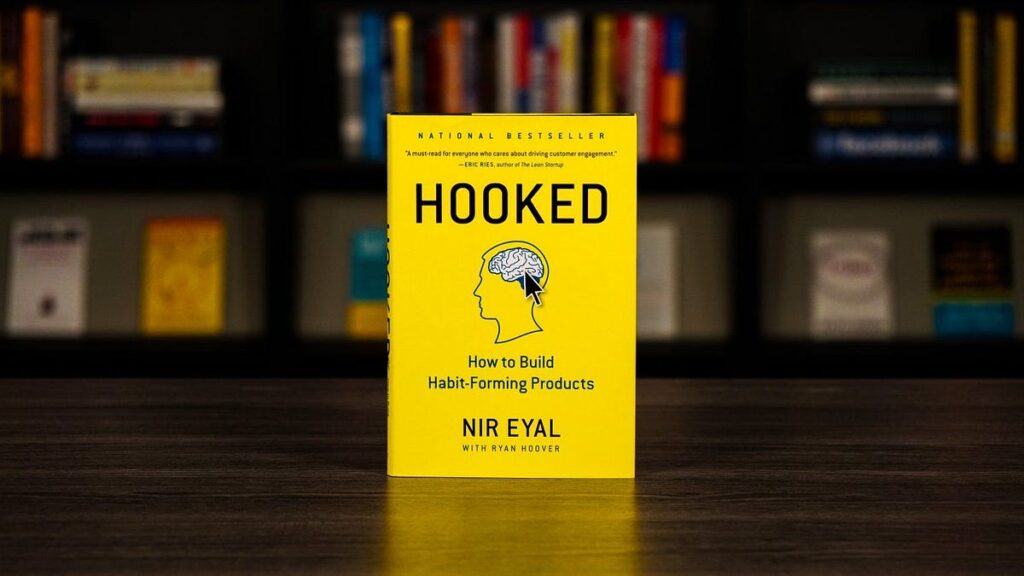
If you’ve read Nir Eyal’s book Hooked: How to build habit-forming products, the Hook Model shouldn’t be strange. The Hook Model is a methodology that product teams can use for products which their users will come back to again and again. But why do some products capture the public’s imagination while others fizzle out of public consciousness? How do some products and services become a part of our daily routines? Is there an underlying process that companies follow to create successful habit-forming or addictive products? Nir Eyal answers all these questions and more in his book and gives the framework for product teams to apply it to their product life-cycle. Based on his years of research, consulting, and practical experience, the book dives deep into the Hook Model, a four-step process used by successful companies to create habit-forming products. Eyal deconstructs the subtle tactics used by companies like Apple, Facebook (now Meta), Pinterest, and many more to link their products to their users’ daily routines and emotions. What is the Hook Model? The Hook Model is a concept in marketing and product design that aims to explain the process of creating habit-forming products or services. It was introduced by Nir Eyal in his book “Hooked: How to Build Habit-Forming Products.” The model outlines a four-step process: Trigger, Action, Variable Reward, and Investment, which helps companies build products that users will engage with repeatedly, forming habits around them. It has it’s premise loosely based on the Fogg Model, which shows the steps that need to be taken before people’s behavior can change and new habits can form. Eyal adapted this model to explain what it takes for a customer to become “hooked” on a new product. The main aim of the model is to create a customer habit. This is done by creating a link between the customers’ problem and the solution you are offering and reinforcing it through repeated exposure to the product. When it happens often enough, the customers will see your product as the obvious option whenever they face the problem and will keep coming back. This cycle can lead to the formation of habits and a strong user attachment to the product. It is however important to note that while the Hook Model has been praised for its insights into habit formation and user engagement, it has also sparked discussions about ethical considerations and potential negative impacts, especially when it comes to addictive technologies and behaviors. Product teams should therefore keep in mind the ethical implications when designing products using this model. What are the 4 stages of the Hook Model? The Hook Model consists of four stages that together create a loop designed to encourage user engagement and habit formation. These stages are: 1 .Trigger: This is the initial prompt that encourages a user to take action. Triggers can be external or internal. External triggers External triggers are the factors that bring the user to the product. They are cues from the environment that prompt the user to act, such as a notification on their phone that says “You have a new message” or an advertisement that says “Start free trial” Internal triggers, on the other hand, arise from emotions or thoughts, like a feeling of boredom or a need for distraction. Internal triggers occur when a product becomes closely associated with a thought, an emotion, or a preexisting routine. Negative emotions like boredom, loneliness, frustration, and indecisiveness are powerful internal triggers and habit-forming products leverage these internal triggers by connecting these emotions to their products. For example, binge-watching a show on a streaming platform due to boredom. 2. Action: The action is the behavior that the user performs in response to the trigger. It is the absolute minimum of interaction needed for the user to experience the reward. It could be anything from scrolling through a social media feed, opening the messaging app to check the new message after receiving a notification, clicking on an ad or CTA to claim your free trial, or sending a message. This stage represents the user’s engagement with the product or service. As a product manager or product designer, you want to minimize the time and effort needed to get the reward. Why is this important? The more difficult the activity is to perform, the higher the motivation levels of the user need to be for them to carry on and complete it. If your users’ motivation is high, they are likely to keep trying for longer. If, on the other hand, their motivation is low, they will give up more easily if the friction level is high. 3. Variable Reward: After the user takes the action, they receive a reward. This reward should be designed to provide a sense of satisfaction or pleasure. What makes the variable reward powerful is that it’s not always the same; there’s an element of unpredictability. This taps into the psychology of seeking out rewards and keeps the user engaged to find out what they’ll receive next. Variable Rewards could come in different forms. Rewards of the Self are feelings of self-fulfillment and satisfaction resulting from completing an action. They are really powerful for habit formation. Achieving a certain level of proficiency or having a certain number of stars for a usage streak of a product could be an example. Rewards of the Hunt are the material benefits that users try to secure. For example, a good deal in an online shop or unlocking a new skill level. They are way more tangible than the Rewards of the Self, so way easier to map out and leverage. Other examples are gathering points, coupons, or even cashback for spending. Rewards of the Tribe are social rewards. Users receive them from their interactions with other people. Social media relies greatly on this kind of reward. People feel a sense of satisfaction when they get positive feedback in the form of likes or comments from their peers. 4. Investment: In this final stage, the
Product Prioritisation: How to improve it using the Fogg model
As a product manager, you are constantly faced with product prioritisation—the challenge of deciding what to build next. How do you prioritise the features and improvements that will deliver the most value to your users and your business? How do you balance the needs and expectations of different stakeholders and customers? How do you ensure that your product roadmap aligns with your vision and strategy? One framework that can help you answer these questions is the Fogg Behavioural Model (FBM). Developed by Dr. BJ Fogg, a behavioural scientist and director of the Stanford Persuasive Technology Lab, the FBM is a simple yet powerful model that explains how human behaviour is influenced by three factors: 1. Motivation 2. Ability 3. Triggers. How those FBM help Product Prioritisation? According to the FBM, for a behaviour to occur, a person must have sufficient motivation to perform it, sufficient ability to perform it, and a trigger to prompt them to perform it. If any of these factors are missing or insufficient, the behaviour will not happen. Motivation refers to the degree of desire or willingness to perform a behaviour. It can be influenced by various factors, such as pleasure or pain, hope or fear, social acceptance or rejection, etc. Motivation can vary depending on the context and the individual. Ability refers to the degree of ease or difficulty to perform a behaviour. It can be influenced by various factors, such as time, money, physical effort, mental effort, social deviance, non-routine, etc. Ability can also vary depending on the context and the individual. ALSO READ: Generating Better Ideas for Your Products — Lessons from Teresa Torres Triggers refer to the cues or signals that prompt a person to perform a behaviour. They can be external or internal. External triggers are stimuli that come from outside the person, such as notifications, buttons, reminders, etc. Internal triggers are stimuli that come from within the person, such as emotions, thoughts, memories, etc. The FBM can be represented by a formula: B = MAT. Behaviour = Motivation x Ability x Trigger. The formula implies that for a behaviour to occur, all three factors must be present and above a certain threshold. The higher the motivation and ability, the more likely the behaviour will happen when triggered. Conversely, the lower the motivation and ability, the less likely the behaviour will happen when triggered. How does this relate to product prioritisation? As a product manager, you want to design products that enable and encourage your users to perform certain behaviours that create value for them and for your business. For example, you may want your users to sign up for your service, use your features regularly, invite their friends to join your platform, provide feedback on your product, etc. To achieve these outcomes, you need to understand what motivates your users to perform these behaviours, what makes it easy or hard for them to perform these behaviours, and what triggers them to perform these behaviours. By applying the FBM to your product decisions, you can prioritise the features and improvements that will increase your users’ motivation and ability to perform the desired behaviours and provide them with effective triggers to prompt them to do so. For instance, at Insight7, we are constantly reaching out to users to understand what influences their behaviours and how they utilise our app. This helps us to understand how we can tweak our product to improve the ease of use, and eventually, the speed with which users accomplish their tasks using Insight7. Here are some use cases you can consider: – If you want your users to sign up for your service (behaviour), you need to motivate them by highlighting the benefits and value proposition of your service (motivation), make it easy for them to sign up by reducing friction and complexity in the registration process (ability), and provide them with clear and compelling calls-to-action on your landing page or in your marketing campaigns (trigger). – To get users utilising your features regularly (behaviour), you need to motivate them by showing them how your features help them achieve their goals and solve their problems (motivation), make it easy for them to use your features by providing intuitive and user-friendly interfaces (ability), and provide them with timely and relevant reminders or notifications that nudge them to use your features when they need them (trigger). – If you want your users to invite their friends to join your platform (behaviour), you need to motivate them by rewarding them with incentives or social recognition for inviting their friends (motivation), make it easy for them to invite their friends by integrating with their contacts or social networks (ability), and provide them with prompts or suggestions that encourage them to invite their friends at appropriate moments (trigger). – To get users to provide feedback on your product (behaviour), you need to motivate them by showing them how their feedback matters and how it will improve your product (motivation), make it easy for them to provide feedback by offering simple and convenient ways for them to share their opinions (ability), and provide them with requests or invitations that ask them for their feedback at optimal times (trigger). In summary, product prioritisation is not an easy task. Developing, testing and marketing new features is a gruelling, expensive series of tasks. However, using the right frameworks can improve the speed of decision making and ultimately help product teams make better decisions on what actions to prioritise.
Experimental Testing: A Short Guide to The Right Approach

It is well established that the Product Discovery process is a crucial stage in developing any product worth using. In our last blog post, we discussed hypothesis testing. Today, we are moving forward to the next phase: experimental testing. Experimental testing is validating assumptions and testing new ideas or product features through experiments with real users or customers. This can be done through various methods such as usability testing, A/B testing, surveys, interviews, and prototyping. The goal of experimental testing is to gather data and insights that can inform product development decisions and improve the user experience. Experimentation plays a vital role in improving the product discovery process. Before we continue, let us discuss some examples of products that have failed or succeeded due to proper (or improper) experimental testing. Success and Failure Stories Google Glass One product that failed due to poor experimental testing was Google Glass. Remember the concept? Long before Facebook rebranded to Meta and AR and VR became buzzwords, Google was already cornering the Extended Reality market. And things looked good for them. The Google Glass was a sturdy product and was light-years ahead of its time. However, as you will often find with great but unsuccessful products, that is not necessarily a compliment. While the concept of a wearable heads-up display was intriguing, the product ultimately failed to capture the interest of consumers. The high price point, awkward design, and privacy concerns caused the product to be pulled from the market. This failure could have been prevented if Google had done more thorough experimental testing with potential users to identify these issues before launching the product. Unfortunately, the bigwigs at the tech giant were convinced that rolling it out earlier would help them get feedback directly from consumers. Hence, according to their assumptions, they would be able to improve on the next release of the product. But this experimental testing should have been done before the product was released, not after. Amazon Echo On the other hand, a product that succeeded due to good experimental testing is the Amazon Echo. The Echo was not the first voice-activated smart speaker on the market, but it quickly became the most popular due to Amazon’s focus on experimentation. Amazon continuously tested and iterated on the product, adding new features and improving the user experience. By listening to their customers and making changes based on their feedback, Amazon created a product that people love and use every day. The Echo has since gone on to revolutionize the smart speaker market. And would you belive it? One of the most cited reasons for this dominance is the superior end-user experience. Overall, good experimental testing is essential for product success. It helps identify potential issues early on, saves time and resources, and allows continuous improvement. What is the right framework for Experimental Testing? Marty Cagan, a well-known Silicon Valley veteran who has worked with companies like eBay, Netscape, and HP, is one of the loudest voices emphasising the importance of experimentation in product development. In his book “Inspired: How to Create Tech Products Customers Love,” he proposes a framework for product discovery that includes a cycle of experimentation. The cycle includes ideation, prototyping, testing, and learning. Ideation – This is the initial stage where the team generates ideas. It’s important to come up with as many ideas as possible and to be open to all possibilities. The ideation stage should involve customers, stakeholders, and team members. The goal is to gather as much input as possible to generate a wide range of ideas. Prototyping – Once you have a list of ideas, it’s time to create prototypes. Prototyping is the process of creating a basic version of the product to test the idea’s feasibility. Prototyping can take many forms, from sketches to wireframes to functional prototypes. Testing – Testing is the process of evaluating the prototype with actual customers. Testing should be conducted in several stages to ensure that the product is meeting the user’s needs. Marty Cagan emphasizes that testing should be done as early as possible in the product development process. This helps to identify any issues early on and to make any necessary changes. Learning – Based on the results of the testing, the team should evaluate what works and what doesn’t work. To be unbiased at this stage is very mission-critical. It is essential to understand the reason behind the success or failure of the product. This knowledge will help the team to iterate and improve the product. So do not be precious with your product and be ready to kill off any ‘darling’ features customers don’t want/need. Wrapping up… Experimental testing helps the product team to validate the ideas and to identify potential flaws at an early stage. This saves time and resources in the long run. Experimentation should always be a continuous process integrated into every stage of product development, and yes, it can be time-intensive. We know that. That’s the reason why here at Insight7, our philosophy is all about making it easier to draw insights, fast-tracking the product discovery process and helping stakeholders make decisions faster. That’s why we developed our software, which uses AI to help you draw insights from thousands of surveys and research data in seconds. You can try the product here. Experimentation will supercharge your product team’s ideation process because the real world is a whole different ball game compared to the drawing board. Getting feedback on the real-world usage of your product will probably be the most important insight you gather in the course of Product Discovery. By embracing experimentation, product teams can create innovative and successful products that meet the needs of their customers in more realistic—and eventually more profitable—ways.
Hypothesis Testing: How to do it the right way

“I believe that if we change the design of the landing page, it will lead to an improvement in signups”. In the regular, “normal” vocabulary of the natural world, the opening quote sentence is a passable hypothesis. However, in the world of product discovery, it is a terrible one. And the product discovery process will see a Product Manager formulate and make decisions based on hypothesis on an iterative basis. This is why we must conduct hypothesis testing the right way. But what is Hypothesis Testing? Simply put, Hypothesis Testing is a technique in product management that allows a product manager to validate their ideas about a product in the Product Discovery process. In hypothesis testing, after formulating a hypothesis, data gathering is done to test it. There are two types of hypotheses: null and alternative. The null hypothesis states that there is no difference or relationship between the two variables, while the alternative hypothesis states that there is a relationship or difference between the variables. At the beginning of this article, we introduced a hypothesis that we said was terrible. A correct hypothesis concerning the same scenario would be: So, let us break down the most important things to note when conducting Hypothesis Testing. Be Specific This is probably the most essential thing to note about hypothesis testing. For instance, the first thing to note in the first “bad” hypothesis we introduced was that the landing page redesign was loosely defined. What aspect of the landing page is being changed? The colors? The button placement? Also note that in the good hypothesis, the “impact” question of the hypothesis was practical and specific. According to Product expert Teresa Torres, saying a design change will “increase usability” is not specific enough. Why? Because it is not measurable. The same goes for hypothesizing an increase in engagement. Engagement, though measurable, is still not specific enough. Will it increase the time spent on the site? The number of button interactions? The email signups? Product Managers should also note that targeting your hypothesis to a specific group of people is the only way to truly narrow it down to a measurable metric. Like the example in the diagram above, simply saying “design change x should…increase conversion of users” is not enough. What type of users are you targeting with this design change? Are you targeting seasoned experts? Or power users? Or first-time users? Is a user already utilizing a competitor’s product? Being specific in hypothesis testing also involves measuring the best-guess degree of improvement the design change could provide for your product. This is often not more than guesswork, but if done right, it could make a world of difference between what design changes are thrown out and which ones are kept. For instance, if the degree of improvement expected from the hypothesis being tested is a 10 percent increase in conversion rate, then a 9 percent increase should denote a failure. This might seem extreme, but it helps protect your product from biases and mediocrity and might even inform your future estimates of what an acceptable expectation of improvement should be. Finally, we should define the duration of the hypothesis being tested. This protects the product team from losing track of the data or identifying false positives where there are none. The hypothesis should have a finite timeline that lets the product team come back to the drawing board and compare ideas again. Determine the Appropriate Sample Size Sample size is another essential factor in hypothesis testing. A sample size that is too small can lead to inaccurate results, while a sample size that is too large can lead to a waste of resources. It is essential to determine the appropriate sample size when conducting hypothesis testing to ensure accurate results. A larger sample size increases the chances of obtaining accurate data and decreases the chances of making mistakes when analyzing the data. Conduct Continuous Testing Continuous testing is crucial in hypothesis testing. It enables product managers to keep testing their hypotheses throughout the product development process to ensure they are on the right track. Continuous testing helps product managers to identify and address any issues early before they become significant problems. It also enables product managers to adjust their strategies in response to changing circumstances. Use the Right Statistical Tools Product managers should use the right statistical tools when conducting hypothesis testing. Statistical tools enable product managers to analyze data and draw conclusions from it. The choice of statistical tools depends on the type of hypothesis being tested and the sample size. Product managers should seek the guidance of statistical experts when choosing the right tools. Collaborate with Other Teams Hypothesis testing is a collaborative process that involves different teams in an organization. Product managers should work closely with teams such as marketing, engineering, and design to conduct successful hypothesis testing. Collaboration helps to ensure that all teams are aligned in terms of goals, objectives, and timelines. It also helps to ensure that all teams have a stake in the product’s success. Love the article? Read more about Product Discovery Basics For Building Better Products
5 Essential Books for Every Product Manager
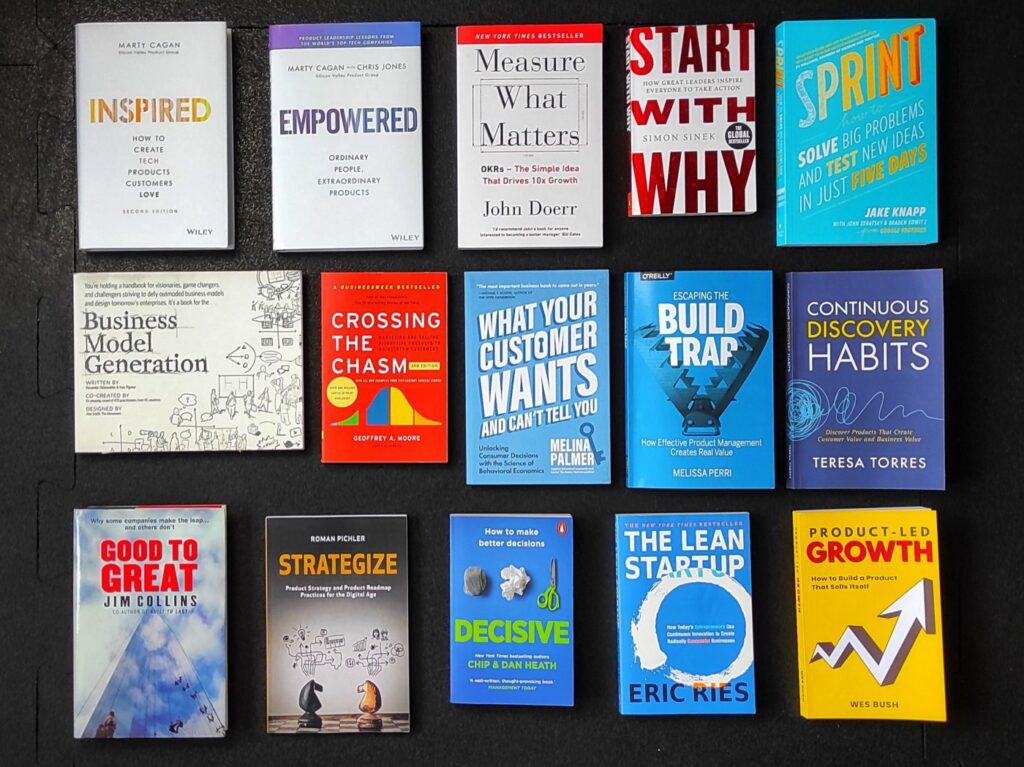
Product discovery is a crucial part of the product development process. It involves understanding the customer, identifying their needs, and developing a solution that addresses those needs. As a product manager, having a solid understanding of product discovery is essential for creating products that customers love. In this article, we’ll take a look at five books that every product manager should consider reading to improve their product discovery skills. Inspired: How to Create Products Customers Love by Marty Cagan In summary, this book is a must read for anyone taking their first steps into Product Management or working alongside software development for the first time. It outlines the skills needed to be a great PM, how to organize teams, and the tried and tested processes to follow. For those with more experience there’s a tonne of great context that explains why the practices used actually work, and why commonly believed alternatives don’t. This book provides an in-depth look at the product development process, from idea to launch. It covers key concepts such as defining product vision, creating a product roadmap, conducting customer research, and more. The author stresses the importance of truly understanding the customer and their needs, as well as fostering a culture of innovation within an organization. The Lean Product Playbook: How to Innovate with Minimum Viable Products and Rapid Customer Feedback by Dan Olsen This is one of the best guides to build great products customers love. In this book, the author presents a step-by-step guide to the Lean Product Development process, which emphasizes fast iteration and continuous learning from customer feedback. To create a successful product — you need to satisfy all layers of the Product-Market fit pyramid, ensuring you’re clear on who you are targeting the product for, what their needs are, and then creating a compelling offering that satisfies those needs with a compelling value proposition, feature set, and UX. The Lean Product Process sets out a six-step process to achieve this: Determine your target customers Identify under-served or unmet needs Define a compelling value proposition Identifying an MVP feature set Creating your MVP prototype Testing your MVP with customers The book covers topics such as defining product-market fit, creating minimum viable products, and using data to make informed decisions about product development. Cracking the PM Interview: How to Land a Product Manager Job in Technology by Gayle McDowell and Jackie Bavaro This book is a comprehensive guide to the product management interview process, specifically for technology companies. It covers common interview questions, provides tips on how to prepare, and offers a deep dive into the skills and experience necessary to excel in a product management role. McDowell and Bavaro begin by defining the product management role, debunking myths, and explaining how it varies by company. Then they talk about what experience you need and how to advance your career, using advice from accomplished PMs at top companies. They also go into the specifics of how recruitment works in big tech, sharing insider information from prestigious companies like Google, Yahoo, and Twitter. The Mom Test: How to Talk to Customers & Learn If Your Business is a Good Idea When Everyone is Lying to You by Rob Fitzpatrick This book provides a framework for conducting customer interviews that yields valuable insights into their problems, needs, and motivations. The Mom Test is a set of simple rules for crafting good questions that even your mom can’t lie to you about. The measure of usefulness of an early customer conversation is whether it gives us concrete facts about our customer’s lives and world views. These facts, in turn, allow us to improve our product. Eventually you do need to mention what you’re building and take people’s money for it. However, the big mistake is almost always to mention your idea too soon rather than too late. If you just avoid mentioning your idea, you automatically start asking better questions. Doing this is the easiest (and biggest) improvement you can make to your customer conversations. The Mom Test: Talk about their life instead of your idea. Ask about specifics in the past instead of generics or opinions about the future. Talk less and listen more. The author argues that by focusing on the “mom test” (asking customers about their life before and after using your product), you can gain a better understanding of the real impact your product is having and whether it is worth pursuing as a business idea. Sprint: How to Solve Big Problems and Test New Ideas in Just Five Days by Jake Knapp, John Zeratsky, and Braden Kowitz Written by three design partners at Google Ventures, this book is a unique five-day process–called the sprint–for solving tough problems using design, prototyping, and testing ideas with customers. This book outlines a structured process for solving complex problems and testing new ideas in just five days. The process involves rapidly prototyping and testing solutions, and is designed to be both fast and effective. The authors provide real-world examples and step-by-step instructions to help readers apply the Sprint method to their own projects. ✨Bonus✨ Continuous Discovery Habits by Teresa Torres Probably one of the most insightful product discovery books to ever be written. In this book, Teresa Torres explores how product managers and designers can keep making a positive impact on their customers’ lives. It explores an optimal decision-making process for product teams, so that they can continue to improve their offerings. These 5 essential books for every Product Manager (plus bonus) offer a wealth of knowledge and practical tips on various aspects of product discovery. Whether you’re a seasoned product manager or just starting out, reading these books will help you better understand the customer, identify their needs, and develop solutions that address those needs. By incorporating the insights and strategies outlined in these books, you can increase your chances of success as a product manager and create great products that customers would love. Conclusion: What Next After Reading These Product Management Books? As
Adopting A Continuous Discovery Process For Building Great Products
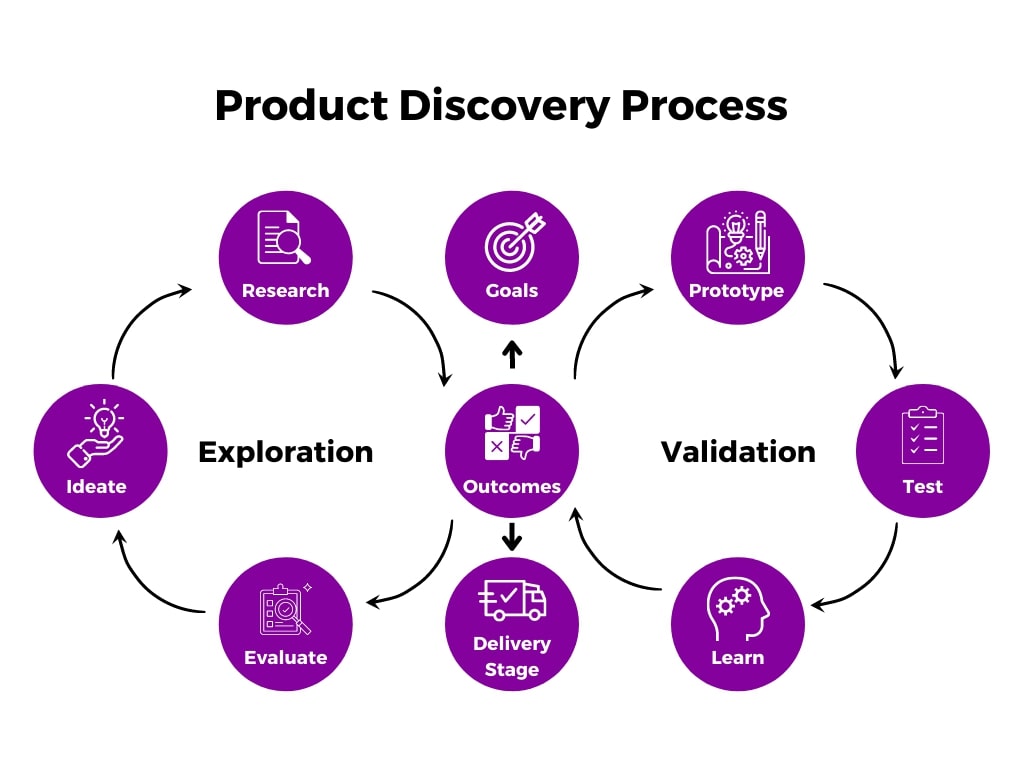
Continuous discovery process involves constantly learning about user needs and opportunities through various research activities such as user interviews and usability testing. The goal of continuous discovery is for product teams to have a tight feedback loop that enables the flow of insights to deliver on the best product experience for a user pain point, need or desire. The product discovery process The typical product discovery process starts with defining the domain or problem space (e.g e-commerce payments or ) you’re trying to solve a problem or set of problems in. The next step is to understand the user or customer segment you’re trying to solve these problems for. This helps the team focus the research on the right areas. You are essentially looking for opportunities to create value that users or businesses are willing to pay for. Once the problem space and user segments are defined, the team then moves on to researching the customer needs and opportunities by carrying out various activities such as user interviews, surveys, usability tests, customer feedback sessions and market research to have a better understanding of the most important problems to solve and the best solutions to them. The continuous discovery process There isn’t a perfect process for doing continuous product discovery and it varies across teams, companies and industries but one main benefit of a continuous product discovery process is that it allows for a more agile approach to product development. By continuously gathering customer feedback and incorporating it into the product, product teams are able to quickly pivot and make changes to improve the product and better meet the needs of your customers. This approach is especially useful in today’s fast-paced, technology-driven market which is constantly evolving meaning customer needs and preferences evolve quickly. How to run product discovery continuously The best teams are able to run product discovery in a continuous manner to build great products and continually improve them. These product teams continually search for new information about user needs, using research activities like weekly customer touch points and hypothesis testing, to uncover user and customer experience insights and user behaviour data. Tools for continuous product discovery It can be difficult to do continuous discovery without the right tools In order to implement a successful continuous product discovery process, it is important to have a dedicated team in place. This team should consist of individuals with a variety of skill sets, including product managers, designers, and developers. The team should also have access to tools and resources that will help them gather and analyse customer feedback, such as user testing software and market research tools. Once the team is in place, the continuous product discovery process can be broken down into a few key steps: Identify customer needs: The first step in the process is to identify the needs of your target customers. This can be done through market research, customer surveys, and other methods of gathering customer feedback. Generate ideas: Once you have a clear understanding of customer needs, the next step is to generate ideas for potential products or features. This can be done through brainstorming sessions, design thinking workshops, and other creative techniques. Test concepts: The next step is to test the viability of your ideas. This can be done through user testing, market validation, and other methods of gathering feedback from potential customers. Iterate and improve: Based on the feedback you receive, you can iterate on your ideas and make improvements to ensure that the product is as successful as possible. This may involve making changes to the product design, adding new features, or even scrapping an idea altogether and starting fresh. By following these steps and continuously gathering customer feedback, you can develop a product that truly meets the needs of your customers and stands a better chance of success in the market. A continuous product discovery process allows for flexibility and adaptability, which is essential in today’s fast-paced business environment. Benefits of continuous product discovery Product discovery is an essential part of the product development process. It is the process of identifying customer needs, validating ideas, and testing concepts to ensure that the product will be successful in the market. A continuous product discovery process is one that is ongoing and iterative, allowing for flexibility and constant improvement. Another advantage of a continuous product discovery process is that it can help reduce the risk of developing a product that fails in the market. By continuously testing and validating ideas, you can identify potential issues early on and make changes before investing too much time and resources into a concept that may not be successful. This can save your company time and money in the long run.
