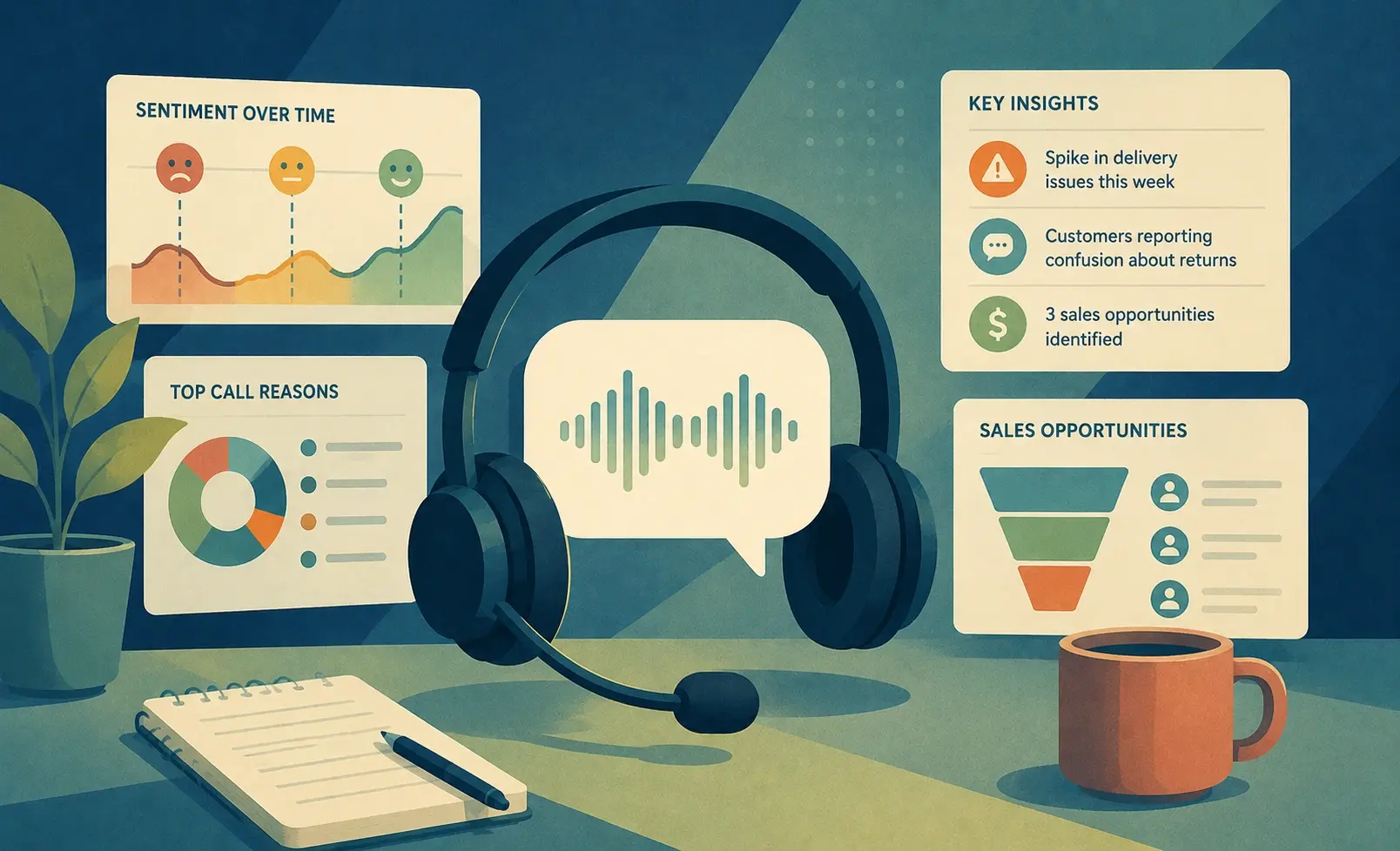
Sales managers evaluating AI coaching platforms in 2026 need more than a tool that records calls. The platforms worth deploying provide analytics dashboards that surface which reps need coaching, what to coach on, and whether prior sessions produced measurable improvement. This guide covers six platforms across the dimensions that matter most: coaching content source, manager analytics, and scalability.
How We Ranked These Platforms
Platforms were selected based on distinct architectural approaches to coaching analytics, verifiable market presence in AI-powered sales coaching, and suitability for ongoing performance development rather than one-time onboarding. Evaluation dimensions: coaching content source (40%), manager analytics and reporting (30%), roleplay and practice features (20%), and CRM and telephony integration (10%).
Manual QA teams typically cover only 3 to 10% of calls, according to ICMI contact center research. Platforms that close this gap with automated coverage generate the data layer that makes coaching analytics meaningful rather than anecdotal.
| Criterion | Weighting | Why It Matters for Sales Managers |
|---|---|---|
| Coaching content source | 40% | Coaching derived from actual call gaps is more precise than assumed skill gaps |
| Manager analytics and reporting | 30% | Managers need rep-level dashboards to prioritize coaching time |
| Roleplay and practice features | 20% | Practice volume determines whether identified gaps actually close |
| CRM and telephony integration | 10% | Data silos reduce adoption; integration is table stakes |
Pricing was intentionally not weighted. It varies by contract terms and team size in ways that make comparison misleading.
Which platform is best for coaching managers who want rep-level analytics?
Platforms built on automated call scoring produce the most actionable coaching analytics for managers. Insight7 and Gong both generate per-rep performance dashboards, but from different data sources. Insight7 derives insights from 100% of calls scored against custom criteria. Gong ties coaching data to pipeline outcomes for B2B deal cycles.
Dimension Analysis
How do platforms generate actionable insights for coaching managers?
The key difference across tools on coaching analytics is whether insights derive from actual call behavior or from proxy signals like content usage or curriculum completion. Insight7 builds rep-level analytics from automated scoring of 100% of recorded calls. Each rep gets a scorecard clustering multiple calls, with drill-down to individual interactions and the exact transcript evidence behind each score.
Gong generates analytics from deal and call data simultaneously. Managers see which talk tracks correlate with closed-won outcomes and which reps deviate from winning patterns. This is additive for B2B pipeline management but less useful in one-call-close environments.
Mindtickle and Highspot surface analytics from curriculum completion and content engagement rather than live call behavior. Second Nature and Allego score practice sessions rather than live conversations, which means analytics reflect simulated performance rather than real call outcomes.
See how Insight7 turns 100% call coverage into per-rep coaching assignments.
How does platform integration affect coaching analytics quality?
The key difference across tools on integration is whether call data flows automatically or requires manual upload. Platforms with direct telephony integrations process calls without human intervention. Manual upload introduces latency and gaps that degrade analytics completeness.
Insight7 integrates natively with Zoom (official partner), RingCentral, Google Meet, Microsoft Teams, and major CCaaS platforms. CRM connections include Salesforce and HubSpot. Gong has deep Salesforce integration that connects call data to opportunity records.
Mindtickle and Highspot integrate at the CRM layer but require separate call recording infrastructure. Allego and Second Nature focus on practice session data and have lighter telephony requirements since their core product does not analyze live calls.
Insight7
Insight7 scores 100% of recorded calls against configurable weighted criteria, identifying specific behavioral gaps per rep. Supervisors see which reps consistently underperform on discovery questions, compliance scripts, or objection handling, with transcript evidence for every score.
Pro: The gap-to-practice loop is automated. Identified weaknesses in QA scores generate targeted practice scenarios without requiring managers to manually assign content.
Fresh Prints, an outsourced staffing company, expanded from QA-only to the coaching module because the connection between scored call gaps and practice sessions eliminated the delay between identifying a weakness and addressing it.
Con: Initial criteria tuning to align AI scores with human QA judgment takes 4 to 6 weeks. Teams needing coaching analytics at day one will find this calibration period a constraint.
Mindtickle
Mindtickle focuses on revenue readiness through structured learning paths, AI-powered skill assessments, and call scoring layered onto curriculum. The platform is strongest when formal onboarding programs with competency milestones and manager certification workflows are required.
Pro: The integration between learning completion and CRM pipeline data gives managers a unified view of rep readiness and deal exposure simultaneously.
Con: Call analysis covers selective review rather than full-volume automated scoring. Coaching recommendations draw on sampled conversations rather than every rep interaction.
Gong
Gong delivers deal intelligence and call analysis for B2B sales cycles. Its manager analytics connect rep talk tracks to pipeline outcomes. Managers see which behaviors correlate with closed-won versus closed-lost at the opportunity level.
Pro: Gong's deal intelligence layer ingests CRM signals alongside call recordings, making coaching additive for revenue forecasting in ways QA-focused platforms cannot replicate.
Con: Consumer-facing or one-call-close environments get limited value from deal-cycle analytics. Pricing at the enterprise tier runs significantly higher than alternatives.
Second Nature
Second Nature delivers AI roleplay at scale. Reps interact with AI buyer personas, receive talk track scoring, and can retake sessions until they pass configured thresholds. Manager analytics show practice completion rates and session scores by rep and scenario.
Pro: Practice volume scales without requiring manager time per session. Reps complete multiple sessions independently, and managers see aggregate improvement data across the team.
Con: Analytics reflect simulated performance rather than live call behavior. Without connection to live call QA data, managers cannot confirm whether practice gains transfer to real customer interactions.
Highspot
Highspot centers on sales content management with coaching analytics built around content usage. Managers see which reps access the right content at the right deal stage and how content engagement correlates with win rates.
Pro: Content-to-outcome analytics give managers insight into which messages work at which stages, a layer of intelligence QA-focused platforms do not provide.
Con: Call-level behavioral analytics are secondary to content management. Teams needing coaching driven by actual call behavior will find the analytics layer less developed.
Allego
Allego combines video-based learning, peer content sharing, and AI scoring of video practice submissions. Manager analytics show which reps completed assignments, with timestamped feedback on video responses.
Pro: Asynchronous video removes scheduling friction for distributed teams. Managers review practice submissions on their own timeline without blocking rep availability.
Con: Video submission creates adoption friction for some teams. Completion rates vary significantly by culture, which distorts analytics completeness.
If/Then Decision Framework
If your primary use case is coaching analytics derived from actual call performance, then use Insight7, because it generates rep-level gap analysis from 100% of calls rather than sampled reviews.
If your organization requires formal competency certification before reps engage live prospects, then use Mindtickle, because its curriculum and call analytics integrate into a single readiness dashboard.
If your team runs complex B2B deals where pipeline progression is the primary coaching metric, then use Gong, because its deal intelligence connects rep behavior to closed-won outcomes at the opportunity level.
If your primary need is high-volume scripted practice repetitions for onboarding cohorts, then use Second Nature, because it scales session volume without requiring manager time per session.
If content message consistency is your primary coaching concern, then use Highspot, because its analytics connect content engagement to deal stage outcomes.
If your team is geographically distributed and asynchronous coaching is the only practical modality, then use Allego, because its async video format removes scheduling constraints across time zones.
FAQ
Which platforms provide insights and analytics for coaching managers?
Insight7, Gong, and Mindtickle are the strongest platforms for manager-facing coaching analytics. Insight7 generates per-rep scorecards from 100% of recorded calls. Gong ties analytics to B2B pipeline outcomes. Mindtickle combines curriculum completion with call scoring in a single readiness view.
Which platform is best for coaching managers?
For managers who need actionable insights derived from actual call behavior, Insight7 leads because it scores every call and clusters results into rep-level dashboards with transcript evidence. Gong is the better choice when deal-cycle analytics matter more than call-level behavioral detail.