Compliance risk in contact centers shows up in call data before it shows up in incident reports. Frustration escalations, scripted disclosure gaps, and refusal language are detectable patterns if you know which sentiment signals to configure and where to set alert thresholds. This guide covers the 6-step process for compliance managers building a sentiment-based risk monitoring system that connects AI scoring to training assignments.
What you need before you start: Access to your call recording infrastructure, a list of your compliance requirements, and agreement between compliance and operations on what constitutes a high-risk call. Plan for 2–3 hours of initial configuration and a 4–6 week calibration period before alert thresholds are reliable. According to ICMI research on contact center compliance monitoring, the most useful monitoring systems distinguish between service quality failures (recoverable) and regulatory compliance failures (require documentation and response).
How do you track compliance risk using AI sentiment scores?
Define which sentiment signals map to specific compliance requirements: frustration escalation, refusal language, and disclosure gaps. Configure AI scoring to detect those signals on every call using intent-based or exact-match detection as appropriate per criterion. Set alert thresholds that trigger on single compliance events, not averages, and route alerts to training assignments based on the specific signal type.
Step 1 — Define Which Sentiment Signals Indicate Compliance Risk
Not all negative sentiment is compliance risk. A customer frustrated about a shipping delay differs from a customer expressing confusion about a financial product's terms. The first is a service quality issue; the second may be a regulatory obligation to clarify.
Map your compliance requirements to specific sentiment signals before configuring any AI scoring. Three signal types cover most contact center compliance scenarios:
- Frustration escalation: Rising negative sentiment combined with agent tone shift away from acknowledgment language. Relevant for financial services, healthcare, and insurance calls where customer confusion under stress increases disclosure risk.
- Refusal language: Customer phrases expressing intent to report, escalate, or seek legal action. These calls require immediate compliance review regardless of agent scores.
- Scripted disclosure gaps: Agent call segments where required compliance language was absent or delivered in truncated form. Configure as exact-match detection, not intent-based.
Common mistake: Treating sentiment scores as compliance verdicts. A call with high negative sentiment from a frustrated customer who received excellent compliance-adherent service is not a compliance risk. Configure sentiment as one signal among multiple criteria.
Step 2 — Configure AI Scoring to Detect These Signals on Every Call
Configure separate scoring criteria for each signal type identified in Step 1. Each criterion needs a name, weight, and behavioral anchor describing what "risky" versus "compliant" looks like for that signal.
How Insight7 handles this step
Insight7's weighted criteria system supports both intent-based evaluation and script-exact compliance checking per criterion. For disclosure gaps, toggle to exact-match detection. For frustration escalation and refusal language, toggle to intent-based detection. Configure criteria weights based on regulatory exposure.
Manual QA teams cover only 3–10% of calls, according to Insight7 platform data from Q4 2025 to Q1 2026. For compliance purposes, this sampling rate means most high-risk calls go undetected until an incident report surfaces them. 100% coverage changes risk detection from reactive to proactive.
Decision point: Configure compliance criteria separately from quality criteria or combine them in one rubric. Separate rubrics allow compliance teams to access their specific data without navigating quality dimensions. Combined rubrics reduce overhead but make compliance-specific reporting harder to isolate.
Step 3 — Set Alert Thresholds for High-Risk Signals
Compliance alerts must trigger on individual call events, not on averages. A single call with a missing regulatory disclosure is a compliance event regardless of the agent's average score.
Configure three alert tiers:
- Tier 1 (immediate review required): Refusal language detected, explicit threats to report, any call where a required disclosure was entirely absent.
- Tier 2 (same-day review): Frustration escalation combined with disclosure language scoring below 60% quality threshold.
- Tier 3 (weekly compliance report): Agents with more than 3 calls in a 7-day period scoring below threshold on any compliance criterion.
Route Tier 1 alerts to compliance manager via Slack or email immediately. Tier 2 alerts to the agent's supervisor within 4 hours. Insight7's alert system delivers compliance alerts with the specific call, timestamp, and criterion flagged — so the compliance reviewer arrives already knowing which moment requires attention.
Common mistake: Setting thresholds too sensitive and flooding managers with alerts. Start with Tier 1 only for the first two weeks. Review the alert-to-action ratio: if fewer than 40% of Tier 1 alerts require action, the threshold is too low.
Step 4 — Build a Compliance Risk Dashboard by Agent and Team
A compliance risk dashboard aggregates individual call alerts into patterns revealing training needs and systematic risk exposure. An agent triggering 8 compliance alerts in one month has a different issue than a team where 6 of 8 agents trigger alerts on the same criterion.
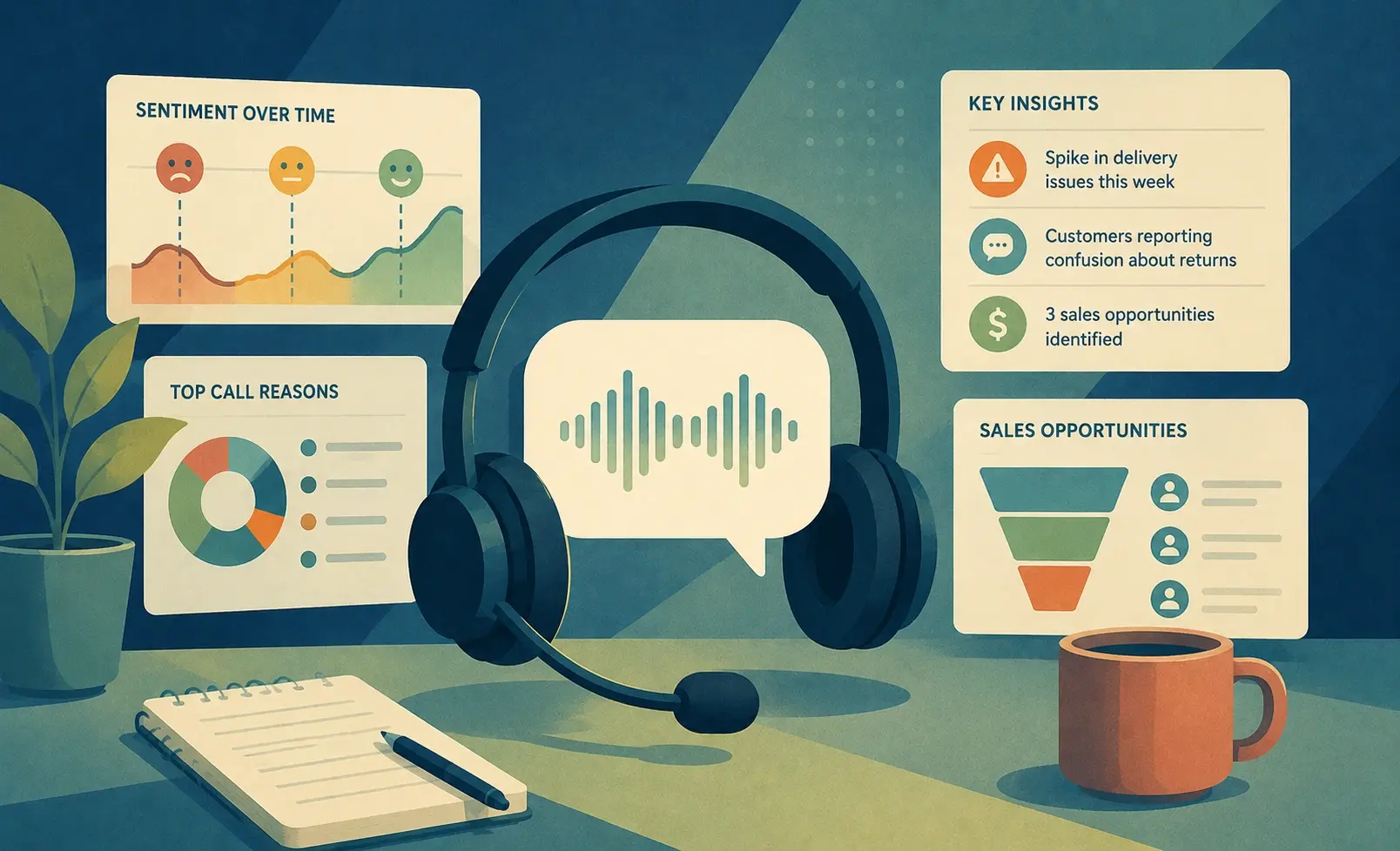
Configure your dashboard to display alert frequency by agent, alert distribution by criterion, and alert trend lines. Insight7's per-agent scorecards and alert tracking show individual risk profiles and team-level patterns in the same view. Compliance violations are tracked as open items with resolution status, not just flagged and forgotten.
Decision point: Agent-visible dashboards (increases self-accountability) versus manager-only access (protects against gaming). Most compliance programs use manager-only access with structured feedback sessions.
Step 5 — Connect Risk Flags to Training Assignments
An alert system without training routing produces a list of compliance failures that no one acts on. Map specific alert types to specific training responses automatically.
- Missing disclosure language: Assign the disclosure script review module and a roleplay scenario where the agent delivers the disclosure under challenging customer conditions.
- Escalation language detected: Assign de-escalation practice and a scenario where a customer expresses intent to report or escalate.
- Repeated Tier 2 alerts on the same criterion: Trigger a 1:1 compliance coaching session using the specific flagged calls as evidence.
Insight7's coaching module generates roleplay scenarios from the exact call types that triggered compliance alerts. An agent who repeatedly fails on disclosure delivery practices in scenarios built from their own call history.
Fresh Prints, an Insight7 customer, found that reps could practice against specific flagged behaviors immediately rather than waiting for the next coaching session. Insight7 tracks improvement over time with a clear before-and-after view of whether training is reducing alert frequency.
Common mistake: Assigning the same generic compliance training module regardless of which signal triggered the alert. Map alert types to training responses before the system goes live.
Step 6 — Measure Whether Training Reduces Flag Frequency
Define the measurement outcome before training starts: "After 6 weeks of targeted compliance training, Tier 2 alert frequency for disclosure-gap calls should decrease by 40% for trained agents."
Track per-criterion alert frequency for trained agents over a 6-week window following training completion. If alert frequency does not decrease, the training response is not addressing the root cause.
Common mistake: Measuring training completion rate instead of alert frequency change. Completion shows engagement; frequency change shows behavior change. Only the second metric demonstrates that the compliance program is reducing actual risk.
Report monthly to compliance leadership using before-and-after alert frequency data by criterion and agent cohort. This provides regulatory defensibility if an audit asks whether your compliance training is effective.
Can dashboards track training completion and behavioral compliance?
Yes, but they require two different data sources. Training completion comes from your LMS. Behavioral compliance — whether an agent actually delivers required disclosures on live calls — requires call scoring data from a platform like Insight7. Dashboards combining both give compliance managers the full picture: this agent completed training, and their alert frequency decreased 35% afterward.
What Good Looks Like
A well-configured compliance risk monitoring system produces measurable outcomes within 90 days:
- 100% of calls scored for compliance signal detection
- Tier 1 alerts triggering same-day review with documented resolution
- Per-agent risk profiles showing frequency trends by compliance criterion
- Alert frequency decreasing for agent cohorts that completed targeted training
FAQ
How do you track compliance risk using AI sentiment scores?
Define which sentiment signals map to your compliance requirements: frustration escalation, refusal language, and disclosure gaps. Configure AI scoring to detect those signals on every call using intent-based or exact-match detection per criterion. Set alert thresholds that trigger on single events, not averages. Route alerts to training assignments based on signal type.
Can dashboards track training completion and behavioral compliance?
Training completion and behavioral compliance require different data sources. Completion rates come from your LMS. Behavioral compliance — whether an agent delivers required disclosures on live calls — requires call scoring data. Dashboards combining both give compliance managers the full picture: training completed, and alert frequency decreased afterward.
What is a training dashboard for compliance monitoring?
A compliance training dashboard combines training activity data (modules assigned, sessions completed) and behavioral outcomes (alert frequency trends, per-criterion compliance scores over time). This shows whether training is changing the behaviors that generate compliance risk, not just whether reps are showing up.
How do you reduce false positives in compliance alert systems?
Start with only Tier 1 alerts and measure the alert-to-action ratio. If more than 60% of alerts require no action, the threshold is misconfigured. Add a second signal requirement (frustration escalation AND disclosure gap) before an alert fires. Recalibrate thresholds monthly during the first quarter.
Compliance manager building a call-based risk monitoring system? See how Insight7 handles sentiment-based compliance detection and training routing — see it in 20 minutes