


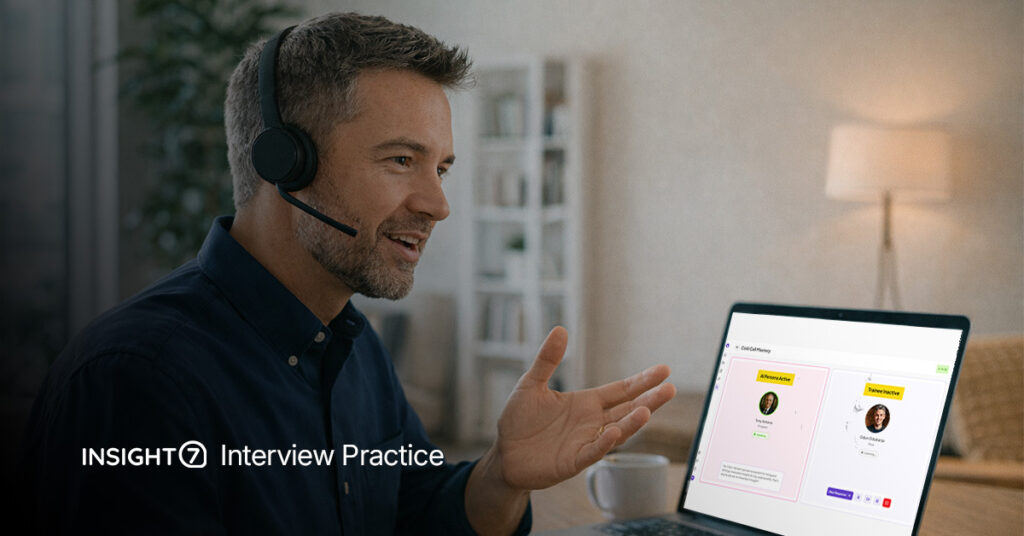
Biogen customer service interviews focus on managing the patient support programs for Biogen's specialty neurological therapies where patients with multiple sclerosis, spinal muscular atrophy, and Alzheimer's disease require ongoing access support, prior authorization assistance, financial assistance navigation, and infusion coordination that are as important to treatment success as the medicines themselves, supporting the healthcare provider teams at MS specialty practices, neuromuscular disease centers, and Alzheimer's diagnostic programs who coordinate TYSABRI infusions, SPINRAZA intrathecal injections, and LEQEMBI infusions for patients whose care requires precise scheduling, safety monitoring, and follow-up that depend on Biogen's patient services infrastructure, navigating the complex insurance coverage and reimbursement landscape for high-cost specialty neurology therapies where prior authorization requirements, specialty pharmacy coordination, and patient cost-sharing assistance programs determine whether patients can access and sustain treatment, and managing the safety monitoring coordination requirements for TYSABRI's TOUCH prescribing program and LEQEMBI's ARIA monitoring requirements where patient safety surveillance is a regulatory obligation that Biogen's customer service infrastructure must support reliably. The interview tests whether you understand how patient and healthcare provider services at a neurology-focused biotech company differs from customer service at a general pharmaceutical company, a medical device firm, or a consumer organization.
Start your free Biogen Customer Service practice session.
What interviewers actually evaluate
Patient Access and Insurance Navigation, Infusion Coordination and Provider Support, Specialty Pharmacy Services, and Safety Monitoring Program Support
Biogen customer service interviews probe whether you understand the specialty therapy access complexity, safety monitoring obligations, and patient-centered service model that define customer service in a neurology-focused biotech. Patient access and insurance navigation requires understanding how prior authorization requirements, medical exception processes, and financial assistance programs interact in the high-cost specialty neurology market where a patient's ability to access LEQEMBI or TYSABRI depends on multiple coverage and cost-sharing approvals that can each interrupt treatment initiation or continuity. Infusion coordination and provider support requires understanding how Biogen's patient services team supports the neurology practices and infusion centers that administer Biogen's IV therapies.
What gets scored in every session
Specific, sentence-level feedback.
| Dimension | What it measures | How to answer |
|---|---|---|
| LEQEMBI patient access navigation and Alzheimer's specialty service | Do you understand how Biogen's patient services team supports the Alzheimer's patients and caregiver-partners who are seeking to access LEQEMBI, including how you navigate the prior authorization requirements, amyloid confirmation testing coordination, and infusion scheduling process that are specific to LEQEMBI and that must be coordinated with both the prescribing neurologist and the infusion center where the patient will receive their biweekly treatments? | Describe how you would manage the patient services case for an Alzheimer's patient whose neurologist has prescribed LEQEMBI and whose family is ready to begin treatment, but who faces three concurrent access barriers including a commercial insurance prior authorization denial for LEQEMBI that requires a peer-to-peer appeal, a delay in amyloid PET scan scheduling that is required to confirm amyloid positivity before treatment initiation, and a cost-sharing obligation of $4,800 per infusion that is beyond the patient's financial capacity, including how you prioritize the resolution of each barrier in a sequence that avoids unnecessary delays in treatment initiation, how you coordinate the prior authorization appeal process with the neurologist's office to ensure the clinical documentation submitted supports the medical necessity argument, how you connect the patient and family with Biogen's financial assistance program and assess their eligibility for co-pay support, and how you communicate with the patient's caregiver about the realistic timeline for resolving all three barriers so they can plan appropriately |
| TYSABRI TOUCH program coordination and safety monitoring support | Can you describe how Biogen's patient services team supports the administration of TYSABRI's TOUCH prescribing program, which is an FDA-required Risk Evaluation and Mitigation Strategy that mandates patient registration, infusion site enrollment, and regular JC virus antibody testing to manage the risk of progressive multifocal leukoencephalopathy in MS patients receiving TYSABRI? | Walk through how you would manage the patient services response when a TYSABRI-enrolled MS patient's neurology practice calls to report that the patient's most recent JC virus antibody test has come back positive with an index value of 2.3, indicating elevated PML risk, and that the neurologist wants guidance on the risk communication process and whether the patient should continue TYSABRI therapy, including how you verify the patient's TOUCH enrollment status and prior JC antibody testing history to provide the practice with accurate risk stratification information, how you facilitate the neurologist's access to the TOUCH program's PML risk stratification tool and Biogen's medical affairs team for a complex risk-benefit discussion, what the patient communication approach looks like for a patient with elevated PML risk who may be asked to choose between continuing a highly effective MS therapy with elevated risk or transitioning to an alternative treatment, and how you document the case interaction in compliance with TOUCH program regulatory requirements |
| Specialty pharmacy and prior authorization coordination for MS biologics | Do you understand how Biogen's patient services team coordinates with specialty pharmacies and manages the prior authorization process for its MS biologic portfolio including TYSABRI, VUMERITY, and PLEGRIDY, including how you navigate insurance coverage restrictions, step therapy requirements, and formulary management policies that complicate patient access to the neurologist's prescribed therapy? | Explain how you would manage the patient services case for a relapsing-remitting MS patient who has been prescribed VUMERITY by her neurologist but whose insurance plan requires step therapy with a generic dimethyl fumarate product first despite the patient's documented intolerance to the gastrointestinal side effects of the generic formulation, including how you assess whether the patient's documented intolerance history constitutes a medical exception that can be used to bypass the step therapy requirement for VUMERITY, how you coordinate with the neurologist's office to develop the prior authorization exception documentation that includes the patient's side effect history and the clinical rationale for prescribing VUMERITY rather than the generic alternative, what the timeline looks like for the exception review process and how you keep the patient informed and on a bridging care plan if the exception review extends beyond her next scheduled dose, and how you manage the reauthorization process if the initial exception request is denied and the neurologist needs to pursue an internal appeal |
| SPINRAZA patient access and SMA patient support services | Can you describe how Biogen's patient services team supports the infants, children, and adults with spinal muscular atrophy who are receiving SPINRAZA intrathecal injections, including how you coordinate the access, scheduling, and treatment support services for a patient population that includes medically fragile infants who require intensive coordination between the prescribing neuromuscular disease specialist, the hospital infusion team, and the specialty pharmacy? | Describe how you would manage the patient services case for a six-month-old infant with SMA Type 1 whose neurologist has prescribed SPINRAZA and whose family is working to coordinate the treatment initiation, including how you assist the family in navigating Medicaid coverage for SPINRAZA in a state where Medicaid has imposed prior authorization requirements with specific clinical criteria for SMA Type 1 infants, how you coordinate with the neuromuscular disease center's infusion team to schedule the loading dose series of four intrathecal injections over 63 days in a way that accommodates the infant's medical complexity, how you connect the family with Biogen's financial assistance program to address any cost-sharing that Medicaid may not cover, and how you develop the ongoing patient services relationship that supports the family through the transition from the loading dose series to the maintenance injection schedule of one injection every four months |
How a session works
Step 1: Choose a Biogen customer service scenario: LEQEMBI access case with simultaneous prior authorization denial, amyloid testing delay, and co-pay barrier, TYSABRI TOUCH program case management for a patient with newly positive high-index JC virus antibody result, VUMERITY step therapy exception coordination for a patient with documented dimethyl fumarate intolerance, or SPINRAZA SMA Type 1 infant Medicaid prior authorization and loading dose series coordination.
Step 2: The AI interviewer asks realistic neurology biotech patient services questions: how you would prioritize the resolution sequence for three simultaneous LEQEMBI access barriers, how you would facilitate the neurologist's PML risk-benefit conversation for a TYSABRI patient with elevated JC virus index, or how you would develop the medical exception documentation for a VUMERITY step therapy override.
Step 3: You respond as you would in the actual interview. The system scores your answer on access barrier navigation specificity, safety monitoring coordination depth, and patient-centered communication quality.
Step 4: You get sentence-level feedback on what demonstrated genuine neurology biotech patient services expertise and what needs stronger specialty pharmacy knowledge or REMS program specificity.
Frequently Asked Questions
What is LEQEMBI and why does it require specialized patient services?
LEQEMBI (lecanemab) is Biogen's anti-amyloid antibody therapy for early Alzheimer's disease, developed in partnership with Eisai, that received traditional FDA approval in 2023 as the first disease-modifying treatment for Alzheimer's. LEQEMBI requires specialized patient services because treatment involves intravenous infusions every two weeks at an infusion center or appropriate clinical setting, requires confirmation of amyloid pathology through PET scan or CSF testing before initiation, and requires regular MRI monitoring for amyloid-related imaging abnormalities, a class of side effects that can occasionally be serious. The combination of infusion scheduling complexity, amyloid confirmation testing coordination, ARIA monitoring requirements, and the high cost of treatment creates a patient services need that is more intensive than most other neurology therapies.
What is the TYSABRI TOUCH program and why does it exist?
TYSABRI's TOUCH prescribing program is an FDA-mandated Risk Evaluation and Mitigation Strategy that was established because TYSABRI carries a risk of progressive multifocal leukoencephalopathy, a serious brain infection caused by JC virus reactivation that can occur in patients on TYSABRI who have prior JC virus exposure and high JC virus antibody levels. The TOUCH program requires that all patients receiving TYSABRI be enrolled in the program, that infusion sites be certified TOUCH providers, and that patients undergo regular JC virus antibody testing to assess their PML risk so that neurologists and patients can make informed decisions about continuing or discontinuing TYSABRI based on their individual risk profile. Biogen's patient services team supports the TOUCH program by managing patient and infusion site enrollment, tracking JC antibody testing schedules, and facilitating the risk communication and prescribing decision support that neurologists need when patients' JC antibody results indicate elevated PML risk.
How does Biogen support patients who cannot afford their specialty neurology medications?
Biogen operates patient financial assistance programs for each of its marketed products that provide co-pay assistance to eligible commercially insured patients who have significant out-of-pocket cost sharing and free product to uninsured and underinsured patients who meet financial eligibility criteria. For LEQEMBI, the financial assistance program is particularly important because the therapy's list price creates substantial cost-sharing obligations for commercially insured patients whose health plans have high deductibles or specialty tier cost sharing. For Medicaid patients, Biogen's patient services team focuses on supporting the prior authorization process and documenting the clinical criteria required for Medicaid coverage, since co-pay assistance programs are generally not available for government-insured patients and the primary access mechanism is through Medicaid formulary coverage. Patient advocacy organizations in the Alzheimer's, MS, and SMA communities are also important partners for patient financial navigation.
How does the specialty pharmacy model affect patient access to Biogen's products?
Most of Biogen's MS oral and injectable therapies are distributed through specialty pharmacies that specialize in high-cost, complex medications requiring special handling, storage, patient counseling, and adherence monitoring. The specialty pharmacy model affects patient access because patients' insurance coverage may limit which specialty pharmacies they can use, and different specialty pharmacies vary in their efficiency with prior authorization processing, co-pay assistance application, and patient communication. Biogen's patient services team works with a network of preferred specialty pharmacies that have demonstrated high performance on TYSABRI TOUCH compliance, co-pay assistance program enrollment, and patient adherence monitoring, while also supporting patients whose insurance requires them to use a specific specialty pharmacy that may not be in Biogen's preferred network.
What role does Biogen's nurse educator team play in patient services?
Biogen's nurse educator team provides clinical education and support to patients initiating TYSABRI, SPINRAZA, and other complex biologic therapies that require patients and caregivers to understand the treatment protocol, side effect monitoring requirements, and safety monitoring procedures that are critical to treatment safety and effectiveness. For TYSABRI, nurse educators help patients understand the JC virus monitoring schedule, the signs and symptoms of PML that require immediate medical attention, and the TOUCH program enrollment and monitoring requirements. For SPINRAZA patients and families, nurse educators help caregivers understand the intrathecal injection procedure, the treatment schedule, and the SMA disease monitoring that helps neurologists assess treatment response. The nurse educator program is a differentiating component of Biogen's patient services model that supports patient adherence and safety monitoring compliance in ways that the specialty pharmacy and patient access teams alone cannot provide.
Also practice
One full session free. No account required. Real, specific feedback.








