




Conversation Journey Mapping is an essential tool for understanding and visualizing customer experiences derived from conversations. In today's fast-paced digital world, organizations struggle to translate vast amounts of conversational data into meaningful insights. This process allows businesses to identify key touchpoints and friction points throughout the customer journey, enabling them to enhance customer interactions over time.
By focusing on the detailed journey that customers take, from initial inquiries to resolving issues, organizations can better align their strategies with actual customer needs. The visualization of these journeys not only illuminates areas for improvement but also helps in transforming feedback into actionable insights. Ultimately, mastering Conversation Journey Mapping can lead to improved customer satisfaction and loyalty.
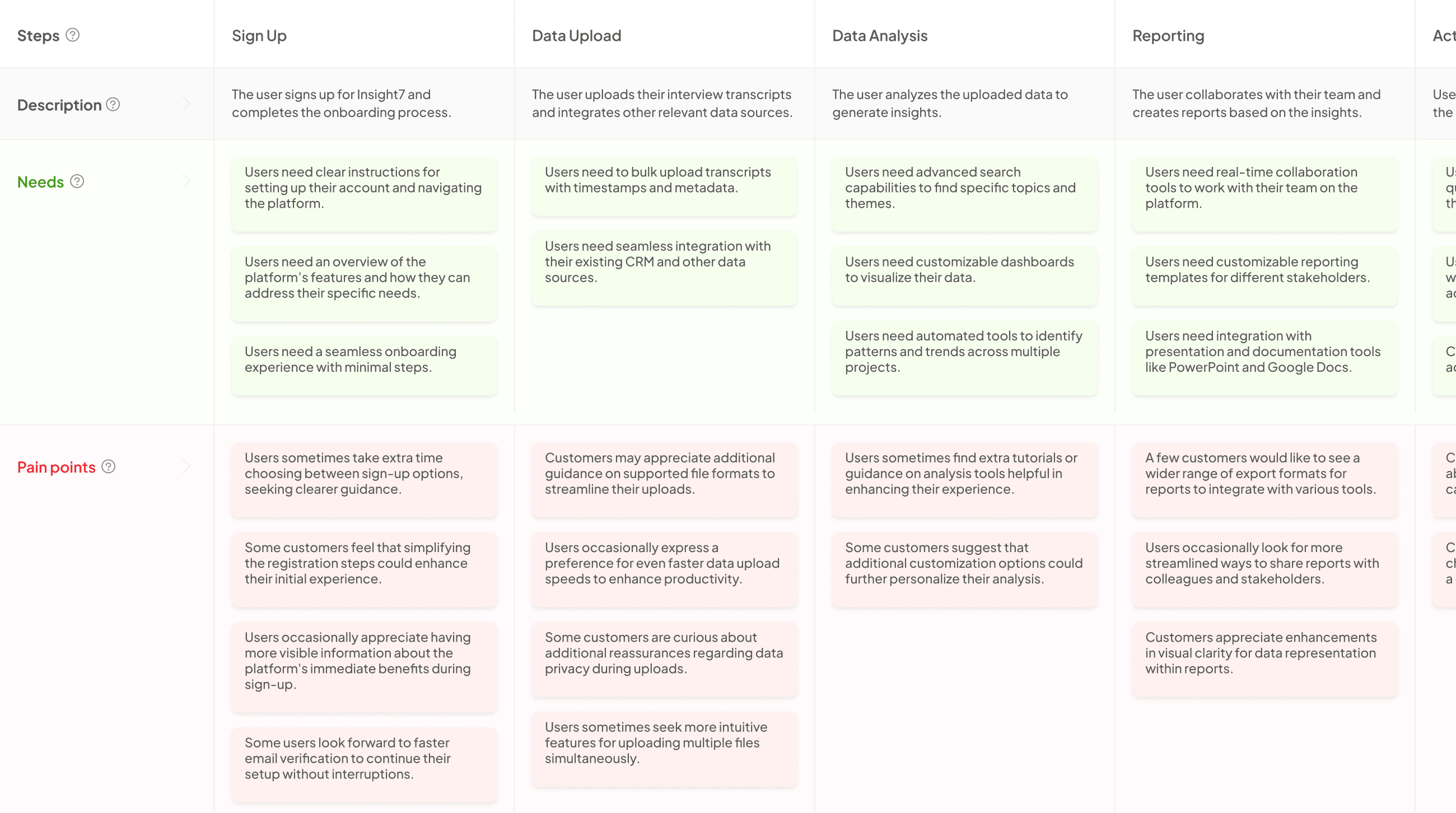
Understanding the Concept of Conversation Journey Mapping
Conversation Journey Mapping is an essential tool for understanding how customers engage during their interactions. This process involves visualizing each stage of a customer's journey, from initial research to final decision-making. By following the customer’s dialogue, we can identify what excites and frustrates them at various points. This sequential mapping allows organizations to pinpoint specific friction areas, uncover customer needs, and create tailored solutions.
Effective Conversation Journey Mapping offers insights that enable organizations to adapt and improve their engagement strategies. It illustrates the significant touchpoints where customer sentiments arise, helping teams enhance communication and develop more effective services. Ultimately, this approach not only maps the journey but drives deeper empathy for the customer experience, reinforcing the connection between the organization and its clients. By visualizing these interactions, organizations can better align their offerings with customer expectations and enhance overall satisfaction.
What is Conversation Journey Mapping?
Conversation Journey Mapping is a strategic approach to visualize conversations between customers and businesses. It focuses on identifying various touchpoints throughout the conversation journey, helping organizations understand customer experiences in detail. By mapping these conversations, it's possible to uncover patterns, pain points, and moments of satisfaction. This clarity aids in refining engagement strategies based on actual customer interactions.
The process involves collecting conversation data, analyzing it for insights, and transforming these insights into actionable visual representations. Visualization plays a crucial role, as it allows stakeholders to see the customer journey from initial inquiry to decision-making. The end goal is to enhance customer satisfaction by addressing pain points and providing a smoother experience overall. Properly understanding and implementing Conversation Journey Mapping can lead to improved service delivery and increased customer loyalty.
Why Conversation Journey Mapping Matters
Effective conversation journey mapping plays an essential role in understanding customer experiences. By visualizing interactions, businesses can identify critical touchpoints that influence customer decisions. This mapping process enables organizations to pinpoint friction points, improving overall user satisfaction. When you recognize patterns in conversations, it becomes easier to anticipate customer needs and preferences, leading to tailored services.
Moreover, conversation journey mapping allows for actionable insights derived from user data. These insights can inform service improvements or new product developments that align more closely with customer expectations. Businesses that prioritize such mapping foster deeper relationships with clients by addressing pain points and enhancing overall experiences. In today's competitive market landscape, leveraging conversation journey mapping is not just an option; it's a necessary strategy for sustainable growth and customer loyalty.
Tools for Visualizing Journey Maps from Conversations
Visualizing journey maps from conversations requires reliable tools that transform insights into actionable visuals. Several platforms excel in making this task manageable, allowing you to create clear representations of customer interactions. For example, Miro is a popular choice for its collaborative mapping features, letting teams discuss and design simultaneously. Smaply offers robust visualizations that encapsulate intricate customer journeys, bringing detail to your discussions.
UXPressia stands out with its comprehensive approach to customer experience mapping, integrating various metrics for profound insights. Gliffy provides a straightforward diagramming solution, making it simple to map your conversations in an organized manner. When selecting tools, consider factors like collaboration features, ease of use, and the depth of visualization provided. Each option serves a unique purpose, so aligning your choice with your specific needs will enhance your understanding of conversation journey mapping.
Insight7: Transforming Conversations into Visual Maps
Transforming conversations into visual maps involves the crucial process of Conversation Journey Mapping. This method allows organizations to extract valuable insights from customer interactions, creating a visual representation of the journey. By actively listening to customer feedback, businesses can better understand pain points and opportunities for improvement throughout the customer experience.
To effectively convert conversations into journey maps, follow these steps: First, collect data from various customer interactions, including interviews and feedback sessions. Second, identify key touchpoints that impact the customer's journey. Then, visualize this data in a coherent format, highlighting the customer’s emotions and experiences at each stage. Finally, interpret and refine the visual map to ensure it accurately reflects customer insights and informs future business strategies. By employing Conversation Journey Mapping, organizations can engage more effectively with customers and foster a deeper understanding of their needs.
Other Top Tools for Journey Mapping
When exploring other top tools for journey mapping, several platforms stand out in their ability to visualize customer experiences informed by conversation data. Miro provides a collaborative mapping environment, allowing teams to brainstorm and build visual maps collectively. This fosters creativity and enhances shared understanding of customer interactions while addressing potential friction points.
Smaply offers an in-depth view, focusing on detailed journey visualization. Users can map out customer interactions step-by-step, making it easier to identify pain points and opportunities for improvement. Similarly, UXPressia excels in comprehensive customer experience mapping, providing an intuitive interface for visualizing customer journeys tailored to specific personas. Lastly, Gliffy simplifies the diagramming process, allowing quick and effective journey maps to be created without extensive design skills. Each of these tools serves a unique purpose, contributing to a clearer understanding of conversation journey mapping. By selecting the right tool, organizations can turn raw conversational data into actionable insights.
- Miro: Collaborative Mapping
Miro serves as an ideal platform for collaborative mapping, particularly when developing conversation journey maps. With its intuitive interface, teams can visually represent discussions and insights derived from customer interactions. Collaborating in real-time allows participants to add notes, share observations, and highlight critical touchpoints, ensuring that everyone's learnings contribute to a richer understanding of the journey.
Creating effective conversation journey maps in Miro involves several key steps. First, gather all relevant conversation data, including transcripts and customer feedback. Next, identify key themes and pain points that emerge from those discussions. By utilizing Miro's visual elements, you can structure this data in a way that is easily digestible, making it simpler to identify trends and insights. Finally, this collaborative approach not only enhances the mapping experience but fosters deeper discussions, ultimately guiding your team in crafting more effective strategies for customer engagement.
- Smaply: Detailed Journey Visualization
Detailed journey visualization allows organizations to decipher customer experiences through engaging graphics. By focusing on crucial touchpoints, it illuminates where customers experience friction and satisfaction. In the context of conversation journey mapping, this visualization brings to life the pathways that customers take during their interactions, revealing opportunities for improvement.
When creating detailed journey visuals, start by gathering insights from conversations. Identify key segments within the dialogue, such as initial contact, problem-solving efforts, and closure. Next, map these segments visually to highlight emotional touchpoints and pain points along the journey. This process not only uncovers critical areas needing attention but also informs strategies for enhancing customer experiences. Through these detailed visuals, businesses gain a deeper understanding of user journeys, enabling more effective engagement and support.
- UXPressia: Comprehensive Customer Experience Mapping
Visualizing customer experiences begins with understanding the intricacies of each conversation. Journey mapping allows businesses to take transcript data and synthesize it into meaningful visuals. By identifying key touchpoints and interaction patterns, stakeholders can pinpoint where users experience friction and derive actionable insights. This method is essential for enhancing customer satisfaction and streamlining interactions.
Creating a journey map involves several crucial steps. First, gather conversation data to identify themes and sentiments expressed by customers. Next, pinpoint critical touchpoints within these conversations that affect the overall experience. Once you have this information, you can start to visualize your findings in a clear and engaging format. Finally, it's important to interpret the map carefully to enrich your understanding and improve your strategies based on the insights gathered. Through effective conversation journey mapping, organizations can transform mere discussions into powerful tools for enhancing customer experience.
- Gliffy: Simple Diagramming and Mapping
Visualizing journey maps from conversations can significantly enhance understanding of customer experiences. Gliffy stands out as an intuitive tool designed for simple diagramming and mapping. With its user-friendly interface, you can seamlessly translate insights from conversation journey mapping into structured diagrams. This makes it accessible, even for those without design expertise.
To effectively utilize Gliffy for conversation mapping, consider these steps: First, gather all relevant conversation data to identify trends and touchpoints. Next, draft a visual representation of the customer journey, capturing the key interactions. Then, refine your map by integrating any additional insights that emerge from your analysis. By visually outlining the conversation journey, you not only clarify the customer experience but also identify opportunities for improvement and innovation. Ultimately, Gliffy transforms complex data into a digestible format, fostering collaboration and informed decision-making.
Steps to Create a Conversation Journey Map
Creating a Conversation Journey Map can significantly enhance your understanding of customer experiences. The first step involves collecting and analyzing conversation data. Start by gathering transcripts from various interactions, such as calls or chats. Pay attention to the content, tone, and emotional cues within these conversations. This analysis will help you identify patterns and key themes.
Next, you need to identify the touchpoints within the conversations. Look for critical moments where customer needs, pain points, or decisions emerge. Once you have these touchpoints, you can visualize the journey map by charting these moments along a timeline. This map should highlight both positive experiences and areas that require improvement. Finally, interpret and refine the map based on insights gathered. An iterative approach will ensure your journey map remains relevant and actionable, ultimately paving the way for enhanced customer experiences.
Step 1: Collecting and Analyzing Conversation Data
To embark on your journey of visualizing conversations, you must first focus on the crucial step of collecting and analyzing conversation data. Begin by transcribing your recorded conversations. This transcription serves as the foundation for deeper analysis. By transforming audio files into text, you can easily extract insights that reveal customer sentiments, pain points, and needs. Look for tools that allow bulk transcription, enabling you to handle multiple files at once efficiently.
Once you have your transcriptions, the next phase involves careful analysis. Identify themes and patterns within the conversations that could impact your mapping process. Utilize filtering options to isolate specific insights, like customer objections or areas of satisfaction. You can also summarize each interaction, highlighting key quotes that support your analysis. This structured approach not only enables the visualization of the conversation journey but also helps in crafting a narrative that truly reflects customer experiences.
Step 2: Identifying Key Touchpoints in the Conversation
Identifying key touchpoints in conversations is crucial for effective journey mapping. Each interaction with customers is a potential insight into their experiences, expectations, and pain points. Begin by reviewing transcripts or recordings of your conversations. Look for recurring themes or questions that can highlight pivotal moments in the customer journey.
To effectively map these touchpoints, consider the following steps:
Highlight Emotional Highs and Lows: Identify moments where customers express strong emotions—either positive or negative. These often indicate critical touchpoints that can influence their overall journey.
Pinpoint Frequently Mentioned Issues: Look for common pain points mentioned across multiple conversations. Understanding these can help prioritize areas for improvement.
Track Decision Points: Recognize the moments when customers indicate a decision to continue or disengage. These are vital to understanding their journey's trajectory.
By compiling and analyzing these touchpoints, you can create a visual representation that encapsulates the essence of their journey, allowing for a more targeted approach to improving customer experience and satisfaction.
Step 3: Visualizing the Journey Map
Visualizing the journey map is a critical step in Conversation Journey Mapping. This process allows you to take dense data from conversations and translate it into a visual format that highlights customer experiences. First, chart the entire customer journey, starting from initial research, moving through product consideration, and ending with decision-making moments. Each segment should illustrate user interactions, underpinning their needs and any friction points encountered along the way.
Furthermore, graphical representations can actively showcase key insights, enabling stakeholders to make informed decisions. Consider incorporating elements like timelines, pain points, and recommended actions as part of your visual map. These tools not only clarify the overall experience but also serve as a compelling narrative tool, ensuring that everyone involved understands each stage. Ultimately, a well-visualized journey map can uncover valuable opportunities for enhancement in the customer experience.
Step 4: Interpreting and Refining the Map
In this stage, interpreting and refining the journey map is essential to uncover deeper insights from your conversations. Begin by thoroughly reviewing the patterns and themes identified during the mapping process. Pay attention to recurring pain points and key insights that emerged, as these form the foundation of your refined understanding. This reflection not only clarifies user needs but also exposes gaps in current service or product offerings.
Next, engage with your data critically. Use metrics to quantify feedback and assess the impact of various touchpoints. By organizing insights into actionable recommendations, you transform raw data into a strategic direction. Mapping should be a dynamic tool, regularly updated as new conversations unfold. Iteratively refining the map allows for continuous improvement and a deeper connection to your audience. Ultimately, this approach to Conversation Journey Mapping fosters a genuine understanding of customer experiences, empowering better decision-making based on concrete insights.
Conclusion: The Impact of Conversation Journey Mapping on Understanding Customer Experiences
Conversation Journey Mapping profoundly enhances our understanding of customer experiences by translating conversations into visual representations. These maps provide actionable insights, allowing businesses to identify customer needs, pain points, and opportunities for improvement. By visualizing the entire customer journey—from research to decision-making—organizations can strategically refine their offerings and enhance user satisfaction.
Moreover, the insights gained from journey mapping help in recognizing friction points that customers encounter during their interactions. This clarity fosters targeted enhancements, ultimately leading to a more customer-centric approach. In today's competitive landscape, effectively utilizing Conversation Journey Mapping can be a vital tool for creating meaningful and responsive customer experiences.