
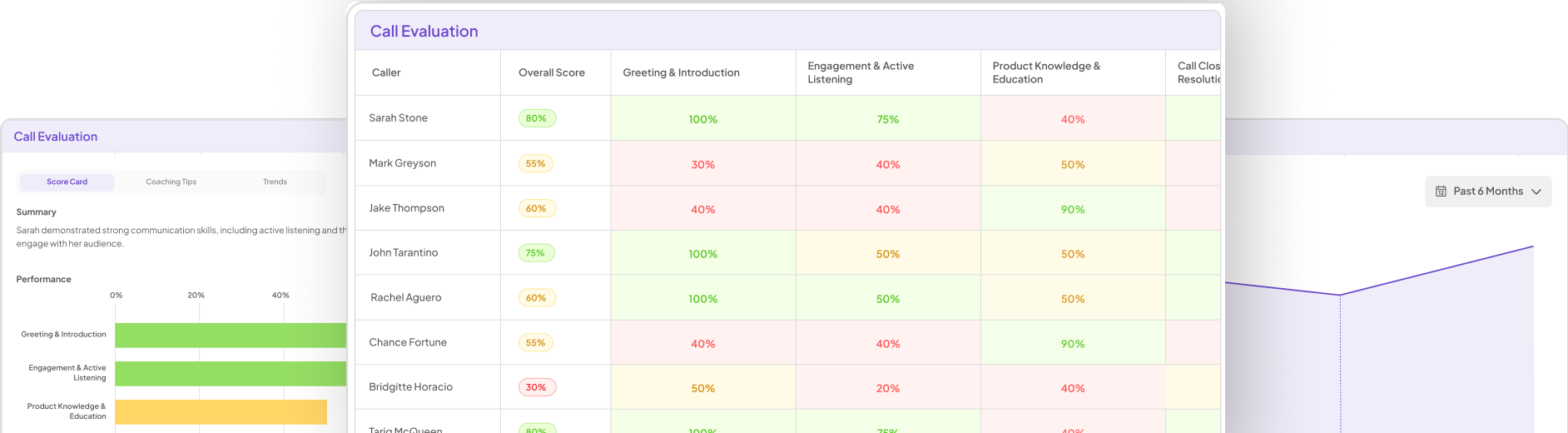
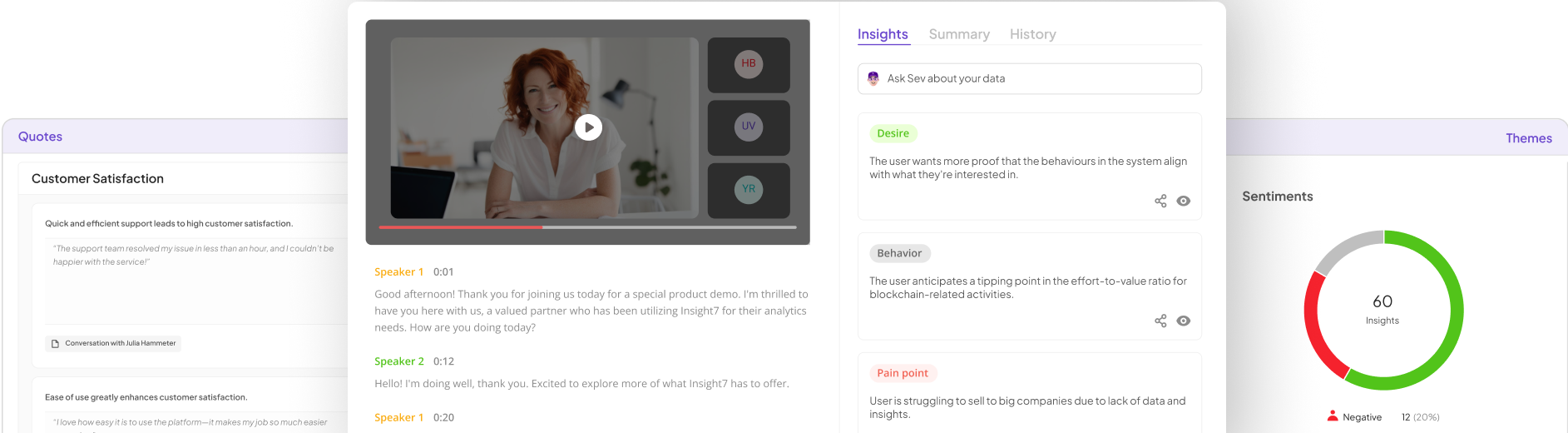


Usability Testing Tools play a pivotal role in gathering insights from user interviews, enabling organizations to refine their products and services. In today’s fast-paced business environment, understanding user needs through effective interview analysis is vital for staying competitive. The right tools can streamline this process, converting raw data from customer conversations into actionable insights efficiently.
By employing usability testing tools, teams can save time and improve collaboration when assessing user feedback. These tools not only facilitate the organization of insights but also enhance the overall quality of analysis. This section will delve into essential tools and methods, providing you with a comprehensive understanding of how to maximize your interview analysis processes.
Understanding Usability Testing Tools
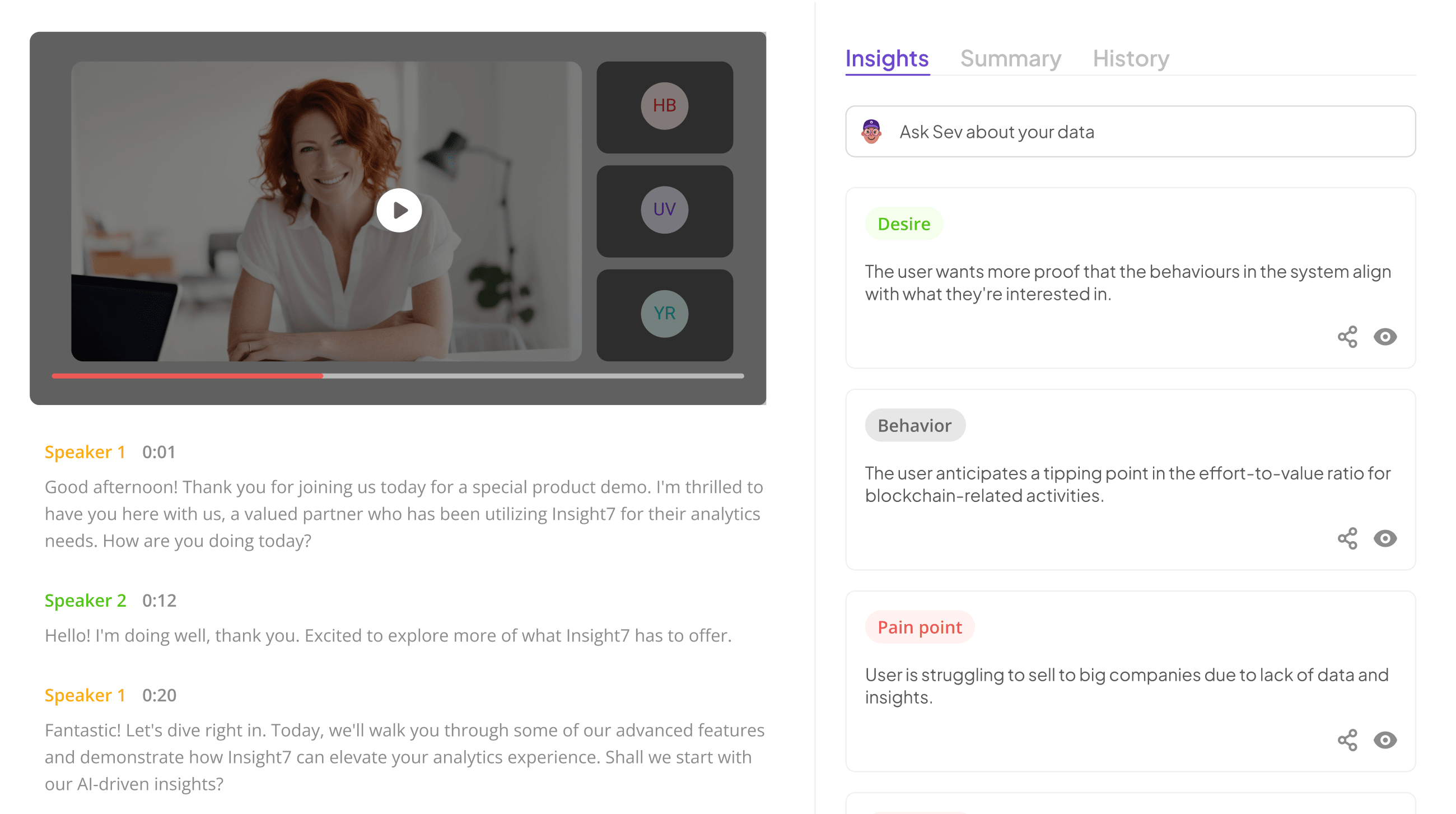
Usability testing tools play a crucial role in gathering insights that enhance user experience. They are designed to record, analyze, and interpret user interactions with products or services, making them essential for usability testing. With these tools, researchers can effortlessly manage data from various channels and turn raw interactions into meaningful insights.
The effectiveness of usability testing tools lies in their ability to simplify complex processes. For example, they often feature templates that guide evaluations and allow for the easy extraction of user quotes and themes. This structured approach enables teams to focus on specific objectives, whether assessing customer service quality or ensuring compliance in communication. Ultimately, selecting the right usability testing tools empowers organizations to derive actionable results and enhance overall user satisfaction.
What Are Usability Testing Tools?
Usability Testing Tools are essential for conducting effective interview analysis, enabling researchers to gather meaningful insights from users. These tools provide various functionalities, such as recording, transcribing, and analyzing user interviews. By leveraging these capabilities, you can easily evaluate user interactions and derive actionable feedback from spoken responses.
There are several types of Usability Testing Tools, each designed for specific aspects of user research. For instance, some tools focus on qualitative analysis, allowing researchers to identify themes and patterns in user feedback. Others emphasize the organization of interviews, ensuring that data is easily retrievable during analysis. Choosing the right tool depends on your specific needs, whether it’s enhancing collaboration, simplifying data management, or improving reporting. Ultimately, Usability Testing Tools help optimize the interview process and enhance the quality of insights derived from user interactions.
Why Are They Important for Interview Analysis?
Usability testing tools play a crucial role in interview analysis by streamlining the process of gathering user feedback. These tools enable teams to conduct interviews more efficiently, capturing vital customer insights that inform product design and development. When you analyze interviews effectively, the results can lead to actionable strategies, minimizing the gap between customer needs and business objectives.
Moreover, usability testing tools automate data collection and analysis, reducing the time required to glean meaningful insights from customer interactions. They facilitate collaboration among team members, ensuring that critical information remains accessible and organized. By leveraging these tools, organizations can act swiftly on customer feedback, creating a competitive advantage in their respective markets. Ultimately, the importance of usability testing tools lies in their ability to transform raw interview data into valuable insights that guide effective decision-making.
How-to Guide for Conducting Usability Testing Interviews
Conducting usability testing interviews is a critical step in gathering valuable insights about user experience. To kick off this process, it is essential to prepare thoroughly. Begin by defining your objectives clearly, focusing on what you want to learn from the users. This clarity will guide your entire process, ensuring that the data collected is both relevant and actionable. Next, select the right participants who represent your target users effectively, as their feedback will directly influence your findings.
Once you have your objectives and participants in place, structure your interview format. A structured approach ensures the interview flows logically, covering all necessary topics. Employ effective questioning techniques that encourage participants to share their thoughts openly and provide genuine feedback. This combination of preparation and execution will help you maximize the value of usability testing tools and ensure comprehensive interview analysis.
Preparing for the Interview
Preparing for a usability testing interview is a crucial step that requires careful consideration and planning. Start by defining your objectives clearly. Knowing what you want to achieve helps in crafting targeted questions and determining the best usability testing tools for your specific needs. This clarity guides the entire interview process and ensures that the data collected is relevant and actionable.
Next, select participants who represent your target audience. Their feedback will provide deeper insights into usability issues. It’s also essential to create a comfortable environment that encourages open communication and honest input. This preparation sets the stage for a successful usability testing interview, allowing you to extract valuable insights that can drive design improvements and enhance user experiences. By focusing on these key aspects, you position yourself to gain the most from your usability testing efforts.
Step 1: Define Your Objectives
Before embarking on usability testing, it's crucial to clearly define your objectives. Start by identifying what specific aspects of user experience you wish to evaluate. Are you aiming to enhance product functionality, streamline navigation, or understand user behavior? Tailoring your objectives will not only guide your testing approach but also ensure meaningful insights.
Next, consider aligning objectives with the capabilities of various Usability Testing Tools. Each tool may offer unique features that support different objectives. For instance, if your goal is to observe real-time interactions, tools like UserTesting facilitate live user feedback. Alternatively, if your focus is on analytics, Hotjar could provide the necessary insights into user behavior patterns. Establishing clear objectives sets the foundation for a successful testing process, leading to better user experiences and informed product decisions.
Step 2: Select the Right Participants
Selecting the right participants for usability testing is crucial for collecting valuable insights. It is essential to define the user profile that reflects your target audience. This ensures that the feedback you receive is relevant and applicable to your product's intended users. Engaging participants who mirror your actual user base will yield insights that can directly influence product improvements.
When identifying potential participants, consider various factors, such as demographics, experience levels, and familiarity with similar products. It's also vital to ensure diversity among the participants to capture a wide range of perspectives. Implementing Usability Testing Tools can streamline participant selection, automate outreach, and help maintain organized records of participant feedback. By focusing on the right mix of participants, you can enhance the effectiveness of your usability testing, ultimately leading to a better user experience and product success.
Conducting the Interview for Usability Testing
Conducting the interview for usability testing is a critical step in understanding user behavior and improving product design. A well-structured interview can yield valuable insights. To achieve this, start by creating a structured format. An outline helps keep the discussion focused and ensures that all relevant topics are covered. A clear agenda also allows participants to prepare, fostering a productive environment for exploration.
Next, employ effective questioning techniques. Open-ended questions encourage participants to share their experiences and thoughts freely. This can lead to unexpected insights that closed questions might miss. Additionally, be a mindful listener, allowing participants to elaborate on their responses. This not only builds rapport but also enhances the richness of the data collected. Overall, utilizing suitable usability testing tools can facilitate this process and help analyze the findings effectively, ensuring your research is insightful and actionable.
Step 1: Create a Structured Format
Creating a structured format is essential for effective usability testing interview analysis. This approach allows you to consistently gather relevant data while minimizing variability in participant responses. Begin by defining clear evaluation criteria that align with your research goals; this sets a foundation for analysis. Consider factors such as user engagement, problem identification, and resolution effectiveness when developing your format.
Next, outline a series of questions that guide the interview process. This will help ensure that all relevant topics are covered comprehensively. Tools designed for usability testing can facilitate this process, allowing for organized data collection and enhancing the overall experience. By maintaining a structured format, you enable focused discussions that yield actionable insights. In turn, these insights inform your design decisions and improve user experience across your products.
Step 2: Employ Effective Questioning Techniques
Effective questioning techniques play a crucial role in the success of usability testing interviews. When you engage with participants, your questions should encourage open dialogue and invite deep insights. Start by framing your questions to be clear and specific, avoiding jargon that might confuse participants. For example, instead of asking, “What do you think about the interface?”, try, “Can you describe the main challenges you faced while navigating the interface?” This method allows participants to provide more insightful feedback.
In addition to clarity, employ a mixture of open and closed questions. Open questions can yield rich qualitative data, while closed questions help in gathering specific quantitative insights. Utilize usability testing tools that facilitate documentation and analysis of participants’ responses. This approach will not only enhance the quality of your data but will also ensure a comprehensive understanding of user experiences. Remember, the goal is to extract actionable insights that can inform design improvements and elevate user satisfaction.
Top Usability Testing Tools for Interview Analysis
When it comes to enhancing usability testing, identifying the right tools for interview analysis is crucial. Usability Testing Tools facilitate the efficient collection and analysis of user feedback, enabling teams to translate insights into actionable strategies. Top tools are designed to streamline the process, making it easier to capture data, identify trends, and improve user experiences.
Several tools stand out in the realm of usability testing interview analysis. UserTesting offers a robust platform for gathering qualitative feedback quickly, while Hotjar excels in visualizing user interactions through heatmaps. Maze allows teams to create collaborative usability tests easily, whereas Optimal Workshop focuses on organizing insights and optimizing workflows. Each of these tools provides unique strengths tailored to different analysis needs. By choosing the right Usability Testing Tools, organizations can significantly enhance their understanding of user experiences and drive continuous improvement.
insight7: Leading the Way in Usability Testing
To lead the way in usability testing, organizations must prioritize effective tools that streamline analyzing user interactions. The rapid generation of customer insights demands agile solutions, ensuring that data analysis keeps pace. Usability Testing Tools play a crucial role in this process, making it easier to interpret and act upon the information gathered during interviews.
When implementing these tools, companies can reduce the time spent on manual data analysis significantly. This efficiency fosters better collaboration across teams, as insights are centralized rather than scattered in multiple files. By transforming user feedback into actionable strategies, organizations can remain competitive in a fast-paced market. Ultimately, choosing the right usability testing tool empowers teams to deliver a more engaging user experience and directly impacts overall business success.
Additional Tools to Consider
When it comes to enhancing usability testing, several additional tools can further streamline your analysis process. Each option offers unique features that can elevate your interview outcomes, making it essential to consider your specific needs. UserTesting stands out for its ability to provide real-time feedback from actual users, which can be crucial for gaining genuine, immediate insights. Hotjar also offers powerful heatmapping features that visualize user interaction, allowing you to identify areas for improvement effectively.
Another great addition is Maze, which allows for quick usability testing through prototypes, helping to gather insights before full development. Meanwhile, Optimal Workshop provides excellent tools for card sorting and tree testing, enabling better information architecture in your designs. By utilizing these tools, you can create a more comprehensive approach to usability testing, ensuring that your product aligns closely with user expectations and behaviors.
UserTesting
UserTesting offers a robust platform that enhances the process of usability testing by allowing businesses to engage with real users. This tool helps organizations gather valuable insights during interviews, pinpointing areas for improvement in user experience. By facilitating interactions with participants, it transforms subjective feedback into actionable data. This leads to more informed decisions and a clearer understanding of user needs.
When utilizing Usability Testing Tools such as UserTesting, the focus should remain on creating an efficient interview structure. Start by defining clear objectives to guide your discussions. Following this, selecting appropriate participants aligns the results with your target audience. This systematic approach maximizes the chances of uncovering real pain points within your product or service. Through these interviews, you can obtain detailed feedback that drives continuous improvement in user experience. By implementing these strategies, organizations can ensure their offerings meet and exceed user expectations.
Hotjar
Hotjar is an essential tool in the realm of usability testing tools, particularly for analyzing user interactions. By offering features like heatmaps and session recordings, it enables teams to unpack how users navigate through a website or application. Users can see where clicks occur and how far visitors scroll, providing vital insights that can boost conversion rates.
Additionally, Hotjar facilitates user feedback collection through simple surveys and polls. This allows for a deeper understanding of user experience and pain points. Using this data, businesses can prioritize their improvements based on actual user behavior. Ultimately, employing Hotjar as part of your usability testing toolkit can lead to enhanced user satisfaction and better product outcomes. By tracking how users interact with your interface, you can make informed decisions that elevate the overall user experience.
Maze
In the context of usability testing, Maze stands out as a powerful tool that offers intuitive solutions for analyzing user feedback effectively. This tool enhances the usability testing process by allowing teams to create interactive prototypes and gather insights early in the design phase. Participants navigate through these prototypes, providing invaluable feedback that informs design improvements. By utilizing Maze, teams can visualize user interactions, identify pain points, and streamline their decision-making processes.
When employing Maze, it is crucial to structure the tests to maximize data relevance. Begin by clearly defining the objectives, ensuring alignment with broader usability goals. Next, focus on participant recruitment, selecting users who accurately represent the target audience. Finally, leverage Maze’s features to analyze the data, translating user behaviors into actionable insights. By incorporating Maze, usability testing can become more effective, making it an essential tool in enhancing user experiences across platforms.
Optimal Workshop
Optimal Workshop stands out as a powerful tool in the realm of usability testing. It offers features that make analyzing user interactions intuitive and insightful. By enabling teams to visualize complex data, it simplifies the process of identifying pain points and user preferences. Capturing varied insights from interviews becomes efficient, making it an ideal choice for organizations looking to enhance their user experience.
One of the key offerings of this tool is its ability to aggregate data from multiple sources, allowing for a comprehensive analysis. This broad perspective aids in unearthing hidden issues that may not be apparent when viewing individual interviews in isolation. Users can tap into a library of past calls, extracting valuable insights that inform decision-making. Overall, Optimal Workshop transforms the usability testing process, making it easier to extract actionable feedback from user interviews and improve product design.
How to Choose the Right Tool for Your Needs
Choosing the right usability testing tool is essential for effectively analyzing interviews and consumer interactions. The first step is to clearly outline your specific needs, as different tools offer unique features for varying objectives. Consider what aspects of usability you want to focus on, whether it’s user engagement, task completion, or feedback collection. Once you identify your priorities, you can narrow down your options to tools that align with those goals.
Next, evaluate the usability testing tools based on key criteria, such as ease of use, functionality, and support. Pay attention to features like analytics dashboards and reporting capabilities, as these will help you derive meaningful insights from your data. It’s also critical to choose a tool that offers flexibility, allowing you to adapt as your usability testing needs evolve. Ultimately, selecting the right tool involves balancing functionality, accessibility, and your unique interview analysis objectives to ensure successful outcomes.
Conclusion: Elevating Your Process with Usability Testing Tools
Incorporating usability testing tools into your analysis process can profoundly enhance your understanding of user experiences. These tools simplify the collection and analysis of feedback, allowing you to quickly identify areas needing improvement. By using a structured approach to usability testing, you're able to collect actionable insights that directly impact product design and user satisfaction.
Moreover, the right usability testing tools streamline your workflow, making it easier to evaluate interviews effectively. As you experiment with various options, consider how each tool aligns with your objectives and enhances your analysis capabilities. Ultimately, the integration of usability testing tools is key to refining your strategies and ensuring a user-centric approach throughout your projects.