
Speaking in Public Training with AI Roleplay Scenarios
-
 Bella Williams
 - 10 min read

Speaking in public can be daunting, but with the advent of AI roleplay scenarios, training has become more accessible and effective than ever. This innovative approach allows individuals to practice their public speaking skills in a safe, judgment-free environment, receiving real-time feedback on their delivery, tone, and engagement. By simulating real-life scenarios, participants can refine their communication techniques, build confidence, and enhance their overall presentation skills. In this article, we will explore how AI-driven roleplay scenarios can transform public speaking training, the benefits of personalized feedback, and practical tips for leveraging these tools to become a more compelling speaker. Get ready to unlock your potential and conquer the stage with the help of cutting-edge technology.
AI Roleplay Tools for Public Speaking Training
Speaking in public training with AI roleplay scenarios offers a revolutionary way to enhance communication skills and build confidence. By utilizing AI-driven tools, individuals can engage in realistic simulations that mimic real-life speaking situations, allowing for practice in a safe and supportive environment. These tools provide immediate, personalized feedback on various aspects of delivery, such as tone, pacing, and engagement, enabling users to refine their skills effectively. In this article, we will delve into the transformative impact of AI roleplay scenarios on public speaking training, highlighting the benefits of tailored feedback and practical strategies for leveraging these innovative tools to become a more persuasive and confident speaker.
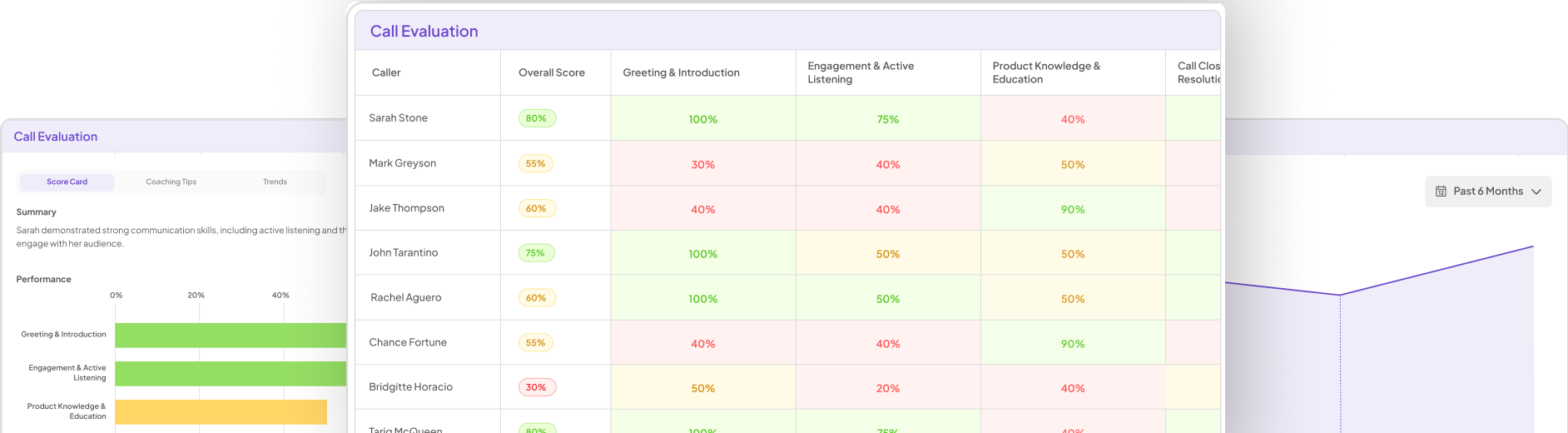
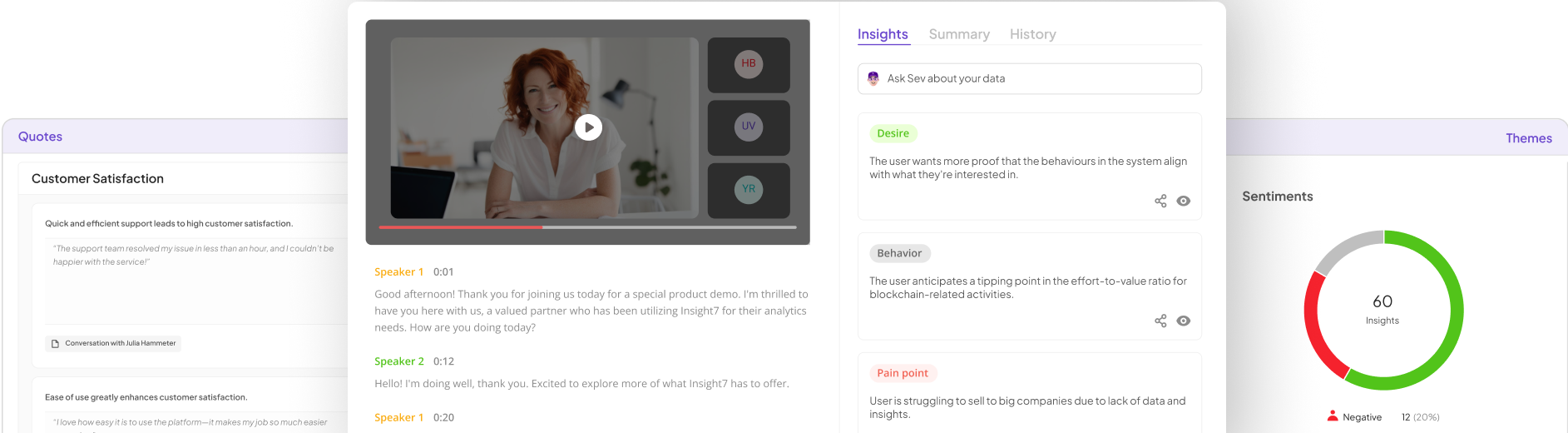
AI roleplay tools are designed to create immersive training experiences that help individuals practice their public speaking skills. These tools simulate various speaking scenarios, from formal presentations to casual discussions, allowing users to encounter different audience dynamics and reactions. The AI evaluates each interaction, scoring it against custom quality criteria that focus on essential elements such as sentiment, empathy, and resolution effectiveness. This automated evaluation ensures that participants receive consistent and unbiased feedback, which is crucial for their growth.
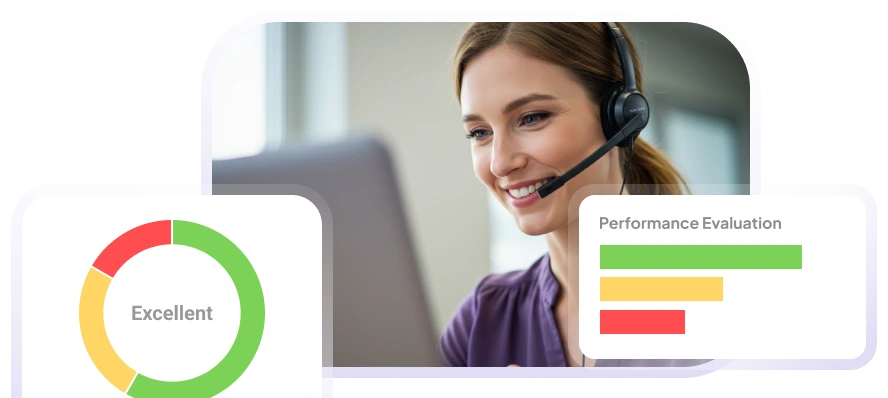
One of the most significant advantages of using AI roleplay scenarios is the ability to receive real-time feedback. Unlike traditional training methods, where feedback may come days or weeks later, AI tools provide immediate insights that help users identify areas for improvement. For example, if a speaker tends to use too many filler words or speaks too quickly, the AI can highlight these issues on the spot, allowing for quick adjustments. This instant feedback loop accelerates the learning process and helps individuals develop their skills more efficiently.
Moreover, AI roleplay tools can adapt to the unique needs of each user. By analyzing performance data, these tools can identify specific skill gaps and suggest targeted coaching recommendations. This personalized approach ensures that training is not only relevant but also tailored to the individual’s strengths and weaknesses. As a result, users can focus on the areas that require the most attention, leading to more effective skill development.
In addition to improving individual performance, AI roleplay scenarios can also enhance team dynamics. By practicing together, team members can develop a shared understanding of communication styles and expectations. This collaborative training fosters a culture of open feedback and continuous improvement, which is essential for any successful organization. As teams become more cohesive in their communication, they can better engage with clients and stakeholders, ultimately driving better results.
To maximize the benefits of AI roleplay tools in public speaking training, individuals should approach their practice sessions with intention. Setting specific goals for each session can help focus efforts on particular skills, such as improving eye contact or reducing anxiety. Additionally, recording practice sessions can provide valuable insights into progress over time, allowing users to reflect on their growth and adjust their training strategies accordingly.
In conclusion, AI roleplay tools are transforming public speaking training by providing realistic practice scenarios, real-time feedback, and personalized coaching. These innovative tools empower individuals to enhance their communication skills, build confidence, and engage more effectively with their audiences. By leveraging AI-driven roleplay scenarios, anyone can unlock their potential as a speaker and master the art of public communication. Embrace this technology to elevate your public speaking skills and make a lasting impact in your professional and personal endeavors.
Comparison Table
Comparison Table
When comparing traditional public speaking training methods with AI roleplay scenarios, several key differences emerge. Traditional training often relies on in-person workshops and feedback from peers or instructors, which can be subjective and delayed. In contrast, AI roleplay scenarios provide immediate, data-driven feedback, allowing users to adjust their techniques in real-time. Additionally, while traditional methods may focus on general speaking skills, AI tools offer personalized coaching tailored to individual strengths and weaknesses. This adaptability ensures that users can concentrate on specific areas for improvement, such as tone or pacing. Furthermore, AI-driven training can simulate a variety of speaking environments, enhancing the realism of practice sessions. Ultimately, AI roleplay scenarios represent a more efficient and effective approach to mastering public speaking.
Selection Criteria
Selection Criteria for Speaking in Public Training with AI Roleplay Scenarios
When evaluating speaking in public training programs that utilize AI roleplay scenarios, several selection criteria should be considered to ensure effectiveness and relevance. First, assess the realism of scenarios; the training should simulate authentic speaking environments to prepare participants for actual situations. Next, prioritize immediate feedback mechanisms; the ability to receive real-time insights on tone, pacing, and engagement is crucial for rapid skill development. Additionally, look for personalization options; programs that adapt to individual strengths and weaknesses can enhance learning outcomes. Consider the integration of performance tracking; ongoing assessment of progress helps identify areas for improvement over time. Lastly, ensure that the program promotes collaborative learning; fostering team dynamics through shared practice can lead to better communication and engagement within organizations.
Implementation Guide
Implementation Guide
Implementing "Speaking in Public Training with AI Roleplay Scenarios" involves a structured approach to enhance public speaking skills through immersive technology. Start by selecting a reliable AI platform that offers realistic roleplay scenarios tailored to various speaking contexts, such as interviews, presentations, or public addresses. Ensure the platform provides immediate feedback on key performance indicators like tone, pacing, and engagement levels.
Next, integrate personalized coaching features that adapt to individual strengths and weaknesses, allowing participants to focus on specific areas for improvement. Incorporate performance tracking tools to monitor progress over time, enabling users to see their development and identify ongoing challenges. Finally, encourage collaborative learning by facilitating group sessions where participants can practice together, share insights, and refine their skills in a supportive environment. This comprehensive approach will maximize the effectiveness of AI-driven public speaking training.
Frequently Asked Questions
Frequently Asked Questions
Q: What is "Speaking in Public Training with AI Roleplay Scenarios"?
A: This training program utilizes AI technology to create realistic roleplay scenarios that simulate various public speaking environments, allowing participants to practice and refine their skills in a safe, controlled setting.
Q: How does AI enhance the training experience?
A: AI provides immediate feedback on key performance indicators such as tone, pacing, and engagement, enabling participants to make real-time adjustments and improve their delivery effectively.
Q: Can the training be personalized?
A: Yes, the program adapts to individual strengths and weaknesses, offering tailored coaching recommendations to enhance learning outcomes for each participant.
Q: What types of speaking scenarios can I expect?
A: Participants can practice a range of scenarios, including interviews, presentations, and public addresses, ensuring they are well-prepared for various speaking situations.
Q: How is progress tracked throughout the training?
A: The program includes performance tracking tools that monitor progress over time, allowing users to identify areas for improvement and celebrate their development in public speaking skills.