
Soft Skills Assessment Examples Using AI Scenario Simulations
-
 Bella Williams
 - 10 min read

In today's rapidly evolving business landscape, the need for effective soft skills assessment has never been more critical. Utilizing AI scenario simulations offers a transformative approach to evaluating these essential interpersonal skills. This article will explore practical examples of how AI can simulate real-world interactions, enabling organizations to assess and enhance their teams' soft skills. By leveraging AI-driven insights, companies can identify strengths and weaknesses in communication, empathy, and problem-solving abilities, ultimately fostering a more capable and adaptable workforce. As we delve into these examples, we will highlight the benefits of integrating AI into soft skills training and assessment, paving the way for improved employee performance and customer satisfaction.
Soft Skills Assessment Tools Using AI Scenario Simulations
In the realm of soft skills assessment, AI scenario simulations are revolutionizing how organizations evaluate and enhance interpersonal skills. These simulations provide a dynamic platform for assessing critical soft skills such as communication, empathy, and problem-solving in realistic contexts. By immersing employees in lifelike scenarios, companies can gain valuable insights into their teams' abilities, identifying both strengths and areas for improvement. This section will explore practical examples of how AI-driven scenario simulations can effectively assess soft skills, ultimately leading to enhanced employee performance and improved customer interactions.
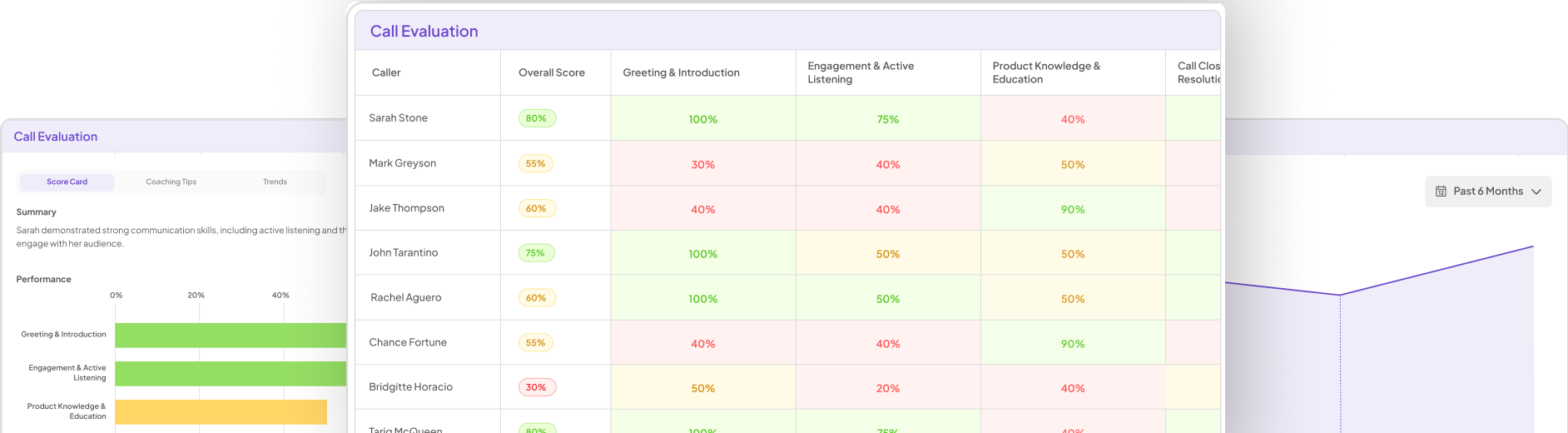
One compelling example of AI scenario simulations in action is Insight7's AI-powered call analytics platform, which evaluates customer-facing conversations. This tool automatically analyzes 100% of customer calls, scoring interactions based on custom quality criteria that include tone, empathy, and resolution effectiveness. By simulating real customer interactions, Insight7 allows organizations to assess how well their employees handle various situations, from addressing customer concerns to identifying upsell opportunities. This not only enhances the training process but also provides actionable insights that can be used to coach employees effectively.
Another practical application of AI scenario simulations is in the realm of coaching and performance management. Insight7 generates actionable coaching insights from real conversations, allowing managers to track agent performance over time. For instance, if a customer service representative consistently struggles with empathy during calls, the AI can highlight these interactions, enabling targeted coaching recommendations. This approach ensures that employees receive personalized feedback tailored to their specific needs, fostering continuous improvement in their soft skills.
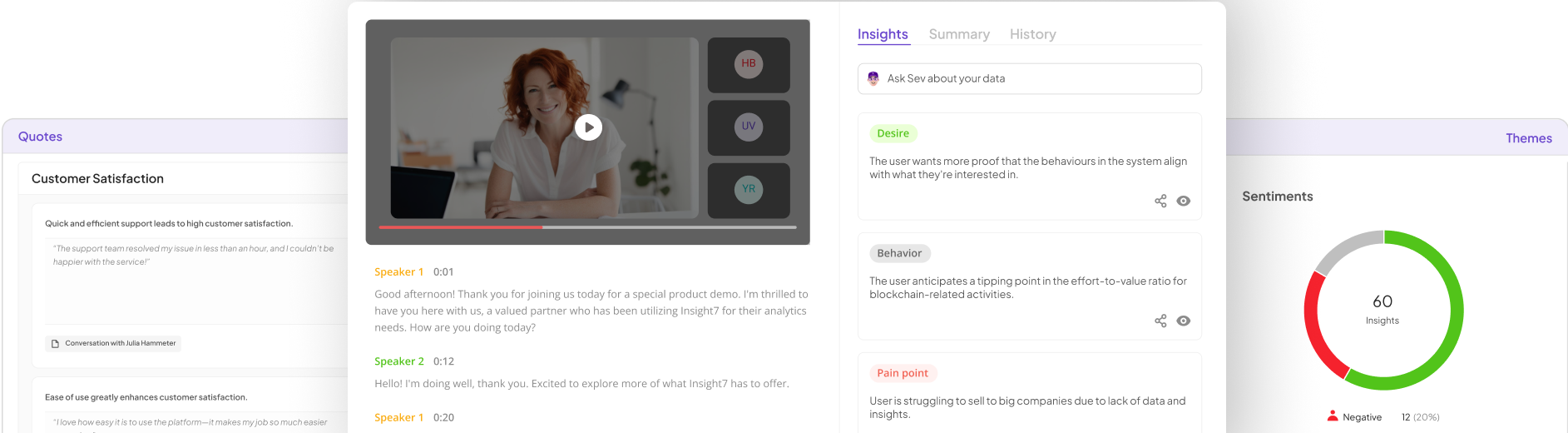
Moreover, AI scenario simulations can uncover recurring customer pain points and sentiment trends, providing organizations with a deeper understanding of their customer interactions. By analyzing these trends, companies can refine their service processes and improve overall customer satisfaction. For example, if the AI detects a common issue that leads to customer dissatisfaction, organizations can proactively address these concerns, equipping their teams with the skills necessary to handle similar situations in the future.
The integration of AI into soft skills assessment not only enhances the evaluation process but also streamlines performance management. With performance dashboards, organizations can visualize trends across agents and teams, making it easier to identify skill gaps and monitor quality and compliance continuously. This data-driven approach allows companies to make informed decisions about training programs and coaching strategies, ultimately leading to a more competent and adaptable workforce.
In conclusion, AI scenario simulations offer a powerful tool for assessing and enhancing soft skills within organizations. By leveraging platforms like Insight7, companies can evaluate real-world interactions, provide personalized coaching, and gain valuable insights into customer sentiment. This innovative approach not only improves employee performance but also fosters a culture of continuous learning and development, ultimately driving better outcomes for both employees and customers alike. As businesses continue to navigate an increasingly complex landscape, the ability to effectively assess and develop soft skills will be essential for success.
Comparison Table
Comparison Table
When evaluating soft skills assessment examples using AI scenario simulations, Insight7 stands out with its robust AI-powered call analytics platform. This tool automatically analyzes 100% of customer-facing conversations, scoring interactions based on custom quality criteria such as tone, empathy, and resolution effectiveness. In contrast to traditional assessment methods, Insight7's platform provides real-time insights into employee performance, enabling targeted coaching and performance management. Additionally, its multilingual support ensures that organizations can evaluate global conversations accurately, making it a versatile choice for diverse teams. By integrating AI into the assessment process, companies can not only identify skill gaps but also enhance training programs, ultimately fostering a more capable workforce that excels in customer interactions.
Selection Criteria
Selection Criteria
When assessing soft skills through AI scenario simulations, organizations should consider several key criteria to ensure effectiveness. First, the ability of the AI platform to evaluate 100% of customer interactions is crucial, as it provides comprehensive insights into employee performance. Look for features that score interactions based on custom quality criteria, such as tone, empathy, and resolution effectiveness, which are essential for gauging soft skills.
Additionally, the platform should offer actionable coaching insights derived from real conversations, enabling targeted feedback and performance tracking over time. Multilingual support is also vital for global teams, ensuring that assessments are relevant across diverse linguistic backgrounds. Finally, ensure that the platform complies with enterprise-grade security standards, such as GDPR and SOC2, to protect sensitive data while enhancing training programs.
Implementation Guide
Implementation Guide
To effectively implement soft skills assessments using AI scenario simulations, organizations should leverage Insight7's AI-powered call analytics platform. Begin by integrating the platform to automatically evaluate 100% of customer interactions, scoring them against custom quality criteria such as tone, empathy, and resolution effectiveness. This ensures a comprehensive understanding of employee performance.
Next, utilize the platform's coaching and performance management features to generate actionable insights from real conversations. Identify skill gaps and tailor coaching recommendations accordingly. Regularly track agent performance over time to monitor improvements and adjust training programs as necessary.
Finally, ensure that the platform's multilingual support is utilized for global teams, allowing for accurate evaluations across diverse linguistic backgrounds. By following these steps, organizations can enhance their soft skills assessment processes, ultimately driving better customer interactions and improved service quality.
Frequently Asked Questions
Q: What are soft skills assessment examples using AI scenario simulations?
A: Soft skills assessments using AI scenario simulations involve evaluating employee interactions through AI-driven platforms that analyze communication quality, empathy, and resolution effectiveness. These assessments provide actionable insights for coaching and performance management.
Q: How does AI evaluate soft skills in customer interactions?
A: AI evaluates soft skills by automatically scoring customer interactions against custom quality criteria, including tone, empathy, and resolution effectiveness, ensuring a comprehensive analysis of employee performance.
Q: What benefits do AI scenario simulations offer for coaching?
A: AI scenario simulations generate actionable coaching insights from real conversations, allowing managers to identify skill gaps, track performance improvements, and deliver personalized feedback to enhance employee development.
Q: Can AI assessments be used for multilingual teams?
A: Yes, AI assessments can effectively evaluate interactions across diverse linguistic backgrounds, thanks to multilingual support, ensuring that soft skills evaluations are relevant and accurate for global teams.
Q: How does Insight7 ensure data security during assessments?
A: Insight7 complies with enterprise-grade security standards, including GDPR and SOC2, to protect sensitive data while conducting soft skills assessments, ensuring that organizations can trust the integrity of their evaluations.