
Social Skills Self-Assessment with AI Conversation Practice
-
 Bella Williams
 - 10 min read

In today's fast-paced world, social skills are more important than ever, and leveraging AI for self-assessment and conversation practice can significantly enhance these abilities. This article explores how AI-driven tools can facilitate social skills self-assessment, providing users with personalized feedback and opportunities for improvement. By engaging in simulated conversations, individuals can identify their strengths and weaknesses in real-time, allowing for targeted development in areas such as empathy, tone, and conflict resolution. As we delve deeper, we'll examine the benefits of AI conversation practice, the role of feedback in skill enhancement, and how these tools can be integrated into personal and professional growth strategies. Embracing this technology not only fosters better communication but also empowers individuals to navigate social interactions with confidence.
Essential Tools for Social Skills Self-Assessment with AI Conversation Practice
In the realm of personal development, social skills self-assessment using AI conversation practice is a transformative approach that allows individuals to refine their interpersonal abilities effectively. By utilizing AI-driven tools, users can engage in simulated conversations that provide immediate feedback on various aspects of communication, such as tone, empathy, and conflict resolution. This method not only highlights areas for improvement but also empowers individuals to practice and enhance their social skills in a safe, controlled environment.
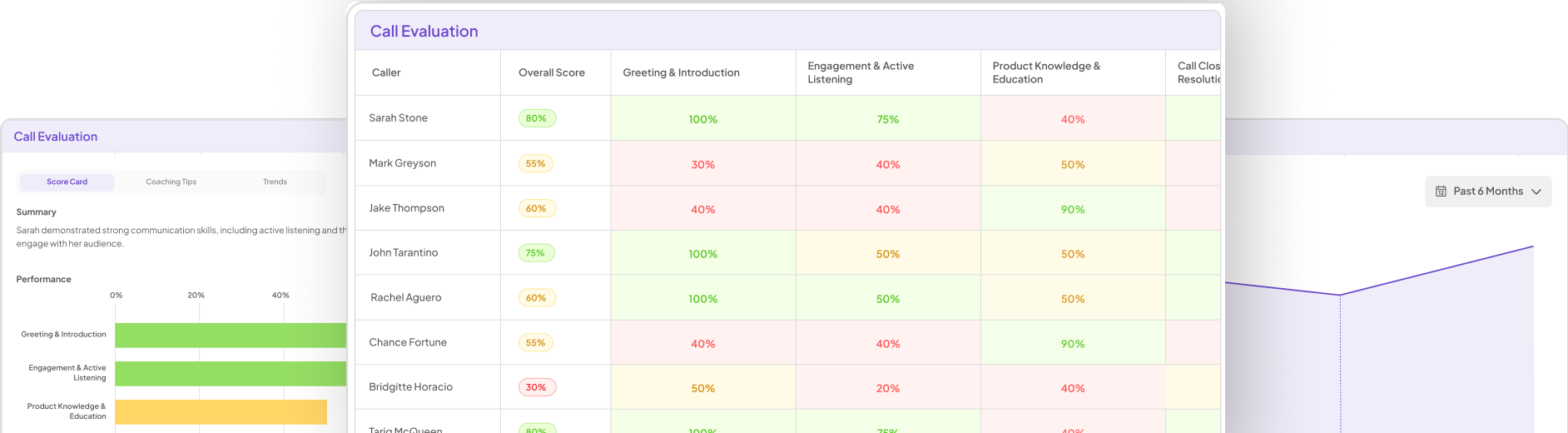
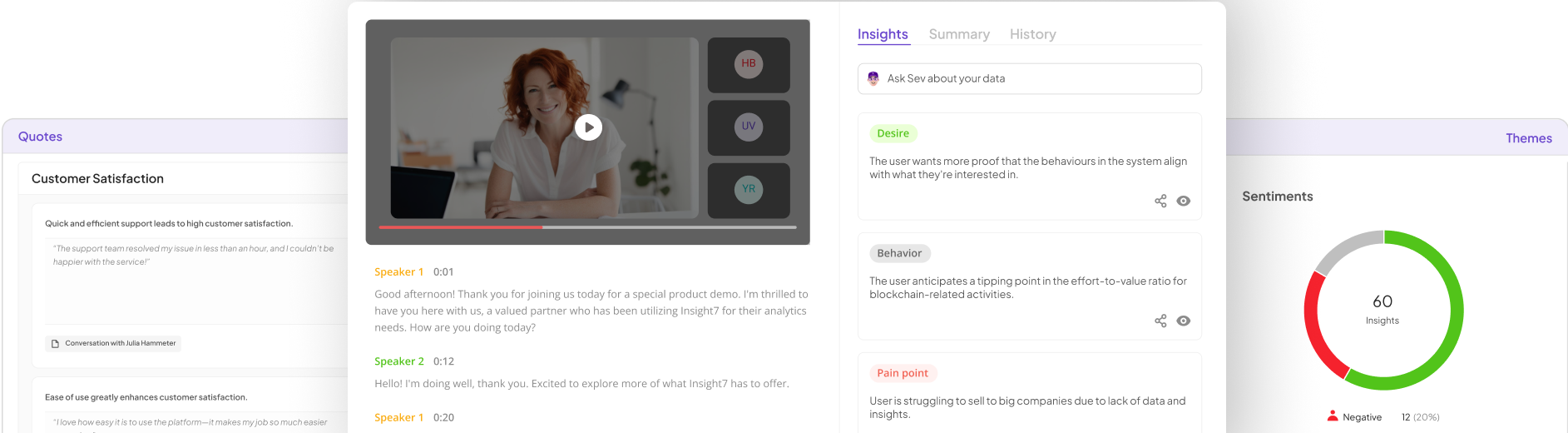
AI conversation practice offers a unique opportunity for self-assessment by automatically evaluating interactions against custom quality criteria. For instance, platforms like Insight7 leverage AI to analyze conversations, scoring them based on sentiment, empathy, and resolution effectiveness. This data-driven feedback is invaluable for users seeking to understand their strengths and weaknesses in real-time, enabling targeted development in crucial social competencies.
Moreover, the integration of AI in social skills training allows for continuous monitoring and personalized coaching recommendations. By identifying skill gaps and providing actionable insights, AI tools can guide users toward specific areas that require attention. This tailored approach ensures that individuals are not only aware of their shortcomings but are also equipped with the strategies needed to improve.
In addition to enhancing individual skills, AI conversation practice fosters a deeper understanding of social dynamics. Users can explore various scenarios, learning how to navigate different social contexts and respond appropriately to diverse emotional cues. This practice is particularly beneficial for customer-facing roles, where effective communication can significantly impact customer satisfaction and overall business success.
The benefits of social skills self-assessment with AI conversation practice extend beyond mere skill enhancement. Engaging with these tools can lead to increased confidence in social interactions, improved relationship-building capabilities, and a greater ability to handle conflicts constructively. As individuals become more adept at recognizing and responding to social cues, they can cultivate stronger connections both personally and professionally.
As we explore the essential tools for social skills self-assessment, it is crucial to recognize the role of feedback in skill enhancement. AI-driven platforms not only provide immediate insights but also track progress over time, allowing users to see their growth and development. This continuous feedback loop is vital for maintaining motivation and ensuring that individuals remain committed to their personal growth journey.
In conclusion, leveraging AI for social skills self-assessment and conversation practice is a powerful strategy for personal and professional development. By providing immediate feedback, personalized coaching, and opportunities for practice, these tools empower individuals to enhance their communication abilities and navigate social interactions with confidence. Embracing this technology not only fosters better communication but also equips individuals with the skills necessary to thrive in an increasingly interconnected world.
Comparison Table
Comparison Table
The "Social Skills Self-Assessment with AI Conversation Practice" offers a unique blend of personalized feedback and real-time interaction, making it an invaluable tool for individuals seeking to enhance their communication skills. Unlike traditional assessment methods, which often rely on static questionnaires, AI-driven platforms provide dynamic conversation simulations that adapt to user responses. This allows for immediate evaluation of key social skills such as empathy, tone, and conflict resolution.
In contrast, Insight7's AI-Powered Call Analytics focuses on customer-facing teams, automatically evaluating conversations to uncover insights that drive revenue and improve service quality. While both tools utilize AI for evaluation, the former emphasizes individual skill development, whereas Insight7 targets organizational performance enhancement. Ultimately, both approaches leverage AI to foster better communication, but they cater to different audiences and objectives.
Selection Criteria
Selection Criteria
When evaluating "Social Skills Self-Assessment with AI Conversation Practice," consider the following criteria:
User Experience: The platform should offer an intuitive interface that facilitates easy navigation and engagement in simulated conversations. Look for features that provide a seamless experience, such as guided prompts and user-friendly feedback mechanisms.
Feedback Quality: Assess the depth and relevance of feedback provided by the AI. The system should evaluate key social skills like empathy, tone, and conflict resolution, offering actionable insights that users can apply in real-life interactions.
Customization: The ability to tailor assessments based on individual needs is crucial. Look for platforms that allow users to set specific goals and customize evaluation criteria to align with their personal development objectives.
Progress Tracking: Effective tools should include features that monitor user progress over time, enabling individuals to visualize their growth and areas needing improvement. Continuous feedback loops enhance motivation and commitment to skill enhancement.
Integration Capabilities: Consider whether the platform can integrate with existing training programs or tools within your organization. This ensures a cohesive approach to skill development and maximizes the effectiveness of the training initiatives.
Implementation Guide
Implementation Guide
To effectively implement the "Social Skills Self-Assessment with AI Conversation Practice," organizations should follow a structured approach. Start by integrating the AI platform into existing training programs, ensuring it aligns with the specific social skills goals of your team. Provide users with an intuitive interface that guides them through simulated conversations, allowing for real-time feedback on empathy, tone, and conflict resolution.
Next, customize the assessments to cater to individual needs, enabling users to set personal development objectives. Incorporate progress tracking features to visualize growth over time, fostering motivation and commitment. Finally, ensure the platform can seamlessly integrate with other training tools within your organization, creating a cohesive skill development strategy that enhances overall communication effectiveness.
Frequently Asked Questions
Q: What is the purpose of the Social Skills Self-Assessment with AI Conversation Practice?
A: The purpose is to help individuals evaluate and enhance their social skills through AI-driven conversation simulations, providing actionable feedback on areas such as empathy, tone, and conflict resolution.
Q: How does the AI evaluate social skills during practice?
A: The AI evaluates social skills by analyzing user interactions in simulated conversations, scoring them against custom quality criteria to provide insights on performance and areas for improvement.
Q: Can users customize their assessments?
A: Yes, users can customize their assessments to align with personal development goals, allowing for tailored feedback and targeted skill enhancement.
Q: What kind of feedback can users expect from the AI?
A: Users can expect detailed feedback on key social skills, including suggestions for improvement and insights into their emotional tone and interaction effectiveness.
Q: How does progress tracking work in this platform?
A: The platform includes features that monitor user progress over time, enabling individuals to visualize their growth and identify areas needing further development.
Q: Is the platform suitable for organizations?
A: Yes, the platform can integrate with existing training programs, making it a valuable tool for organizations looking to enhance their team's communication skills and overall service quality.