
Self-Assessment Tools for Leadership with AI Roleplay
-
 Bella Williams
 - 10 min read

Self-assessment tools for leadership, enhanced by AI roleplay, are revolutionizing how leaders evaluate and develop their skills. These innovative tools leverage artificial intelligence to create realistic scenarios, allowing leaders to practice decision-making in a safe environment. By simulating real-world challenges, these tools provide personalized feedback, helping leaders identify strengths and areas for improvement. The integration of AI not only streamlines the assessment process but also offers actionable insights that can be used for targeted coaching and development. In this article, we will explore the benefits of AI-driven self-assessment tools, their core functionalities, and how they can transform leadership training and performance management in organizations. Embracing these technologies can lead to more effective leaders and better organizational outcomes.
Essential Self-Assessment Tools for Leadership with AI Roleplay
Self-assessment tools for leadership, particularly those enhanced by AI roleplay, are becoming essential in the modern business landscape. These innovative tools allow leaders to evaluate their skills in a realistic, simulated environment, providing a safe space for practice and growth. By leveraging AI technology, these tools can generate personalized feedback based on real-world scenarios, helping leaders identify their strengths and areas needing improvement. This section will explore the essential self-assessment tools for leadership with AI roleplay, focusing on their core functionalities, benefits, and how they can transform leadership training and performance management.
AI-powered self-assessment tools offer a range of capabilities that enhance the leadership development process. One of the most significant advantages is the ability to simulate real-life challenges that leaders may face in their roles. By engaging in roleplay scenarios, leaders can practice decision-making, communication, and conflict resolution skills in a controlled environment. This experiential learning approach not only boosts confidence but also equips leaders with the tools they need to navigate complex situations effectively.
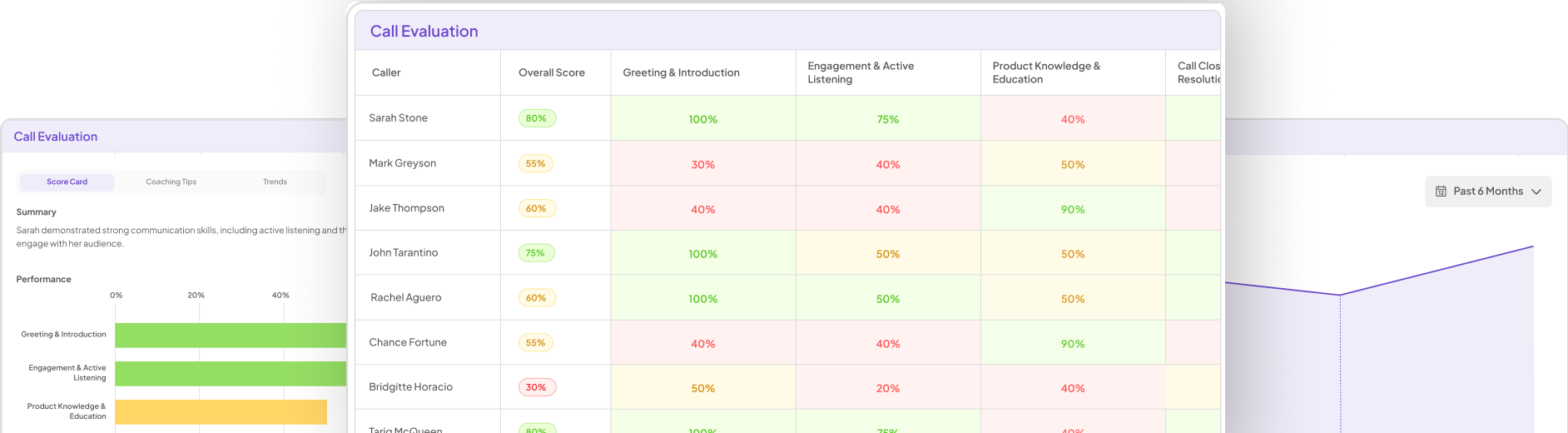
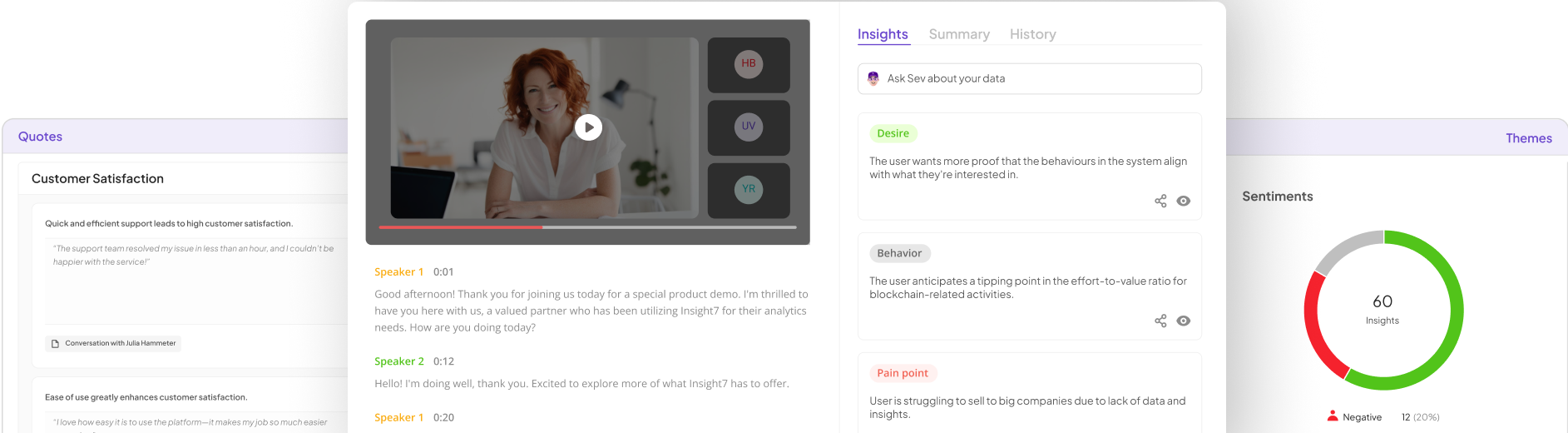
Insight7, for example, provides AI-powered call analytics that can be integrated into leadership self-assessment tools. By automatically evaluating customer interactions, leaders can gain insights into their communication styles, empathy levels, and resolution effectiveness. This data-driven approach allows for a more objective assessment of leadership skills, enabling leaders to receive actionable feedback that can be used for targeted coaching and development.
Another critical feature of AI-driven self-assessment tools is their ability to track performance over time. By continuously monitoring interactions and providing real-time analytics, these tools help leaders understand their progress and identify trends in their development. This ongoing evaluation fosters a culture of continuous improvement, encouraging leaders to refine their skills and adapt to changing business environments.
Moreover, AI roleplay can enhance coaching and performance management by generating personalized recommendations based on individual performance metrics. For instance, if a leader consistently struggles with conflict resolution during simulated scenarios, the tool can suggest specific coaching strategies to address this skill gap. This tailored approach ensures that leaders receive the support they need to grow and succeed in their roles.
The integration of AI in self-assessment tools also allows for multilingual support, making these resources accessible to diverse teams across the globe. This feature is particularly beneficial for organizations operating in multiple regions, as it ensures that all leaders can engage with the training materials in their preferred language. By breaking down language barriers, companies can foster a more inclusive environment that promotes leadership development for all employees.
In addition to these functionalities, self-assessment tools powered by AI can help organizations identify upsell and cross-sell opportunities within customer interactions. By analyzing conversations, leaders can uncover insights that drive revenue and improve service quality. This data not only enhances the overall customer experience but also empowers leaders to make informed decisions that positively impact the bottom line.
As organizations continue to embrace AI technologies, the importance of self-assessment tools for leadership will only grow. These tools not only streamline the assessment process but also provide valuable insights that can lead to more effective leaders and better organizational outcomes. By investing in AI-driven self-assessment tools, companies can ensure that their leaders are well-equipped to navigate the challenges of today’s dynamic business landscape.
In conclusion, self-assessment tools for leadership with AI roleplay are essential for modern organizations seeking to develop their leaders effectively. By providing realistic simulations, personalized feedback, and ongoing performance tracking, these tools empower leaders to enhance their skills and drive organizational success. Embracing AI in leadership development is not just a trend; it is a strategic investment in the future of business.
Comparison Table
Self-assessment tools for leadership, particularly those enhanced by AI roleplay, are becoming essential in the modern business landscape. These innovative tools allow leaders to evaluate their skills in a realistic, simulated environment, providing a safe space for practice and growth. By leveraging AI technology, these tools can generate personalized feedback based on real-world scenarios, helping leaders identify their strengths and areas needing improvement. This section will explore the essential self-assessment tools for leadership with AI roleplay, focusing on their core functionalities, benefits, and how they can transform leadership training and performance management.
AI-powered self-assessment tools offer a range of capabilities that enhance the leadership development process. One of the most significant advantages is the ability to simulate real-life challenges that leaders may face in their roles. By engaging in roleplay scenarios, leaders can practice decision-making, communication, and conflict resolution skills in a controlled environment. This experiential learning approach not only boosts confidence but also equips leaders with the tools they need to navigate complex situations effectively.
Insight7, for example, provides AI-powered call analytics that can be integrated into leadership self-assessment tools. By automatically evaluating customer interactions, leaders can gain insights into their communication styles, empathy levels, and resolution effectiveness. This data-driven approach allows for a more objective assessment of leadership skills, enabling leaders to receive actionable feedback that can be used for targeted coaching and development.
Another critical feature of AI-driven self-assessment tools is their ability to track performance over time. By continuously monitoring interactions and providing real-time analytics, these tools help leaders understand their progress and identify trends in their development. This ongoing evaluation fosters a culture of continuous improvement, encouraging leaders to refine their skills and adapt to changing business environments.
Moreover, AI roleplay can enhance coaching and performance management by generating personalized recommendations based on individual performance metrics. For instance, if a leader consistently struggles with conflict resolution during simulated scenarios, the tool can suggest specific coaching strategies to address this skill gap. This tailored approach ensures that leaders receive the support they need to grow and succeed in their roles.
The integration of AI in self-assessment tools also allows for multilingual support, making these resources accessible to diverse teams across the globe. This feature is particularly beneficial for organizations operating in multiple regions, as it ensures that all leaders can engage with the training materials in their preferred language. By breaking down language barriers, companies can foster a more inclusive environment that promotes leadership development for all employees.
In addition to these functionalities, self-assessment tools powered by AI can help organizations identify upsell and cross-sell opportunities within customer interactions. By analyzing conversations, leaders can uncover insights that drive revenue and improve service quality. This data not only enhances the overall customer experience but also empowers leaders to make informed decisions that positively impact the bottom line.
As organizations continue to embrace AI technologies, the importance of self-assessment tools for leadership will only grow. These tools not only streamline the assessment process but also provide valuable insights that can lead to more effective leaders and better organizational outcomes. By investing in AI-driven self-assessment tools, companies can ensure that their leaders are well-equipped to navigate the challenges of today’s dynamic business landscape.
In conclusion, self-assessment tools for leadership with AI roleplay are essential for modern organizations seeking to develop their leaders effectively. By providing realistic simulations, personalized feedback, and ongoing performance tracking, these tools empower leaders to enhance their skills and drive organizational success. Embracing AI in leadership development is not just a trend; it is a strategic investment in the future of business.
Selection Criteria
Self-assessment tools for leadership, particularly those enhanced by AI roleplay, are vital for modern organizations aiming to cultivate effective leaders. These innovative tools provide a realistic, simulated environment for leaders to evaluate their skills, practice decision-making, and receive personalized feedback. By leveraging AI technology, these tools can analyze real-world scenarios, helping leaders identify strengths and areas for improvement.
AI-powered self-assessment tools, like those offered by Insight7, automatically evaluate customer interactions, providing insights into communication styles, empathy levels, and resolution effectiveness. This data-driven approach fosters objective assessments, enabling targeted coaching and development. Additionally, these tools track performance over time, encouraging continuous improvement and adaptation to evolving business environments.
Moreover, AI roleplay enhances coaching by generating personalized recommendations based on individual performance metrics. This tailored support helps leaders address specific skill gaps, ensuring they receive the guidance necessary for growth. The multilingual capabilities of these tools also make them accessible to diverse teams, promoting an inclusive environment for leadership development.
As organizations increasingly adopt AI technologies, the significance of self-assessment tools for leadership will continue to rise. By investing in these resources, companies can ensure their leaders are well-equipped to navigate the complexities of today’s business landscape, ultimately driving organizational success.
Implementation Guide
Self-assessment tools for leadership with AI roleplay are essential for modern organizations looking to enhance their leadership capabilities. These tools provide realistic simulations that allow leaders to practice decision-making, communication, and conflict resolution in a safe environment. By leveraging AI technology, these tools can deliver personalized feedback based on real-world scenarios, helping leaders identify their strengths and areas for improvement.
To implement these tools effectively, organizations should focus on integrating AI-powered analytics, such as those offered by Insight7, which automatically evaluate customer interactions. This data-driven approach enables leaders to gain insights into their communication styles and effectiveness, fostering objective assessments and targeted coaching. Additionally, tracking performance over time encourages continuous improvement and adaptation to changing business environments.
Incorporating AI roleplay into leadership training not only enhances coaching but also generates personalized recommendations based on individual performance metrics. This tailored support ensures leaders can address specific skill gaps, ultimately driving organizational success. By investing in these innovative self-assessment tools, companies can equip their leaders to navigate the complexities of today’s dynamic business landscape.
Frequently Asked Questions
Q: What are self-assessment tools for leadership with AI roleplay?
A: Self-assessment tools for leadership with AI roleplay are innovative platforms that allow leaders to evaluate their skills in realistic, simulated environments. These tools leverage AI technology to provide personalized feedback and insights based on real-world scenarios.
Q: How do these tools enhance leadership development?
A: These tools enhance leadership development by offering objective assessments of communication styles, empathy levels, and decision-making skills. They also track performance over time, enabling continuous improvement and targeted coaching.
Q: What role does AI play in these self-assessment tools?
A: AI plays a crucial role by automatically evaluating interactions, detecting sentiment, and generating personalized recommendations for improvement. This data-driven approach helps leaders identify strengths and areas for growth.
Q: Who can benefit from using these tools?
A: Customer support and CX teams, QA and enablement managers, and operations leaders can all benefit from these tools, as they focus on improving service quality and coaching effectiveness.
Q: How do AI roleplay scenarios work?
A: AI roleplay scenarios simulate real-world challenges that leaders may face, allowing them to practice their responses and decision-making in a safe environment while receiving immediate feedback on their performance.