
Self-Assessment of Leadership Skills Using AI Roleplay Practice
-
 Bella Williams
 - 10 min read

In today's fast-paced business environment, self-assessment of leadership skills is crucial for personal and organizational growth. Leveraging AI roleplay practice offers a dynamic approach to enhance these skills. By simulating real-world scenarios, leaders can receive immediate feedback on their performance, identify areas for improvement, and refine their decision-making abilities. This innovative method not only fosters self-awareness but also builds confidence in handling complex situations. As AI technology continues to evolve, integrating it into leadership training can transform traditional coaching methods, making them more effective and accessible. This article will explore how AI roleplay can facilitate self-assessment, enhance leadership capabilities, and ultimately drive better outcomes for teams and organizations.
Self-Assessment Tools for Leadership Skills
Self-assessment of leadership skills using AI roleplay practice offers a transformative approach for leaders seeking to enhance their capabilities. By engaging in simulated scenarios powered by AI, leaders can receive immediate feedback, identify areas for improvement, and refine their decision-making skills. This innovative method not only fosters self-awareness but also builds confidence in navigating complex situations. As organizations increasingly recognize the value of effective leadership, integrating AI technology into training programs can significantly enhance traditional coaching methods, making them more impactful and accessible.
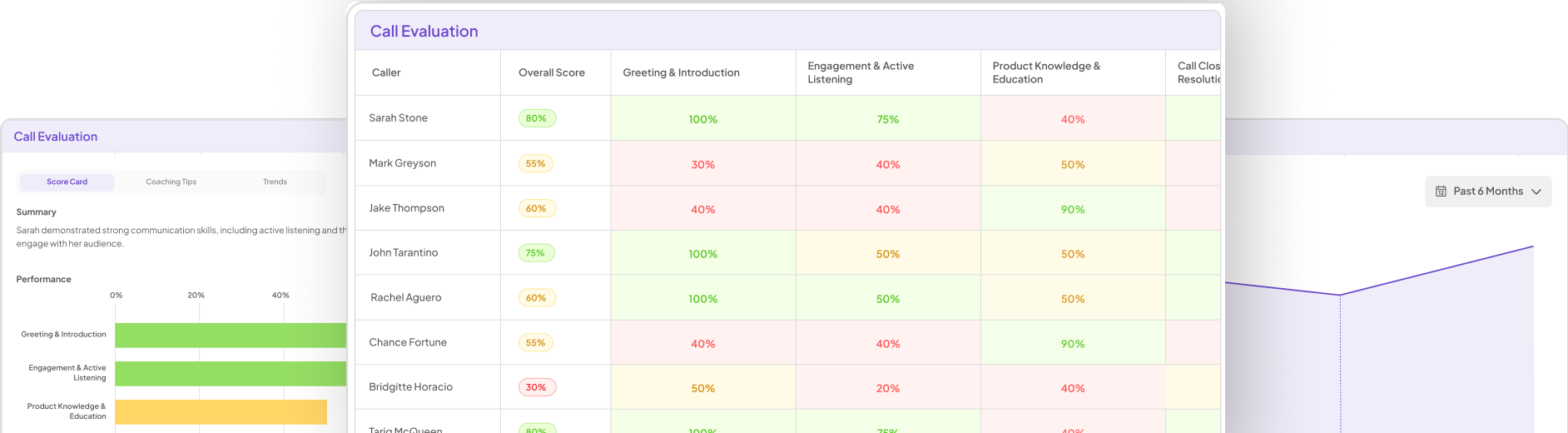
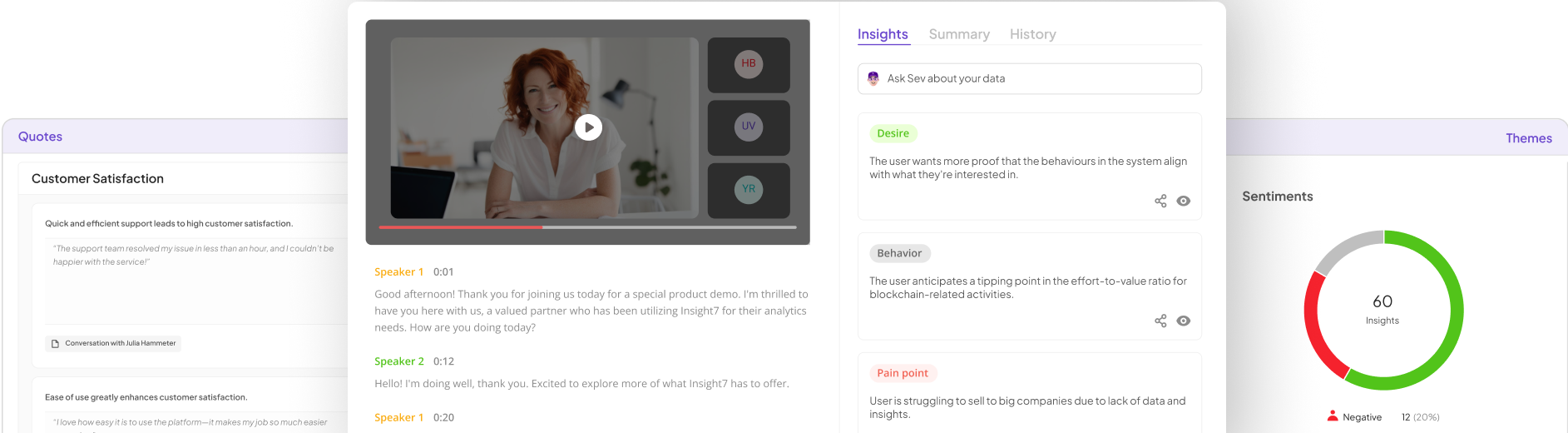
AI roleplay practice allows leaders to immerse themselves in realistic situations that mimic the challenges they face in their roles. For instance, by utilizing platforms like Insight7, leaders can analyze customer interactions and receive AI-generated evaluations on their performance. This includes scoring interactions based on custom quality criteria, detecting sentiment and empathy, and assessing resolution effectiveness. Such detailed feedback equips leaders with insights that are crucial for personal development and team performance.
Moreover, the ability to practice in a safe environment encourages leaders to experiment with different approaches without the fear of real-world consequences. This aspect of AI roleplay is particularly beneficial for those who may struggle with public speaking or decision-making under pressure. By repeatedly engaging in these scenarios, leaders can develop their skills at their own pace, ultimately leading to improved confidence and competence.
The coaching and performance management capabilities of AI tools further enhance the self-assessment process. Leaders can track their progress over time, identify skill gaps, and receive targeted coaching recommendations based on real conversations. This continuous monitoring not only helps in personal growth but also contributes to the overall effectiveness of the team. As leaders become more adept at handling various situations, they can drive better outcomes for their organizations.
In addition to individual benefits, AI roleplay practice can also foster a culture of feedback within teams. Leaders who engage in self-assessment and improvement are more likely to encourage their team members to do the same. This creates an environment where continuous learning is valued, and employees feel empowered to develop their skills. By leveraging AI-driven insights, organizations can ensure that their leadership training programs are aligned with their strategic goals and responsive to the evolving needs of their workforce.
In conclusion, self-assessment of leadership skills through AI roleplay practice is a powerful tool for personal and professional development. By embracing this innovative approach, leaders can enhance their capabilities, foster a culture of continuous improvement, and ultimately drive better results for their teams and organizations. As AI technology continues to advance, its integration into leadership training will become increasingly essential for cultivating effective leaders in today's dynamic business landscape.
Comparison Table
Comparison Table
Self-assessment of leadership skills using AI roleplay practice offers a unique blend of technology and personal development. Unlike traditional methods, AI-driven platforms like Insight7 provide real-time feedback on leadership interactions, allowing leaders to evaluate their performance against custom quality criteria. This automated evaluation covers aspects such as empathy, sentiment, and resolution effectiveness, which are often overlooked in conventional assessments.
Moreover, AI roleplay practice enables leaders to engage in realistic scenarios that mirror actual challenges, fostering a safe environment for experimentation. This contrasts with standard self-assessment tools that may lack interactivity. Additionally, AI platforms continuously track progress and identify skill gaps, offering tailored coaching recommendations, thereby enhancing the overall leadership development process. Ultimately, integrating AI into self-assessment not only improves individual capabilities but also strengthens team performance and organizational growth.
Selection Criteria
Self-assessment of leadership skills using AI roleplay practice is an innovative approach that empowers leaders to enhance their capabilities through realistic simulations. By leveraging AI-driven platforms like Insight7, leaders can engage in immersive scenarios that reflect real-world challenges, receiving immediate feedback on their performance. This method not only fosters self-awareness but also builds confidence in decision-making and interpersonal interactions. With features that evaluate empathy, sentiment, and resolution effectiveness, AI roleplay practice offers a comprehensive assessment that traditional methods often overlook.
Incorporating AI into leadership training allows for continuous monitoring of progress, identifying skill gaps, and providing tailored coaching recommendations. This dynamic approach not only accelerates personal development but also cultivates a culture of feedback and continuous improvement within teams. As organizations prioritize effective leadership, integrating AI technology into training programs becomes essential for driving better outcomes and achieving strategic goals.
Implementation Guide
Self-assessment of leadership skills using AI roleplay practice is an innovative approach that leverages advanced technology to enhance personal development. By utilizing AI-driven platforms like Insight7, leaders can engage in realistic scenarios that mirror actual challenges they face in their roles. This method provides immediate feedback on performance, focusing on critical aspects such as empathy, sentiment, and resolution effectiveness, which are often overlooked in traditional assessments.
The integration of AI into leadership training not only fosters self-awareness but also builds confidence in decision-making and interpersonal interactions. Continuous monitoring of progress allows for the identification of skill gaps and tailored coaching recommendations, creating a dynamic environment for personal growth. Ultimately, this approach cultivates a culture of feedback and continuous improvement, essential for driving better outcomes and achieving strategic goals within organizations.
Frequently Asked Questions
Q: What is self-assessment of leadership skills using AI roleplay practice?
A: Self-assessment of leadership skills using AI roleplay practice involves engaging in realistic simulations powered by AI technology, allowing leaders to evaluate their capabilities in real-world scenarios and receive immediate feedback on their performance.
Q: How does AI roleplay practice enhance leadership development?
A: AI roleplay practice enhances leadership development by providing immersive experiences that reflect actual challenges, fostering self-awareness, and building confidence in decision-making and interpersonal interactions.
Q: What specific skills can leaders assess through AI roleplay?
A: Leaders can assess skills such as empathy, sentiment detection, and resolution effectiveness, which are crucial for effective leadership but often overlooked in traditional assessments.
Q: How does continuous monitoring work in this practice?
A: Continuous monitoring allows leaders to track their progress over time, identify skill gaps, and receive tailored coaching recommendations, creating a dynamic environment for personal growth.
Q: What are the benefits of integrating AI into leadership training?
A: Integrating AI into leadership training cultivates a culture of feedback and continuous improvement, essential for driving better outcomes and achieving strategic goals within organizations.