
Public Speaking Training Workshop Enhanced by AI Technology
-
 Bella Williams
 - 10 min read

Public speaking is a vital skill in today's professional landscape, and the integration of AI technology into training workshops is revolutionizing how individuals develop this competency. AI-enhanced public speaking training workshops provide personalized feedback, simulate real-time scenarios, and analyze speech patterns, enabling participants to refine their delivery and content. By leveraging AI tools, attendees can practice in a judgment-free environment, receiving insights on tone, pacing, and audience engagement. This innovative approach not only boosts confidence but also equips speakers with the tools to connect more effectively with their audience. As we delve into the specifics of how AI technology enhances public speaking training, we'll explore its benefits, applications, and the transformative impact it can have on communication skills.
AI-Powered Tools for Enhancing Public Speaking
AI technology is transforming public speaking training workshops by providing personalized feedback, simulating real-time scenarios, and analyzing speech patterns. These AI-powered tools enable participants to practice their delivery and content in a supportive, judgment-free environment, enhancing their confidence and communication skills. By leveraging AI, attendees can receive insights on tone, pacing, and audience engagement, ultimately equipping them with the necessary tools to connect more effectively with their audience.
In the realm of public speaking, the integration of AI technology offers a multitude of benefits. One of the most significant advantages is the ability to provide personalized feedback tailored to each speaker's unique style and needs. Traditional workshops often rely on peer feedback or instructor evaluations, which can be subjective and inconsistent. In contrast, AI-powered platforms can analyze every aspect of a speaker's performance, from vocal tone and pacing to body language and emotional resonance. This data-driven approach ensures that feedback is objective, actionable, and focused on specific areas for improvement.
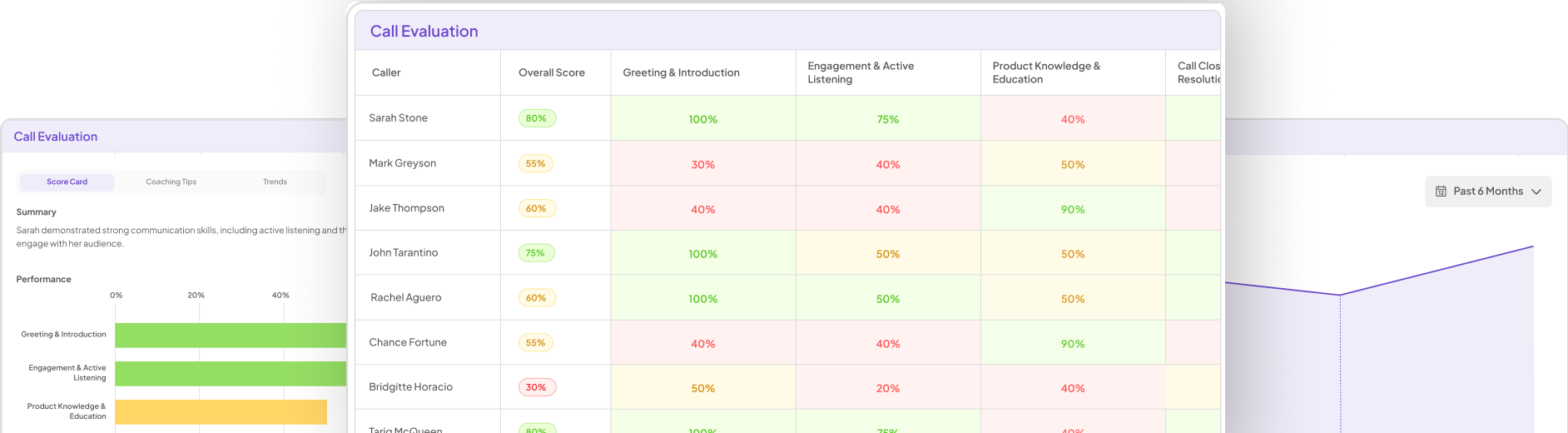
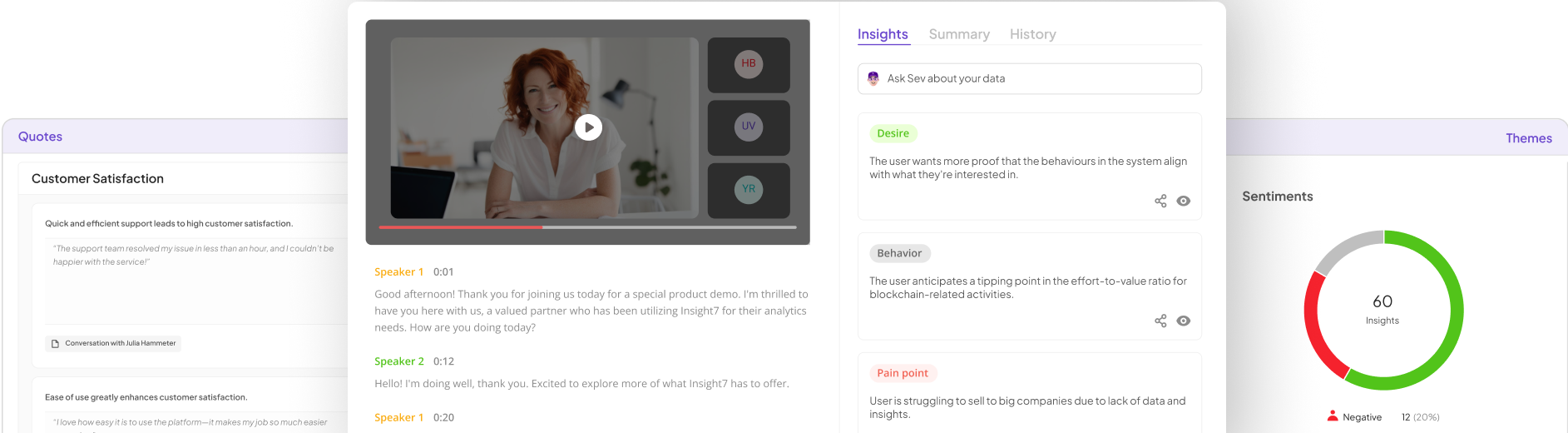
For instance, AI tools can automatically evaluate recorded practice sessions, scoring interactions against custom quality criteria. This allows participants to understand their strengths and weaknesses in real-time, enabling them to make immediate adjustments. Furthermore, AI can detect sentiment and empathy levels in a speaker's delivery, providing insights that help individuals connect better with their audience. This level of analysis is not only beneficial for novice speakers but also for seasoned professionals looking to refine their skills and adapt to different speaking environments.
Another key feature of AI-enhanced public speaking workshops is the ability to simulate real-world scenarios. Participants can engage in role-playing exercises where AI-driven avatars or chatbots act as audience members, posing questions or reacting to the speaker's content. This interactive experience allows speakers to practice handling unexpected situations, such as difficult questions or audience disengagement, in a safe setting. By repeatedly facing these challenges, speakers can build resilience and adaptability, crucial traits for effective communication.
Moreover, AI technology can track progress over time, offering performance dashboards that visualize trends and improvements. This continuous monitoring allows participants to benchmark their growth and identify skill gaps that may require additional focus. For instance, if a speaker consistently struggles with pacing, the AI can suggest targeted coaching recommendations to help them develop a more engaging delivery style. This personalized coaching approach is invaluable, as it empowers individuals to take ownership of their learning journey and fosters a culture of continuous improvement.
The multilingual support provided by AI tools also enhances the inclusivity of public speaking training workshops. Participants from diverse linguistic backgrounds can practice and receive feedback in their preferred language, ensuring that language barriers do not hinder their development. This feature is particularly beneficial in global organizations, where effective communication across cultures is essential for success.
In summary, AI-powered tools are revolutionizing public speaking training workshops by offering personalized feedback, simulating real-world scenarios, and providing continuous performance tracking. These innovations not only boost participants' confidence but also equip them with the skills needed to connect effectively with their audience. As public speaking continues to be a vital skill in various professional contexts, embracing AI technology in training programs will undoubtedly lead to more effective and engaging communicators.
Comparison Table
Comparison Table
AI-enhanced public speaking training workshops leverage advanced technology to transform how individuals develop their communication skills. Unlike traditional workshops that rely on subjective feedback, AI tools provide objective, data-driven insights into a speaker's performance. Participants benefit from personalized coaching, with AI evaluating aspects such as tone, pacing, and emotional resonance. This allows for immediate adjustments and targeted recommendations for improvement. Additionally, AI simulations create realistic scenarios, helping speakers practice handling challenging situations in a safe environment. With multilingual support, these workshops cater to diverse audiences, ensuring inclusivity. Overall, the integration of AI technology not only boosts confidence but also equips speakers with essential skills to engage effectively with their audience.
Selection Criteria
Selection Criteria
When evaluating a "Public Speaking Training Workshop Enhanced by AI Technology," several selection criteria should be considered. First, the effectiveness of AI tools in providing personalized feedback is crucial; they should analyze vocal tone, pacing, and emotional resonance to deliver actionable insights. Second, the ability to simulate real-world scenarios is essential, allowing participants to practice handling difficult questions and audience disengagement in a safe environment. Third, the workshop should offer continuous performance tracking, enabling participants to benchmark their growth and identify skill gaps over time. Additionally, multilingual support is vital for inclusivity, ensuring that speakers from diverse backgrounds can engage fully. Finally, the overall user experience should be intuitive, promoting a supportive learning atmosphere that fosters confidence and skill development.
Implementation Guide
Implementation Guide
To implement a "Public Speaking Training Workshop Enhanced by AI Technology," start by selecting a robust AI platform that provides personalized feedback on vocal tone, pacing, and emotional resonance. Integrate AI tools that simulate real-world speaking scenarios, allowing participants to practice handling challenging questions and audience disengagement in a controlled environment. Ensure continuous performance tracking to help participants benchmark their growth and identify skill gaps over time. Incorporate multilingual support to cater to diverse audiences, enhancing inclusivity. Finally, create an intuitive user experience that fosters a supportive learning atmosphere, encouraging participants to engage confidently and develop essential public speaking skills. By following these steps, organizations can effectively enhance their public speaking training programs with AI technology.
Frequently Asked Questions
Frequently Asked Questions
Q: How does AI enhance public speaking training workshops?
A: AI enhances public speaking training by providing personalized feedback on vocal tone, pacing, and emotional resonance, allowing participants to improve their delivery effectively.
Q: What kind of feedback can participants expect from AI tools?
A: Participants can expect actionable insights on their speaking style, including assessments of sentiment, empathy, and overall effectiveness, which help refine their public speaking skills.
Q: Can the AI simulate real-world speaking scenarios?
A: Yes, AI tools can simulate real-world scenarios, enabling participants to practice handling difficult questions and audience disengagement in a safe environment.
Q: Is multilingual support available in these workshops?
A: Yes, multilingual support is a key feature, ensuring inclusivity for speakers from diverse backgrounds and allowing them to engage fully in the training.
Q: How is participant progress tracked throughout the workshop?
A: Continuous performance tracking is implemented, allowing participants to benchmark their growth over time and identify specific skill gaps for targeted improvement.