
Presentation Skill Development Training Through AI
-
 Bella Williams
 - 10 min read

In today's fast-paced business environment, effective presentation skills are essential for success. AI-powered training solutions are revolutionizing how individuals develop these skills by providing personalized feedback and real-time coaching. Through advanced analytics, AI tools can assess various aspects of a presentation, such as tone, body language, and engagement levels, allowing users to refine their delivery. This training not only enhances individual performance but also fosters team collaboration by identifying common areas for improvement. As organizations increasingly adopt AI-driven platforms, they can expect to see significant improvements in communication effectiveness, leading to better outcomes in client interactions and internal presentations. This article will explore the transformative impact of AI on presentation skill development and how it can empower professionals to excel.
Essential AI Tools for Presentation Skill Development
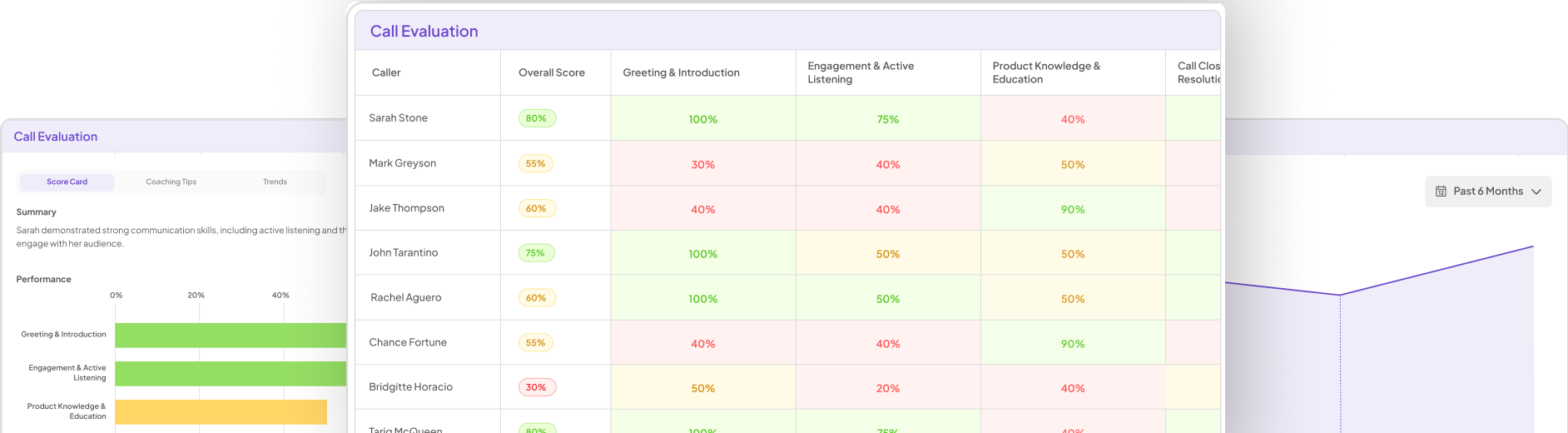
In the realm of professional development, presentation skills are paramount, and AI is emerging as a transformative force in training. AI-powered tools, such as Insight7's analytics platform, are revolutionizing how individuals enhance their presentation capabilities. By leveraging advanced call analytics, these tools provide real-time feedback on various presentation elements, including tone, body language, and engagement levels. This personalized coaching not only improves individual performance but also fosters a collaborative environment where teams can identify and address common areas for improvement.
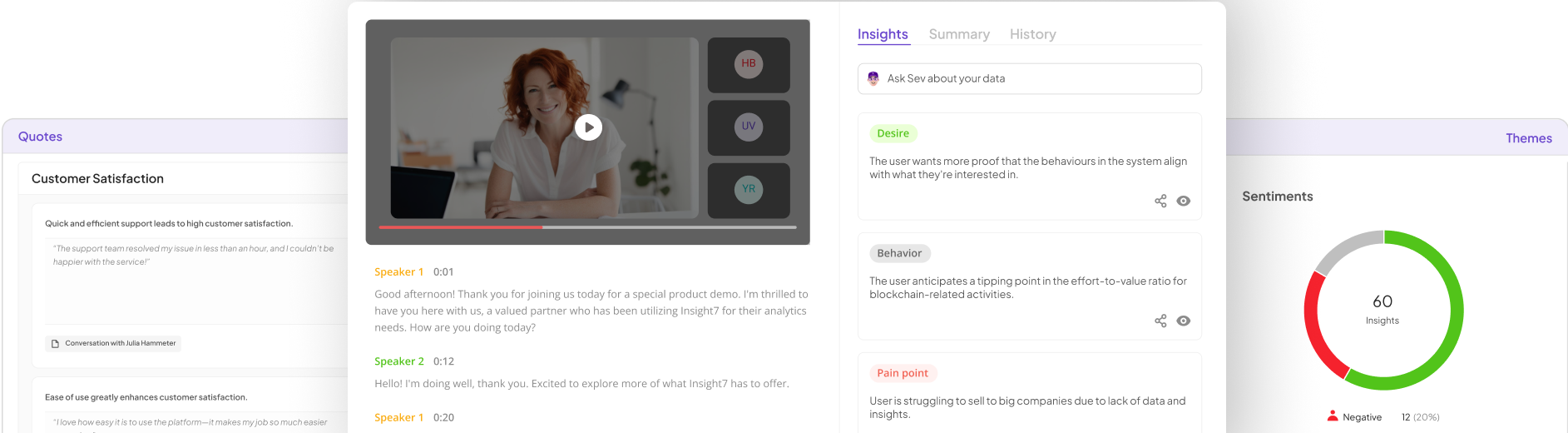
AI tools like Insight7 automatically evaluate customer interactions, scoring them against custom quality criteria. This capability allows users to detect sentiment, empathy, and resolution effectiveness, which are crucial components of effective presentations. By analyzing these aspects, professionals can refine their delivery, ensuring that their message resonates with the audience. Furthermore, the platform's coaching and performance management features generate actionable insights from real conversations, enabling users to track their progress over time and identify skill gaps.
One of the key advantages of AI-driven presentation skill development is the ability to provide consistent and unbiased feedback. Traditional training methods often rely on subjective evaluations, which can lead to inconsistencies in coaching. In contrast, AI tools deliver objective insights, allowing individuals to understand their strengths and weaknesses clearly. This data-driven approach not only enhances individual capabilities but also contributes to overall team performance, as everyone can work towards common goals based on shared insights.
Moreover, AI tools can uncover recurring customer pain points and sentiment trends, which are invaluable for tailoring presentations to meet audience needs. By understanding what resonates with clients, professionals can adjust their messaging and delivery style accordingly, leading to more impactful presentations. The ability to detect upsell and cross-sell opportunities in real time further empowers presenters to capitalize on these insights during their interactions.
As organizations increasingly adopt AI-driven platforms for presentation skill development, they can expect significant improvements in communication effectiveness. The integration of AI not only streamlines the training process but also ensures that individuals are better equipped to engage with their audience. This leads to better outcomes in client interactions and internal presentations, ultimately driving revenue growth and enhancing service quality.
In conclusion, AI-powered tools are reshaping the landscape of presentation skill development. By providing personalized feedback, objective evaluations, and actionable insights, these platforms empower professionals to refine their skills and deliver compelling presentations. As the business environment continues to evolve, embracing AI in training will be essential for those looking to excel in their communication efforts.
Comparison Table
Comparison Table
| Feature/Capability | Traditional Training Methods | AI-Powered Training (e.g., Insight7) |
|---|---|---|
| Feedback Quality | Subjective and inconsistent | Objective, data-driven insights |
| Call Evaluation | Manual review of select calls | Automated evaluation of 100% of customer calls |
| Personalization | Generic training sessions | Tailored coaching based on individual performance |
| Performance Tracking | Limited tracking of progress | Continuous monitoring and actionable insights |
| Skill Gap Identification | Rarely addressed | Identifies skill gaps and suggests targeted coaching |
| Multilingual Support | Often limited to one language | Comprehensive support across 180 languages |
| Security & Compliance | Varies by provider | Enterprise-grade security (GDPR and SOC2 compliant) |
| Engagement Analysis | Minimal focus on audience engagement | Detects sentiment, empathy, and resolution effectiveness |
| Opportunity Detection | Manual identification of upsell opportunities | Real-time detection of upsell and cross-sell moments |
| Training Efficiency | Time-consuming and resource-intensive | Streamlined process with rapid deployment capabilities |
Selection Criteria
Selection Criteria
When considering AI-powered presentation skill development training, several selection criteria are essential for ensuring effectiveness and alignment with organizational goals. First, look for platforms that offer automated call evaluation, providing objective feedback on tone, empathy, and resolution effectiveness. This feature is crucial for identifying areas of improvement in presentation delivery.
Next, prioritize systems with personalized coaching recommendations that adapt to individual performance metrics, allowing for targeted skill enhancement. The ability to track progress over time is also vital, as it enables users to see their development and identify persistent skill gaps.
Additionally, ensure the platform supports multilingual capabilities to cater to diverse teams and client interactions. Finally, verify that the solution adheres to enterprise-grade security standards, such as GDPR and SOC2 compliance, to protect sensitive data during training sessions.
Implementation Guide
Content for section: Implementation Guide – comprehensive analysis and insights.
Frequently Asked Questions
Content for section: Frequently Asked Questions – comprehensive analysis and insights.