
Practicing Emotional Intelligence With AI Leadership Scenarios
-
 Bella Williams
 - 10 min read

Practicing emotional intelligence in leadership is crucial for fostering effective communication and team dynamics. In this article, we will explore how AI leadership scenarios can enhance emotional intelligence skills among leaders. By utilizing AI-powered tools, leaders can simulate real-life interactions, receive feedback on their emotional responses, and identify areas for improvement. This practice not only helps in recognizing and managing one’s own emotions but also in understanding and responding to the emotions of others. As we delve into various AI scenarios, we will highlight their role in developing empathy, improving decision-making, and ultimately driving organizational success. Embracing these technologies can transform leadership styles, making them more adaptive and emotionally aware in today’s fast-paced business environment.
Practical Steps for Enhancing Emotional Intelligence with AI Leadership Scenarios
Practicing emotional intelligence in leadership is essential for creating a cohesive and productive work environment. AI leadership scenarios provide a unique opportunity for leaders to enhance their emotional intelligence by simulating real-life interactions and receiving actionable feedback. By utilizing AI-powered tools like Insight7, leaders can engage in realistic scenarios that challenge their emotional responses, helping them to better understand and manage their own emotions while also responding effectively to the emotions of their team members. This practice not only fosters empathy but also improves decision-making, ultimately driving organizational success.
To effectively practice emotional intelligence with AI leadership scenarios, leaders can follow several practical steps:
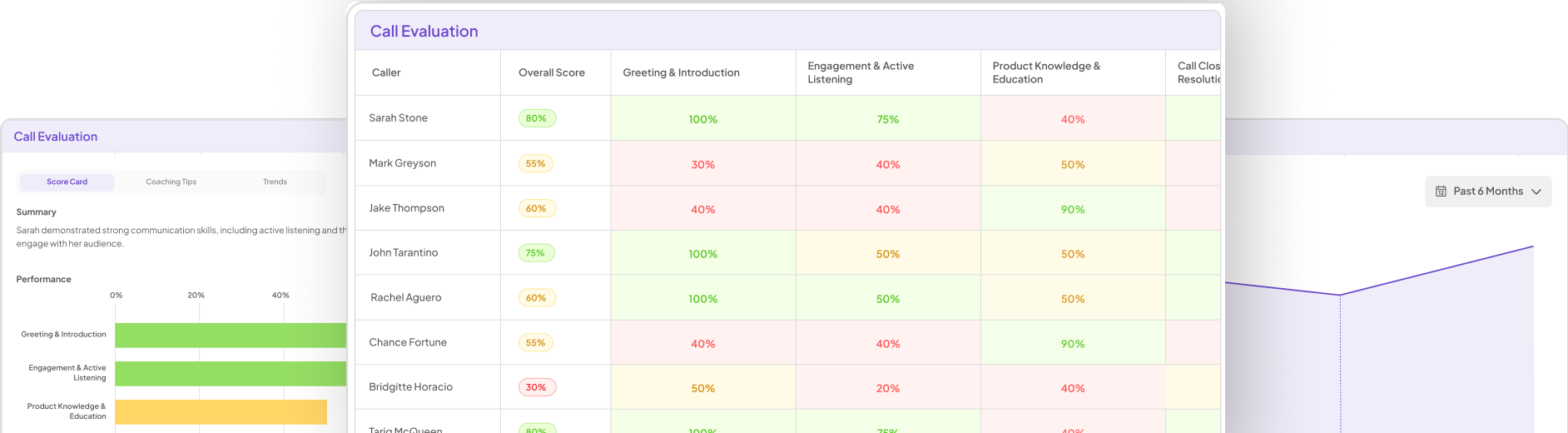
Engage in AI-Powered Simulations: Leaders can use AI-driven platforms to simulate various leadership scenarios that require emotional intelligence. For instance, Insight7’s AI call evaluation feature allows leaders to analyze customer interactions, focusing on aspects such as tone, empathy, and resolution effectiveness. By reviewing these simulations, leaders can gain insights into their emotional responses and identify areas for improvement.
Receive Real-Time Feedback: One of the core capabilities of AI tools is the ability to provide immediate feedback on emotional intelligence competencies. Insight7’s coaching recommendations can help leaders understand how their emotional responses impact team dynamics and customer interactions. This feedback loop is crucial for continuous improvement, enabling leaders to adjust their approaches based on real-world data.
Identify and Address Skill Gaps: AI tools can help leaders track their performance over time, highlighting specific areas where they may need to enhance their emotional intelligence. For example, Insight7 can identify trends in sentiment and empathy, allowing leaders to focus their development efforts on specific skills that require attention. This targeted approach ensures that leaders are not only aware of their strengths but also actively working to improve their weaknesses.
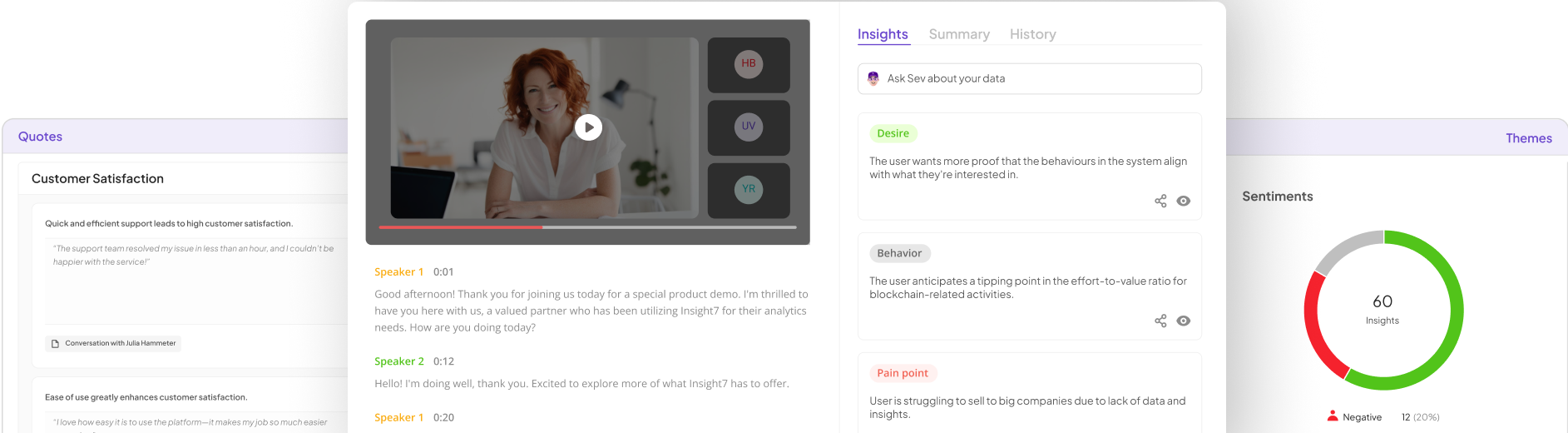
Monitor Emotional Trends: By leveraging AI analytics, leaders can uncover recurring emotional trends within their teams. Insight7’s CX intelligence capabilities allow leaders to detect patterns in customer sentiment and team morale, providing valuable insights into how emotional dynamics affect overall performance. Understanding these trends enables leaders to proactively address issues before they escalate, fostering a more positive work environment.
Practice Empathy in Real-Time: AI scenarios can also help leaders practice empathy during live interactions. By analyzing customer calls and receiving feedback on their emotional responses, leaders can learn to better connect with their teams and customers. This practice not only enhances their emotional intelligence but also improves customer satisfaction and team cohesion.
Utilize Multilingual Support: In today’s globalized business environment, emotional intelligence must transcend language barriers. Insight7’s multilingual support allows leaders to evaluate global conversations accurately, ensuring that emotional nuances are understood regardless of the language spoken. This capability is particularly beneficial for leaders managing diverse teams or interacting with international clients.
Continuous Learning and Adaptation: Finally, leaders should view emotional intelligence as a continuous learning journey. By regularly engaging with AI tools and scenarios, leaders can adapt their emotional responses to various situations, becoming more agile and responsive in their leadership styles. This ongoing practice not only benefits individual leaders but also contributes to a culture of emotional awareness within the organization.
In conclusion, practicing emotional intelligence through AI leadership scenarios is a powerful way for leaders to enhance their skills and improve team dynamics. By engaging in simulations, receiving real-time feedback, and monitoring emotional trends, leaders can develop a deeper understanding of their own emotions and those of others. This practice ultimately leads to more effective leadership, better customer interactions, and a stronger organizational culture. Embracing AI technologies like Insight7 can transform how leaders approach emotional intelligence, making them more adaptive and emotionally aware in today’s fast-paced business landscape.
Comparison Table
Comparison Table
When comparing various AI leadership scenarios for practicing emotional intelligence, Insight7 stands out with its robust features tailored for customer-facing teams. Its AI-powered call analytics automatically evaluates 100% of customer interactions, scoring them based on sentiment, empathy, and resolution effectiveness. This ensures leaders receive unbiased quality assurance insights, promoting consistent coaching across teams. Additionally, Insight7's coaching and performance management capabilities generate actionable insights from real conversations, helping leaders identify skill gaps and track agent performance over time. The platform's CX intelligence features uncover recurring customer pain points and sentiment trends, enabling leaders to refine service processes. With multilingual support and enterprise-grade security, Insight7 provides a comprehensive solution for enhancing emotional intelligence in leadership, making it an invaluable tool for organizational growth.
Selection Criteria
Selection Criteria
When selecting AI leadership scenarios for practicing emotional intelligence, consider the following criteria:
Realism of Simulations: Choose platforms that offer realistic scenarios reflecting actual workplace interactions, allowing leaders to engage authentically with emotional challenges.
Feedback Mechanism: Ensure the AI tool provides real-time, actionable feedback on emotional responses, helping leaders identify areas for improvement in empathy and communication.
Comprehensive Analytics: Look for solutions that analyze sentiment, empathy, and resolution effectiveness across interactions, offering insights into emotional trends and team dynamics.
Customization Options: The ability to tailor evaluation criteria to align with specific organizational values and goals is crucial for meaningful development.
Support for Diverse Teams: Opt for platforms that offer multilingual capabilities, ensuring leaders can effectively practice emotional intelligence in a global context.
These criteria will help organizations choose the right AI tools to enhance emotional intelligence in leadership effectively.
Implementation Guide
To effectively implement emotional intelligence practices using AI leadership scenarios, organizations should follow a structured approach. Begin by integrating Insight7's AI-powered call analytics into leadership training programs. This platform evaluates customer interactions, providing insights on sentiment and empathy, which are crucial for emotional intelligence development. Leaders should engage in realistic simulations that reflect actual workplace scenarios, allowing them to practice their emotional responses in a safe environment.
Utilize the platform's coaching and performance management features to generate actionable feedback, helping leaders identify skill gaps and track their progress over time. Ensure that training programs are customized to align with organizational values, and leverage multilingual support to cater to diverse teams. By systematically applying these strategies, organizations can enhance emotional intelligence among their leaders, ultimately driving better performance and growth.
Frequently Asked Questions
Q: What is emotional intelligence and why is it important for leaders?
A: Emotional intelligence (EI) is the ability to recognize, understand, and manage our own emotions and those of others. For leaders, high EI fosters better communication, enhances team dynamics, and improves decision-making, ultimately driving organizational success.
Q: How can AI leadership scenarios help improve emotional intelligence?
A: AI leadership scenarios provide realistic simulations that allow leaders to practice emotional responses in various situations. These scenarios offer real-time feedback on empathy and communication, helping leaders refine their emotional intelligence skills.
Q: What features should I look for in an AI tool for practicing emotional intelligence?
A: Look for AI tools that offer realistic simulations, real-time feedback, comprehensive analytics on emotional trends, customization options for evaluation criteria, and support for diverse teams through multilingual capabilities.
Q: How can I implement AI leadership scenarios in my organization?
A: Start by integrating an AI-powered call analytics platform like Insight7 into your leadership training programs. Use its features to evaluate customer interactions, provide actionable feedback, and tailor training to align with your organization's values.
Q: What are the benefits of enhancing emotional intelligence in leadership?
A: Enhancing emotional intelligence in leadership leads to improved team collaboration, increased employee satisfaction, better conflict resolution, and ultimately drives performance and growth within the organization.