
Performance Feedback AI Practice: Employee Resistant to Feedback
-
 Bella Williams
 - 10 min read

Introduction to Performance Feedback for Employees Resistant to Feedback
Performance feedback is a critical component of employee development, yet many employees resist it, often viewing feedback as a personal criticism rather than an opportunity for growth. This resistance can stem from various factors, including fear of failure, lack of trust in the feedback process, or previous negative experiences. Understanding these dynamics is essential for organizations aiming to foster a culture of continuous improvement and open communication.
AI-powered coaching and roleplay offer a transformative solution to this challenge. By simulating realistic conversations and providing personalized, data-driven feedback, these tools create a safe environment for employees to practice receiving and responding to feedback. This innovative approach not only helps employees build resilience but also equips them with the skills necessary to engage constructively with feedback, ultimately leading to enhanced performance and job satisfaction.
Scenario: Navigating Employee Resistance to Feedback with AI Coaching
Scenario: Navigating Employee Resistance to Feedback with AI Coaching
Setting:
In a corporate office environment, a manager is preparing to have a feedback session with an employee who has consistently resisted constructive criticism. The employee, Alex, has a history of viewing feedback as a personal attack, leading to defensiveness and disengagement during discussions.
Participants / Components:
- Manager: Sarah, a team leader focused on fostering a growth-oriented culture.
- Employee: Alex, a mid-level employee with strong technical skills but poor responsiveness to feedback.
- AI Coaching Tool: Insight7, an AI-powered platform designed to simulate realistic feedback conversations and provide data-driven insights.
Process / Flow / Response:
Step 1: Initial Assessment
Sarah configures a session on Insight7, selecting a scenario focused on delivering feedback about missed deadlines and communication issues. The AI persona simulates Alex's typical responses, allowing Sarah to practice her delivery in a risk-free environment.
Step 2: Roleplay Simulation
During the roleplay, Sarah engages with the AI, which mimics Alex's defensive behavior. The AI challenges Sarah’s statements, prompting her to refine her approach. This dynamic interaction helps Sarah learn to maintain composure and empathy while addressing Alex's concerns.
Step 3: Feedback and Reflection
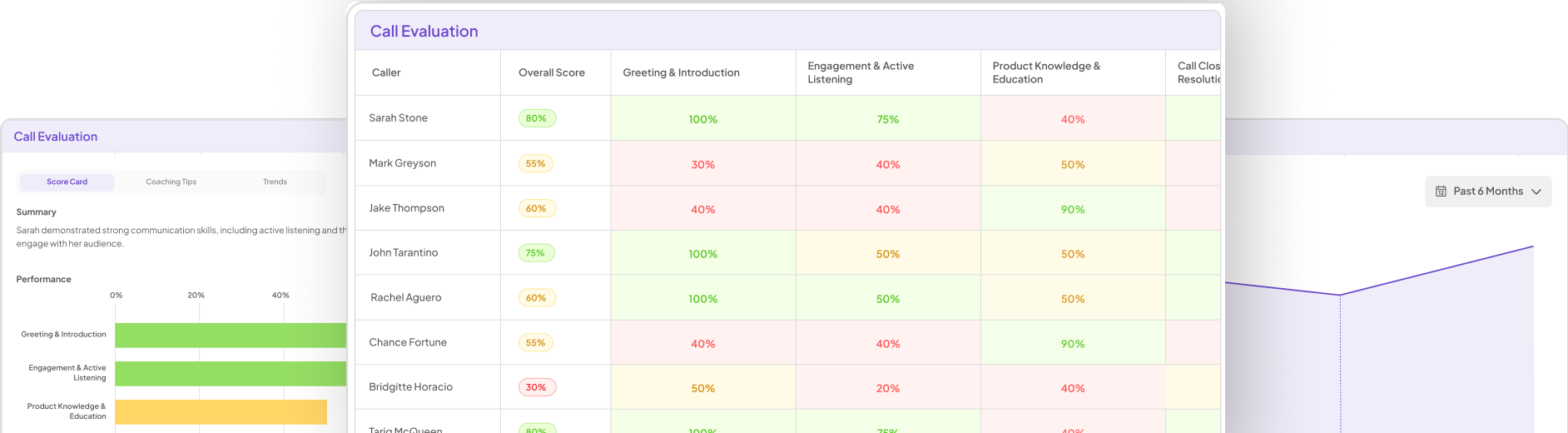
After the roleplay, Insight7 provides Sarah with an automated evaluation, highlighting her strengths in active listening and areas for improvement, such as using more open-ended questions. Sarah reflects on the feedback, identifying strategies to create a more supportive atmosphere during the actual conversation with Alex.
Outcome:
When Sarah meets with Alex, she applies the skills practiced in the AI simulation. By using a more empathetic approach and inviting Alex to share his perspective, the conversation becomes constructive. Alex feels heard, reducing his defensiveness and opening the door to a more productive dialogue about his performance and development. This leads to a clearer understanding of expectations and a commitment to improvement.
Frequently Asked Questions on Performance Feedback and Employee Engagement
Q: How can AI-powered coaching help employees who are resistant to feedback?
A: AI-powered coaching provides a safe, risk-free environment for employees to practice receiving feedback. By simulating realistic conversations, employees can build resilience and learn to engage constructively with feedback, reducing their defensiveness.
Q: What specific skills can employees develop through AI roleplay?
A: Employees can develop critical communication skills such as active listening, empathy, and clarity in expressing their thoughts. The personalized feedback from AI helps them identify areas for improvement in real-time.
Q: How does the AI coaching process work?
A: The AI coaching process involves configuring learning objectives, selecting or creating scenarios, engaging in dynamic roleplay with AI personas, receiving automated evaluations, and reflecting on feedback for continuous improvement.
Q: Can AI coaching replace traditional feedback methods?
A: No, AI coaching complements traditional feedback methods by providing scalable practice opportunities and objective measurements. It enhances the feedback process rather than replacing human interaction and support.
Q: How quickly can employees expect to see improvements in their performance?
A: Employees typically see measurable improvements within 2–4 weeks of engaging with AI coaching, as it allows for frequent practice and immediate feedback on their communication skills.
Q: Is AI coaching suitable for all levels of employees?
A: Yes, AI coaching is valuable for both new hires and senior leaders, as it addresses various communication challenges and helps all employees enhance their feedback reception and delivery skills.